
Beyond Downtown Nagoya: 10 Places to Visit in Aichi Prefecture
When people plan a trip to Japan, Aichi Prefecture is often overlooked in favor of more well-known destinations. Even travelers who do visit tend to focus on Nagoya or nearby Ghibli Park before moving to the next place on their itinerary.
As someone who has spent years exploring central Japan, I have found that many of the most interesting places are located outside of the major tourist routes. Much of the prefecture goes unvisited as people simply pass through the region.
With the Aichi-Nagoya Asian Games kicking off in September 2026, more travelers will have an opportunity to explore the prefecture. Here are ten places in Aichi outside of downtown Nagoya worth adding to your itinerary.
Hatcho Miso Factories in Okazaki
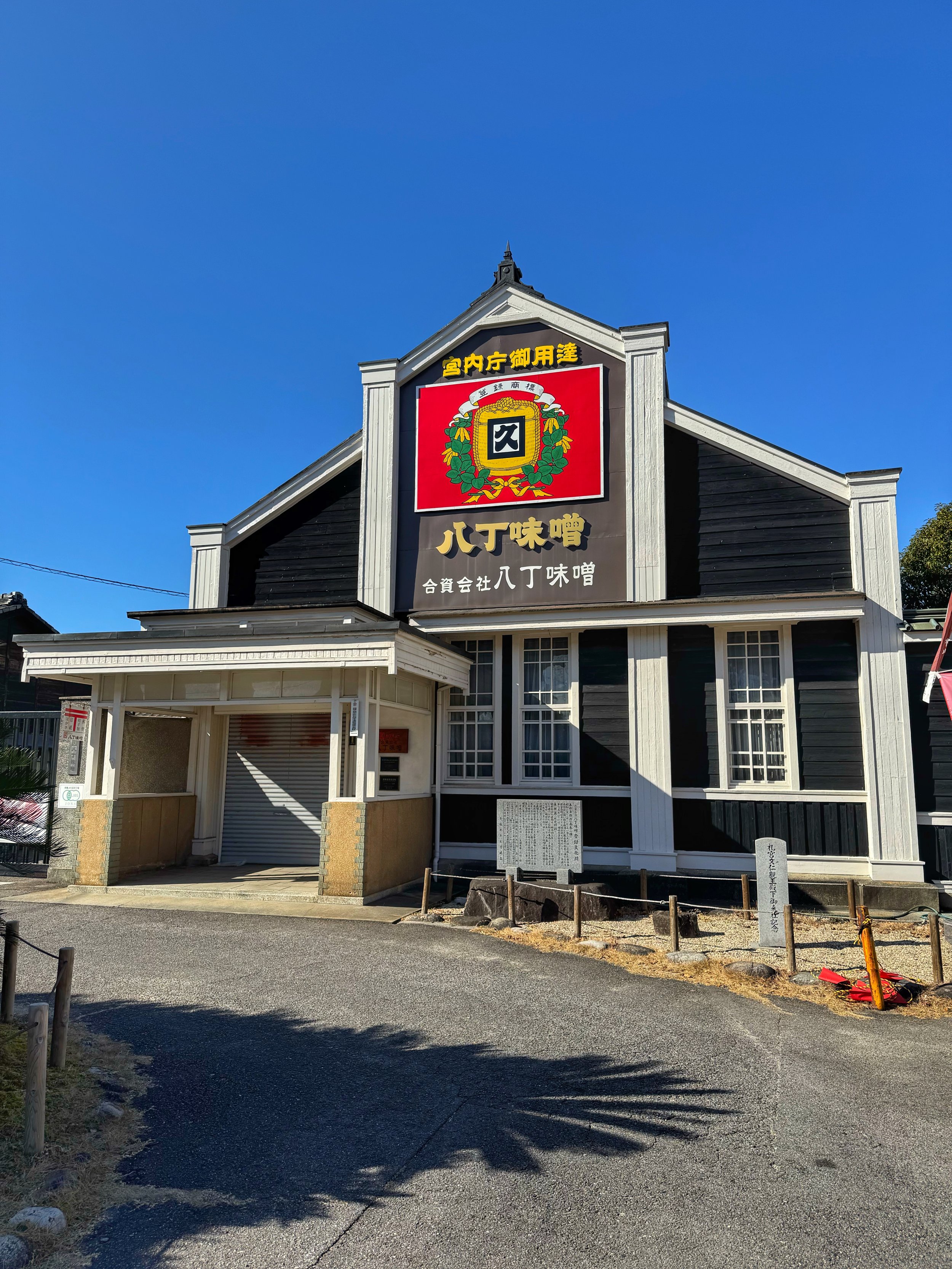
Many travelers with an interest in Japanese history know that Okazaki is the birthplace of Tokugawa Ieyasu, one of the three great unifiers of Japan. What fewer people realize is that the city is equally famous for its centuries-long tradition of Hatcho Miso production.
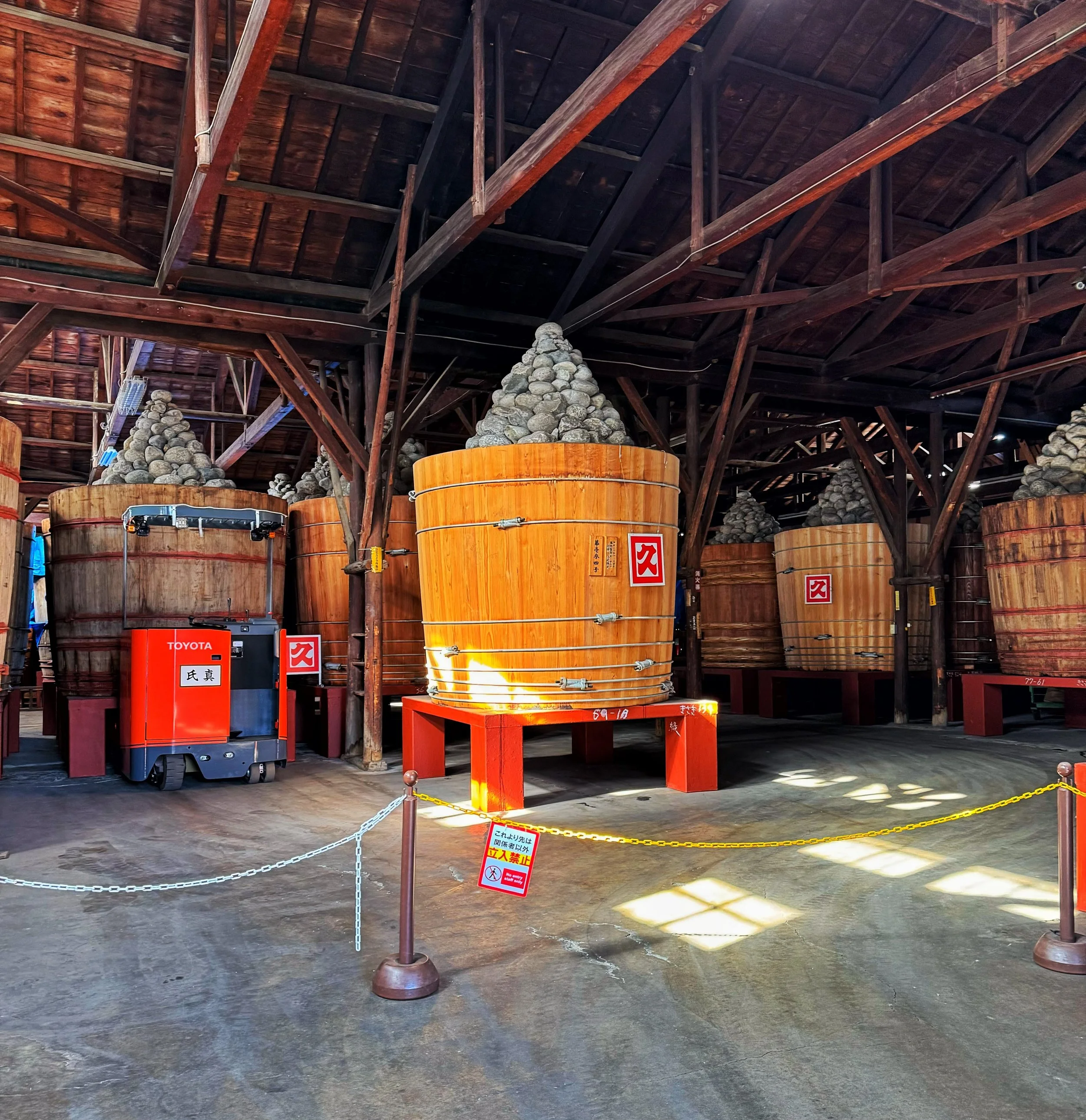
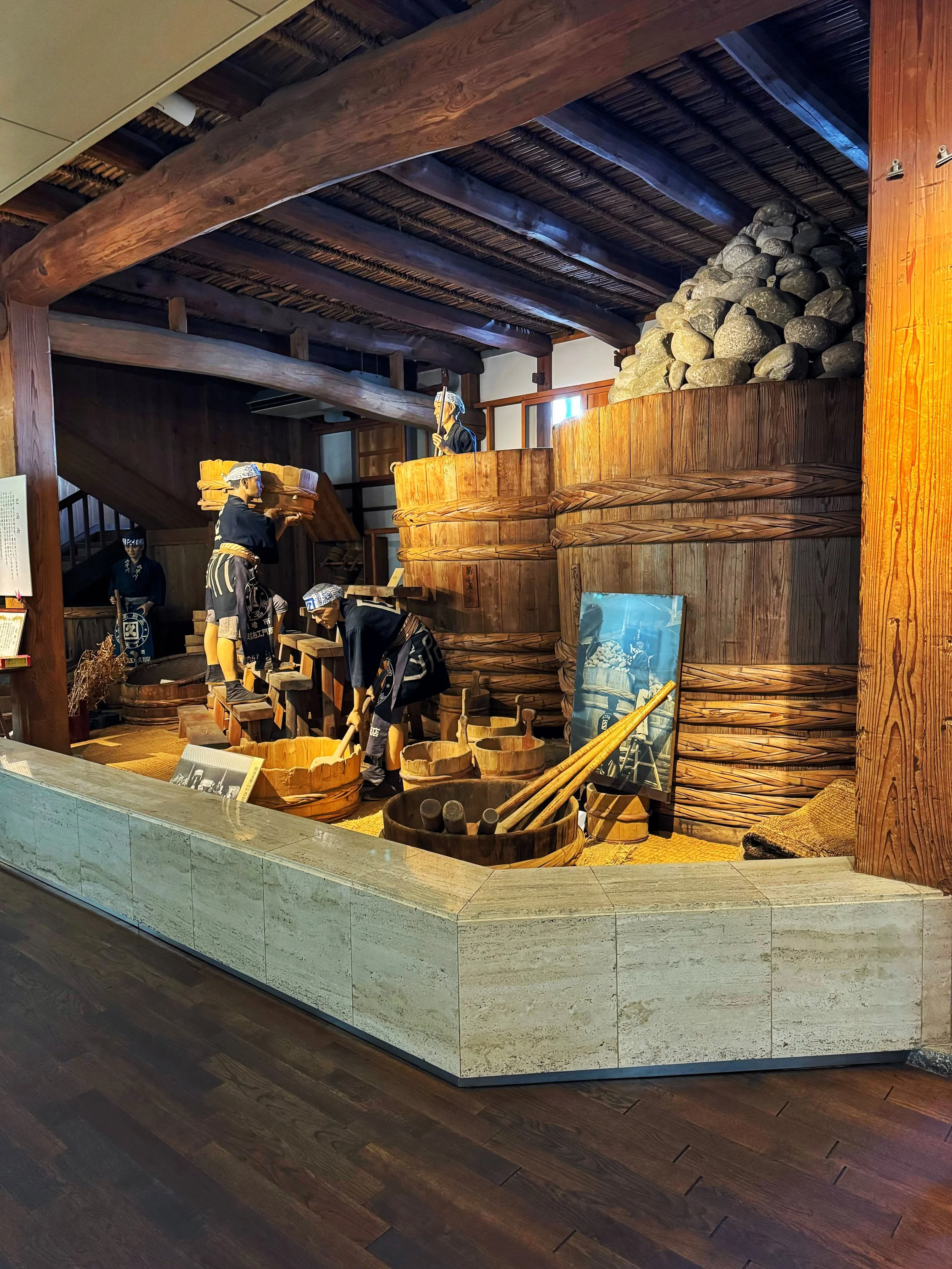
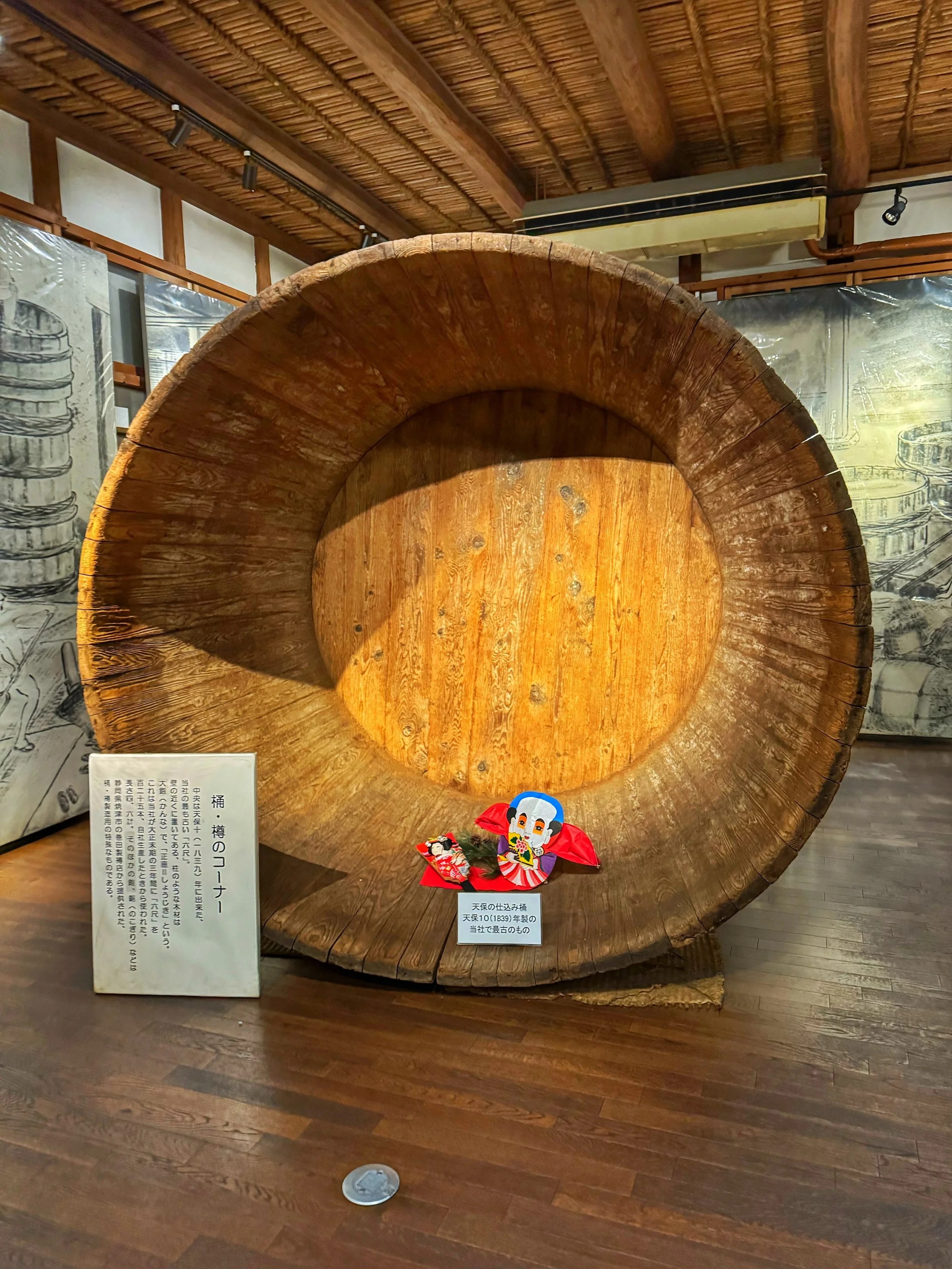
Hatcho Miso is widely recognized across Japan for its deep, almost mahogany or black, color and intense flavor. Unlike countless food products, the production process has not changed much over time, and most producers still use traditional methods to this day.
Visitors can tour the facilities, see the massive vats used for fermentation, and learn why this particular style of miso became a major part of the region’s identity. Beyond the miso factory tours, Okazaki Castle and the surrounding shrines and temples offer a good introduction to Japan’s feudal history.
If you enjoy food culture or traditional crafts, Okazaki should be on your list. For more food recommendations in central Japan, check out this blog post.
Sake Breweries in Handa
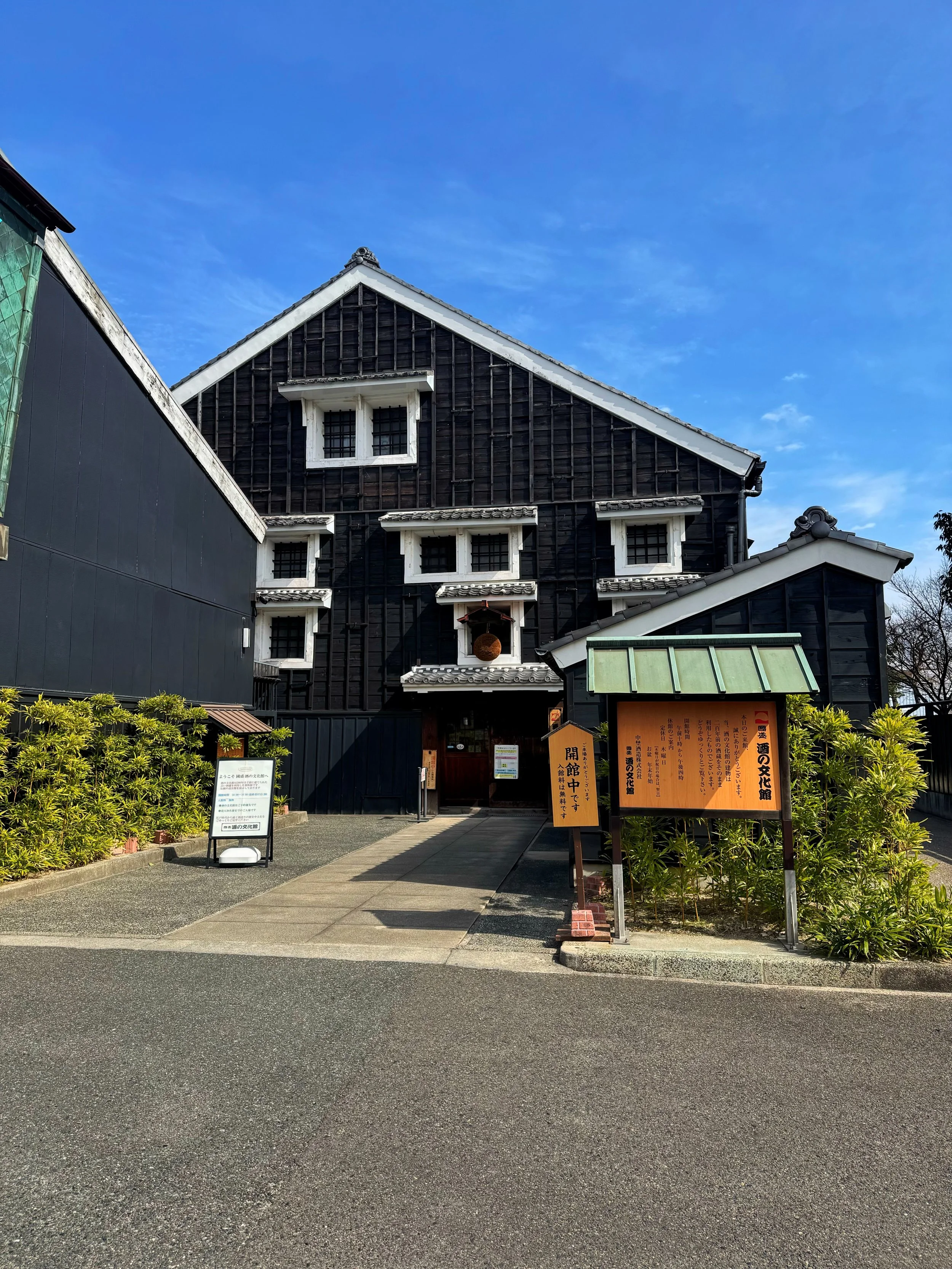
Visitors are often surprised to learn that the Chita Peninsula was once home to more than 200 sake breweries. Today, there are only about 42 across all of Aichi, but Handa still plays a large part in the sake production in the prefecture.
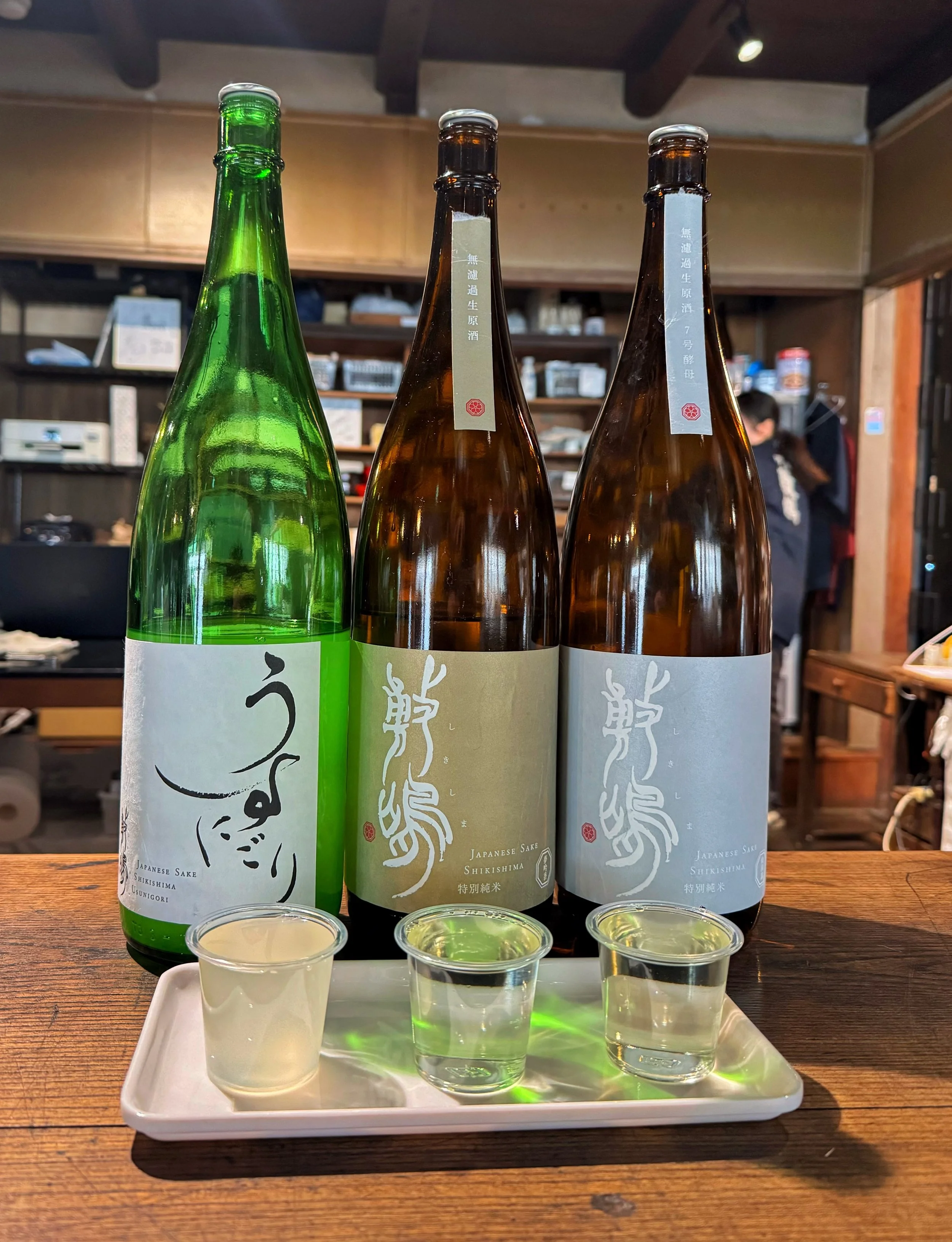
Walking through the city allows you to see how the older architecture has become intertwined with modern development. Local breweries in the area offer tours, and a few have tasting rooms as well. Some are actively revitalizing old merchant districts by bringing in restaurants, shops and tasting rooms.
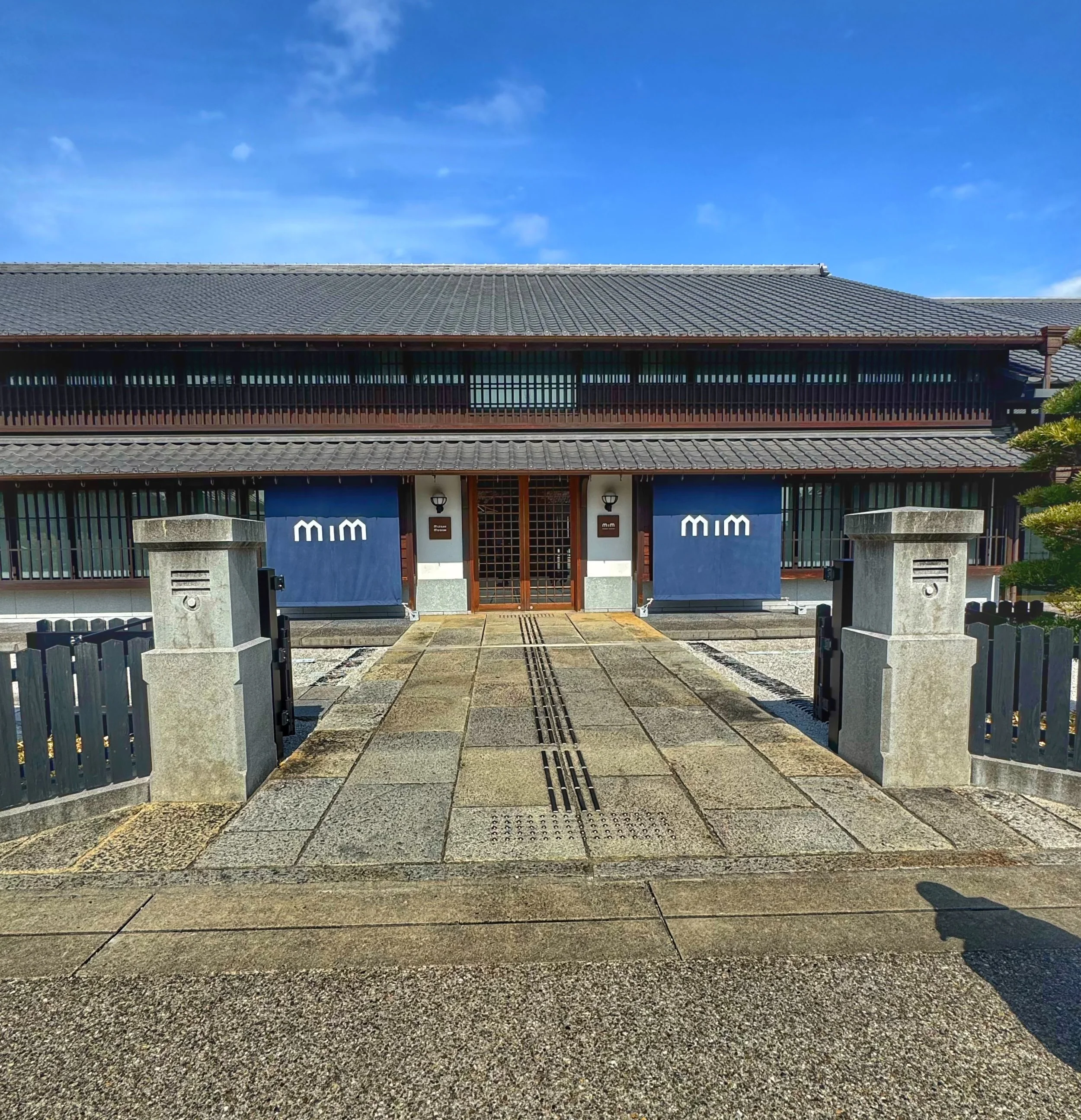
If you have extra time, the Mizkan Museum offers an interesting look at the production of rice vinegar and mirin. These are two ingredients that have also shaped the region’s food culture as much as sake.
Tokoname Pottery Footpath
Most travelers think of Tokoname as the home of Central Japan International Airport. Far fewer know that it is also one of Japan’s six ancient kiln sites with a pottery tradition stretching back centuries.
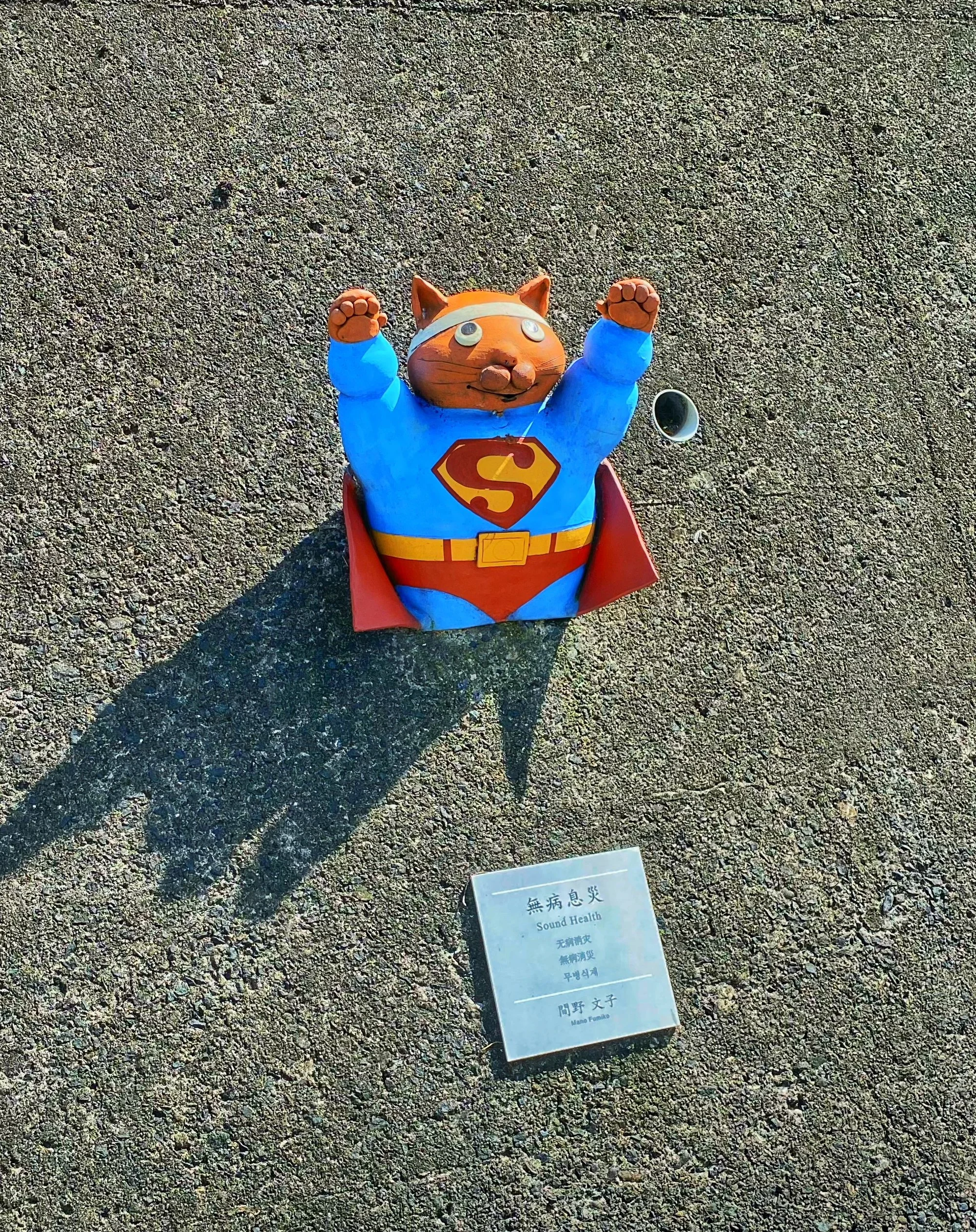
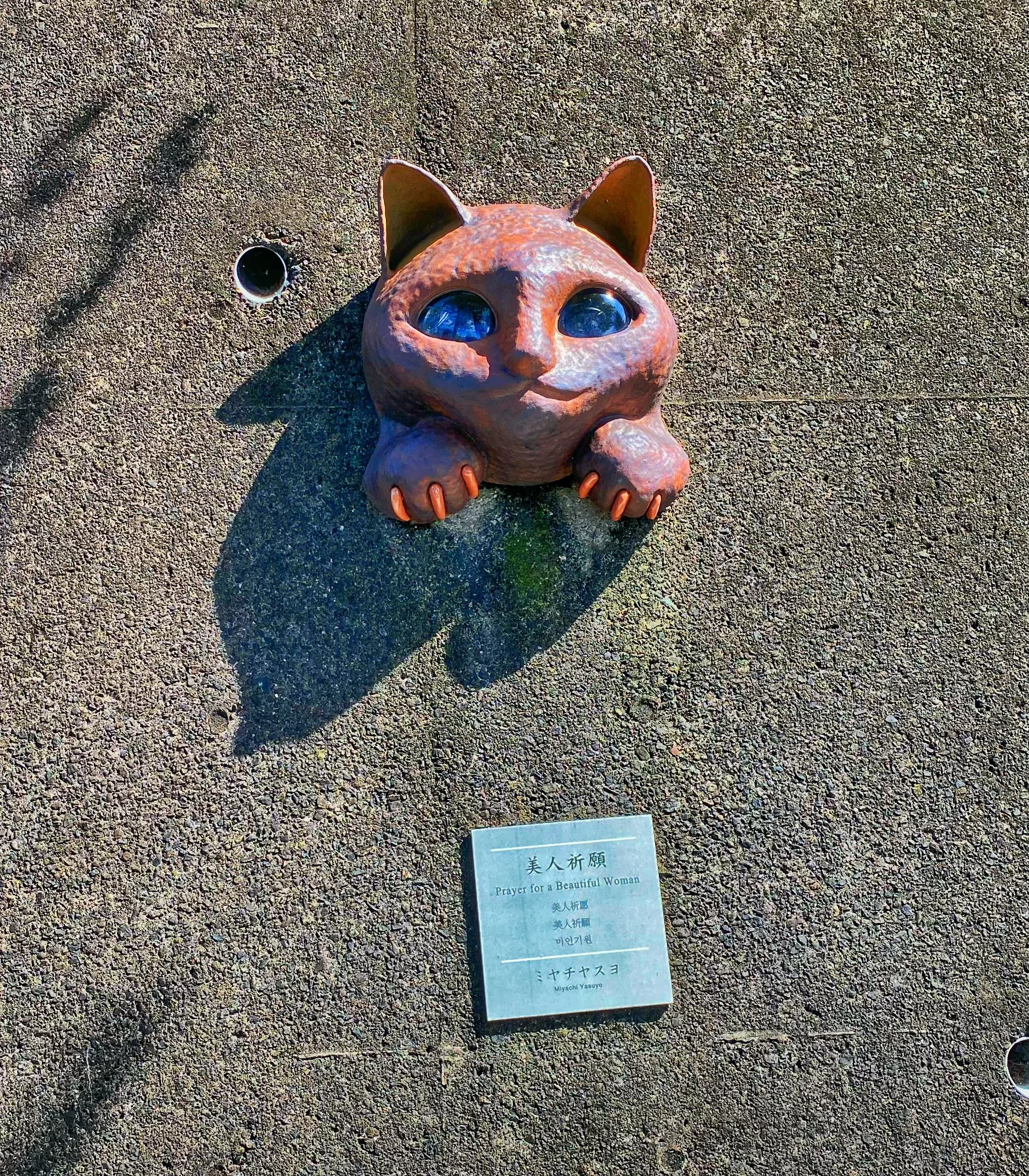
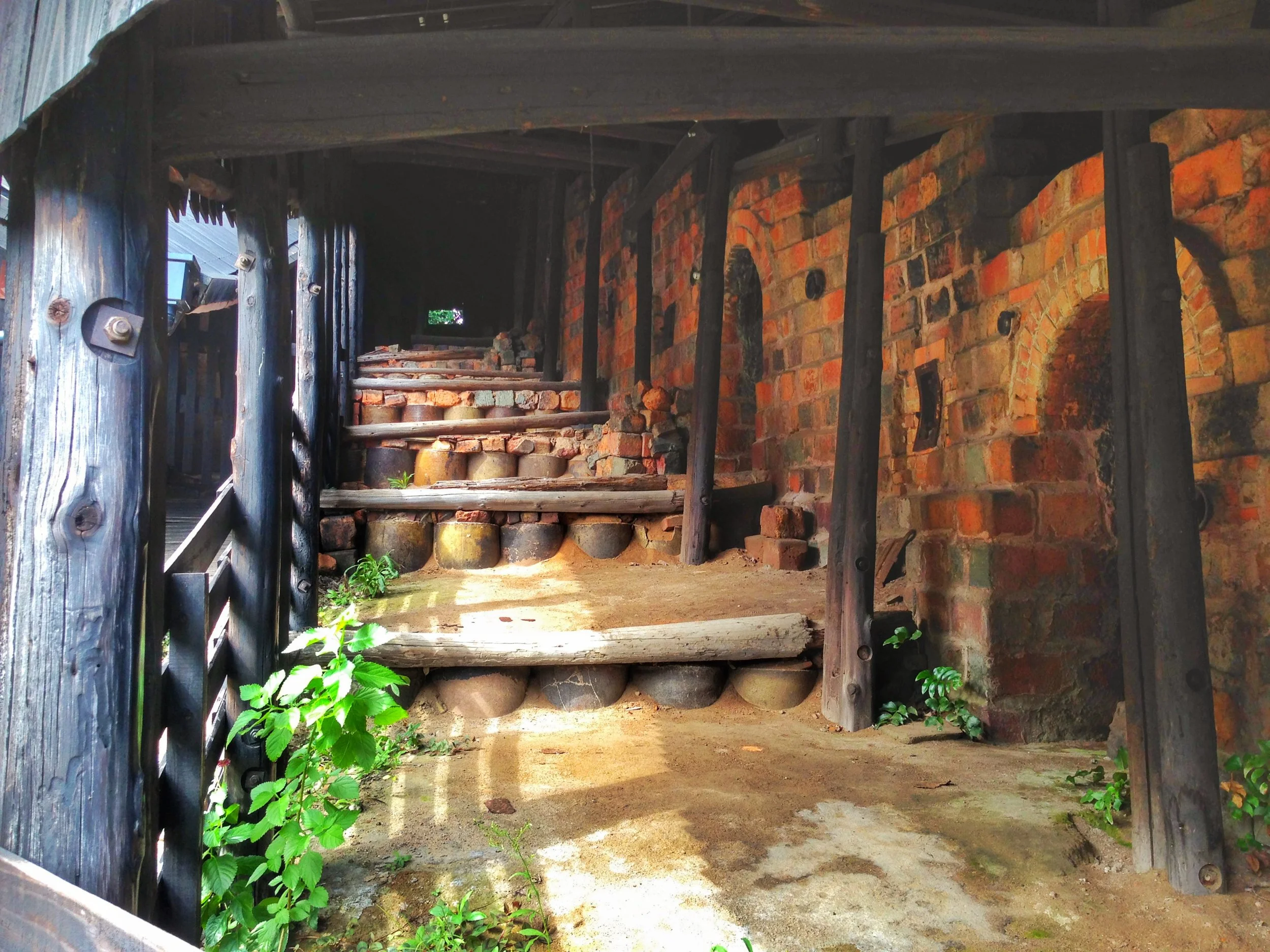
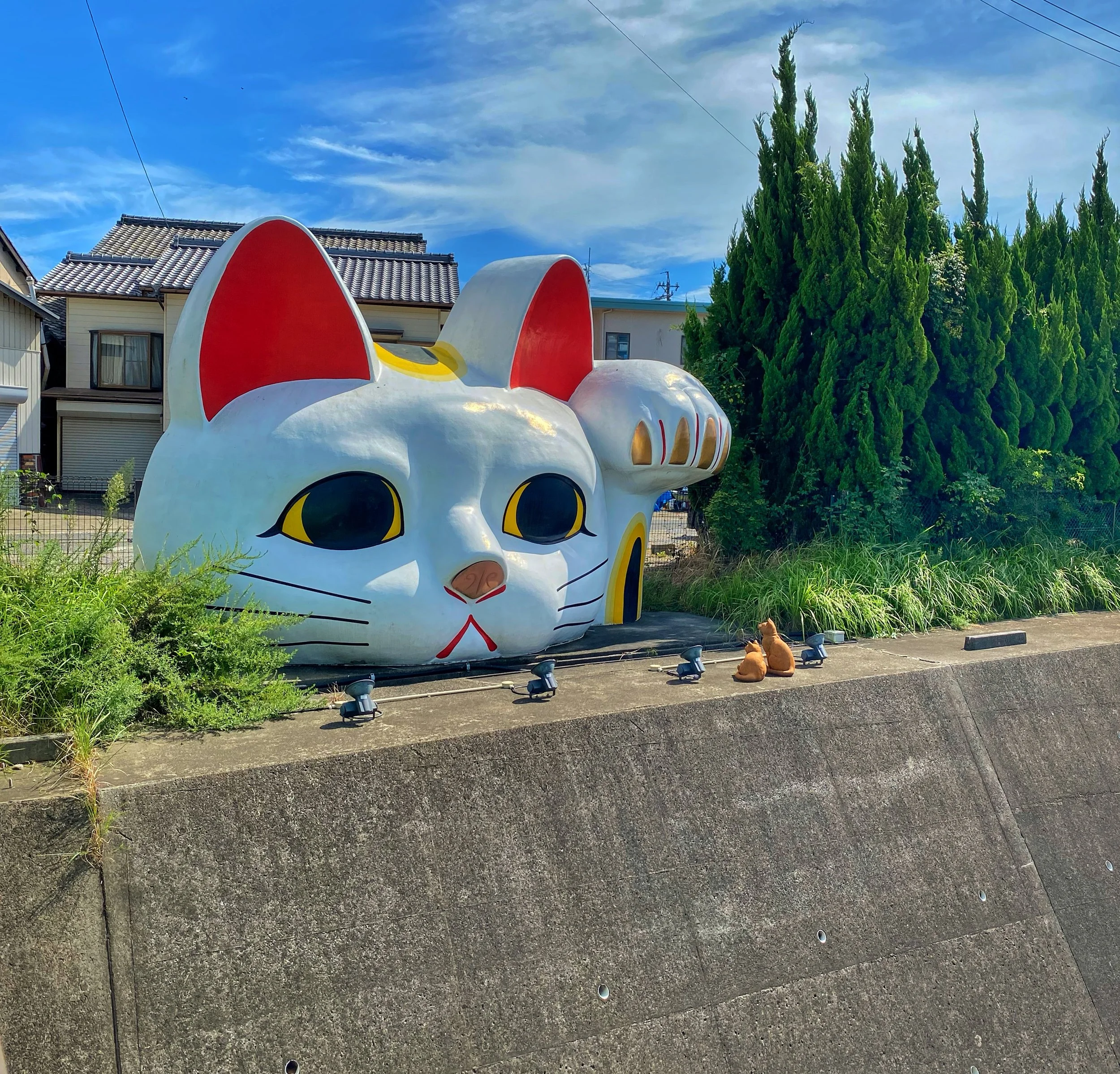
The Tokoname Pottery Footpath is one of my favorite places to spend a morning or afternoon in Aichi. The route winds past old kilns, pottery workshops, brick chimneys, and hundreds of displays integrated into the pathway. Keep an eye out for the giant Tokonyan and the countless maneki-neko statues that line parts of the route.
For a full day, combine the footpath with lunch at a local restaurant, a pottery workshop, or a visit to Sawada Sake Brewery.
Kiyosu Castle
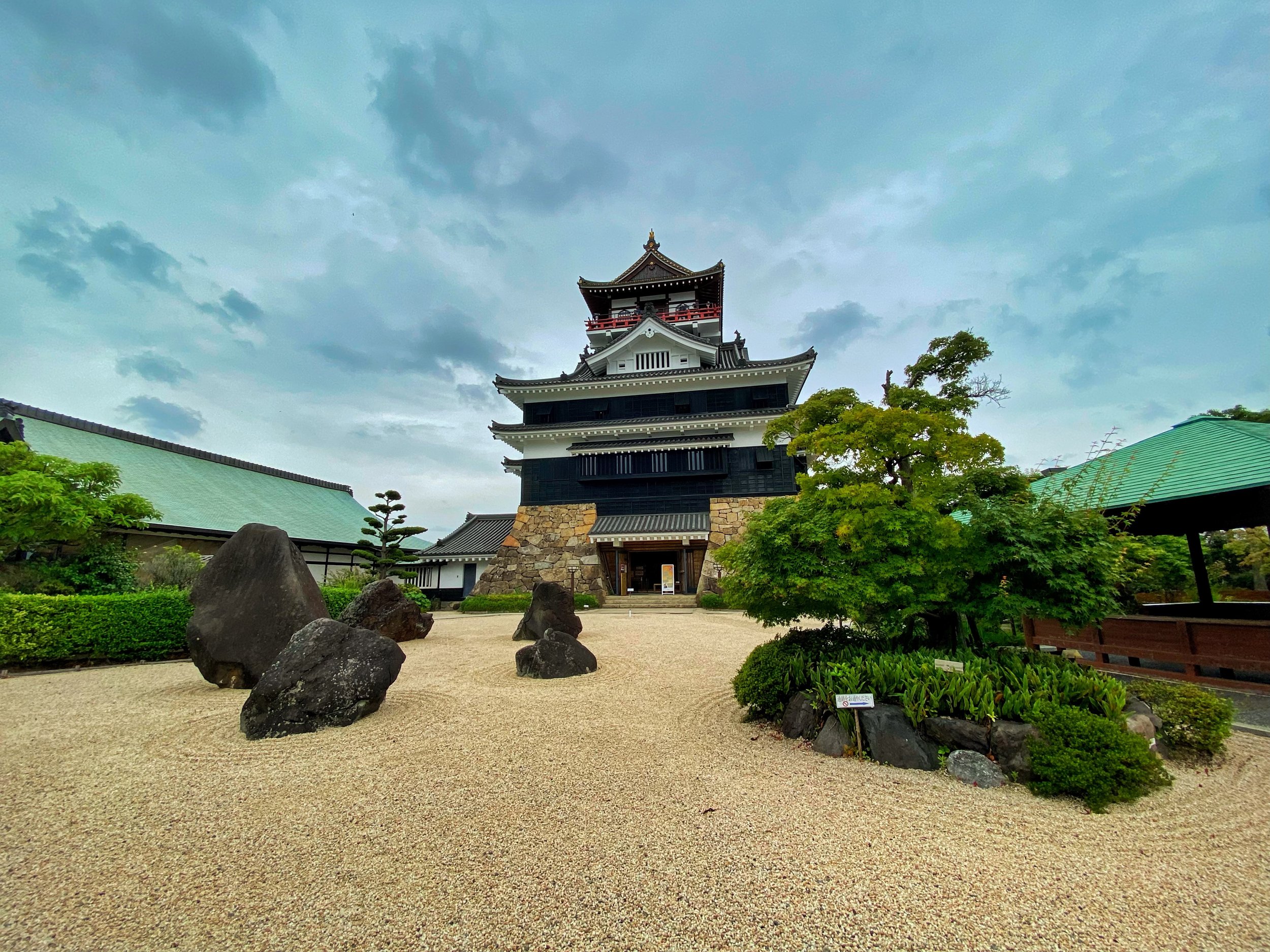
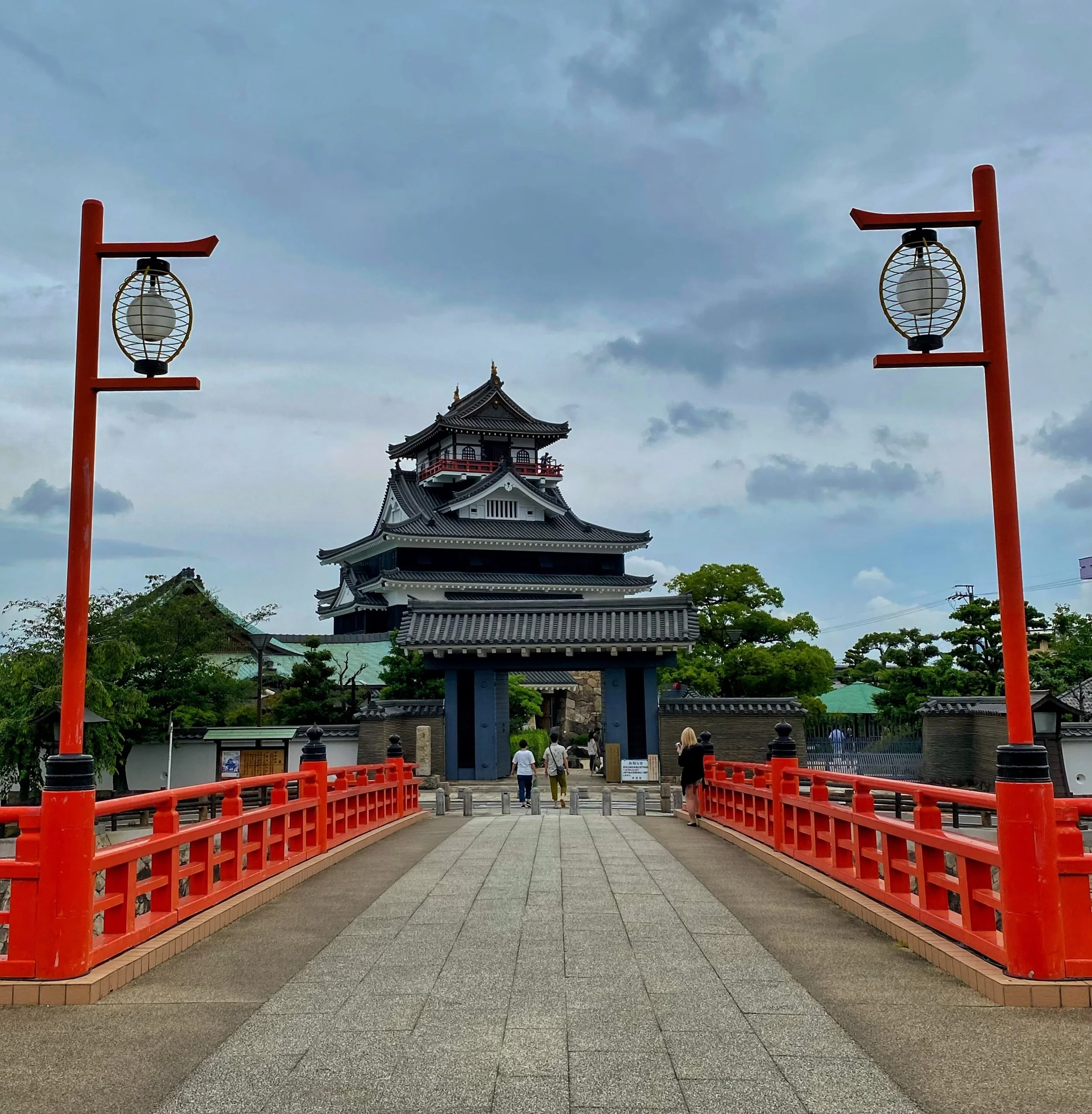
Kiyosu Castle tends to get overshadowed by other castles in the region, but its historical significance should not be overlooked. During the Sengoku Period, the original castle served as a political center and was closely connected to Oda Nobunaga. Even though the original castle was destroyed, visitors can tour the reconstructed castle and learn more about Japan’s path to unification.
Its proximity to Nagoya makes it an easy morning or evening trip from downtown. The castle photographs particularly well in any lighting, but I personally like the moodiness that an overcast sky adds.
The Toyota Automobile Museum
The Toyota Automobile Museum is located in Nagakute. Be careful when planning your schedule because there is a separate Toyota facility, The Toyota Commemorative Museum of Industry and Technology, closer to Nagoya Station. The two can be rather easy to mix up.
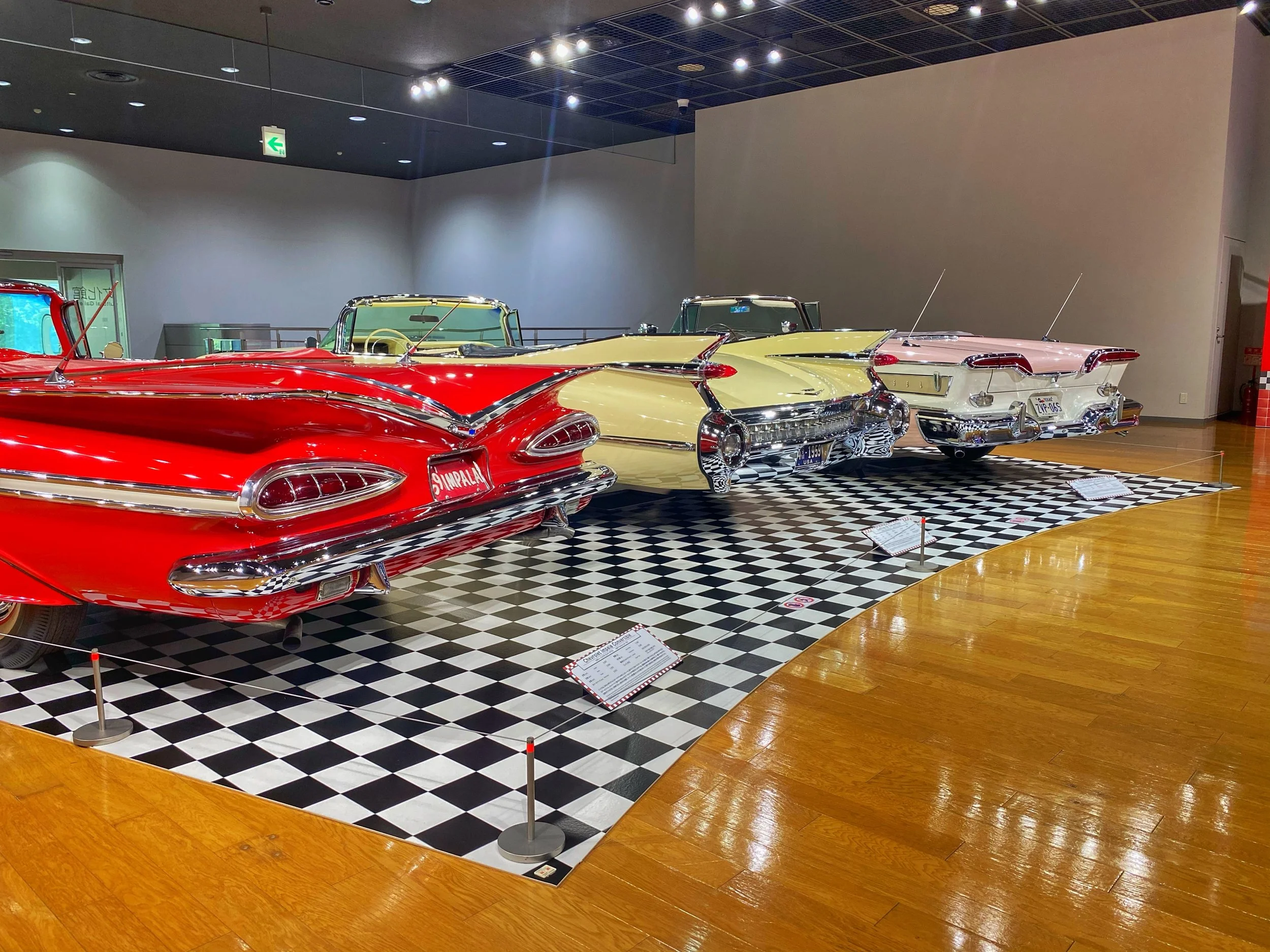
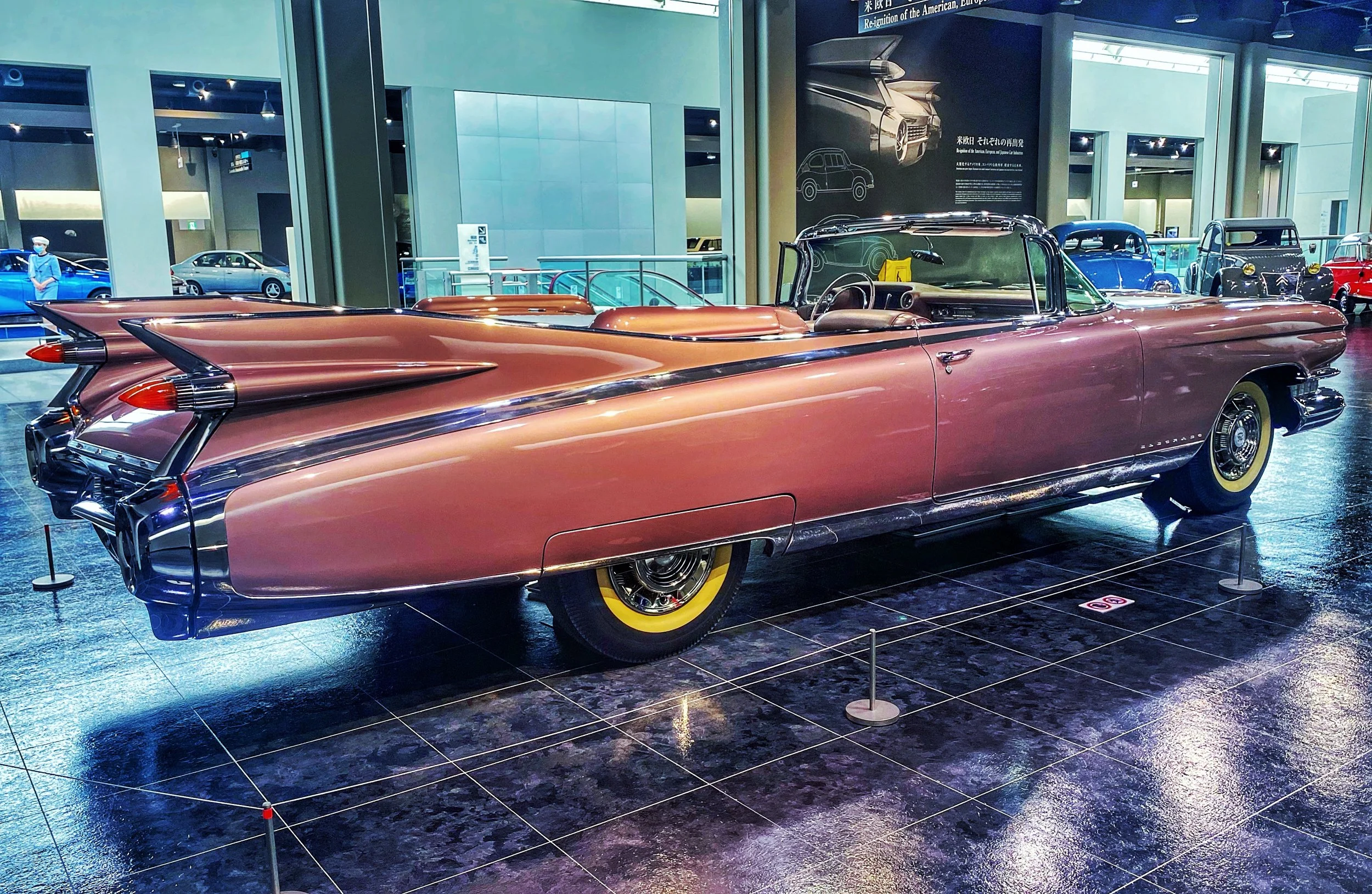
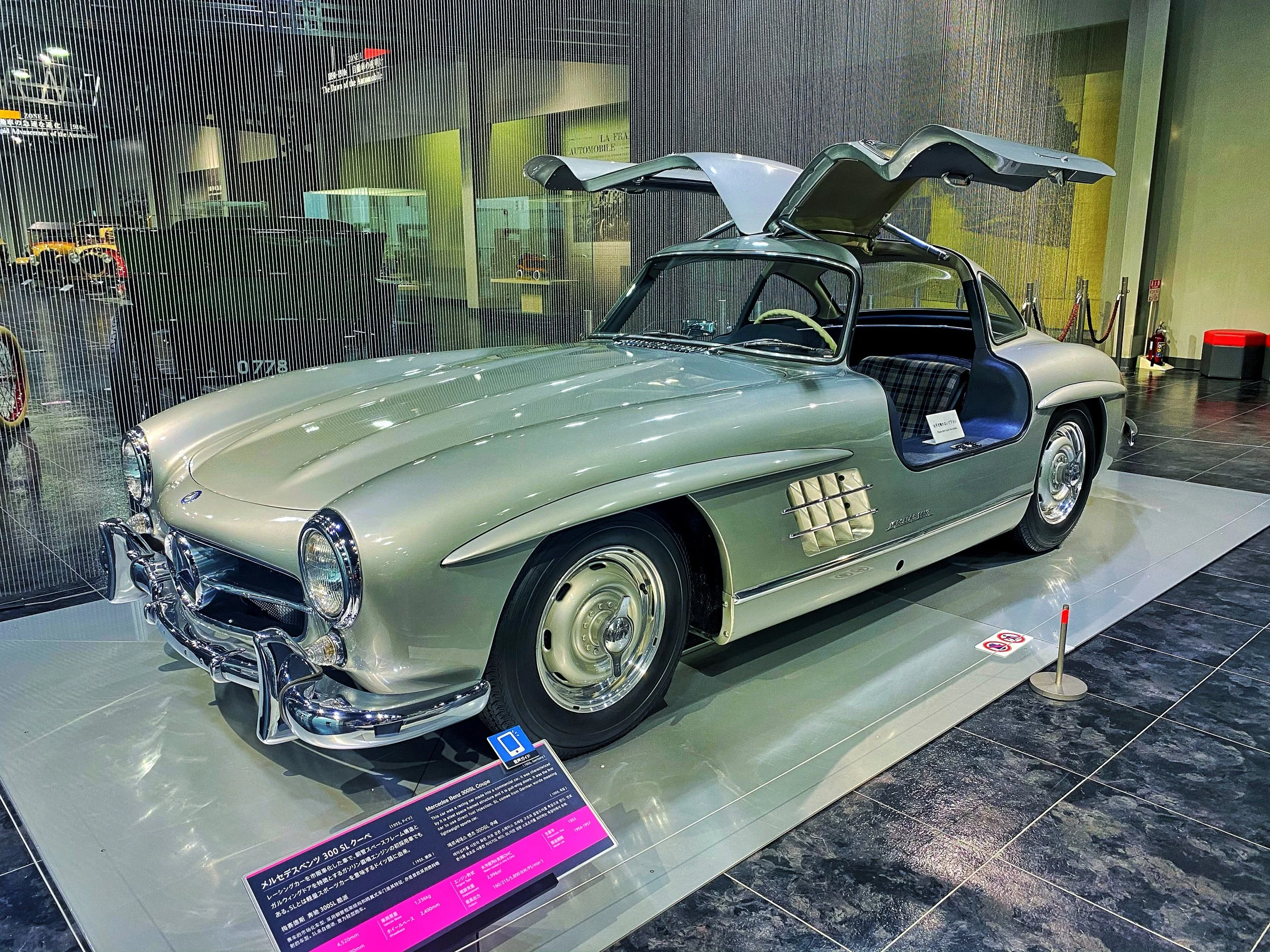
Rather than focusing only on Toyota vehicles, the Toyota Automobile Museum explores the history of automobiles from around the world. The collection includes some of the earliest designs, luxury vehicles, and iconic designs that show how transportation has evolved over the last century.
My personal favorites are the 1959 pink Cadillac El Dorado, the 1959 cherry red Chevy Impala, and the 1955 silver Mercedes Benz 300SL Coupe. There are also a handful of 1930s models that I find intriguing as well.
It is one of the attractions that surprised me the most in Aichi because it was much more impressive and extensive than I even expected. Check the calendar before you go since the museum hosts rotating special exhibitions throughout the year.

Cafes for a Morning Set in Ichinomiya
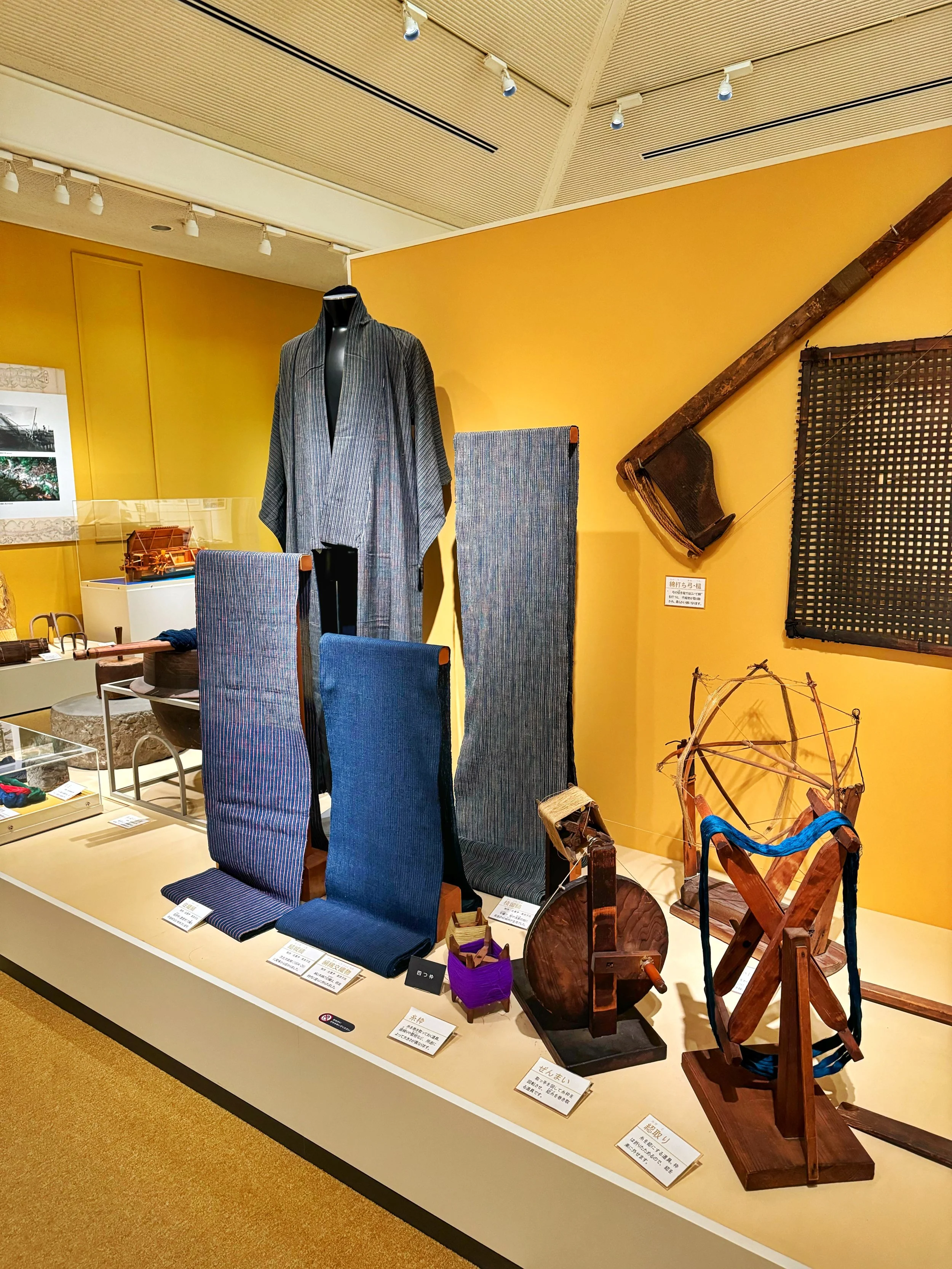
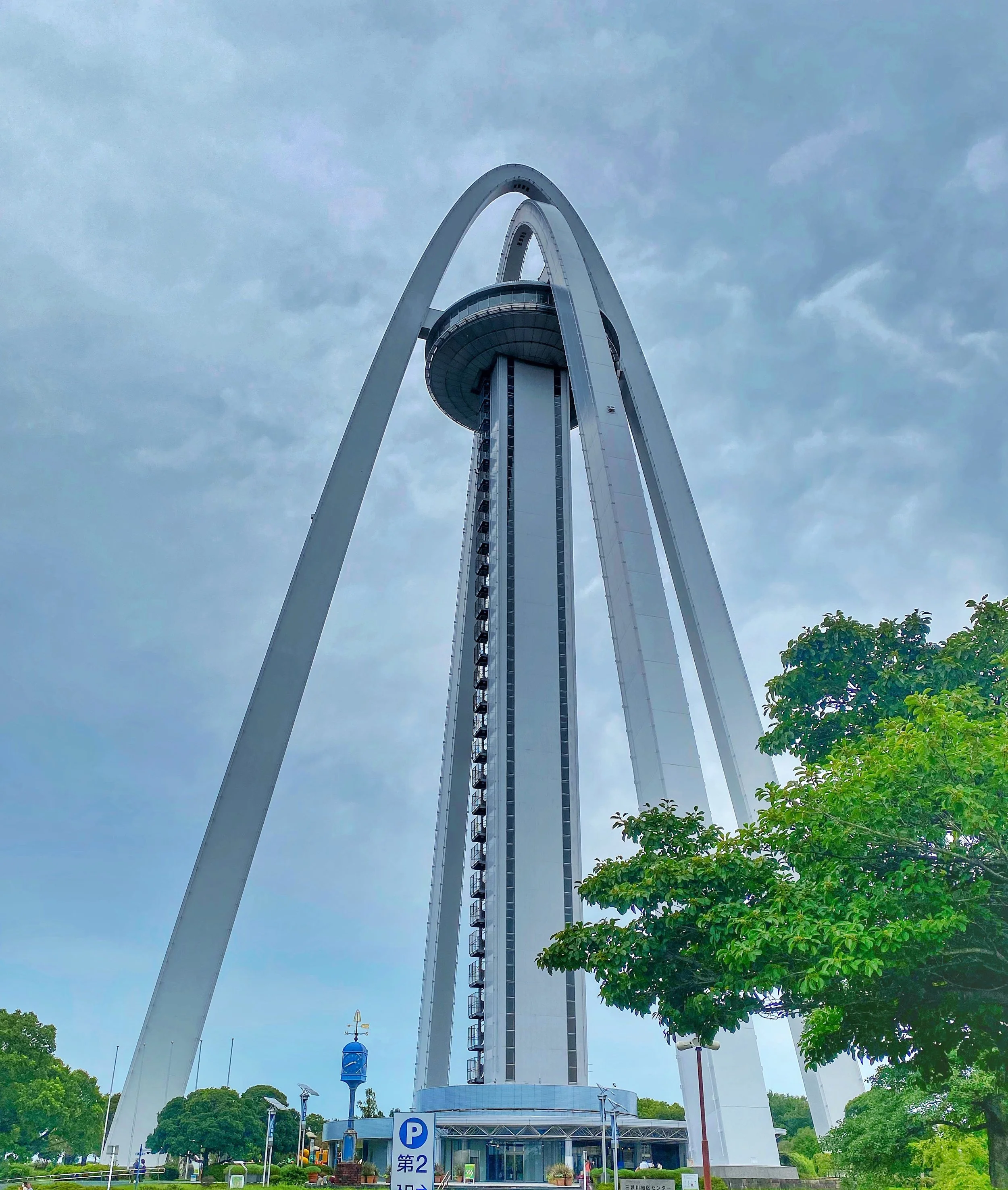
Although Ichinomiya is often associated with its textile industry or the 138 Tower, it is actually the city where Aichi’s morning set culture began. Morning set is not a singular dish so much as a beloved local tradition. In the past, local kissatens (traditional coffee shops) started offering free toast, eggs, and occasionally salad with the purchase of a morning coffee. Some cafes have since developed their own variations, but the classic egg toast remains my favorite. Sadly, I always forget to take photos when I go because I am usually busy catching up with friends.
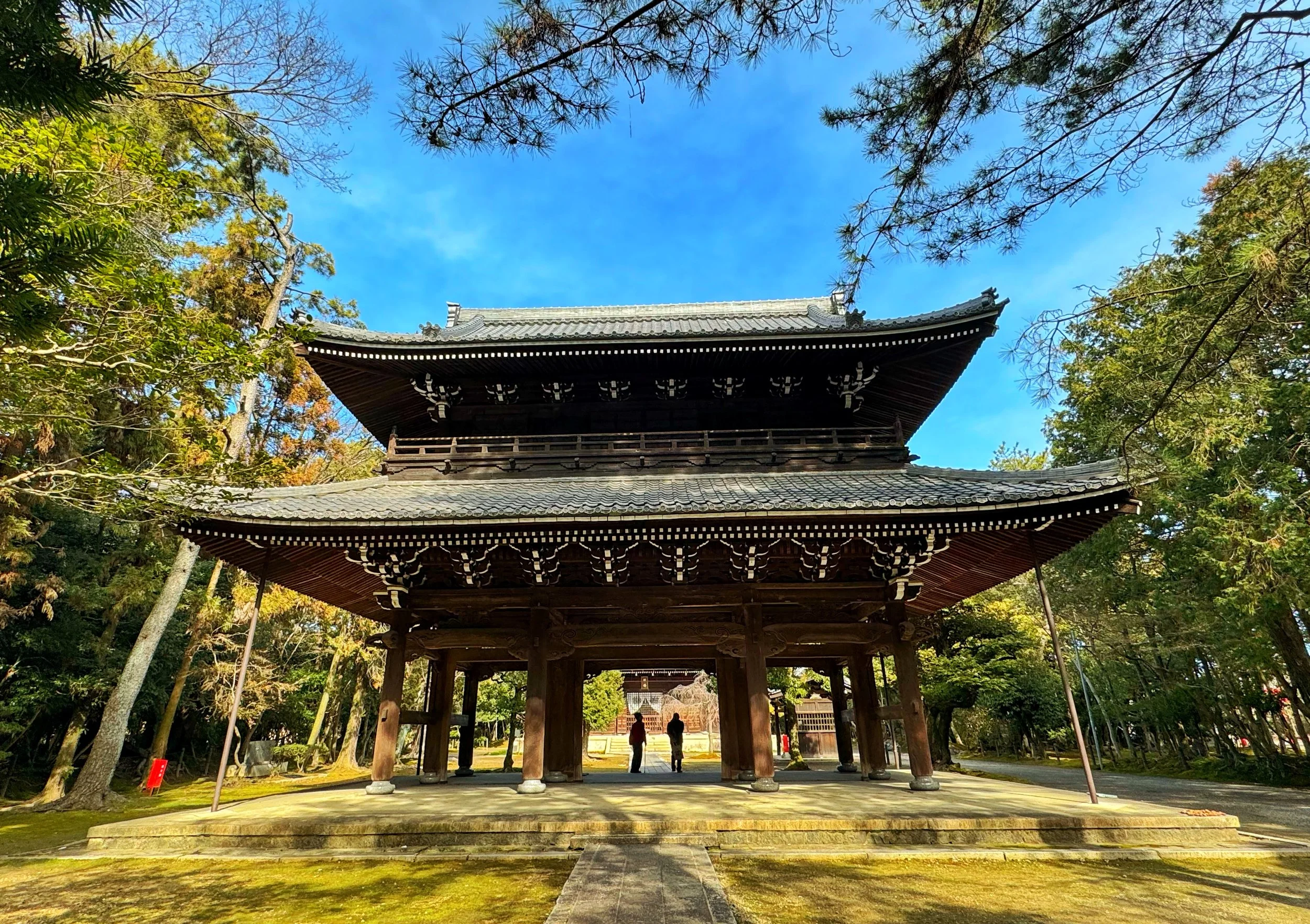
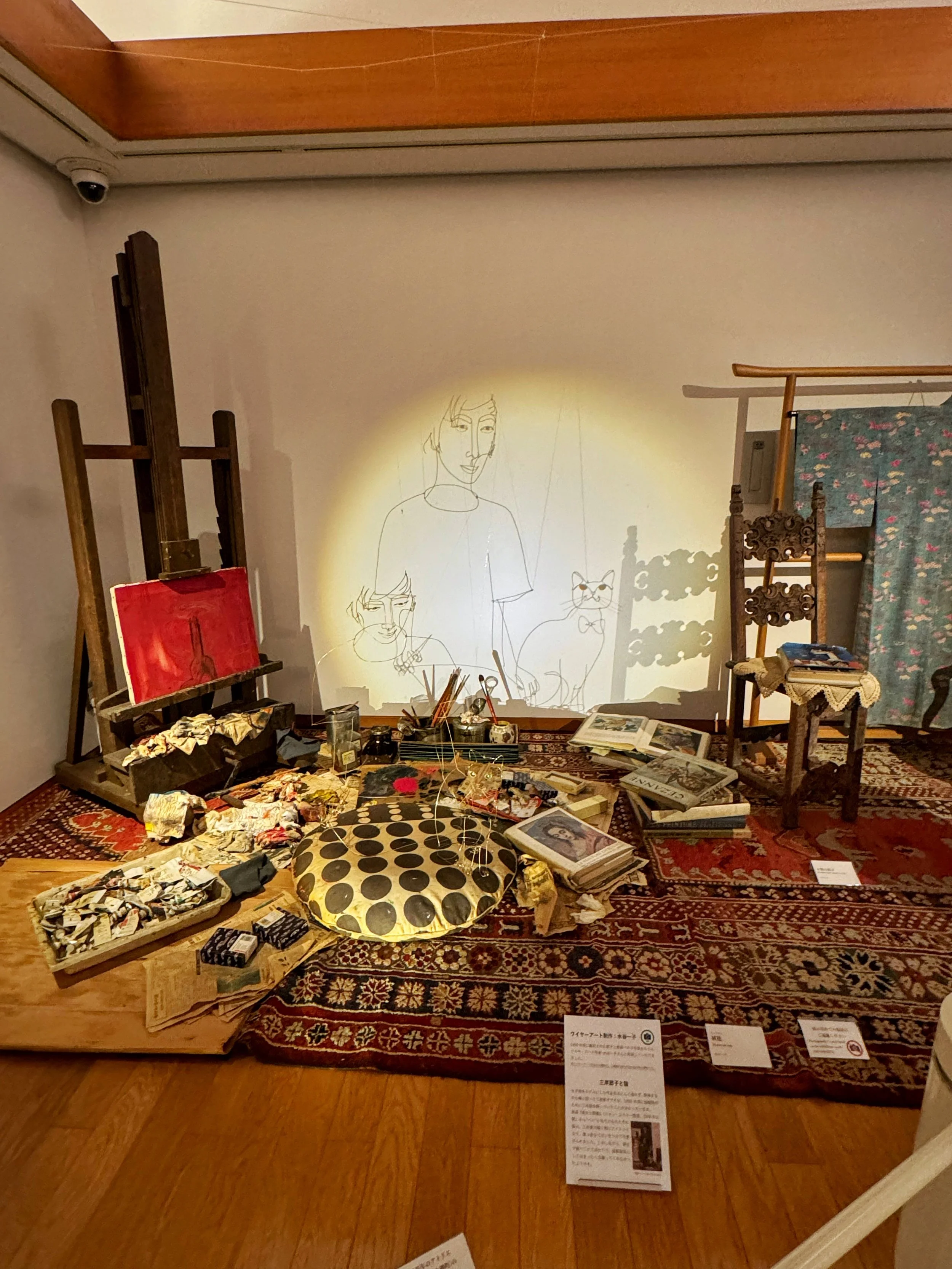
You can experience morning sets throughout Aichi, but there is something satisfying about visiting where the tradition started. While in Ichinomiya, check out the 138 Tower Park, Ichinomiya City Museum, the Migishi Setsuko Memorial Art Museum, and several local shrines and temples.
Inuyama Castle
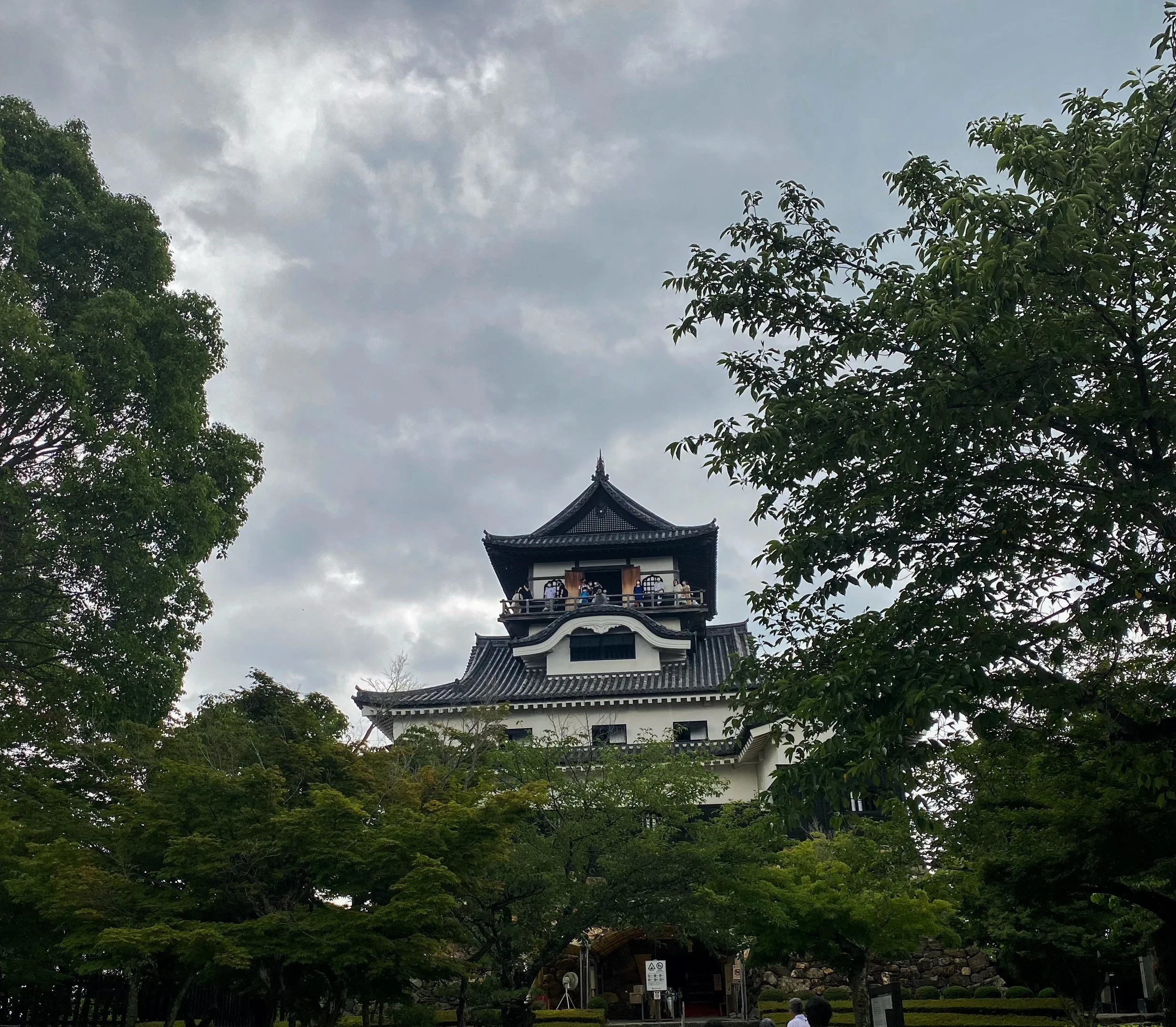
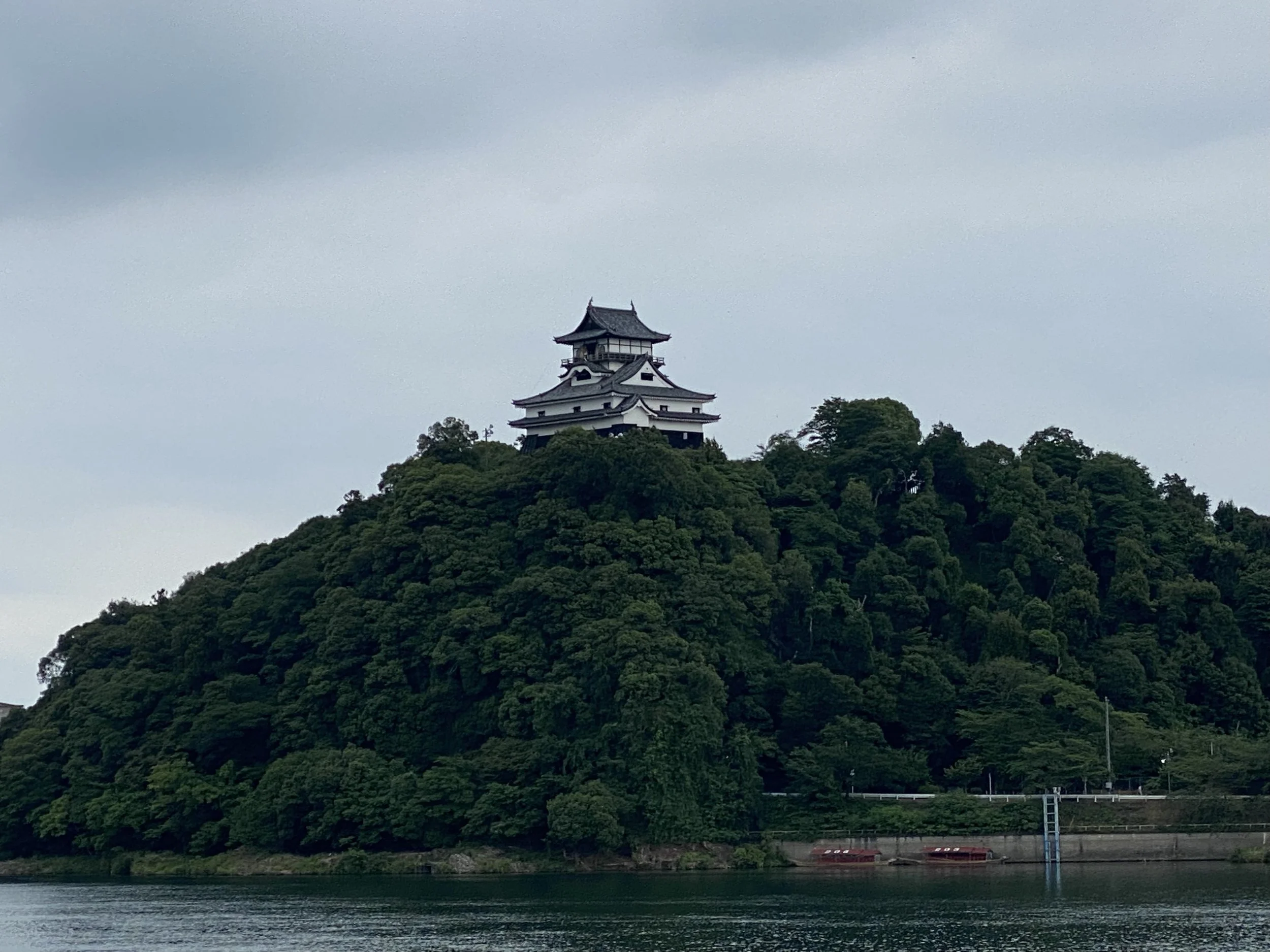
Of everything on this list, Inuyama is probably the most visited destination and is one of Japan’s twelve original castles. It is considerably smaller than Himeji or Matsumoto but has a fascinating history and was privately owned until 2004. It is the only castle that survived so long under private ownership.
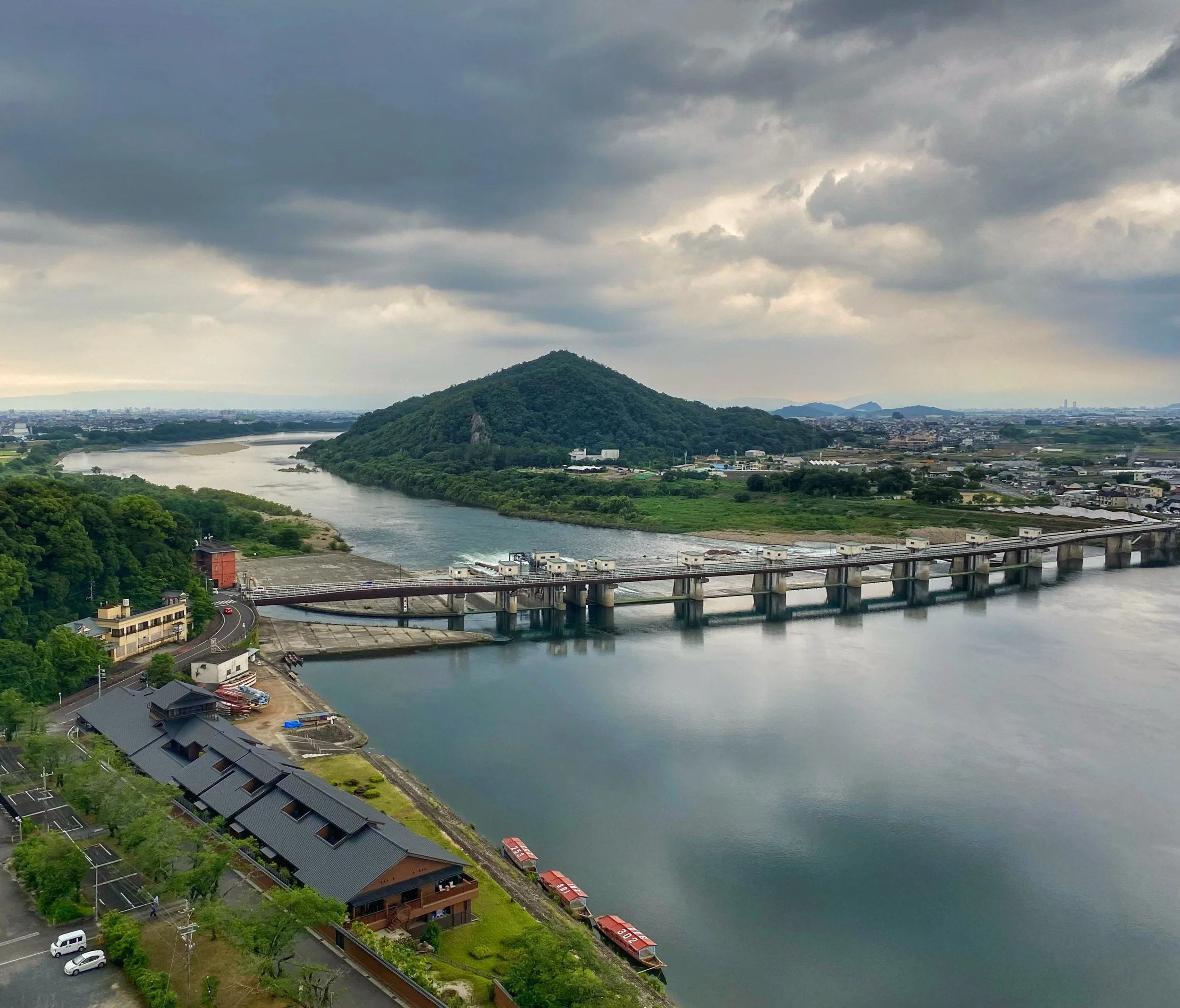
Unlike reconstructed castles, the keep retains much of the original design and structure. Climbing the steep stairs gives you views over the Kiso River and surrounding area.
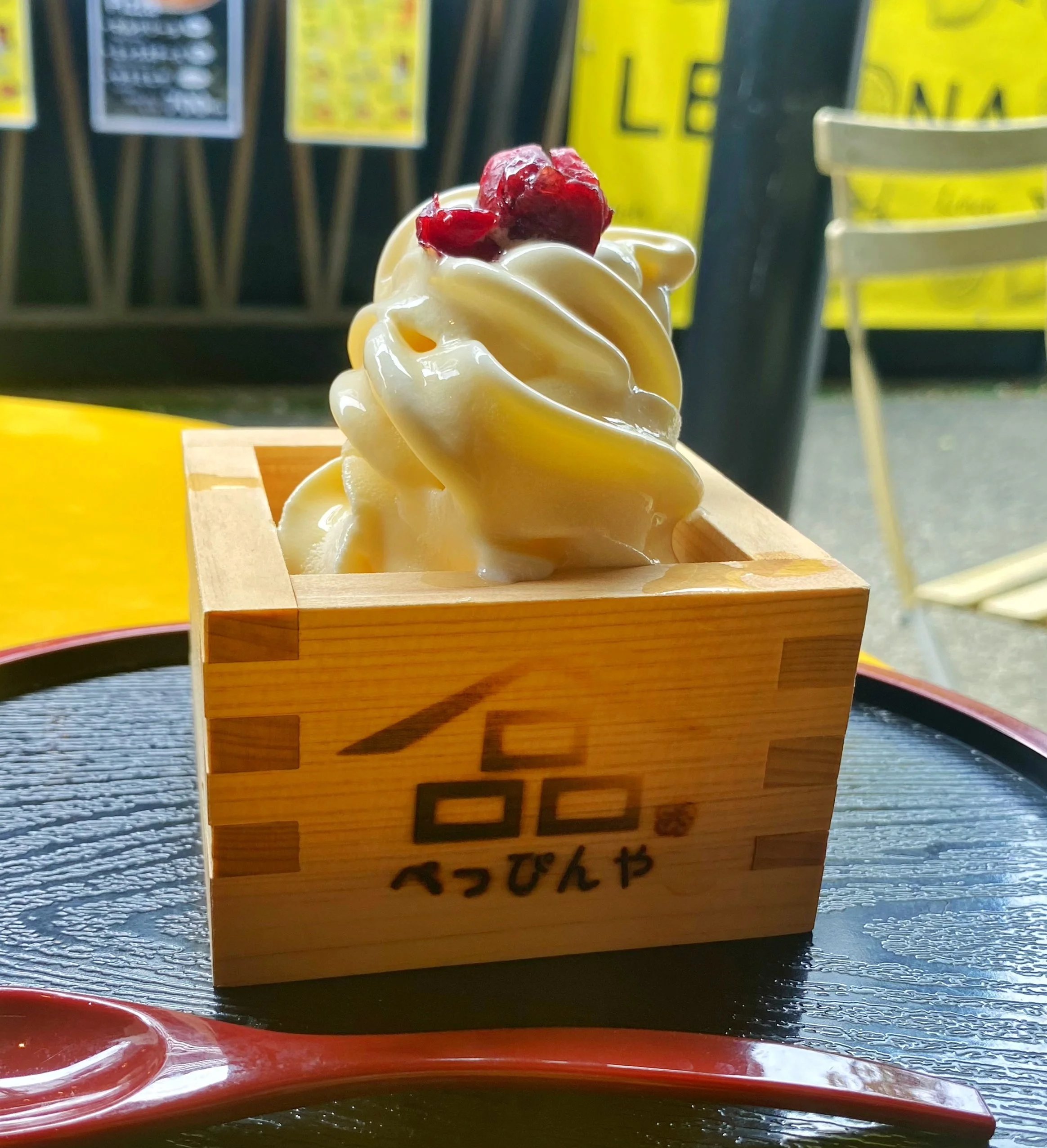
The castle town has recently been renovated to attract more tourists. Most of the foods are delicious even if they are popular on social media. After trying a few treats, walk around the town and try to get views of the castle from across the river. It looks perfect on days with a moody sky. Pay a visit to Momotaro Shrine for another experience before leaving Inuyama.
Toyokawa Inari
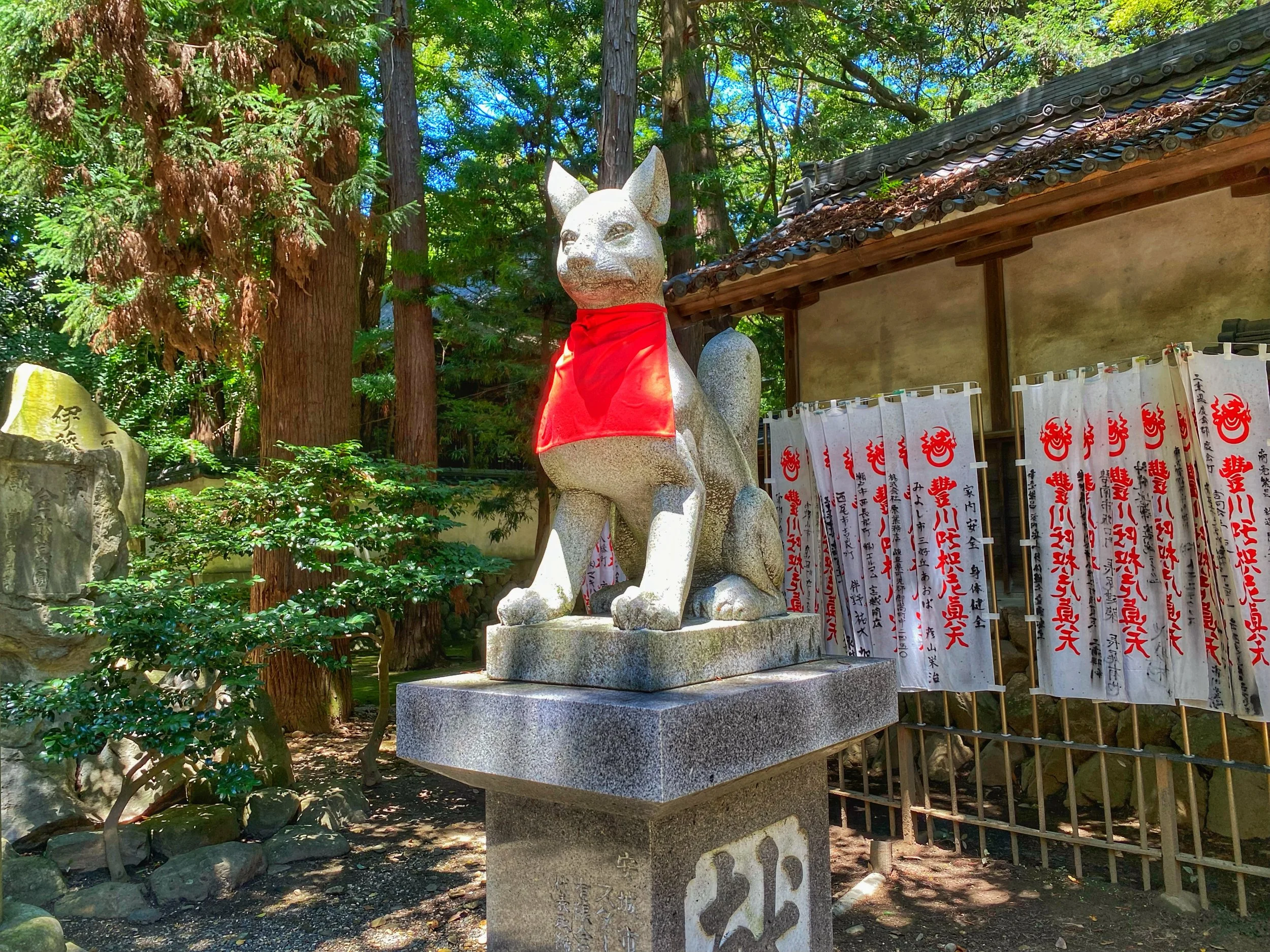
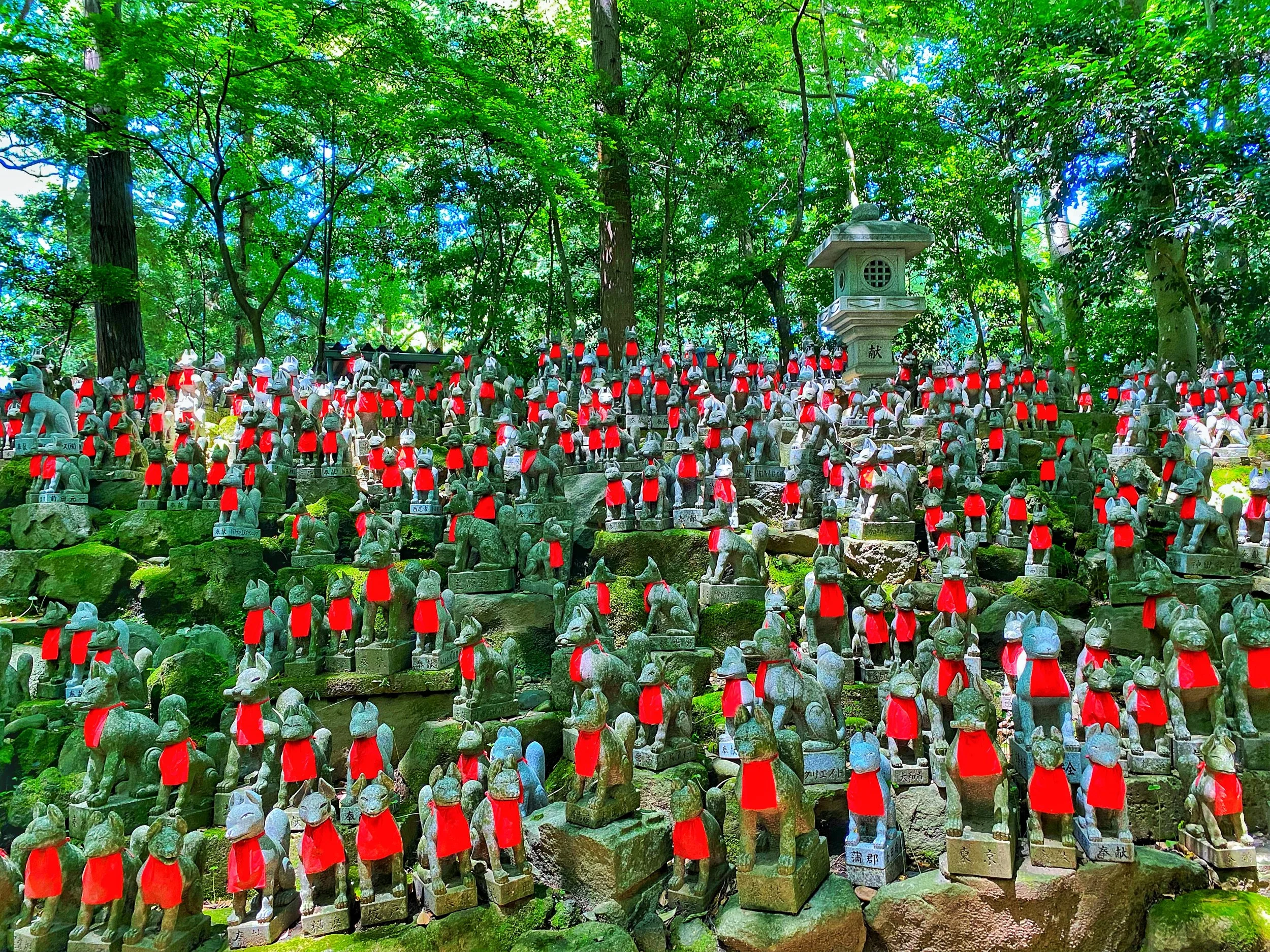
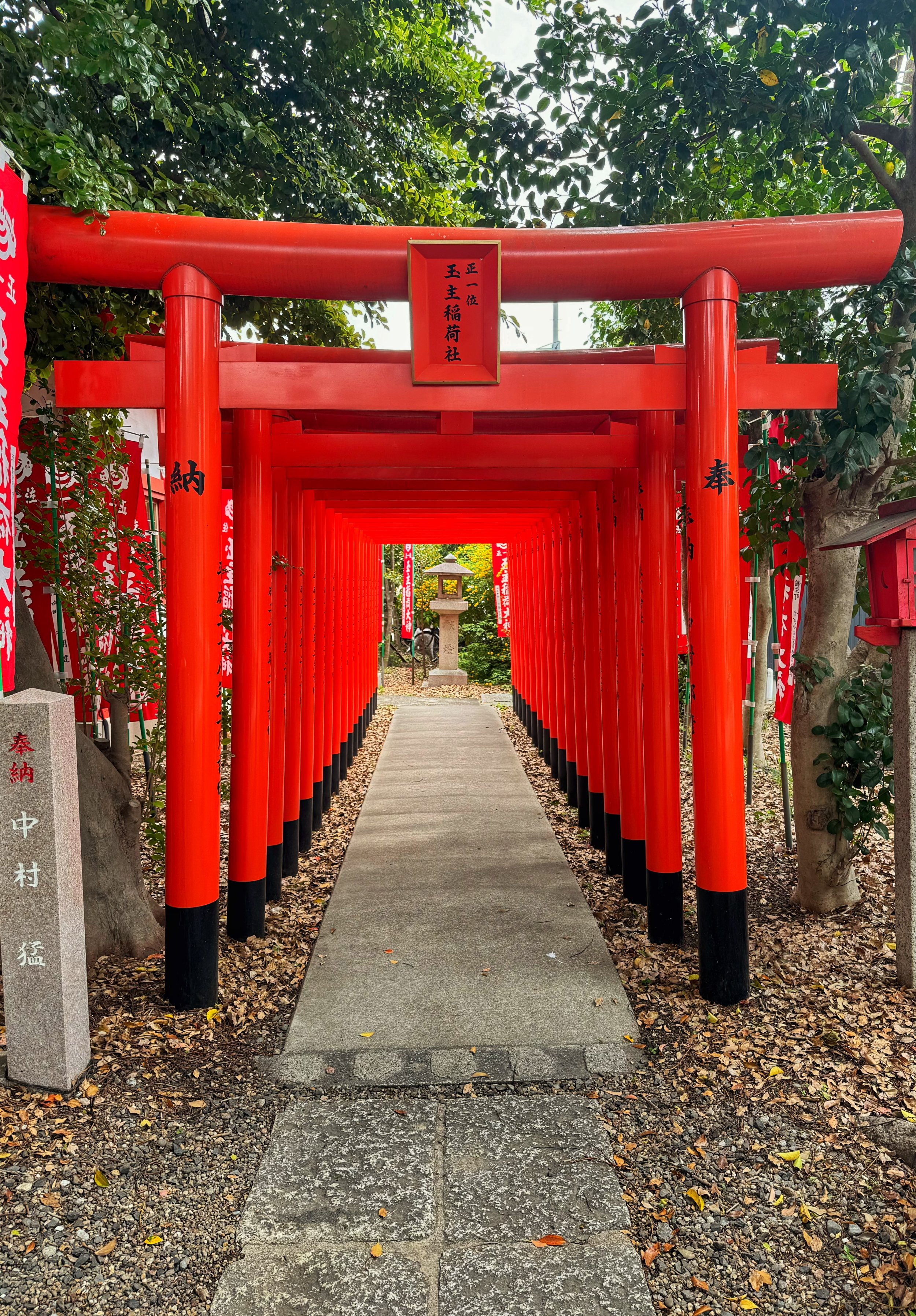
Kyoto’s Fushimi Inari Taisha is probably the most internationally recognized Inari worship sites, but one of my favorites is actually in Aichi. Although Toyokawa Inari does not have rows upon rows of Torii gates, it does have thousands of fox statues of all sizes and designs.
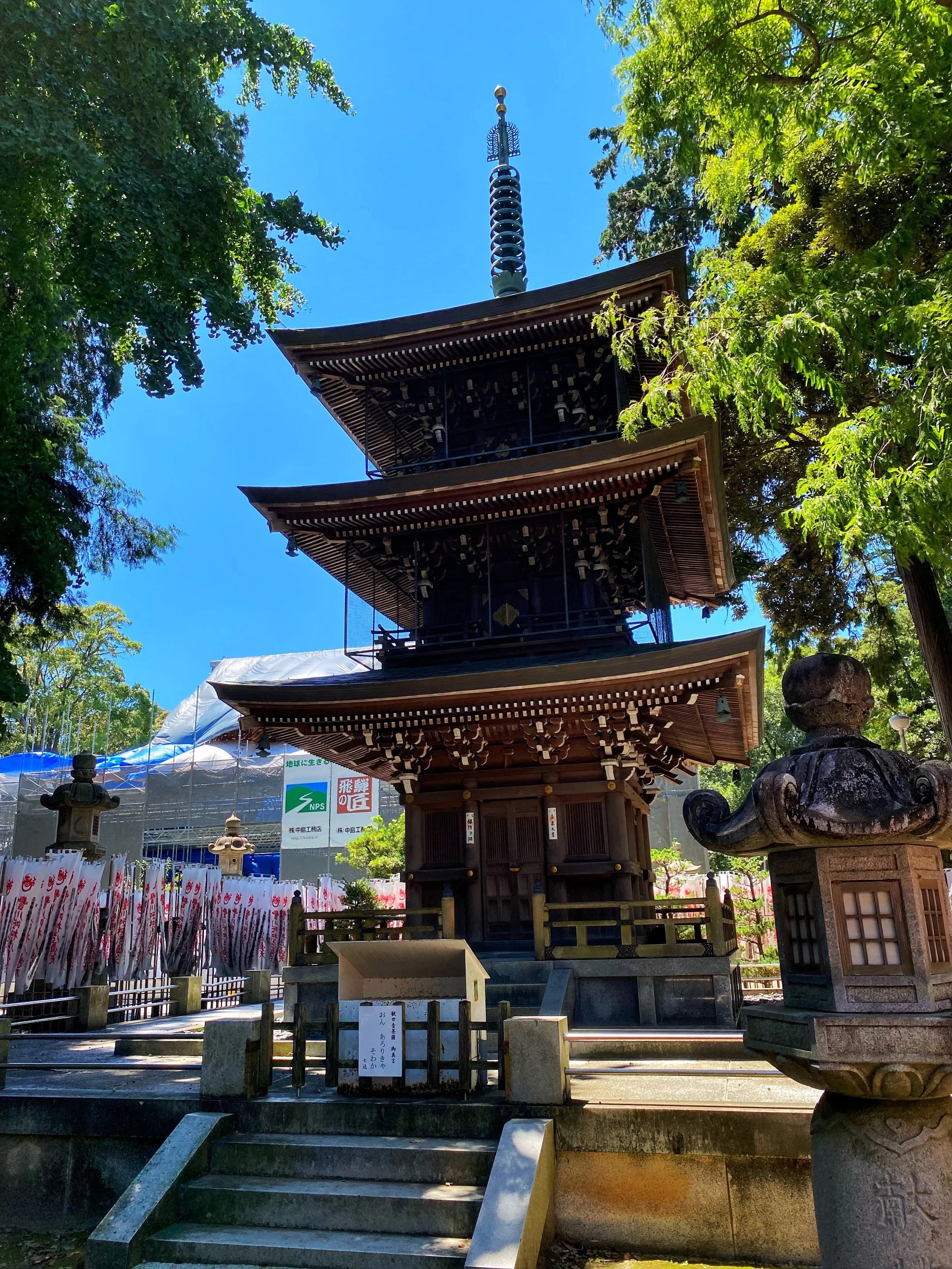
Toyokawa Inari is considered one of Japan’s most important Inari worship sites. What makes it even more unique is that it functions as both a Buddhist temple and is also associated with Inari worship.
When you visit, explore the nearby food stalls and garden. If you are an avid hiker, there are trails not far from the area too.
Inu Shrine
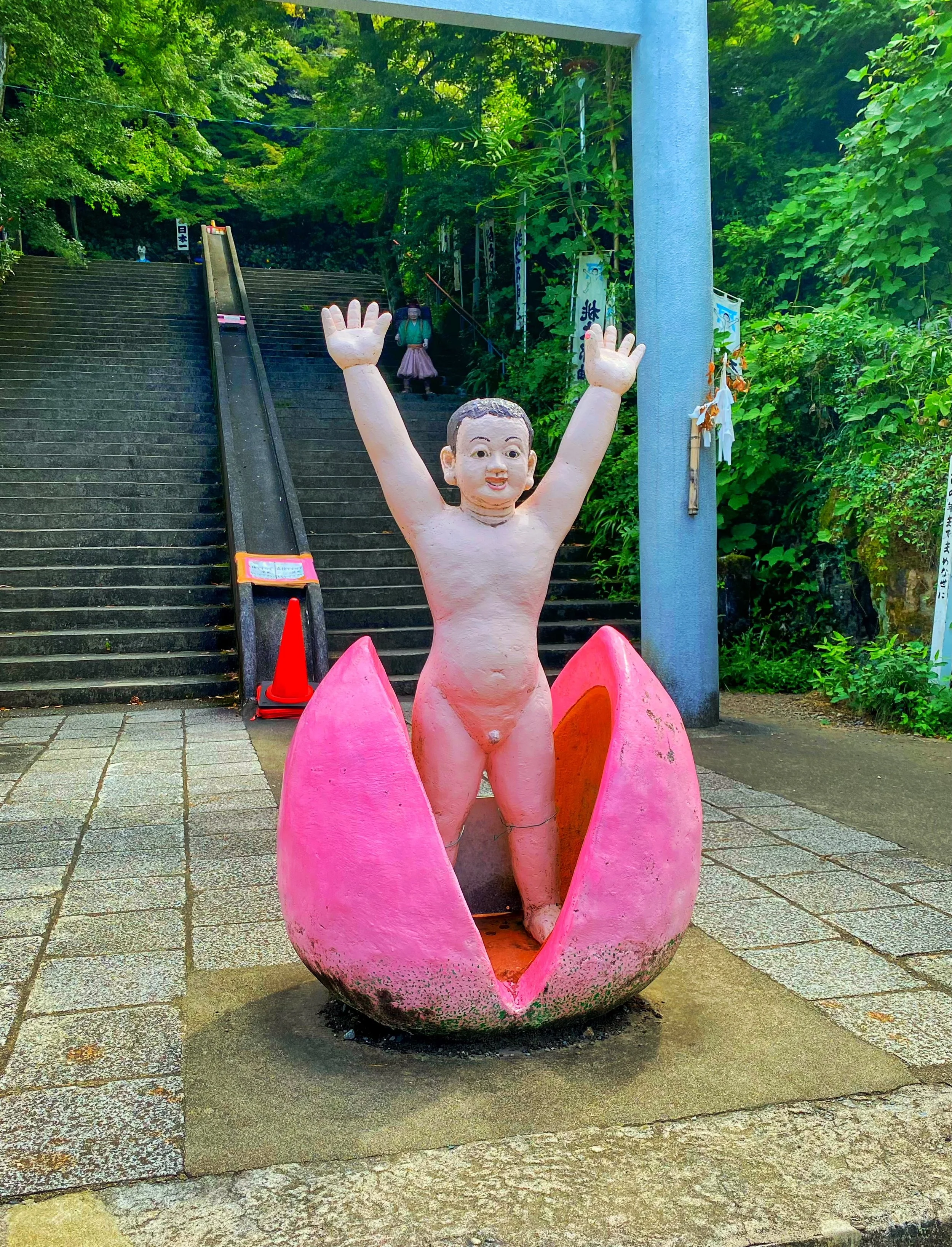
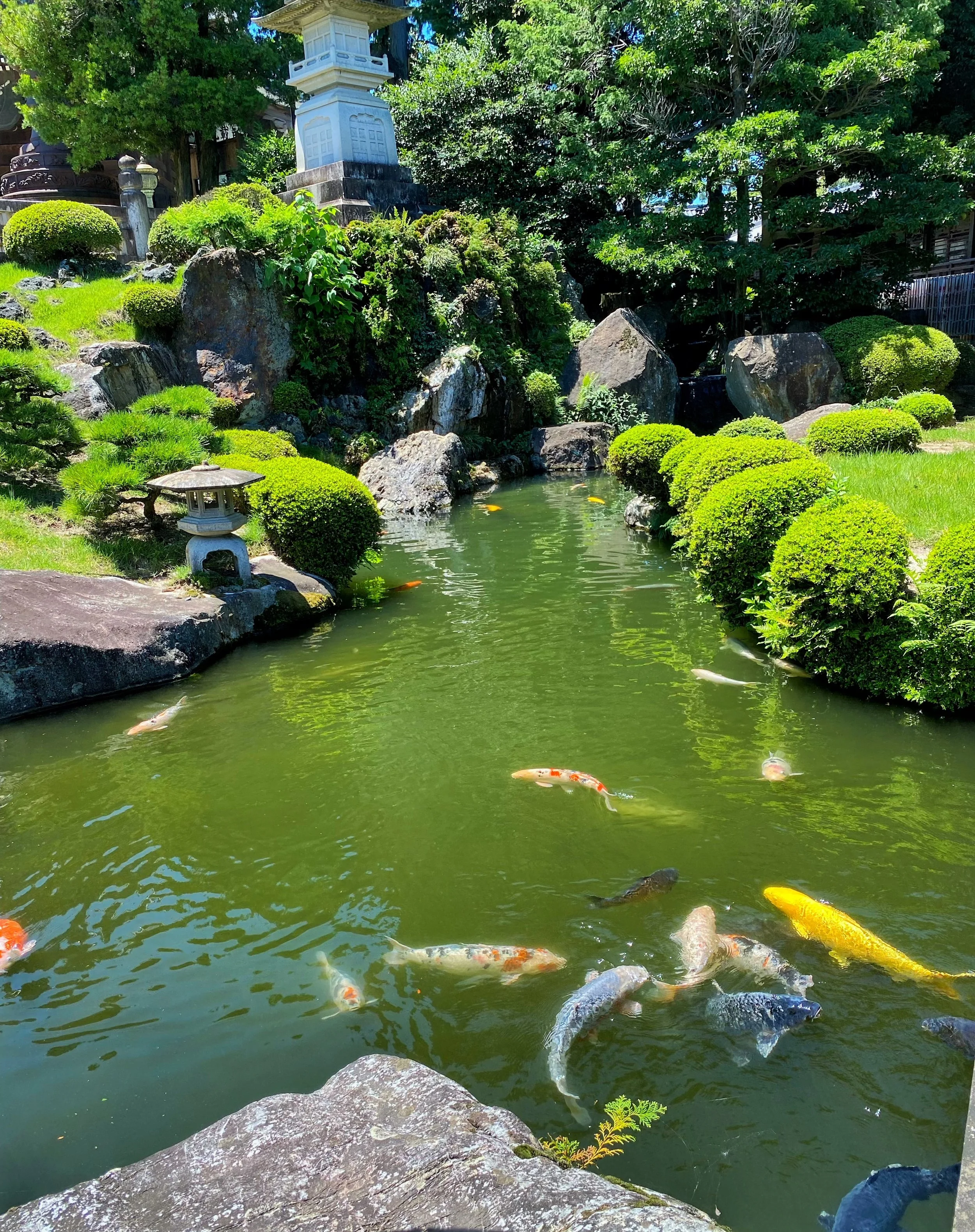
Inu Shrine is probably one of those shrines that many people would only find if someone told them about it. While it is technically located in Nagoya, it is outside of the main downtown area.
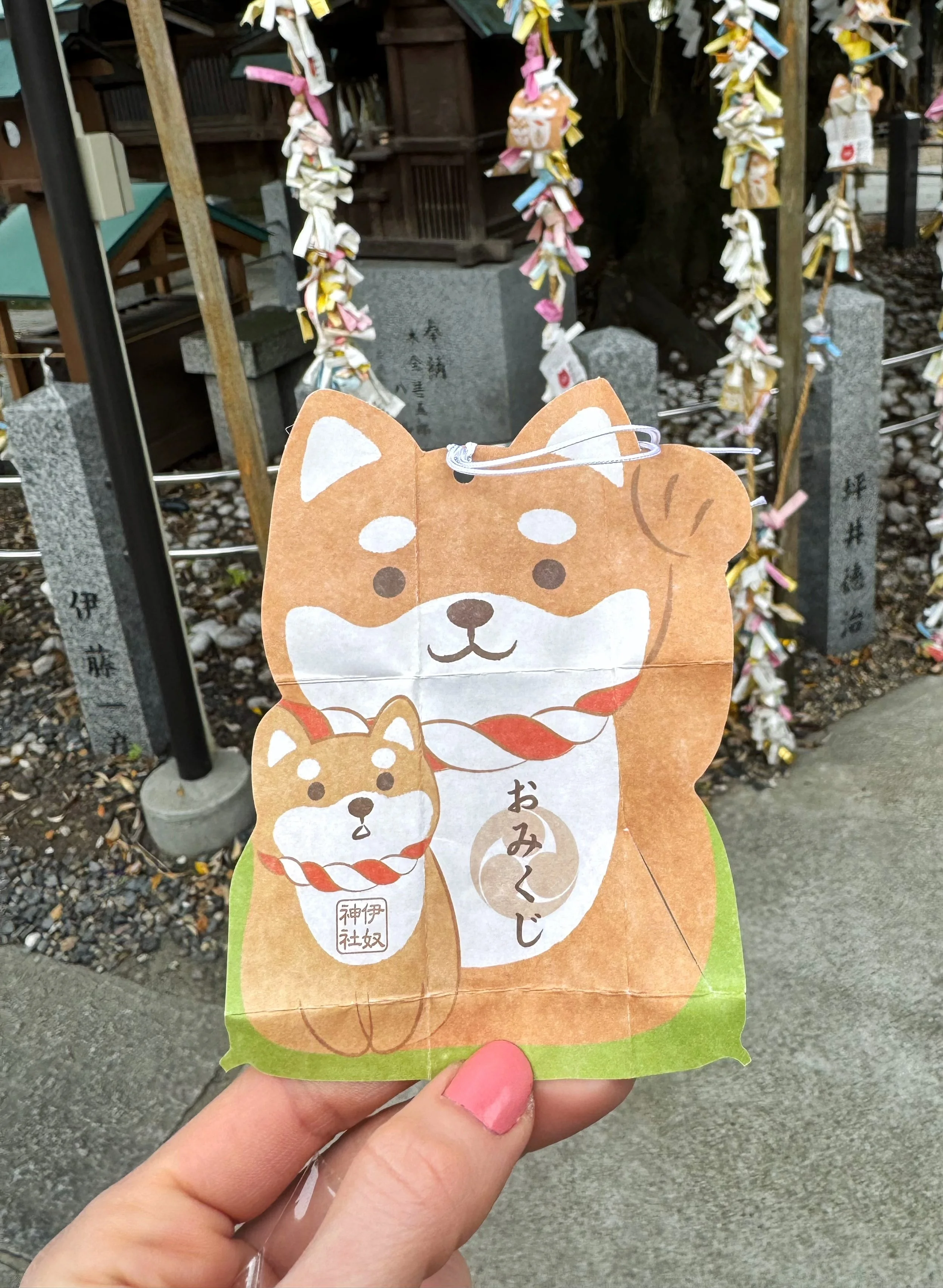
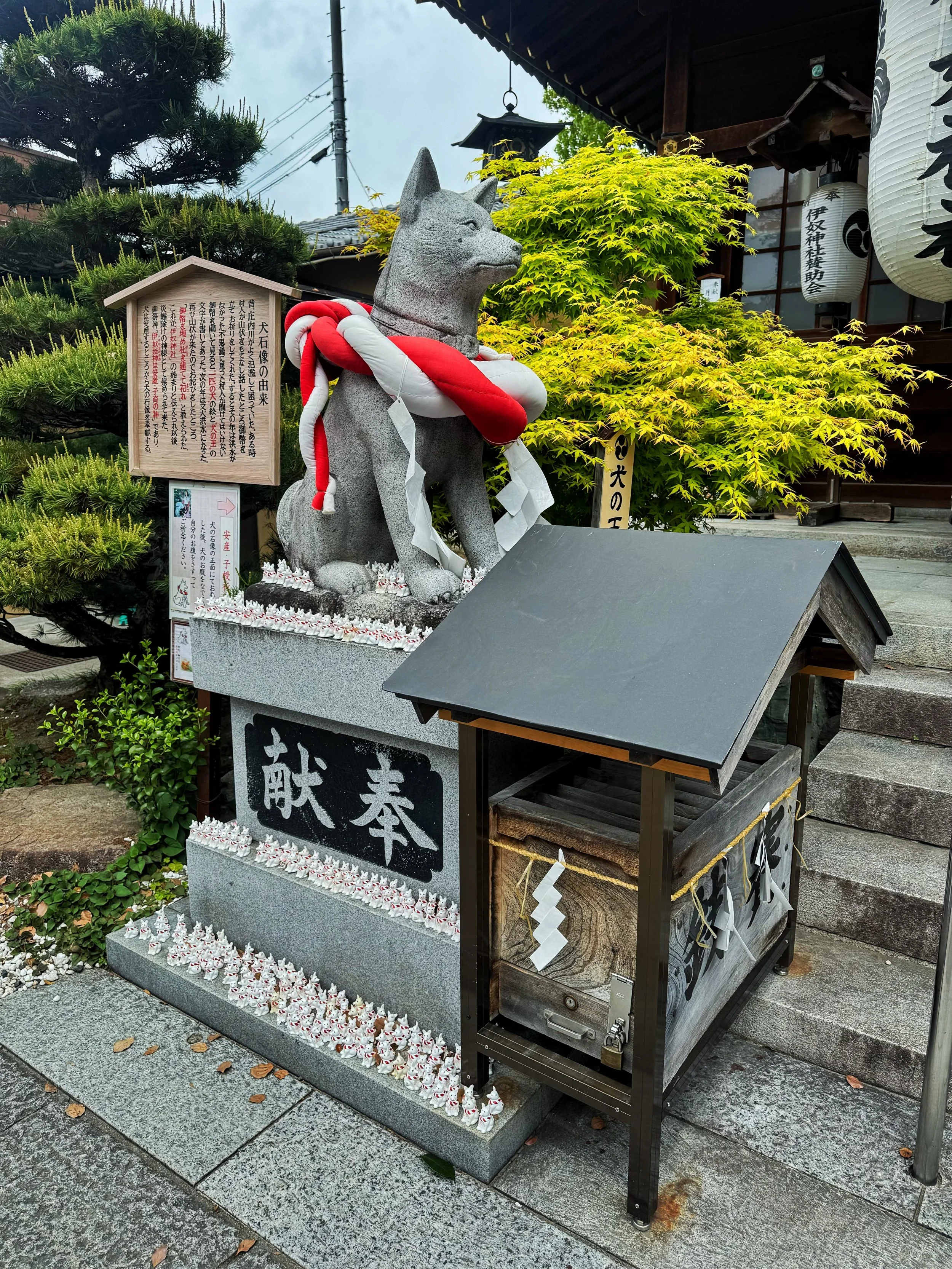
Despite its name and abundance of dog imagery, Inu Shrine is primarily a place to pray for fertility, pregnancy, childbirth, and family safety. The kanji in the name 伊奴 (Inu) comes from Inuhime, rather than the everyday word for dog 犬 (inu). The connection to dogs comes from a local legend tied to the flooding of the Shonai River. According to the story, a traveling man was asked to pray on behalf of the community, and he gave them a sealed box with instructions not to open it. That year, the floods did not come. Curiosity eventually got the best of them, and after opening it, they found an image of a dog inscribed with the words, “King of Dogs”. The following year, the floods returned. When the man passed through again, the community apologized and asked him to pray once more.
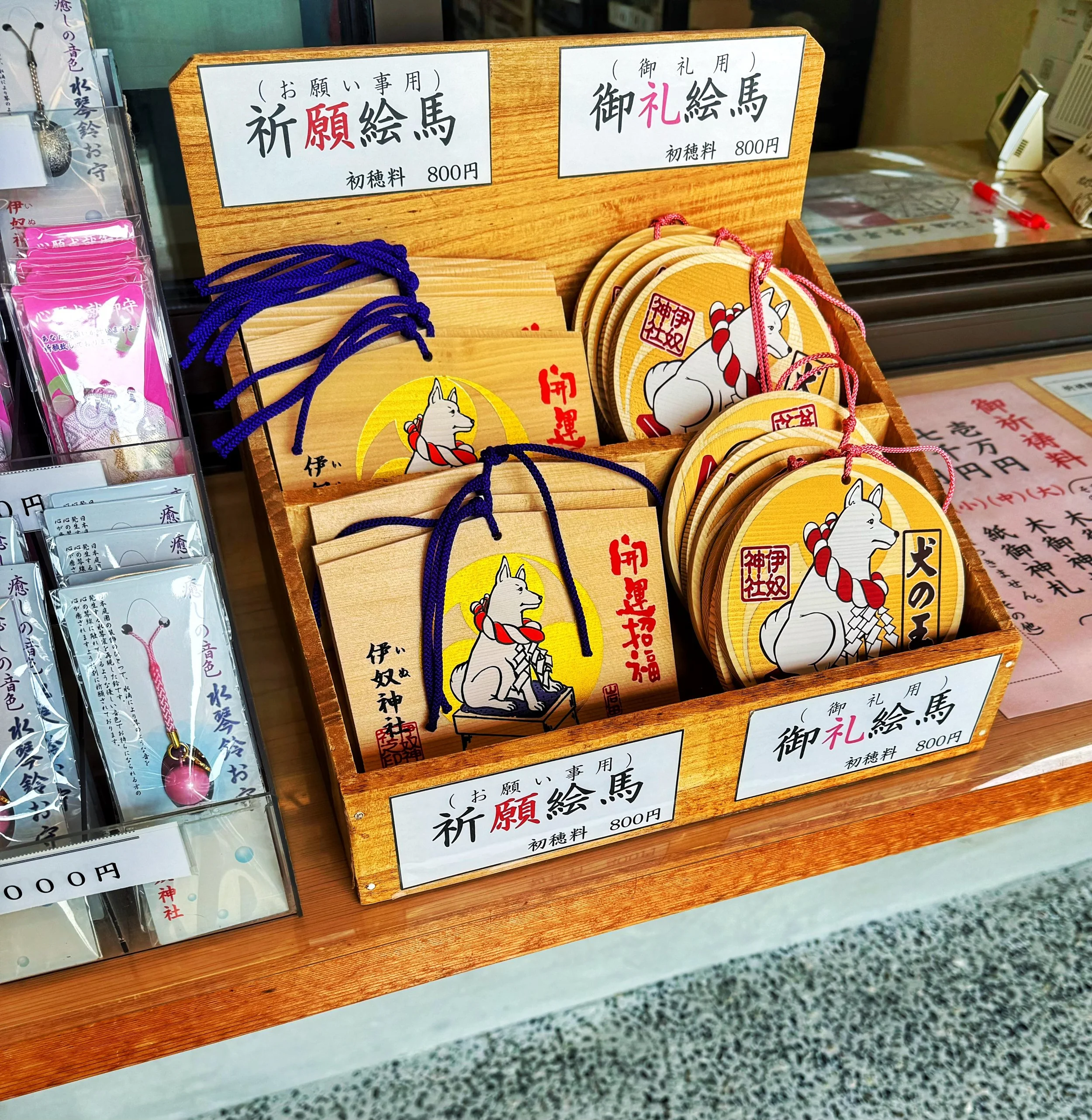
Because of the legend, Inu Shrine is also popular with pet owners and dog lovers. Visitors to the shrine will find dog-themed ema (prayer boards), statues, omikuji (fortunes), amulets, and other things.
While it does not require a full day to visit, it pairs well with a visit to Kiyosu Castle given their proximity, and it provides a genuinely fascinating glimpse into the layered nature of Shinto beliefs.
Himakajima Island
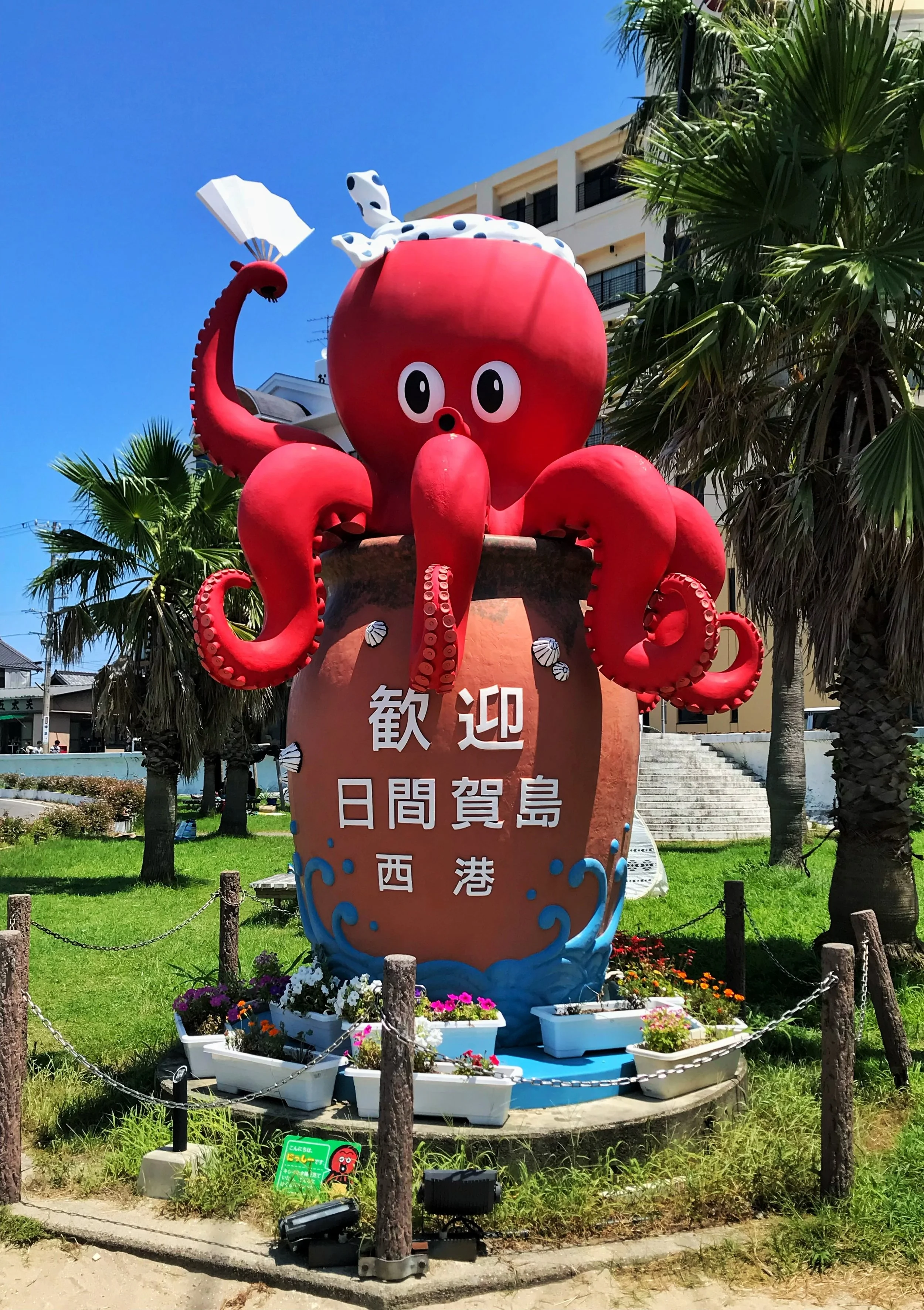
If you want to see a completely different side of Aichi Prefecture, head to Himakajima. This small island sits in Mikawa Bay and is known for its seafood and coastal scenery. Unlike some of Japan’s more famous islands, Himakajima draws primarily domestic tourists.
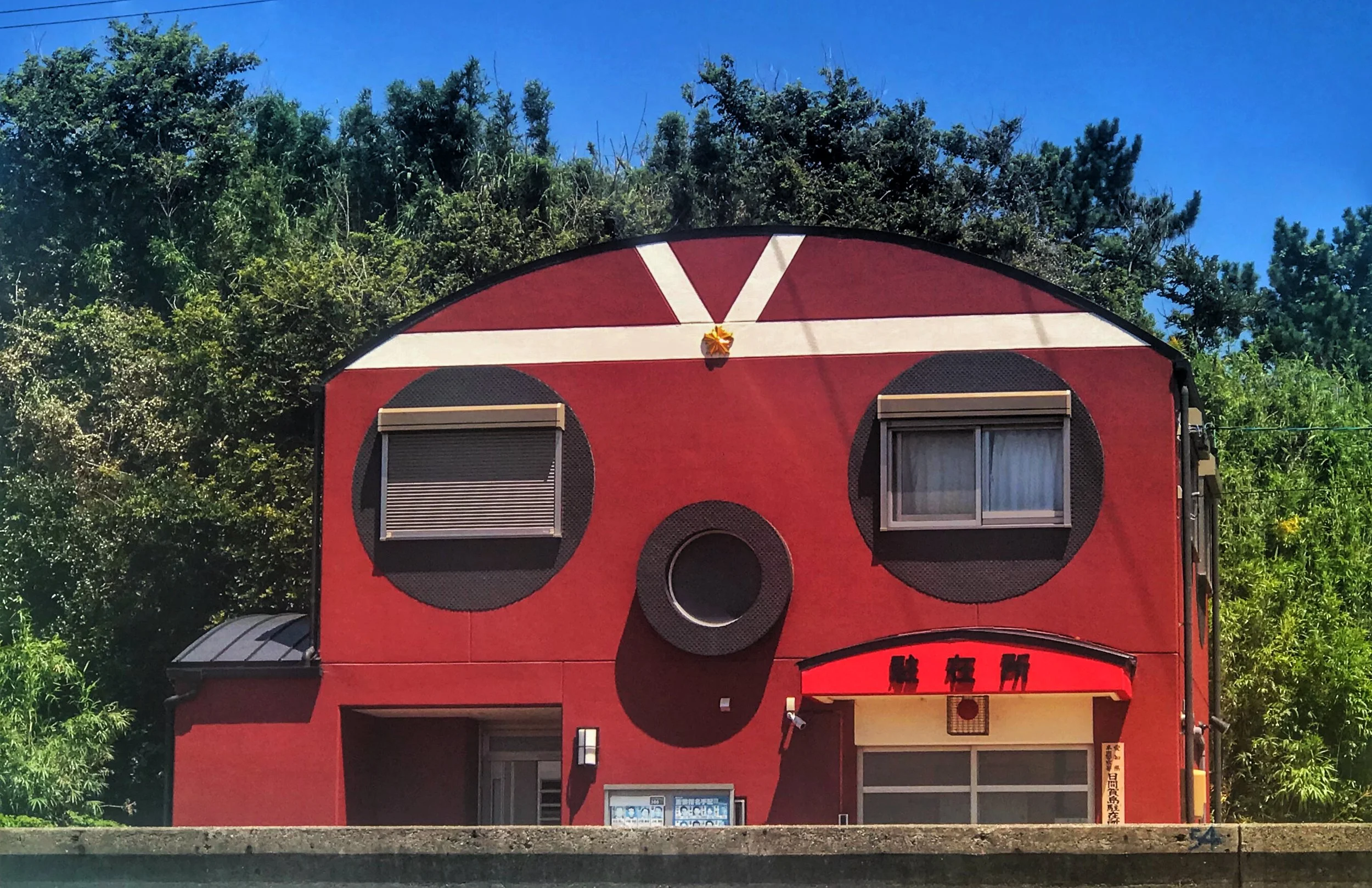
One of the best ways to spend the day there is to walk or cycle around the island. Enjoy the coastal scenery and try some of the fresh seafood along the way. The island is especially famous for its octopus. Even the local police box is octopus-shaped. Restaurants throughout the island feature it prominently on their menus, and there are experiences where you can try catching your own.
For travelers looking to escape the crowds and spend time near the ocean, Himakajima delivers just that. Plan your ferry or boat booking in advance if you are visiting for summer because they can book up quickly.
Final Thoughts
Aichi Prefecture has considerably more to offer than most travelers expect. These places provide opportunities to explore Japanese history, traditional crafts, nature, and Aichi’s food culture. Several of them can be combined into a couple of day trips from Nagoya.
Some people might recommend Nagoya as a base to explore other prefectures, but I would encourage choosing a few places to visit in Aichi before moving on.
The next time you visit central Japan, spend some time exploring Aichi Prefecture. The most memorable places are often not the ones going viral on social media. More often than not, they are the places you discover for yourself.
For things to do in downtown Nagoya, check out this blog post Downtown Nagoya: 10 Things to See and Do.
