
9 Foods You Should Not Miss in Central Japan (According to Someone Who Actually Lives Here)
Most people planning a trip to Japan have a mental checklist of must-eat dishes. Ramen, sushi, egg sandos, and onigiri almost always top the list. While those are perfect starting points (and ones I like), social media trends often dictate what people try rather than what is truly worth the journey. Central Japan has a rich culinary culture that is frequently overshadowed by Tokyo’s sushi, Kobe’s beef, or Osaka’s kushikatsu.
After more than a decade of living in and eating my way around this region, I have compiled a list of the foods you truly should not miss in Central Japan. These are not necessarily the nine most famous foods of the area, and you might not see a few of them on English travel sites or Instagram feeds. However, they are the foods I actually crave and return to time and again. These are always my first recommendation for anyone who asks what to eat in this part of the country.
Miso Katsu
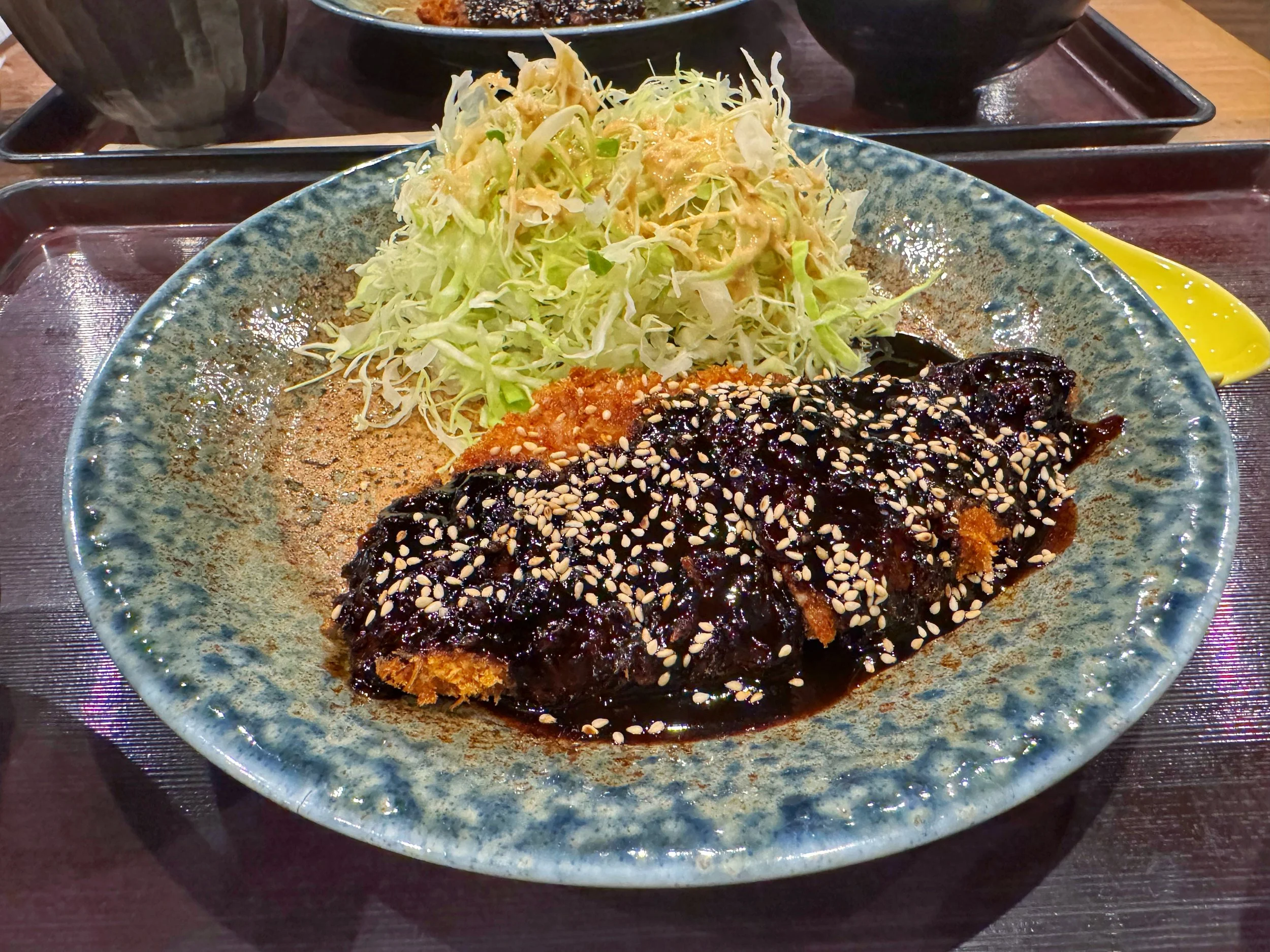
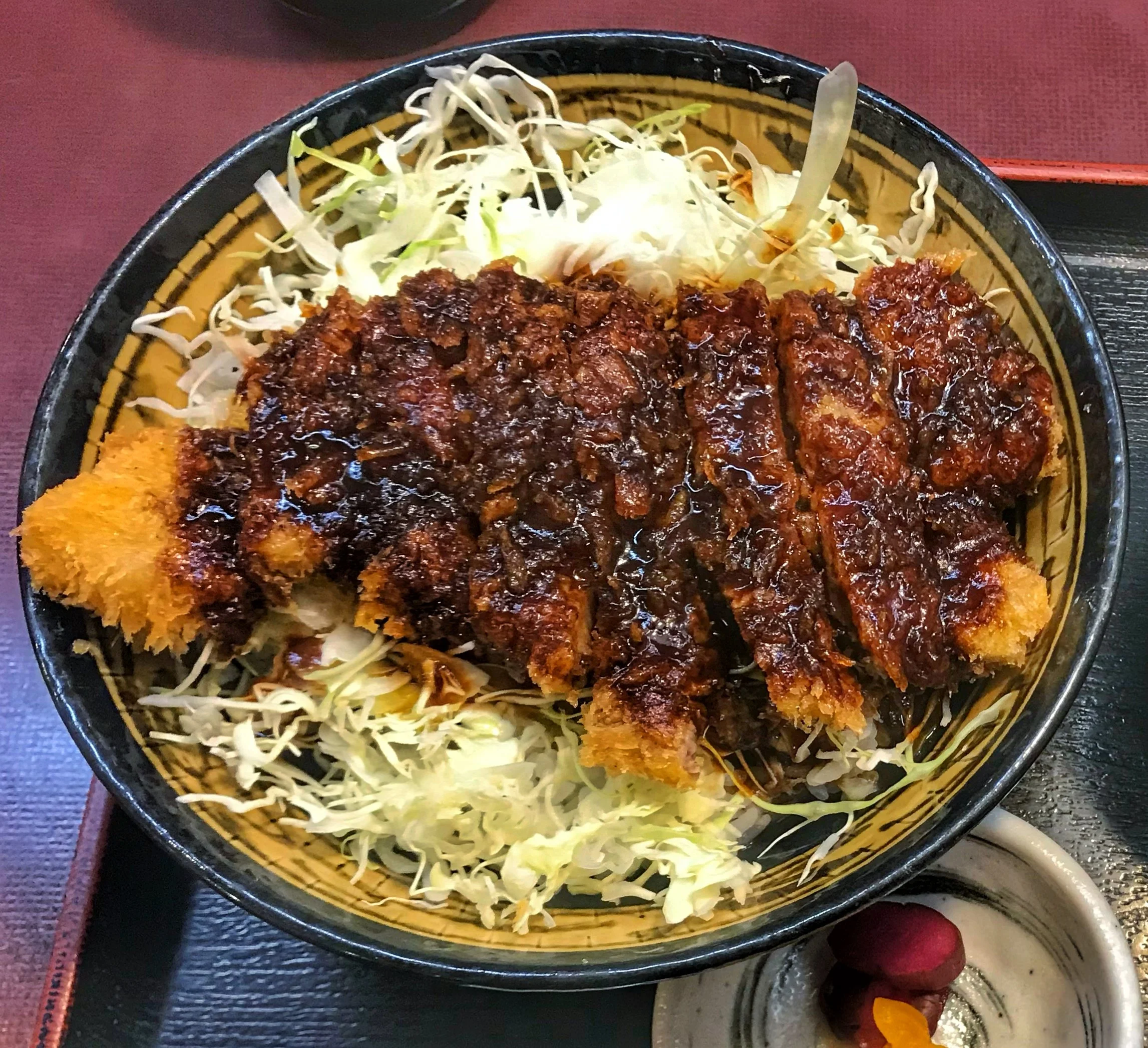
Before moving to Aichi, I did not quite understand the fuss over different miso varieties. I had grown accustomed to the milder white or blended versions. Yet, once I tasted miso katsu and other dishes with red or hatcho miso, I finally understood. Hatcho miso is a dark, intensely fermented paste that defines Nagoya’s food culture and even played a role in the area’s history. Its complex, earthy flavor profile sets it apart from standard red miso.
On a properly fried pork cutlet, the sauce is rich without being overwhelming. It strikes the perfect balance between savory and sweet. Most visitors try it once and immediately grasp why Nagoya locals feel strongly about miso. Because the flavor is so bold, it can be polarizing. Yabaton is one of the city’s oldest and most famous miso katsu spots, but I would also recommend trying some of the smaller local shops to compare styles. Personally, I prefer a thicker, more concentrated miso sauce than what is typically served at some larger chains.
Miso Nikomi Udon
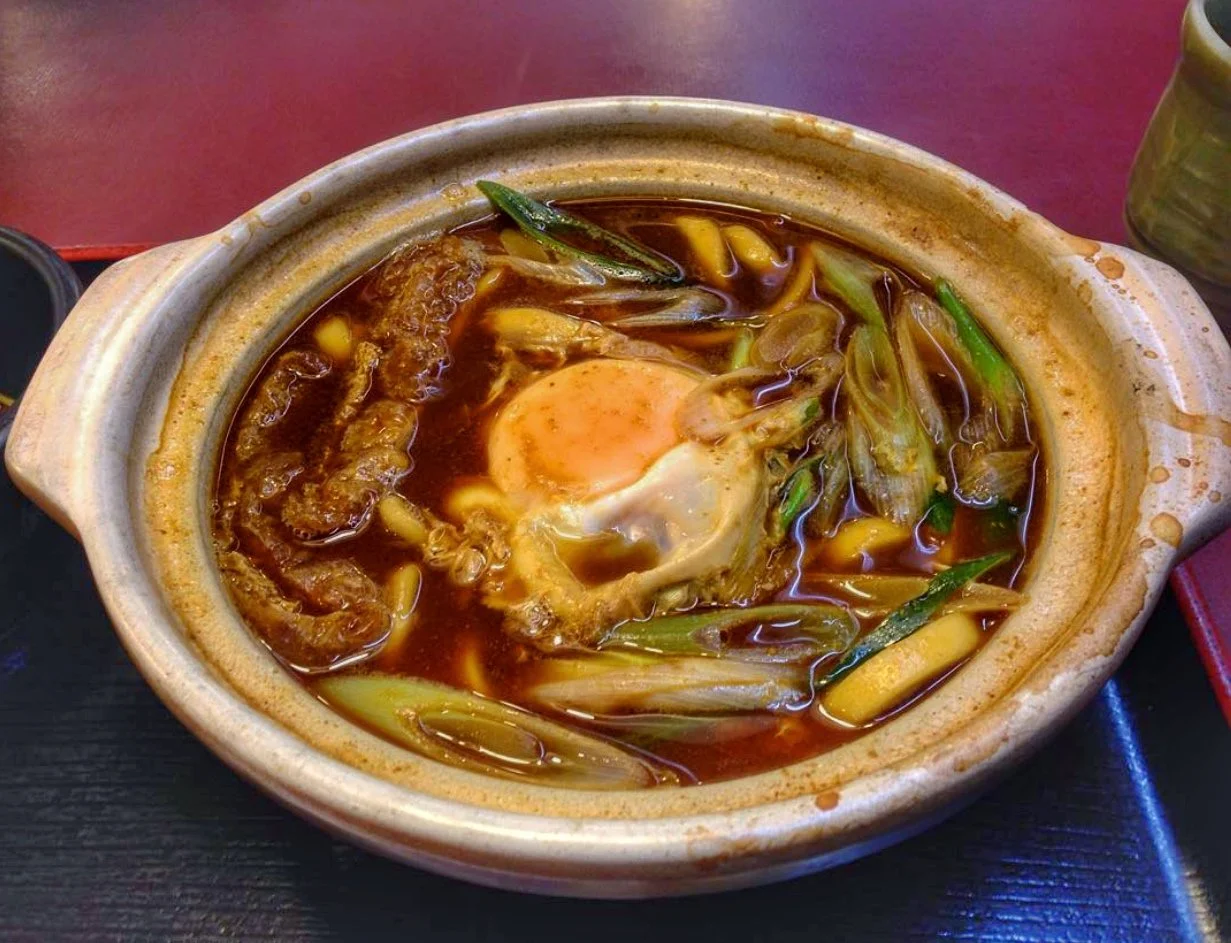
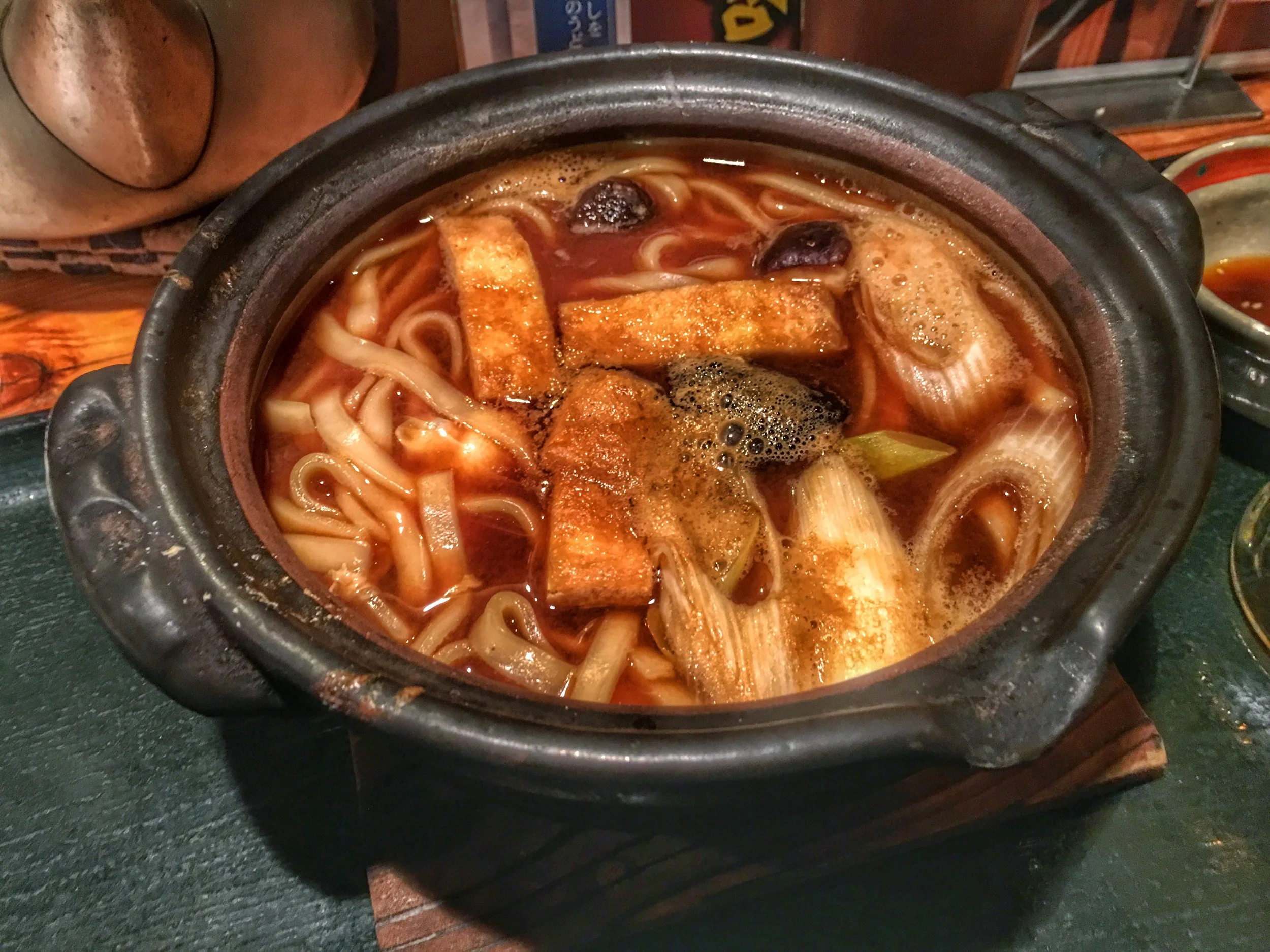
Another miso staple in Nagoya is miso nikomi udon. Many people may imagine light dashi broth when they think of udon, but this version is anything but light. The wheat noodles are simmered directly in a rich miso broth until the liquid reduces to a stew-like consistency. The pot arrives at your table bubbling hot.
Typical ingredients include chicken, green onion, shiitake, and an egg that slowly poaches in the boiling broth. The noodles are notably firmer than other styles because they have to hold their texture in the miso broth. It takes some adjustment if you are used to the softer Sanuki-style, but I find both are outstanding. Just a fair warning, this is not the dish to eat in the height of summer or when you are wearing a crisp white shirt. It is the food you want after a cold morning of exploring or a long winter drive.
The Nagoya Morning Set
This is not a singular dish so much as a beloved local tradition. The concept originated in Aichi’s textile city, Ichinomiya. Local kissatens (traditional coffee shops) began offering free toast, eggs, and occasionally salad with the purchase of a morning coffee. The trend caught on, and now it is a regional specialty. Visitors are always shocked to find out their breakfast is essentially “free” just for buying coffee. It is simply a remnant of a bygone era when coffee shops were a vital part of a worker’s daily routine.
Komeda’s Coffee, now found all over Japan, is the most famous Nagoya chain offering a morning set. My go-to order is the smashed egg toast and coffee or the ogura toast (a sweet red bean paste on toast). While the chains have popularized the idea, I recommend finding independently owned cafes around Nagoya and Ichinomiya. They still offer the traditional morning sets. Some even put their own unique spin on it.
Hoba Miso with Hida Beef
It comes as a shock to many people that Hida beef is one of my favorite kinds of Japanese beef. It is perfectly marbled and melts in your mouth, but it is hearty enough to stand out in dishes built around Gifu’s strong regional flavors. Hida beef comes from the cattle raised in the Hida region of northern Gifu. While it lacks the international name recognition of Kobe beef, I would argue that is mostly a matter of marketing.
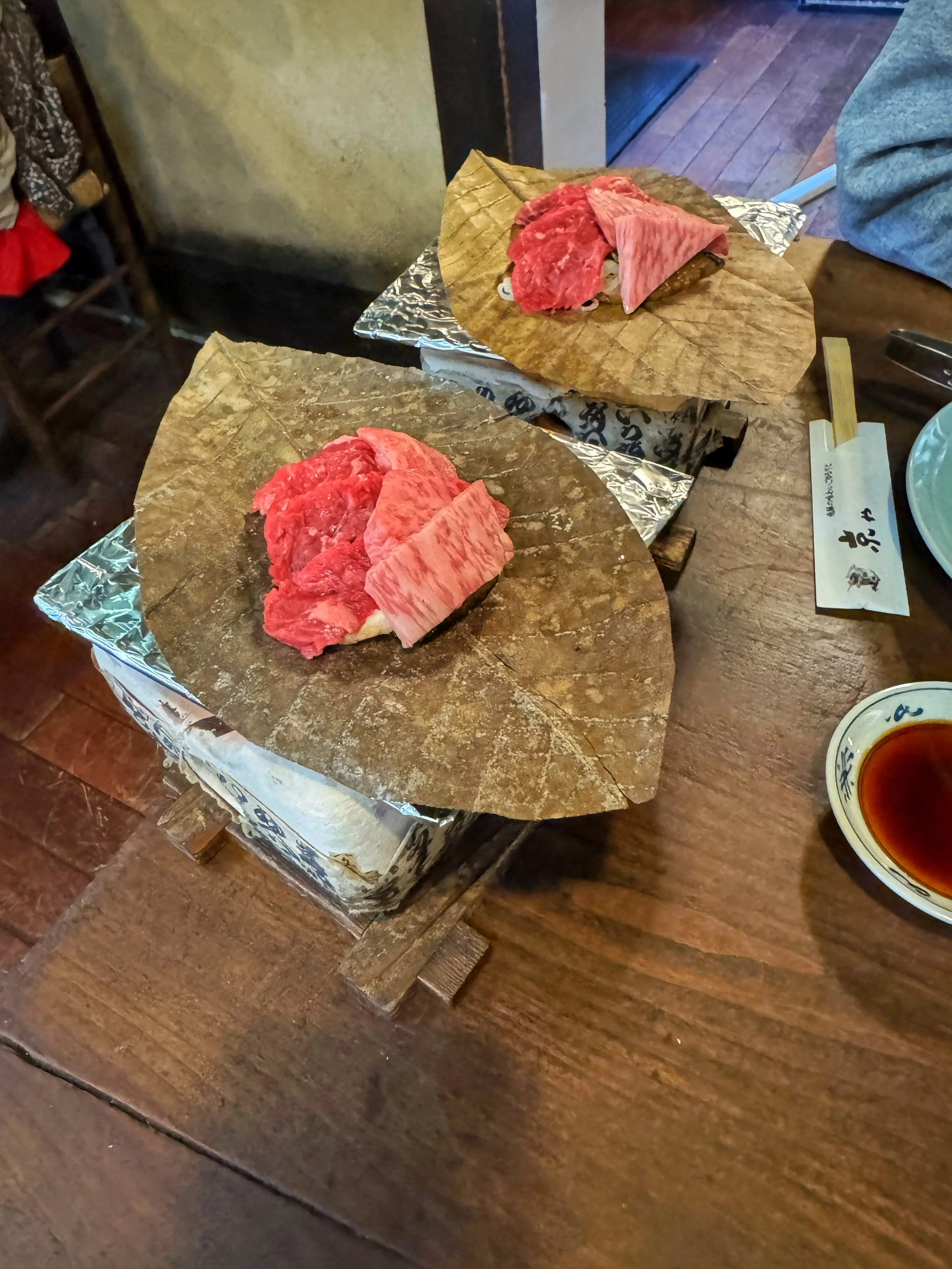
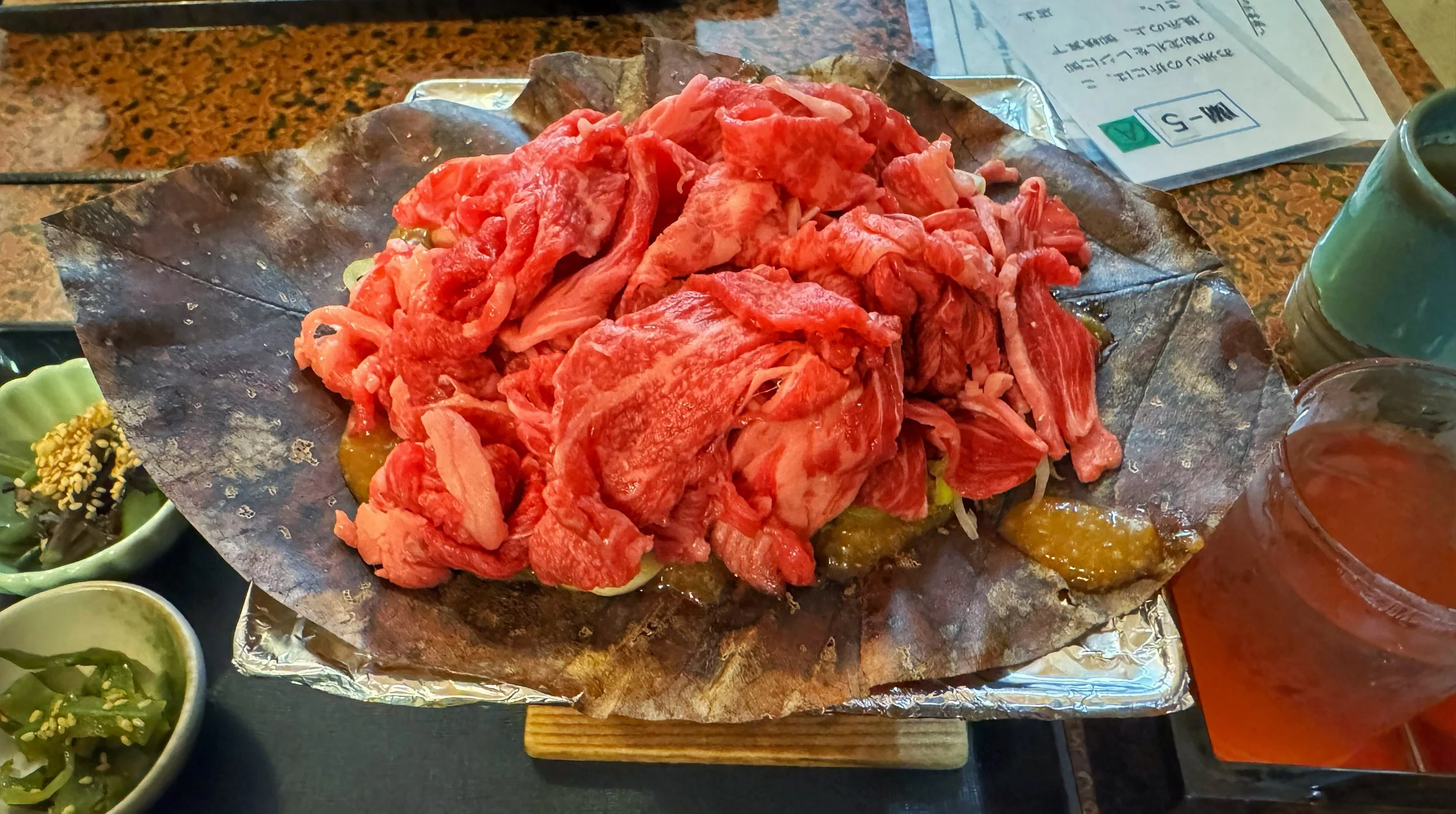
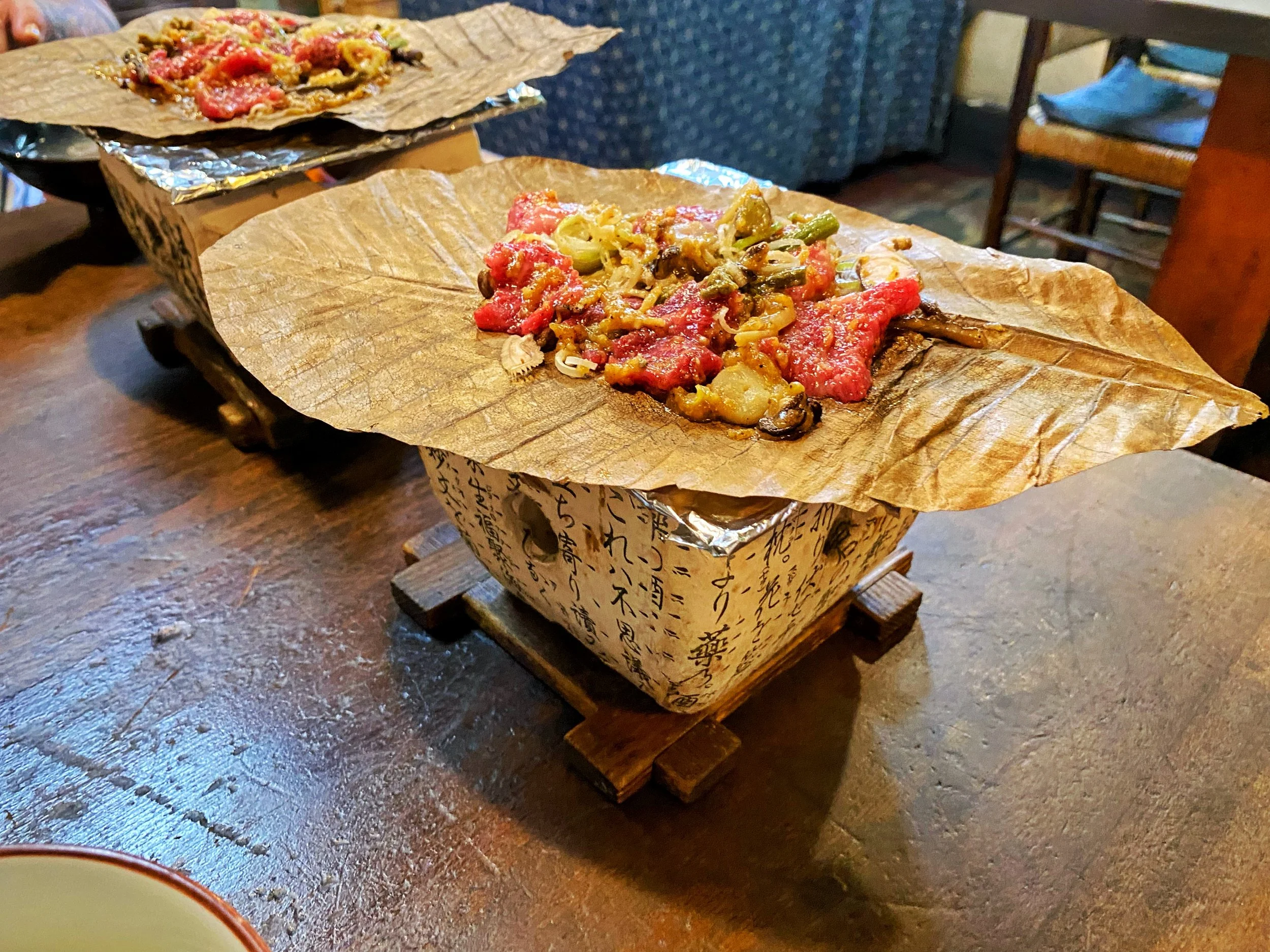
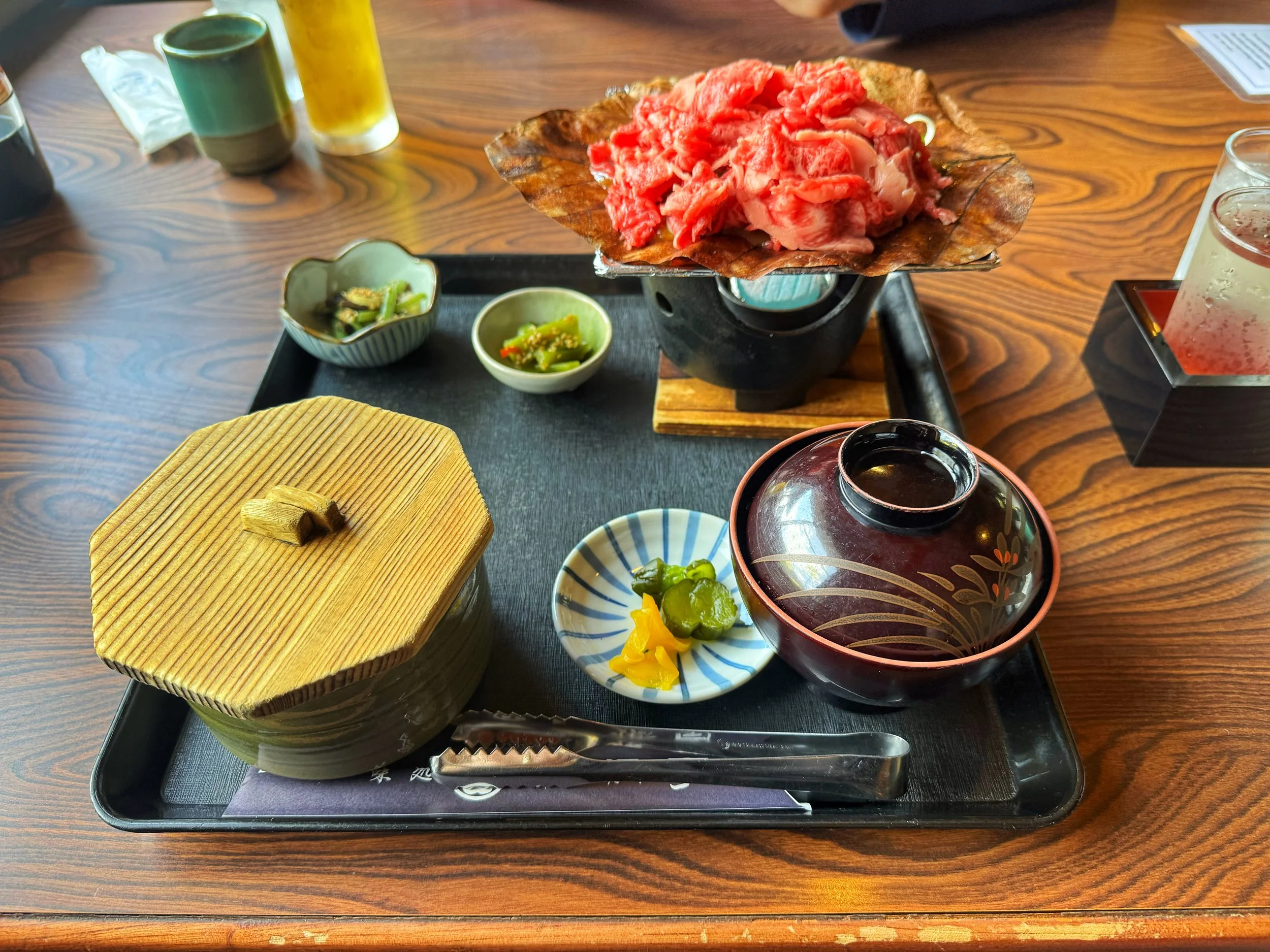
While I enjoy Hida beef prepared in many ways, hoba miso is one of my preferred dishes. A dried magnolia leaf is soaked in water and loaded with miso, mushrooms, green onion, seasonal vegetables, and sliced beef. Then, it is placed over a small hibachi (small Japanese table top grill) or charcoal grill at your table. The miso begins to caramelize the edges as everything cooks together. The sweetness of the miso paste combined with the fatty marbling of the beef and fragrant vegetables creates a rich flavor. It is difficult to fully describe the depth but impossible to forget. Takayama and Gujo have no shortage of places to try this dish. While many people think it is best in autumn or winter, I tend to eat it year-round.
Gohei Mochi
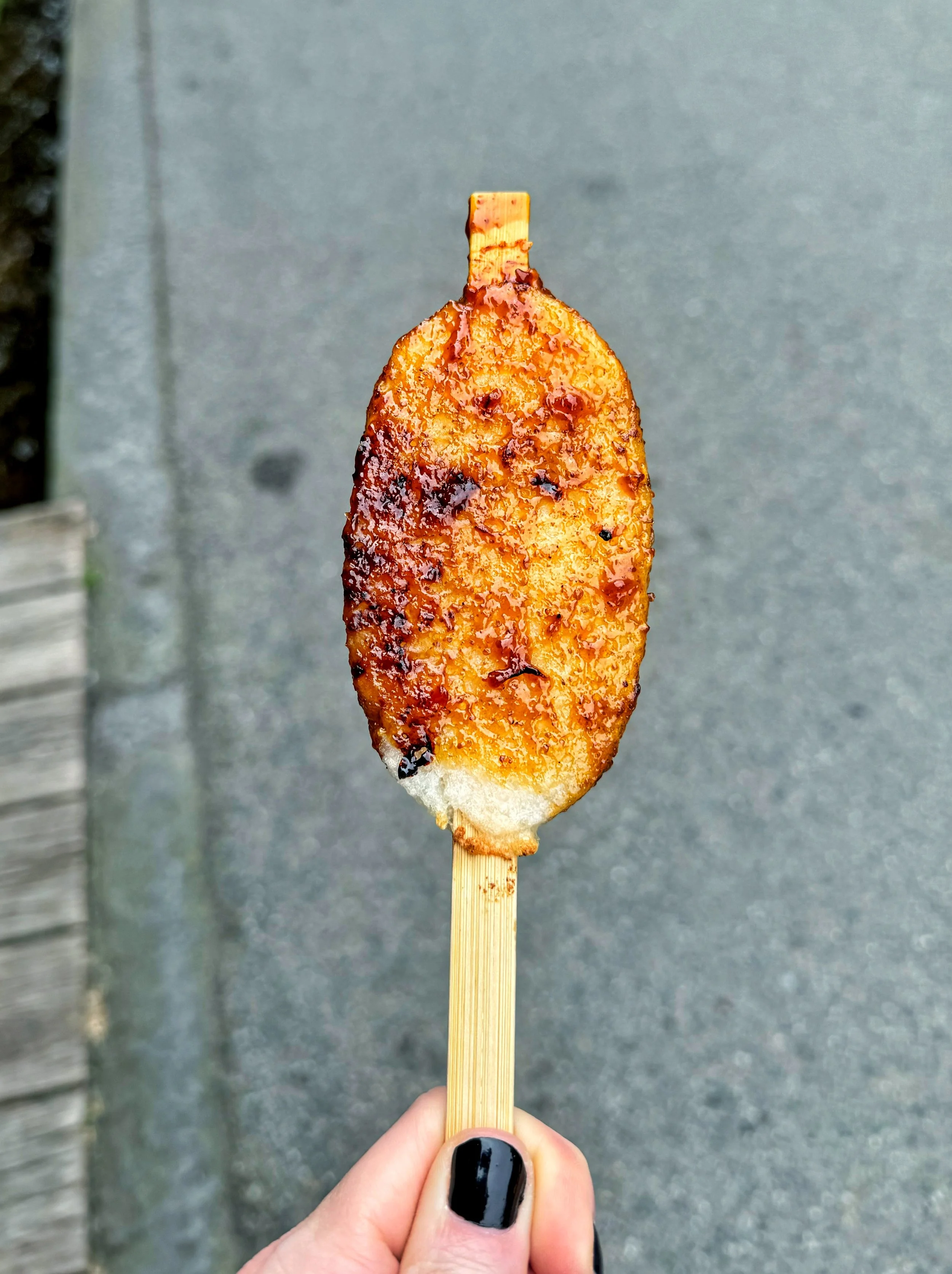
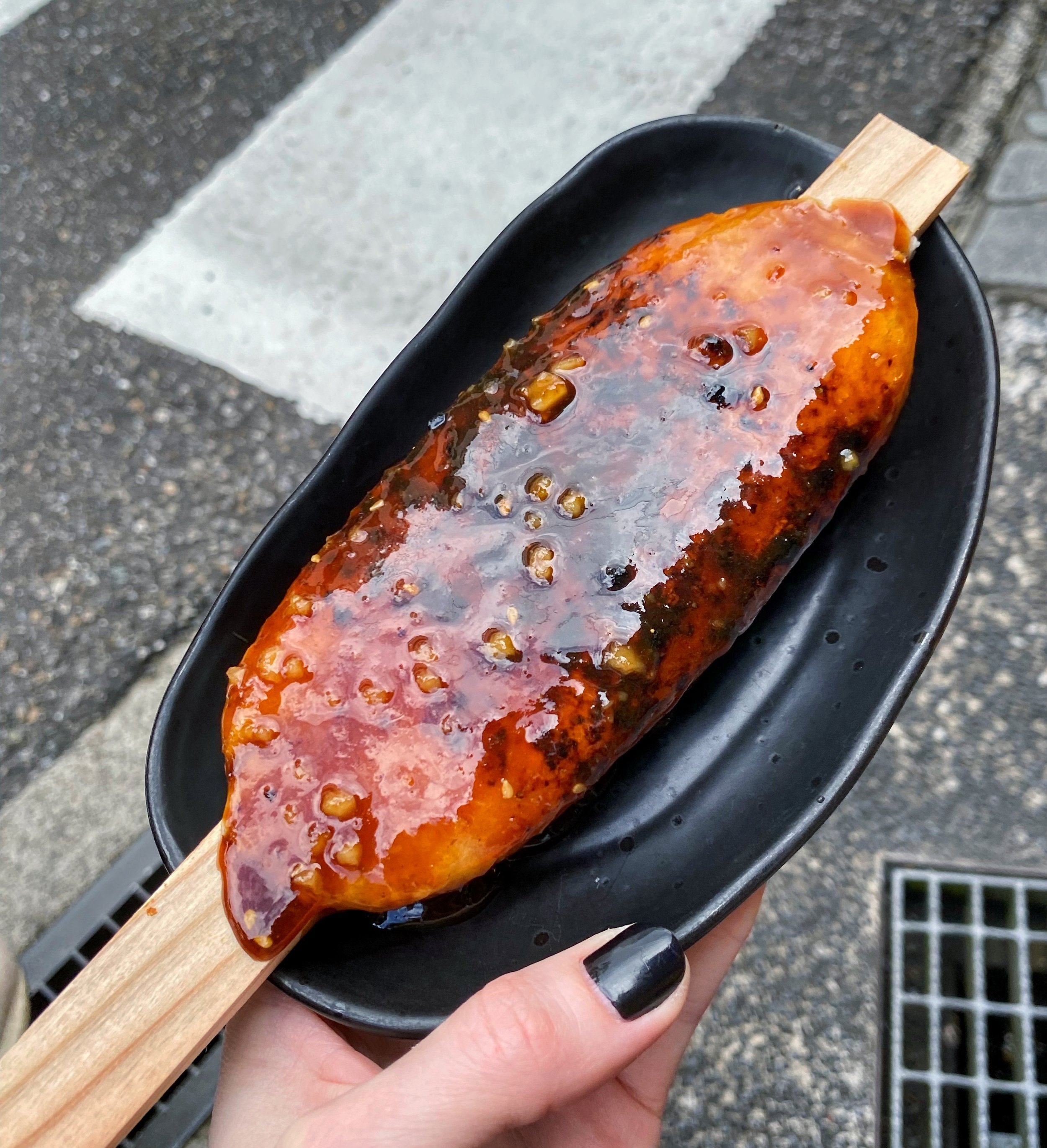
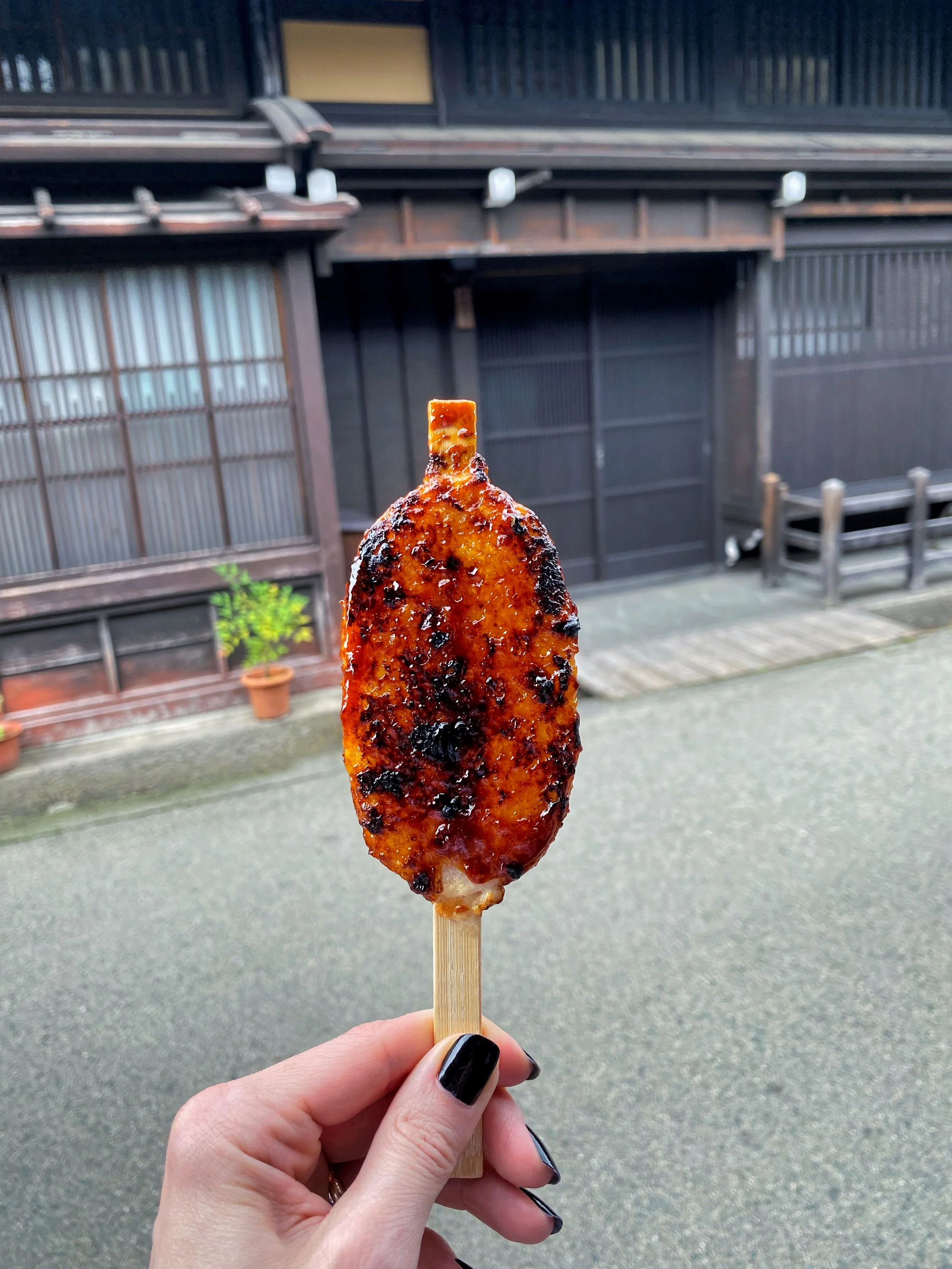
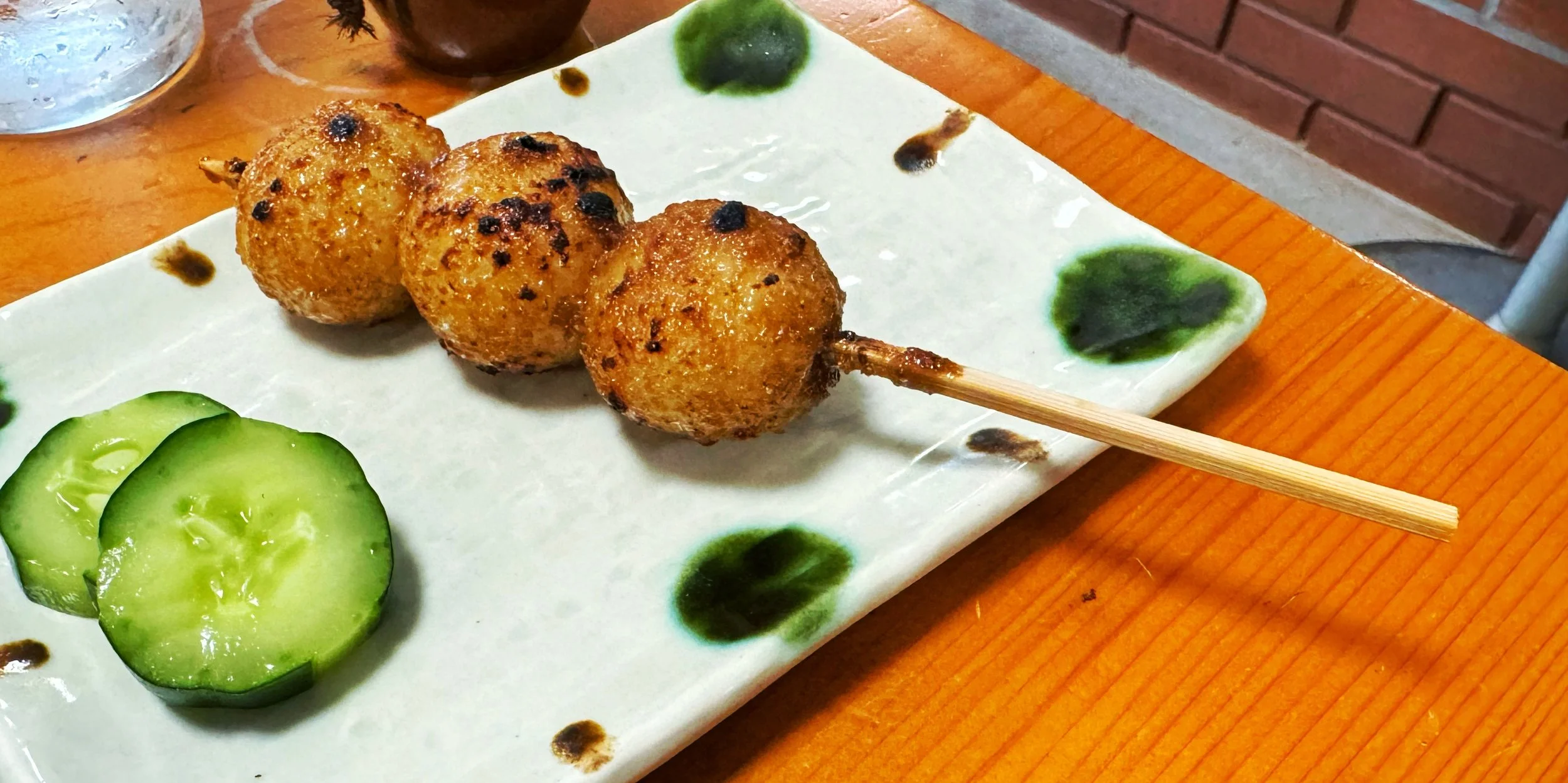
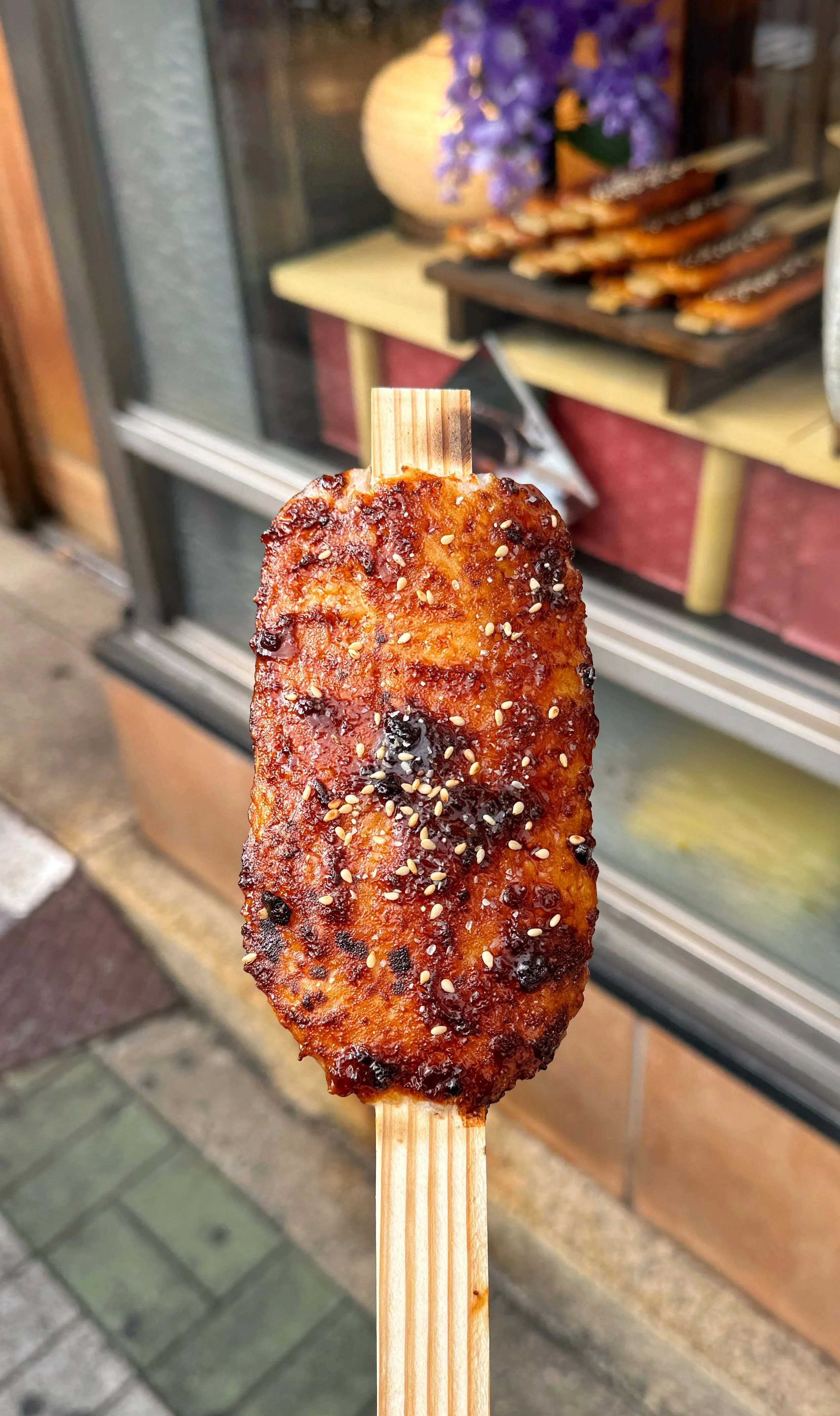
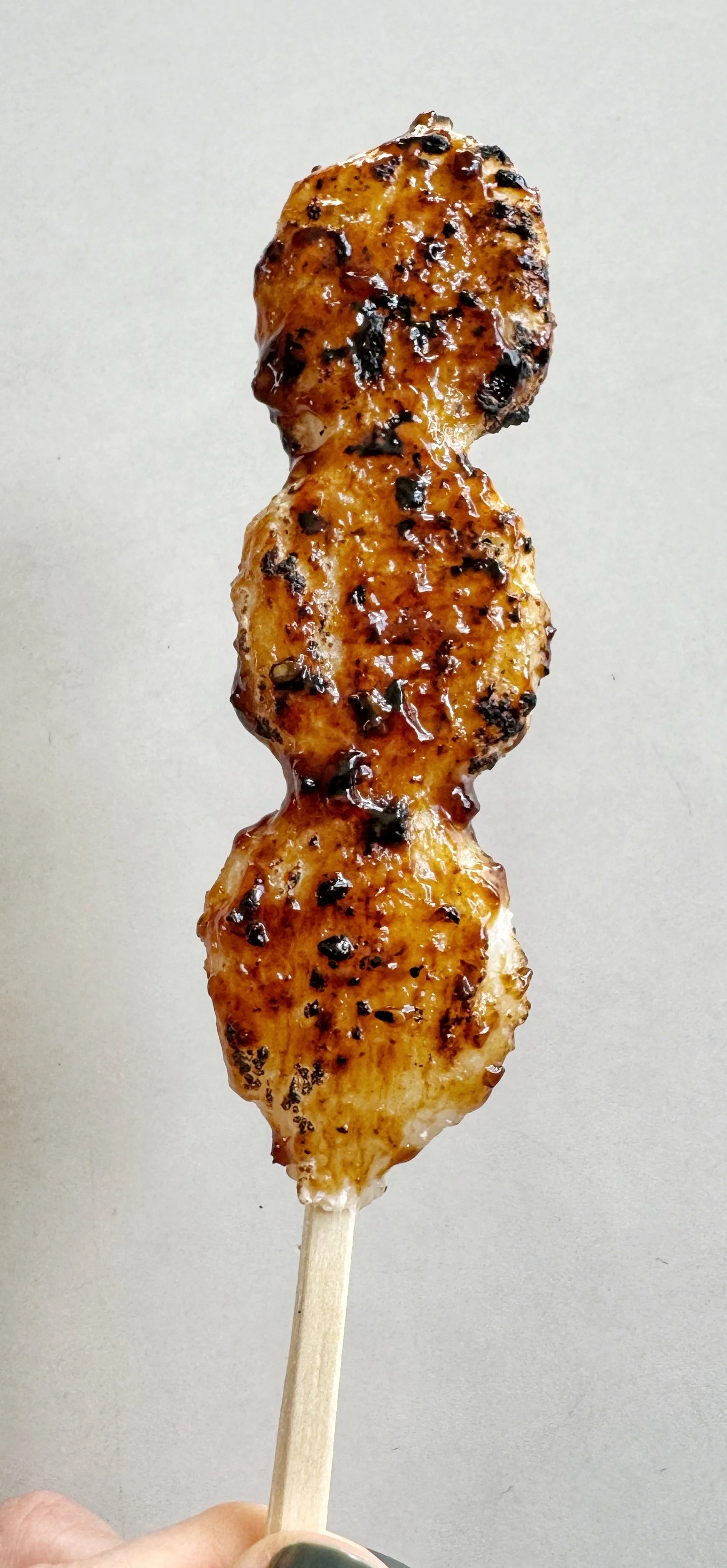
Gohei mochi is a skewered, pounded rice cake coated in a thick savory paste. The paste usually consists of sesame, soy-based miso, or walnuts. It is grilled over an open flame until the outside chars and the sauce becomes sticky and caramelized. It is a mountain food found throughout the Kiso Valley and Hida regions. It reminds you of something you would enjoy by a campfire.
The paste and style vary significantly by area and shop. Trying different versions does not require you to really adjust your itinerary or make special plans. You can find it from small stalls near shrines, along river walks, at michi-no-eki (roadside stations), and stands throughout mountain towns. It is filling, delicious, and deeply connected to Central Japan.
Seafood in Fukui
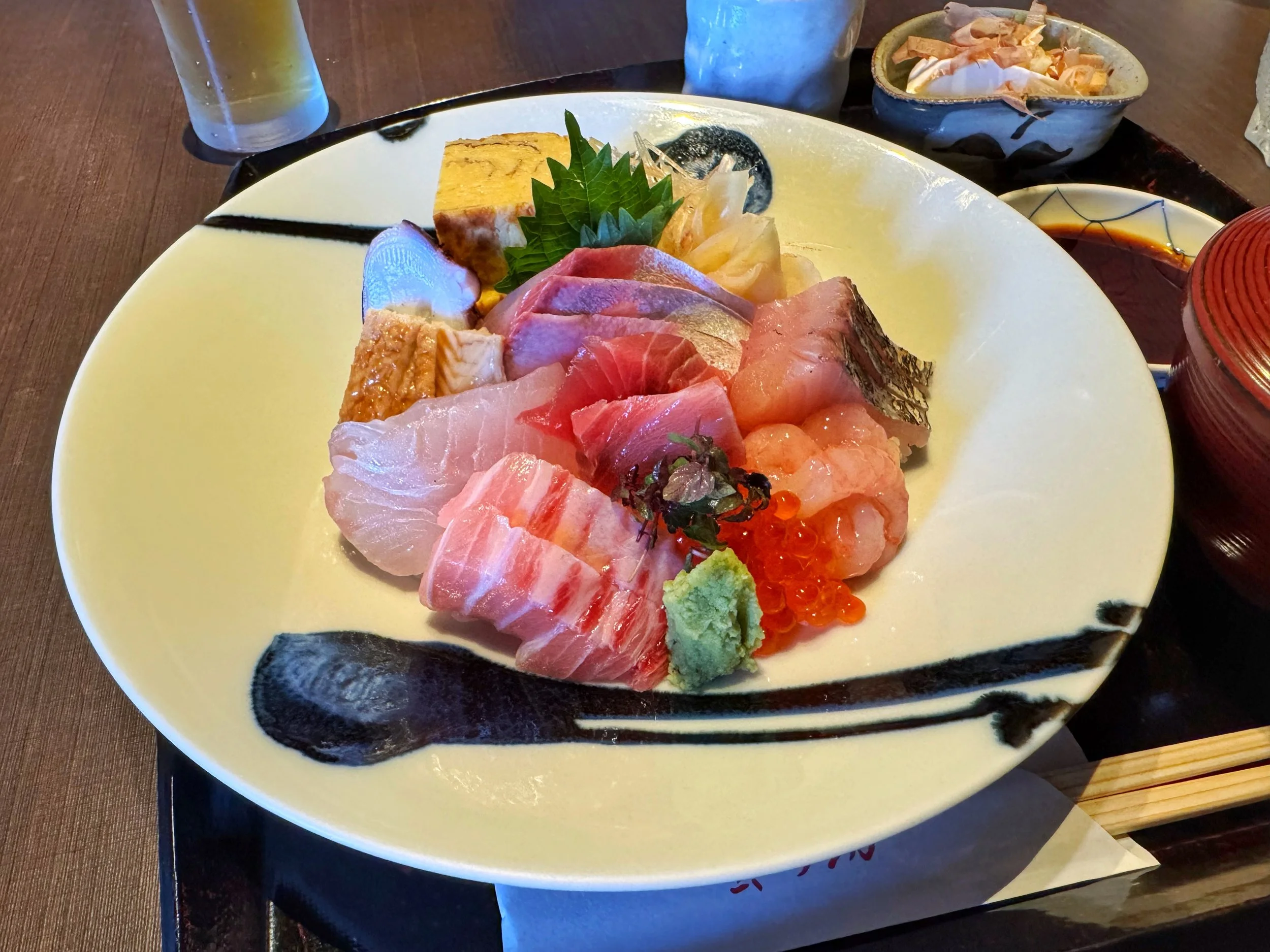
Fukui is often overlooked as a culinary destination by international travelers, and in my opinion, that is a genuine oversight. When many people think of fresh seafood, their mind might jump to Hokkaido or other regions of Japan. Fukui sits along the Sea of Japan, and the seafood here does not have to travel far before it reaches your plate. A kaisendon (seafood and rice bowl) or chirashizushi (seafood and sushi rice bowl) are the ultimate ways to enjoy the seasonal flavors of the sea. In winter, bowls are topped with snow crab, fish, and uni. In summer, they are loaded with fish from the daily catch.
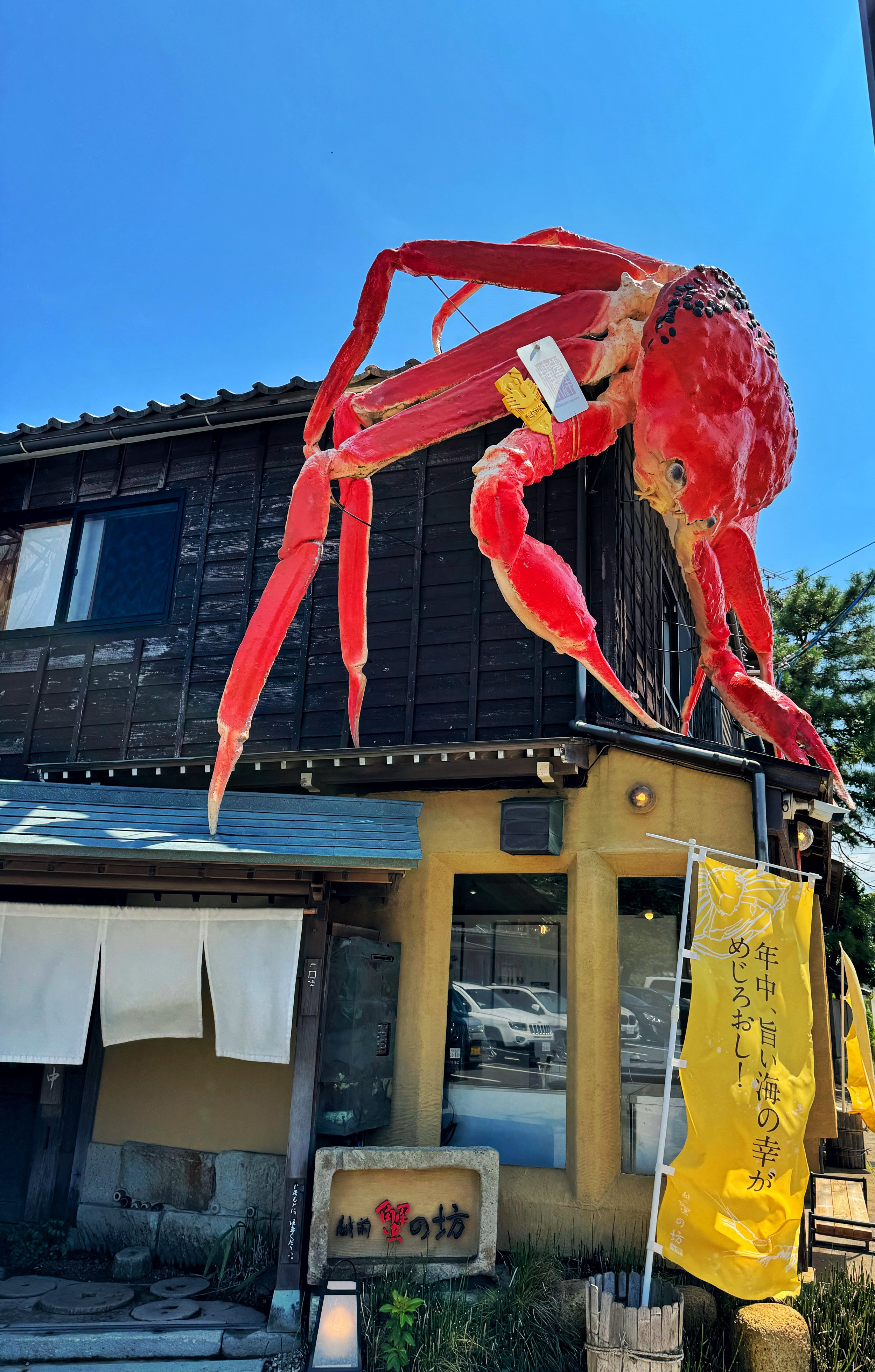
If you are in the area, visit the local markets in the early morning to have some of the best seafood. For a sit-down meal, local restaurants in Echizen and Sakai also offer fresh seafood throughout the day. One of my personal favorites is Echizen Kaninobou.
Shiroebi
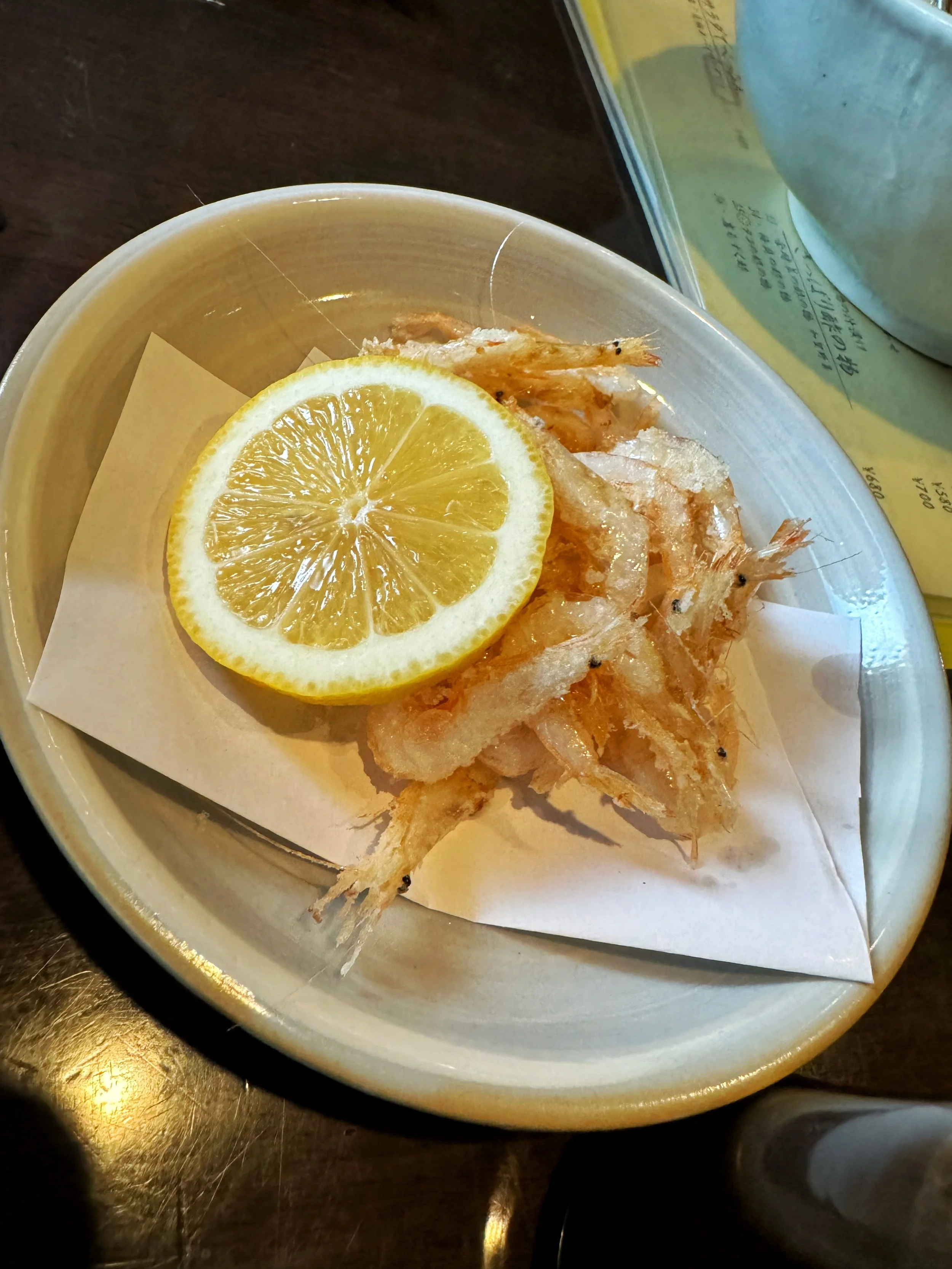
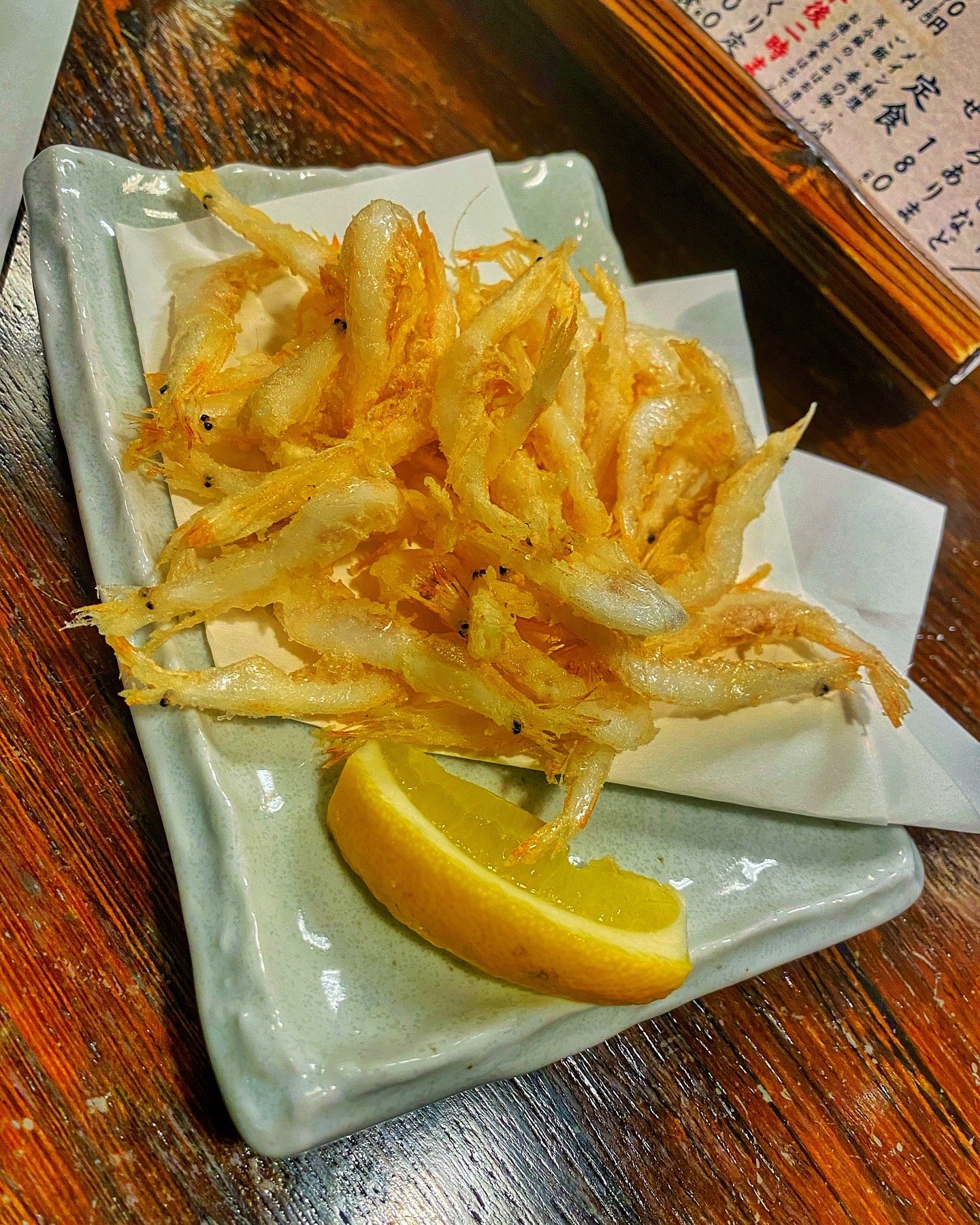
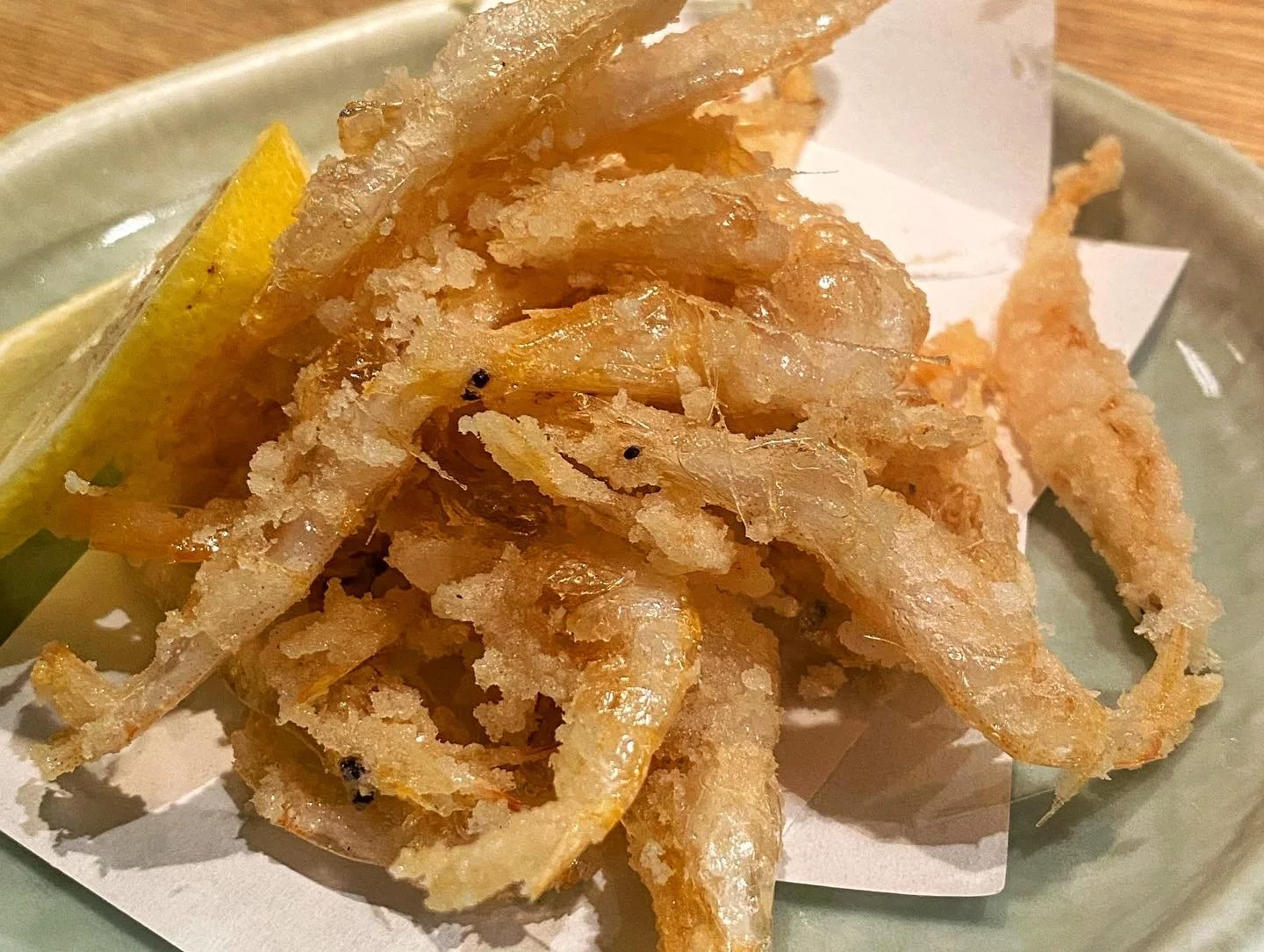
Shiroebi, or white shrimp, are tiny translucent shrimp found almost exclusively in Toyama Bay and are a prime example of why it is worth exploring beyond the Golden Route. They are more delicate than most other shrimp I have tried, and the sweetness shines through various cooking methods.
My preferred preparation style is karaage, which means they are lightly battered and fried until crispy. When I visit Kanazawa and Toyama, I cannot get enough of them. They are also excellent in sushi, in kaisendon (a seafood and rice bowl), or just as a topping for rice. If you are traveling through Toyama, they are reason enough to stop. I have eaten them many times and never pass up the chance when I am in the area.
Kanazawa Oden
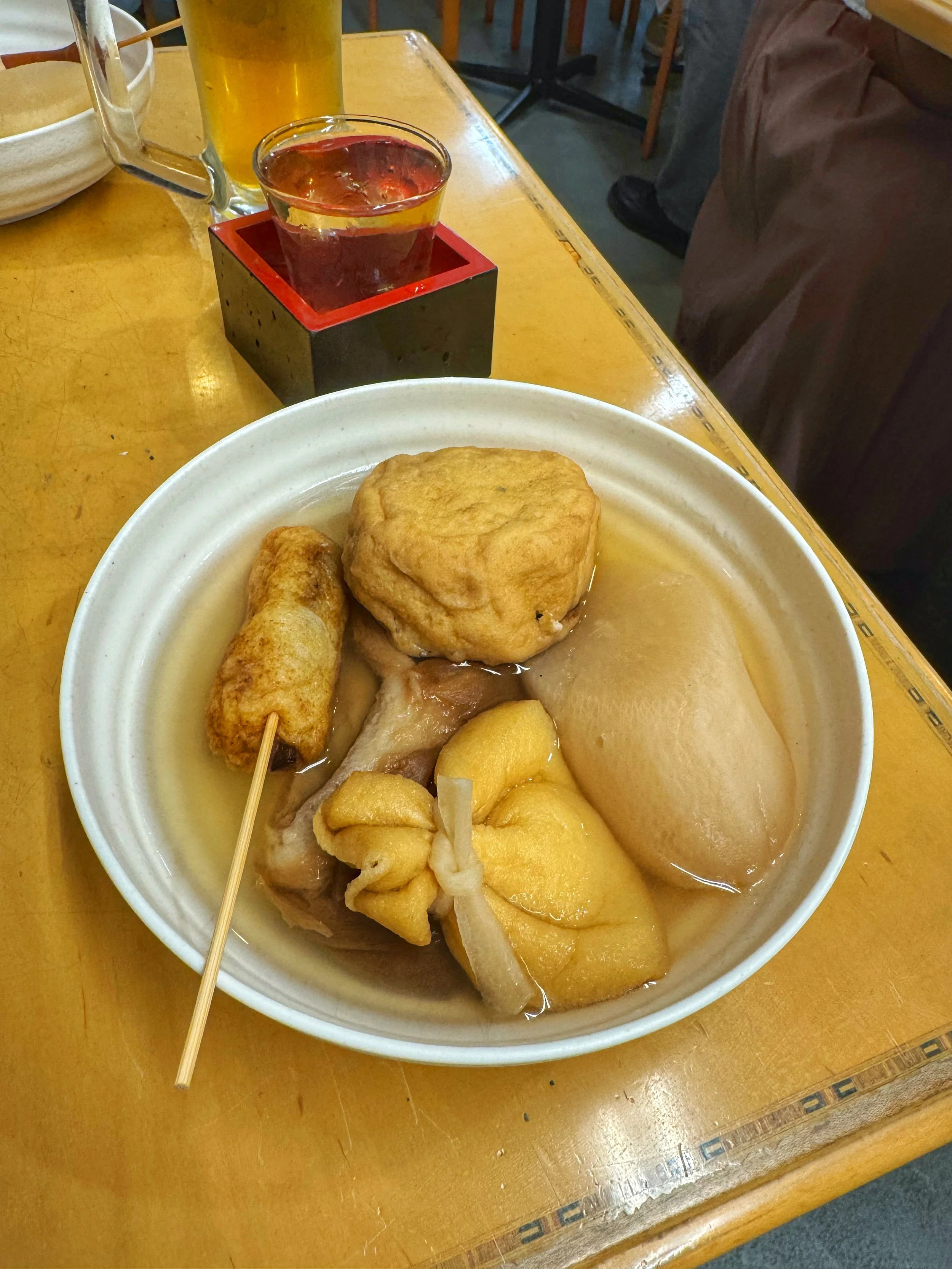
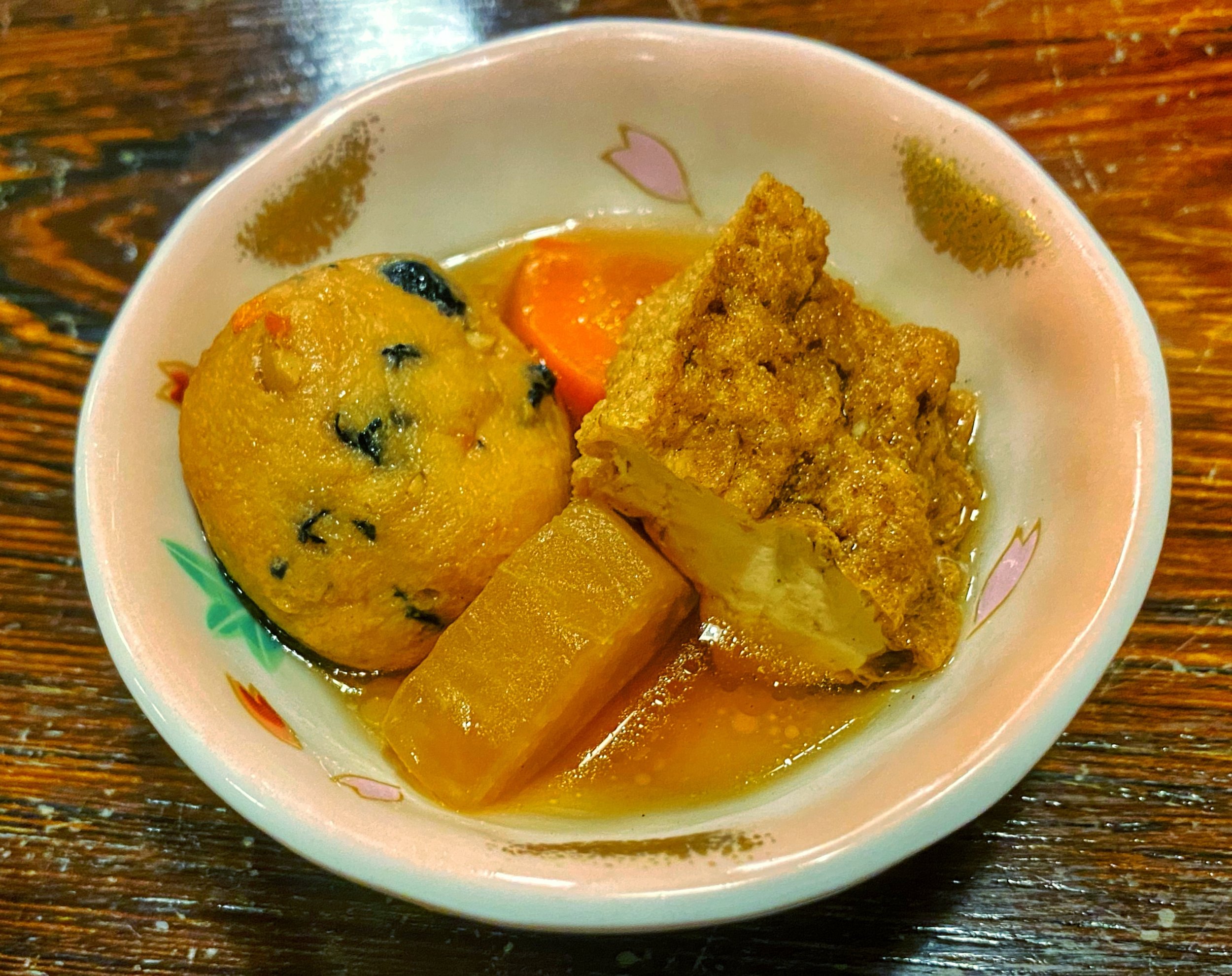
Oden exists in one form or another across Japan. Nagoya is of course famous for a miso-based oden. However, Kanazawa’s style is much cleaner and more delicate by comparison. The ingredients are simmered in a very light dashi broth and served in a big bowl.
The ingredients are hyper-local and often feature seafood from the Sea of Japan and local tofu dishes. It is most popular in the winter because it is warming. Kanazawa has a high concentration of oden shops in the Katamachi area, but my favorite shop is Omicho Ichiba Kanazawa Oden Ippukuya in Omicho Market. Not only do they offer a large selection of ingredients, but there are also shops to buy grilled seafood, sashimi, fried foods, and sake in the area.
One of the best parts about oden is that you can eat as much or as little as you like at many places because you can order individual pieces.
Kurikinton
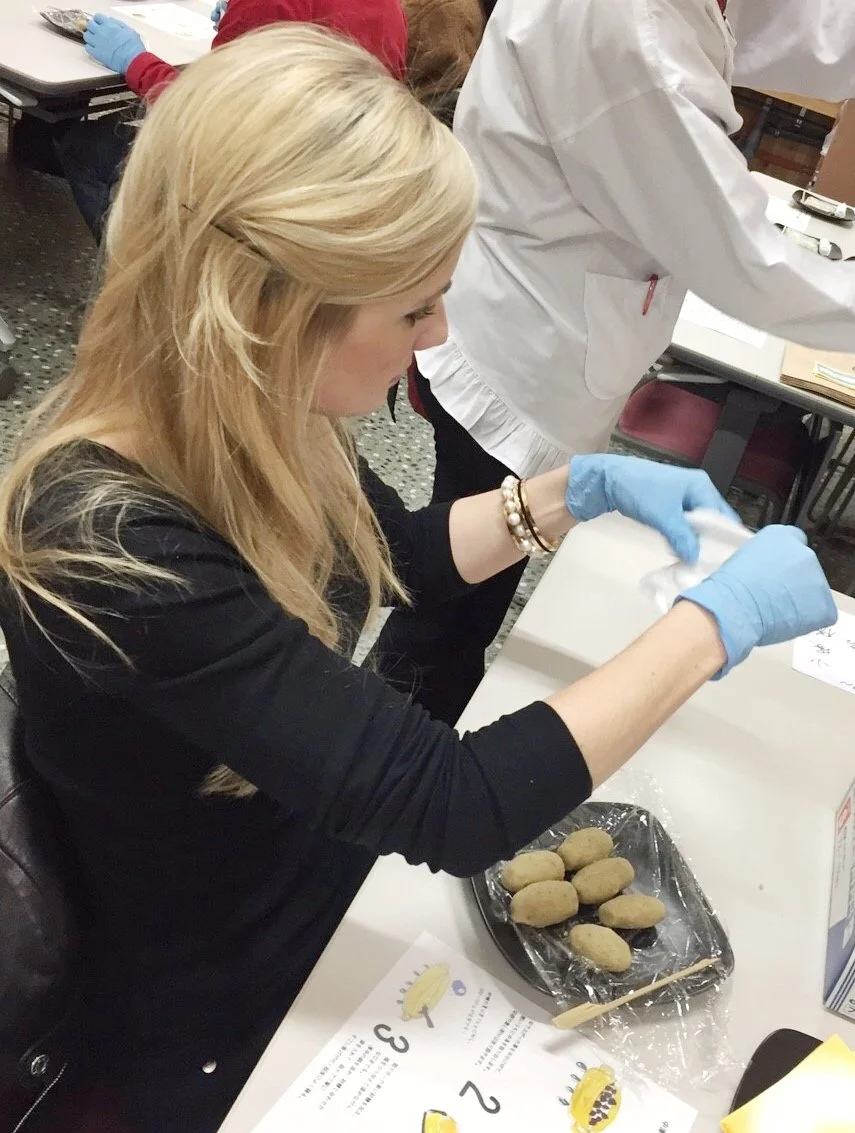
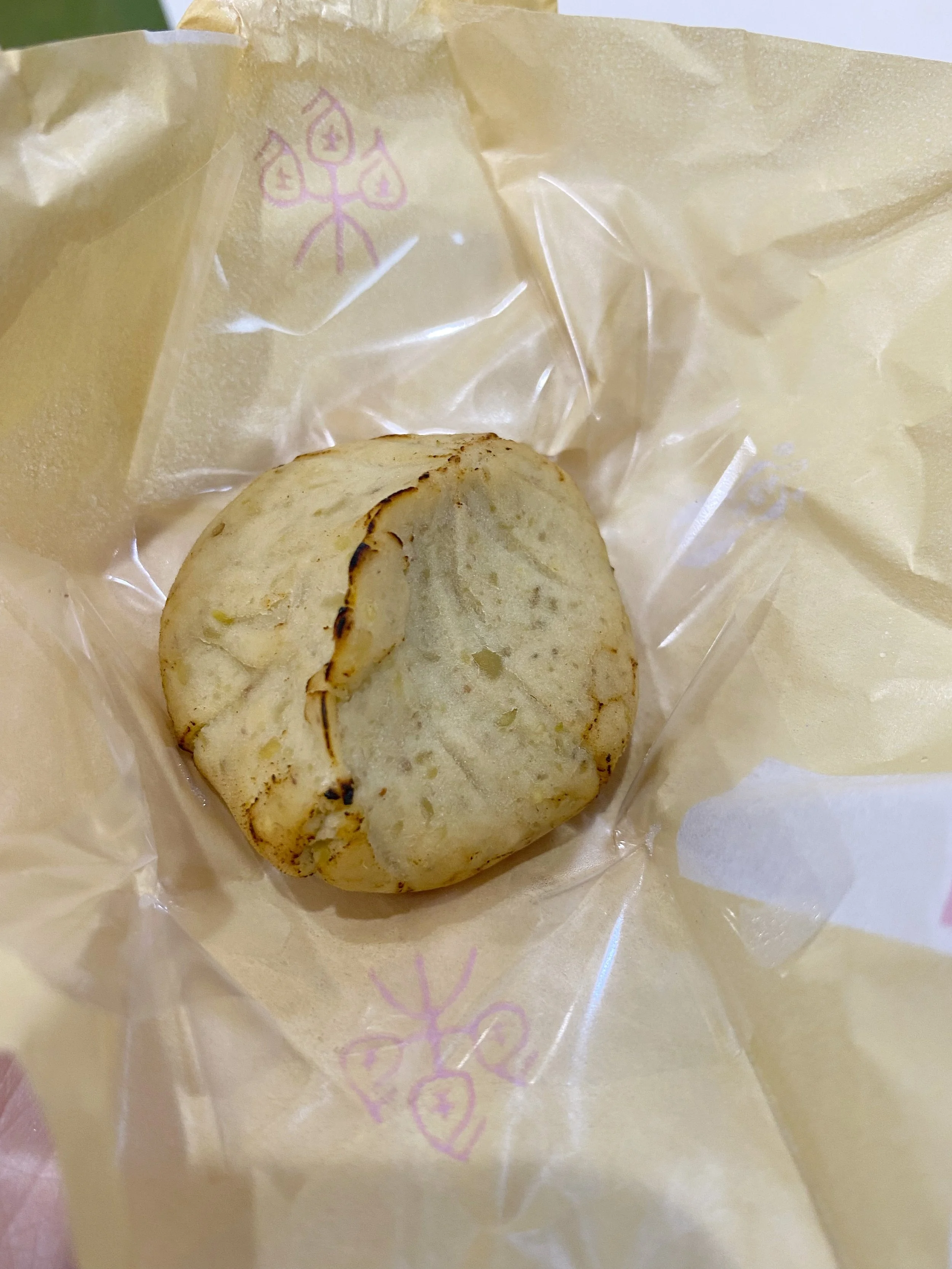
Japanese sweets, or wagashi, have a certain power over me and can easily dismantle whatever willpower I can muster. Kurikinton is a deceptively simple treat made from chestnuts, sugar, and sometimes sweet potato. It is pressed into a small mound and usually twisted in a damp cloth to give it a signature pinched shape.
Nakatsugawa, a small city in the Kiso Valley in southern Gifu, is the most famous home for these sweets. Dozens of local shops have been following the same recipe for generations. Each has a slight variation in texture or sweetness. At the local tourist center, you can even buy a comparison box that contains one from every shop in town. That is the perfect way to appreciate the subtle differences between them. If you are visiting in autumn, make sure you try kurikinton or even sign up for a workshop to make your own.
Final Thoughts
These dishes give you even more reasons to travel off the Golden Route, if only for a day. Central Japan offers travelers so much depth in both food and culture, and most of these destinations require only a minor detour. If you are a foodie, be sure to add some of these dishes to your travel list.
Have you tried any of these regional specialties? Or is there a dish in Central Japan that you would recommend? Let me know in the comments below.
