
What to Know Before Moving to Japan (From Someone Who Actually Lives Here)
Lately, I have been getting more questions from people who are thinking about moving to Japan. Many of them have seen videos about “free” or incredibly cheap houses and assume relocating is much easier than it is. Others visit Japan on vacation and decide they want to live here. I understand the appeal, especially in today’s economy, but neither gives you the whole picture. Traveling in Japan and building a life here are two very different experiences, and there is much more to consider than housing prices or a memorable trip. Your visa options, job opportunities, values, language ability, lifestyle preferences, and long-term goals all play a role in whether Japan is the right fit for you. Geography, climate, and cost of living are just as significant.
In this post, I want to share some of the biggest factors I think people should consider before moving to Japan. My goal is not to convince you to move here or discourage you from doing so. Instead, I hope this helps you make an informed decision based on what ordinary days are like rather than what you see in brief glimpses online or on a trip.
Understand Why You Want to Move to Japan
Before you start learning about visas or browsing property listings, take a step back and ask yourself a simple question: Why do I want to move to Japan? Maybe you visited and fell in love with the country. Maybe you are feeling drawn to the culture, searching for a different pace of life, or hoping to change your life’s direction. The important thing is whether your motivation will still matter once daily routines begin.
It is easy to imagine yourself spending weekends exploring new towns and chasing seasonal views, but eventually, those experiences become part of normal life. You still have to go to work, grocery shop, pay bills, and deal with all the responsibilities that come with living anywhere.
When I first decided to move to Japan, my plan was only to stay for a year or two. I wanted to immerse myself in the language and culture before eventually pursuing a doctoral degree. I spent a lot of time studying about Japan, visited areas that interested me, and spoke with several people who already lived here. Those conversations helped me understand aspects of life I never would have experienced as a tourist.
After living in Japan for three years, I returned to the United States to work on another project. Within a few months, I wanted to come back to Japan and build a more permanent life here. My reasons for wanting to live in Japan had changed.
Everyone’s motivation will be different, but I think it is worth asking yourself if you are chasing a great vacation or whether you can picture your average Tuesday here. That answer will shape almost every decision you make going forward.
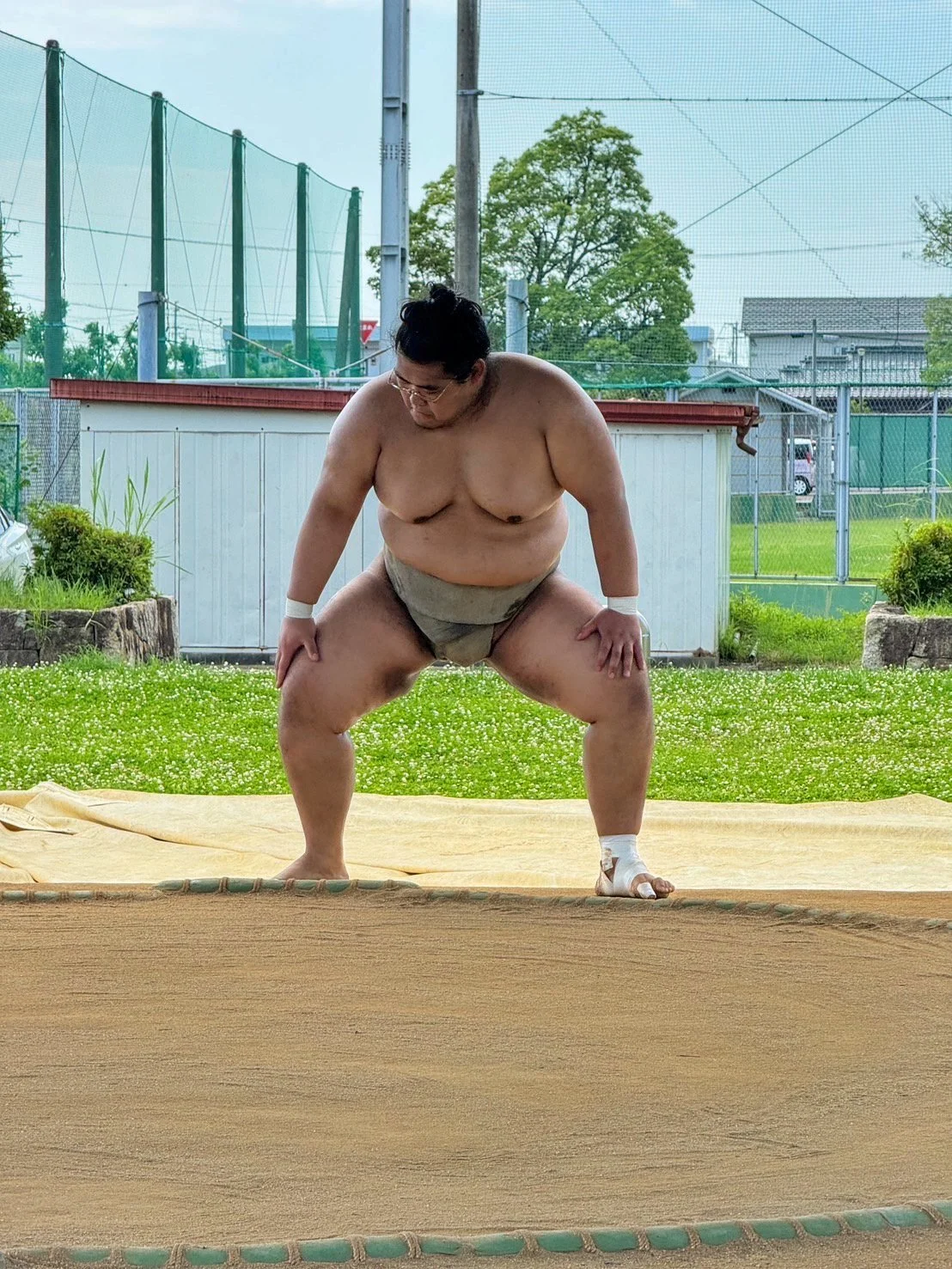
Make Sure You Know the Visa Requirements
People often mention wanting to move to Japan but believe they can come without a visa or on visas that do not currently exist. However, it is not so simple. Japan offers several types of visas, including work visas, student visas, spouse visas, and working holiday visas for citizens of certain countries. There is also a digital nomad visa, but it has strict eligibility requirements, only allows stays of up to six months, and does not grant actual residency. That means you will not receive a residence card, and everyday tasks like opening a bank account will be more complicated.
Before making any plans, determine which visa you qualify for because each category has its own requirements. Immigration policies can change over time, so I always recommend checking the official Immigration Services Agency website for the most up-to-date information rather than relying on social media or online forums.
One misconception that has become especially common because of videos about abandoned houses is that buying property allows you to live in Japan. It does not directly. Purchasing a home, whether it is an akiya or new build, does not provide residency or a pathway to permanent residency.
Even after you receive a visa, you must understand its conditions and limitations. For example, I am currently on a work visa. While I regularly do freelance writing, consulting, and content creation, I must obtain special permission for certain types of work outside my primary employment. Staying informed about the rules helps avoid unnecessary problems later.
I am not an immigration attorney. When I have questions, I consult immigration professionals rather than guessing and encourage anyone seeking advice to do the same.
Choose a Place That Fits the Life You Want
Two of the biggest misconceptions I see people making are treating Japan as though it is a single homogenous place with one lifestyle or assuming they can move to one area and easily relocate soon after.
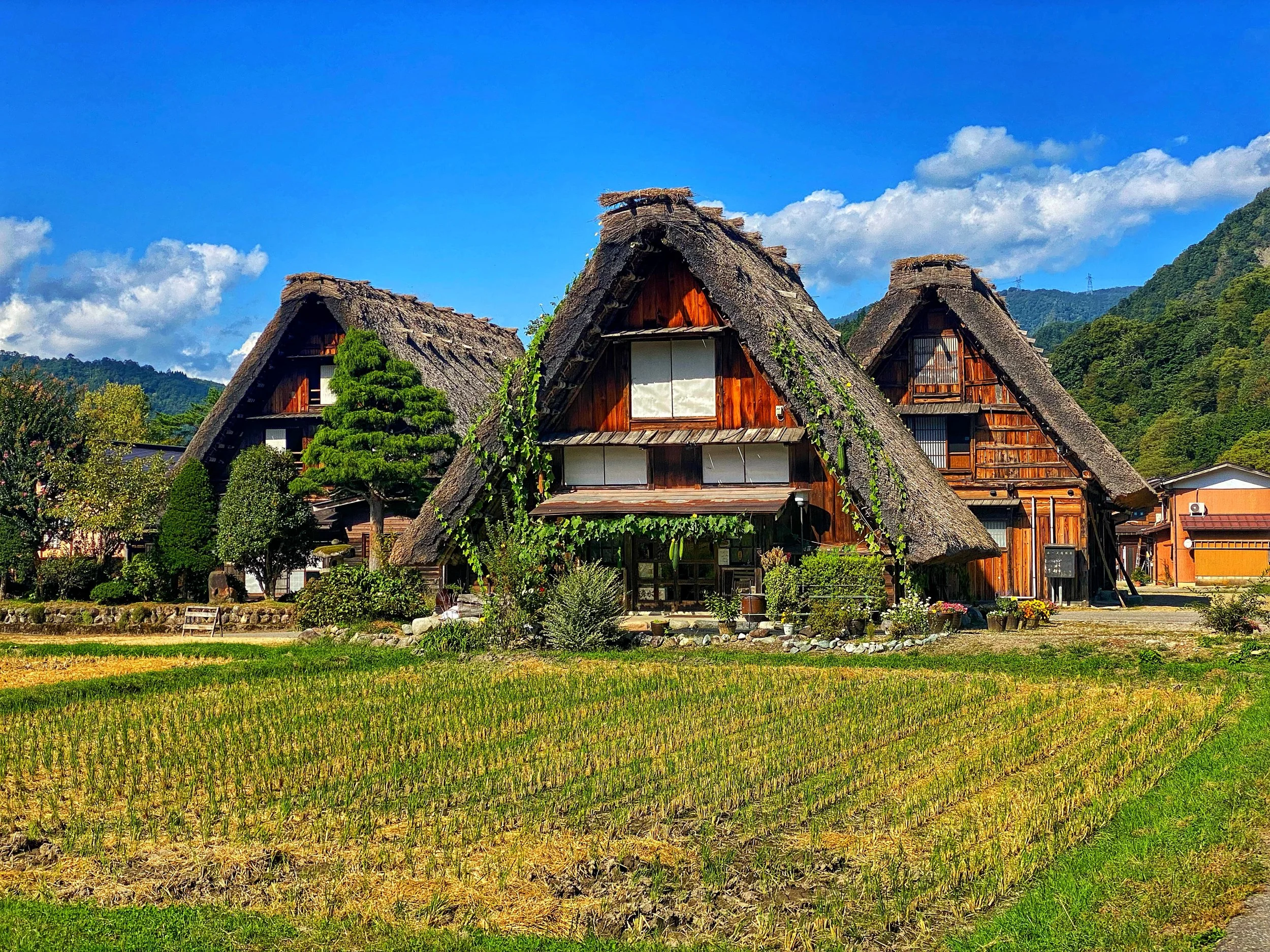
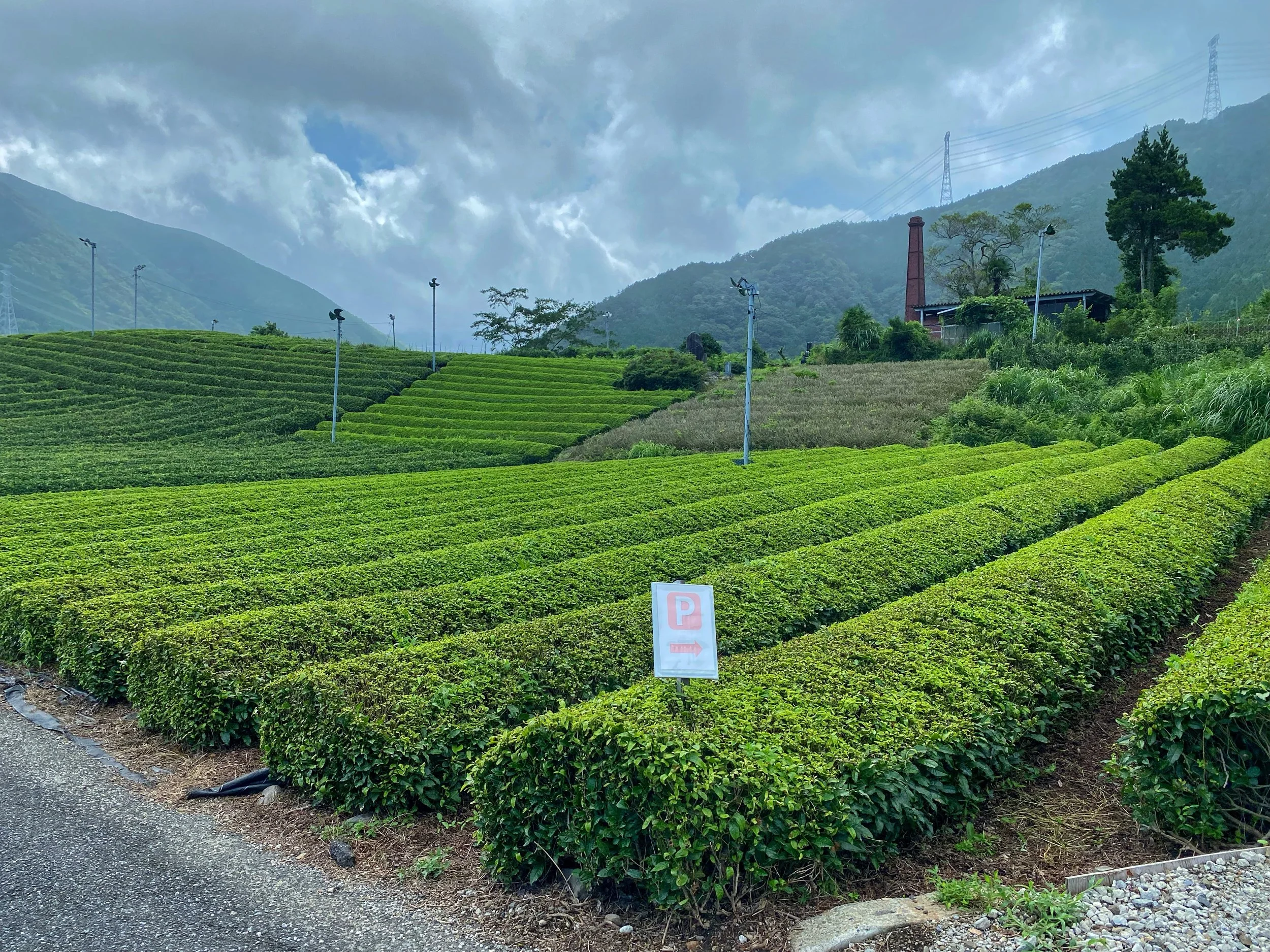
In reality, life in Tokyo is very different from life in rural Tokushima, and living in Hokkaido is nothing like living in Okinawa. Climate, transportation, job opportunities, housing costs, local culture, and even regional dialects vary considerably across the country. Before deciding where to live, think about the daily life you want.
Do you enjoy having museums, restaurants, concerts, and nightlife nearby? A larger city might be a better fit. Would you rather have more space, slower days, and easy access to nature? A rural town might suit you better.
Your career goals also play a central role. English teaching positions can be found throughout Japan, but other industries might be concentrated in larger cities or specific regions. Learn where opportunities exist in your field and compare salaries with the local cost of living before making a decision.
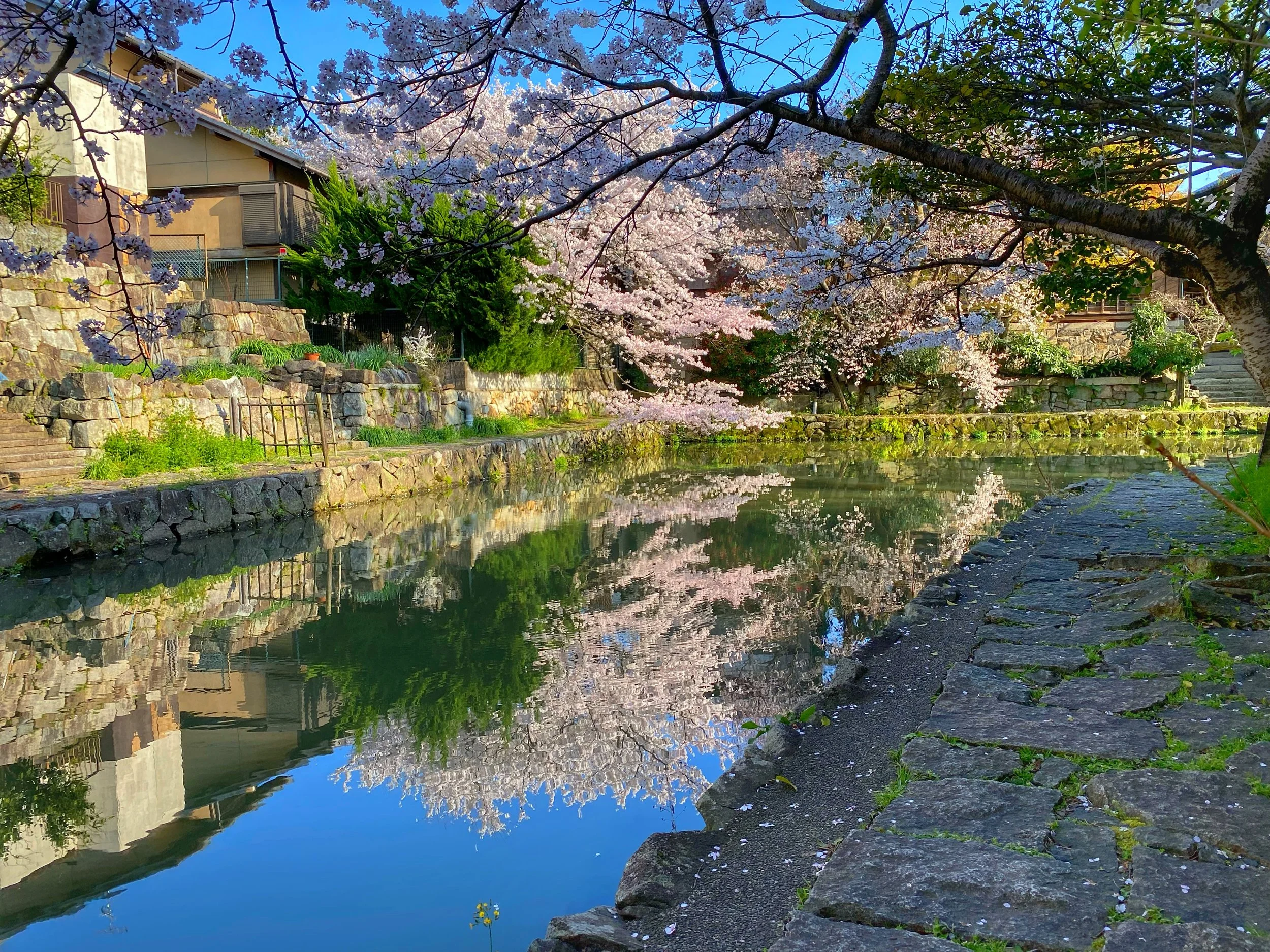
Weather deserves just as much consideration. Northern Japan experiences long, snowy winters. Other regions deal with long, humid summers. Even after living here for years, I still find the summer heat exhausting despite growing up in the southern United States.
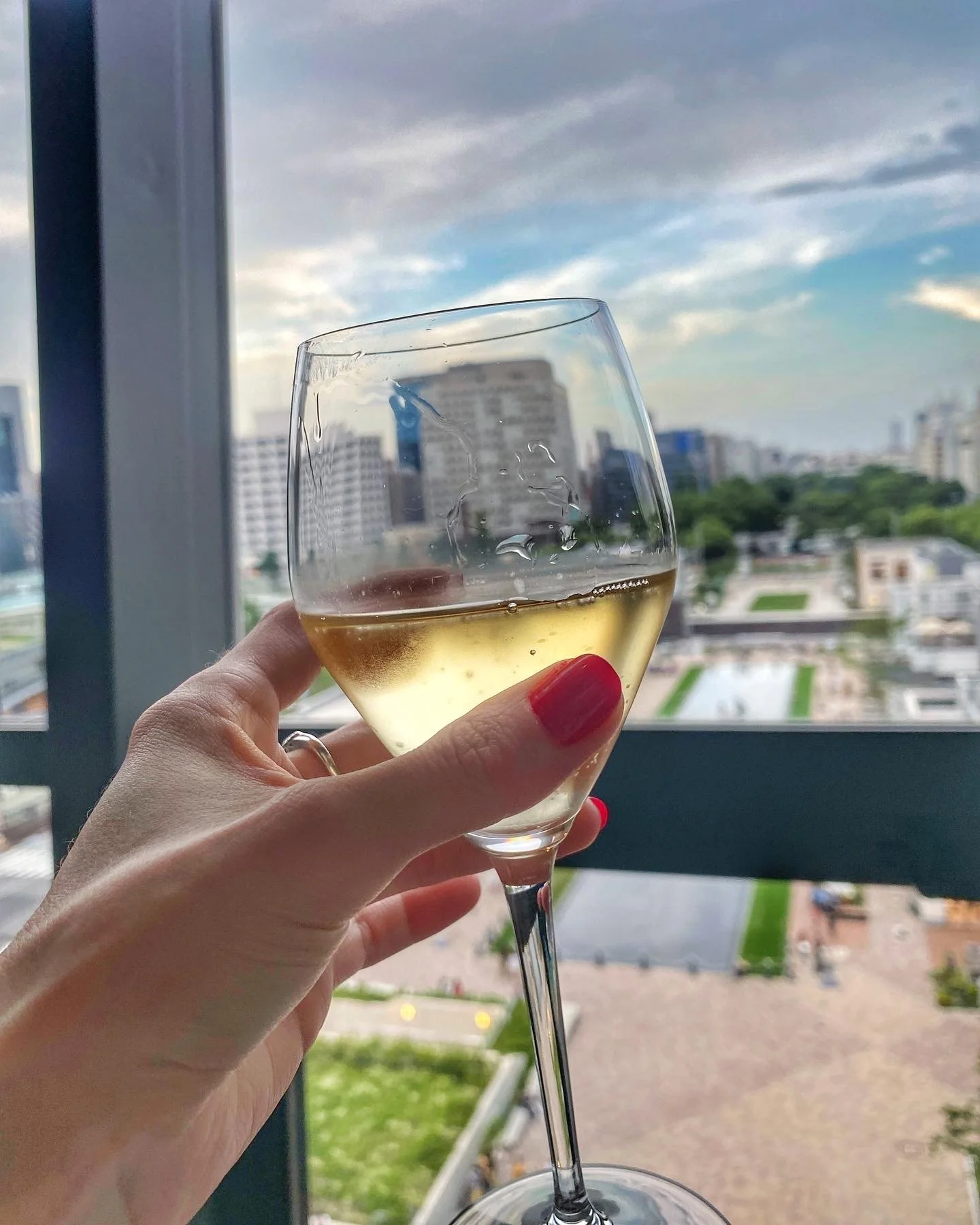
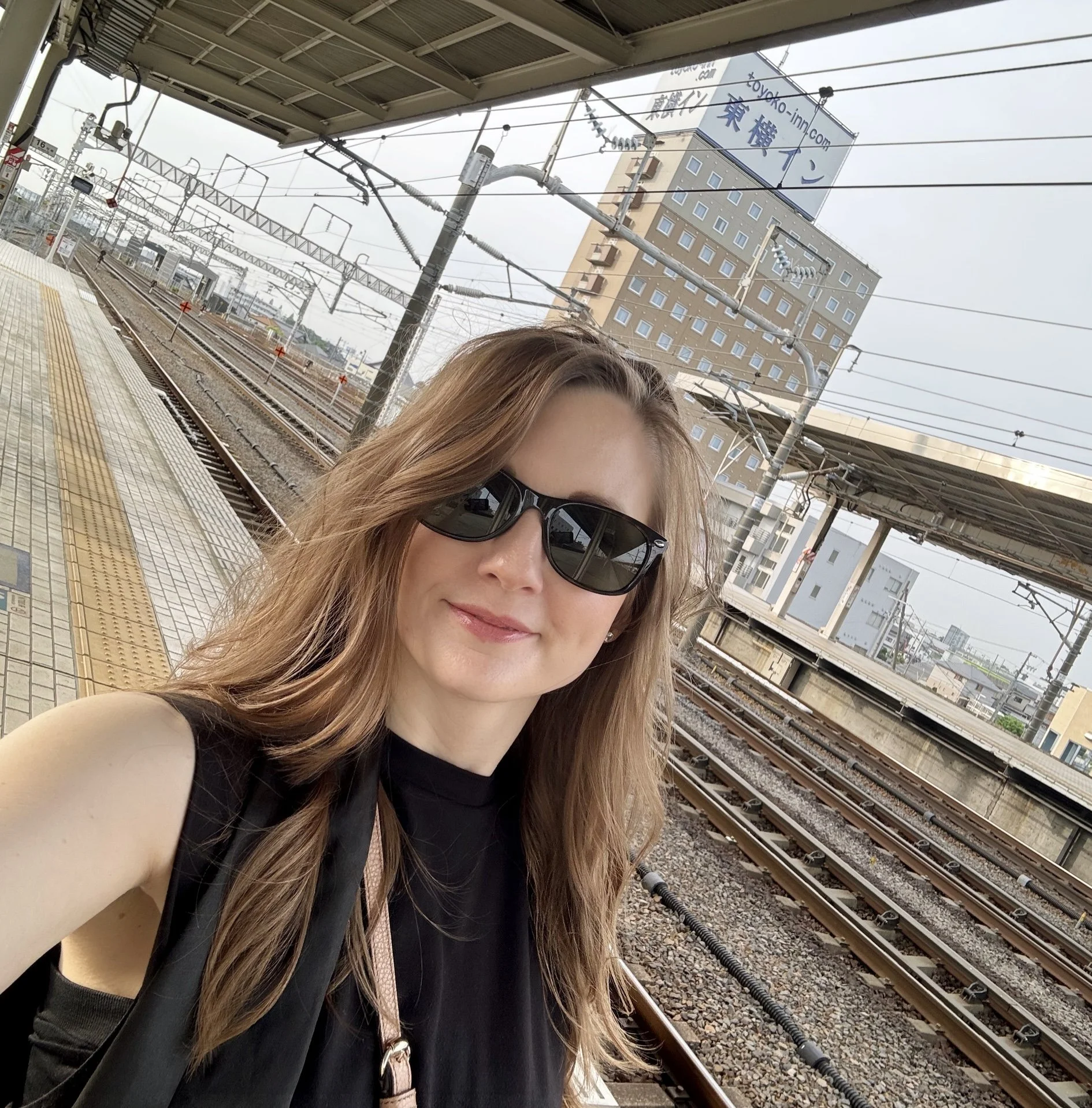
I knew I wanted to be in central Japan or the Kansai region, somewhere I could travel easily while still having access to both cities and rural areas. I had previously lived in Ibaraki Prefecture and enjoyed it but wanted to be more centrally located. I ultimately chose a position outside of Nagoya. When I returned to Japan nine years ago, choosing Aichi again was an easy decision because I had already built friendships and professional connections.
Looking back, I think choosing a place based on the kind of life I wanted rather than simply choosing Japan made a huge difference.
Consider Your Career and Cost of Living
Finding a job is only one part of relocating to Japan. You also need to understand what kind of work you want to do, what your income will realistically look like, and whether it supports the life you want.
Many people compare salaries in Japan to those in the US or Australia and are surprised by how much lower they can be. Wages in many industries have not changed much in years, and combined with a weaker yen, this can make it difficult for some people to save money or keep paying back student loans.
If you are planning to teach, not all teaching jobs are the same. Assistant Language Teacher (ALT) positions, conversation schools (eikaiwa), international schools, and universities all offer different salaries, schedules, and work environments. If you are working outside of education, research where your industry is concentrated and compare salaries with the local cost of living. A higher salary does not always mean a better quality of life if housing and transportation costs are significantly higher.
Rent is only part of your budget. You will also need to account for utilities, transportation, taxes, health insurance, pension contributions, groceries, and possibly a car. Up-front housing costs can also be significant because of deposits, key money, and several months of ren due before you move in. Since many employers do not issue your first paycheck until a month or more after you start, having savings can make your transition much less stressful.
When evaluating a job offer, do not focus only on the salary. Think about career growth, balance, and whether the position supports the life you want to build in Japan.
Cheap Akiya Houses Are Not Always a Great Deal
People often mention that they have seen videos about very cheap or even “free” houses. I am fascinated by akiya, or abandoned houses, too. For years, I have casually browsed listings and visited properties because I have always liked the idea of restoring an old traditional Japanese home. Over time, I learned that listings rarely tell the full story.
One property I looked at seemed perfect on paper. It included a traditional house, a small guesthouse, and a generous amount of land, and all this was at a surprisingly affordable price. The main house needed extensive renovations, but the guesthouse could be used while the work was being completed. Everything changed when I visited.
The only access road was barely wide enough for a bicycle, let alone construction equipment, and renovating the house would have required negotiating access with a neighboring property owner or purchasing additional land. What seemed like the perfect opportunity became far too complicated. The property is still for sale today and is a reminder that there is usually more to the story than the listing tells you.
Many inexpensive homes are located in rural communities with limited public transportation and fewer employment opportunities. Some municipalities require buyers to become full-time residents rather than using the property as a vacation home or rental. Others may require extensive renovations before the home is considered safe to live in. Even when the purchase price is low, there are still property taxes, legal fees, inspections, maintenance costs, and renovation expenses. In many cases, the renovations cost substantially more than the property itself.
This does not mean buying an akiya is a bad idea. There are wonderful opportunities out there. Just remember that a low purchase price does not always mean a low overall investment or that it will fit with your desired lifestyle.
Learning Japanese Will Make Things Easier
One question I am asked often is whether you need to be fluent in Japanese before living here. The short answer is no. Many people successfully move to Japan with only basic Japanese, especially if they are working for companies that provide support during the relocation process. However, I recommend learning as much as possible and continuing to study after you arrive.
Simple tasks like grocery shopping, reading documents, banking, going to medical appointments, speaking with neighbors, or asking questions at city hall become much less stressful when you can communicate in Japanese. Even if someone speaks English, I have found that making the effort to communicate in Japanese often leads to smoother interactions and stronger relationships. I try to handle as much as I can in Japanese, even when English is available, because it has improved both my language ability and my independence.
You do not need to be perfect before arriving in Japan. Living here can be an excellent way to improve your language skills. If you are planning to build a long-term life here, investing time in learning Japanese will make the experience much more rewarding.
Ordinary Days are Different from Vacation
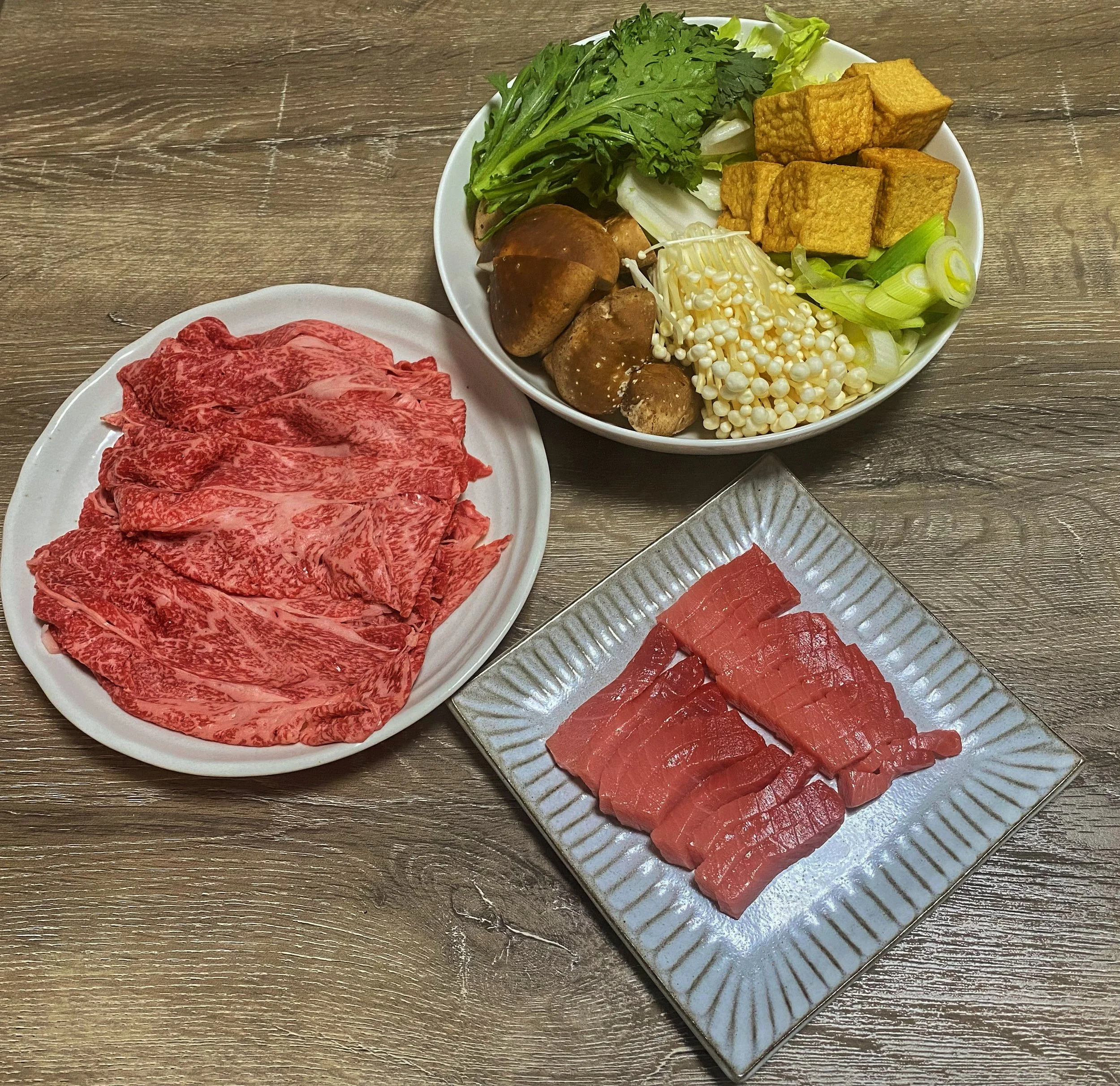
One of the biggest differences between visiting Japan and living here is that everyday life eventually replaces the thrill of being on vacation. That does not mean daily life cannot be exciting, but when you travel, your days are filled with sightseeing, trying new foods, and exploring unfamiliar places. When you live here, you still get to enjoy those experiences, but they are balanced with work, paying bills, and everything else that comes with daily life.
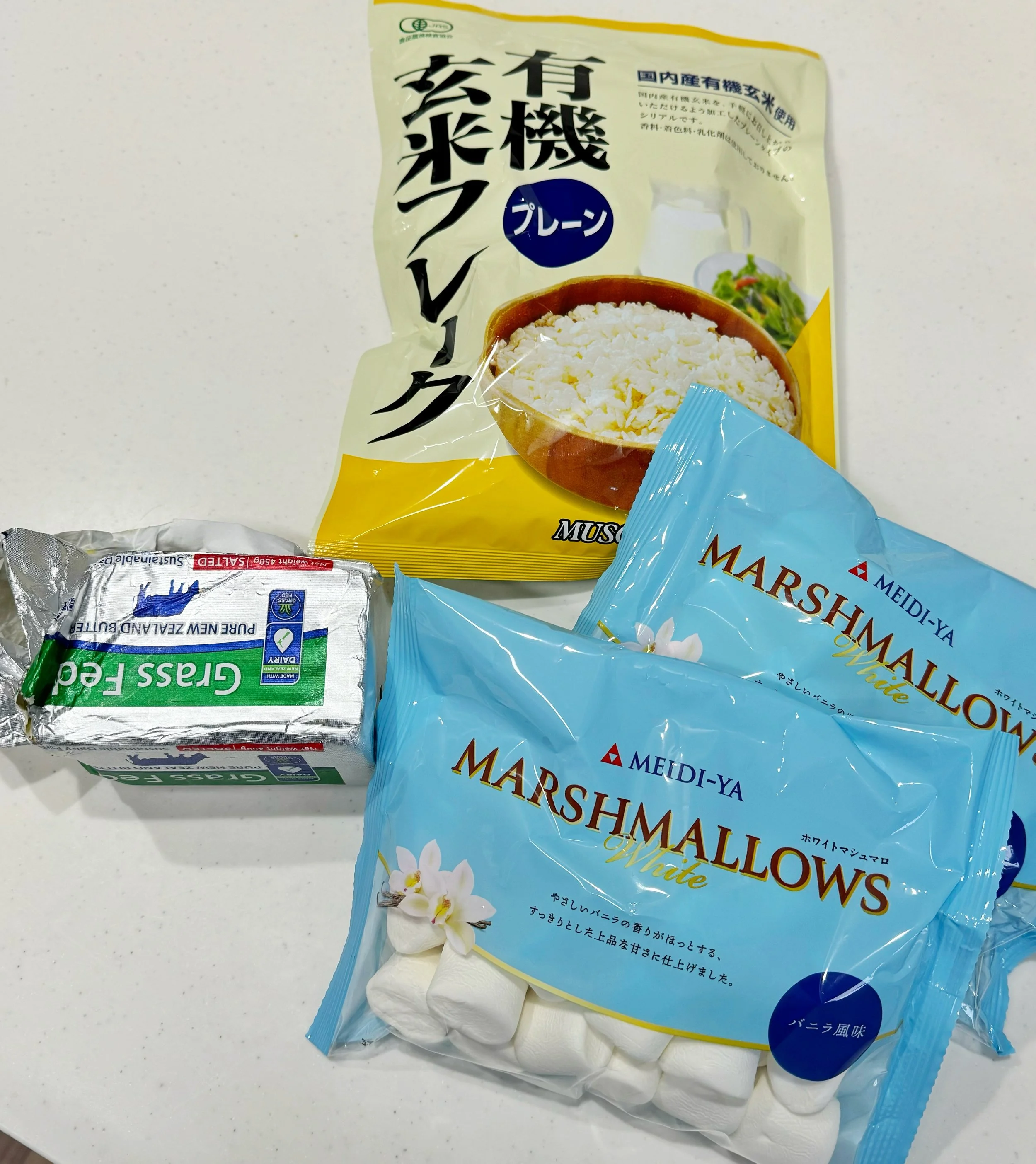
Personally, I frequently travel around Japan, but I also spend many days sitting behind my computer answering emails and keeping up with everyday responsibilities. Some of the biggest adjustments for me were not the things I expected. Outside of immigration paperwork, banking and trash sorting have honestly been two of the more challenging parts of daily life. Both are much more complicated than where I came from in the US.
Healthcare is another part of daily life that some people do not think about until they need it. Japan has a national health insurance system, and residents are required to enroll either through their employer or local municipality. Overall, I have had positive experiences with healthcare here. Finding English-speaking doctors outside major cities is not always easy if that is something you prefer. During a serious health scare last year, every test and conversation took place in Japanese. It reminded me that even though I could communicate, navigating medical situations in a second language adds another layer of stress.
Flexibility goes a long way. Every country has its own systems and expectations. Some things may feel frustrating simply because they are different from what you are used to. Rather than expecting Japan to work like your home country, approach those differences with curiosity and respect. At the same time, do not feel like you must become someone you are not. Building a life here is truly about finding a balance between adapting to your new environment and staying true to yourself.


Finding Community Takes Time
People often say it is difficult to make friends here. Like many things, the answer depends on the effort you are willing to put into it. Some of my closest friends came through work, while others came from local events, networking, Instagram, or traveling around Japan. I have had conversations in restaurants and bars near home and while traveling that eventually turned into lasting friendships. Thos friendships took time, but they were not as difficult to build as some people suggest online.
If you move to Japan expecting friendships to happen automatically, you may be disappointed. You will likely find your own community over time if you put yourself out there by attending events, pursuing hobbies, and staying open to random conversations.
For me, Japan does not feel lonely because I have built a life that includes people who have become like family. That did not happen immediately, but instead, it happened gradually.
Social Media Does Not Tell the Whole Story
If there is one thing I hope people take away from this post, it is that social media rarely shows the complete picture. The algorithm caters to the extremes. Japan is often portrayed as a perfect paradise or as a place where discrimination and overwork are everywhere. Neither version reflects the reality of everyday life.
Even as someone who lives in and shares content about Japan, I have been influenced by what I see online. Several years ago, I kept seeing beautiful photos of Monet’s Pond. Since Seki is not far from where I live, I stopped there on my way to Gujo. When I arrived, I was genuinely surprised. The small pond sits behind a flower shop and greenhouse, with drains visible in several spots. To me, it looked nothing like the oversaturated and carefully angled photos online. It was a good reminder that social media often shows a version of a place or a snippet rather than the whole picture.
The same thing happens when people talk about moving to Japan. You see videos about free houses, dream lives, and beautiful scenery, but you rarely see the paperwork, language barriers, or years it takes to build a good life. That is why I encourage people to do their own research. Watch videos, read blogs, talk to people who live here, and gather information from a variety of sources and perspectives before making a major decision.
Final Thoughts
Relocating to Japan can be an amazing experience, and I know many people who have built fulfilling lives here. At the same time, no country is perfect. Japan has strengths, challenges, and everyday routines just like anywhere else. The goal is not perfection. It is to find a place that aligns with your values, your goals, and the kind of life you hope to build. Looking back, I am grateful that I made my decision based on information I gathered, talking to people who lived here, and choosing what was best for my future.
If you are considering a move to Japan, I hope this post encourages you to look beyond the highlight reels. Do your research, ask questions, and think honestly about the life you want to create. After that, if Japan still feels like the right fit, it can be a rewarding place to call home.
