
Beyond Nagoya: 10 Day Trips Worth Taking
Nagoya rarely tops the list for first-time visitors to Japan. Many travelers pass through on the shinkansen before continuing to Tokyo or Kyoto. Some may even stop for a day or to visit Ghibli Park before continuing their journey. I think that is a bit disappointing since there are so many other things here.
Having lived in Central Japan for over a decade, I have spent countless weekends exploring this region and found that one of Nagoya’s biggest strengths is not just the city itself or things in the city. Within an hour or two, you can be visiting historic towns, hiking mountain trains, or enjoying the ocean. Some destinations are well-known among Japanese and international travelers, but many remain surprisingly quiet even though they are easy to reach from Nagoya. One of the things I enjoy most about traveling around Central Japan is the variety. Every trip feels different no matter where I go. I really like to visit historical places and experience local crafts.
If you are spending at least three days in the city, I highly recommend setting aside a day or two to explore beyond downtown. These are the day trips and places I recommend the most and frequently visit.
Why Nagoya is the Perfect Base for Day Trips
One of the biggest advantages of staying in Nagoya is its location. Sitting between Tokyo and Kyoto, the city is well connected by trains, buses, and expressways. This makes it easy to explore not only Aichi Prefecture but much of Central Japan.
Many of the destinations of this list can be reached in under two hours which makes them realistic day trips without feeling rushed. While a few have become increasingly popular, several still receive far fewer international visitors than Japan’s famous destinations. The atmosphere of these areas and the travel experience allow you to slow down and really appreciate parts of the Japanese landscape and culture.
Whether you are interested in history, traditional crafts, nature, or regional food, you do not need to travel far to find any of them. One of my favorite things about living in this part of Japan is that there always seems to be something new to discover or learn even after all these years.
Gujo-Hachiman
Travel Time: Around 2 Hours
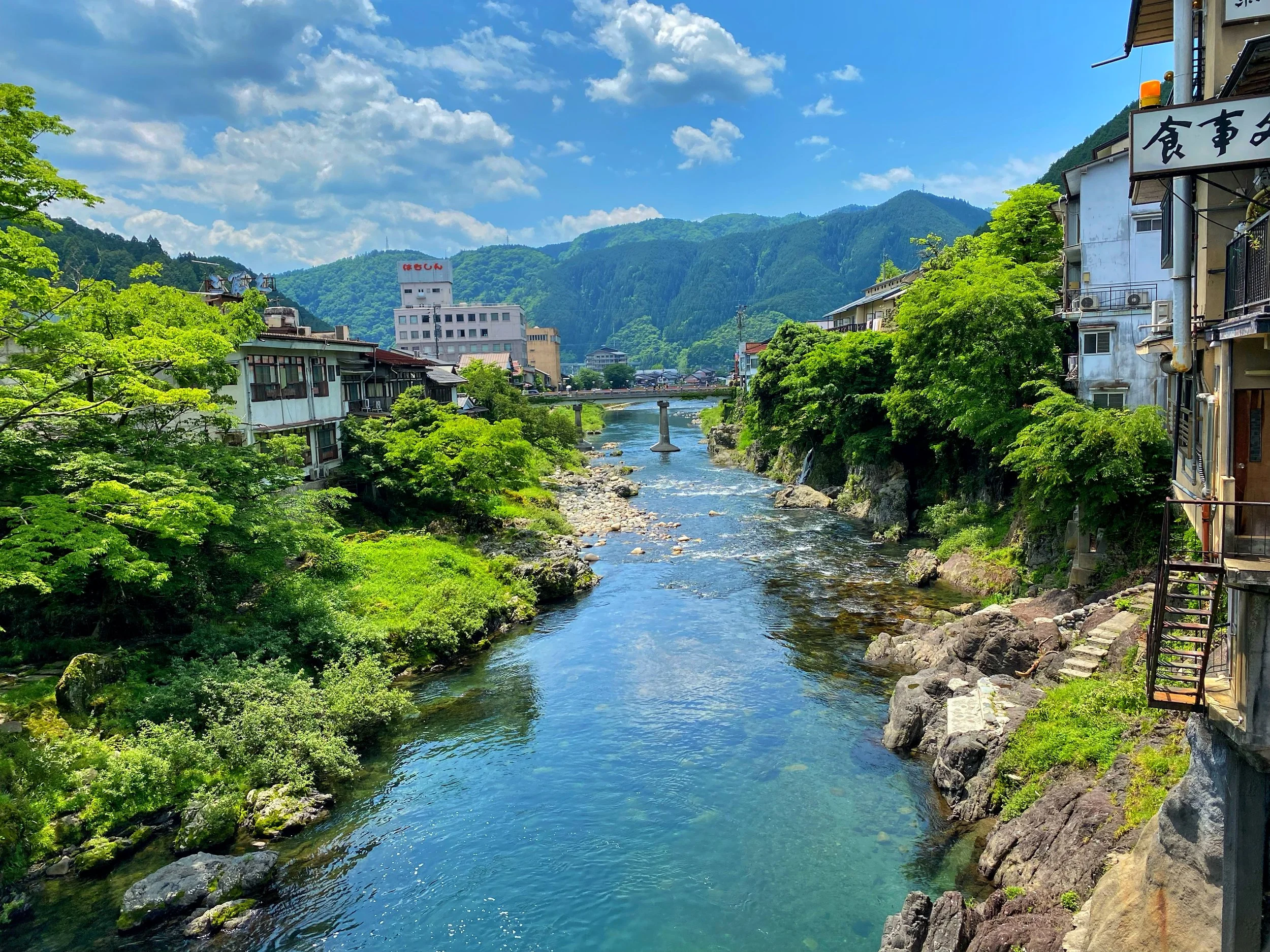
If I could only recommend one day trip from Nagoya, Gujo-Hachiman would be near the top of the list. Located in the mountains of Gifu, the small town allows people to experience a mountain town that is more residental than one designed solely for tourism. Visitors certainly go to Gujo, especially during the famous Gujo Odori, but outside of peak festival season, it rarely feels overcrowded.
One of the first things you will notice is the clear water. Canals (some with koi) run through the city beside the historic buildings. The rivers are beautiful against the mountain backdrop as well. It remains a part of everyday life. Locals use spring water to wash vegetables and river water to cool drinks. In summer, the rivers become places to fish, swim, or float downstream.
For me, one highlight is that the town is incredibly easy to explore on foot. The streets are narrow and lined with small shops, cafes, sake stores, and traditional homes. There is not a long list of attractions that you must see which makes this the perfect place to relax and slow down.
On a hilltop in the historic downtown is Gujo-Hachiman Castle. Although the current castle is a reconstruction, the views are work the climb, especially in spring or autumn when the trees are alive with color.
If you are visiting in summer, try to time your trip around the Gujo Odori, one of Japanese oldest traditional dance festivals. Festivalgoers are encouraged to participate rather than just watch. In the lead up to the all night obon dancing, different neighborhoods host events and dancing throughout July and part of August. This is the busiest time to visit Gujo-Hachiman but also a time that allows you to experience traditional Japanese culture as a participant.
Food is another reason I return to Gujo so frequently. Ayu, or sweetfish, fill the rivers and are often part of many menus in the summer. Local restaurants serve soba, Hida beef, and regional specialties that are not always found outside of the mountains of Gifu.
If you are planning a visit, I put together a much more detailed guide covering things to do, see, and eat in Gujo-Hachiman.
Tokoname
Travel Time: Around 40-60 minutes
Although it is less than an hour from Nagoya, Tokoname feels completely different from the city. The city has been producing pottery for hundreds of years and is one of Japan’s Six Ancient Kilns. Even today, ceramics are woven into everyday life there. You will see them in streets, on buildings, and even in some places you might not expect.
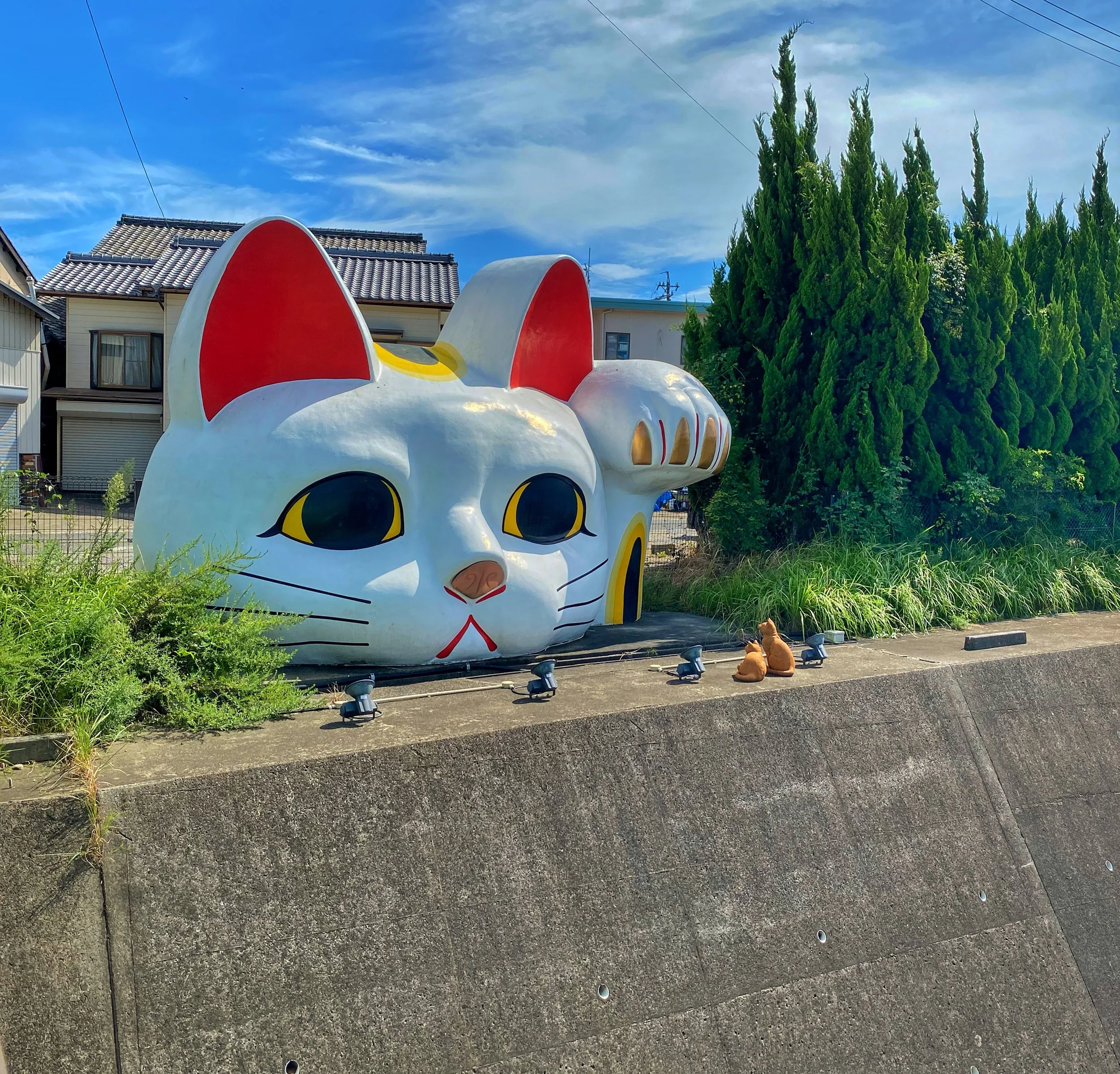
The best way to start your trip is the Tokoname Pottery Footpath. This self-guided walking tour takes you past kilns, historic brick buildings, pottery studios, and cafes that introduce you to the history of Tokoname. The route is easy to follow and often not overly busy. On your way from the station, keep an eye out for the many maneki-neko that line the streets. They are a fun introduction to the artisans and pottery in the city.
I always enjoy browsing Tokoname’s pottery shops. They are the perfect places to find souvenirs to bring home. You can find everything from quirky contemporary designs to traditional goods. As you explore, pay attention to how pottery has been incorporated throughout the town. It is a detail that makes Tokoname feel so unique.
Before leaving Tokoname, consider stopping by Sawada Sake Brewery. This brewery offers tours and tastings, but the tours require advance reservations. Depending on the day, tastings may also be available without a tour, but it is worth checking before you visit.
If you have extra time, head toward the coast before returning to Nagoya. Tokoname’s waterfront is a peaceful place to end the day, especially around sunset.
If you are interested in Tokoname, I wrote a blog post with more details about the town.
Okazaki
Travel Time: Around 45 minutes
Most Japanese history lovers know Okazaki as the birthplace of Tokugawa Ieyasu, the founder of the Tokugawa shogunate. While its connection to Japanese history is certainly a reason to visit, I think the city deserves as much attention for its food culture.
Okazaki Castle is the city’s most famous landmark. Although the current castle is a reconstruction, the surrounding park is beautiful throughout the year but draws the most crowds in spring for cherry blossoms. Inside, you can learn even more about local history before exploring other areas.
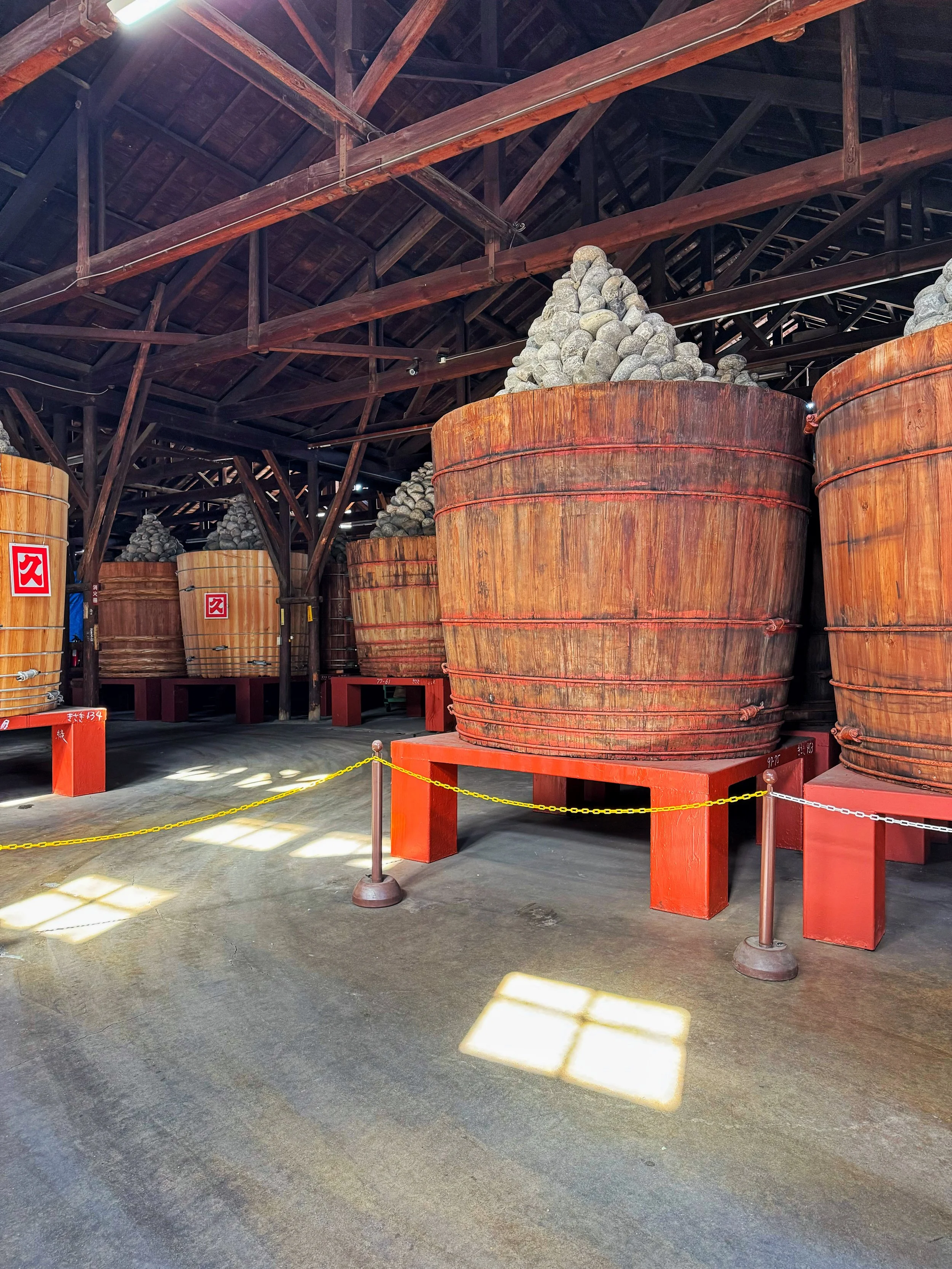
Beyond the castle, Okazaki is best known for hatcho miso, one of Japan’s oldest and most distinctive styles of miso. Unlike lighter varieties, hatcho miso is made almost entirely from soybeans and aged for around two years under stone weights until it develops a deep brown, almost black color. The result is a rich, savory flavor that has become a main ingredient in many Nagoya specialties.
Visiting one of the historic miso breweries is one of the highlights of any trip to Okazaki. The centuries-old wooden buildings house museum spaces and production areas that give you a real appreciation for the craftsmanship behind the specialty. The method of production has not changed much through the years, and even if you are familiar with miso, the taste is quite different from others you may have tried.
If you are interested in history and traditional food, Okazaki is an excellent half-day or day trip from Nagoya.
Ise
Travel Time: Around 1 hour 30 minutes
While Ise is not a hidden gem and is becoming increasingly popular with international tourists, it is still worth adding to your itinerary. The city has welcomed people for centuries, many of whom are making pilgrimages to Ise Jingu, Japan’s most sacred Shinto shrine. It remains one of the most important spiritual destinations for many people. For that reason, the crowds are much larger during New Year’s, Obon, and during local festivals.
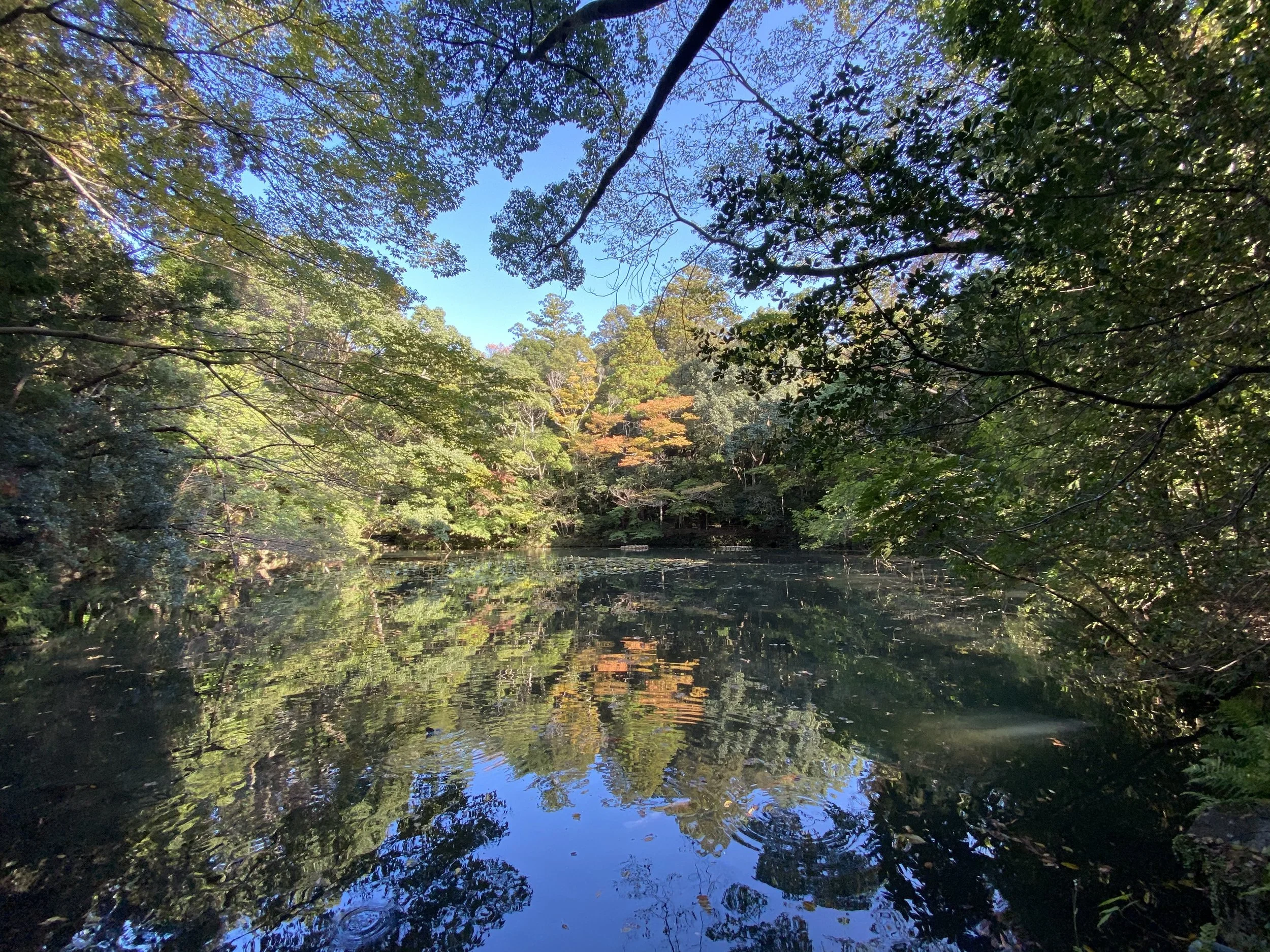
Even if you are not really interested in religion or shrines, Ise still has plenty to offer. The shrine and town are surrounded by nature and located between mountains and the ocean. This makes it a perfect destination for people interested in exploring more rural areas and experiencing a slower pace. Additionally, the food in Ise is a mix of Matsusaka beef and seafood caught from Ise Bay. The food alone makes the trip worthwhile to many people.
The main attraction is usually Ise Jingu. Although it is made up of many shrines around the area, the Inner Shrine is by far the most popular. It is dedicated to Amaterasu, the sun goddess, and one of the most important deities in Shintoism. One of the shrines most remarkable traditions is the Shikinen Sengu, a ceremony helf every 20 years in which many of the buildings are rebuilt using traditional techniques.
After visiting the shrine, explore nearby Okage Yokocho and Oharai-machi. These historic streets are filled with local goods, restaurants, Japanese snacks, and drinks. The buildings are traditional designs, but the shops have adapted to tourism through the years. It is the perfect place to sample regional specialties, including the famous Akafuku mochi.
If you arrive in Ise early, you will have plenty of time to explore beyond the shrine. Nearby Toba is easy to reach and makes a great addition if you are interested in seafood and pearl cultivation. Even if you choose to stay in Ise, there are plenty of things to do without feeling rushed.
Inuyama
Travel Time: Around 40 minutes
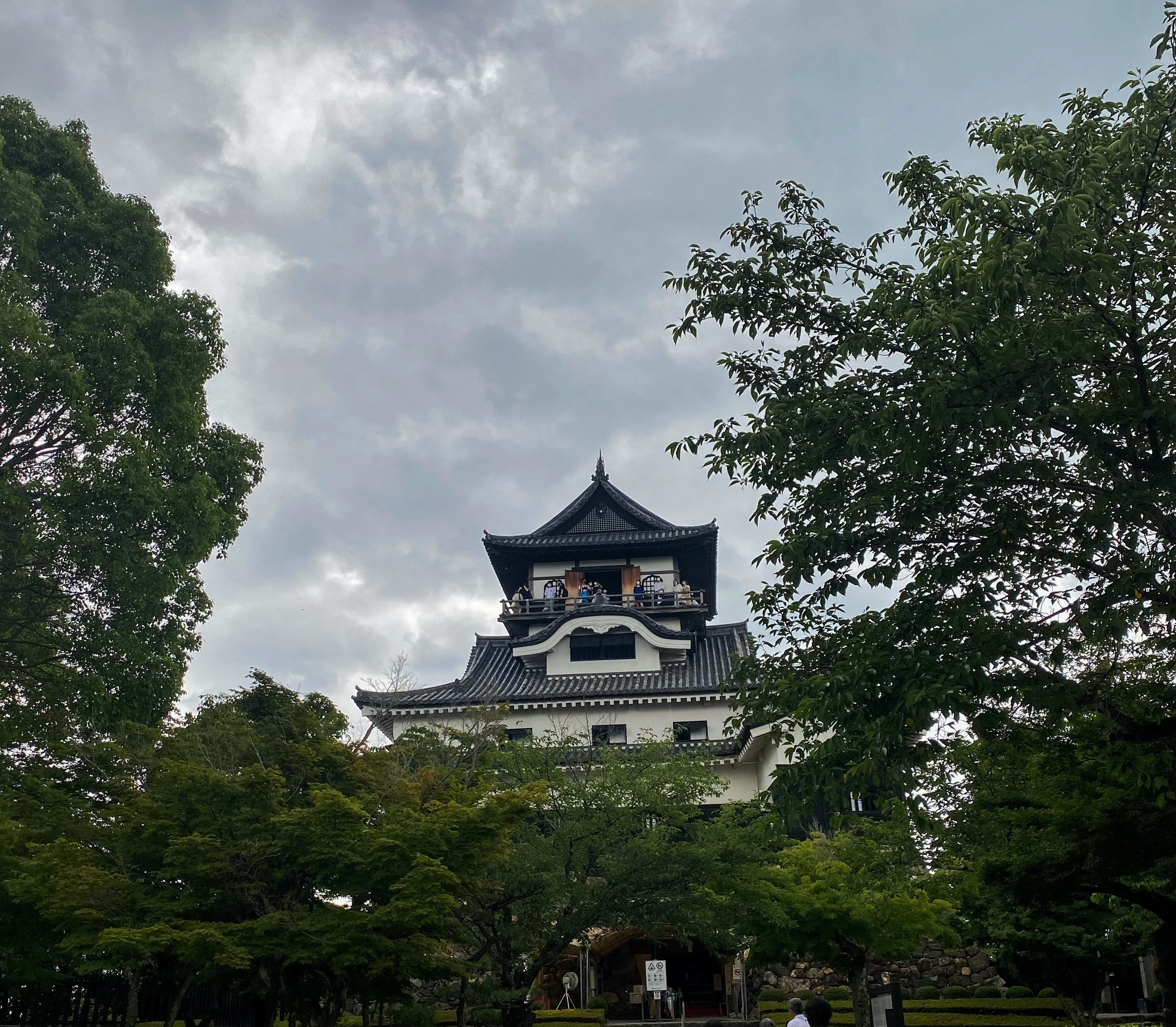
For such an easy trip from Nagoya, Inuyama has a lot to offer visitors. The city’s most popular spot is Inuyama Castle, one of Japan’s twelve original castles and one of only five designated as national treasures. The most unique thing about the castle is that the interior has not been changed into a museum or adapted much at all for tourists. The steep stairs and views from the top offer a different look into Japan’s feudal past.
In recent years, the castle town underwent renovations to create more places for people to enjoy. While much of the street food is good, there are also a few shops that produce foods more for Instagrammability than taste. It is important to do a little research when choosing what to try. If you go away from the castle town, you can find unique cafes, eel shops (unagi), or other local restaurants that many travelers miss.
If you have extra time, do not miss Meiji Mura, an open-air museum. The museum preserves historic buildings from the Meiji Period, including reconstructed structures initially designed by Frank Lloyd Wright. You could spend an entire day there, but if you start early, it is possible to combine with Inuyama castle.
Because of the short travel time, Inuyama is one of the easiest day trips to fit into almost any itinerary.
Tajimi
Travel Time: Around 45 minutes
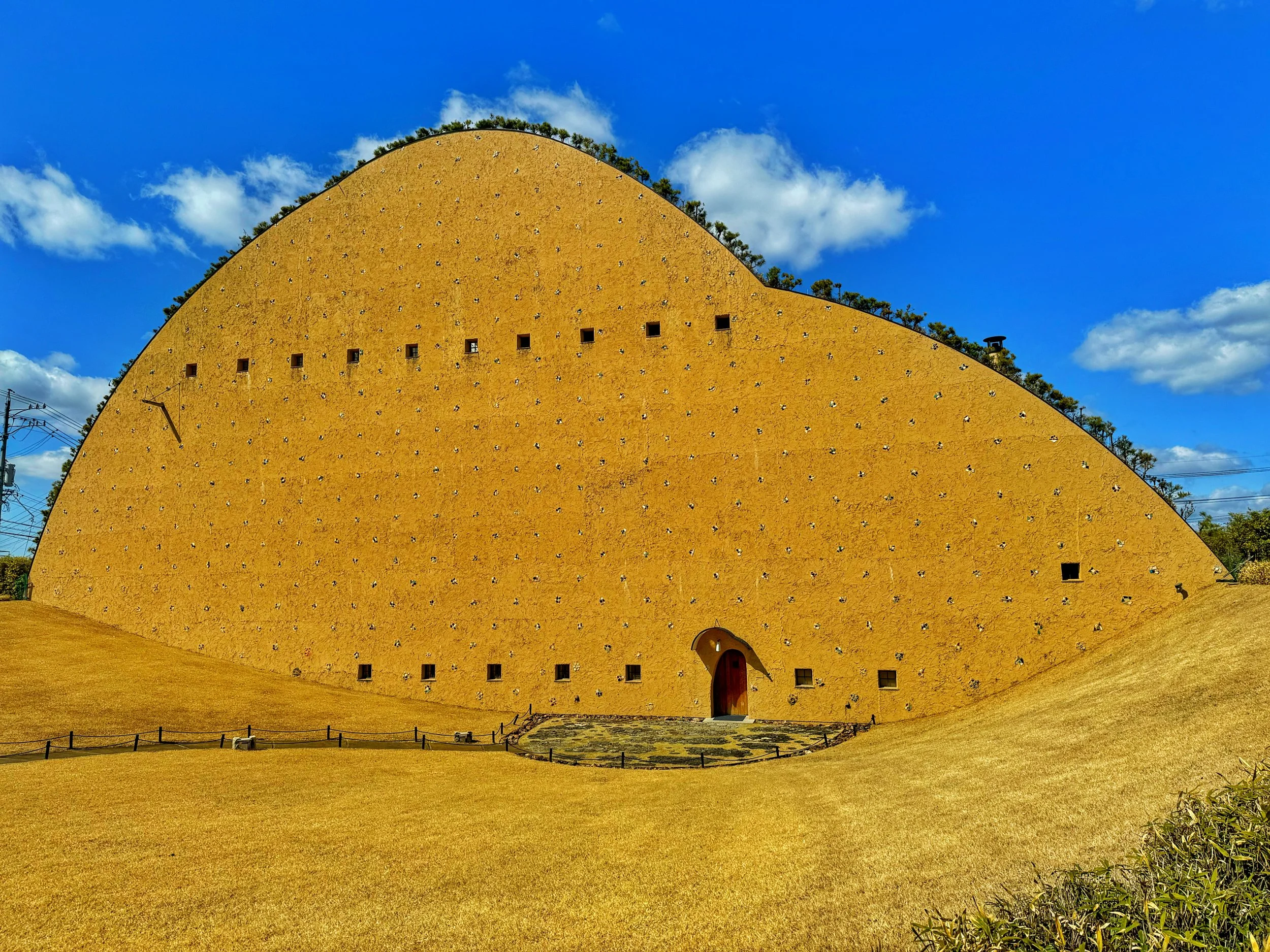
If you are interested in Japanese ceramics, Tajimi deserves a place on your itinerary. Located in Gifu Prefecture, the city sits at the heart of the Mino ware region. The pottery tradition dates back hundreds of years, and in addition to ceramic tableware, tiles are very popular in this region as well.
Unlike Tokoname, Tajimi’s pottery does not revolve around one historic district or a walking path. Galleries, cafes, and pottery shops are spread throughout the town and surrounding area. While the historic Honmachi Oribe Street is where you can try local soba and buy pottery, it is only a small part of what Tajimi has to offer.
Two places I always recommend are the Museum of Modern Ceramic Art and the Tajimi Mosaic Tile Museum. At the Museum of Modern Ceramic Art, you can learn about both historic and contemporary ceramics and learn the role that Mino ware has played in history. The Tajimi Mosaic Tile Museum takes a completely different approach by allowing visitors to explore the history and creative uses of tiles through imaginative exhibits. If you are feeling creative, you can even make your own mosaic souvenir to take home.
One thing I enjoy about Tajimi is it is still a working pottery and onsen town that is not changing greatly for tourism. You can browse local galleries and shops and gain a deeper appreciation of the crafts.
Although it is easy to reach by public transportation, I recommend traveling by car. Many of the studios and lesser-known shops are spread throughout the area. Having your own transportation gives you the flexibility to explore at your own pace.
Hikone
Travel Time: Around 1 hour
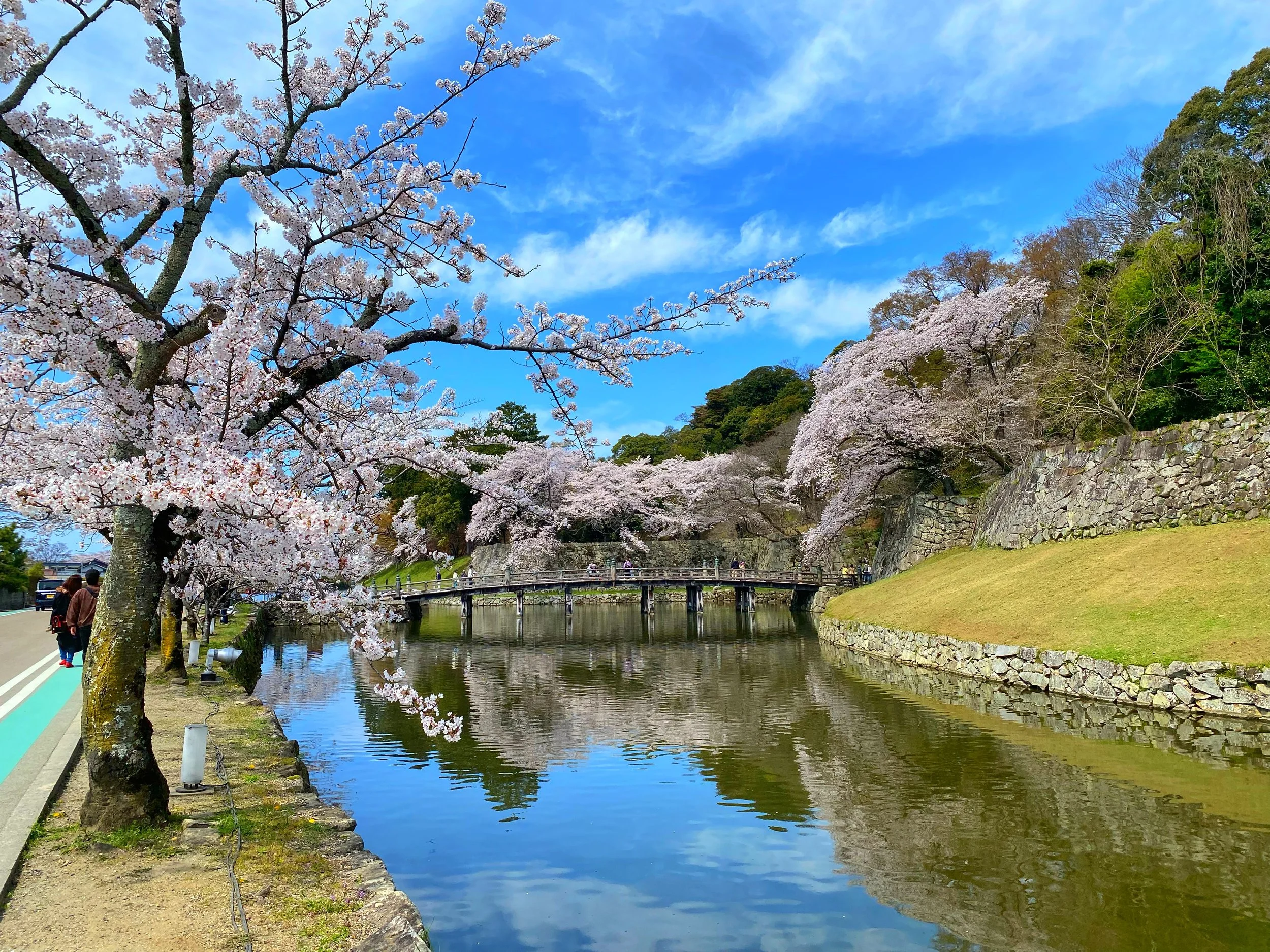
If you have been researching castles in Japan, Hikone is another easy day trip from Nagoya. Hikone Castle is one of Japan’s twelve original castles and another National Treasure that is well-preserved.
The walk up to the castle is not particularly long, but you will have beautiful views of the surrounding area and Lake Biwa. Once inside the castle, you can see that much of the original architecture has been preserved and maintained beautifully. Just be careful as you climb the steep stairs. I have managed to hit my head a few times despite not being very tall.
After exploring the castle, take some time to visit the Genkyuen Garden at the base of the hill. Not only is it beautiful from spring to fall but it also provides magnificent views of Hikone Castle. It is a quiet place to reflect before continuing your day.
The castle town is also worth exploring, but it caters more to tourists than local life. There are several cafes, souvenir stores, and restaurants in the area, and they are enjoyable to experience. You can try local sweets and foods there, but I would recommend exploring a little farther from the area to find more local spots.
I really like that Hikone combines history, architecture, and Lake Biwa into a single day trip. If you are deciding between Japan’s original castles, Hikone is high on my list of recommendations. Keep an eye out for the adorable mascot Hikonyan too!
Nakatsugawa
Travel Time: Around 1 hour
For many travelers, Nakatsugawa is the gateway to the Nakasendo Trail, a historic route that once connected Kyoto and Edo (present-day Tokyo). It is one of my favorite day trips from Nagoya to experience delicious food and beautiful scenery.
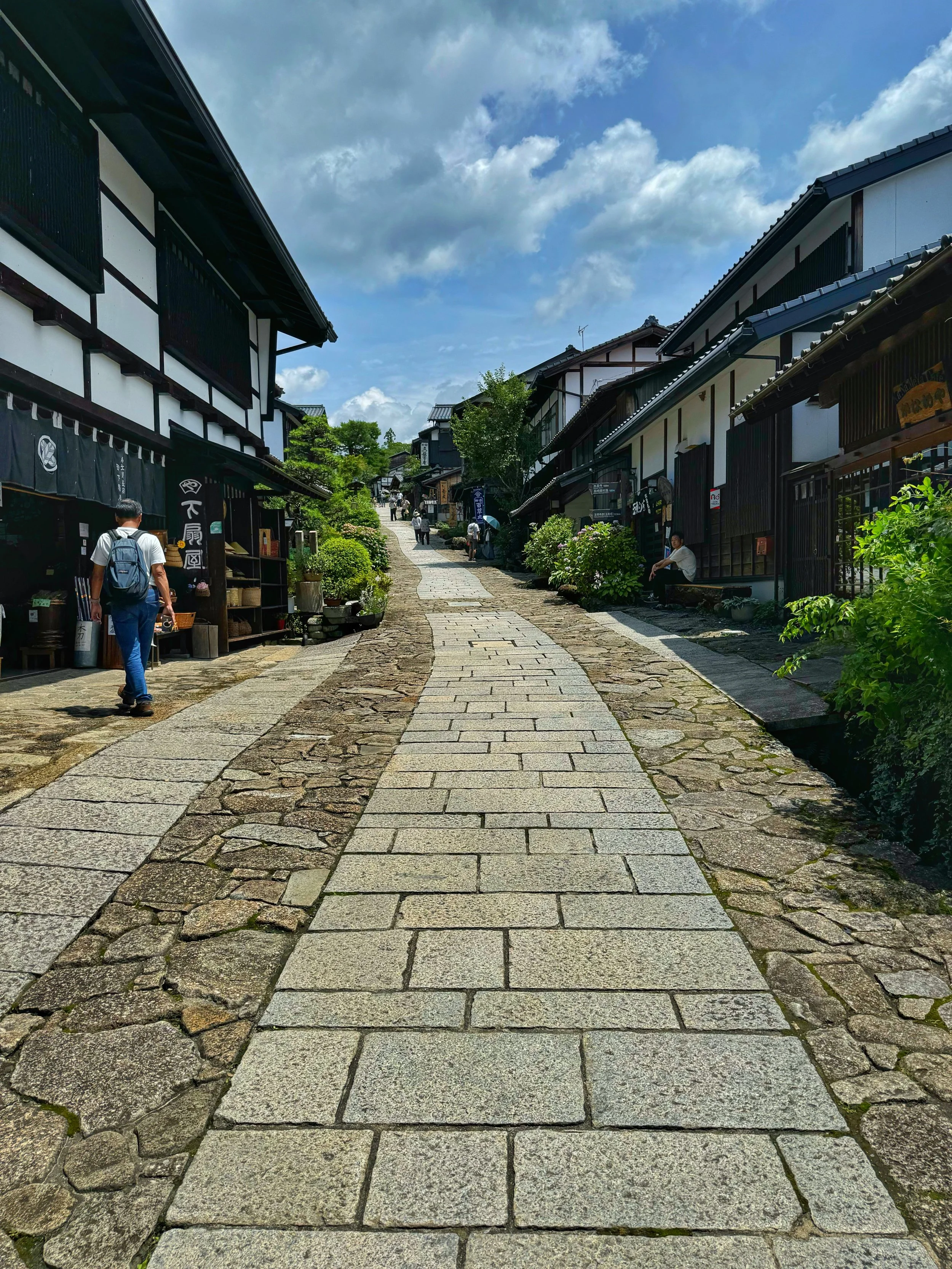
Most people head straight to Magome-juku. The stone streets, wooden buildings, and mountain views all add to the atmosphere of the town. Magome-juku has become increasingly popular in recent years, but still captures the atmosphere of an old post town quite well. While the town has adapted to the influx of people, there is still a quaint feeling in the area that lets you see a tiny glimpse into what life was like hundreds of years ago.
Hiking along the Nakasendo to Tsumago gives you a chance to really learn more about the Nakasendo Trail and enjoy nature. This section of the trail is one of the best-preserved parts of the route. You travel through forests before reaching the preserved post town. Unlike Magome-juku, Tsumago usually has fewer visitors. Even if you do not plan to complete the full hike, visiting Magome alone makes the trip worthwhile.
Back in Nakatsugawa, the city is much quieter. The city has a number of local cafes, restaurants, and traditional sweets shop that are easy to explore on foot. If you are visiting in autumn, do not miss the region’s famous chestnut sweets. Kurikinton is the local specialty, and you will also find excellent mont blanc desserts made with fresh chestnuts.
Nakatsugawa offers a little bit of everything. It is surrounded by mountains, rivers, and beautiful hiking trails. If you enjoy exploring nature, make sure you plan to do a short hike while there too.
Himakajima
Travel Time: Around 1 hour 30 minutes
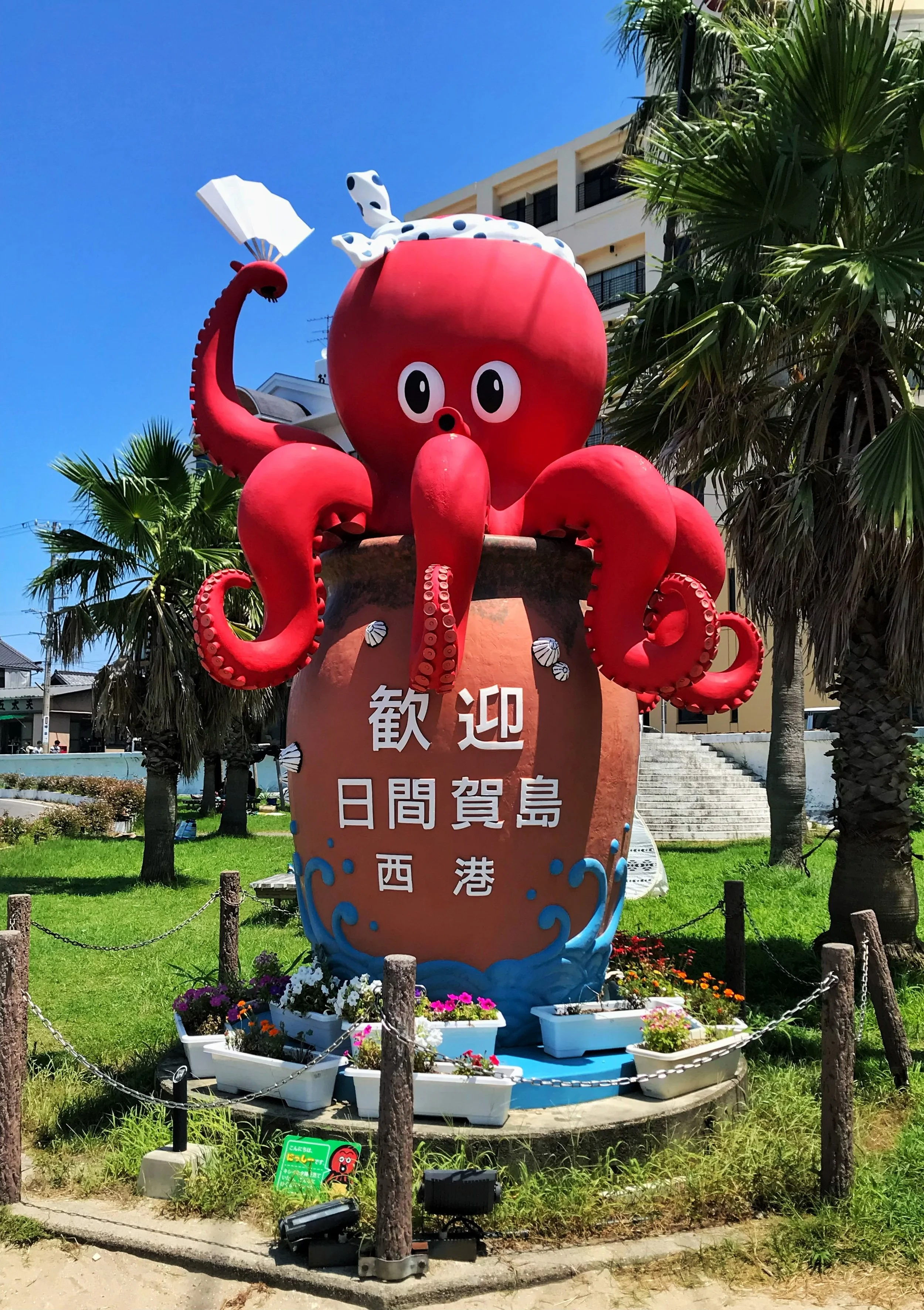
Not every day trip from Nagoya has to revolve around history or art. If you are visiting in the warmer months, Himakajima offers a completely different side of Central Japan. This small fishing island in Mikawa Bay is known for its relaxed atmosphere, fresh seafood, and coastal scenery.
Getting there is part of the experience too. After taking the train from downtown Nagoya, you will take a ferry to the island. Himakajima is small enough to explore on foot or bicycle which makes it easy to spend the day there. Spend time walking along the waterfront, enjoying foods, or even catching your own octopus for lunch or dinner. Himakajima is most famous for octopus and fugu. Even the local police box is shaped like an octopus!
While there are a few beaches and walking trails, it is more about enjoying the relaxing atmosphere than just sightseeing. It is the kind of place you can spend a few hours and catch the ferry back to the mainland.
Himakajima is not far from downtown but feels like a true escape from the city. No matter what activities you choose to do, you can slow down and enjoy a different side of life.
Omihachiman
Travel Time: Around 1 hour 30 minutes
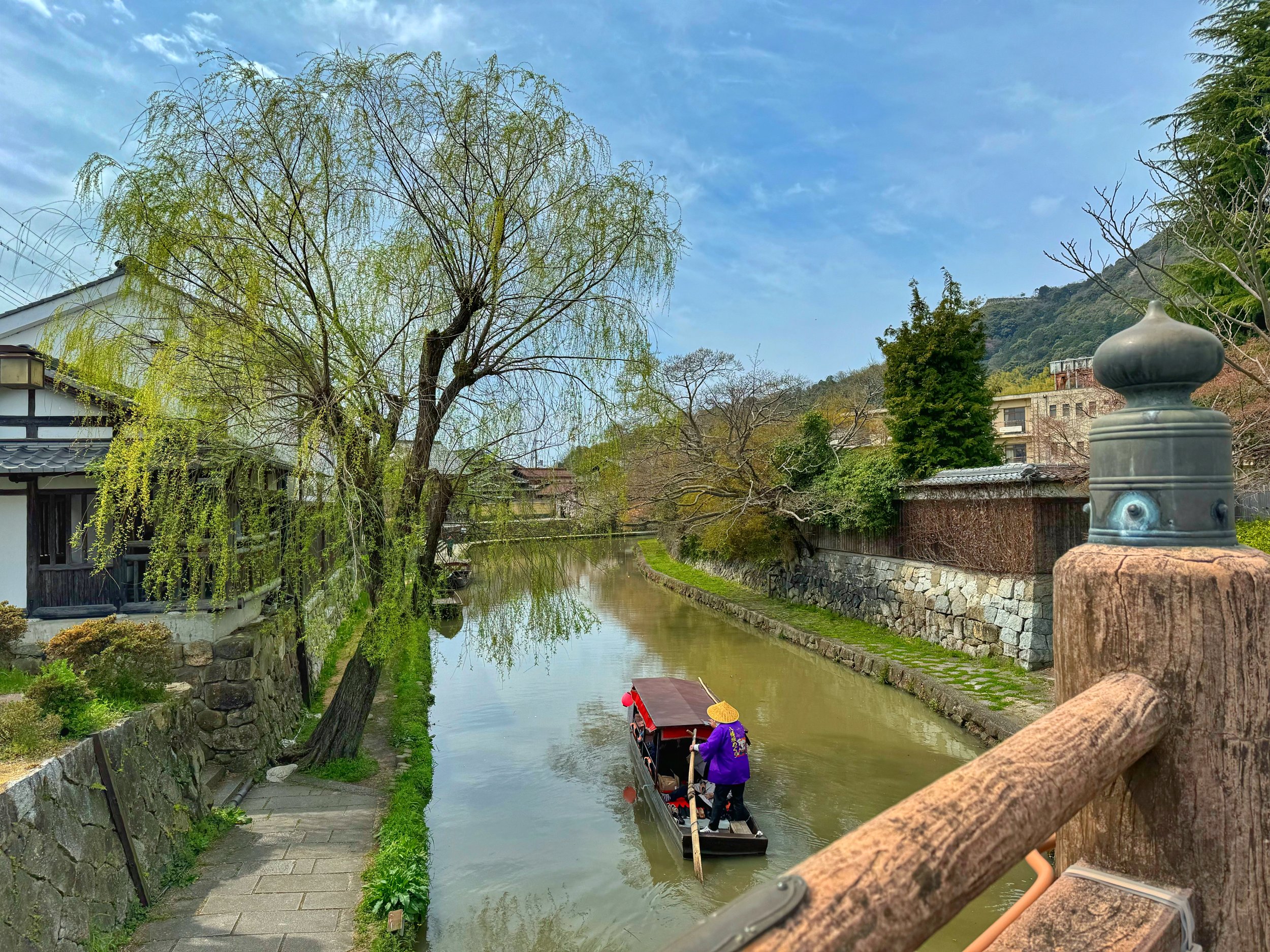
Located in Shiga Prefecture, Omihachiman flourished as an important merchant center during the Edo Period. Today much of that history remains in the form of preserved buildings and the canals that run through the town. The canal district is a main reason most people visit. Walking along the water is relaxing in any season but especially popular in spring during cherry blossom season. If you want to see the canals from a different perspective, take one of the sightseeing boats around.
In this area, you will also find many cafes, restaurants, and shops. The town has worked hard to preserve many buildings and find new purposes for ones that were not being used. Several new shops and restaurants have opened. If you want to try some of the locally sourced meats, fish, and vegetables, visit one of the restaurants. Omi beef is especially popular in the area. I always like small towns that preserve their history without feeling as though they were recreated.
Compared to Kyoto, it is much smaller and received relatively few international visitors. If you are looking for a historic town where you can slow down, this is an easy recommendation.
Which Day Trip Should You Choose?
Every destination on this list offers something different, so there is no wrong choice. The best day trip is one that matches your interests than someone else’s itinerary. I always recommend that people choose what fits their own comfort rather than trying to check of boxes of “must-visit” places. Each person has different interests and personalities, and in my opinion, travel is rarely one-size fits all.
Some of my favorite memories in Japan have come from places I knew very little about before I visited. Sometimes it is a conversation with local craftsmen or trying a new food. That is why I enjoy exploring Central Japan so much. There are still plenty of places to explore and new things that I can learn.
Final Thoughts
Living in Central Japan changed how I view travel in Japan. I find myself returning to some of the same places but also seeking new experiences that do not always appear in guidebooks or on many itineraries.
That is why I think Nagoya is an underrated base to explore the area. Within an hour or two of Nagoya, you can visit castle towns, go hiking, enjoy a beach, or learn about local crafts.
Whether you are visiting Japan for the first time or planning a fifth trip, I hope this guide encourages you to look beyond the Golden Route. Japan has places that will truly surprise that are just off the path of many tourists.
