
How Technology is Changing Travel in Japan
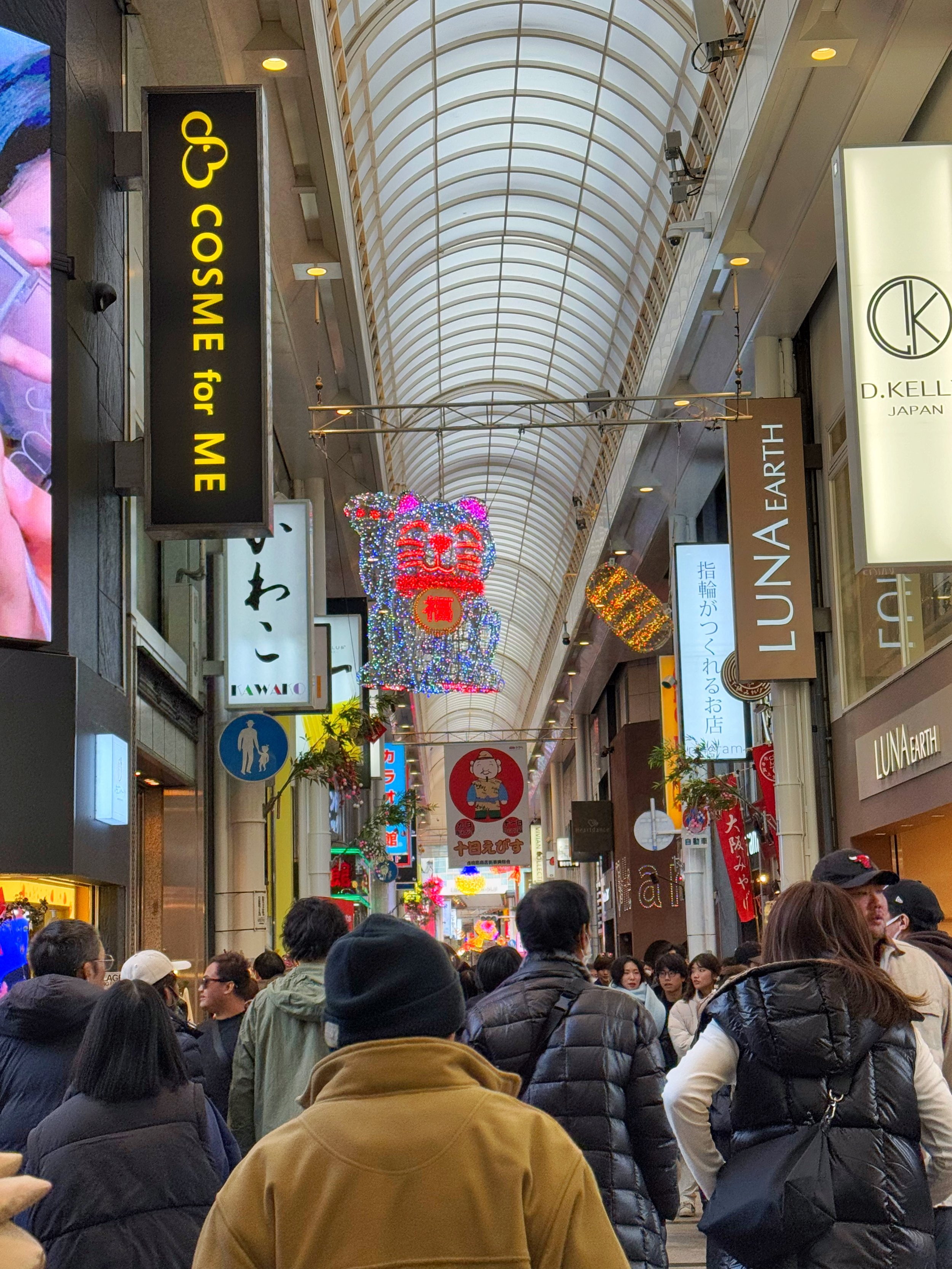
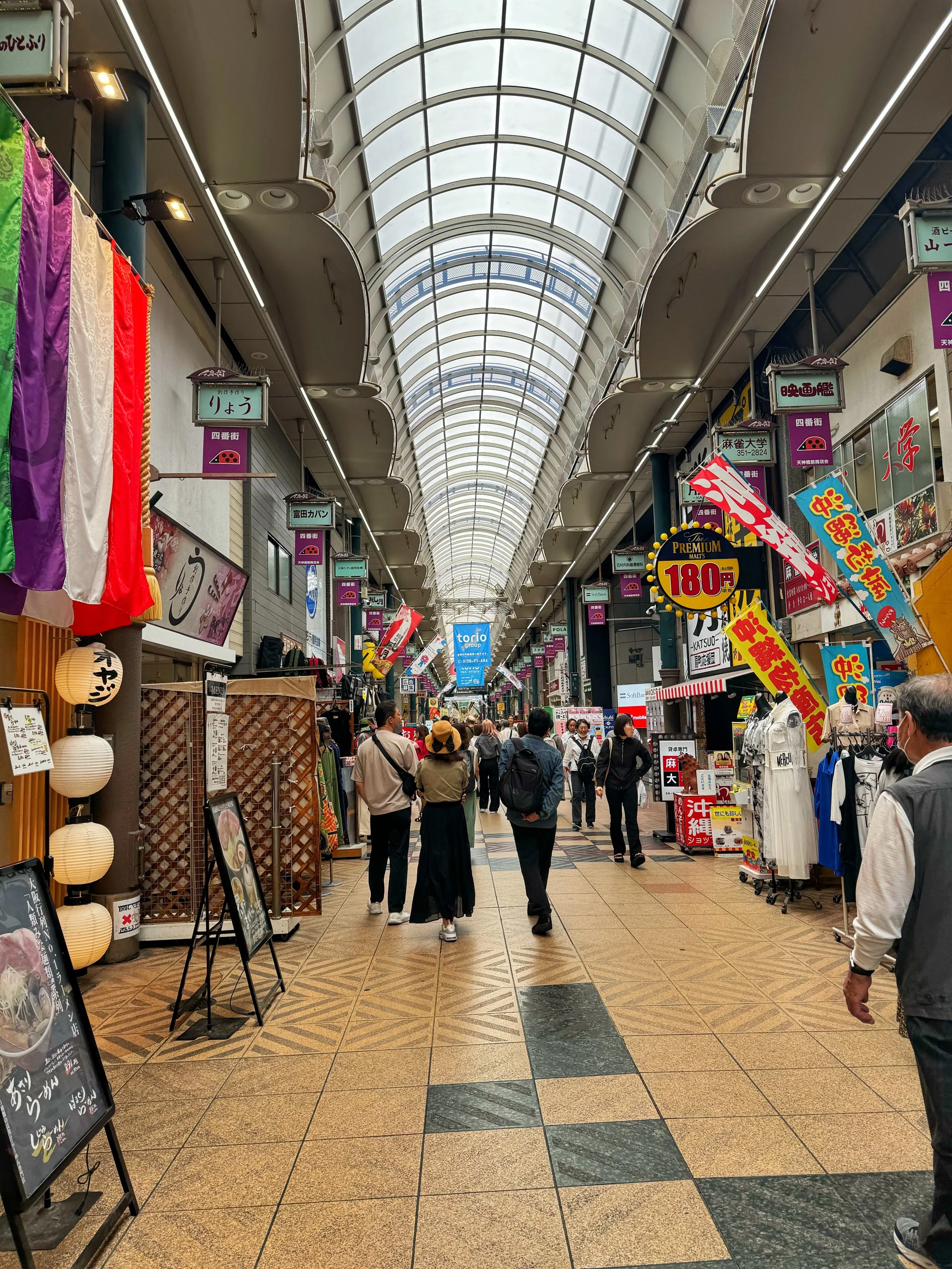
I remember wandering around Osaka one May morning in 2010. I left the hotel on a mission to find coffee and make it back before we departed for Nara. Back then, there was no reliable WiFi, and I still had not caved into the smartphone culture. Finding a coffee shop meant memorizing a route and making sure not to get lost on my return. Now, if I want to find a coffee shop, I can open Google Maps, immediately see the nearby options, and get turn-by-turn directions in seconds. While I have worked in tech and appreciate the advances, there was something special about exploring new places back then without it.
Social Media Has Changed How People Travel
Smartphones and social media have reshaped the way people experience travel. Some say Japan itself has changed with the surge in visitors over the past few years, and to an extent, that is true. I would argue the way people travel has shifted the most. So many travelers worry they will not have a perfect trip or they will miss something incredible. The truth is that there is no way that you can see everything in one trip no matter how well you plan. That is exactly why I push back against traveling with a checklist of popular sights only. Some of the most dissatisfied travelers I have met were the ones who treated their trip as a list of famous places to check off, one by one.
Before the Algorithm, Curiosity Led the Way
Before social media, curiosity was the thing that led people to new experiences and unexpected places. I remember buying paper maps and printing directions from MapQuest to reach places I had never visited, but I also remember how much time I spent simply being in the moment and enjoying each place. I talked with people about what they loved in their cities and countries. I walked or drove down random roads to see what was there. I moved slower to make room for places or things I did not expect. Today, I still have this sense of exploration. Sometimes I leave my phone behind or in my bag and wander on purpose to remind myself that it is still possible. Other times, I have a detailed plan and know exactly where I am going because of the research I have done in advance. I recommend that everyone balance travel planning to leave space for wandering.
How Algorithms Shape Where People Go
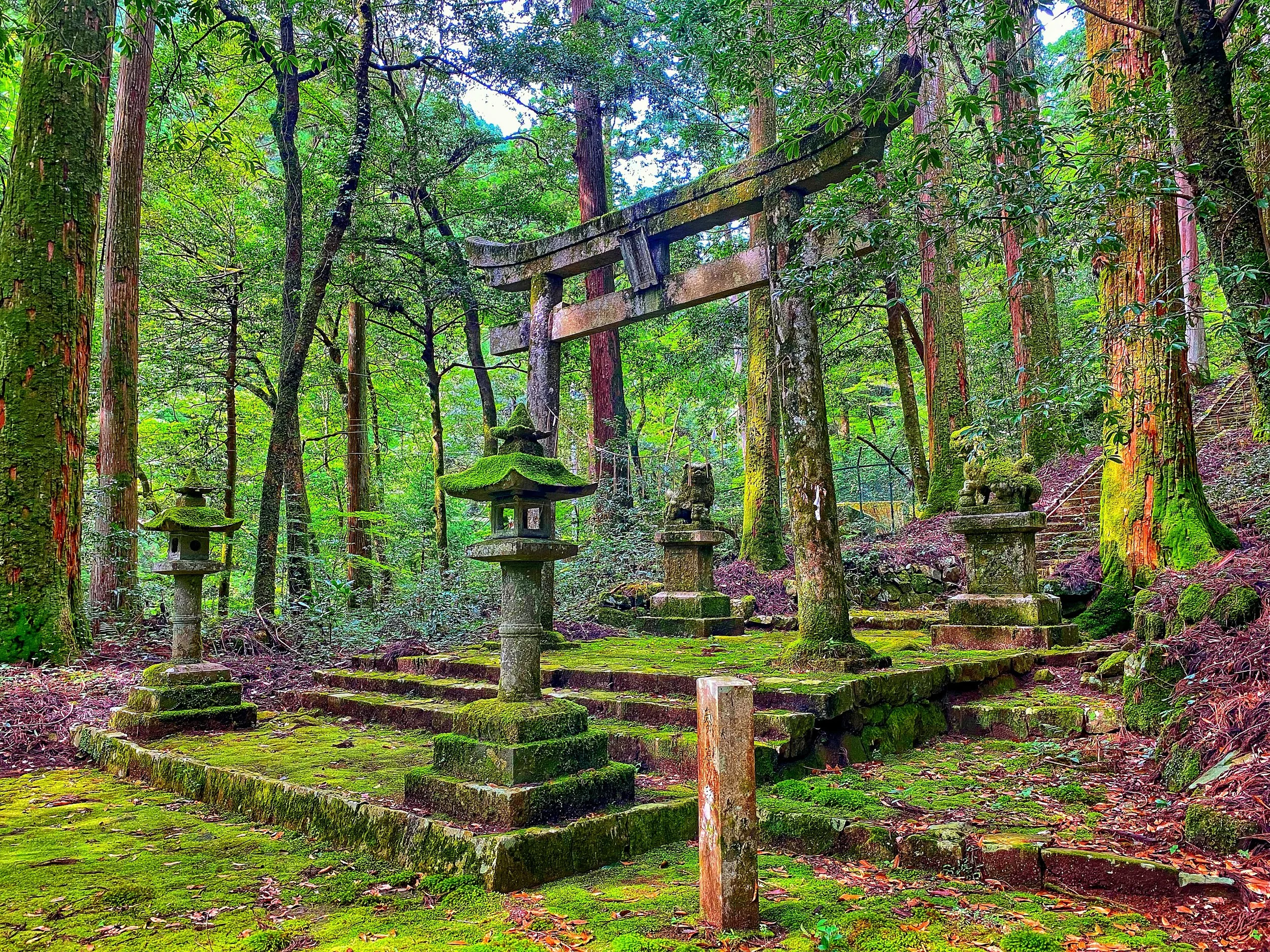
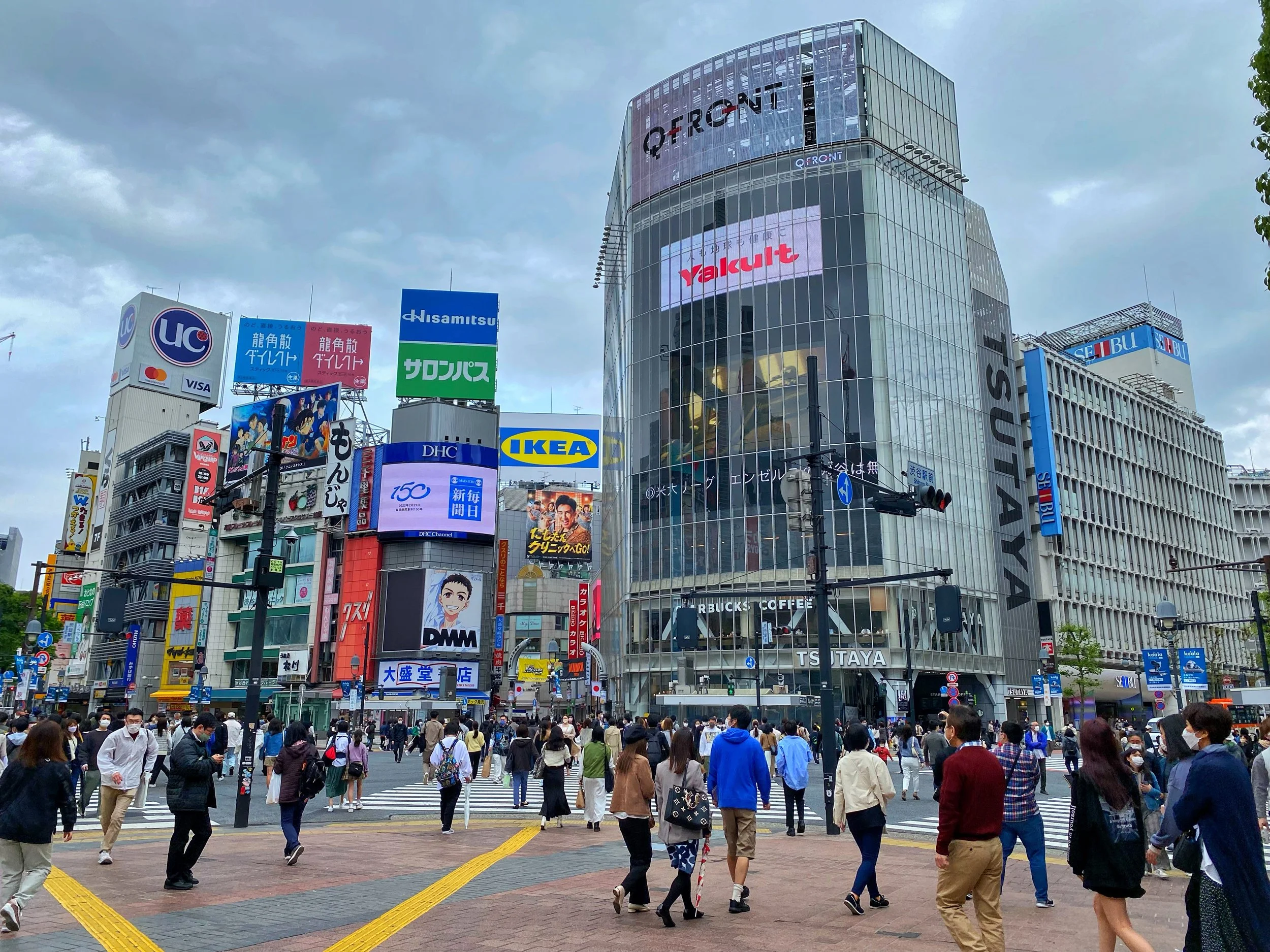
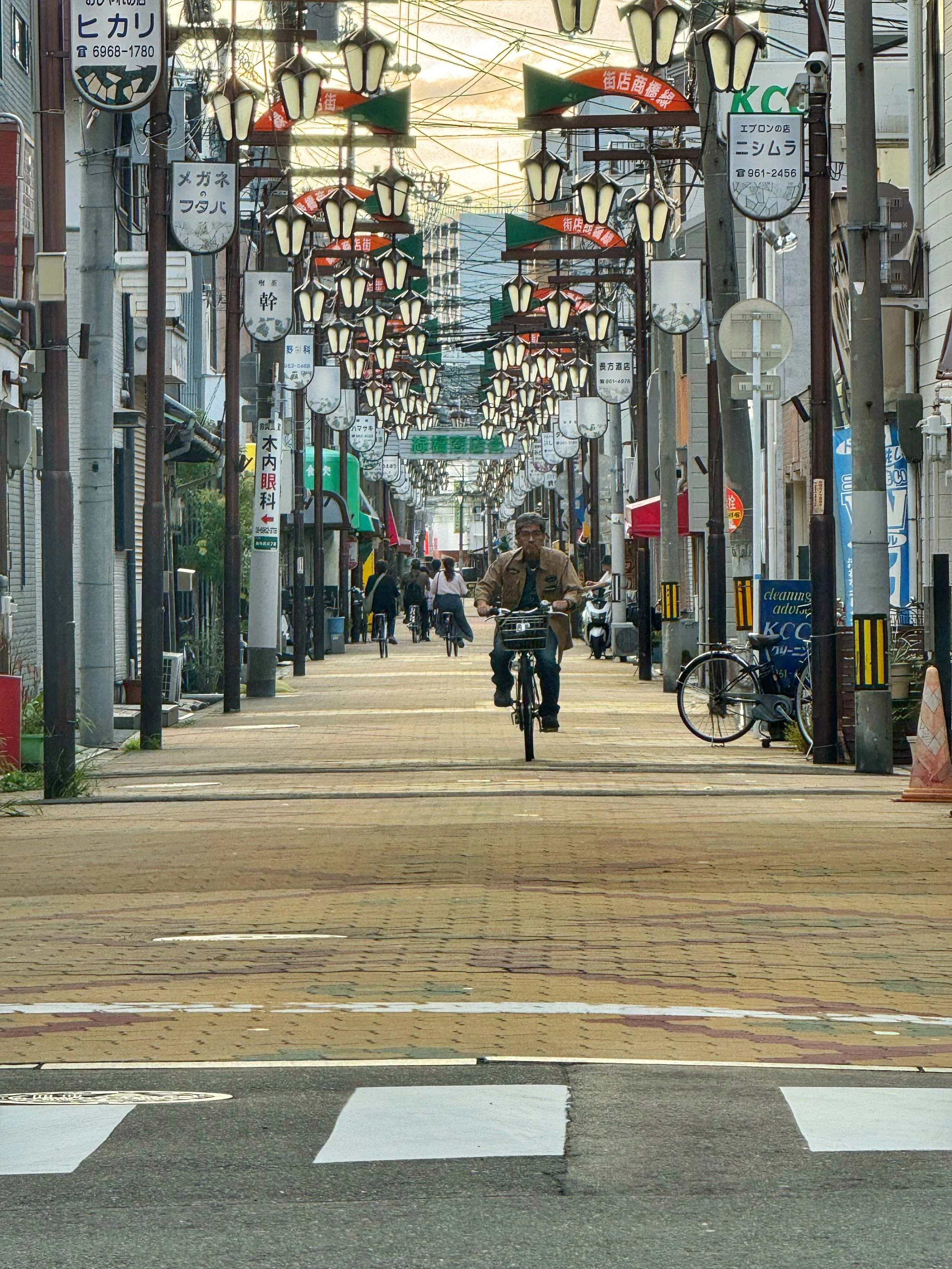
The more I talk to people about travel, the more I notice how much algorithms shape their plans. What shows up on their feed often becomes what they want to do. I am sometimes influenced by things I see online too. That is how I ended up at Monet’s Pond, a story I told in another post. This pattern is exactly how so many travelers end up at the same cafes, the same shrines, and the same neighborhoods. Overtourism is a real problem in Japan, and viral images sometimes drive it. FOMO plays a role too, along with letting the algorithm dictate an itinerary. I understand the desire to go to famous spots like Kiyomizudera, but every “cool” location you see online does not need a place on your itinerary. Think about what you really enjoy and choose destinations based on that, not because you want the same photo that everyone else gets. Traveling around your own interests and comfort is what makes a trip more enjoyable.
Marketing, Virality, and What Actually Deserves the Hype
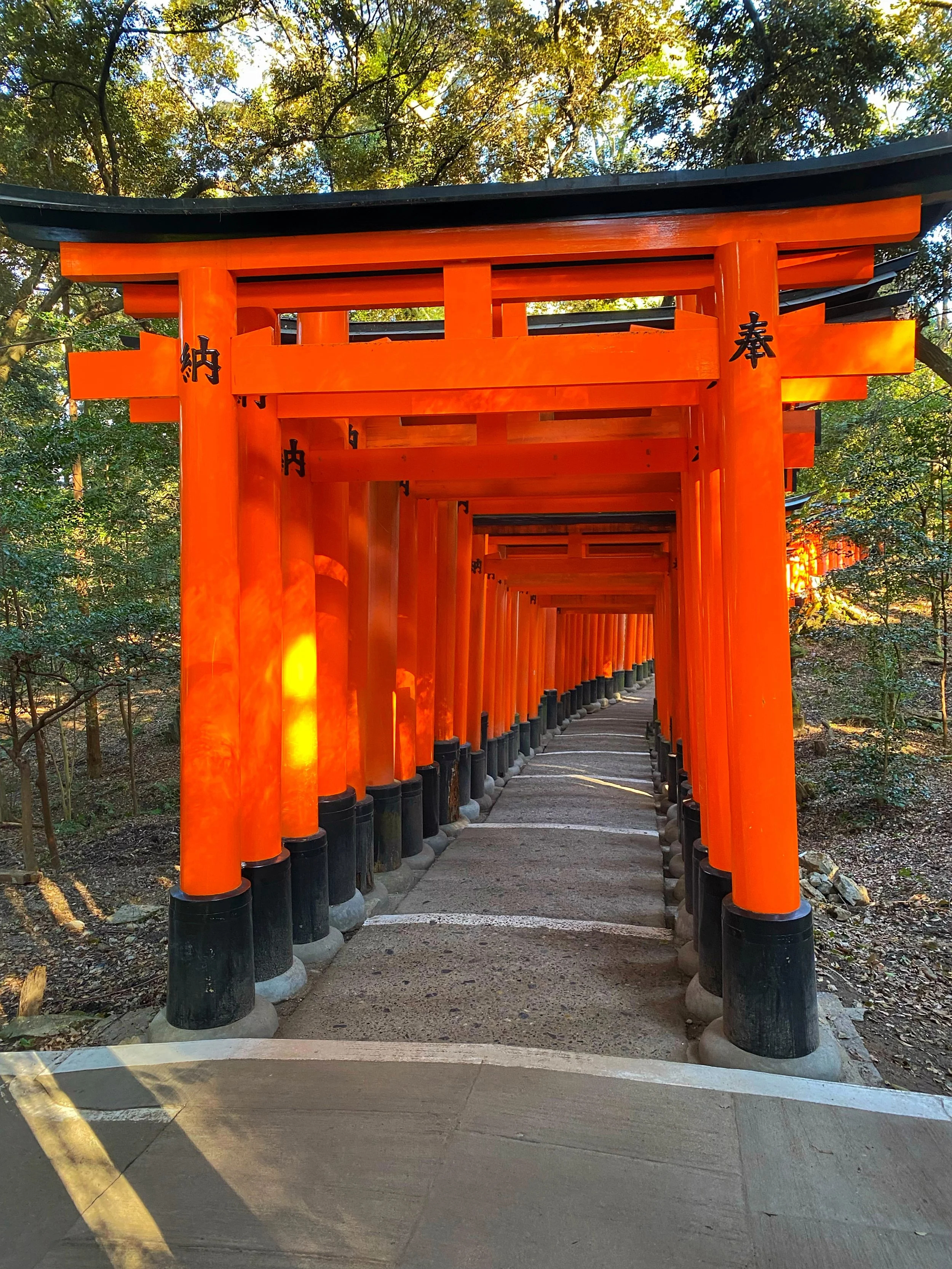
Having worked in marketing, I tend to see this whole pattern through that lens. Plenty of places that deserve more recognition never get it. Many times it is simply because of weak marketing. Meanwhile, spots that are not particularly special become popular off the back of a single viral photo. The convenience store with Mount Fuji in the background is a perfect example. Even after the crowding caused real issues, people kept showing up. Was it because they loved the convenience store or the nearby area? Unlikely. It was almost always about getting that one shot. Most people picture Kyoto as Kiyomizudera or Fushimi Inari, and while both are completely worth a visit, there is so much more to the city. Some neighborhoods see very few visitors. Once you head out of the city, rural areas see even fewer tourists. When you are planning a trip, look past the single image that drew you in and consider what else the area has to offer. If you can find other reasons to visit, it is probably worth the detour.
Where AI Falls Short in Trip Planning
In addition to social media, AI has become another tool people use to plan trips and research destinations. It can suggest solid places to visit. Nevertheless, talking to someone who actually lives there or digging further into the results yourself will almost always give you a bigger picture. AI tends to pull from a handful of larger websites unless it is specifically prompted to look further. Even then, it can miss details or get facts wrong. Having worked with AI models and helped train some, I have seen firsthand how many gaps exist in what they can offer and how often the data itself is simply incorrect.
I like to compare what different AI tools recommend for the same area. While some suggestions are genuinely useful, I have run into inaccurate information more than once. One time, it recommended restaurants that were not actually in the area I wanted to research. Another time it gave me a list, and a third the shops were permanently closed.
Additionally, AI misses the human element of exploration and recommendation. The small places that do not have much of an online footprint are usually the ones it overlooks entirely. AI can be a useful starting point for ideas and routes, but you should always verify the details yourself and ask real people when you need more suggestions or advice.
When Expectations Replace Wonder
Because of social media, many of us have traded genuine curiosity for fixed expectations. We used to wonder what a place would be like. Now, we hope it looks exactly like the video we have seen online. Those expectations get set long before we ever arrive, and that is often where disappointment creeps in. I have watched friends grow frustrated because the weather was not as perfect as a clip they had seen. Plenty of visitors do not realize that Mount Fuji is frequently hidden behind clouds and not visible at all. They expect it to always be majestic and on full display every time. If getting one specific shot is the entire reason for your trip, you may be very underwhelmed. I recommend traveling to a place because there are many things you will enjoy even if it is not as perfect as it looks on a video.
The Irony of This Post and the Upside I Do Not Want to Overlook
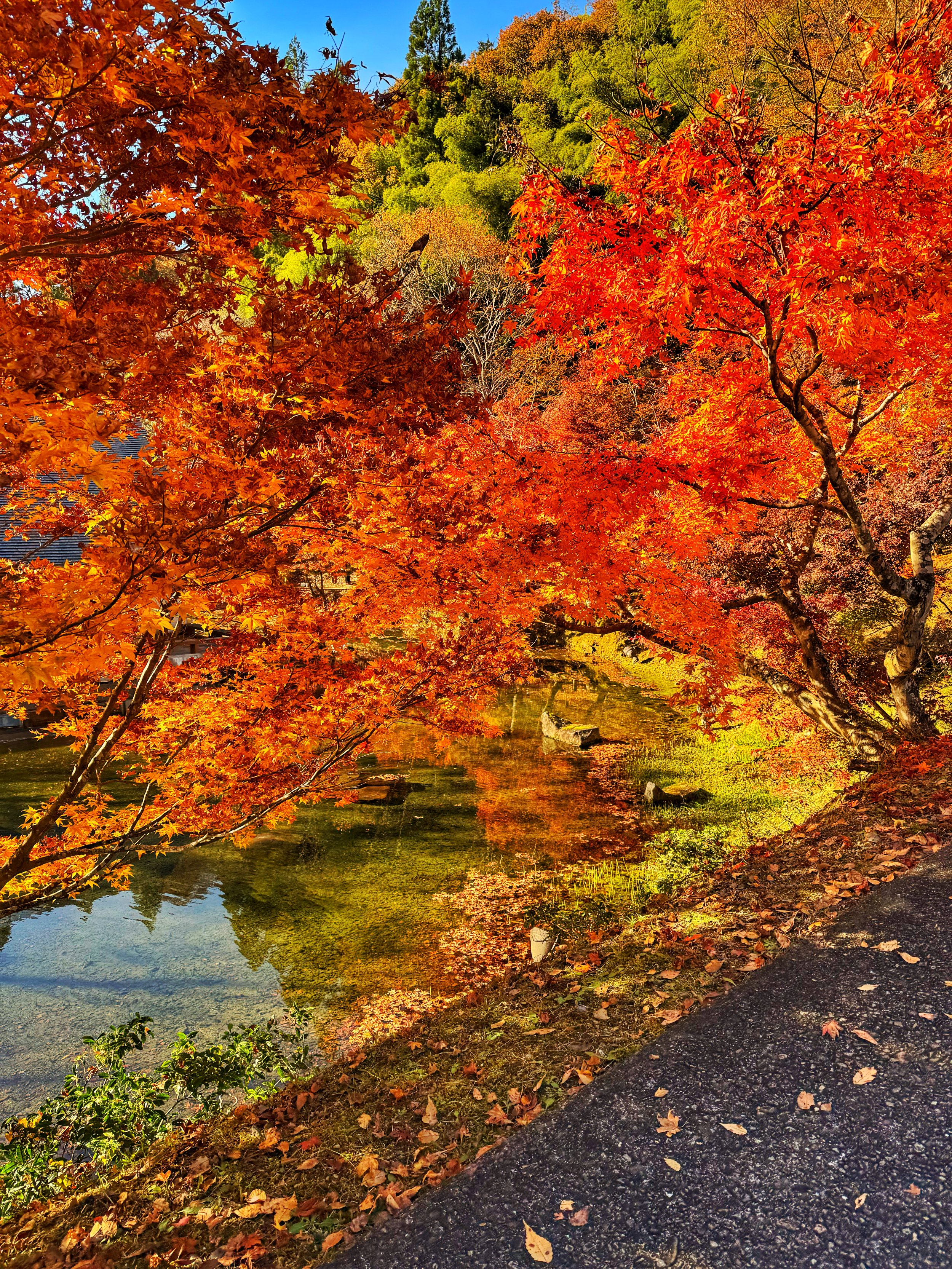
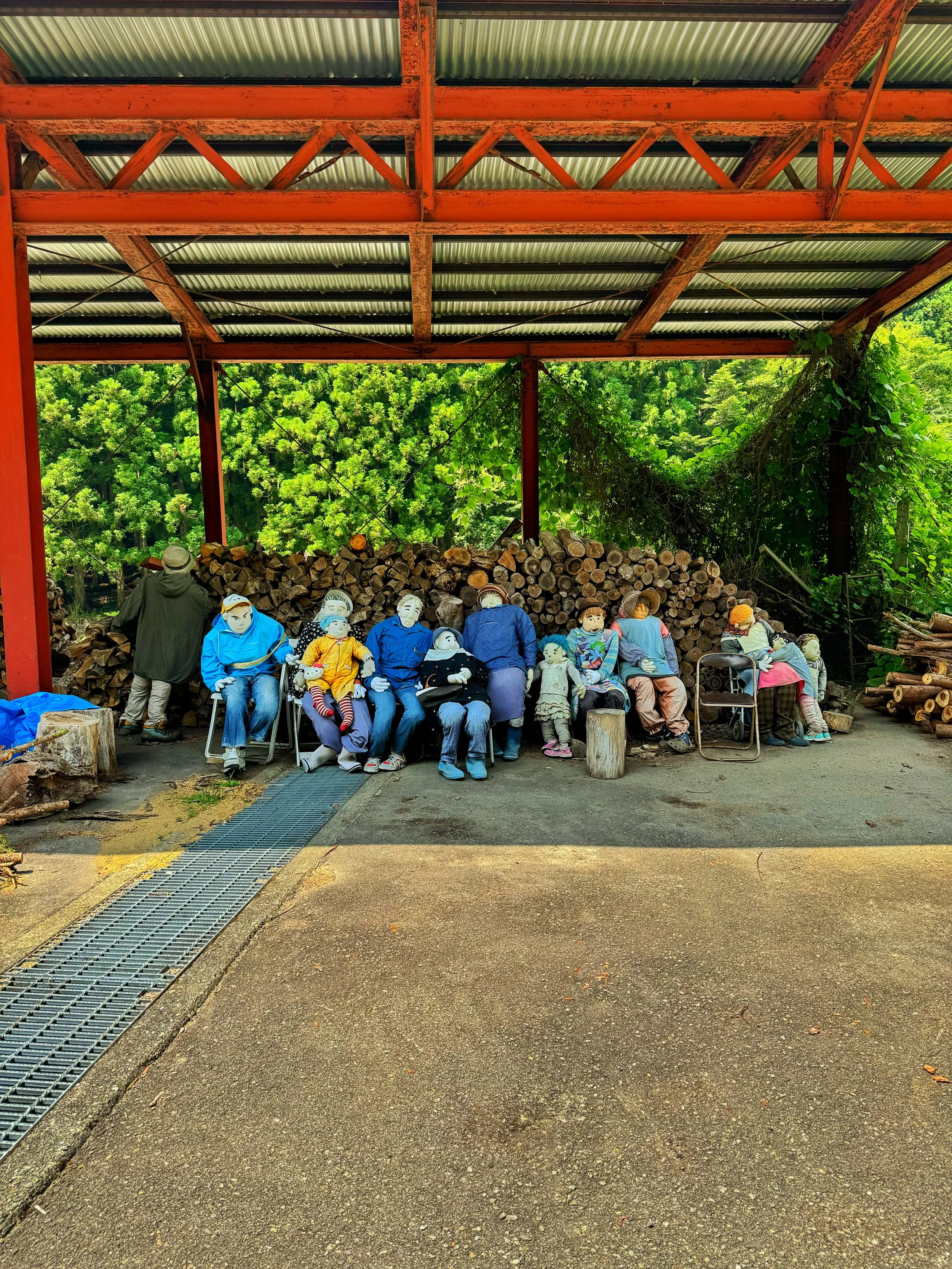
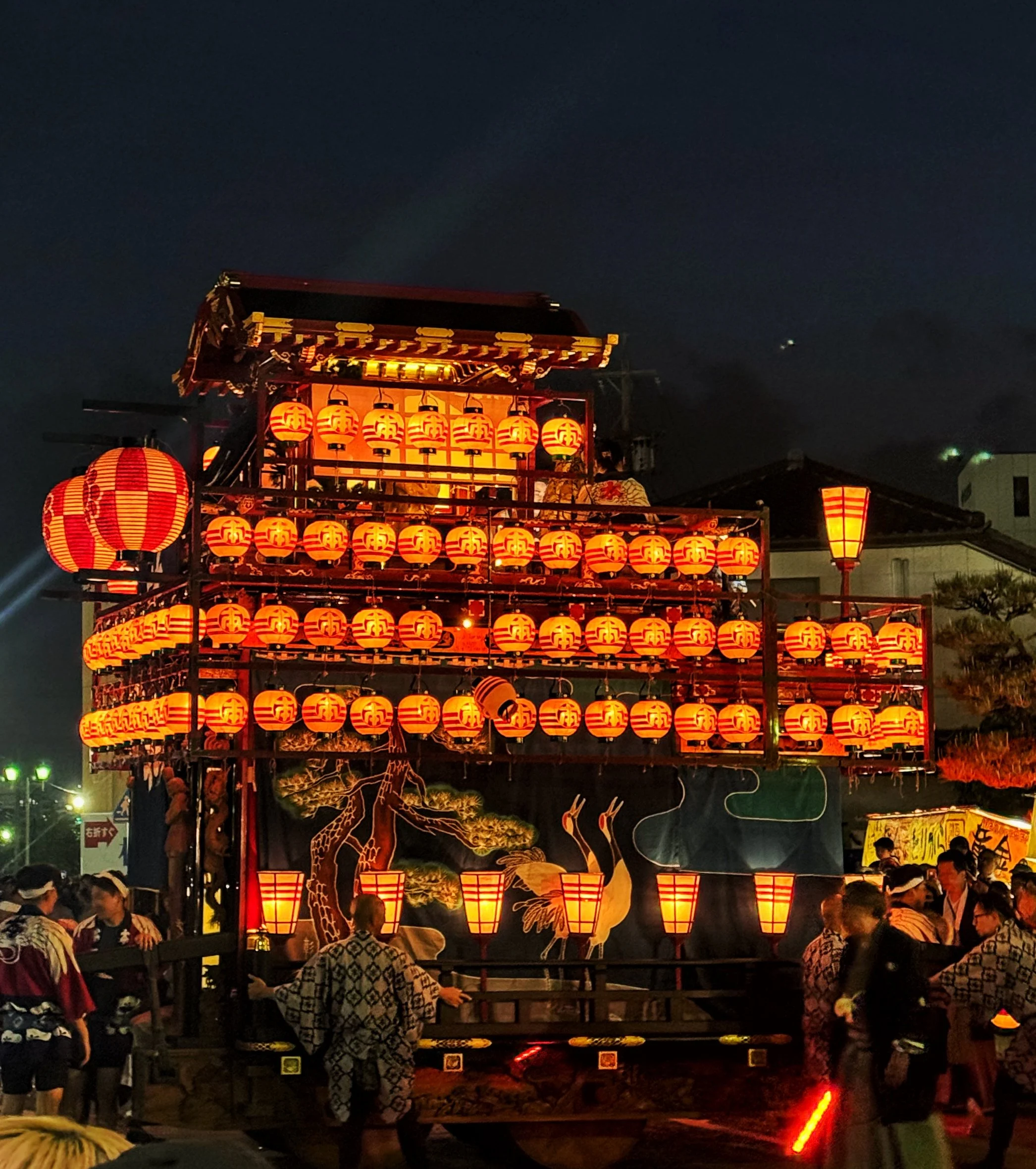
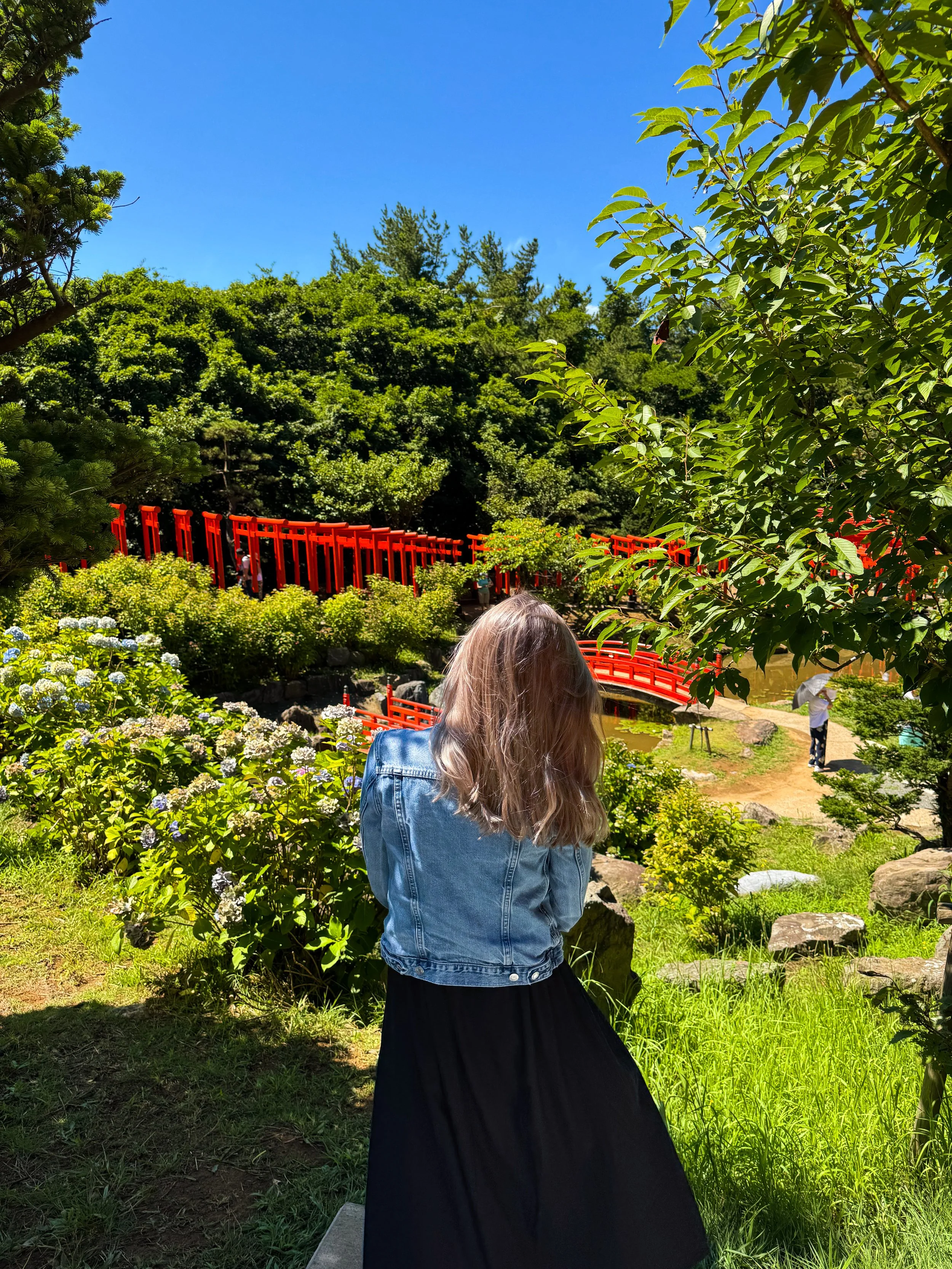
The irony with all of this is that social media and technology have helped people, including myself, discover new places and learn new things. I share content about Japan online, and at the same time, I encourage people not to build their entire trip around what they have seen on a screen. That’s often where letdowns happen. Taking time to talk to people, explore places at a slower pace, and choosing places that match your interests are still the best ways to have an enjoyable trip to Japan. Social media has introduced us to so many new places we would not have found otherwise, but it is important not to let the fear of missing things dictate how you travel. Travel is more about experiences, not just ticking boxes off a list.
What I Recommend
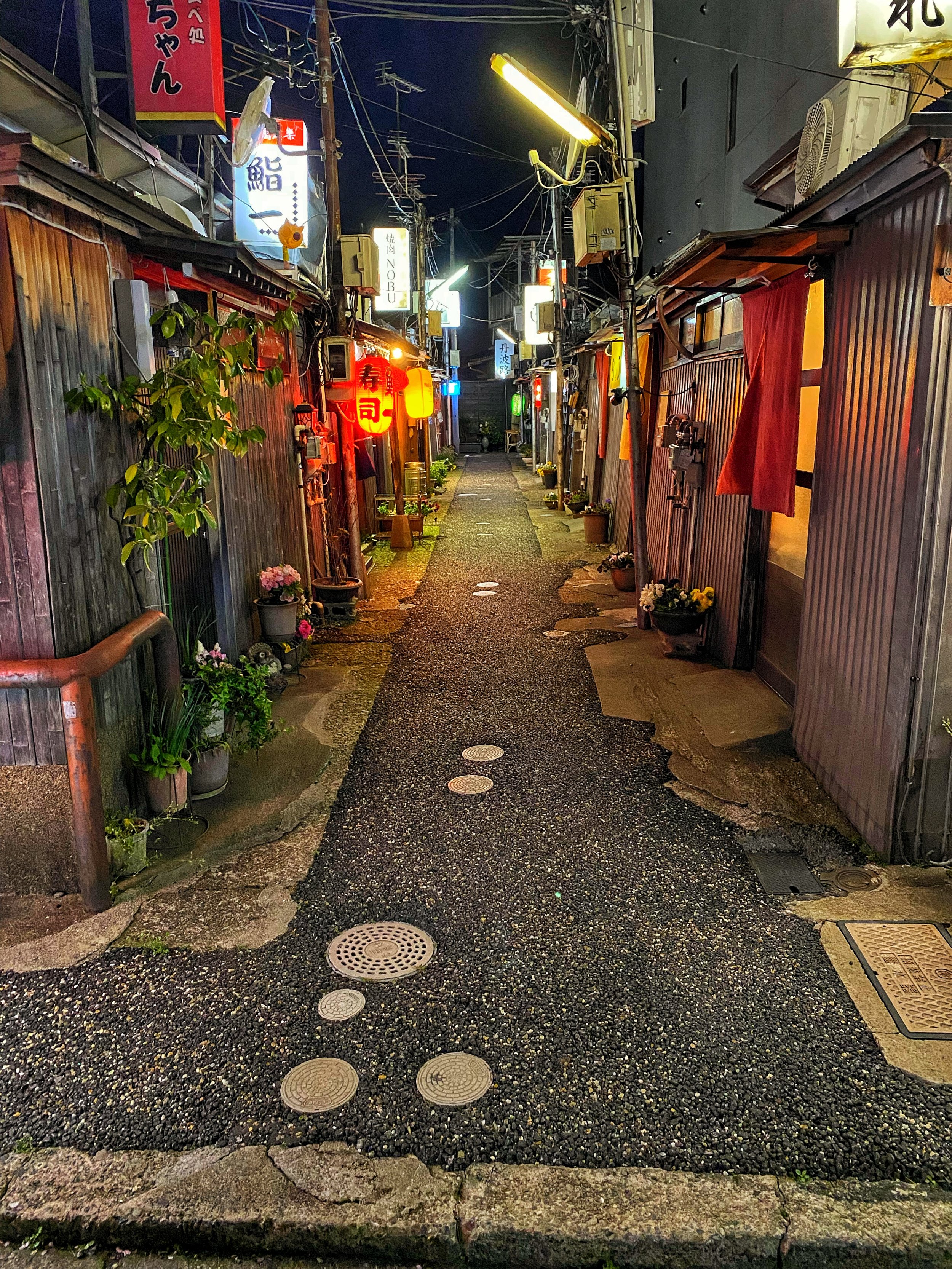
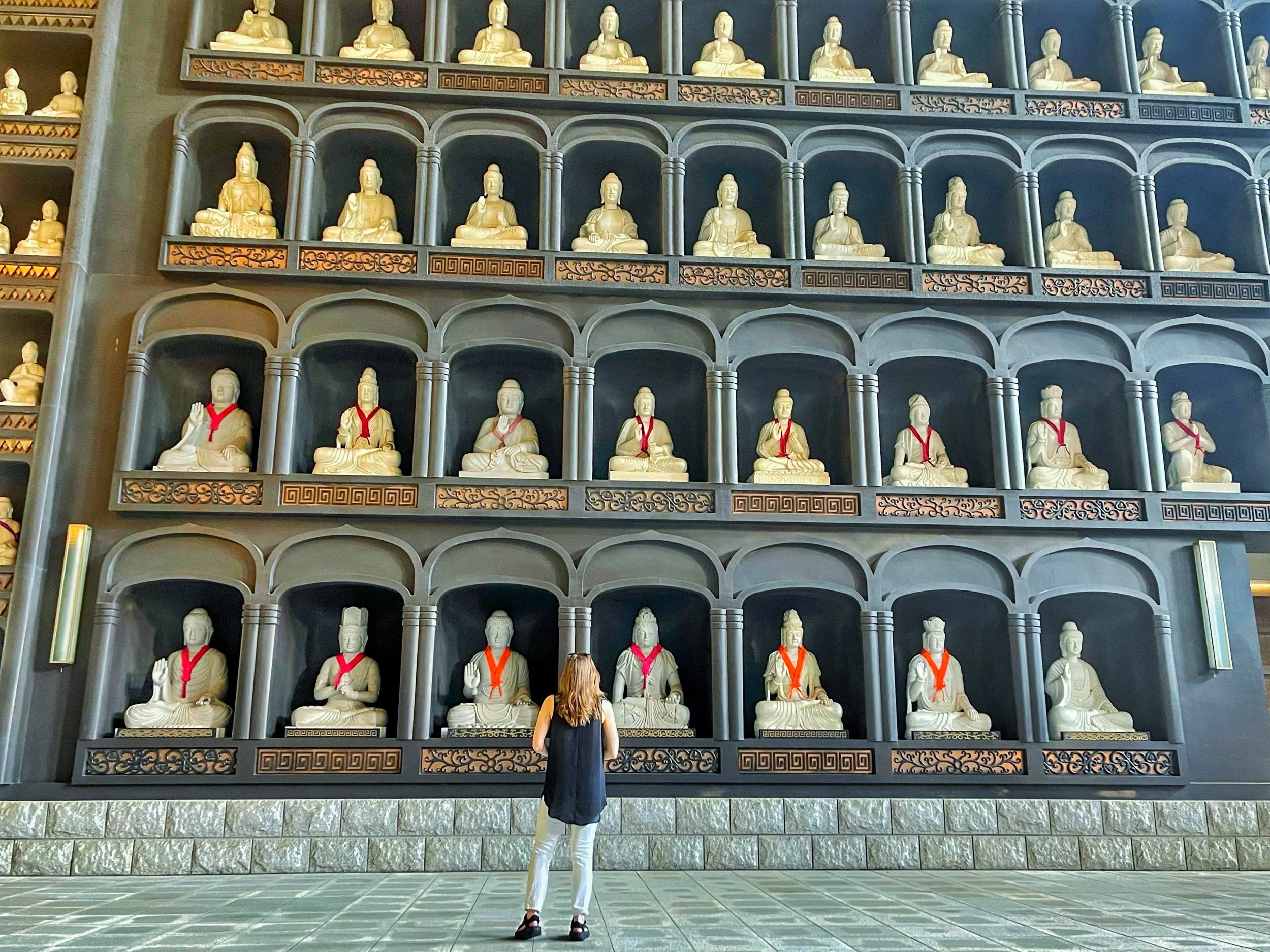
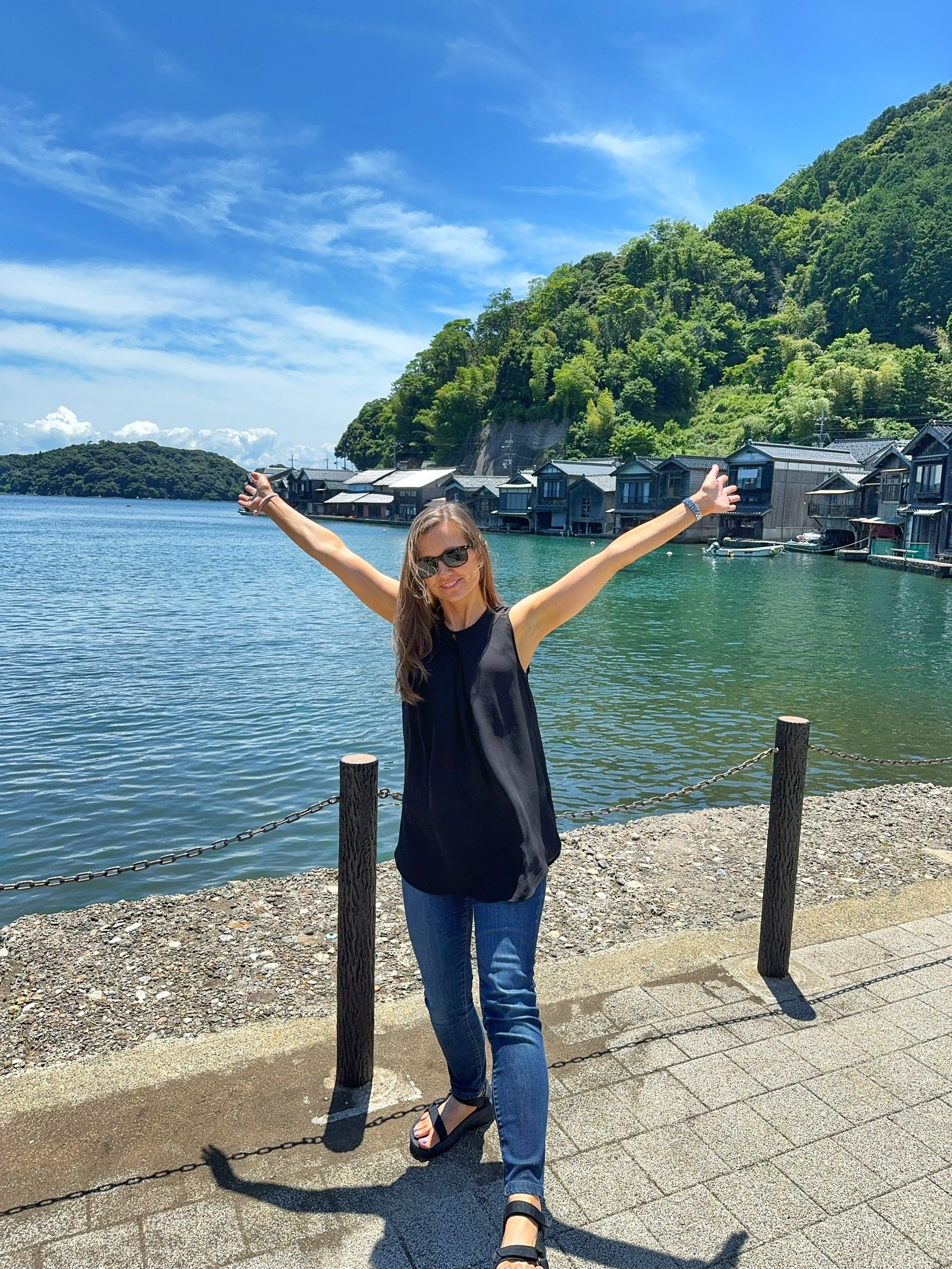
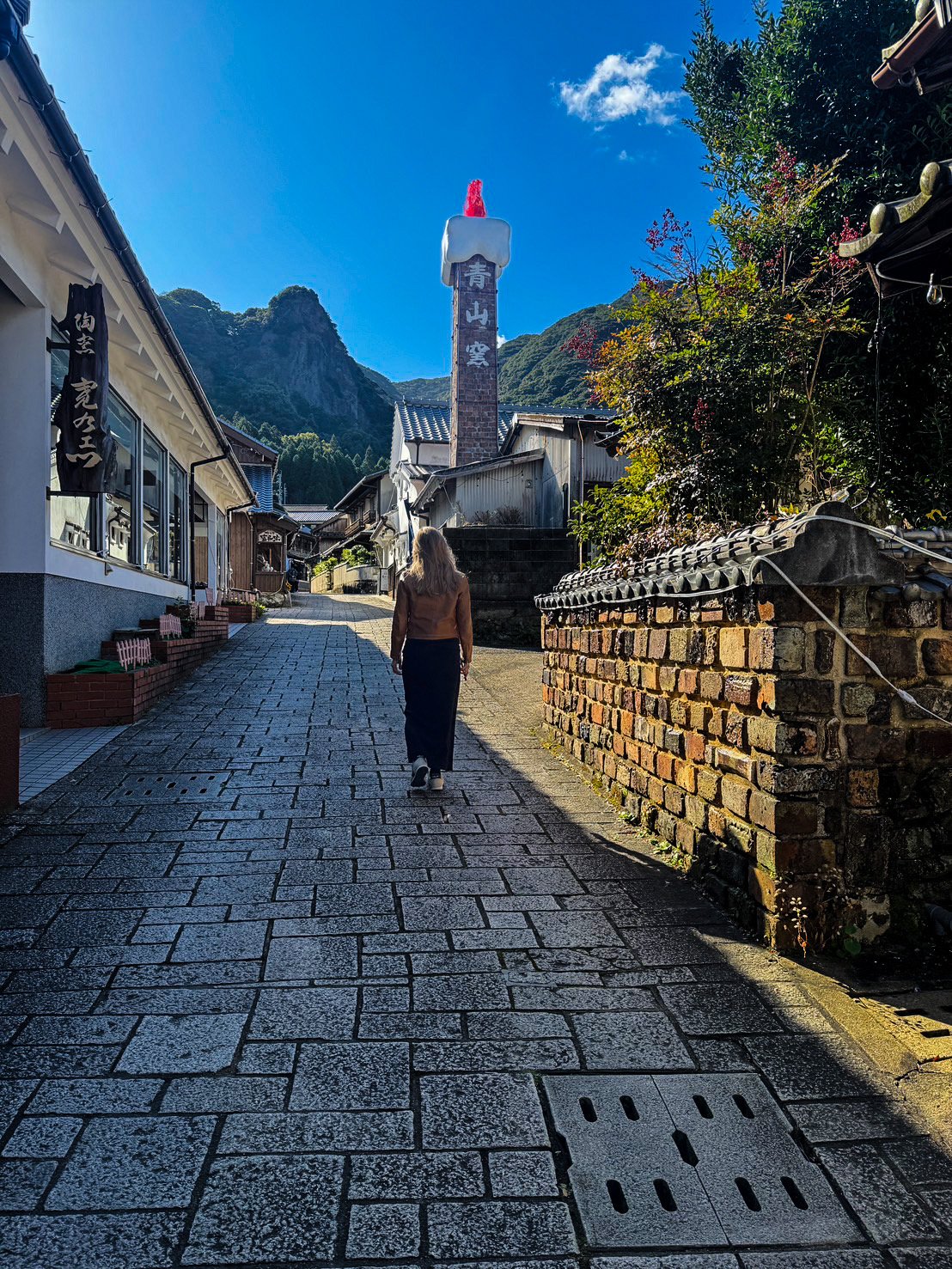
My biggest piece of advice to anyone traveling through Japan is to take time to wander side streets, be open to new experiences, and try small local restaurants. Some of the best places and experiences never go viral on social media. I share plenty of spots off the Golden Route (and some on it), and the one thing I always try to do is give an honest take from my own perspective. If something is worth visiting, I will say so plainly. If it is better skipped or better paired with a nearby location, I will say that too, so that you can avoid a letdown. For well-known places, I try to understand what people honestly want out of the visit and why. Then I tell them if it is worth the effort or if there is a better alternative nearby.
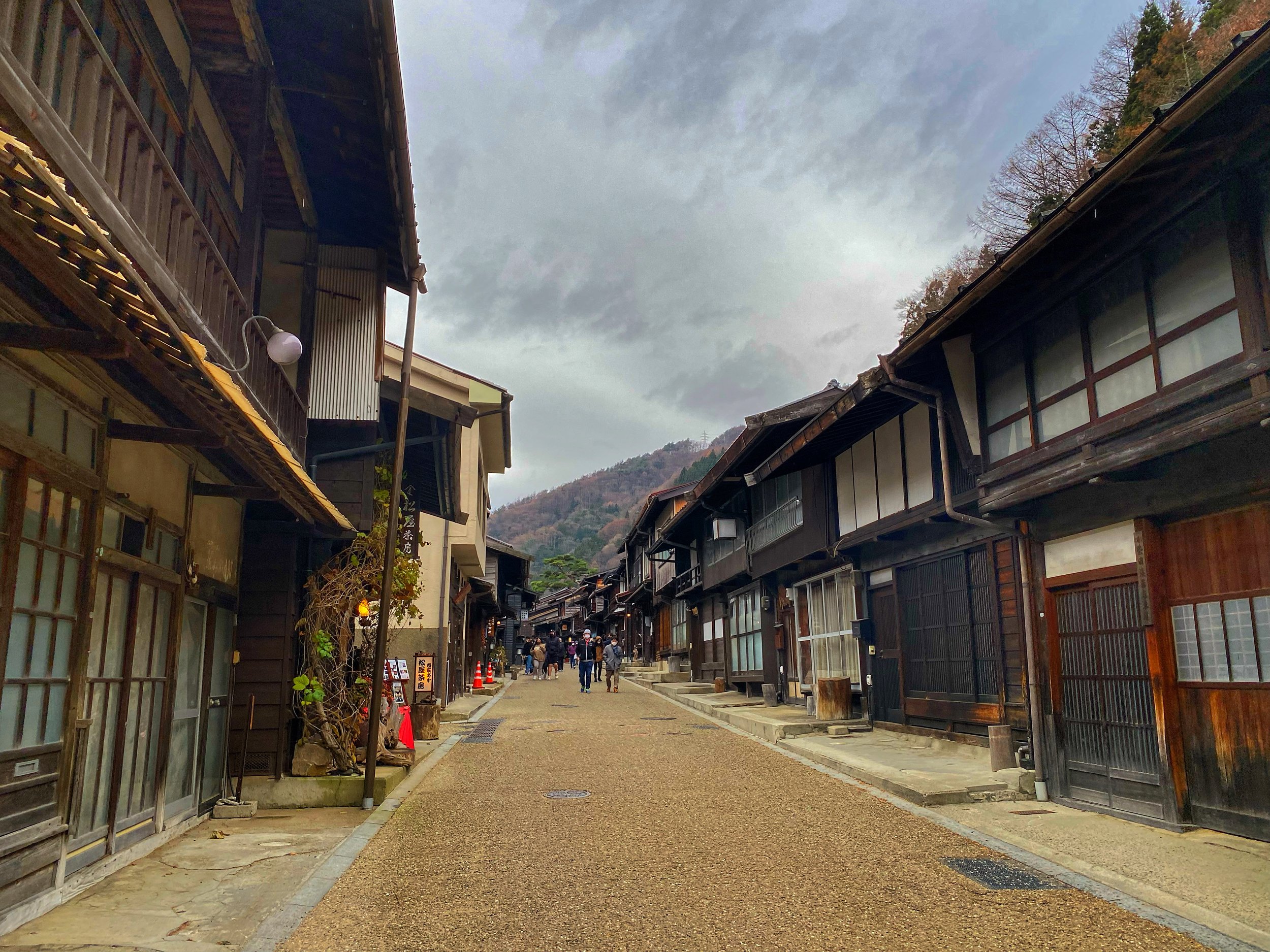
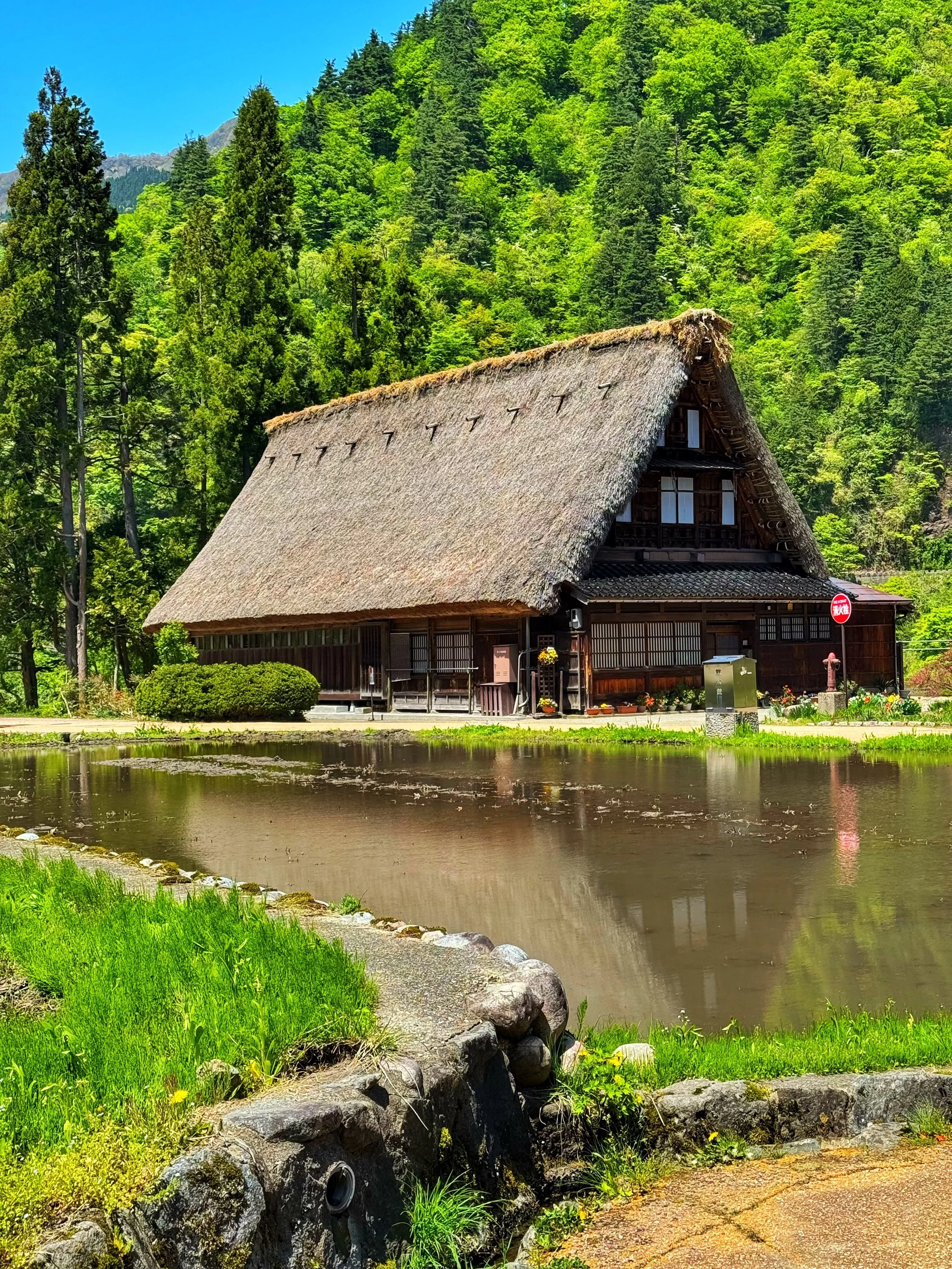
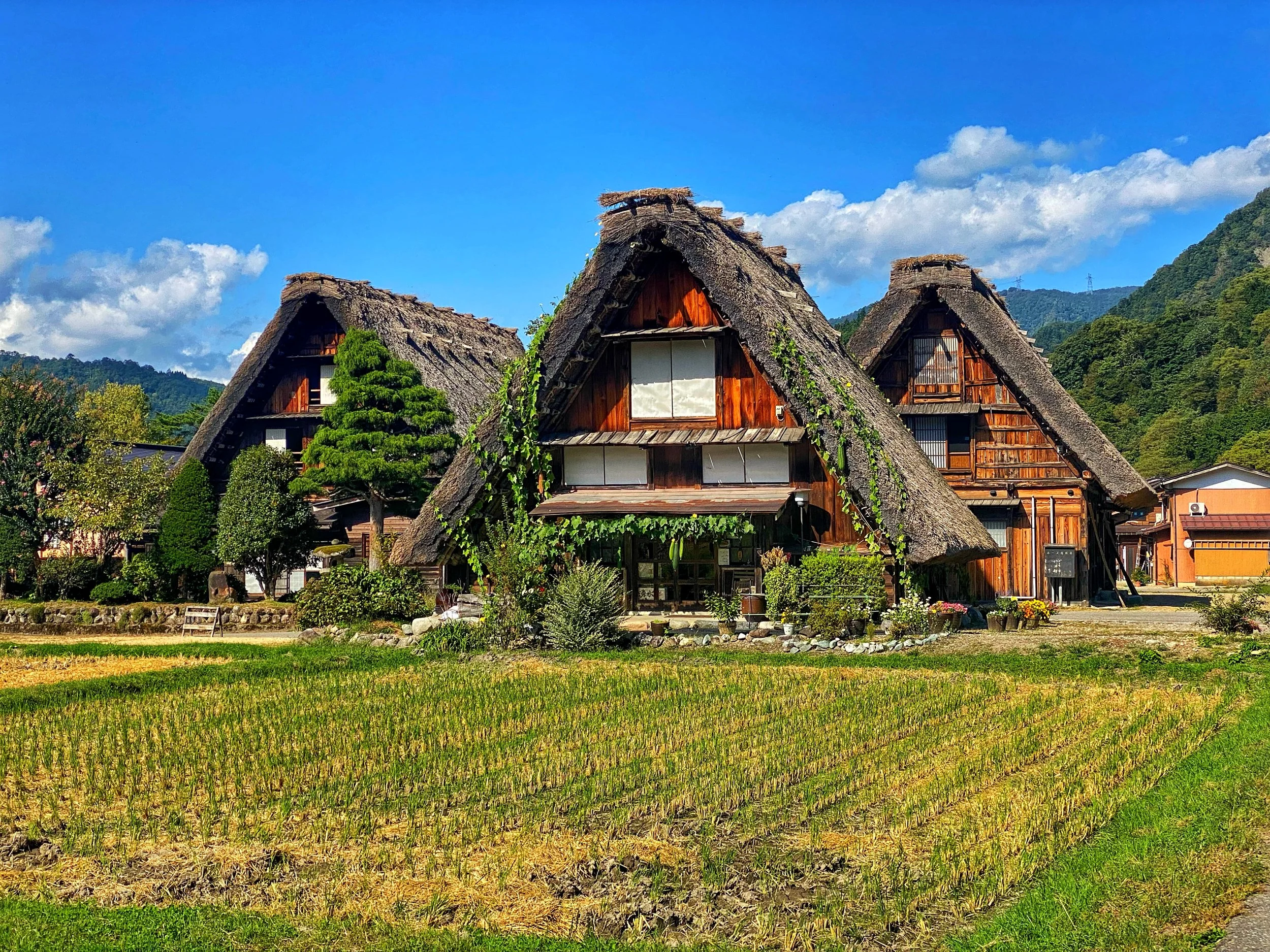
For instance, a friend of mine wanted to see Shirakawago. While it is lovely, it caters to tourists and gets crowded quickly. I suggested Gokayama and Ainokura instead. My friend loved it. As a photographer, he wanted specific shots of the gassho-zukuri farmhouses set against the mountains, and he was thrilled with what he found in the alternative locations I suggested.
Alternative locations can sometimes provide exactly what you wanted to see without the crowds. Always think about why you want to visit a place and if it is something you would deem a must-visit place or if you are seeking a specific quality.
Why I Do Not Share Everything
Even though I share many places, there are some I choose to keep to myself because they are close to home or because they simply cannot handle a surge of visitors. Other Japan residents do the same thing. It is not gatekeeping. It is protecting the parts of Japan that cannot absorb heavy tourism and respecting the people whose businesses cannot handle a sudden influx of people. With anything having the potential to go viral overnight, respect and cultural awareness need to be part of how we all share places throughout the world, not only in Japan.
Final Thoughts
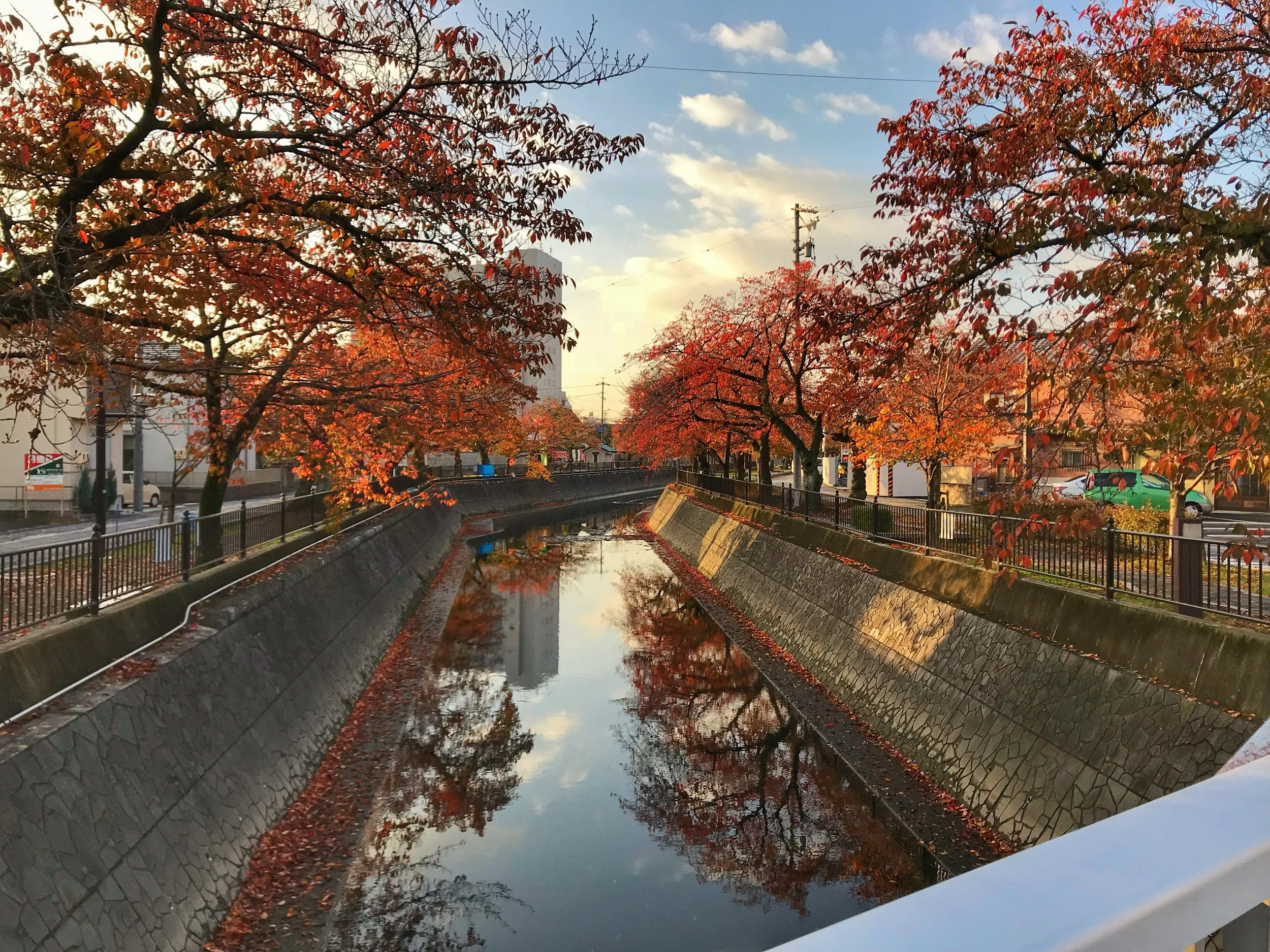
Technology will keep shaping the way we travel, and I do not think it is a bad thing. When used correctly, it can really improve where we go, what we do, and how much we learn along the way. Yet, we also must be aware of the pitfalls and problems with it too. Our expectations climb higher, and often this makes us more disappointed. We chase the perfect shot that we have seen all over the web and visit places to check a box rather than choosing destinations we would truly enjoy. We also stop thinking about when and how to plan a trip in ways that help avoid overcrowding. While that is not a responsibility just for travelers, it is important to consider as towns, sights, and cities begin to find ways to actively manage booms in tourism.
Do I think technology is bad? Not at all. I have worked in the industry on and off since my first job out of college, and I still love it. I think the heavy reliance on it can lead to problems and disappointment if we are not careful. Many of the unhappy travelers who leave Japan are the ones who expected something entirely different than what they saw. As technology advances, it is important that we continue to think and explore for ourselves.
Let me know if you have any questions about travel tips or feel free to share your own travel experiences in the comments.
