
Takayama or Gujo-Hachiman: Which Mountain Town is Right for You?
Takayama and Gujo-Hachiman are often compared to each other but offer very different experiences despite what many travelers assume. Both towns sit in the mountains of Gifu Prefecture, and both have beautifully preserved historic districts. However, the atmosphere of each town feels distinctly different once you are actually there.
I live less than an hour from Gujo-Hachiman and less than two and a half hours from Takayama. I visit each of them regularly throughout the year. This is what I would tell you if you asked me which one you should visit.
Preservation
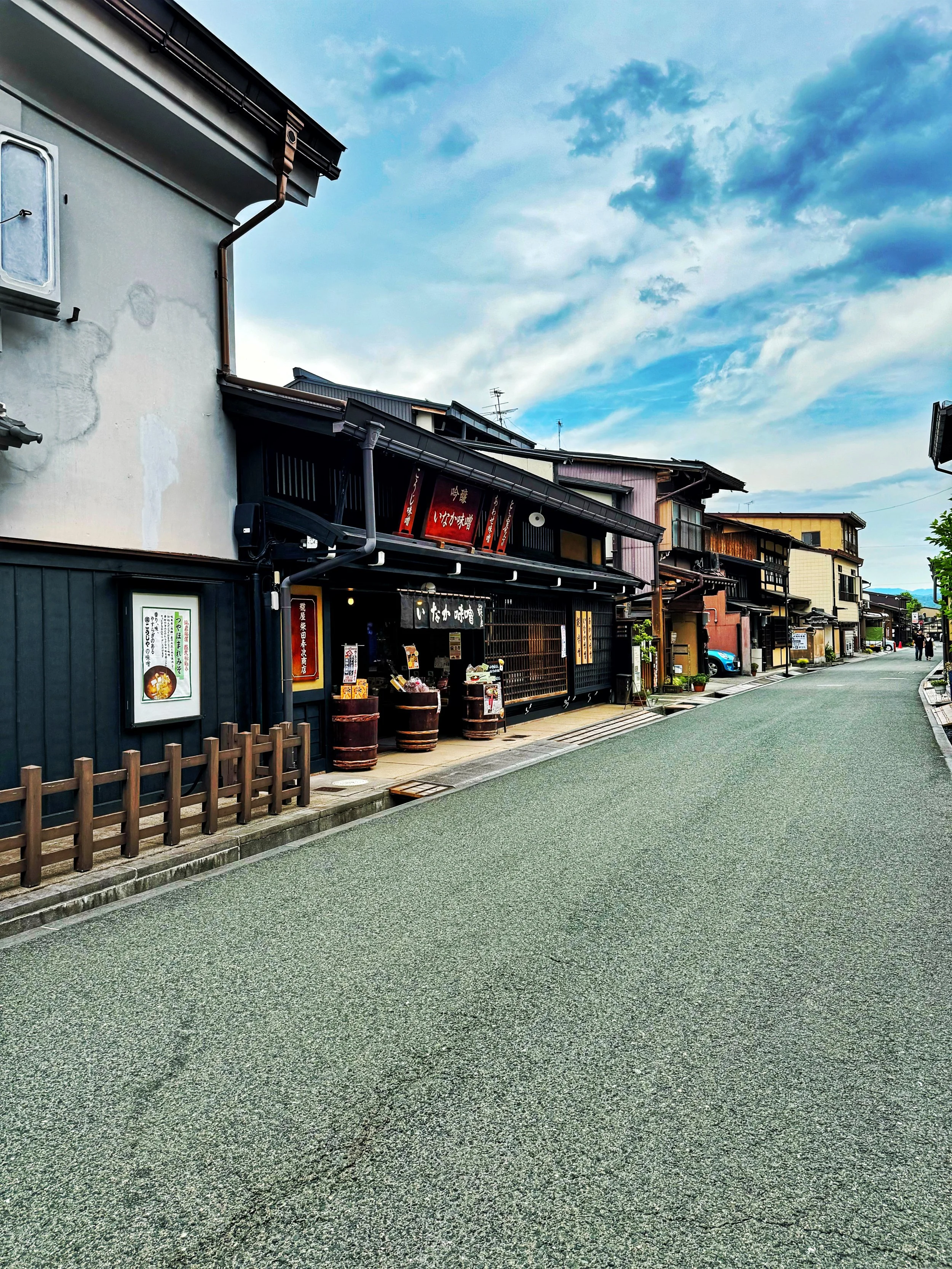
Takayama’s Sanmachi Suji district is beautifully preserved and easy to navigate. The dark wooden machiya (townhouses), sake breweries, miso vendors, cafes, and craft shops are mostly concentrated in a compact area. This makes it easy to explore on foot. Many people draw comparisons between Takayama and Kyoto because of the history and temples, but Takayama has its own unique character and history. The city has been revitalized to preserve the local culture but also to accommodate the increasing number of tourists.
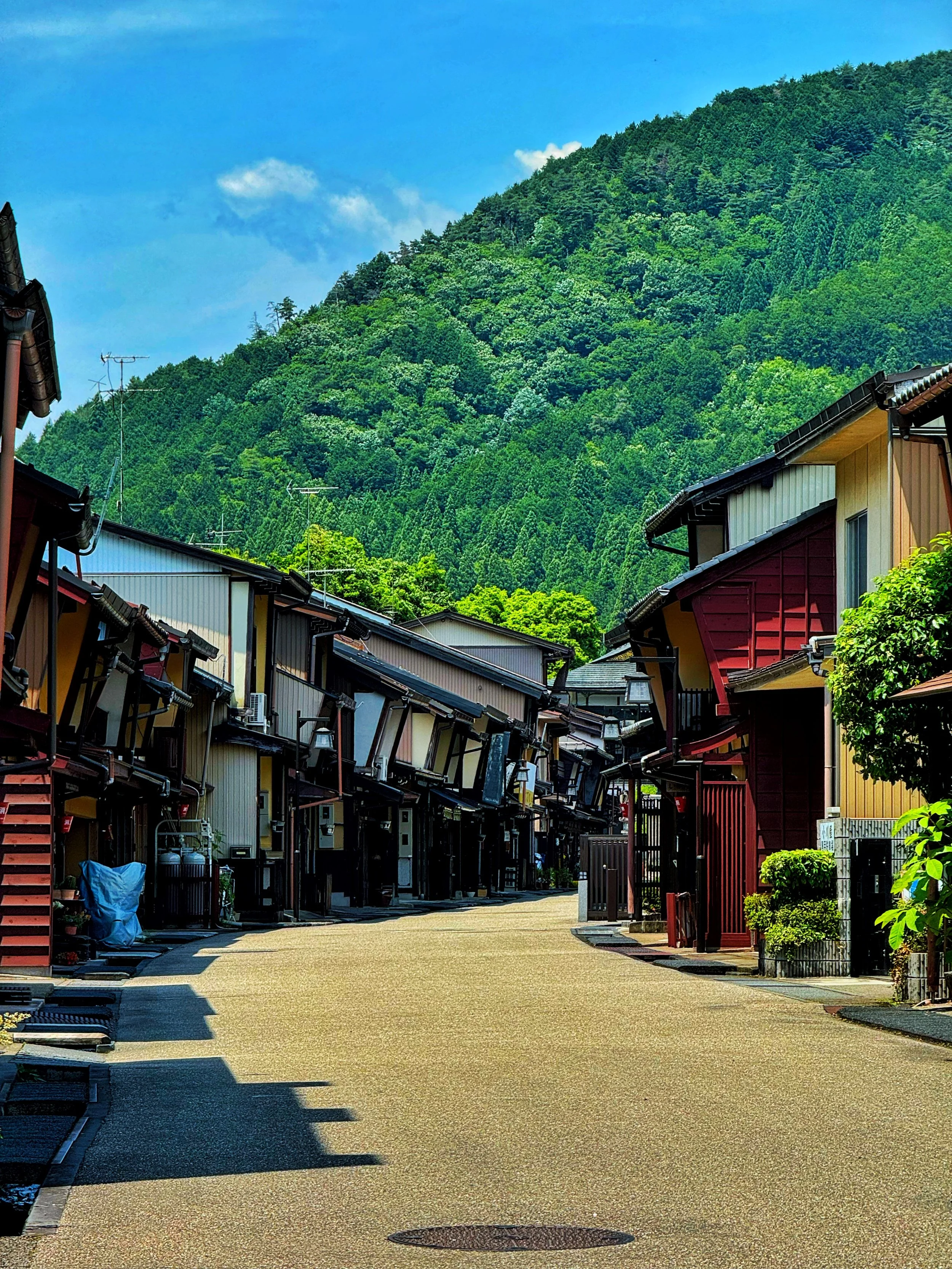
Gujo-Hachiman’s old town is still a regular neighborhood, and people live there. Instead of functioning as a designated historical district, the town feels more naturally integrated into daily life. Modern and traditional shops coexist side by side on the streets that look as if time has almost stopped. The whole town, rather than a single district, embodies this experience. The waterways and shops have been well taken care of for generations. While it does not have the same large-scale preservation and tourism projects as Takayama, there is a quieter traditional feeling to the preservation and town that many people find appealing. Of course, preservation efforts are taken, and tourism is becoming a bigger part of the town’s revenue, but it still maintains the small-town atmosphere.
Water
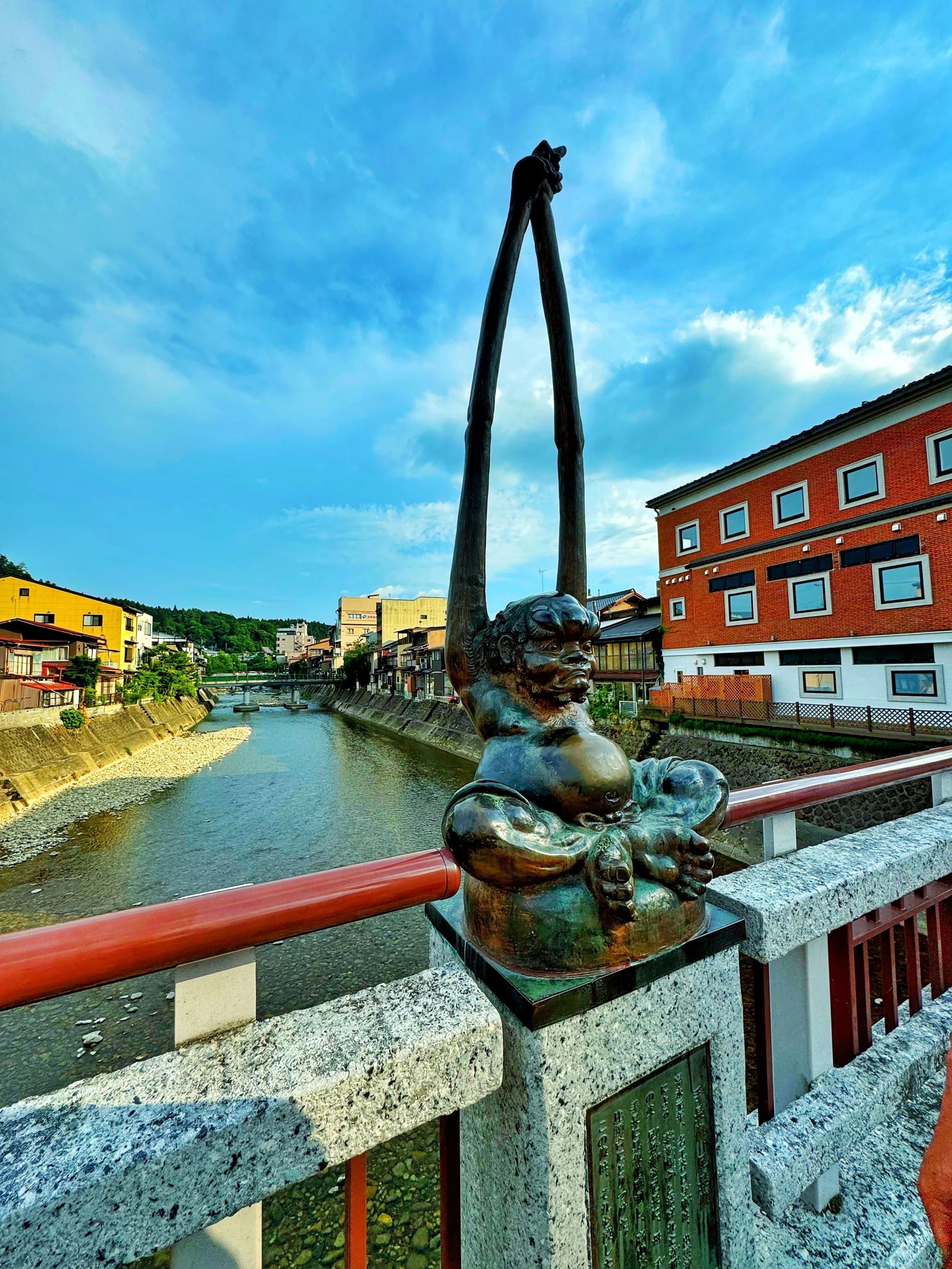
The Miyagawa in Takayama and the morning markets along its banks are some of the town’s most recognizable features. Water runs from the river through many parts of the city, and the early morning light along the banks is extraordinarily beautiful in the early morning light before crowds arrive for the market.
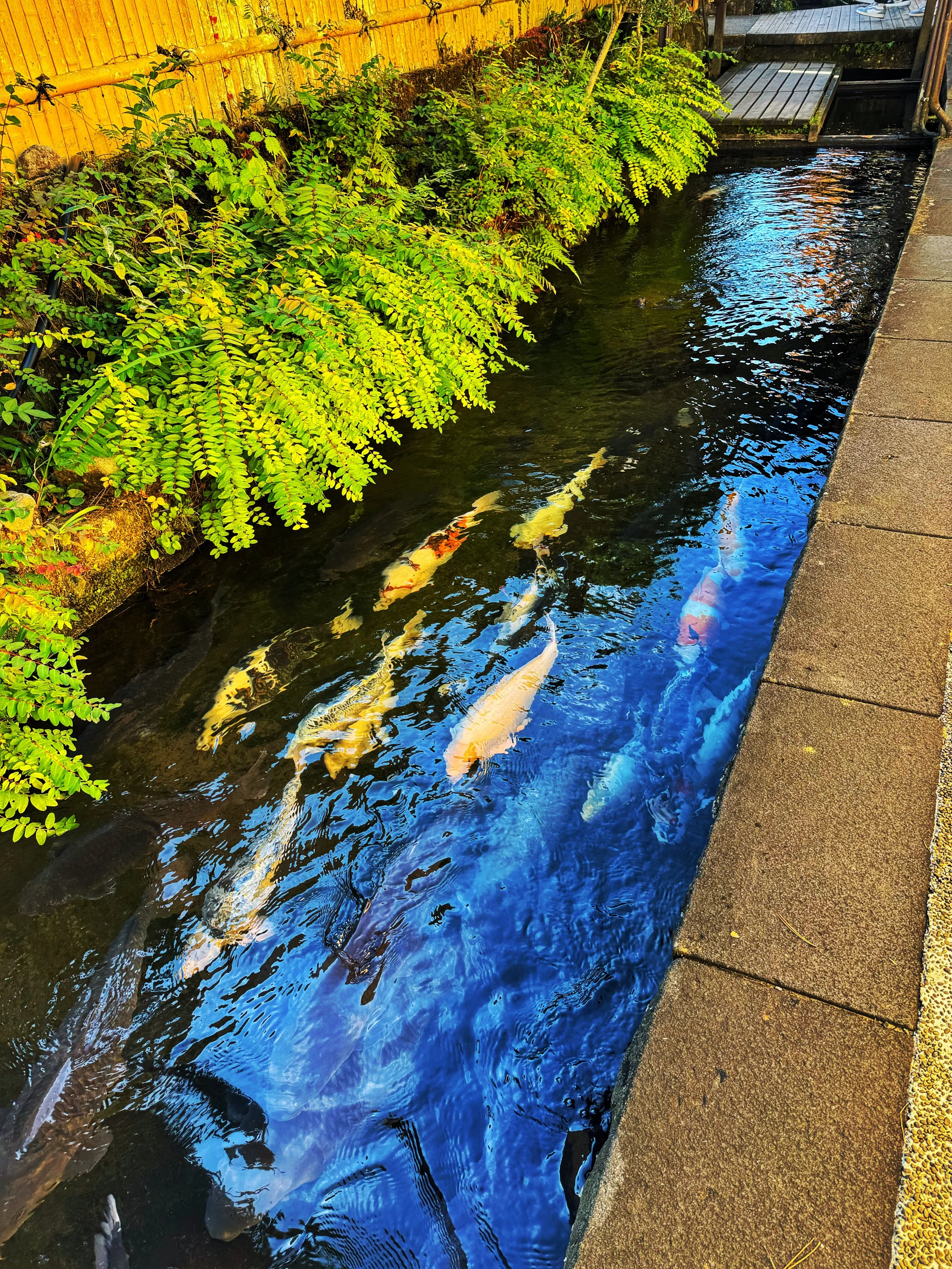
Water is even more central to the daily life in Gujo-Hachiman. The town is known for Sogi Spring, canals filled with koi, and clear rivers that run through the city. You constantly hear flowing water while walking through town which makes it a focus and not just a backdrop. People still use the local spring water and river to wash vegetables and cool drinks. Nature lovers can find activities from fishing and walking along waterways to whitewater rafting and swimming in summer.
Festivals
Two famous festivals in Japan are held in Takayama in spring and autumn. The Takayama Festival has a UNESCO Intangible Cultural Heritage designation and features elaborately decorated floats with a history dating back to the late 17th century. It is worth planning your trip around but expect larger crowds. If you cannot visit during the festival seasons, some floats are housed in the Sakurayama Hachimangu Yatai Kaikan museum all year long.
Gujo Odori is one of the most famous bon odori festivals in Japan. It runs for over 30 nights throughout mid-July and August in Gujo-Hachiman. It includes all-night dancing during Obon. You do not just watch this festival though. You are encouraged and welcomed to join in on the dancing.
Food
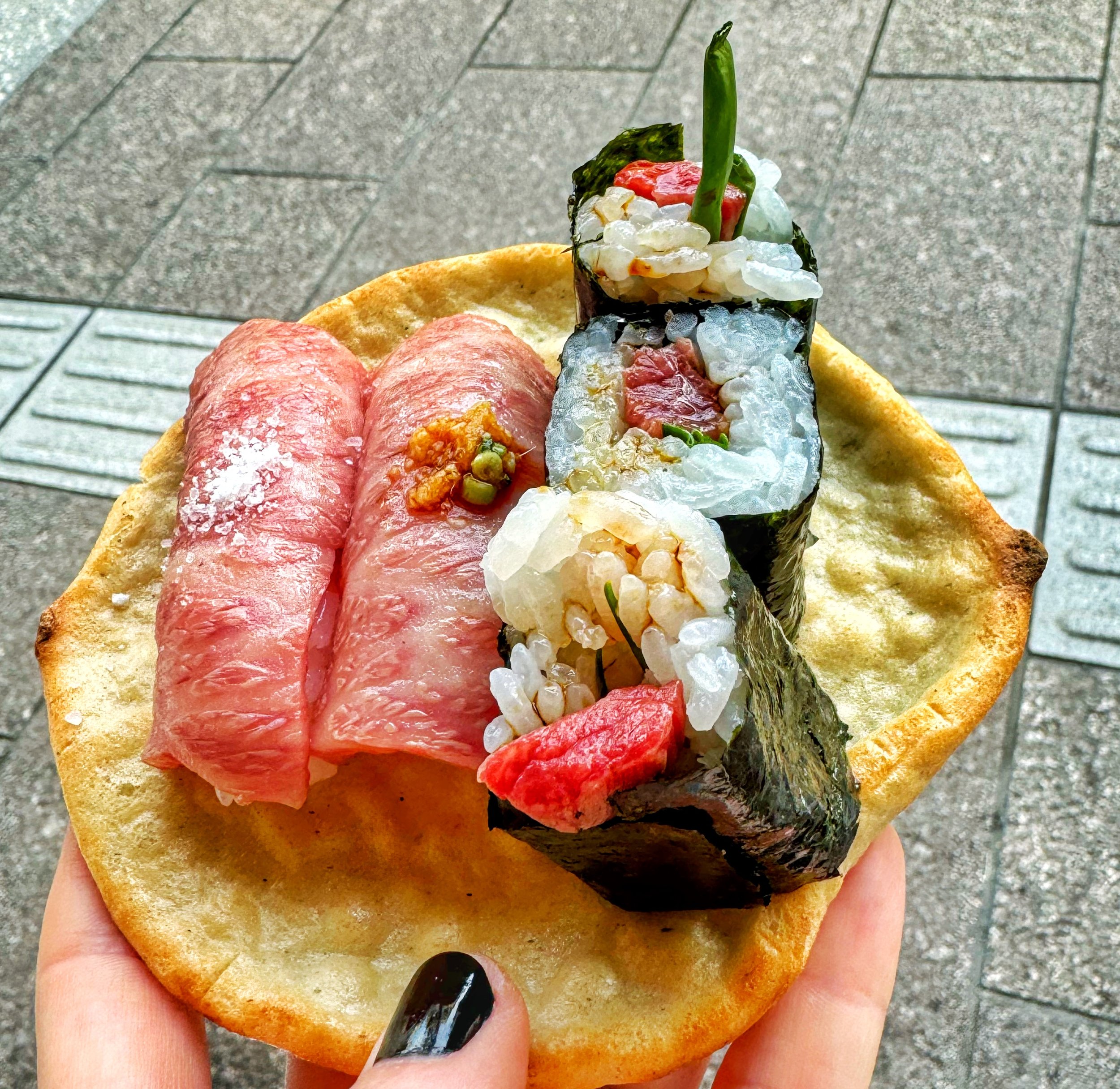
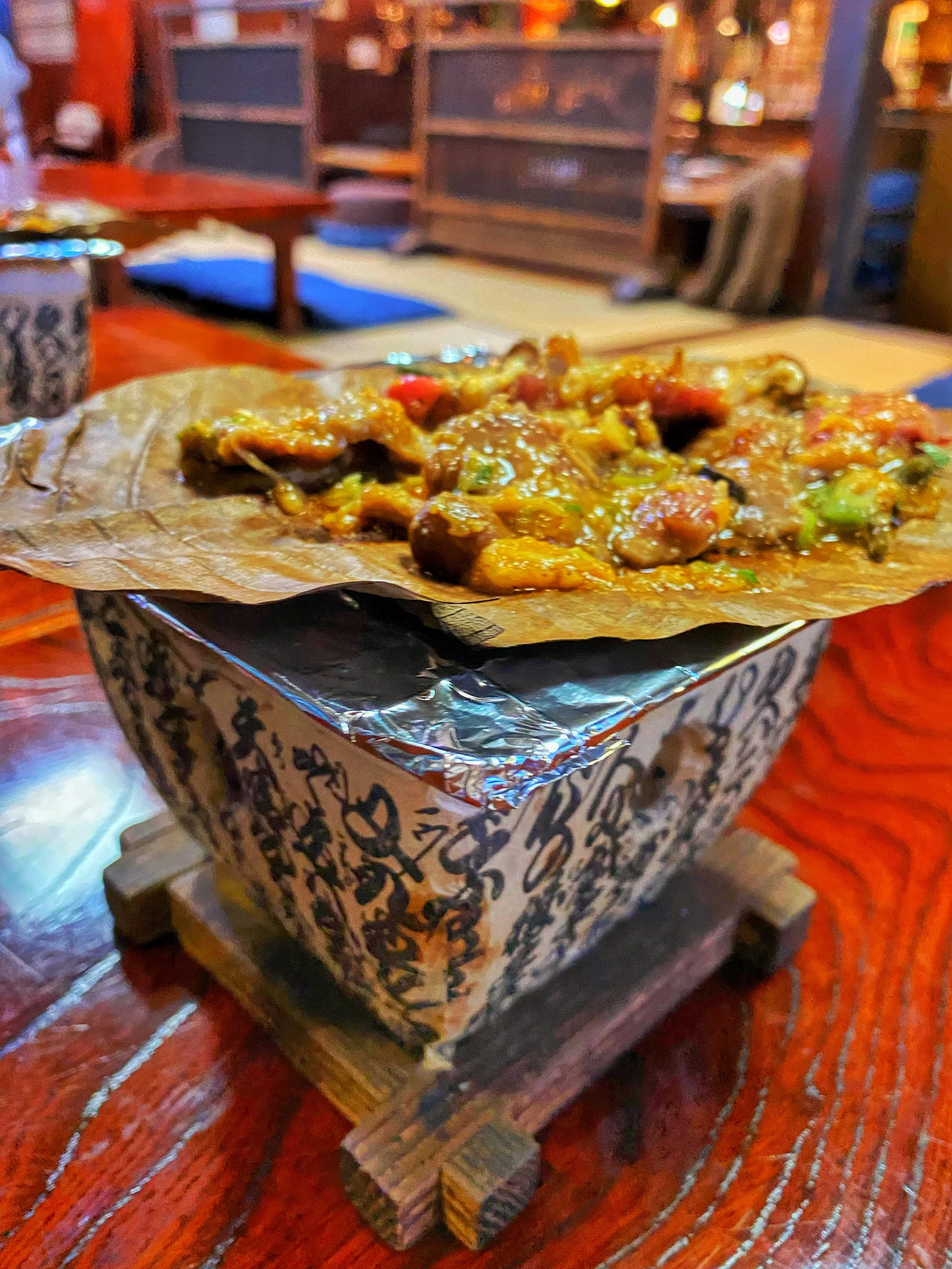
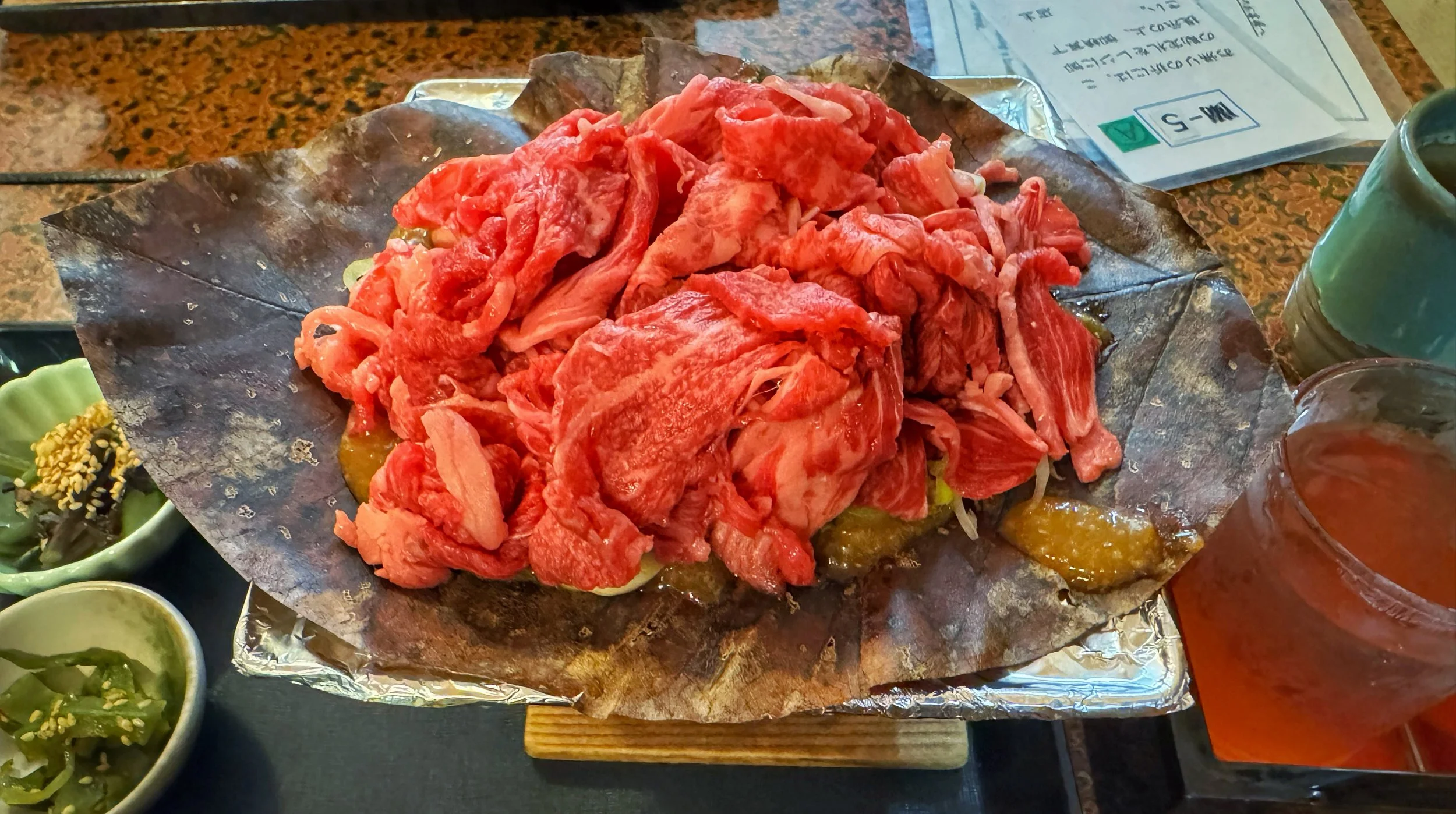
Gifu Prefecture, particularly the Hida region, has a distinctive regional food culture. Hida beef, a wagyu raised in the Hida region, is known for its rich marbling. If you find beef of this quality in Tokyo or Osaka, you will pay significantly more for it. One of the local specialties worth trying is hoba miso. It’s a thick red miso sauce mixed with vegetables and sometimes beef and cooked directly on a magnolia leaf. Takayama ramen is another popular staple with both locals and visitors. If you are exploring in the morning, the Miyagawa Morning Market is a good place to sample small snacks before continuing on to the town’s sake breweries and small restaurants.
Gujo-Hachiman has a more understated food scene but also shares many of the same regional influences. Ayu, the sweetfish from the clear local rivers, is a seasonal specialty during summer. Hoba miso and Hida beef appear on many menus as well. While the town has fewer restaurants overall, some places incorporate regional ingredients into fusion-style dishes, including curry or French-inspired dishes.
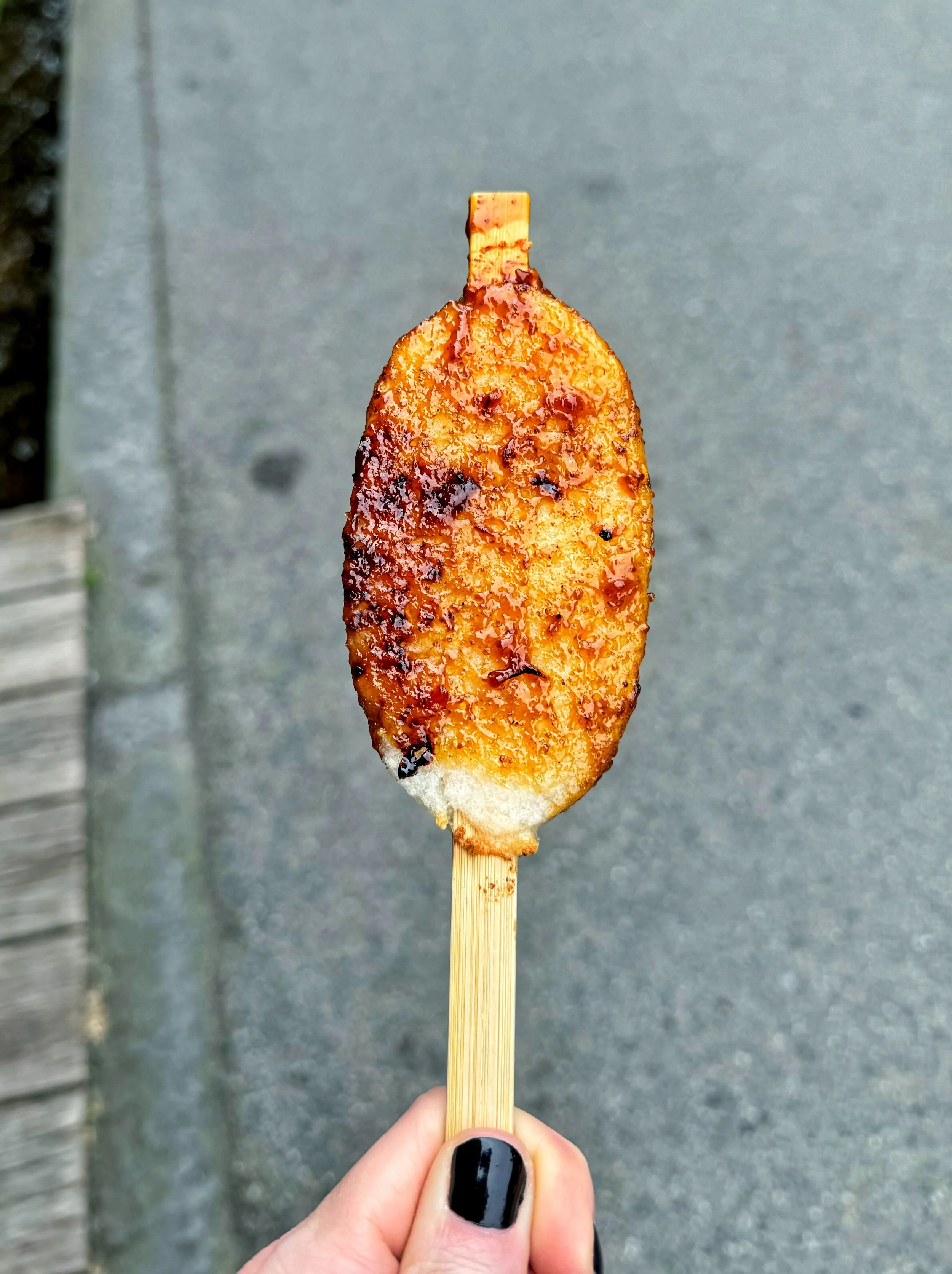
Because Takayama and Gujo-Hachiman are relatively close to each other, there is naturally some overlap in their food cultures. Both towns emphasize local and seasonal ingredients, and soba and gohei mochi are common in each area. At the same time, each town has its own style of each. The biggest common thread is the strong presence of Hida beef and the focus on regional ingredients. If you have the time, it is worth trying a few restaurants in both towns to experience the subtle differences for yourself.
Activities
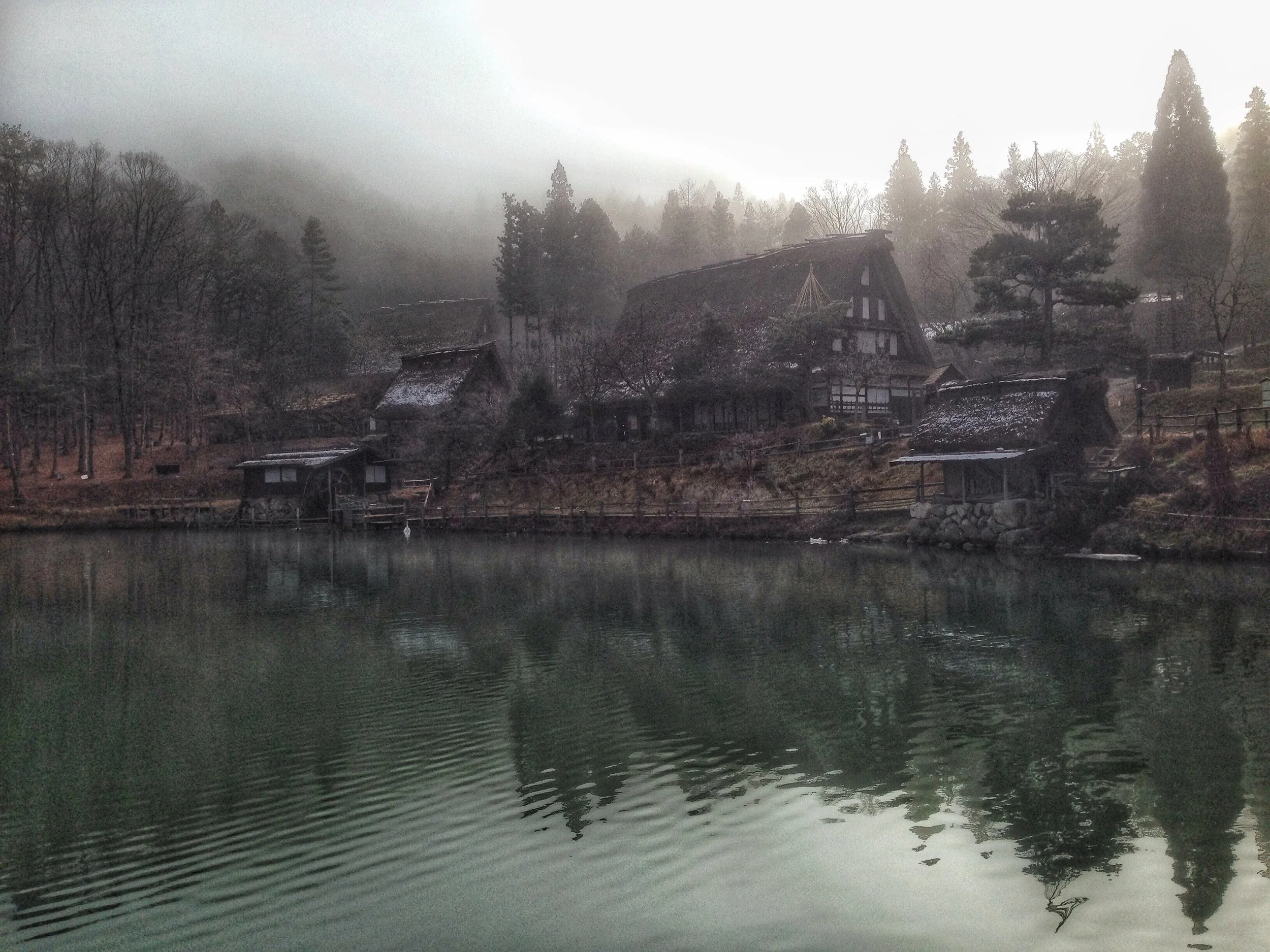
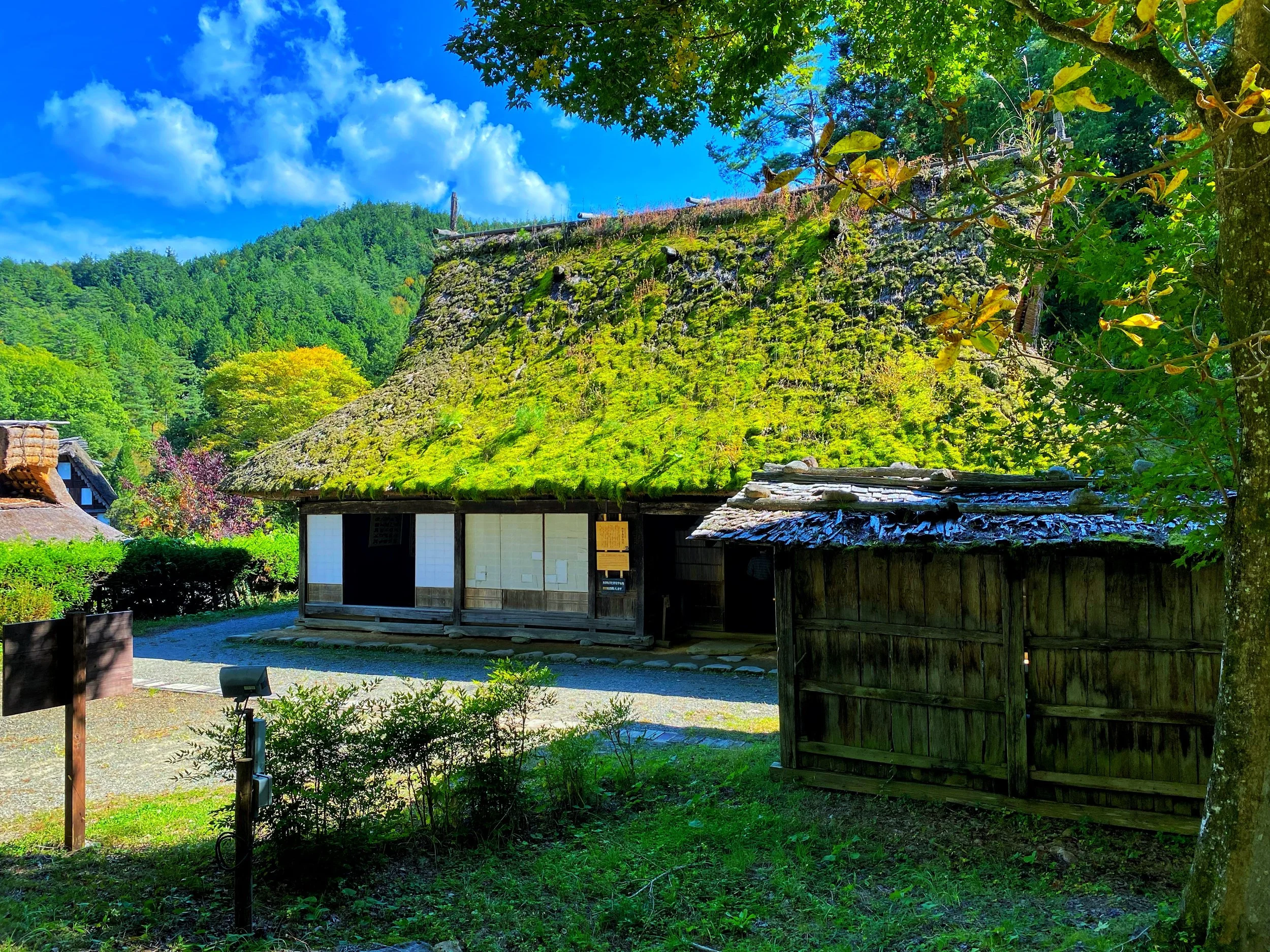
Takayama is perfect for a few slow days. Take time to walk the historic neighborhoods, try local sake, visit temples and shrines, and eat regional foods. The Hida Folk Village is not far away from central downtown and is the perfect way to spend a few hours for anyone interested in the architecture and rural history of the region. The open-air museum houses genuine gassho-zukuri farmhouses relocated from surrounding areas and is much less crowded than nearby Shirakawa-go. It is easy to fill two days in Takayama without much advance planning, but it is good to choose a few must-visit spots.
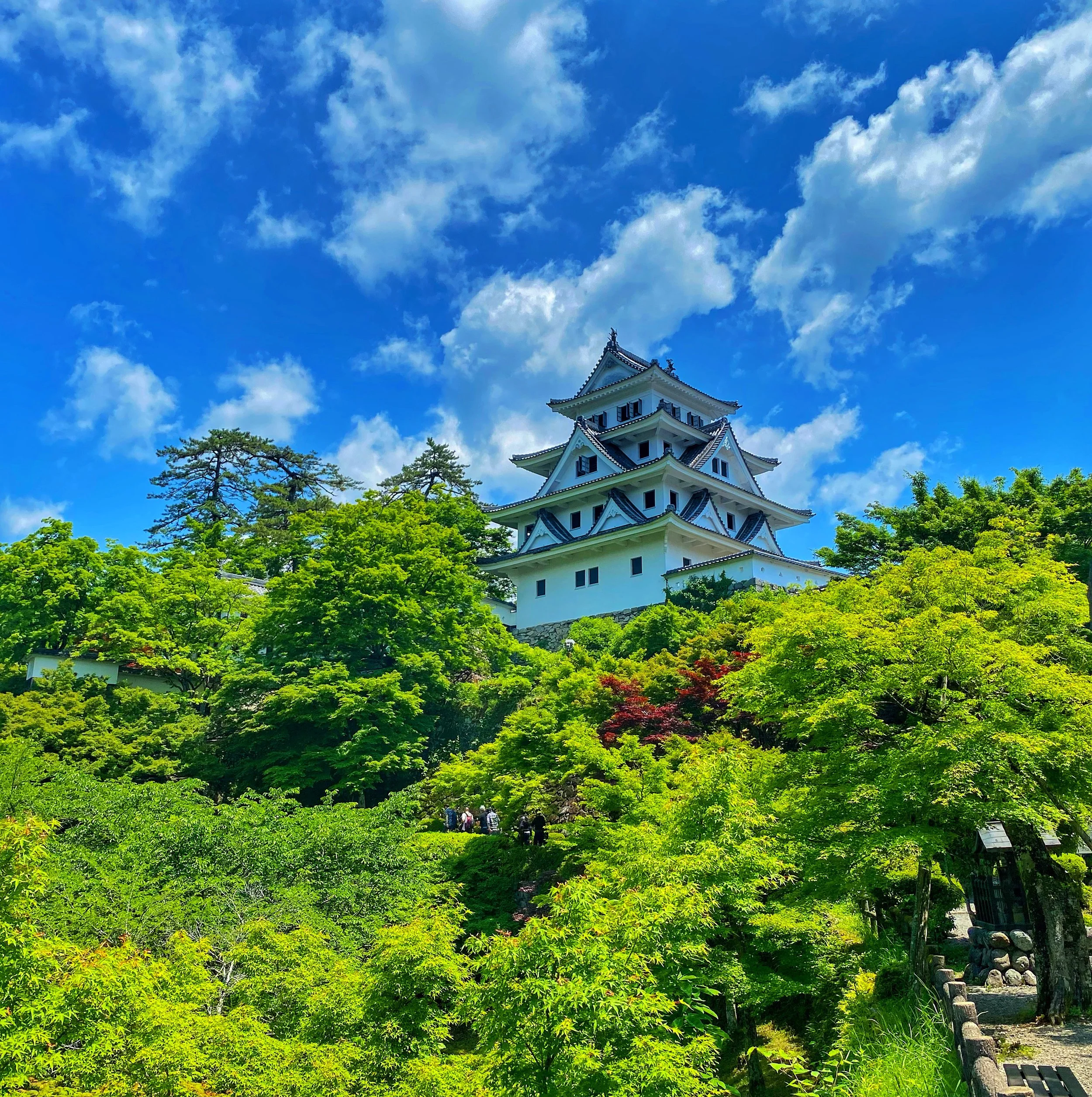
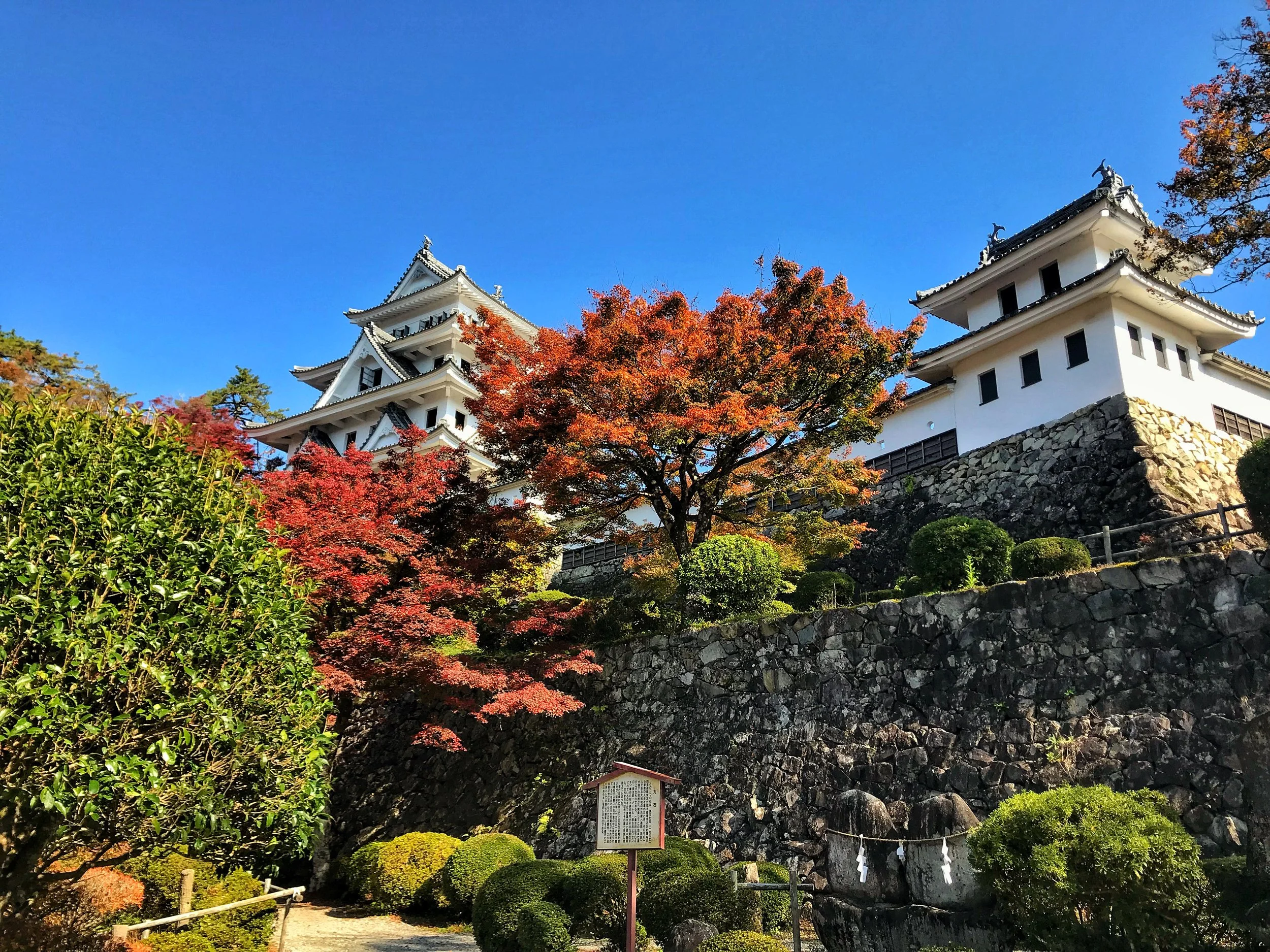
Gujo-Hachiman is better suited to wandering rather than building a tight itinerary. Visitors can hike, swim in the river, go fishing, explore the castle, or spend time in the historic old town. The castle is a replica, but the views from the hilltop are stunning in every season. For something unexpected, the area is the birthplace of Japan’s plastic food replica industry, and you can try making one in a workshop.
Getting There
Both towns are accessible by car or public transportation from Nagoya. Takayama is about 2.5 hours by limited express train from Nagoya. Gujo-Hachiman is about 1.5 by bus to 2.5 hours by train from Nagoya. If driving, it is easy to combine both towns into one trip. I recommend driving, if possible, particularly for Gujo-Hachiman, as many of the nearby spots are most accessible by car.
Best Time to Visit
Takayama shines in spring and autumn for the festivals and foliage. In summer, the mountain views and lower humidity make it appealing, and in winter the snow makes the old town look like a different place entirely.
Gujo-Hachiman is worth visiting in any season too. Spring brings various blossoms, summer means the rivers and Gujo Odori, fall turns the mountains into a fiery backdrop, and winter brings a blanket of snow.
Which One Should You Choose?
Choose Takayama if you want a well-known historic town that is easy to navigate as a visitor. Choose Gujo-Hachiman if you are looking for a local historic town set in nature.
The honest answer is that they are about two hours apart, so, if you have time, do both. Neither town should have a packed or rushed itinerary. Give at least a day for each.
For a deeper look at each town, read my full guides here: Your First Time Guide for Takayama and Discover Gujo-Hachiman.
Which would you choose? Let me know in the comments which town you want to visit or if you have visited.
