
Golden Week in Japan: Nightmare or Worth It?
Golden Week has become one of those times that people say you should avoid traveling to Japan. Like most travel advice, it is delivered as a blanket warning and is not exactly wrong. It does not tell the full story. I have lived in Japan for over ten years and have spent Golden Week in many places throughout the country. Some years were peaceful and genuinely enjoyable. However, others were not so wonderful. One particular week, it felt like the entire population of Japan stood in Shinagawa Station waiting for the Shinkansen with me.
In all honesty, Golden Week can be incredibly chaotic. It can also feel very alive because of the energy of the holiday week. Whether you experience chaos or excitement will depend on how you prepare.
Here is my honest opinion about Golden Week travel and advice I give anyone traveling during late April through early May.
What is Golden Week?
Golden Week centers around four national holidays: Showa Day on April 29, Constitution Memorial Day on May 3, Greenery Day on May 4, and Children’s Day on May 5. Sometimes, the days fall so that some people have as many as eight or nine consecutive days off work. For many people, it is one of the only long vacations that they have. Travel peaks dramatically during this time. People are not just traveling, they are enjoying events, celebrating, and exploring Japan. This period is crowded, but it also offers experiences you will not find at other times of the year.
What Golden Week is Actually Like
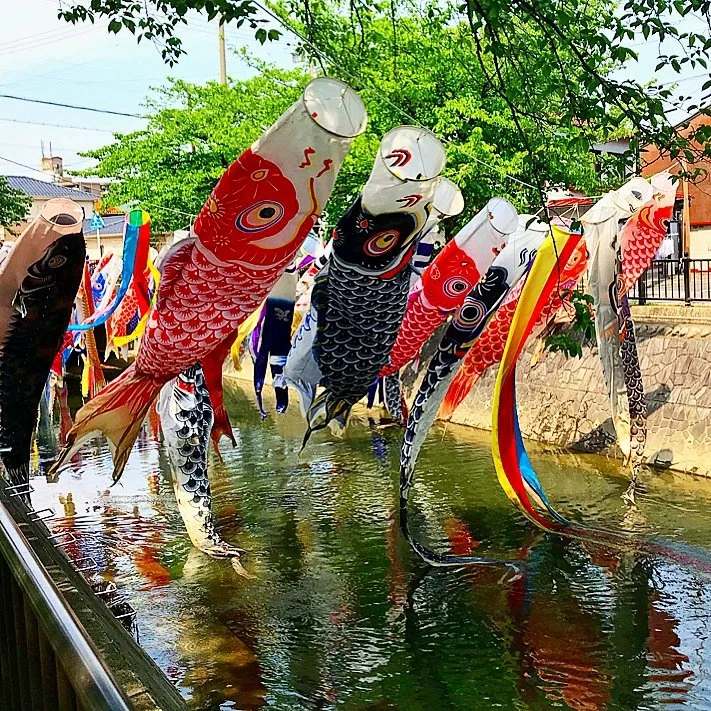
When you walk through many neighborhoods in late April and early May, you will probably notice all the beautiful koinobori, or carp streamers. These streamers are strung between poles around buildings and across rivers to catch the wind. They symbolize strength, perseverance, and hopes for children’s health and growth and are a decoration for Children’s Day on May 5. For many years, the carp streamers were rarely a major feature of travel sites or Instagram. Nevertheless, in recent years, they have become far more popular.
Beyond the visual atmosphere, Golden Week is filled with festivals and events across Japan. Some shrines and temples hold seasonal ceremonies and holiday events during Golden Week. For example, Kyoto’s Kamigamo Shrine draws crowds to watch traditional horseback archery draws. In Fukuoka, you can attend the Hakata Dontaku Festival where the streets are filled with parades and dancing. In Tokyo’s suburbs, many neighborhoods also have festivals. These are not to draw in tourists but are for local people to celebrate the holidays.
In addition to traditional festivals and ceremonies, unique experiences and events are held all over Japan. There are often food, beer, and music events throughout the major cities of Japan. Yoyogi Park and other parks in Tokyo have several events during the week and while crowded, still offer so much to do.
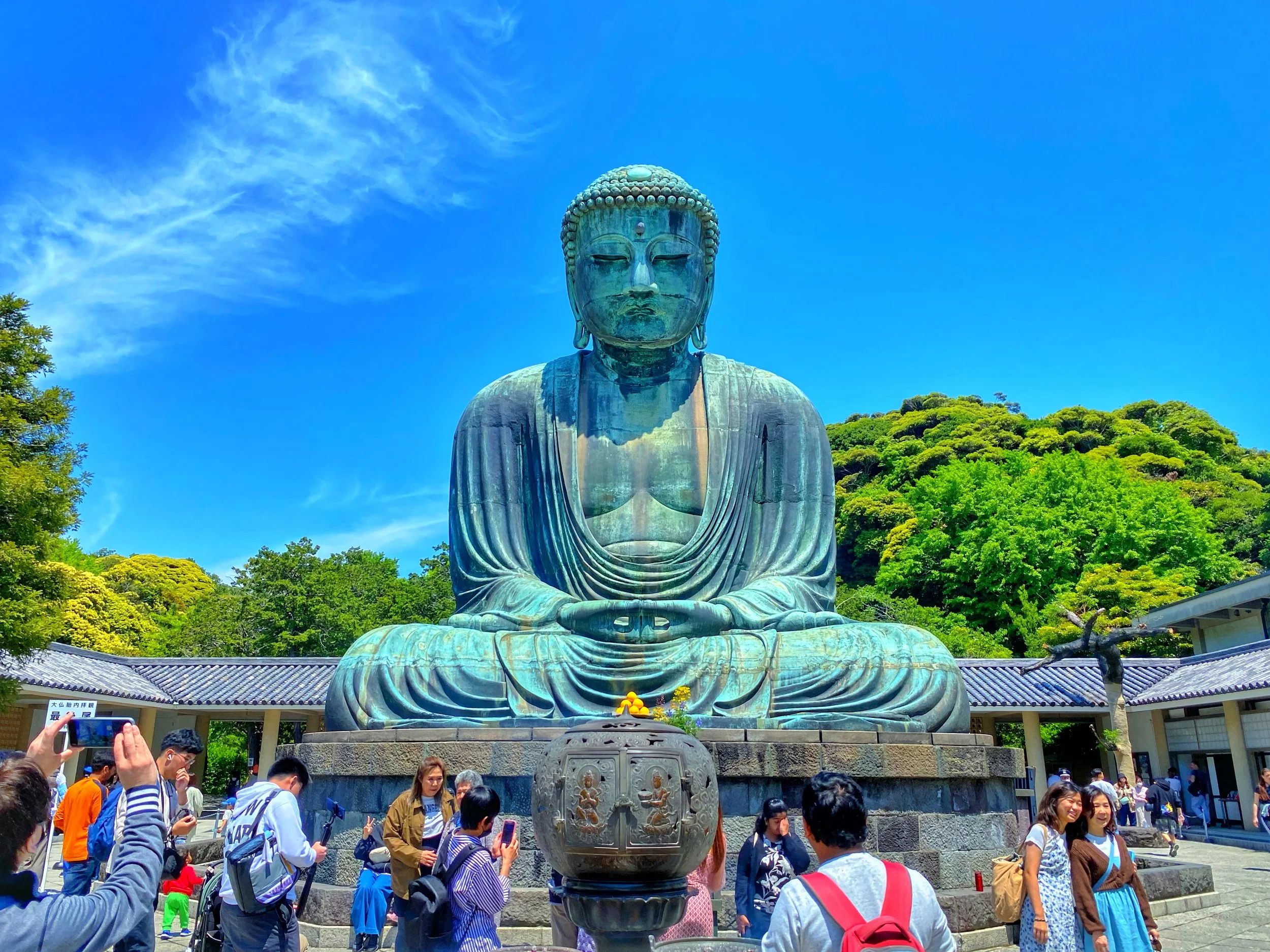
Despite the fun, Japan is crowded during Golden Week, but Tokyo often feels less intense than other tourist regions. If you are planning to visit nature-focused areas, you will be faced with traffic, crowds, and fewer hotel options. One way to combat some of the stress is to either plan to visit these places after Golden Week or to plan well in advance to make sure that your hotel and transit bookings are smooth. If you are visiting Matsumoto or Nikko, booking in advance is the best option. There are rarely last-minute availabilities or deals in these areas. Planning is key to a good Golden Week.
The Tokyo Advantage
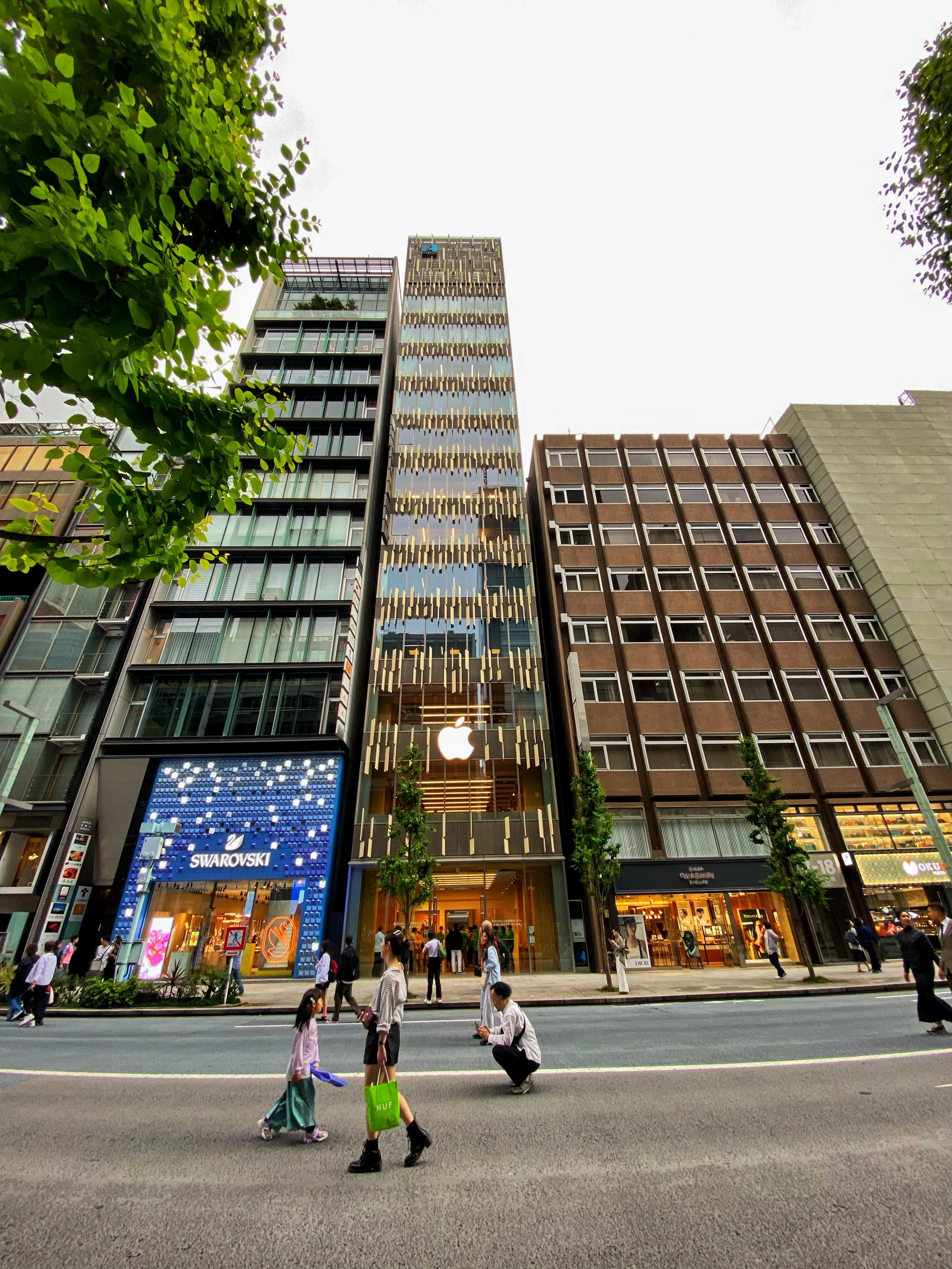
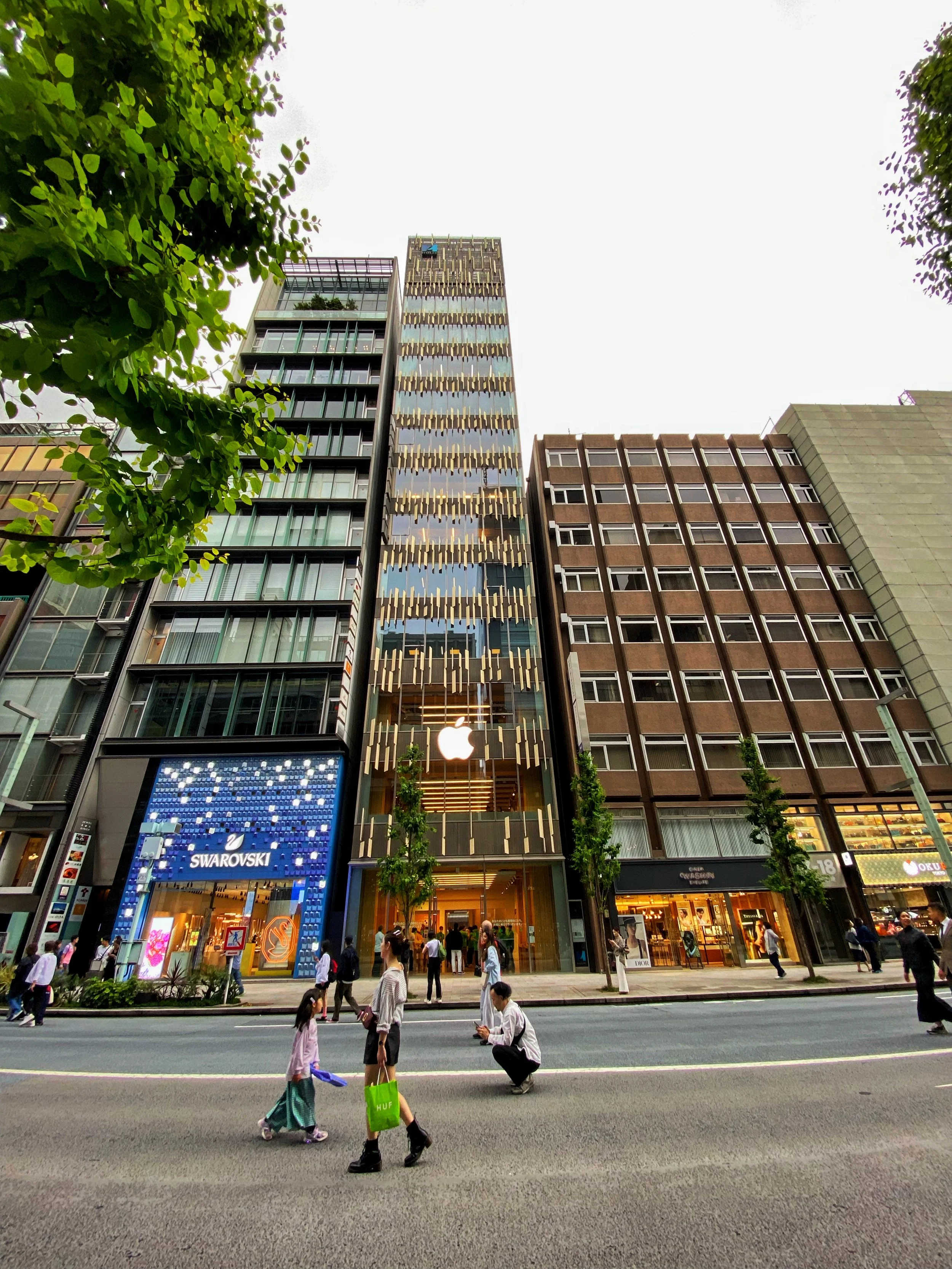
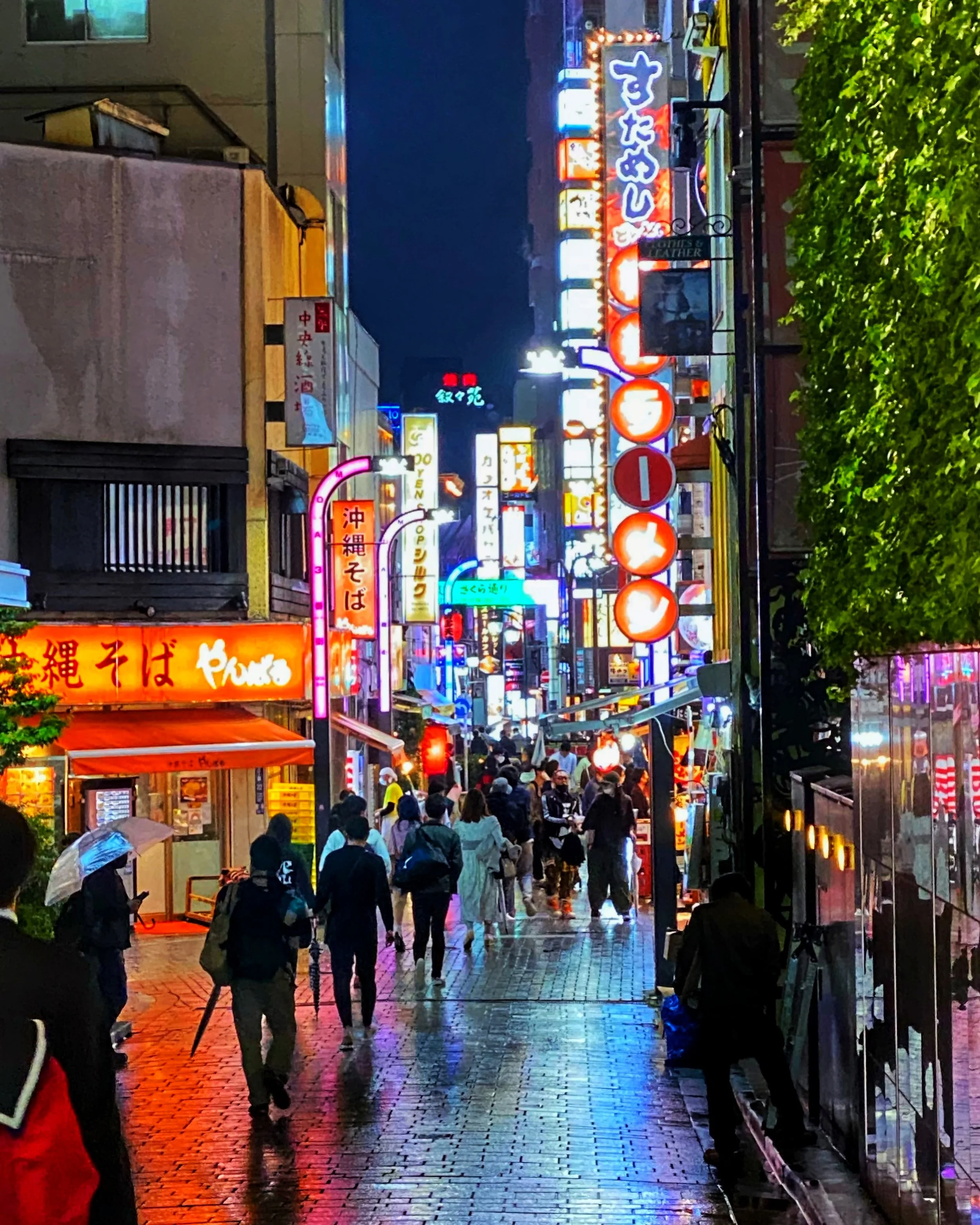
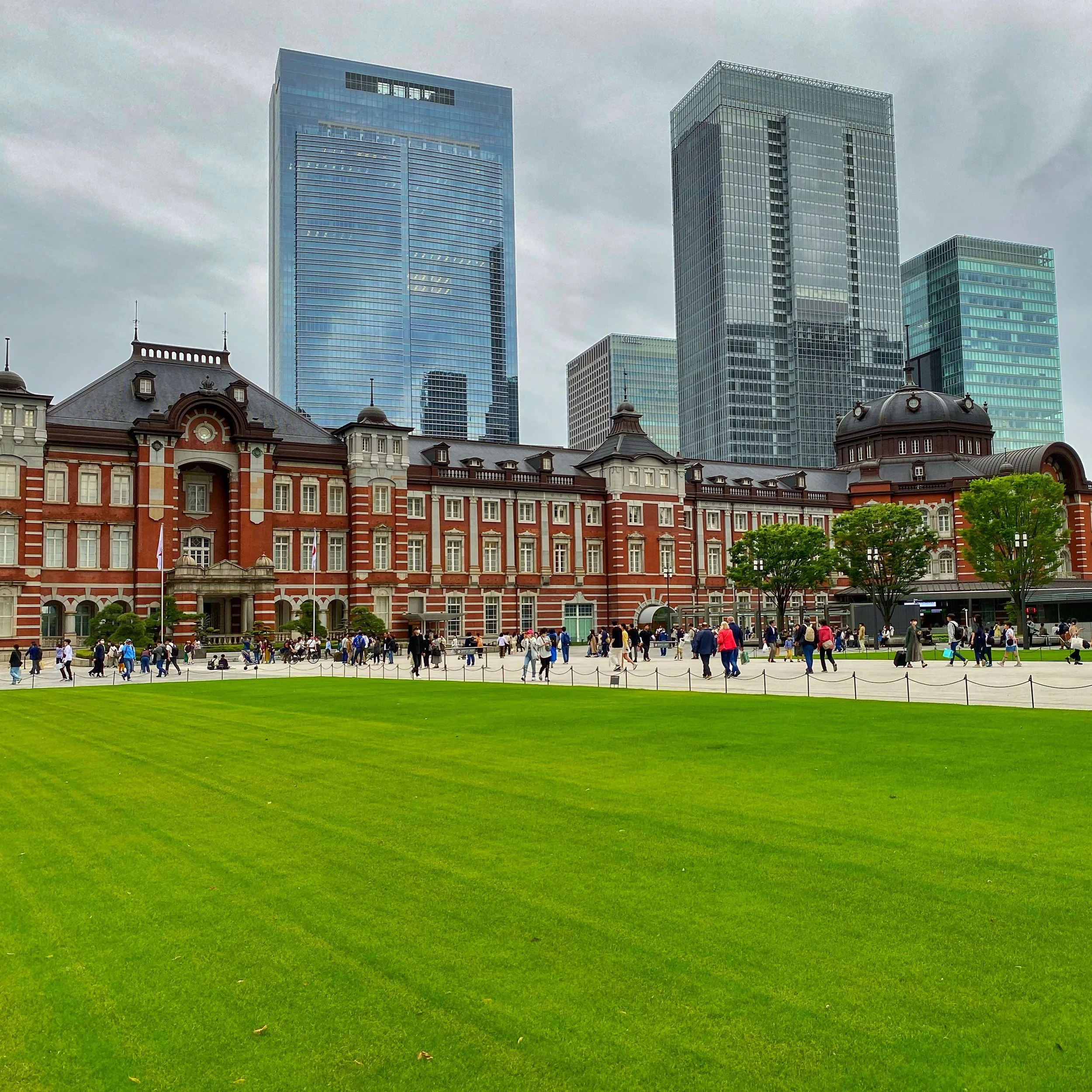
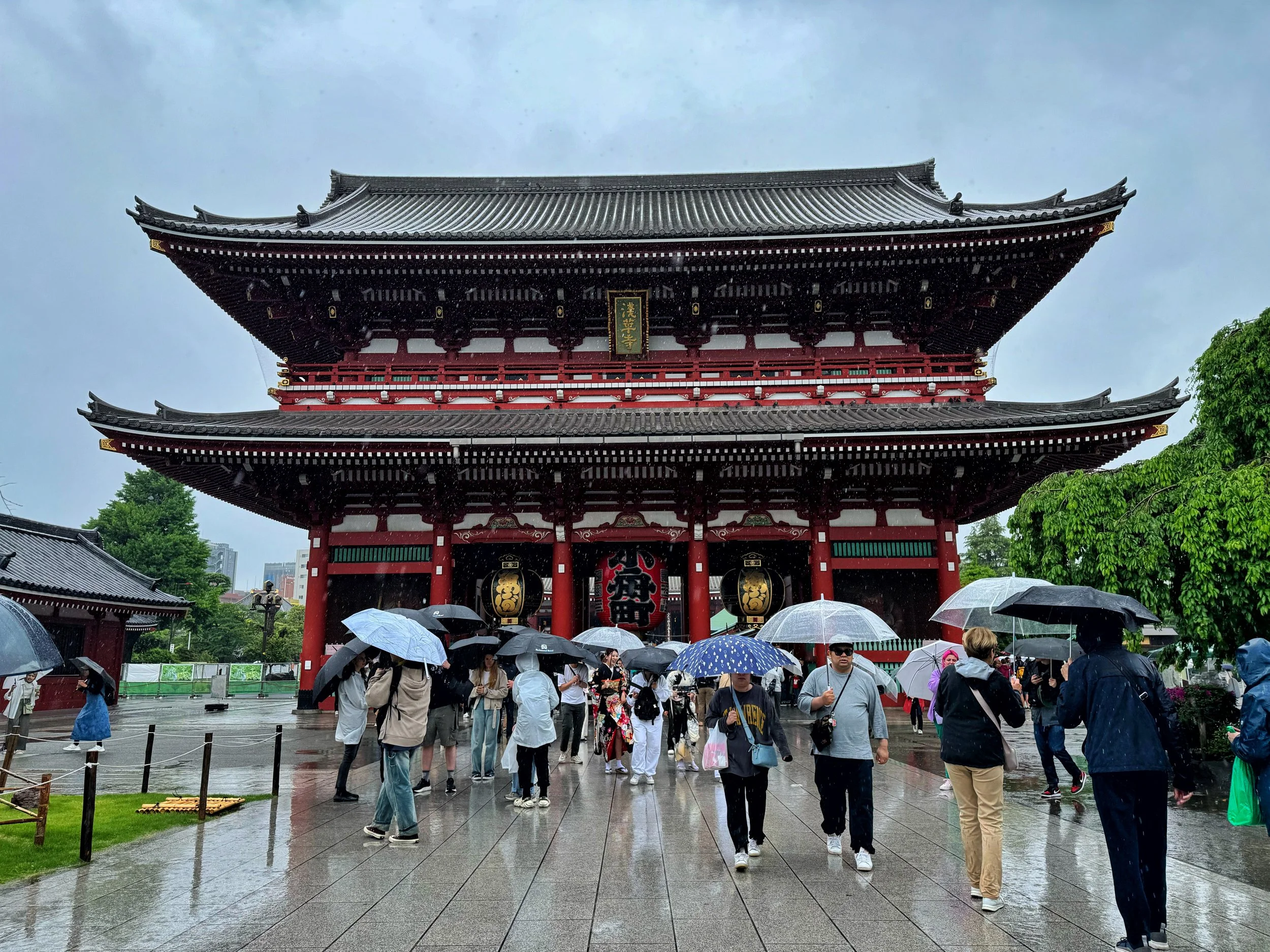
The most surprising thing to many people is that many Japanese residents leave cities like Tokyo to visit more rural areas, resort destinations, and places in nature. Tokyo can actually feel calmer in certain neighborhoods than usual during parts of the week. Many tourist sites (like Yoyogi Park or Harajuku) in Tokyo still draw large numbers of domestic and international visitors, but many local spots will be a bit quieter. In addition to that, accommodation costs in some neighborhoods can sometimes be more affordable during Golden Week in Tokyo.
Golden Week is a window to explore Tokyo without the usual density, try restaurants that are normally booked solid, or attend special events at museums and gardens. You just need to plan in advance so that you can lock in your accommodations and restaurant reservations. Last minute still is not the way to go even if it is less crowded than usual.
Why Preparation Matters
Almost everything that is difficult about Golden Week travel is predictable. Shinkansen seats fill up, accommodations fill up or cost two to three times more, and popular ticketed experiences can sell out months in advance. None of this is a surprise if you do your research. Planning will help you avoid some of these difficulties.
Book your Trains in Advance.
Shinkansen and limited express trains start to book up as Golden Week approaches. Try to book at least three weeks to a month in advance, especially if you have a specific time you need to travel. Additionally, some shinkansen and limited express trains become reservation only or temporarily reduce unreserved seating. This is important to note because you do might not have the option of an unreserved car. Even people who buy JR Passes or other passes might be required to purchase a seat reservation for these days.
Pick your accommodation deliberately and early.
If you want to book a popular ryokan, book it several months before your travel. Book any accommodation by February if you are planning to travel to popular destinations like Karuizawa, Nikko, Kyoto, or Matsumoto. Some towns might have business hotels with availability, but they will be more expensive than usual. Tokyo and Osaka can be booked later, but booking early usually allows you to get a better rate.
Research which direction the crowds are moving.
People will begin leaving city centers in late April into the first days of May as this is the beginning of Golden Week. They will return on May 5 and 6. Try to build your itinerary around this. If you are driving, it is best to avoid driving on peak days because it will eat up your time to explore. A normal two-hour drive can easily become five or six hours on these days. The train stations will be crowded no matter where you go. Having your tickets booked through apps will help you avoid the lines at ticket windows and kiosks. If you do not feel comfortable booking through apps, pick up your tickets in advance or go to smaller stations.
Head somewhere the crowds are not going.
The majority of Golden Week travel concentrates around Kyoto, coastal resort towns, mountain towns, nature experiences, and the like. Lesser-visited regions like Tohoku or Shikoku can help you avoid the heaviest crowds. Using this time to explore Tokyo is a good alternative. If you have two weeks in Japan, dedicate Golden Week to an area that will not be as impacted by holiday travel.
Why Some People Have Bad Experiences
Not all bad experiences during Golden Week can be blamed on poor research or planning. However, a large majority can be. The people who have bad Golden Week experiences tend to fall into two categories. The first group is people who tried to do the most popular things at the most popular times without booking anything in advance. The other group is the people who avoid Golden Week travel and miss some of the interesting aspects of Japanese culture that can only be experienced during Golden Week. Of course, even with the best planning, sometimes things happen that cannot be prevented.
The celebrations and local experiences are filled with opportunities to make enjoyable memories. Japan is filled with flowers and greenery. The weather is one of the biggest advantages of Golden Week. Warm days without the brutal summer humidity make for more pleasant travel. As long as you plan, Golden Week can be an exciting time to visit. Yes, you will experience crowds, but logistics can minimize the stress surrounding it.
Practical Considerations
Government offices, banks, immigration, and many health clinics close for all or part of the holiday period. Handle any administrative procedures before April 29. If you need to get prescription medicine, do so before the holiday.
Make sure to have cash on hand because many small shops, festival booths, and shrines and temples are cash only.
Smaller local businesses might also close. Check ahead before planning to go.
Some museums and gardens offer special discounts or hold events during Golden Week. Check online in advance and build anything you like into your itinerary.
Mid-week days are much calmer than the beginning and ending days of the holiday week.
Final Thoughts
Golden Week is one of those travel seasons that gets a bad reputation because many people approach it wrong. The crowds can be overwhelming, the booking windows are tight, and if you show up without a plan, it will be sheer chaos. However, the majority of chaos is optional. The festivals, koinobori, and quiet side streets of the cities can be enjoyed while the majority of people head to the coast or mountains. None of this requires luck. It requires research and effort.
I have spent more than a decade traveling in Japan’s holiday seasons. Golden Week used to be something that I dreaded or looked at as an excuse to leave Japan rather than explore it. Yet, it has become one of my favorite times to travel. If you are planning to be here and have any questions, let me know in the comments or reach out through my contact form. And if you are already deep in the planning process, let me know where you are heading. I would love to hear what is on your list.
