
Your First Time Guide for Takayama
Let me preface this guide by saying that Takayama is not a hidden gem or a place with fewer visitors. It’s a heavily touristed destination, and because of all the wonderful things the area offers, it is worth the fame. One thing I will note is that the city and local businesses welcome and have adapted to the tourism better than some areas with high foot traffic. There are differences in how you visit the city too. Are you planning a stopover between cities or are you making it a destination to explore deeply?
Takayama is located in the Hida region of Gifu Prefecture and spent most of the Edo period under direct rule of the Tokugawa clan. The Sanmachi District looks like the reconstructions in other cities. Yet, much of it is original. The food, sake, and morning markets are just as much for locals as they are for tourists. While some things have adapted to be more accommodating, the culture and history are remarkably well-preserved.
I do not live very far from Takayama and have been more times than I can count. This is what I would tell you if we were planning your trip together.
Must-Visit Places
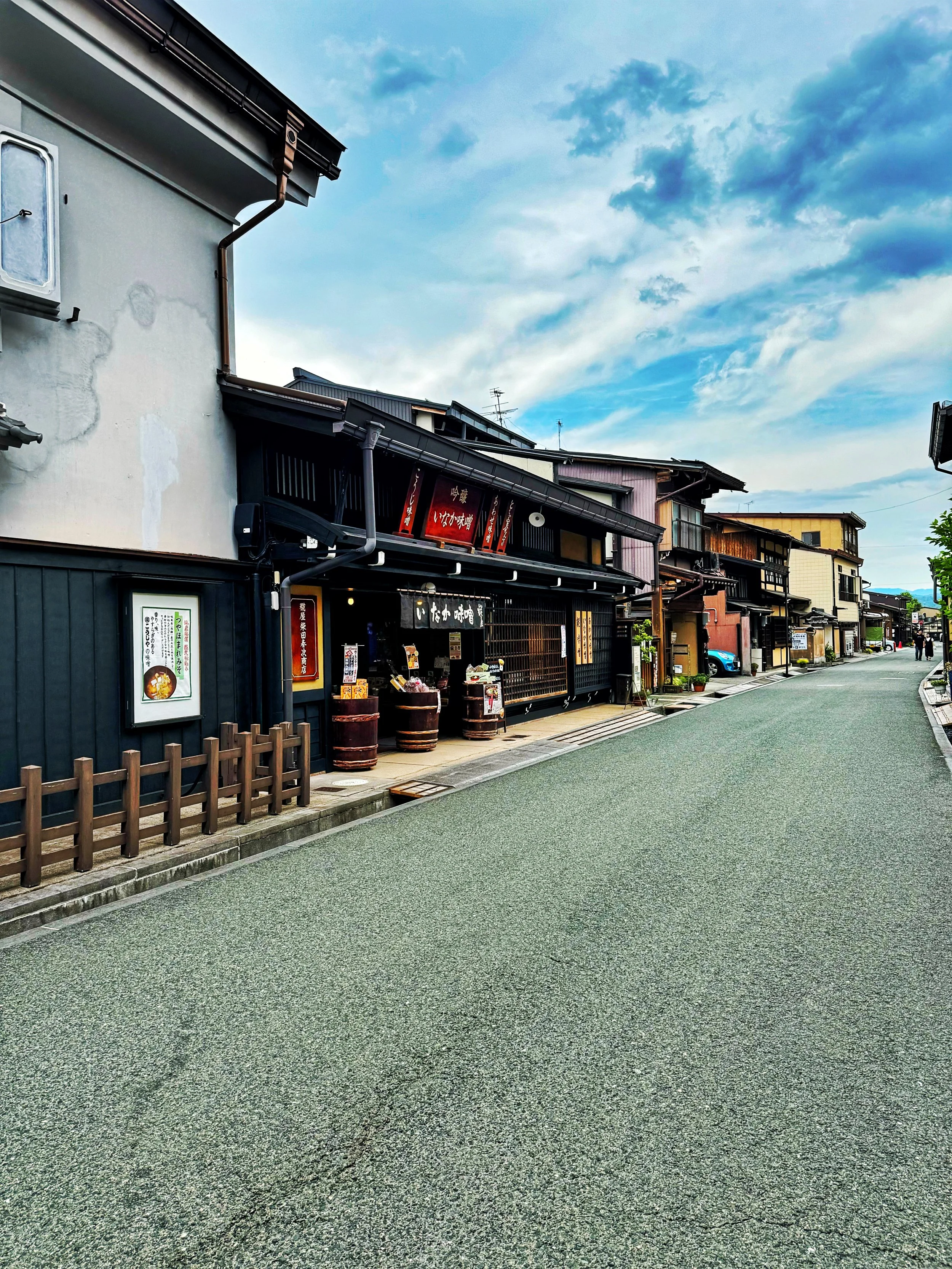
Sanmachi Suji
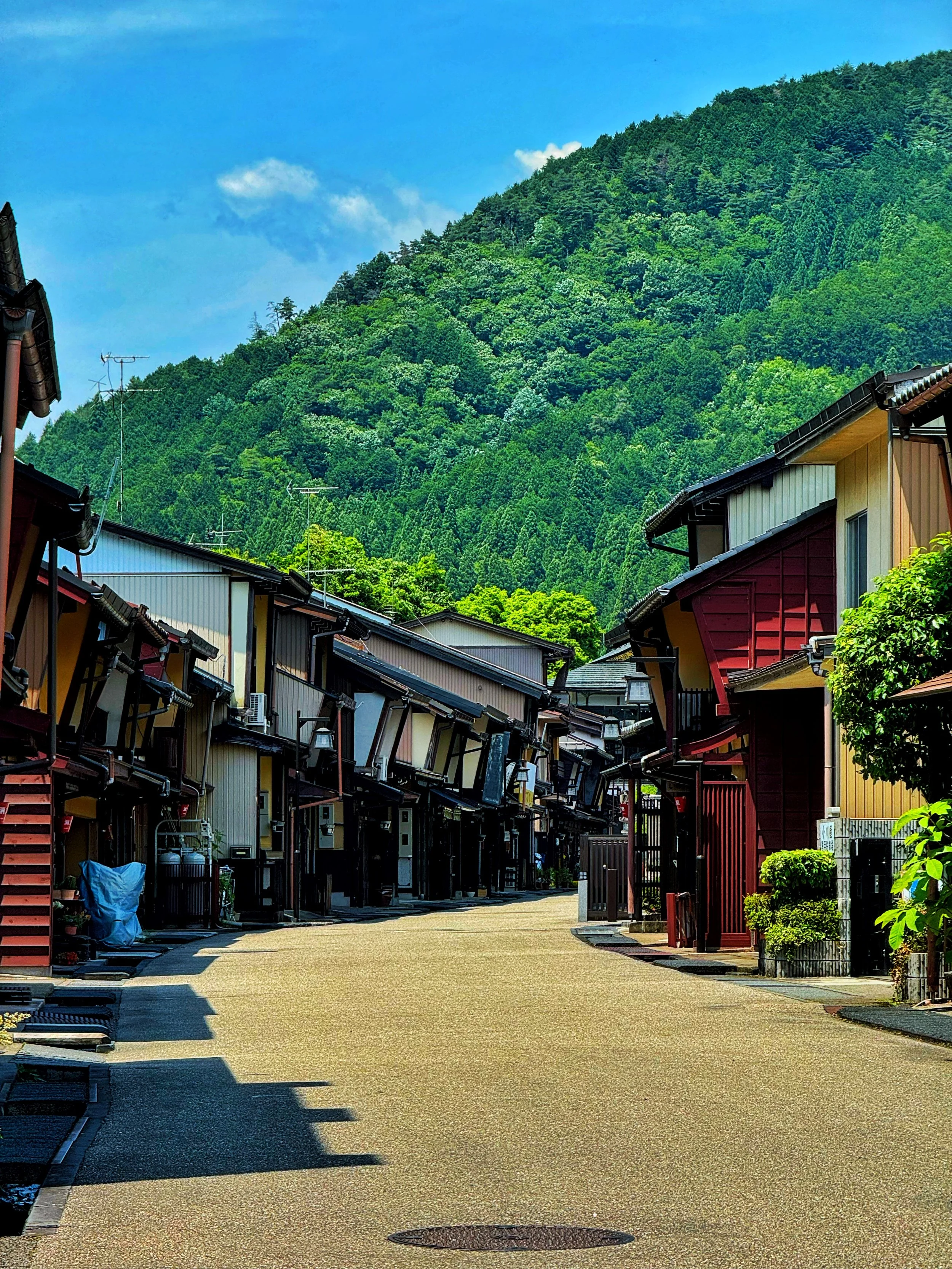
This is the preserved merchant district, and it really draws tourists into the area. Parallel streets are lined with sake breweries, miso vendors, craft shops, and small cafes. The dark-wood townhouses, or machiya, help you understand why people draw similarities to Kyoto. Takayama has so much that is actually different from Kyoto as well. Go early in the morning before tour buses arrive to fully enjoy the views before the crowds get too large.
The Sake Breweries
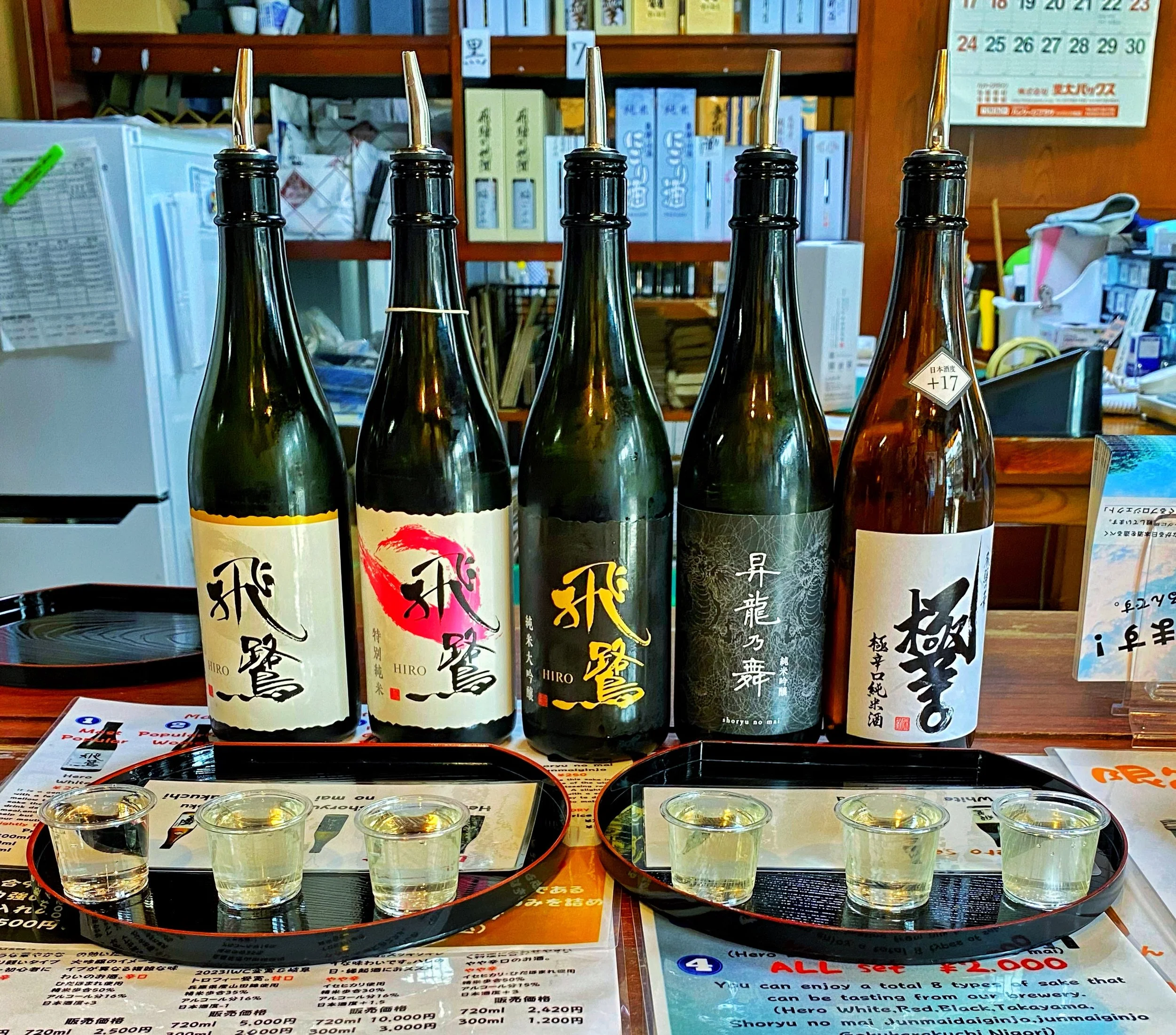
Takayama has some of the best water in Japan which is why the sake has such a high reputation. The breweries along Sanmachi Suji are easily identifiable with the sugidama, or cedar balls hanging above the doors. These balls slowly change from green to brown as the most recent brew matures. You can go into many of the breweries for tastings or to purchase bottles. If you skip the souvenir shops, you can go directly to the source and even ask questions.
If you are looking for more than a casual tasting, here are some of my recommendations:
Funasaka Sake Brewery- This is among the oldest breweries in the district and has a small museum section to teach more about the history.
Harada Brewery- This one is known specifically for the Junmai it produces.
Kawashiri Sake Brewery- This one is smaller but usually has fewer visitors which means that you have more opportunities to chat with the staff.
Hida Jizake Kura Honten- This is a good place to visit if you want to sample many producers in one shop.
Takayama Jinya
This is the former regional government office and was the administrative seat of Tokugawa rule for the Hida regions from 1692 until the Meiji Period. Even after the Meiji Restoration, it was used as a government office too. It is one of the only remaining government outposts of its kind in Japan. The building is huge. There are rice storehouses, reception rooms, interrogation chambers, and even an old toilet! The scale of what was needed to establish rule in the mountain area is genuinely impressive.
Miyagawa Morning Market
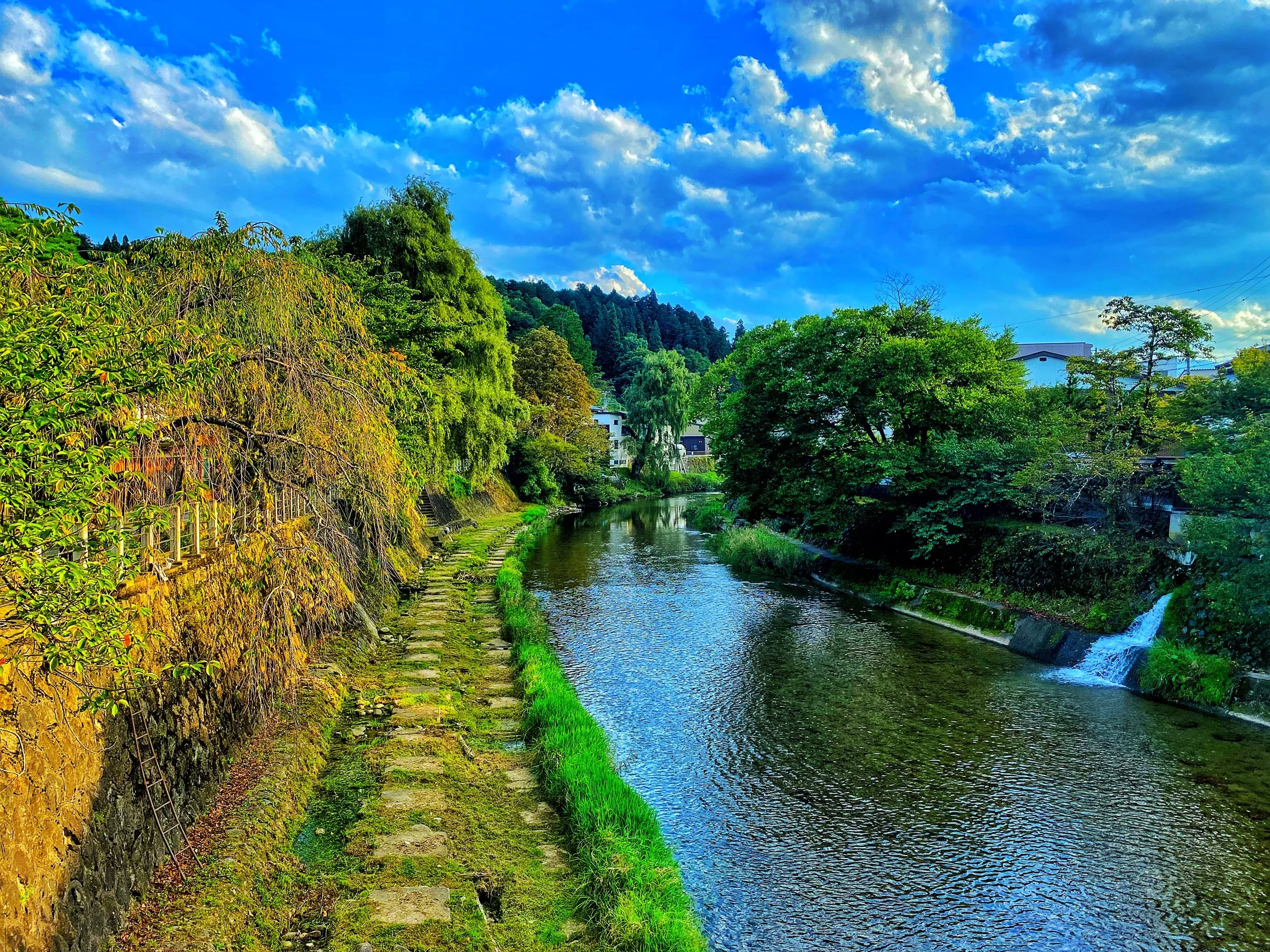
Every morning along the Miyagawa (Miya River), local shops and producers set up stalls selling everything from fresh vegetables and coffee to local crafts. It usually goes from around 7:00 until noon. The Jinya-mae Market (in front of Takayama Jinya) runs on the same schedule but is a bit smaller. Go before breakfast and find something unique to take home or try some fresh food right there.
Hida Kokubun-ji
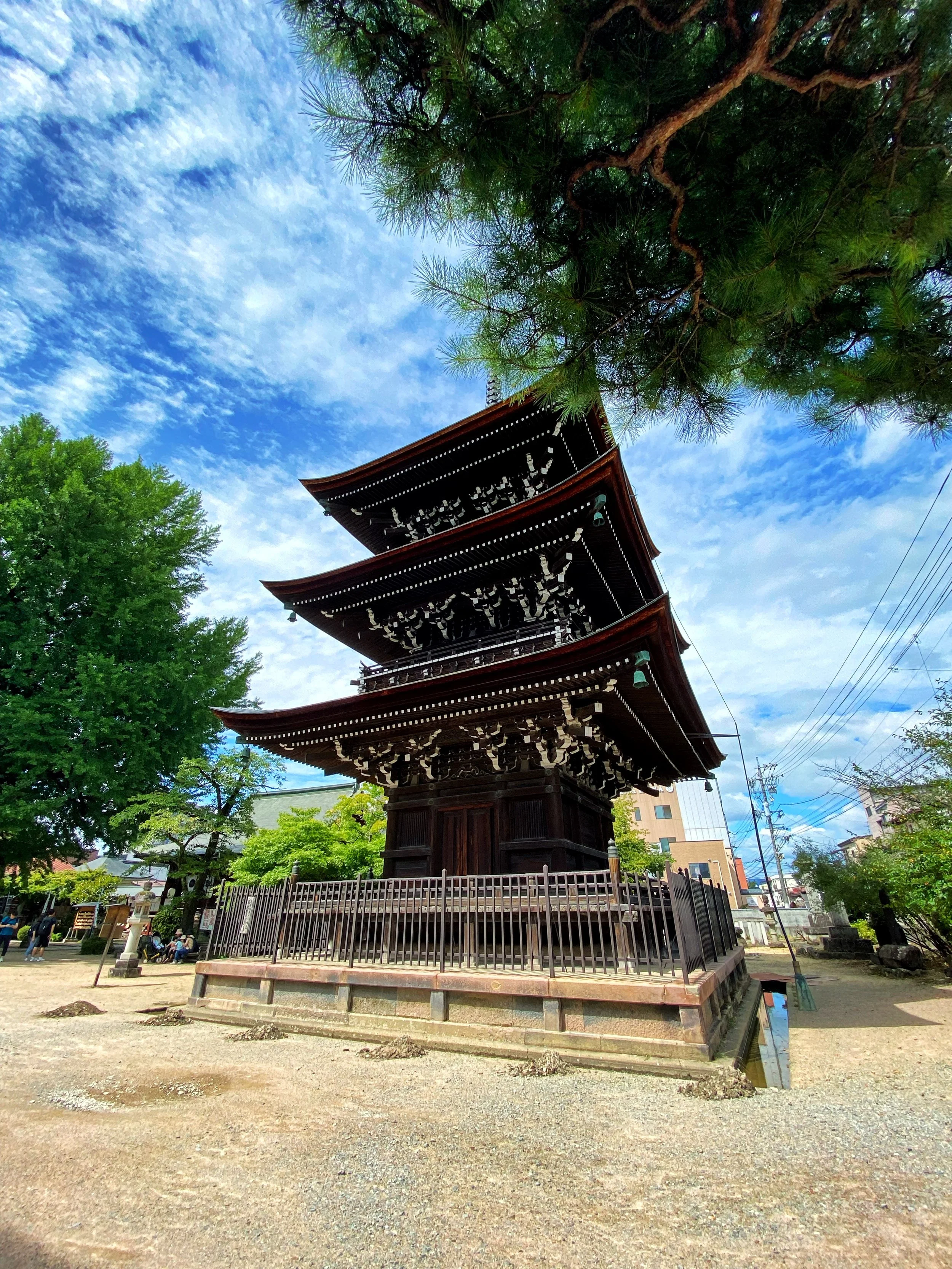
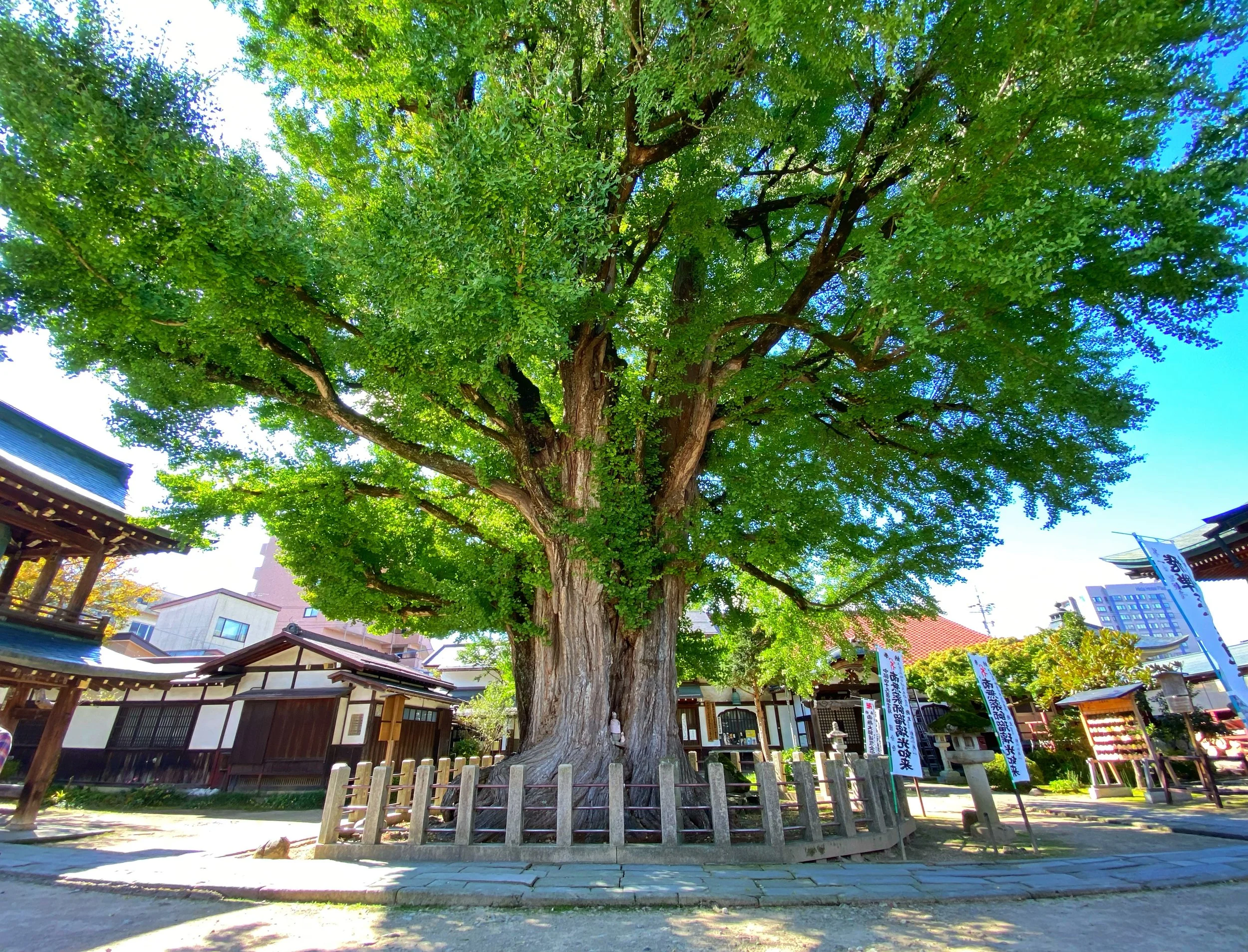
This is the oldest temple in the Hida region and was founded in the 8th Century. The three-story pagoda is designated as an Important Cultural Property, and the ginkgo tree on the grounds is estimated to be around 1200 years old. It’s only a five-minute walk from Sanmachi Suji and is almost always quieter than the surrounding areas. Most people walk right past it without knowing the history.
Sakurayama Hachimangu
This shrine complex is at the northern end of the city and is home to the Takayama Festival, one of Japan’s three great festivals and a UNESCO Intangible Cultural Heritage. The festival is held in spring and autumn and draws significant crowds to Takayama. The yatai, or festival floats, are housed in the Sakurayama Hachimangu Yatai Kaikan museum when not in use. The floats have a history dating back to the late 17th century and feature karakuri mechanical puppets. If you cannot visit during festival season, the museum is definitely worth your time.
Hida no Sato (Hida Folk Village)
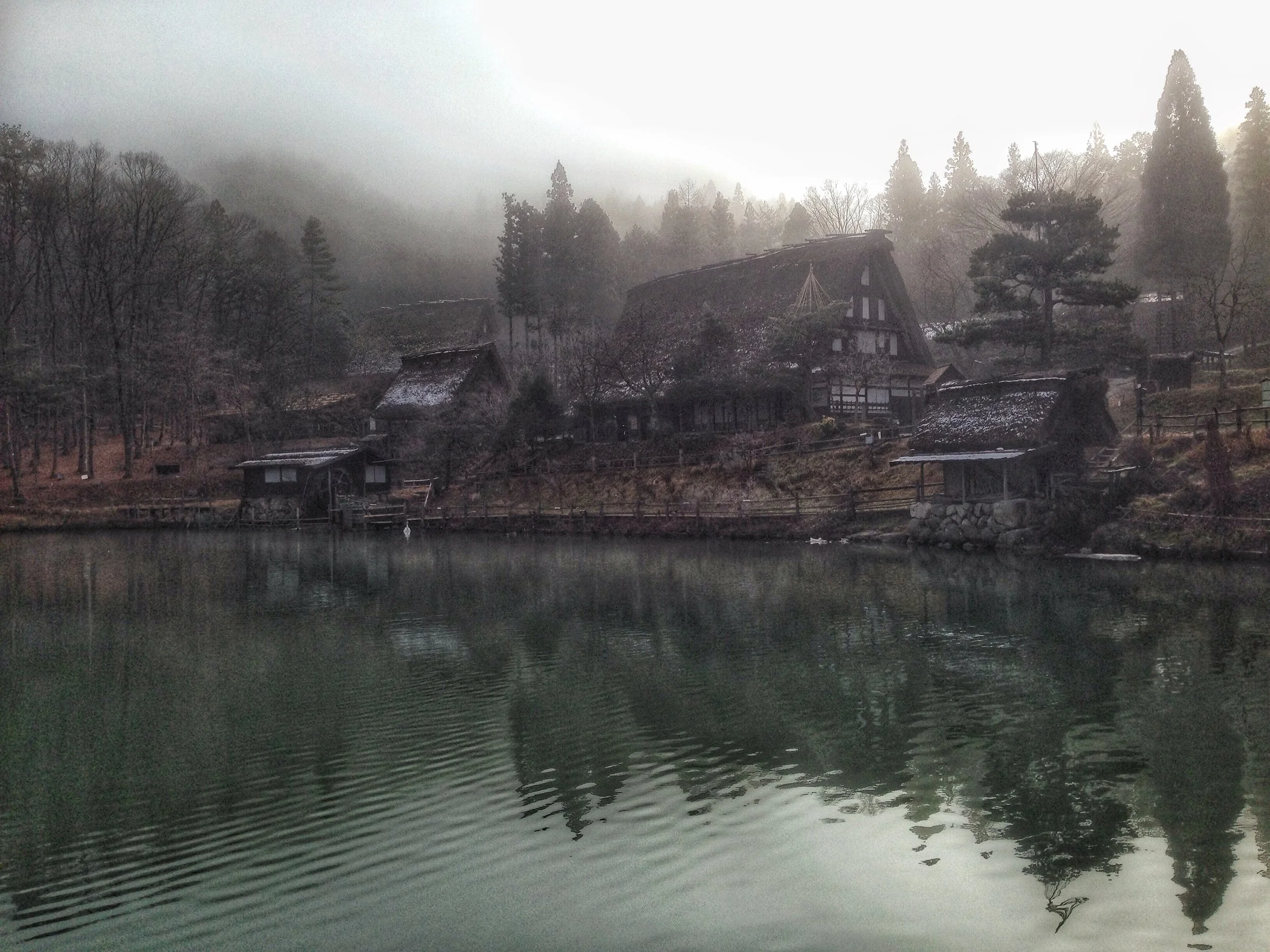
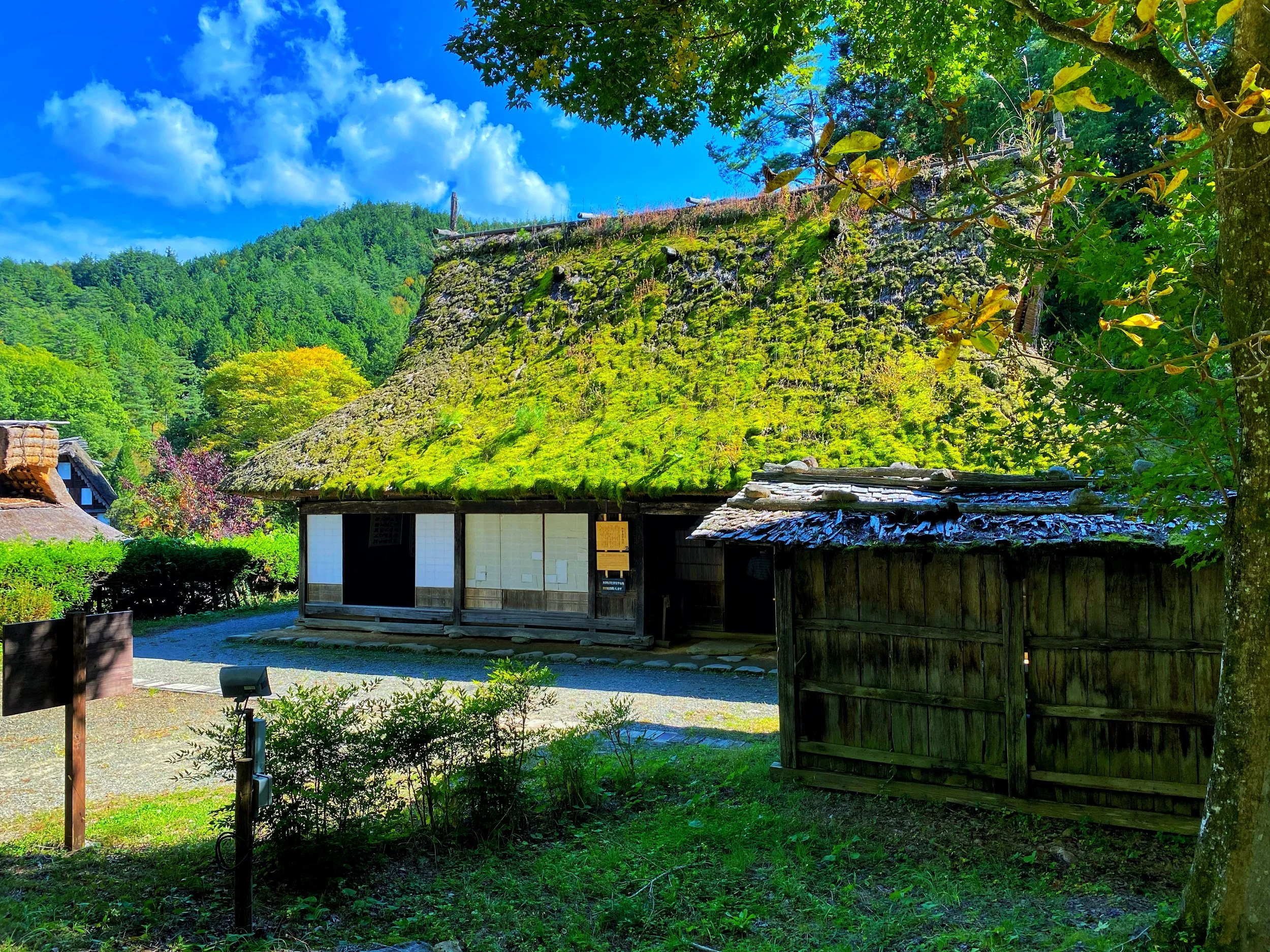
This open-air museum of relocated gassho-zukuri farmhouses is about a 10-minutes by car or bus from the city center. The steep thatched roof construction style was designed to protect the home from heavy snowfall. This home style is most commonly associated with Shirakawa-go or Gokayama, but the structures at Hida no Sato are genuine as well. They were actually moved to the village from surrounding areas. It’s best to visit early in the morning for lighting and fewer people.
Where to Eat
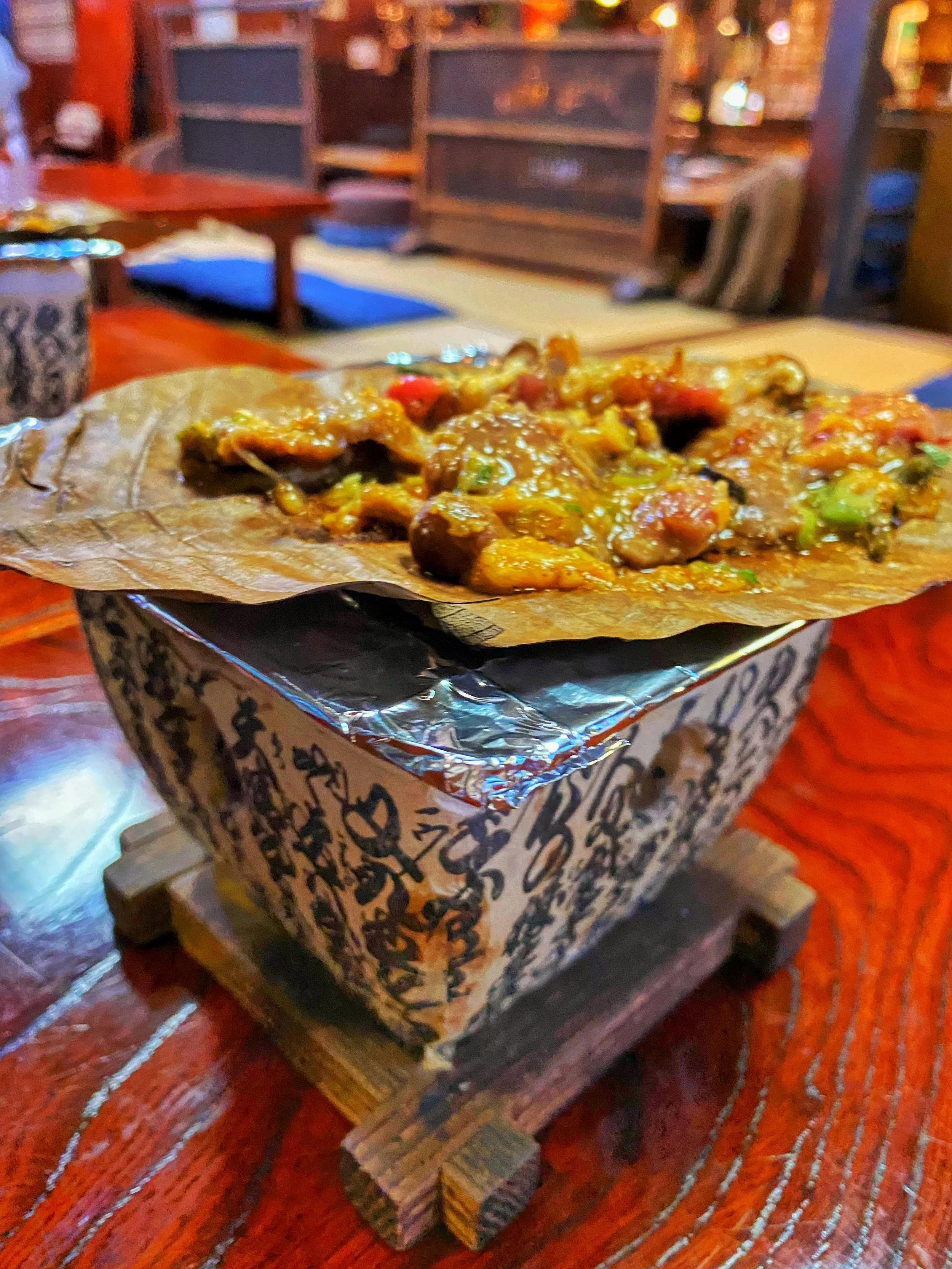
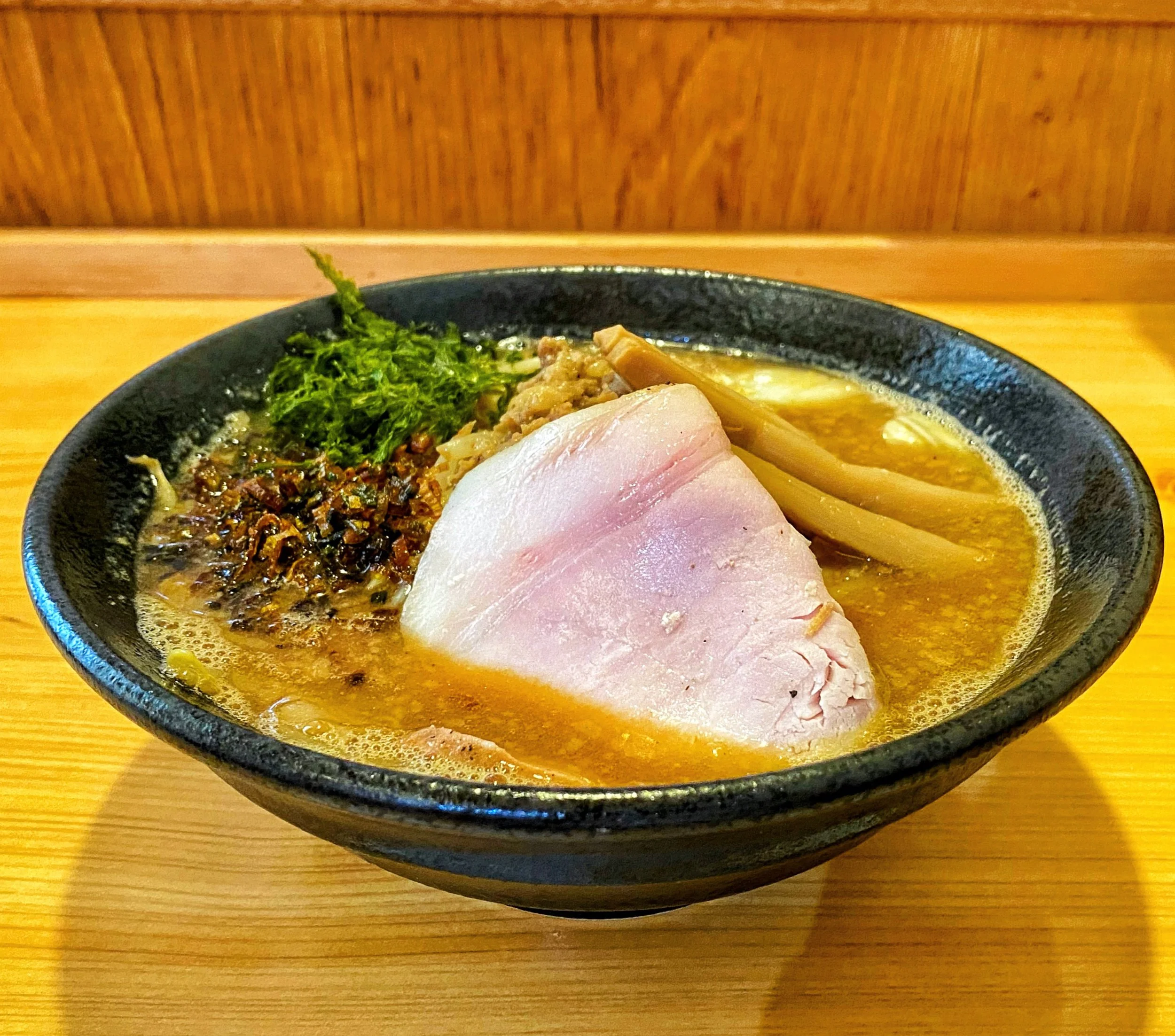
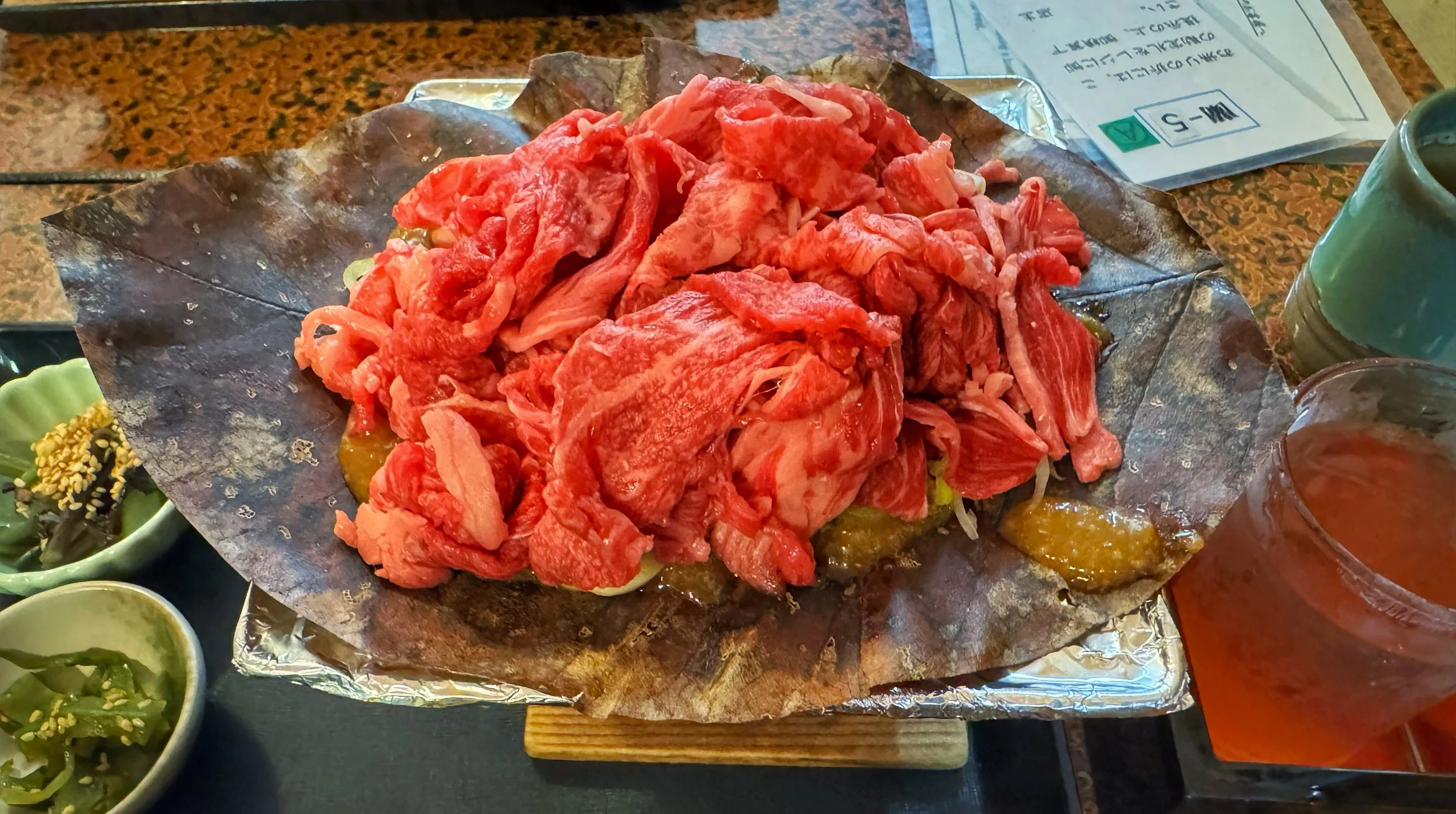
The regional specialties are Hoba Miso and Hida beef. Hida beef is a wagyu (domestic beef) raised in Gifu Prefecture and known for its marbling. If you find beef of this quality in Tokyo or other major cities, you will probably pay three times the cost. Another popular draw, as with many mountain towns, is the soba. There are several small restaurants serving up their own handmade noodles. Lastly, Takayama ramen is very popular with locals and travelers alike. Any of these foods are a great choice when traveling in Takayama and surrounding areas. My personal favorites are the Hoba Miso and Hida beef.
For Hida Beef:
Kyoya- This is the one that I recommend to people regularly. I always recommend the course menus over ordering a la carte because it allows you to try many dishes. On top of that, they have a variety of seating arrangements too.
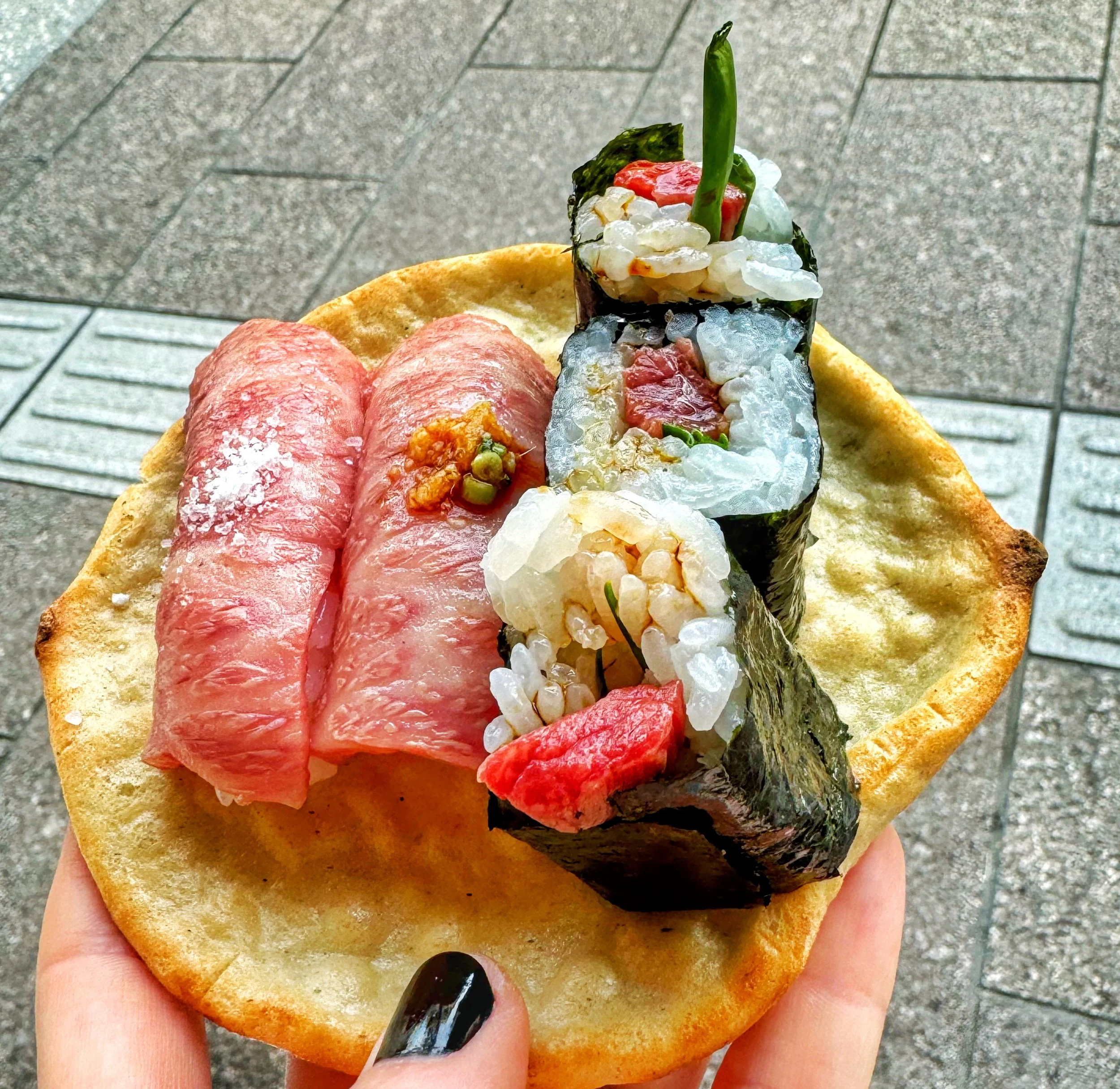
Kyoshi- If you prefer Hida beef alongside beef sushi, this is the place. Many people grab some beef sushi from vendors in the Sanmachi Suji area. That said, this place is my favorite, and it is just a short walk from Sanmachi Suji. You can choose to eat in or take out some delicious sushi.
Saguchiya- This restaurant is one that offers quality Hida beef and has been doing so for many years.
Kamamura- If you are wanting to try both Hida beef and soba, look no further than this shop. You can try both in one location especially if you have limited time.
For Soba:
Nagase- While this shop is quite busy and often has a line, it is worth it. Traditional sides and variations are available too.
Nogawa- This shop is a bit quieter in volume because most people are more focused on eating than talking. People do not tend to linger in this small shop, but there is still sometimes a wait.
Kofune- While this shop is popular for their soba, they additionally offer hida beef sides and other Takayama specialties.
For Other Styles:
Kakusho- This kaiseki-style restaurant was influenced by both Buddhist style cooking and local Hida ingredients. If you are looking for a longer meal experience and to try local foods, this is for you.
Heianraku- This small shop stands out because it is Chinese food in a city known for Japanese food. It is a local institution and is popular for a reason. Make sure if you want to try this one that you get a reservation.
Onigashima- This is a modern izakaya that is perfect if you are looking for dishes to share, some local sake, and a lively environment.
Bar Thumbs Up!- If you are looking for a mix of Japanese and American pub food and craft beer, this is the place to go. The owner is incredibly friendly and speaks English. He even grows his own jalapenos to use in the dishes he makes.
Coffee, Tea, and Sweets
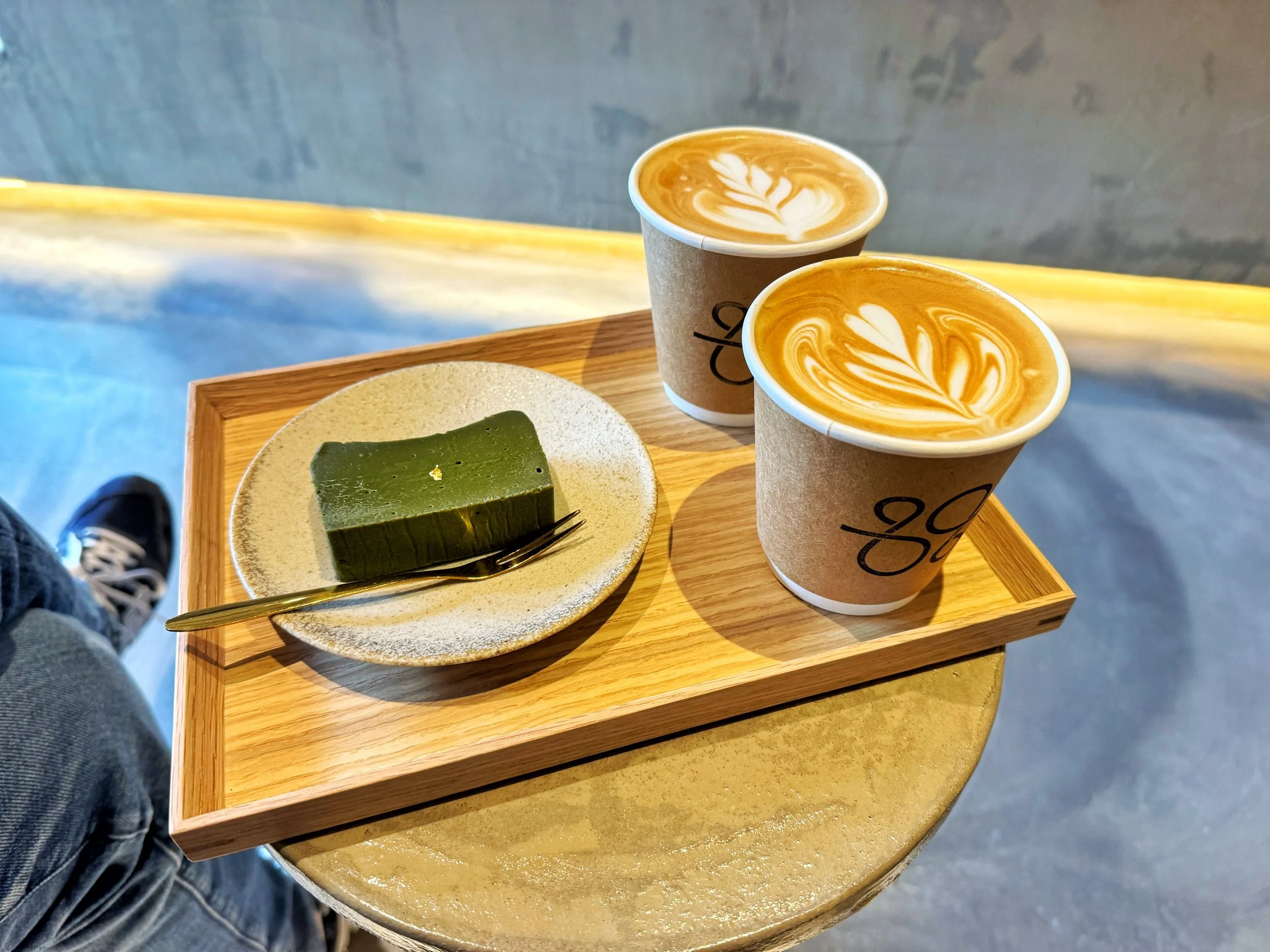
Takayama has a coffee and cafe culture that is shockingly vast. Unlike some mountain towns of its size, there are no shortages of cafes. While traditional sweets are easy to find, there are also independent roasters and serious espresso shops too.
Specialty Coffee:
Ember Espresso- This is the most technically focused espresso in the city.
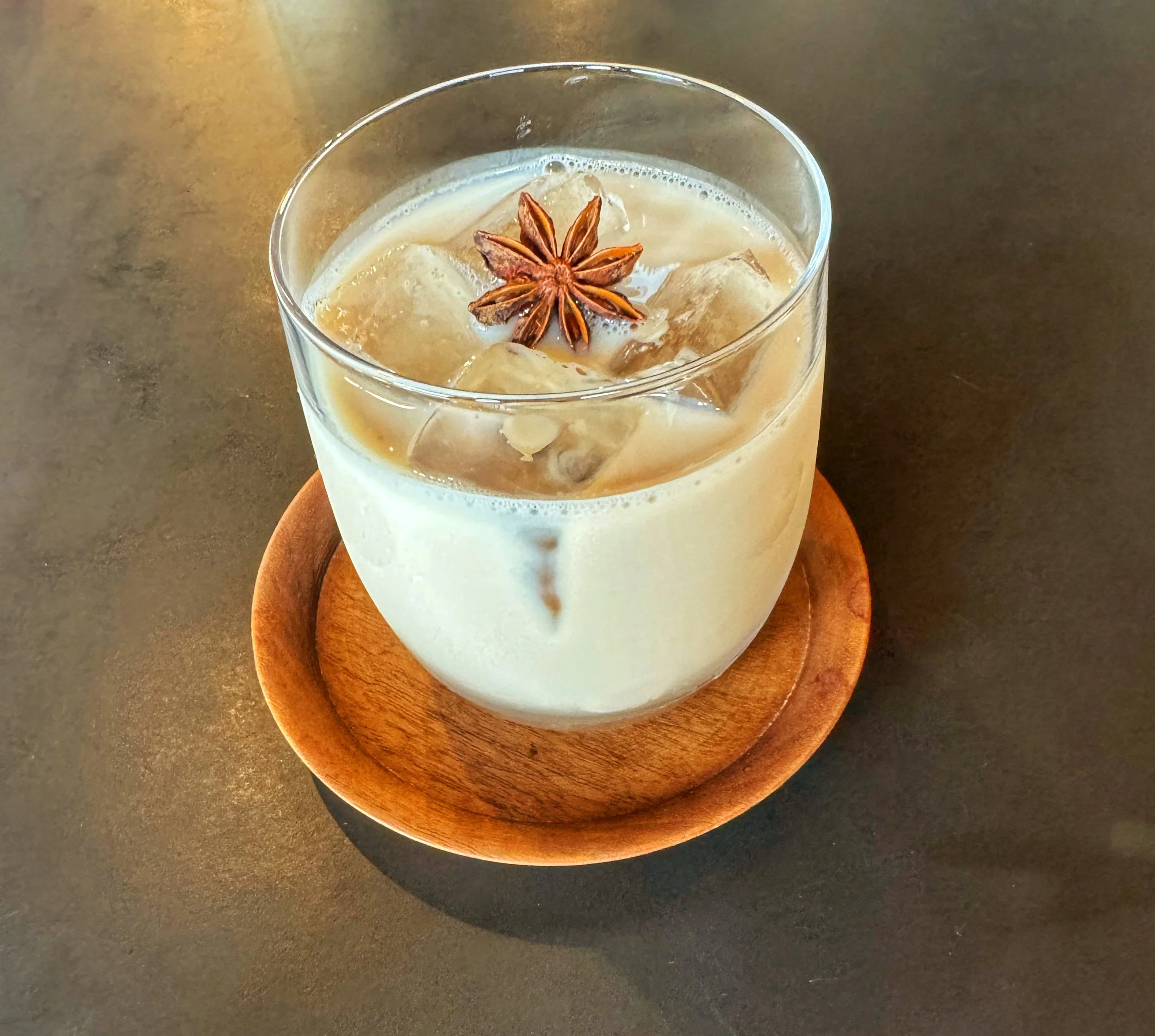
Falo Coffee Brewers- This is the perfect shop to sit and have a coffee. The interior is stylish, and they offer options ranging from pour-overs to seasonal drinks and chai lattes.
Jiro Coffee- This shop is popular among locals and has a good reputation. While they serve espresso drinks and other things, the interior of the shop is reminiscent of a kissaten more than a modern coffee shop.
Tea and Traditional Sweets:
Kissako Katsute- This Japanese sweets cafe is in a historic shop and allows you to fully experience both the history and teas. Make sure you try some of the seasonal wagashi while there.
Nagase Tea Store- If you are looking for an old-school tea shop, this is your place. It is located in a historical area, and the shop has been operating for over 190 years.
Hishuya- This shop is a great place to have a rest to try local sweets and have some tea.
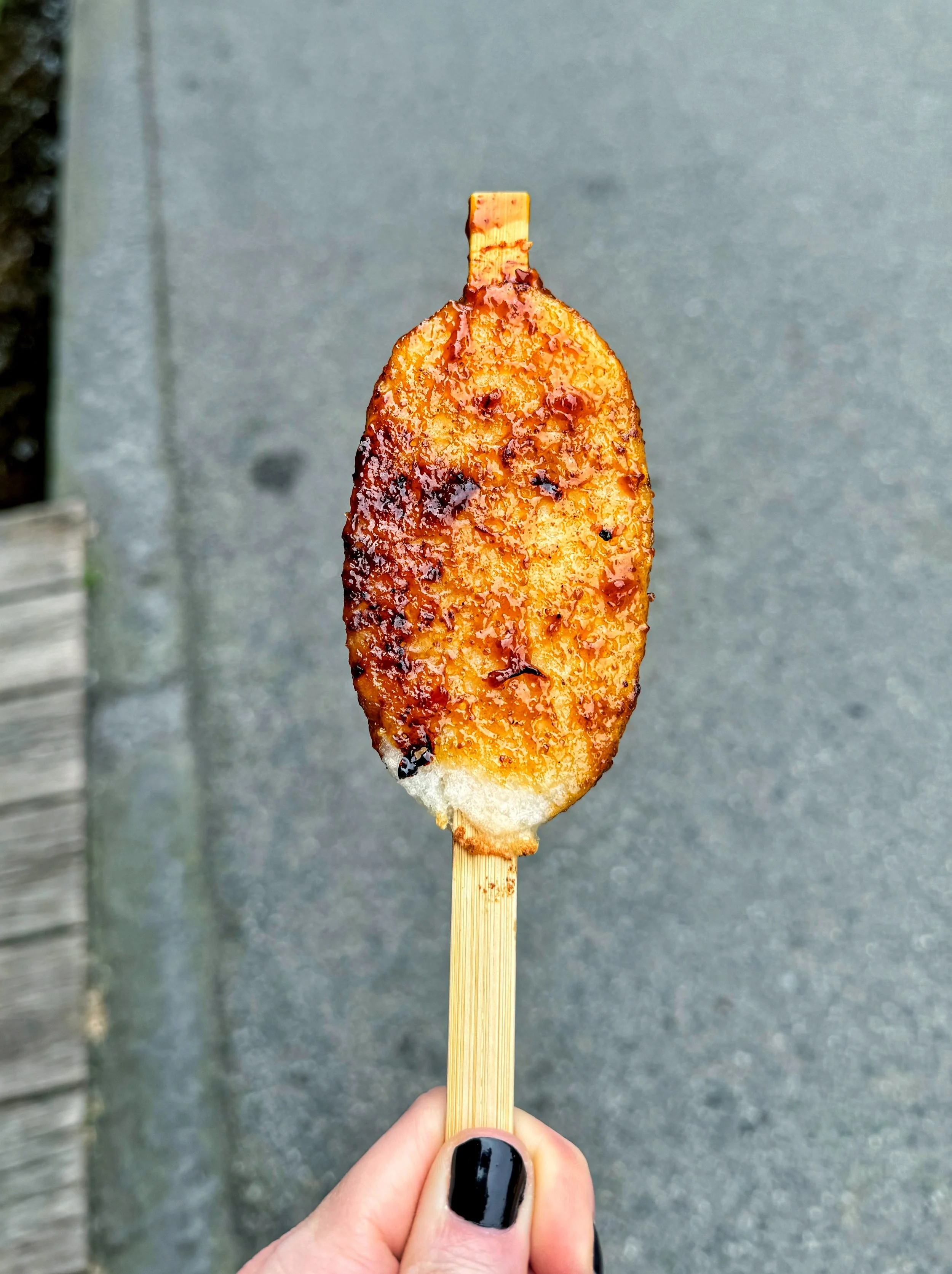
Sanjin- This street stand serves freshly grilled mitarashi dango and gohei mochi. Mitarashi dango are balls of rice cake grilled and coated in a sweet soy sauce. Gohei mochi is a rice cake coated in a sweet miso paste and grilled. You can sit on a bench in the shop or stand in front to eat them.
Gelato Hanasaki- While gelato is not necessarily a Japanese treat, this shop uses local ingredients and has Hida-specific flavors. It is a good stop between Sanmachi Suji and the shrines.
Day Trips Worth Building into Your Itinerary
Takayama sits in the middle of a historically dense mountain corridor. Many visitors make it a stop between places and do not always explore the areas outside the town. If you have extra time to spend in the area, here are some recommendations for other places to visit.
Hida-Furukawa
20 Minutes North by Train
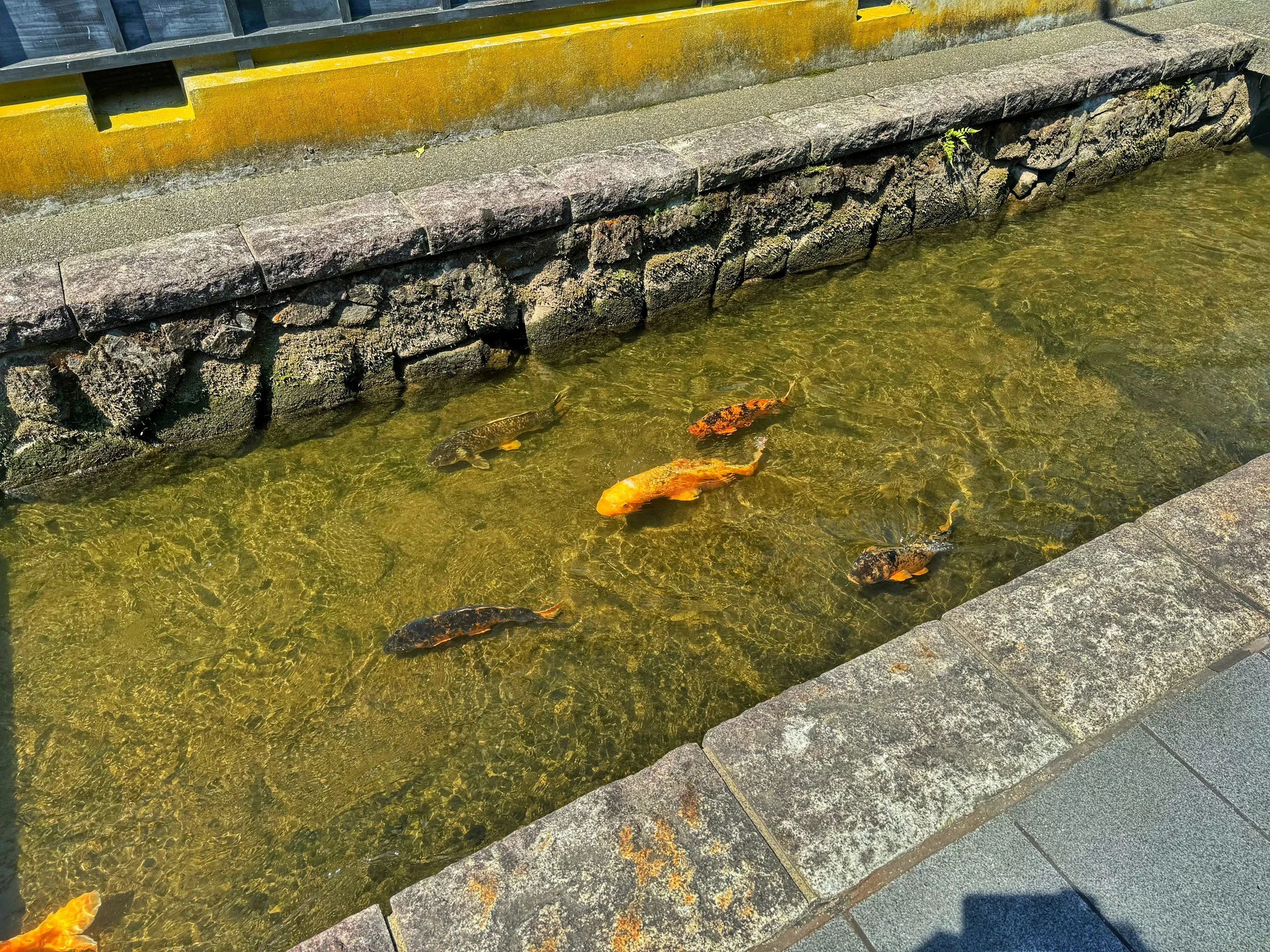
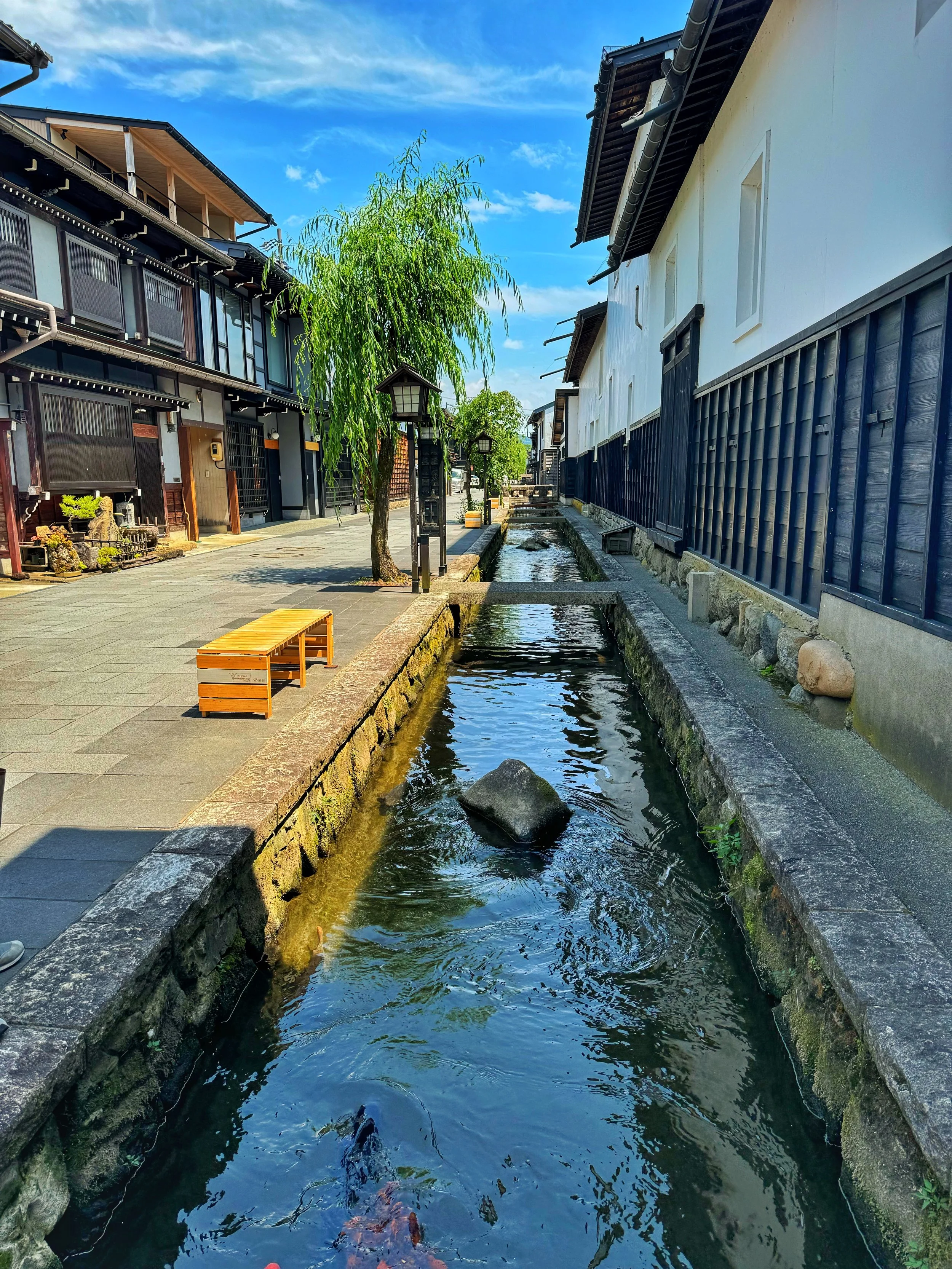
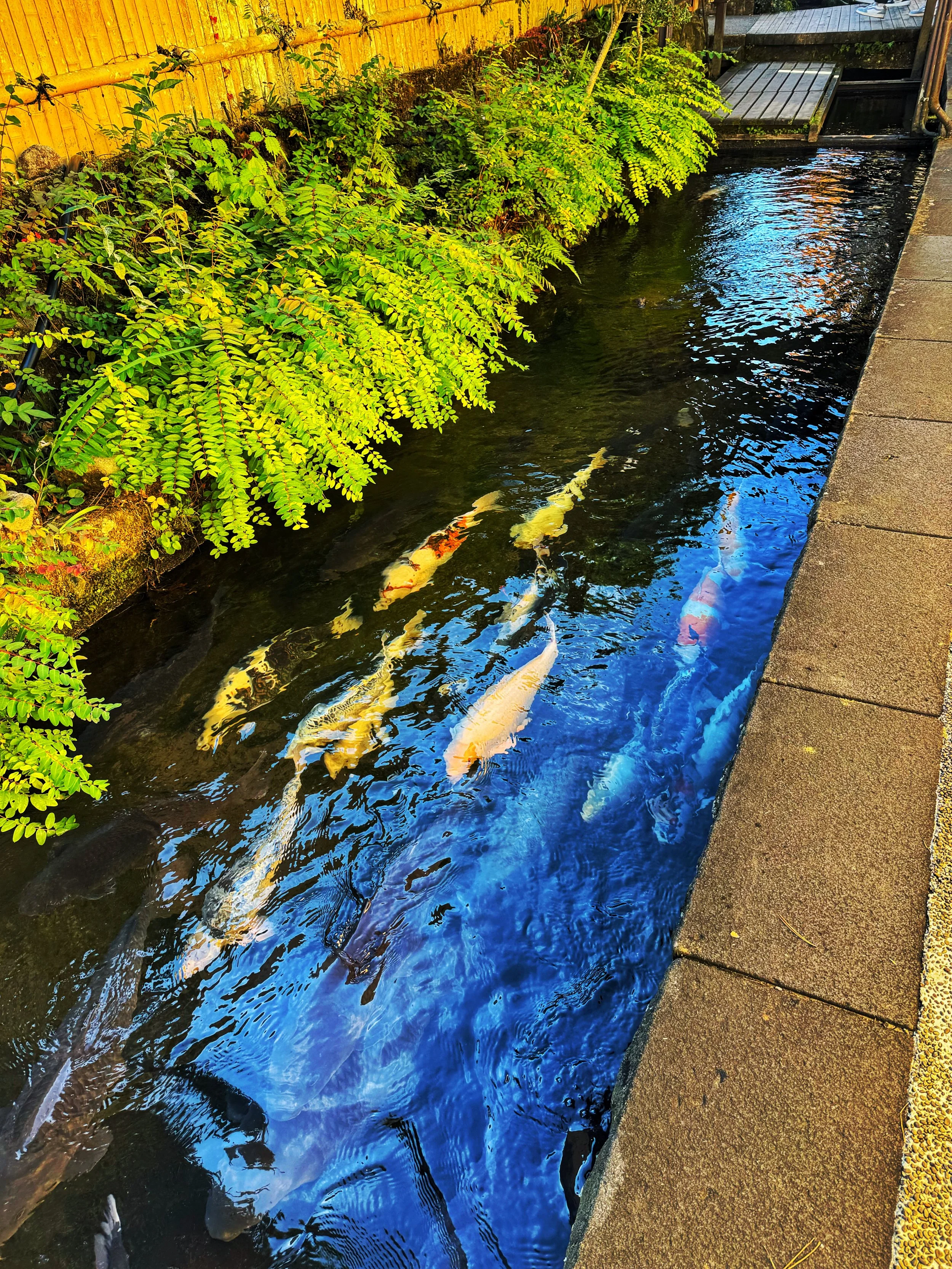
This town is close enough to Takayama that it barely counts as a day trip, but it is far enough that most people skip it. Furukawa is a smaller, quieter version of Takayama with whitewashed kura storehouses lining a canal. The canal is filled with koi for a portion of the year from April until around October. The sake district produces some of the region’s most famous brews, and the Furukawa Festival in April is the biggest draw to the city. Even if you cannot go in April, you can experience the festival at the local Festival Museum. Give yourself half a day to explore the town, and you will feel that you saw something that many people miss.
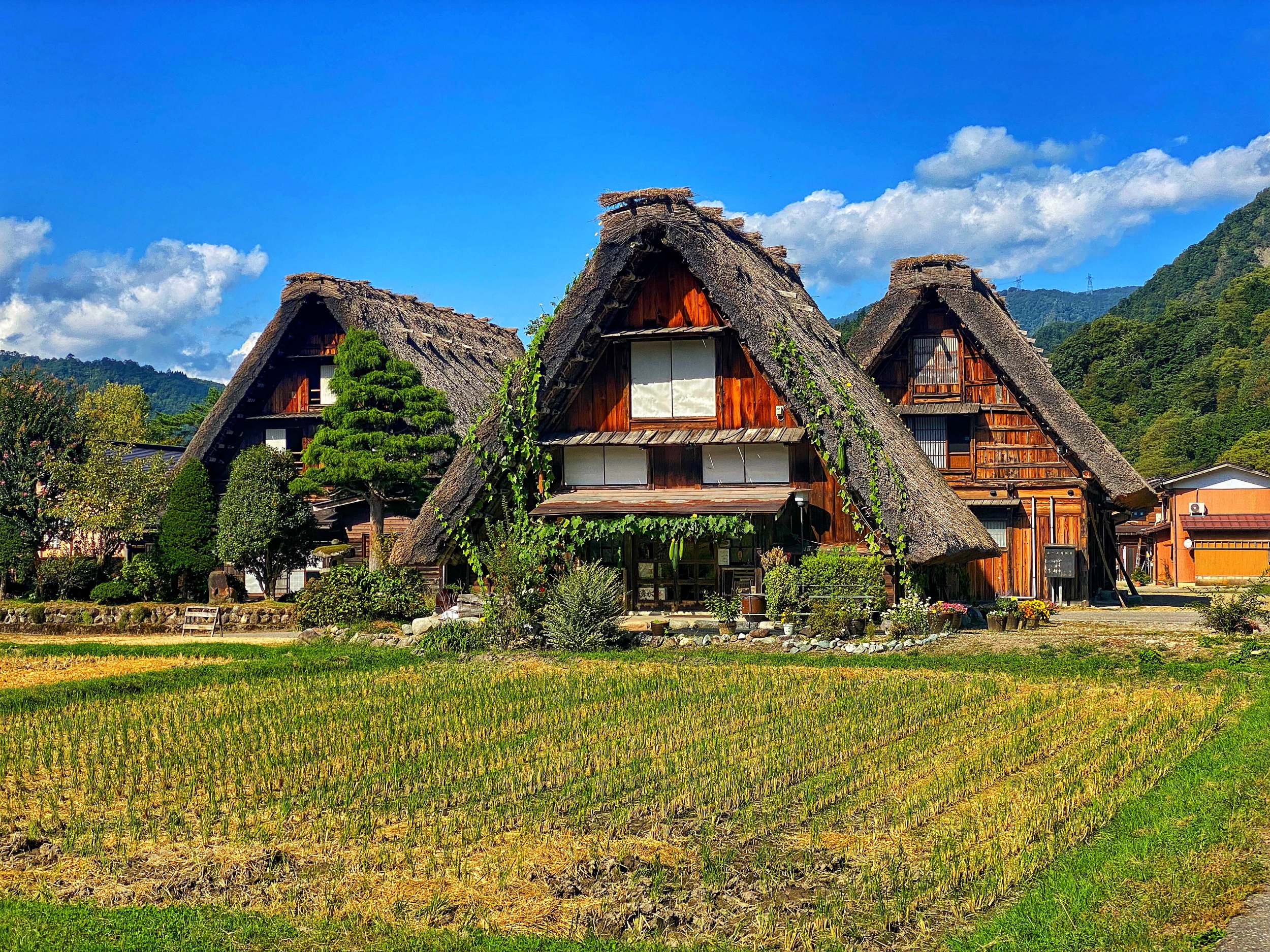
Shirakawa-go
50 Minutes by Bus
I will be honest with you. Shirakawa-go is a UNESCO World Heritage village that has been discovered so deeply that the main viewpoint has a dedicated parking lot and schedule for tour buses. It is a stunningly beautiful place. However, it is very much tourist centric. The gassho-zukuri farmhouses are real, the setting is magnificent, and in winter, the snow makes it seem magical.
It is best to visit early before the tour buses stop or stay later when the buses are departing. Also, walk further past the main areas of the village to see the quieter areas. People tend to cluster around specific areas. The history of these mountain communities is unique and interesting. Because they were isolated for months by snow, they developed communal structures that are specific to the villages and unlike other rural parts of Japan.
Gokayama
1.5 to 2 Hours by Bus
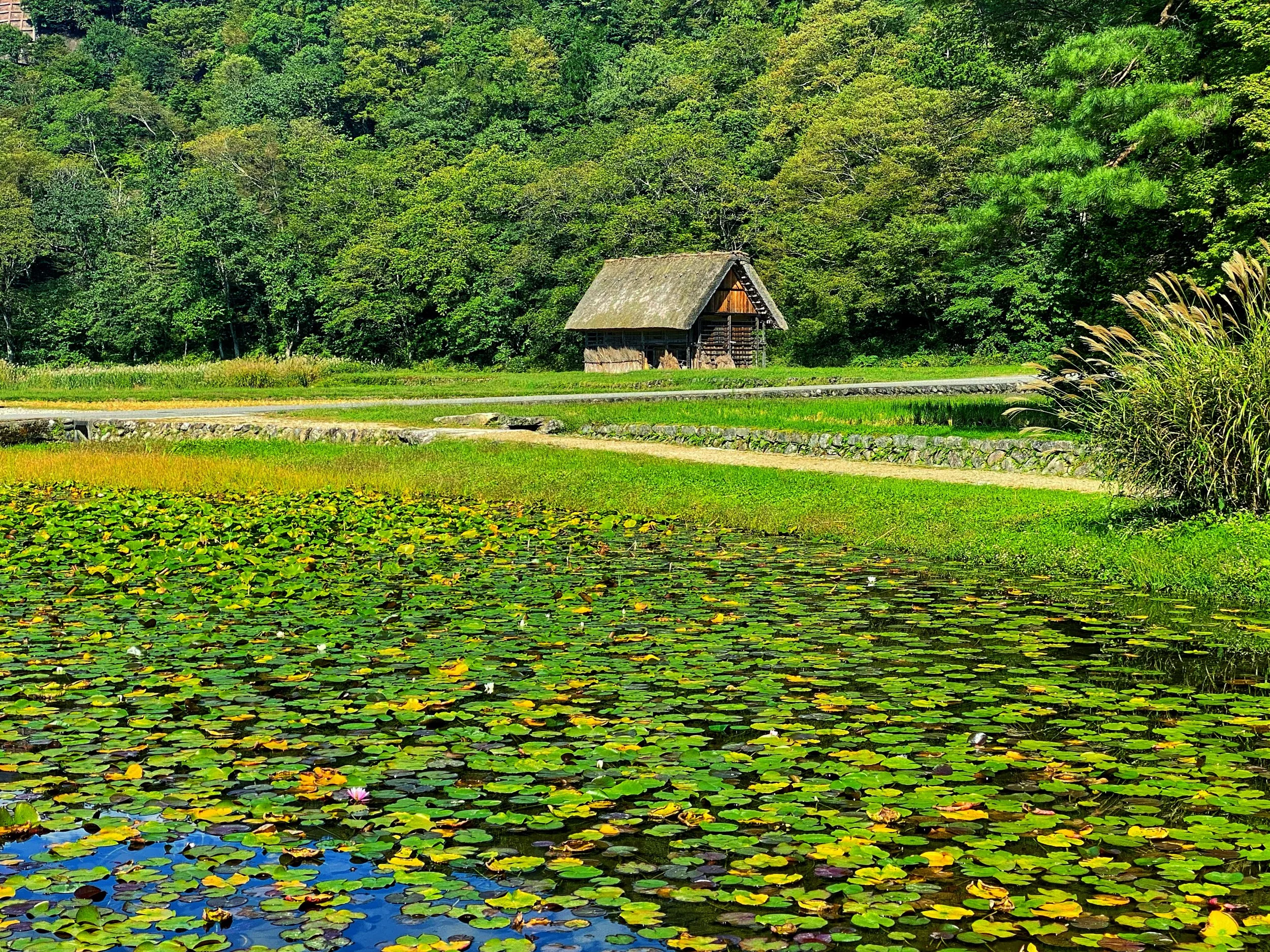
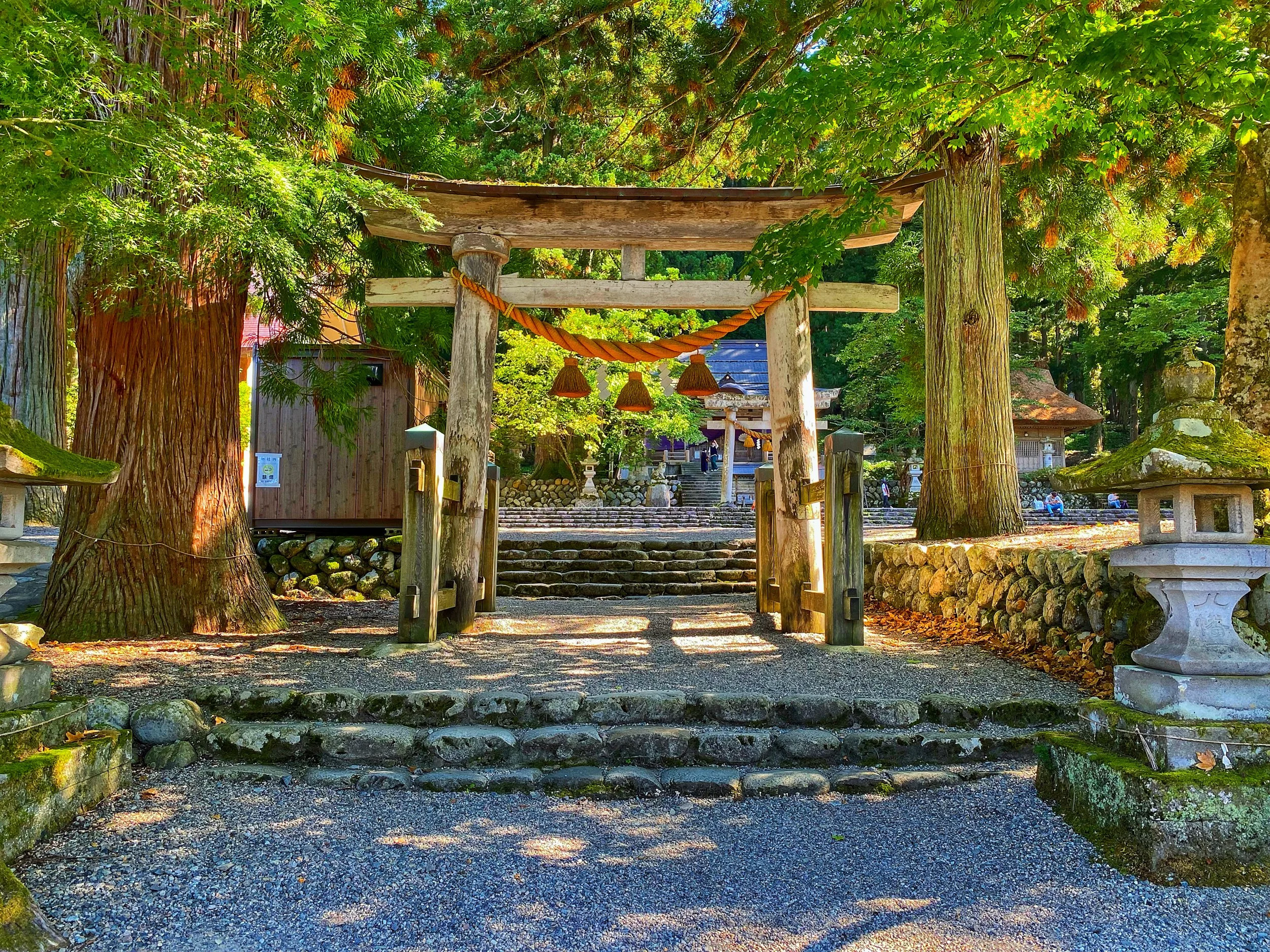
If Shirakawa-go is the famous spot, Gokayama is the one that is less-visited and worth the effort. It’s split between Ainokura and Suganuma which are two small hamlets. Together they are home to fewer than 30 gassho-zukuri farmhouses. It’s proportionally less visited that Shirakawa-go because it is a bit harder to reach and located deeper in the Shogawa Valley. The bus connections from Takayama require some prior planning and forethought. This is what makes the experience significantly different than other villages like this.
Gujo-Hachiman
1 to 1.5 Hours South by Car or Bus
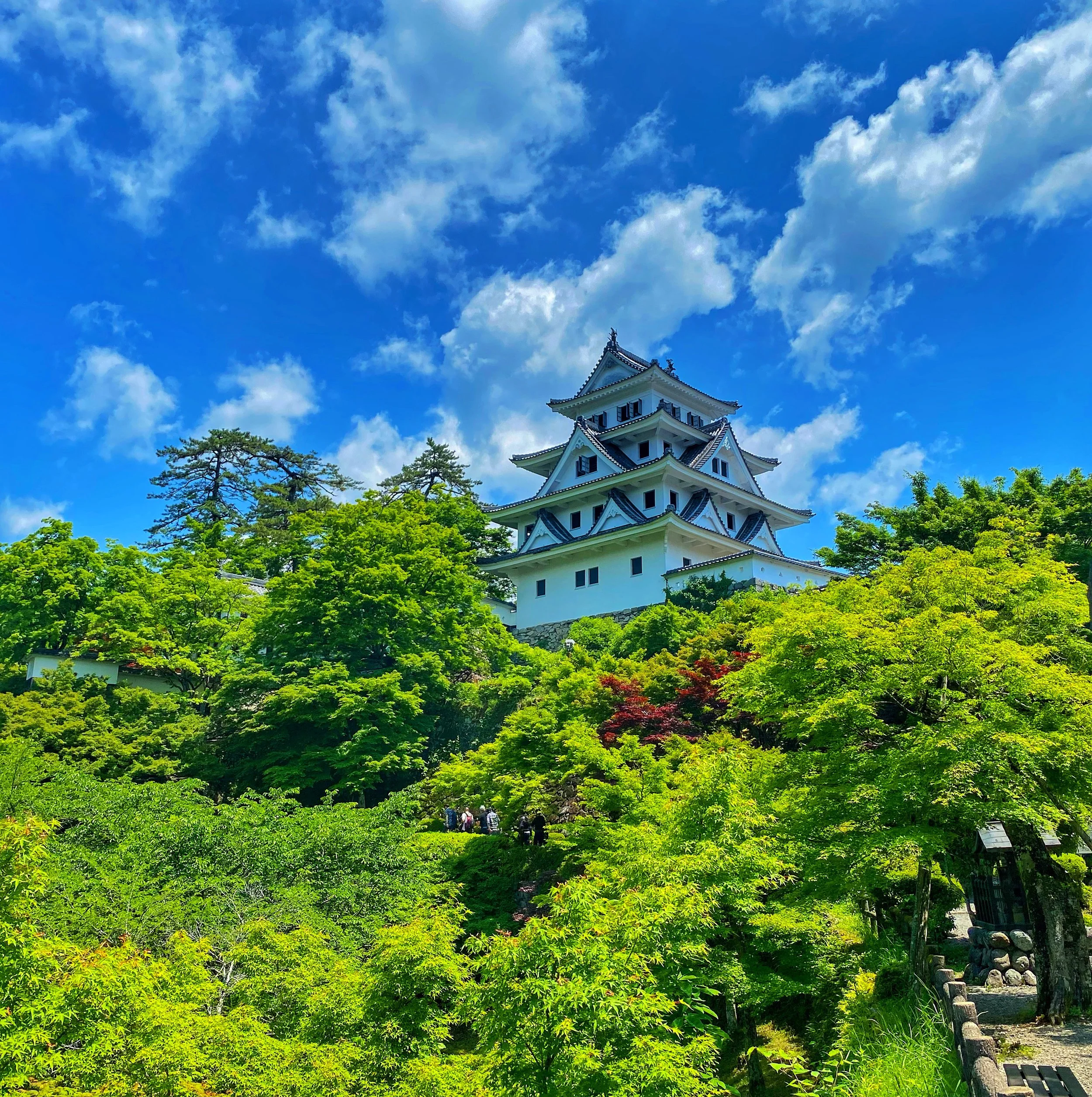
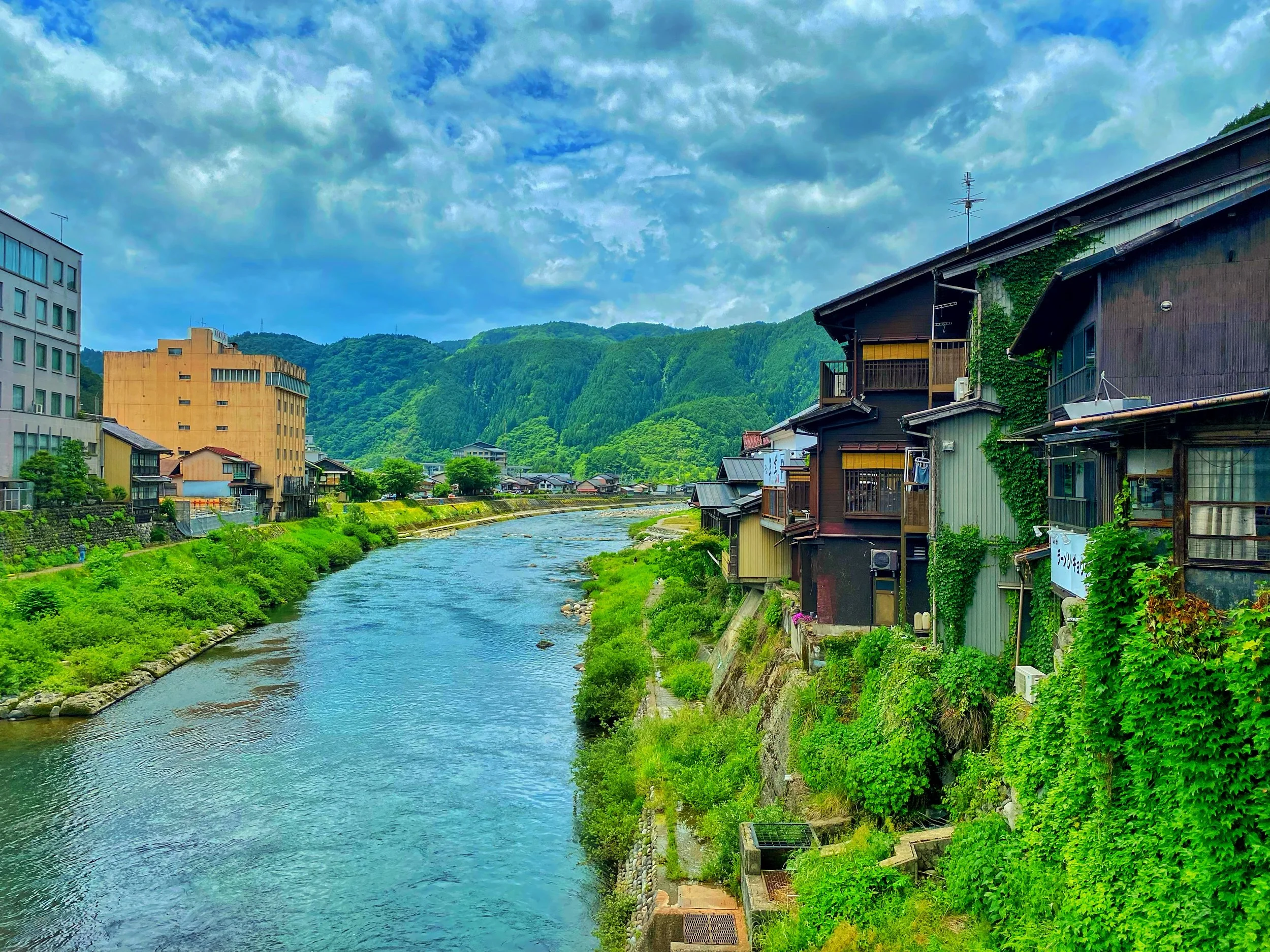
Gujo Hachiman rarely gets mentioned alongside Takayama or Shirakawa-go. It is not because it falls short, but because no single image has ever come to define it or increase its popularity online. It is home to some of the clearest rivers in Japan, a castle that is surrounded by beautiful foliage, and one of the most historical Obon dance festivals in Japan. If you explore more throughout the city, you can find koi swimming in small canals or see buildings that look as though they never moved into the present day. People still use the local spring and river water to wash vegetables and cool drinks. Plus, this city is known for the plastic food replicas that you see in restaurant windows all around Japan. Gujo is a place that I visit often throughout the year. Read more about what it has to offer here.
Getting There and Around
If traveling by train, Takayama is best reached via the Hida Limited Express from Nagoya (about 2.5 hours) or from Osaka via the Thunderbird and Hida connection through Toyama (a bit longer but scenic). Traveling by car is another great option, but you’ll miss some of the scenic views you can capture on the train.
The city itself is walkable, or you can rent a bike to explore even deeper. There are buses that run from Takayama Station to Hida no Sato and Shirakawa-go. You can hop on the train to visit Hida Furukawa.
One thing to note is that Takayama hotels fill up fast during the spring and autumn festivals and during Golden Week. Book accommodations well in advance if you are planning to visit during those times.
Final Thoughts
Takayama is a city that has evolved to accommodate tourists for many years. Nevertheless, it still manages to retain so much of its culture and history. Takayama provides many of the things that make Japan memorable and images that will make it into your highlight reels. Beyond the typical photos and experiences, those who stay longer to explore see a different version once tour buses are gone or shops are closing. Just talking to people in the shops will allow visitors to see the depth of history and that some family businesses have been in the area for multiple generations. While the town is beautiful, there is so much more than what is plastered all over social media and travel guides.
Let me know if you want to visit Takayama, or if you have visited, share your favorite spots.
