
11 Questions About Japan: Travel, Culture, Food, and Life Here
Since 2009, I have been actively studying, traveling to, or living in Japan. That is nearly seventeen years of somehow being involved with this country. Throughout those years, I have watched Japan’s popularity grow, particularly among international travelers.
As more people become interested in visiting Japan or living here, I regularly receive questions about travel, daily life, and culture. Many of the questions are surprisingly similar. So, I decided to compile eleven questions I am frequently asked and share my answers based on my own experiences.
Is Japan Really Safe?
Compared to my hometown and many other cities I have traveled, I would say Japan is definitely safe. That does not mean that crime never happens here, and it is still important to be aware of your surroundings and use common sense when traveling.
As a woman, I have never felt unsafe walking alone or traveling around Japan. I do not advertise when I am alone, and I pay close attention to where I am and what is happening around me. If I feel that the atmosphere of a place is off or a situation feels uncomfortable, I avoid it. I have traveled frequently for business and lived in a city with a high crime rate, so I tend to be cautious.
Of course, other people have had different experiences than I have. As with traveling anywhere, you should remain aware of your surroundings and use good judgment.
One of the biggest issues travelers should be aware of in Japan is groping on crowded trains and in other crowded spaces. When I ride a crowded train, I try to position myself where I can see my surroundings by standing against a wall or with friends. Another issue that has become a problem in some areas is stalking. As a woman, I do not let people know where I live or post anything near my home or office that could give clues. Again, it might not happen, but it is better to be safe.
Japan is generally a safe country for travelers, but that does not mean you should stop paying attention to what is happening around you.
How Do You Find Unique Places in Japan?
I think all my years of research and traveling have paid off when it comes to this skill. When I am traveling somewhere new in Japan, I have a process for planning my must-visit places. First, I search online in both English and Japanese to see what people are recommending. This helps me get a sense of which sights, restaurants, and experiences are already popular. I also look for blog posts written about the area.
After that, I usually search for keywords on Instagram and visit some of my favorite Japan travel pages on Instagram. I have so many posts saved for when I plan trips that I have to go through those as well.
Next, I check the websites of local tourism boards and travel organizations. These often have excellent resources about transportation, weather, local events, and unique experiences.
Finally, I look at the region on Google Maps. I zoom in and out to explore the surrounding areas and search for keywords in both Japanese and English. Sometimes a place I discover this way becomes one of the highlights of the entire trip.
Once I have finished my research, I compare what I found through each method and choose a few must-visit places. I also make sure to leave time for random exploration. After I arrive in a city, I talk with locals about what they recommend. If I am uncertain whether I will truly enjoy a place on my backup list, I tend to ask about those as well.
I can find an incredible amount of information online, but there are some things you can only discover once you are actually there.
What Do You Think Travelers Misunderstand About Japan?
Some travelers misunderstand the reasons behind Japanese-only signs or signs asking foreign tourists not to enter certain businesses. Some of these policies may be discriminatory. However, I do not think it is fair to assume that every Japanese-only sign or restriction on foreign tourists is rooted in racism.
In small shops and restaurants, the owners may not have the capacity to deal with language or cultural barriers. It is true that people can use translation apps, but some handwritten menus do not translate particularly well. Some older people may also not know how to or have time to respond to customers who are using translation apps as well.
I have seen tourists become angry about the lack of menus in other languages or mistakes caused because of translations. I understand how that might be frustrating to some people. However, when we travel to another country, I do not think we should expect everyone to communicate in our own language. We should make an effort to communicate, accommodate the people, and respect the cultures of the countries we visit.
The more I talk with local people, the more I realize there is another aspect to this issue. Cultural and language differences create more opportunities for confusion and mistakes. Many people here are afraid of making a mistake or offending someone. I have met plenty of people who speak English very well but waited months or years before speaking English with me, simply because they did not have confidence in their abilities.
Before we immediately jump to the conclusion that a person or group of people is being racist, I believe we should consider the circumstances. Sometimes there is more happening than we realize, particularly when there are significant cultural and language differences.
What Is Your Favorite Place in Japan?
I honestly think it might be easier to ask me which areas I do not like rather than which ones I do. I tend to find something to enjoy almost everywhere I travel. That does not mean that I love every single place I visit.
I spend a lot of time in Osaka because I have friends there, and it holds a special place in my heart and story here. Central Japan is another area that is incredibly underrated. The culture, food, history, and experiences are all vibrant and varied. Tokushima, Kagoshima, and Akita Prefectures have been enjoyable as well.
In general, I like areas that allow me to escape into nature, enjoy remnants of the Showa Era, learn about local history, and immerse myself in Japanese culture.
Recently, I have been learning even more about Aichi and spending a great deal of time exploring the prefecture. I have been discovering more about the craftsmen, traditional industries, and foods that come from Aichi, and I could not be more thrilled. Getting to experience production firsthand and learning from people whose families have worked in these industries for generations has given me a new appreciation for how these businesses are adapting as times change while still holding on to their histories.
The more I learn about different parts of Japan, the harder it becomes to choose a single favorite.
What Is Your Favorite Season to Travel in Japan?
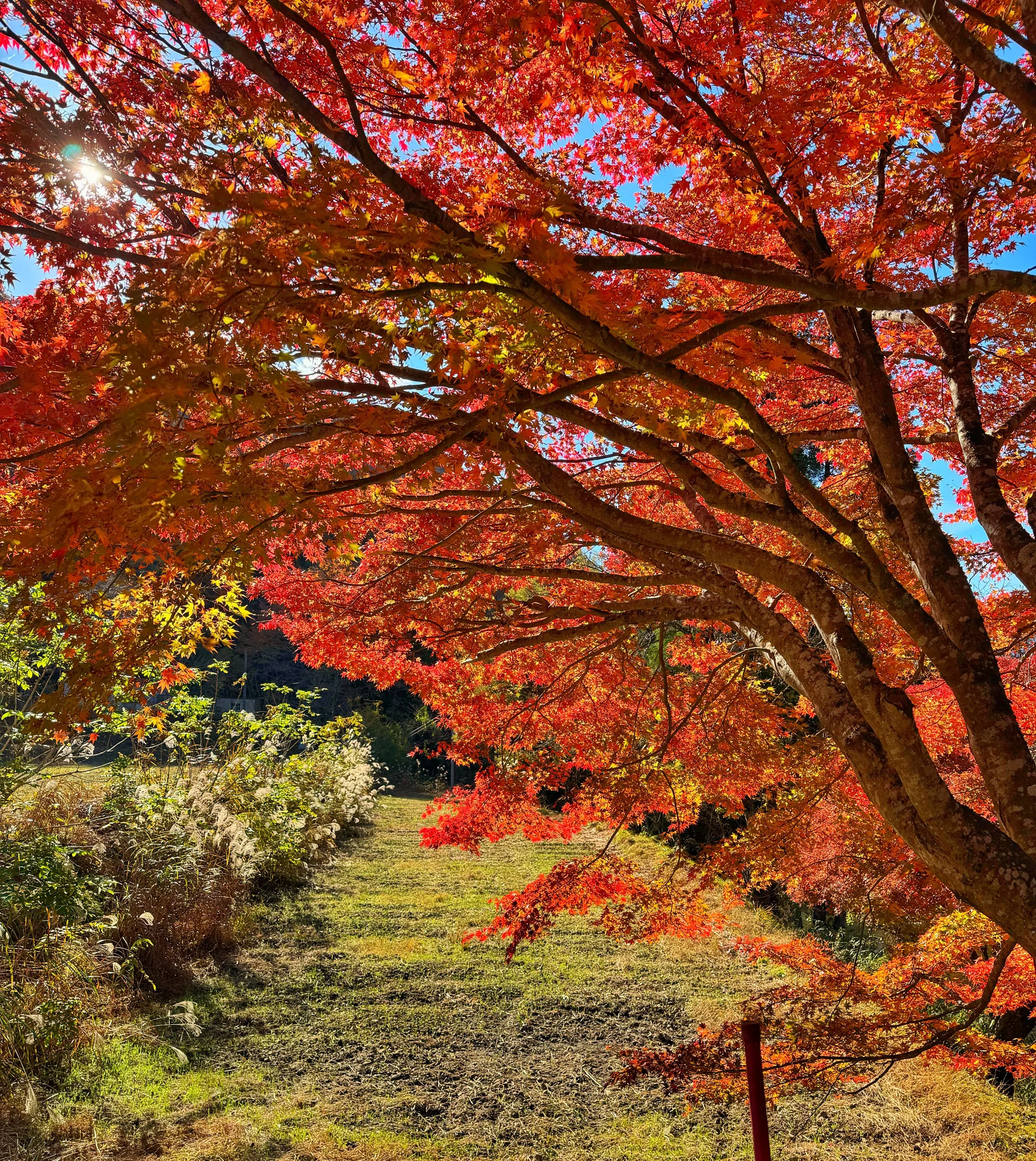
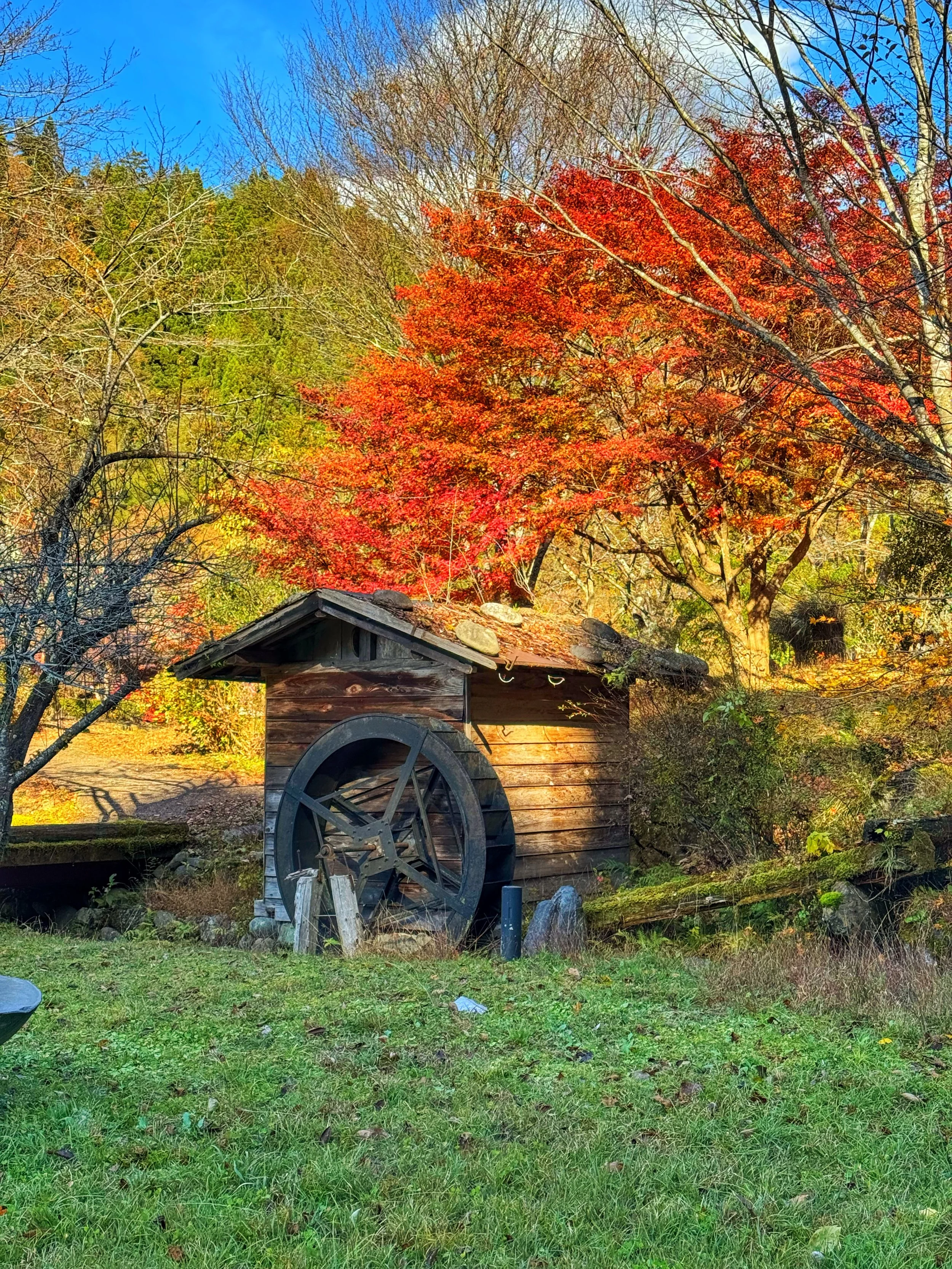
I love autumn in Japan. I know cherry blossom season is incredibly popular, but seeing the leaves change to shades of amber, red, and yellow makes me happy.
Gifu, Nagano, and Toyama are some of my favorite prefectures for enjoying autumn. While they are all trendy destinations, it is still possible to find locations that are not crowded. I visit Gujo-Hachiman every year in the fall. Even though it is becoming more popular, there are still areas away from the historic downtown that are virtually empty.
On top of the beautiful scenery, all the chestnut and sweet potato desserts make traveling even better. Many areas also have autumn vegetables and dishes that are worth trying as well.
Cherry blossoms are beautiful in spring, but there are varieties that can be seen in other seasons as well. Furthermore, I hate dealing with seasonal allergies in spring, which might add to my bias toward fall.
What Is the Biggest Mistake You See Tourists Make in Japan?
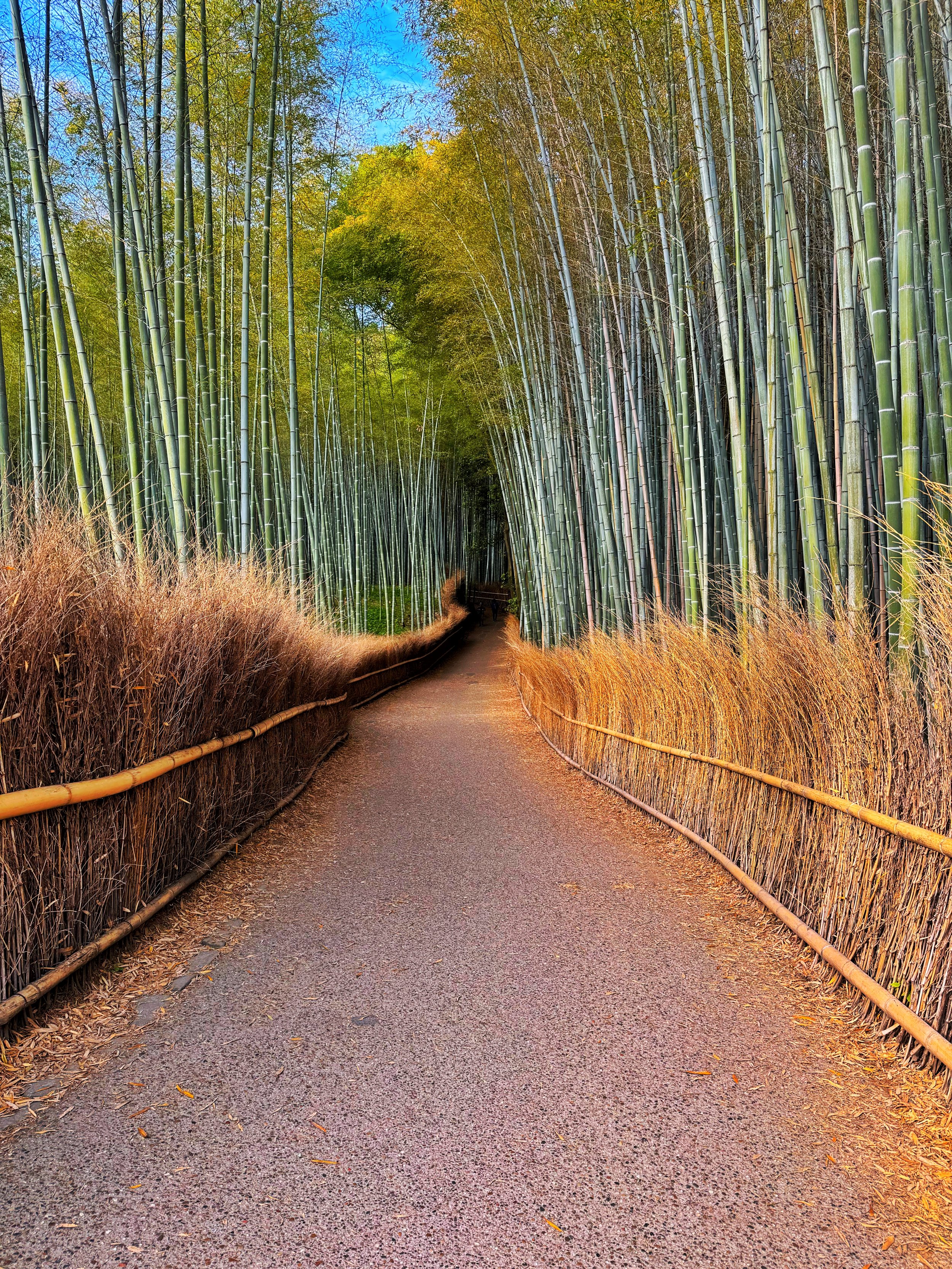
There are three main mistakes I see. First, people only visit the main destinations along the Golden Route. Japan has so much more to offer than the things that have become viral online. Of course, some of these destinations are famous for good reasons, and I would never tell someone to skip a place they genuinely want to see. However, I always recommend choosing at least one destination outside the Golden Route, even if it is only for a day trip. You may discover something completely different while also getting away from some of the crowds.
Secondly, people often assume they can travel to rural or less visited areas only if they speak Japanese. Knowing Japanese is incredibly beneficial, but you can still travel without speaking the language. I created a guide about traveling in rural Japan with limited Japanese skills that you can read here.
Lastly, people rush their itineraries. Some travelers try to pack their itinerary and rush through the trip. I have known people who visited Tokyo, Kyoto, Osaka, and Hiroshima on a seven-day trip. Technically, you can do it. However, you will spend a significant amount of that trip traveling between destinations rather than experiencing them.
When you rush through Japan, you also miss the opportunity to wander. You see the famous spots, but you do not get to experience all the wonderful things in between. If you only have seven days to travel, I recommend choosing one or two cities and taking day trips. This will allow you to fully enjoy what you want to see without spending your entire trip moving from one place to another.
You can always save some locations for a future trip too. Do not rush to put everything in one trip.
Why Do You Focus So Much on Places Outside the Major Tourist Destinations?
I do not necessarily focus on areas outside the major tourist destinations. I try to cover things that are actually enjoyable and worth the time. As someone who is not a fan of crowds, I will include popular spots when I think the historical or cultural experience is worth dealing with the crowds. I also try to give an honest review of anything I share. I share things that are authentic to the area and connected to Japanese culture rather than something that is entirely curated for tourists.
I traveled around Japan before it became as popular internationally as it is today. I want people to have the opportunity to experience some of what made traveling here so exciting for me by discovering alternative locations. Never do I say skip Kyoto or other famous cities. I recommend traveling mindfully in those areas and considering other locations based on people’s interests.
Some people fixate on seeing a specific spot because they have seen it repeatedly online. Maybe they fear missing the thing that everyone sees. If it is truly what they want to see, they should not skip it. However, if they are open to alternatives, maybe they would enjoy those as well.
What Is It Actually Like to Live in Japan?
I think many people travel to Japan and think, “Man, I could really enjoy living here.” Yet, they do not always consider that traveling and living somewhere are very different experiences.
When traveling, you are not usually going to work every day and dealing with the ordinary responsibilities of life. You are usually exploring cities, enjoying local restaurants, and having new cultural experiences. Going to work every single day versus traveling are very different experiences.
In my life, I like being challenged and growing. Living in Japan forces me to do new things all the time, and navigating everyday life in a second language brings its own set of challenges. I am conscious of not being culturally insensitive or making major mistakes, but I also recognize the limits of my own abilities.
For people who like challenges and rules or are introverts, Japan can be a comfortable place to live. The hardest part of living here for me is creating a work-life balance. Not only do I have my full-time job, but I also have my blog and freelance projects. Over the last couple of years, I have learned that I need to occasionally slow down and take time to rest. Resting is not easy for me. I like to be active.
Another difficult part of living in Japan is not stressing about changes to immigration policies. Sometimes it feels like the future is uncertain or there is a shift in the attitude towards immigrants. I have learned not to see it as a personal thing. As for me, I plan to stay here as long as possible and can only hope that I continue to be welcomed.
How Many Days Do You Need for a Trip to Japan?
While I would like to say at least two weeks, I understand that many people may not be able to secure that much time off work. You can visit parts of Japan in a week, but I do not recommend packing your itinerary with a city change every other day. If you can budget at least ten days, you can plan a much more enjoyable trip. If you have limited time, I recommend keeping your itinerary to one or two cities with day trips.
I previously created a short itinerary for Shikoku. However, this itinerary is aimed at people who are visiting Japan for a second time or live here. I also give tips on how to extend it into a longer trip if you have the time.
If you have ten days and it is your first trip to Japan, spending half your time in Tokyo and half in Kyoto can be a good option. From there, you can take day trips to other cities based on your interests. This can prevent you from having long travel days or constantly moving hotels and dealing with your luggage. Think about the logistics before you begin booking your accommodations and transportation.
What Foods Do You Recommend Trying in Japan?
I grew up in the southern United States and prefer strong flavors. I tend to gravitate toward richer flavors here too. Osaka and Central Japan are two of my favorite food regions in Japan. Tokyo also has many amazing restaurants, which is not surprising for a city of that size. The difficult part about Tokyo is finding the best place to go in a sea of restaurants that are constantly going viral online.
Central Japan’s dishes are hearty and flavorful with long histories and connections to the region. Miso katsu, a fried pork cutlet with red miso sauce, is probably one of my favorite foods. Kushikatsu, fried food on skewers, is another favorite. Yakitori and fresh seafood are also very high on my list.
One of the things I enjoy most about traveling around Japan is discovering regional foods. Food can tell you a lot about the history and culture of a place. Some of the dishes I have enjoyed most are ones I would never have known about before visiting a particular region.
To help you learn more about foods in Central Japan, check out the post here.
What do You Hope People Take Away from Reading Your Blog?
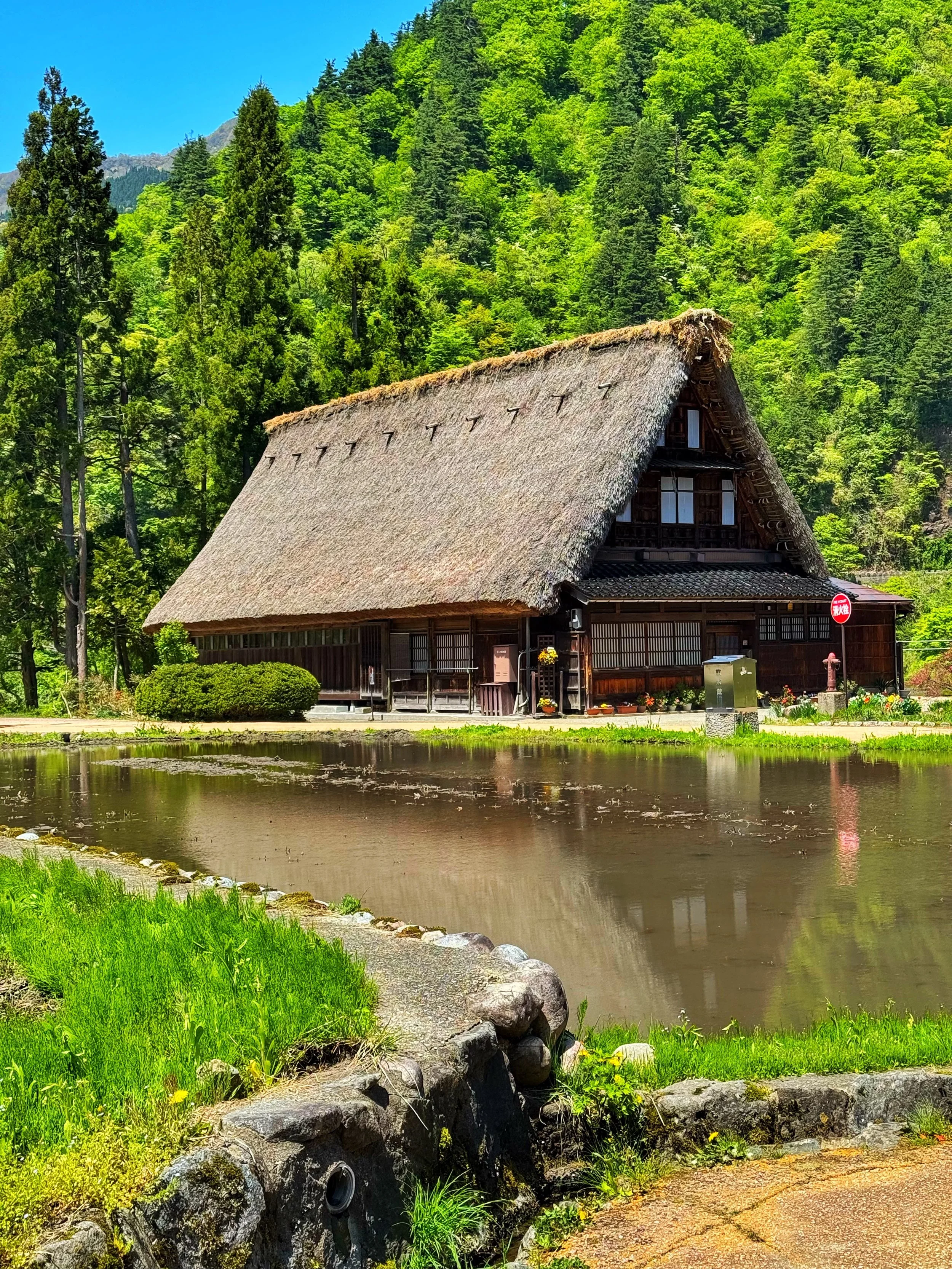
I hope people understand that there is more to Japan than capturing a viral photo. The Golden Route is popular because of the ease of travel, marketing, and the beauty of these cities. Yet, there are so many towns that are equally beautiful and interesting that simply have not been marketed as well or require more effort to access.
I want people to see that Japan is a country with many different cultural traditions, foods, histories, and landscapes. Each region is unique. There are many ways to travel around Japan, and you should travel based on what interests you.
Life here is wonderful, but it also comes with its own challenges. Moving to Japan is not for everyone. People need to look beyond viral social media videos to really understand what life or travel here is like.
Japan is more than a beautiful photo. Japan has a deep history, the locals who live here, the regional food, the crafts passed down for generations, and experiences you might not expect.
Final Thoughts
I am asked these questions and so many more on a regular basis. I enjoy helping people better understand Japan and find more ideas for their itineraries. If you ever have questions about Japan that I did not answer here, feel free to leave a comment or send me a message through Instagram or email.
I hope Wander Japan With Me can help you discover a different side of Japan whether you are planning a first trip, returning for another visit, or trying to learn more about the culture and travel here.
