
Traveling in Japan After a Natural Disaster
Every year, I try to take a few longer vacations and add plenty of weekend and day trips as well. I usually have an idea of where I want to go and a few must-visit places, but I tend to leave the itinerary more open to chance rather than planning every detail.
This kind of travel does not come naturally to a Type-A person (me) who likes to have everything mapped out. However, over the years, I have learned that leaving some room for spontaneity allows me to experience even more of what travel has to offer. Sometimes this means sitting a little too long at a restaurant or cafe talking to people. Other times, it means stumbling across a local spot that I would never have found in a guide. Those experiences cannot really be planned. They happen naturally when you leave yourself enough time and flexibility to let them happen.
This year, however, I had limited time for a summer vacation, so I decided to plan most of my Kyushu trip in advance. I mapped out the route I would take from Aichi to Kagoshima and back, chose where to stop, and figured out how I would visit the places I wanted to see. Then, I was reminded that no matter how carefully we plan, sometimes those plans have to change.
My entire itinerary shifted with only a few days’ notice. Fortunately, I almost always book accommodations and transportation that I can cancel or, at the very least, change.
Why My Plans Changed
On July 28, I was working when I received a text telling me there had been a large earthquake in Kumamoto Prefecture. I immediately pulled up the local news and realized that it was not just a small tremor. A magnitude 7.1 earthquake had struck the region with a maximum seismic intensity of 7. That is the highest level on Japan’s seismic intensity scale.
I messaged a few friends who live in Kyushu, and at first, things appeared relatively normal in many other prefectures. Kumamoto, however, was a very different story. As things developed, I watched reports of people being displaced, buildings being damaged, transportation being disrupted, and casualties increasing.
That evening, I decided to cancel my trip to Kyushu altogether and wait a few days to see what happened. The importance of my trip paled in comparison to what people were experiencing in the area. I think when we travel, it is always vital to think about the local people in an area and how they are impacted even when there is no disaster.
After a few days of thought, I reconsidered the trip. Rather than changing the plans completely, I chose to travel to other parts of Kyushu and skip Kumamoto. From what I could determine, other areas were safe for travel and operating normally for the most part. There were transportation disruptions between Fukuoka and Kagoshima, but those did not affect me since I was driving. I also chose to stay away from Kumamoto because I did not want to interfere with recovery efforts or take a hotel room that could potentially be needed by someone who had been displaced.
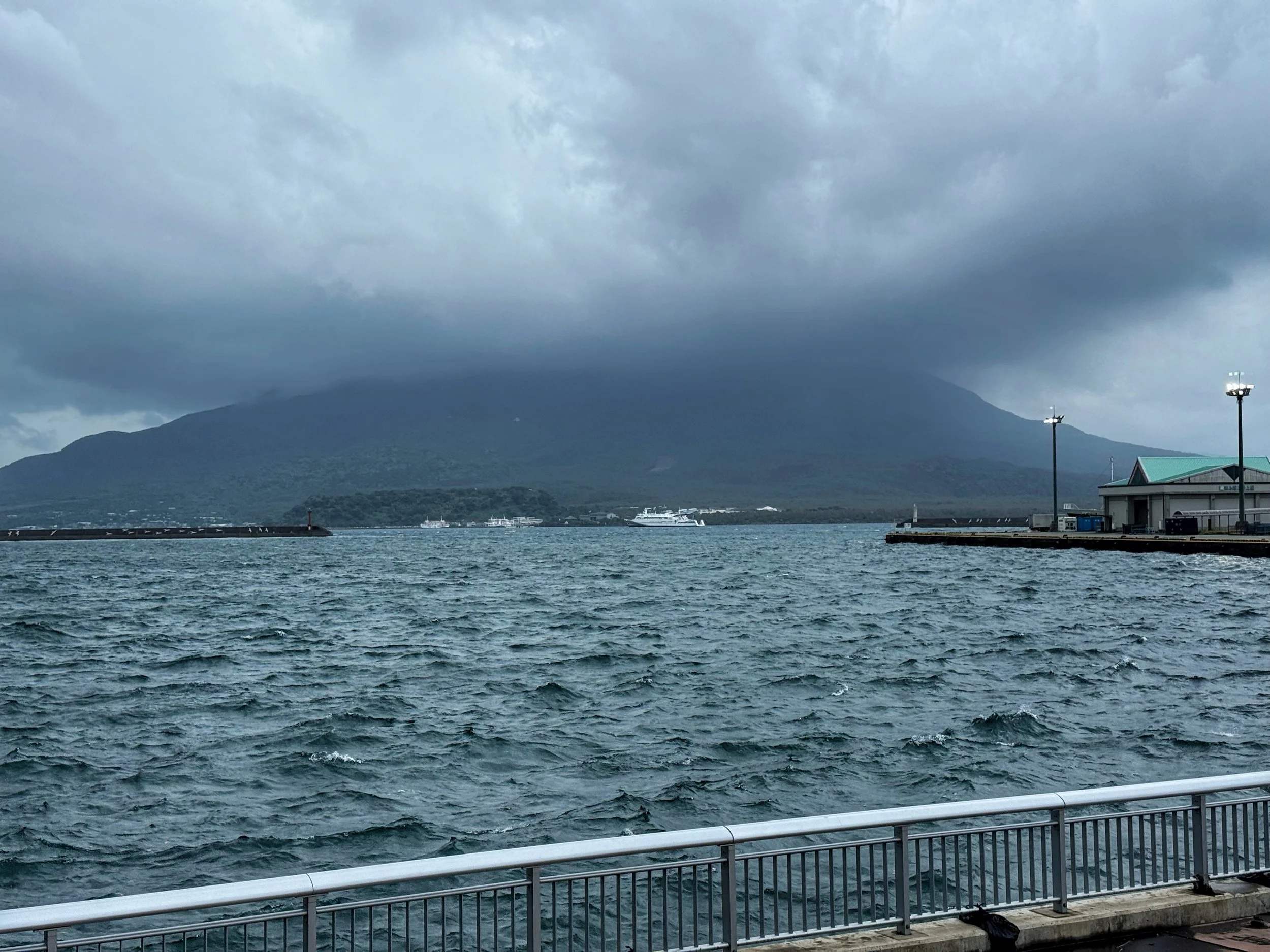
There was another complication, too. A typhoon was passing just south of Kyushu, and when I was making my decision, it was still unclear how much of an impact it would have. Because of that, I decided to postpone visiting the smaller islands. Hiking or kayaking in heavy rain also did not appeal to me. Both had been on my original itinerary, but I decided not to force either activity into the trip.
I think it is essential to consider weather and other potential disruptions when planning a trip to Japan. Typhoons, earthquakes, heavy rain, and volcanic activity can all affect travel. Rather than worrying about every possible scenario, I try to stay informed, remain flexible, and adapt my itinerary when necessary.
Why I Did Not Cancel My Kyushu Trip Altogether
Visiting the other prefectures in Kyushu felt important to me since I had spoken with many in the tourism industry who experienced the effects of natural disasters firsthand. Following the Noto Peninsula Earthquake in 2024, tourism throughout the region was affected, including places that were not directly damaged by the earthquake. I talked with business owners who relied on tourism in Kanazawa, and many mentioned how they had fewer visitors in the months following the earthquake.
Some people cancelled their trips because they were afraid, and others cancelled simply because they did not know what conditions would be like. I understand that reaction. If you are hundreds or thousands of miles away and watching images of a disaster on the news, it can be difficult to know whether it is still appropriate or safe to visit. However, sometimes avoiding an entire region can create additional economic hardship for communities that are open and ready to welcome visitors.
Before committing to my revised Kyushu itinerary, I researched what was happening and talked with people in other prefectures around Kumamoto. I wanted to make sure that traveling there was safe and that my visit would not negatively affect communities that were already dealing with limited resources.
There are several resources I use when I want to understand what is happening in Japan, particularly during a natural disaster or emergency. Be sure to bookmark these sources if you are traveling to Japan.
Japan Meteorological Agency (JMA): This is my primary source for earthquakes, tsunami, typhoons, weather warnings, and volcanic activity. JMA also provides real-time risk maps and other information in both English and Japanese.
Japan National Tourism Organization (JNTO): The safety tips page provides information specifically for travelers including transportation disruptions and information about affected areas.
JNTO Safety Tips app: This is a useful option recommended by the JNTO that can provide disaster alerts and information in multiple languages.
NHK WORLD-JAPAN: NHK news provides information in English and follows developing situations.
Local government websites and social media: Prefectures and municipalities often provide specific information about road closures, evacuation orders, facilities, and local conditions.
X and Instagram: While people living in Japan and some government agencies share real-time information, it is always essential to cross-check with official sources before making decisions or following advice.
The key is to use several sources rather than relying on a single post or news report. By doing this, you can get a more comprehensive understanding of what is going on.
Should You Cancel Your Trip After a Natural Disaster in Japan?
I think the answer to this question is very personal and depends largely on your comfort level with the situation. For me, I did my research and made sure that traveling to other parts of Kyushu would not create additional problems for local communities.
I also live in Japan, so while I do not love the possibility of experiencing a natural disaster, I understand that they can happen anywhere. That does not mean I ignore risks. It means I pay attention to the information available and make decisions based on the actual situation rather than fear alone.
If you are someone who likes to have every moment of a trip planned, traveling shortly after a natural disaster may not be the best choice for you. Even areas that were not directly affected can experience transportation delays, road closures, increased traffic, or changes in tourism patterns as other travelers alter their itinerary. The conditions can also change significantly over the days, weeks, and months following a disaster.
For Kumamoto, recovery will take time. The same is true of Noto, where reconstruction has continued for years following the 2024 earthquake. Many communities are now welcoming visitors again, but some are still in the process of rebuilding.
There is a major difference between visiting a place that is open and able to receive tourists and visiting an area where people are still struggling to meet basic needs. Doing a little research can help you understand that difference.
What Should You Do If You Experience a Natural Disaster in Japan?
What you should do depends on the type of disaster, but the most important thing is to follow official instructions and pay attention to the conditions around you.
Typhoons and Severe Weather
With storms and typhoons, adjust your travel accordingly and avoid areas where authorities are advising people not to travel. If you are already in the affected area, make sure that you have safe accommodations and enough food, water, and essentials to remain indoors if necessary. Flights are often delayed or cancelled in typhoons, and trains (even Shinkansen services) can operate on reduced schedules or be suspended altogether. Check your airline and railway companies directly rather than assuming your transportation will operate as scheduled.
Earthquakes
Earthquakes cannot be predicted far in advance, so preparation is more important than trying to predict when one will happen. If you are near the coast when a strong earthquake occurs, pay attention to tsunami warnings and move to higher ground if instructed. Do not wait to see whether a tsunami actually arrives.
If you are traveling with your family but doing separate activities, have a plan for what you will do. Often, cellular networks can become congested or unreliable, so it is worth discussing what you will do if you cannot immediately contact each other.
Most importantly, stay calm and follow the instructions of local authorities, transportation staff, hotel staff, and other officials.
Volcanoes
Volcanic activity is another potential hazard in Japan, although it does not usually affect most travelers.
Kyushu is home to several active volcanoes, including Sakurajima and Aso. If you are visiting or hiking near an active volcano, check the latest volcanic activity and alert level before you go. The Japan Meteorological Agency provides current volcanic warnings and information. Restrictions around volcanoes can change depending on activity. This includes how close visitors can get to the crater.
Volcanic eruptions and activity can also affect transportation well beyond the immediate area. Large amounts of volcanic ash can disrupt flights. If an eruption occurs near your destination, check with your airline before heading to the airport.
Final Thoughts
Natural disasters can be scary, but they are a reality when living in and traveling to Japan. Knowing what to do and being willing to adjust your travel can make the difference between feeling prepared and feeling overwhelmed. It can also help you avoid putting yourself, local residents, or emergency responders in a more difficult position.
I do not think travelers need to be afraid of visiting Japan because of the possibility of earthquakes, typhoons, or other natural disasters. I do think travelers should understand that these things can happen and be prepared to change their plans when they do.
Check multiple sources. Pay attention to official warnings. Talk to people who are actually in the area if possible. If you feel unsafe or uncomfortable traveling somewhere, do not go.
At the same time, remember that avoiding an entire region simply because a disaster happened somewhere nearby can sometimes hurt communities that are still open and relying on visitors. Traveling responsibly does not always mean canceling your trip. Sometimes it means changing it.
For me, that ended up being the lesson of my trip. I still got to experience Kyushu again, but I did it with a more flexible itinerary and an even greater awareness of what was happening around me.
If you have any questions about traveling to Kyushu or natural disasters, let me know in the comments or send me a message.
