
Practical Travel Tips for Visiting Japan (From Someone Who Lives Here)

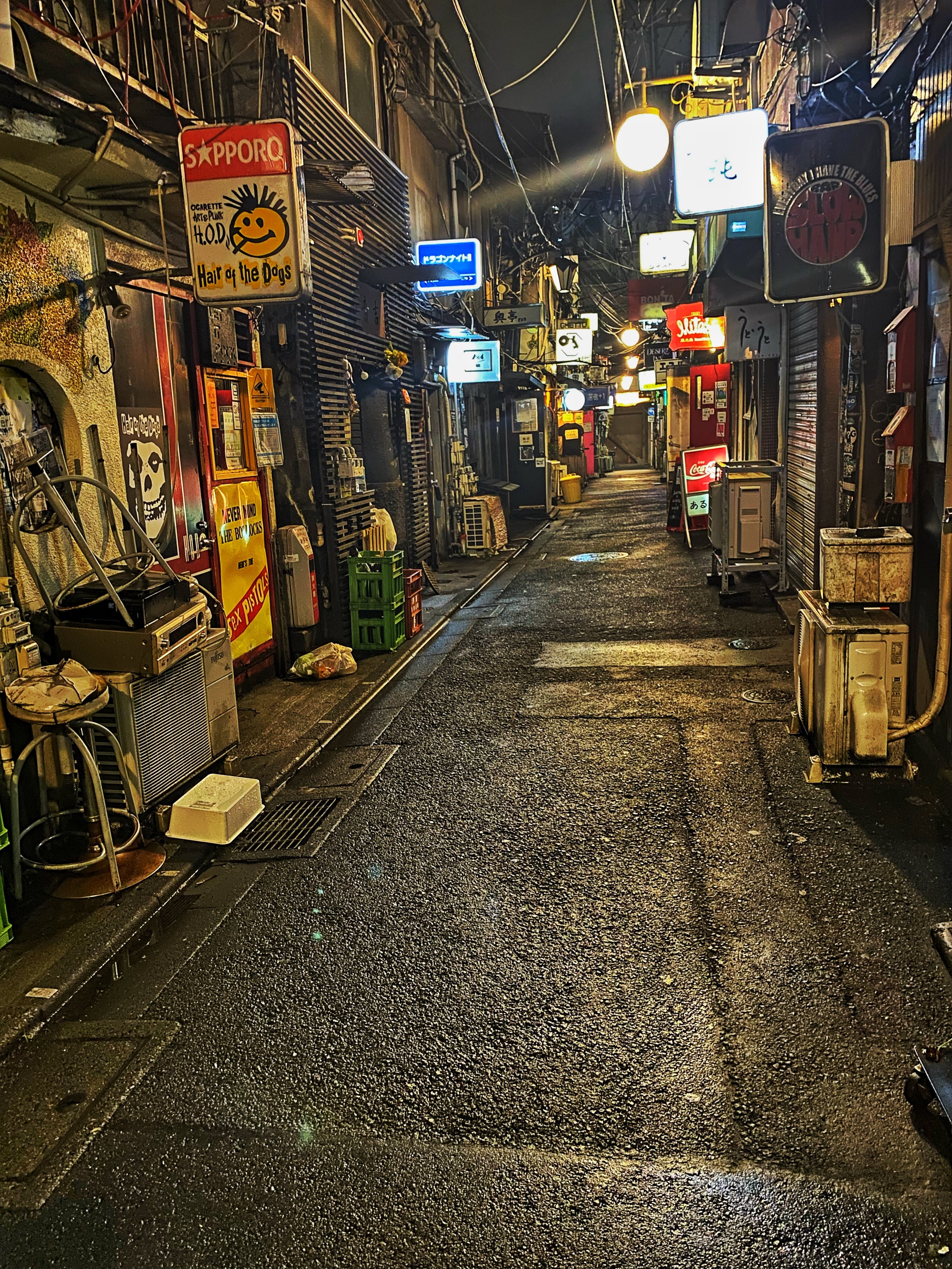
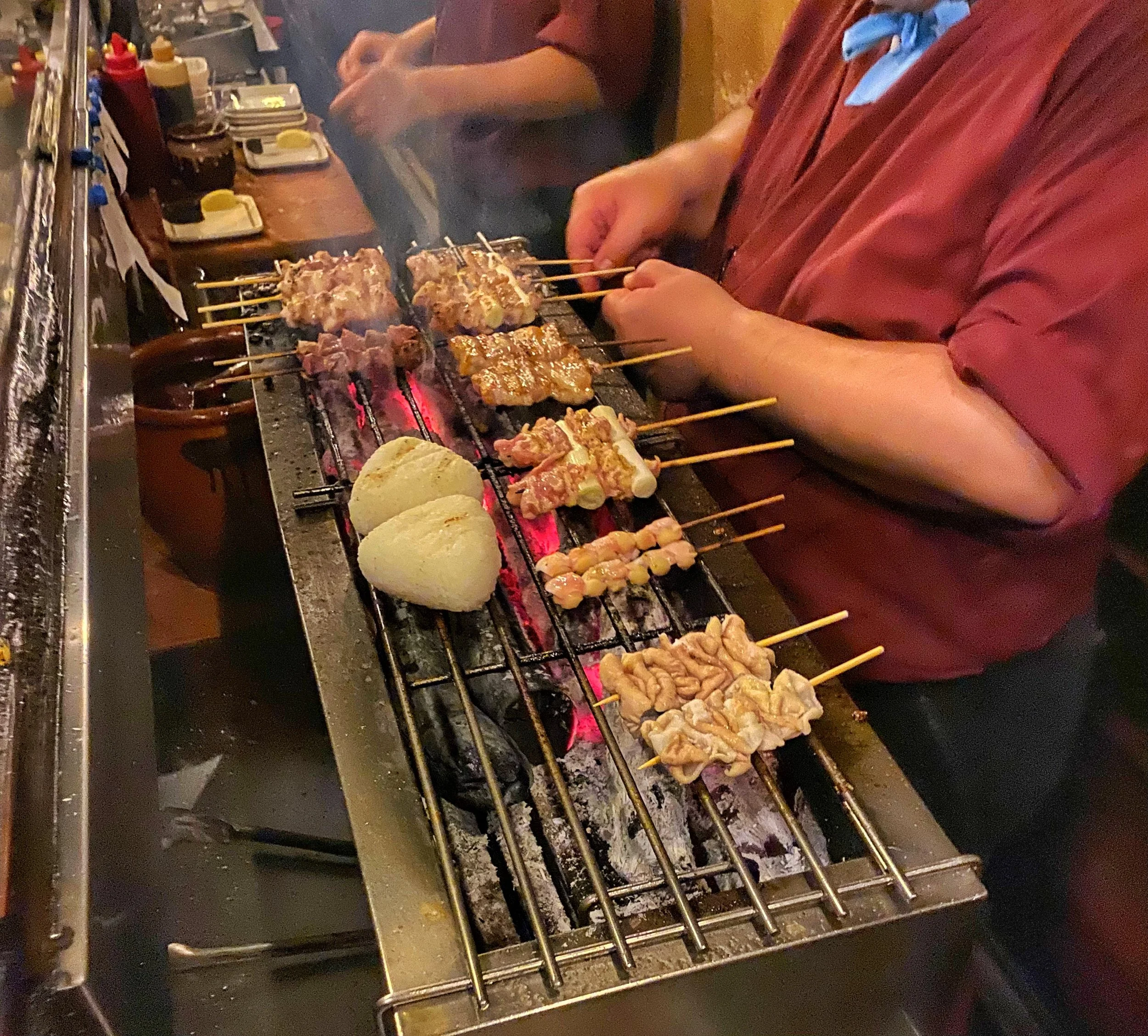
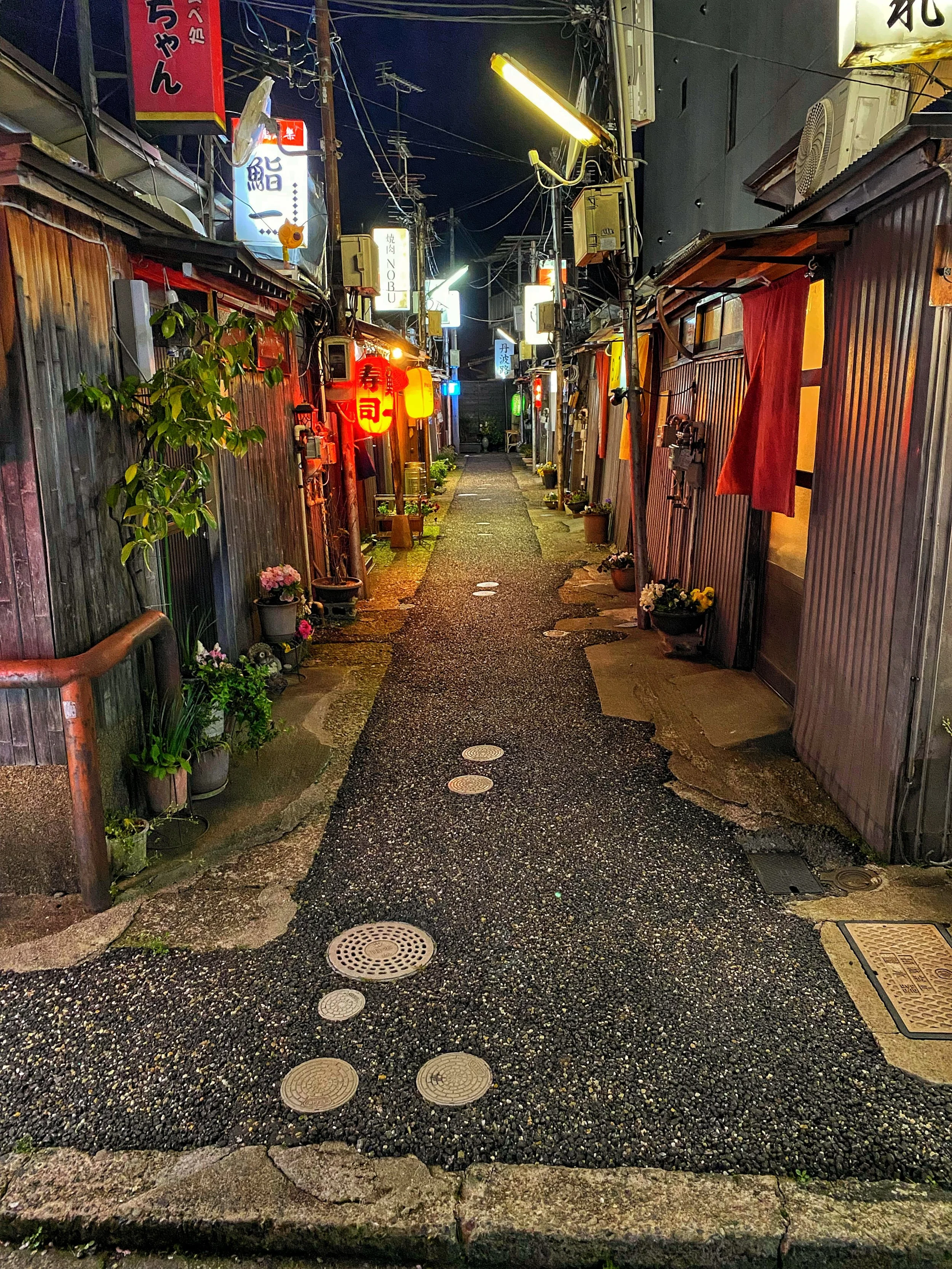
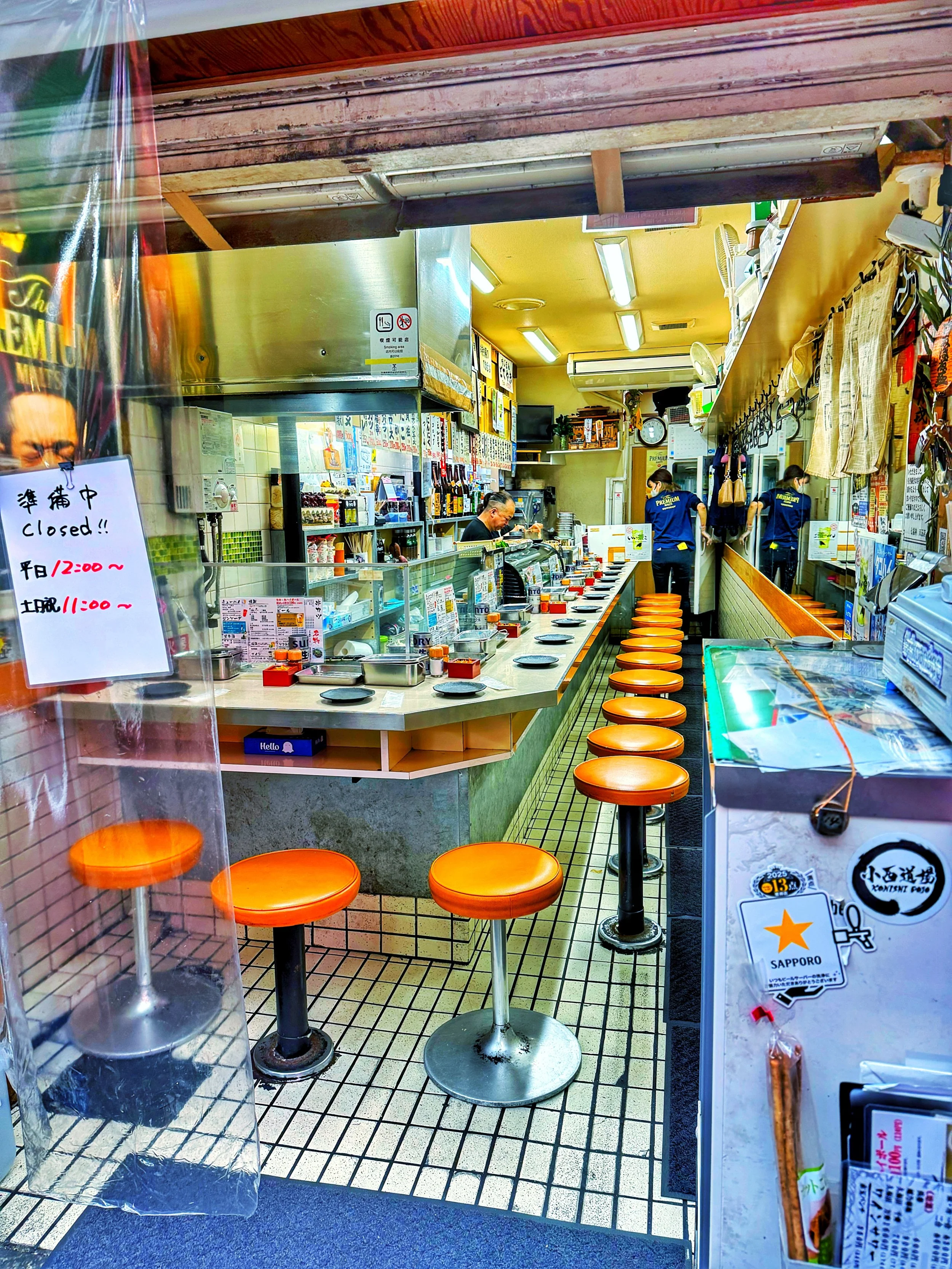
My life is narrated in my head by some twisted combination of Samuel L. Jackson and Anthony Bourdain with the occasional cameo by Dolly Parton. I love the finer things in life, but a huge part of me will always be stirred by the real, raw, and unfiltered parts of travel. The nights spent sitting in a tiny izakaya barely large enough for a handful of adults, chatting with locals. Wandering alleyways with no plan, and choosing a place based on the atmosphere or the smells seeping out of the door. The moments when I felt nervous about trying something unfamiliar but choosing to do it to learn more. These moments are what make travel exciting and real for me.
Social media often pushes the idea of a perfectly curated life, and by extension a perfectly planned trip, as the goal. People aren’t one dimensional nor are our interests. Step into almost any room in my house and you’ll find something tidy and intentionally designed. I love aesthetics and design, but real life (and travel) is a collection of both polished and chaotic or unplanned moments.
When planning a trip to Japan, many travelers become so focused on building the perfect itinerary that they end up rushing through experiences or skipping potentially wonderful moments entirely. I always recommend choosing a few must-see places but leaving room for unplanned exploration. Honestly, I understand the fear of missing a place when you don’t know if or when you’ll return, but some of the best travel experiences in Japan are sometimes the ones you don’t actually plan.
Below are my most practical Japan travel tips to help you plan a great trip.
Be realistic about your Japan itinerary.
One of the most common mistakes travelers make in Japan is underestimating travel time. Look at a map and ask yourself whether you can realistically cover everything and enjoy it. Plan your days by area and transit route, and avoid zigzagging across cities and regions. Think about whether you need to fly, take a train, or rent a car. This may mean skipping a few spots, but that’s okay. You cannot realistically visit every single place on your first trip to Japan.

2. If you’re traveling Japan on a budget, consider all things before traveling.
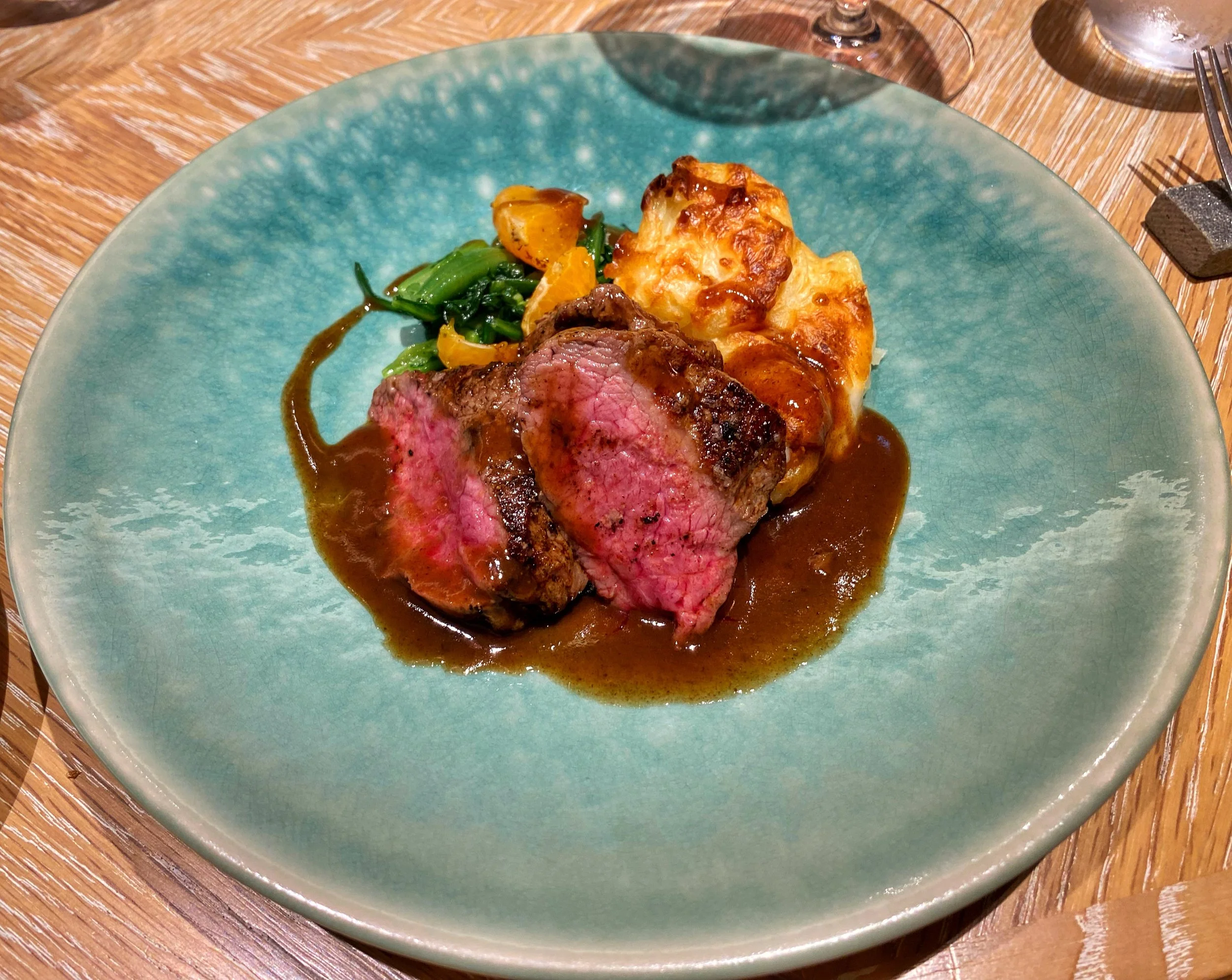
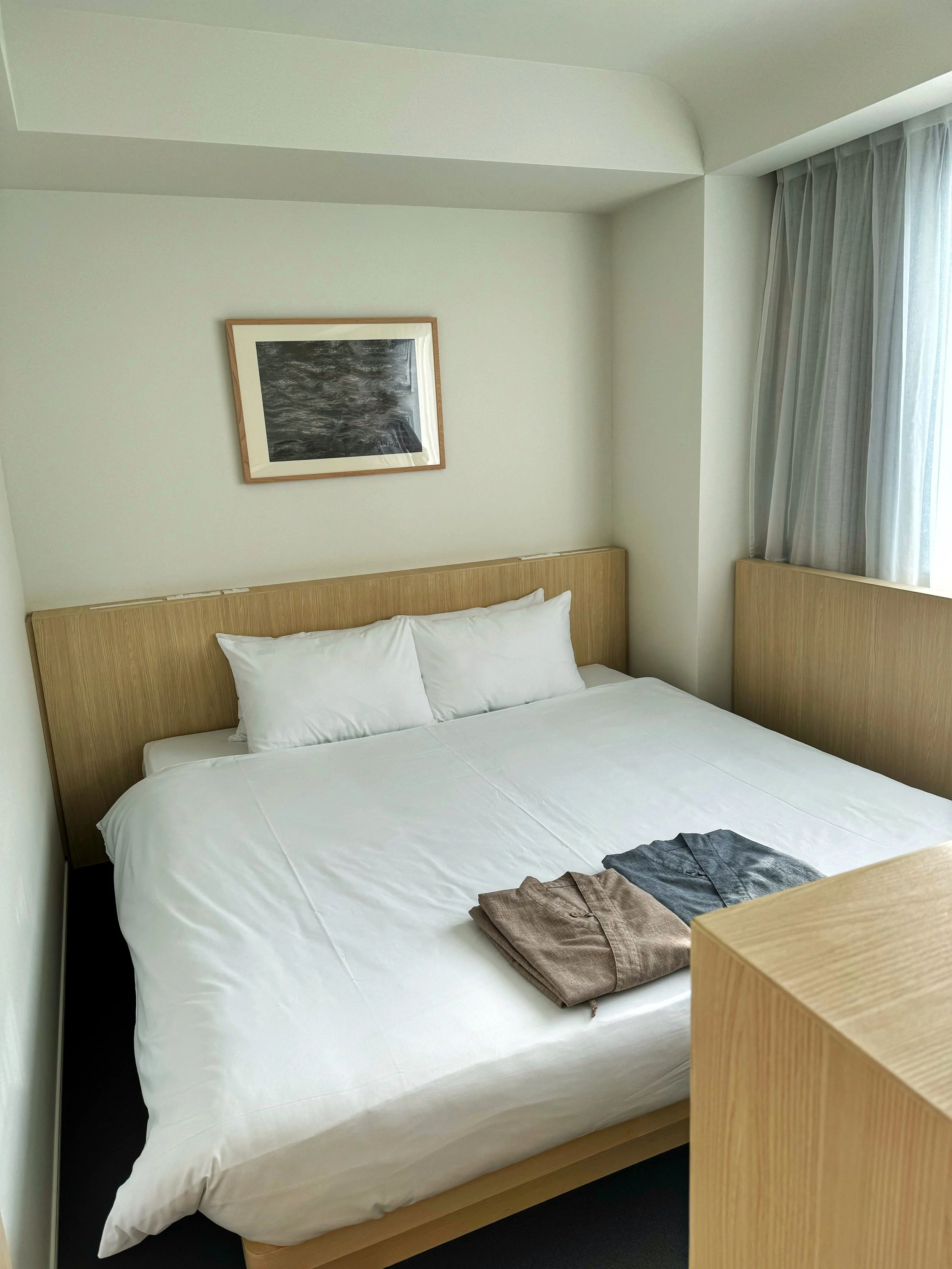
Japan can be more affordable than people expect, but budgeting requires planning and intention. Think about what matters to you. Do you prefer efficient travel, luxurious/unique hotels, or food and drinks? Decide where you are willing to splurge and where you prefer to save. I used to prioritize luxury hotels, but now I prefer a mix depending on my travel plans. I usually choose to splurge more on food and drinks or efficient transportation on many trips.

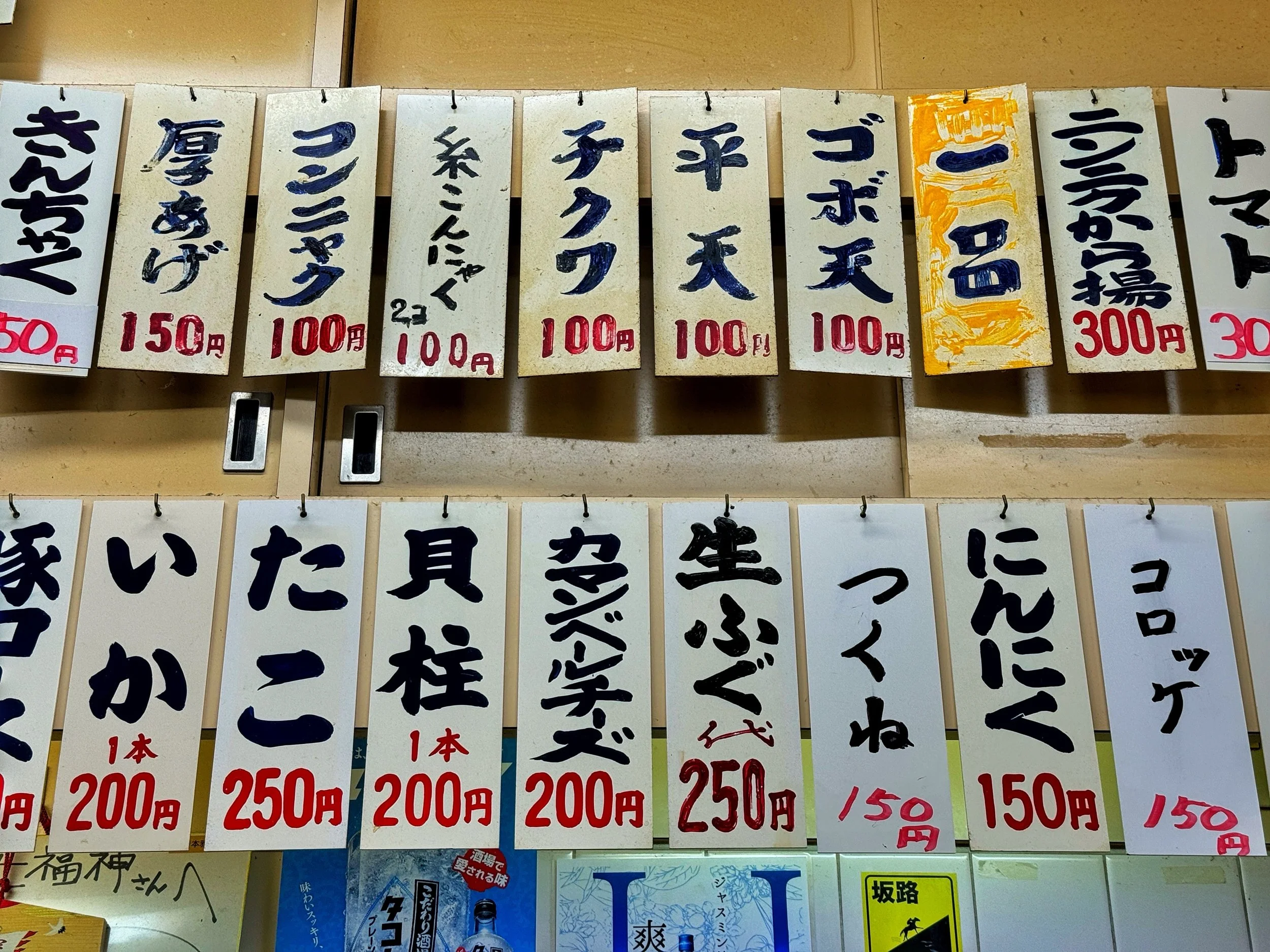
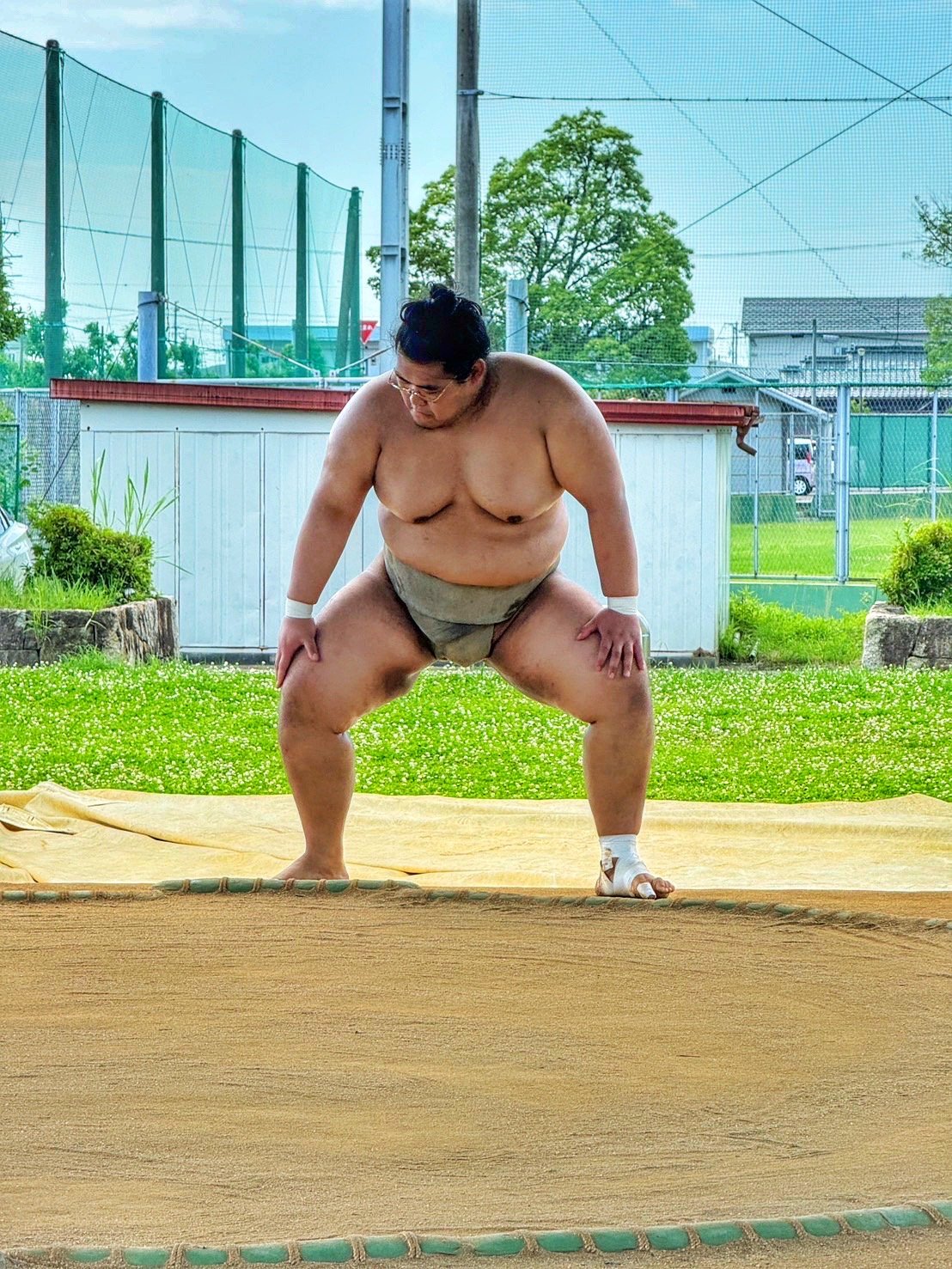
3. Don’t be afraid to try something new in Japan.
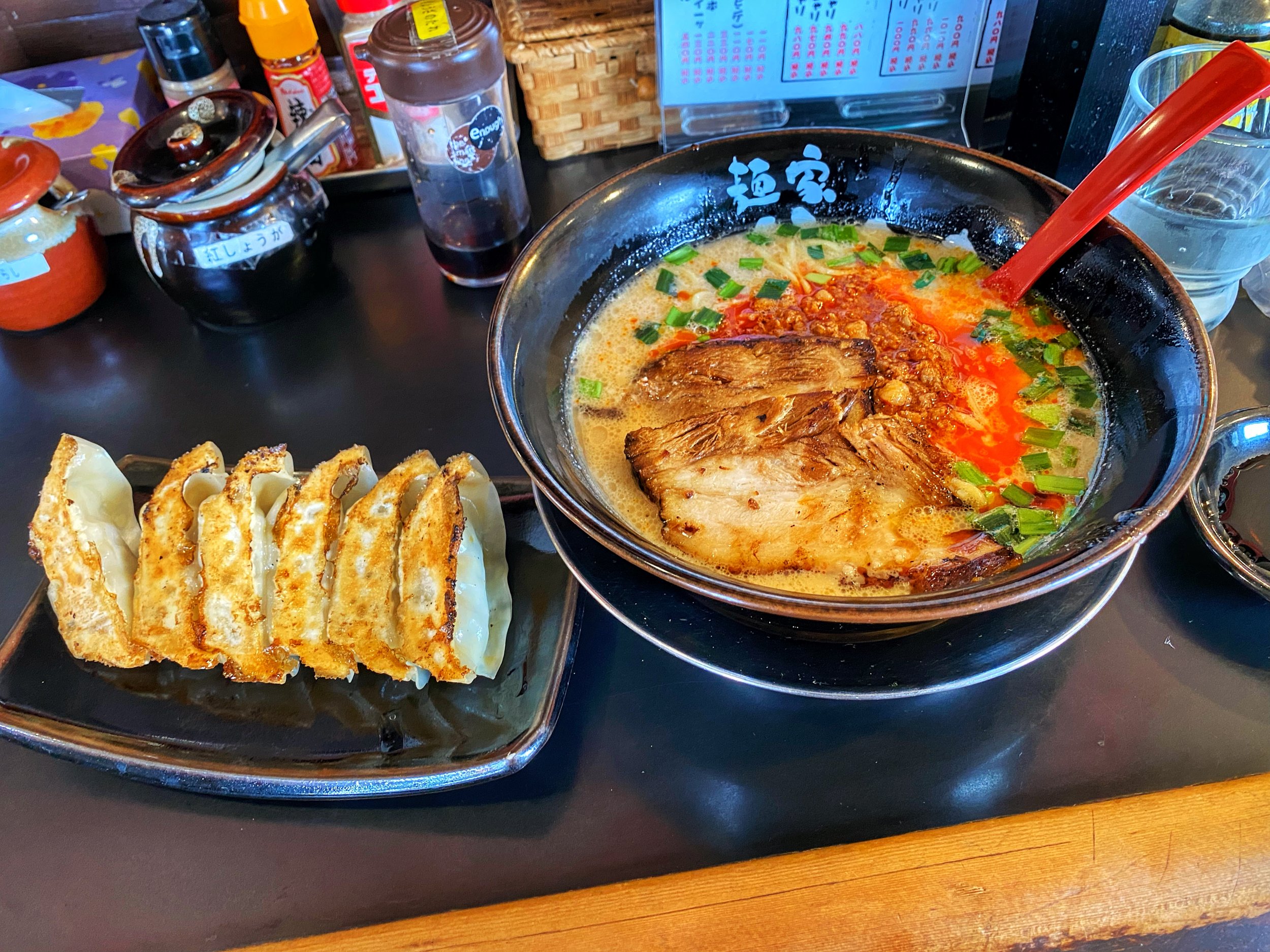
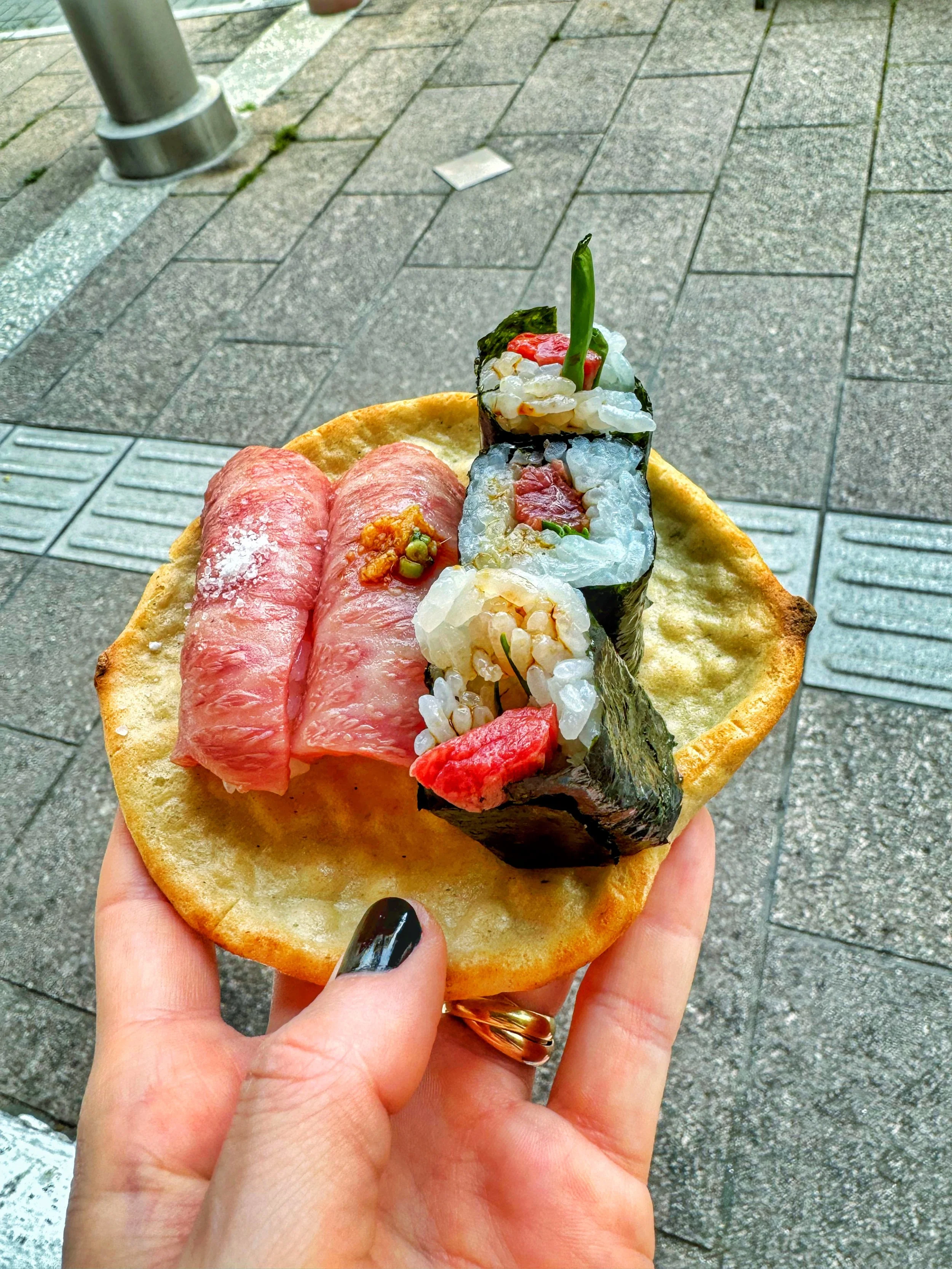
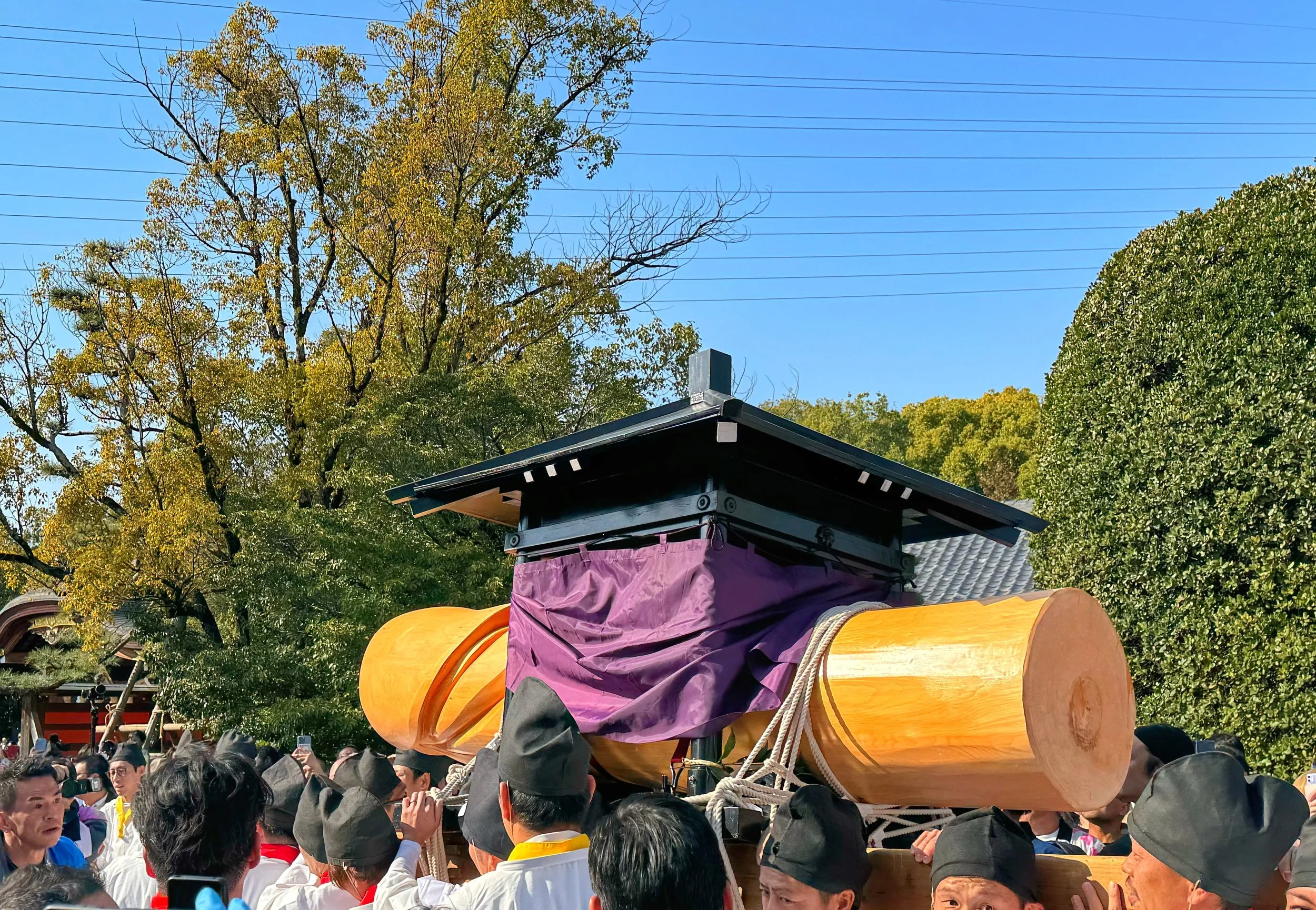
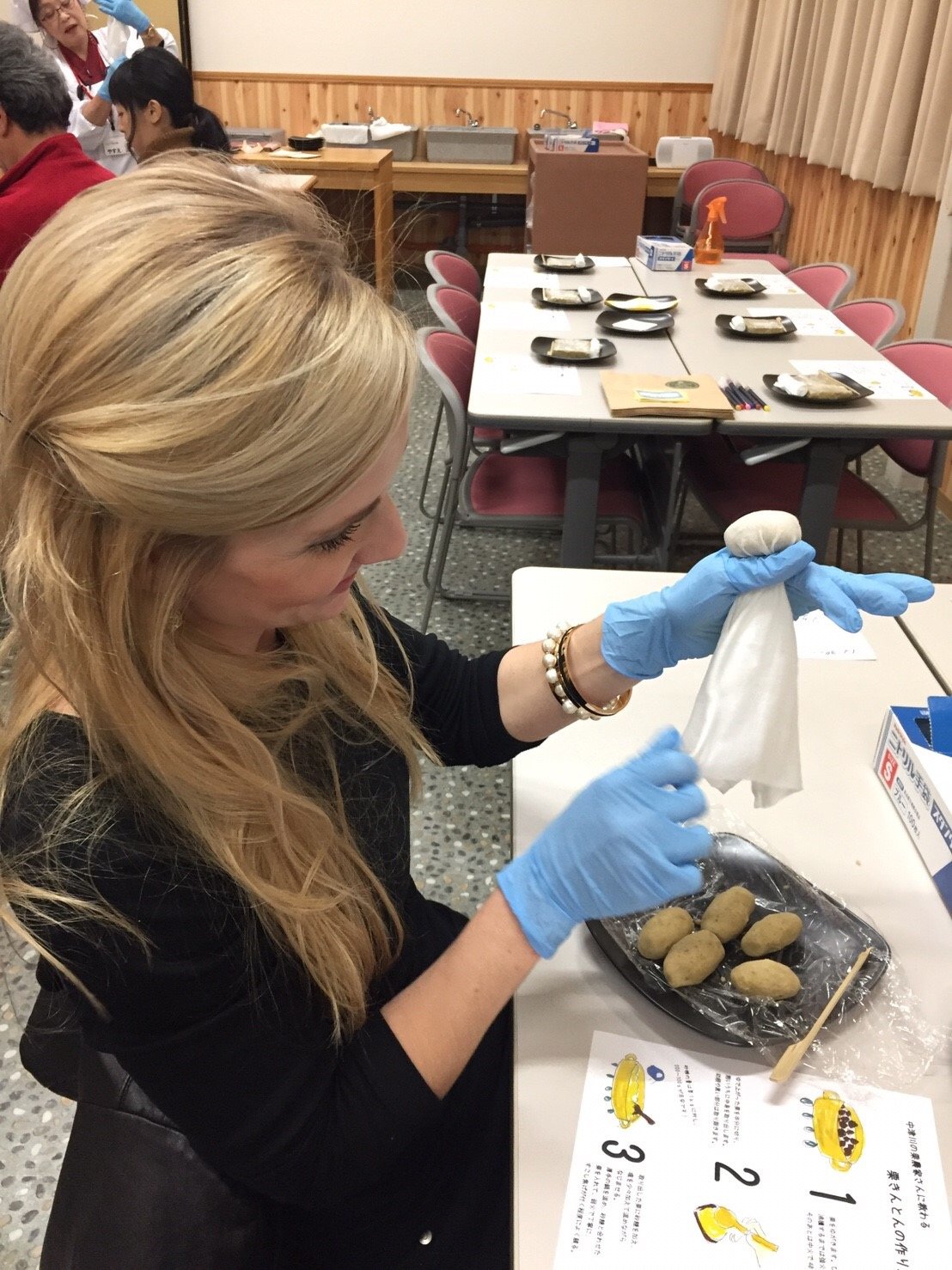
Many visitors worry about making mistakes or breaking cultural rules. While that fear is understandable, most “Don’t do this in Japan” videos are misleading or exaggerated. Try unfamiliar foods, walk into shops that feel intimidating, or talk with locals. You won’t love every experience, but some may become the highlights of your trip. Of course, no one wants to embarrass themselves or be reprimanded. If you are uncertain about how to approach a situation, do a quick search online or ask someone.
4. Spend money locally while traveling in Japan.
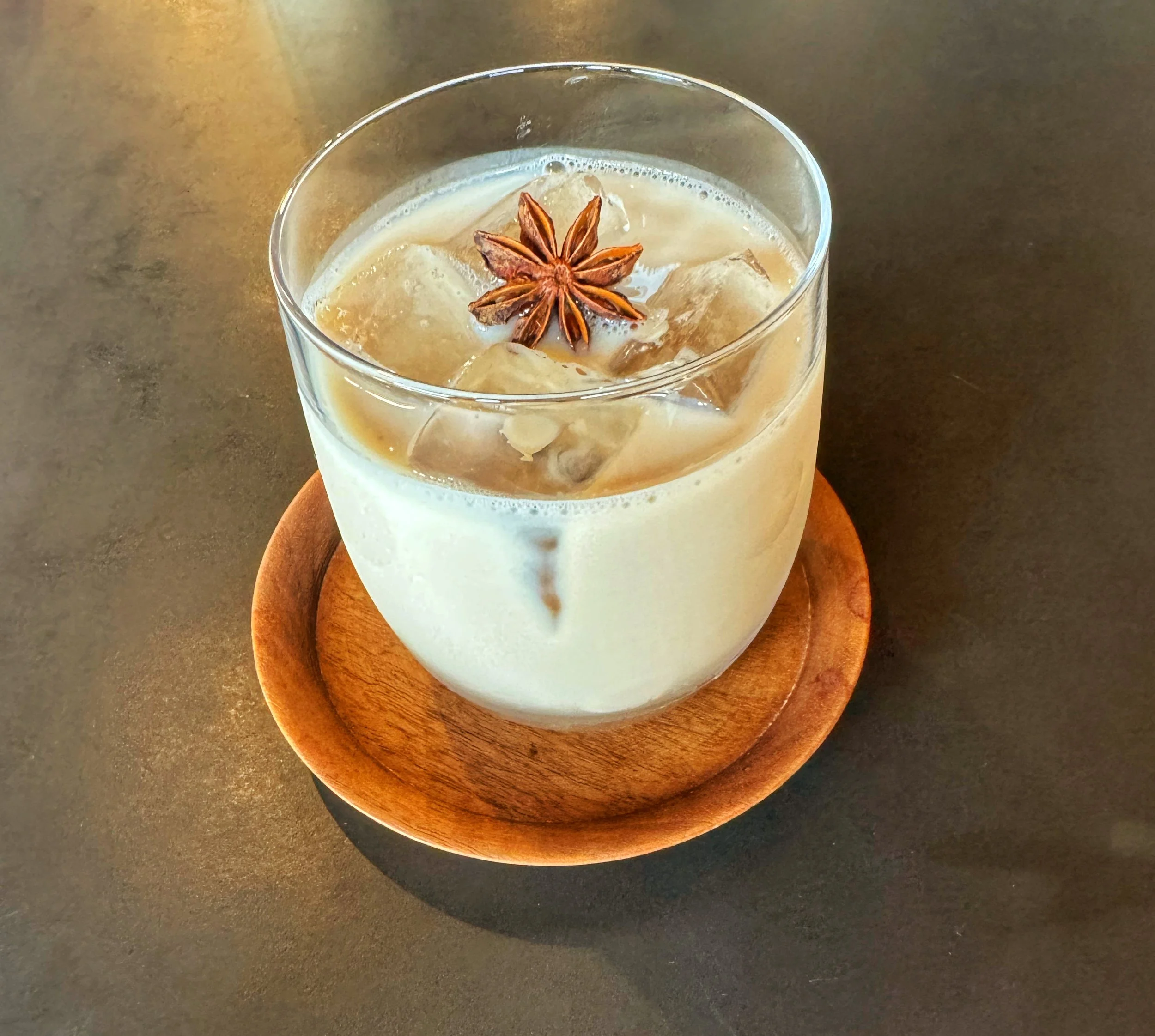
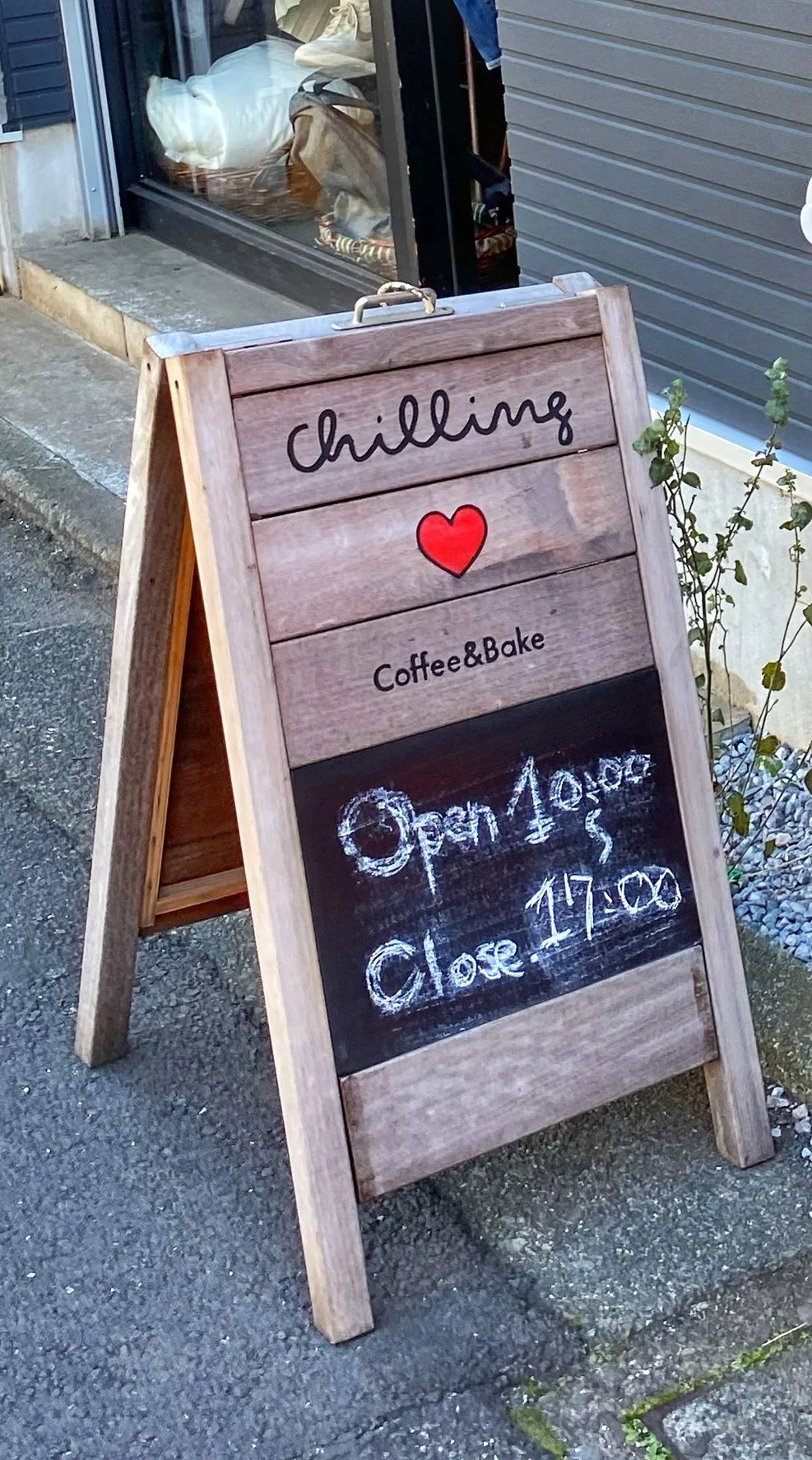
One challenge that Japan faces with overtourism is that tourism income doesn’t always stay in the communities being visited. Supporting local cafes, museums, and small businesses help sustain the places you’re enjoying. In one of my past jobs, we worked to preserve local culture but also help communities retain tourism/visitor income. Rather than going to a chain coffee shop every day, pop into a small cafe. It doesn’t have to be the main mission of your travel but is something that will be rewarding to you and the local communities.
5. Choose hotels in Japan based on convenience.
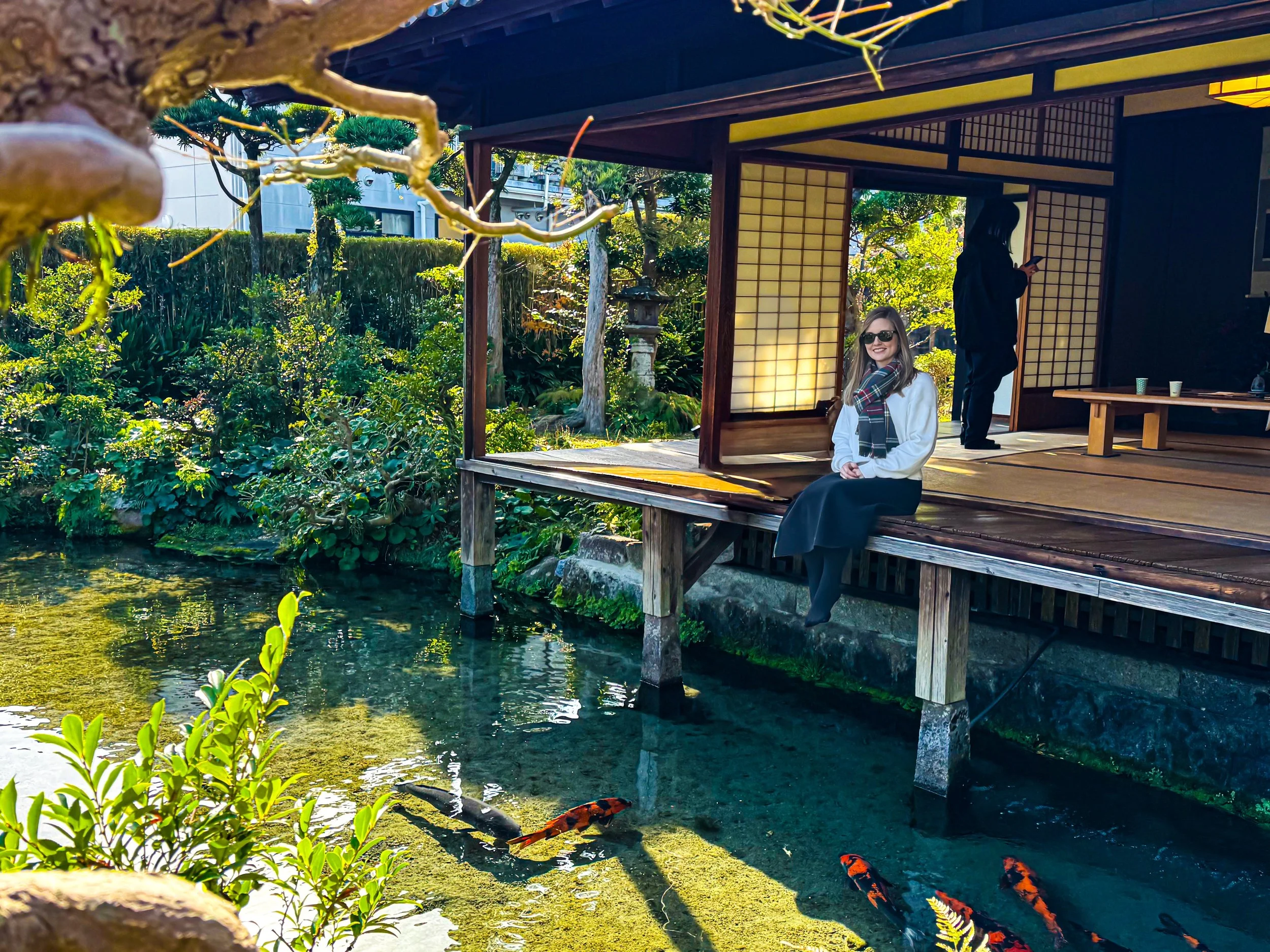
Hotel locations can make or break your trip to Japan. In Tokyo, staying near a station on the Yamanote Line or a station with multiple lines saves significant time. Crossing the city can take 40 minutes or more. In rural areas, limited train schedules and taxis make convenience even more important. In Kyoto, public transit can be busy, so staying in a more walkable area allows you to have more freedom in your schedule. While there are times that you might choose a less convenient hotel because of the amenities, aesthetics, or cost, just remember to factor the transportation into your itinerary.
6. Plan your Japan sightseeing spots around opening hours and location.
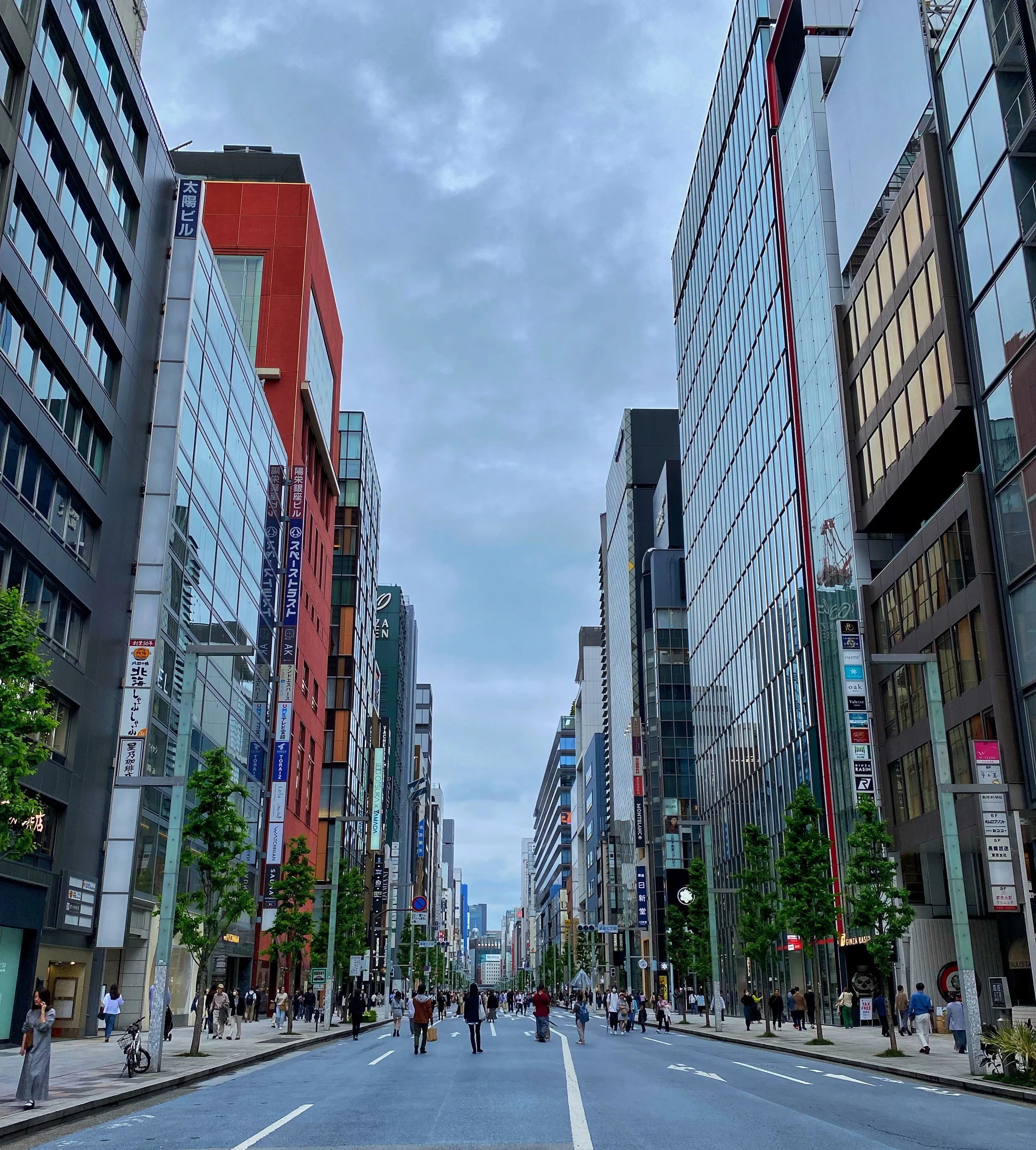
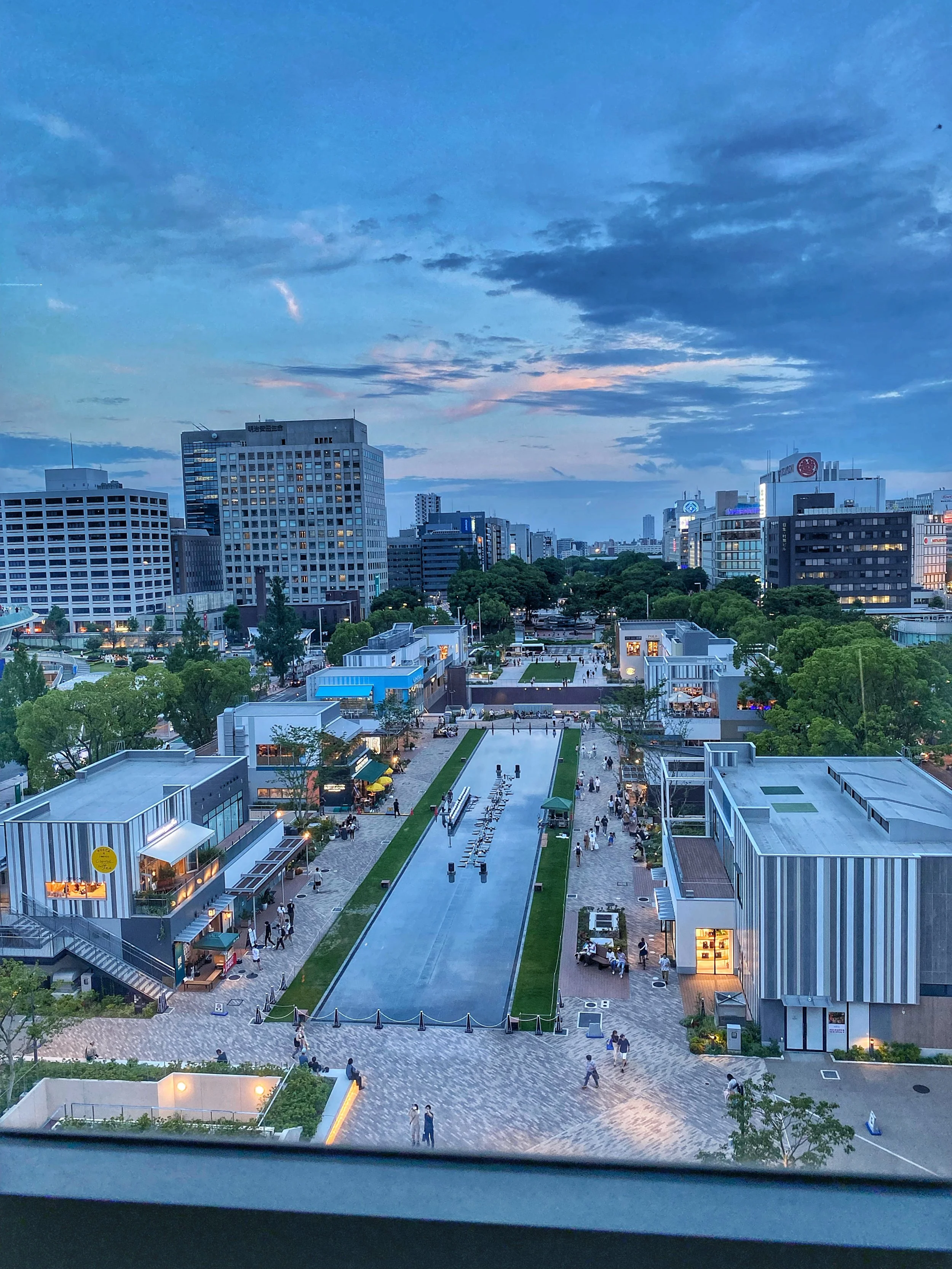
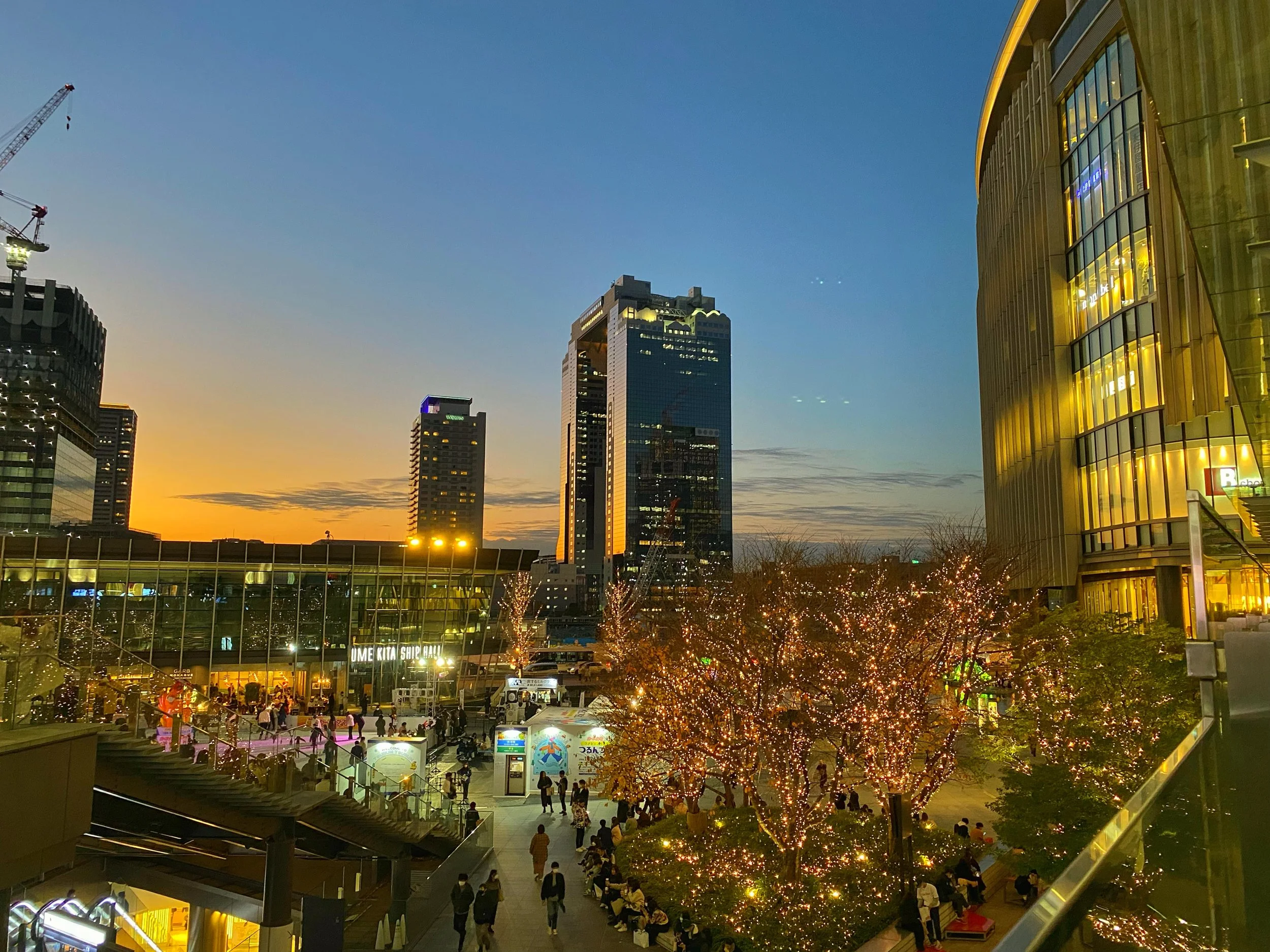
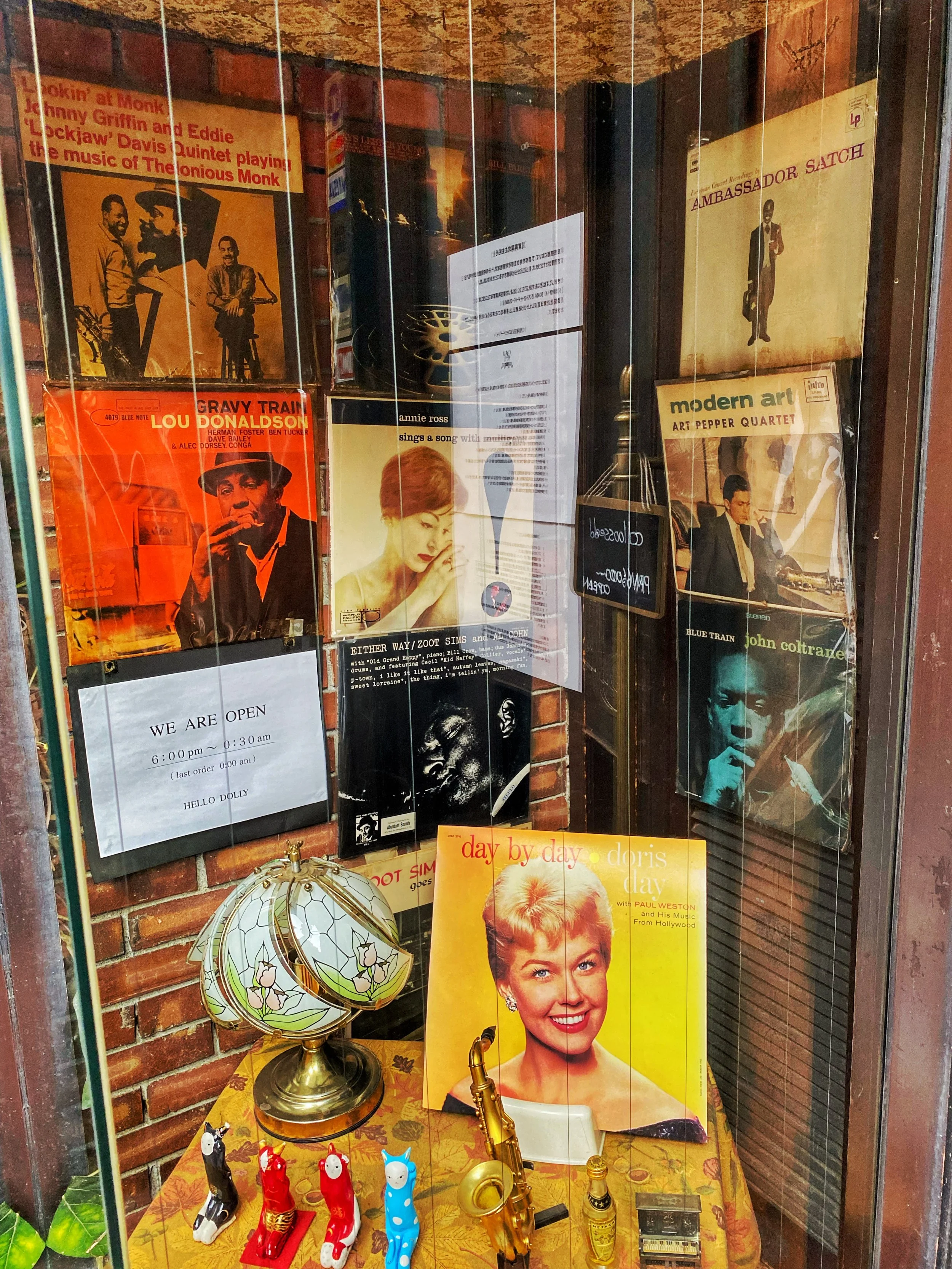
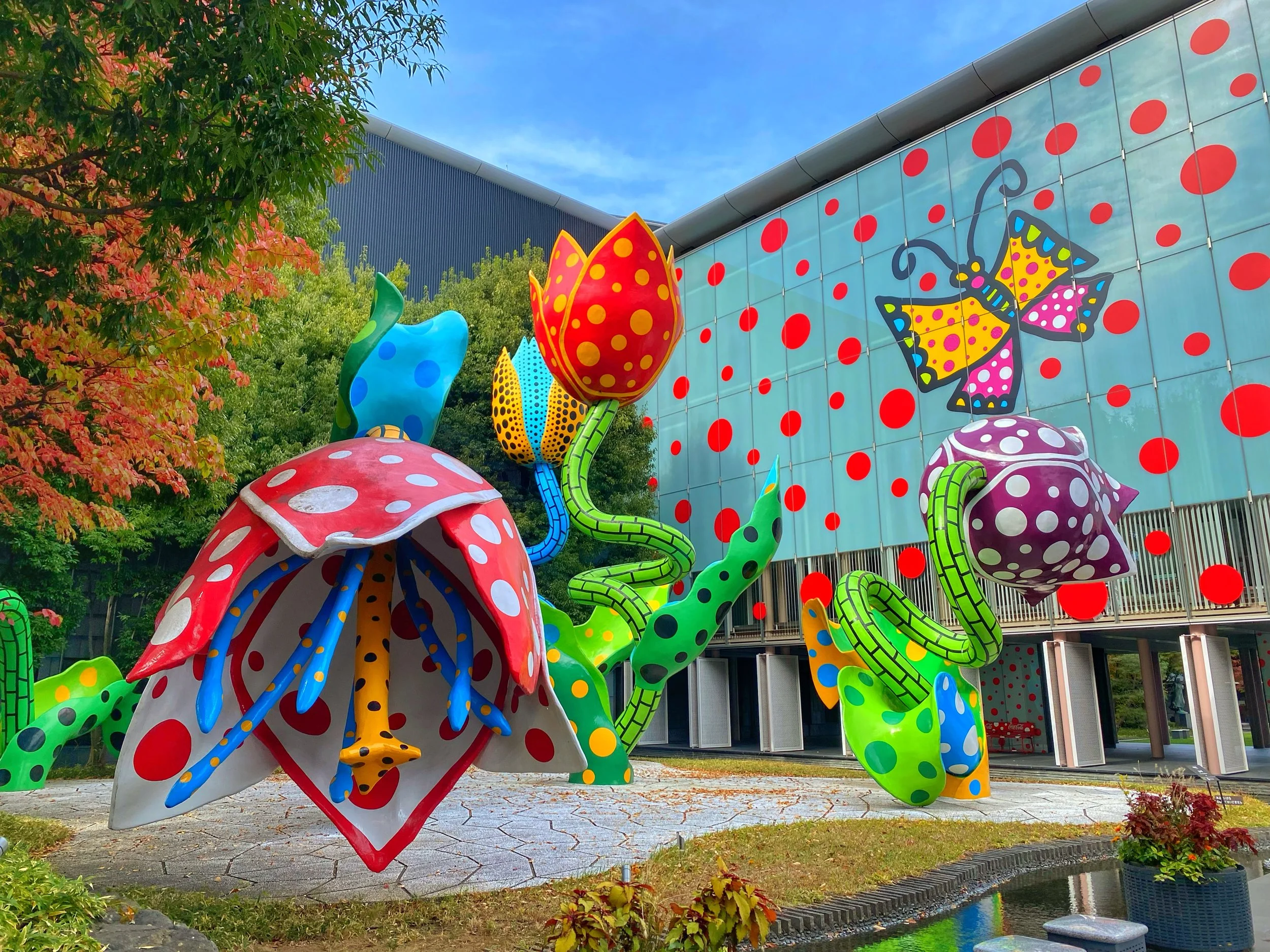
In major cities, group locations you plan to visit by neighborhood whenever possible. This prevents you from zigzagging across town every day. For your travel throughout the country, make sure you check the opening times and hours of your must-visit sights to plan your travel. Always check opening hours because many places in Japan open later or close earlier than you’d expect, or they aren’t open daily. For example, many museums throughout the country are often closed on Mondays unless it is a national holiday. Some bars or restaurants might not open until 8:00 pm, but others might close by 10:00 pm. Try to use the time and location of your must-visit locations to more efficiently plan your trip.
7. Learn basic Japanese etiquette (but don’t stress about perfection).
Simple etiquette like lining up on train platforms, keeping conversations quiet in public spaces, where to stand on escalators, and how to behave respectfully at shrines and temples will help make your travel smoother. Also, some places might not allow photos or videos. When in doubt, always ask. One thing I have frequently seen is people taking photos of children because they think the kimonos or uniforms are cute. This is something you definitely should not do out of courtesy.
You don’t need to do everything perfectly. Awareness and effort are usually appreciated as much as flawless execution. If you are unsure about the common rules or practices, just do a simple search online for the answer.
8. Explore beyond the major cities and Golden Route.
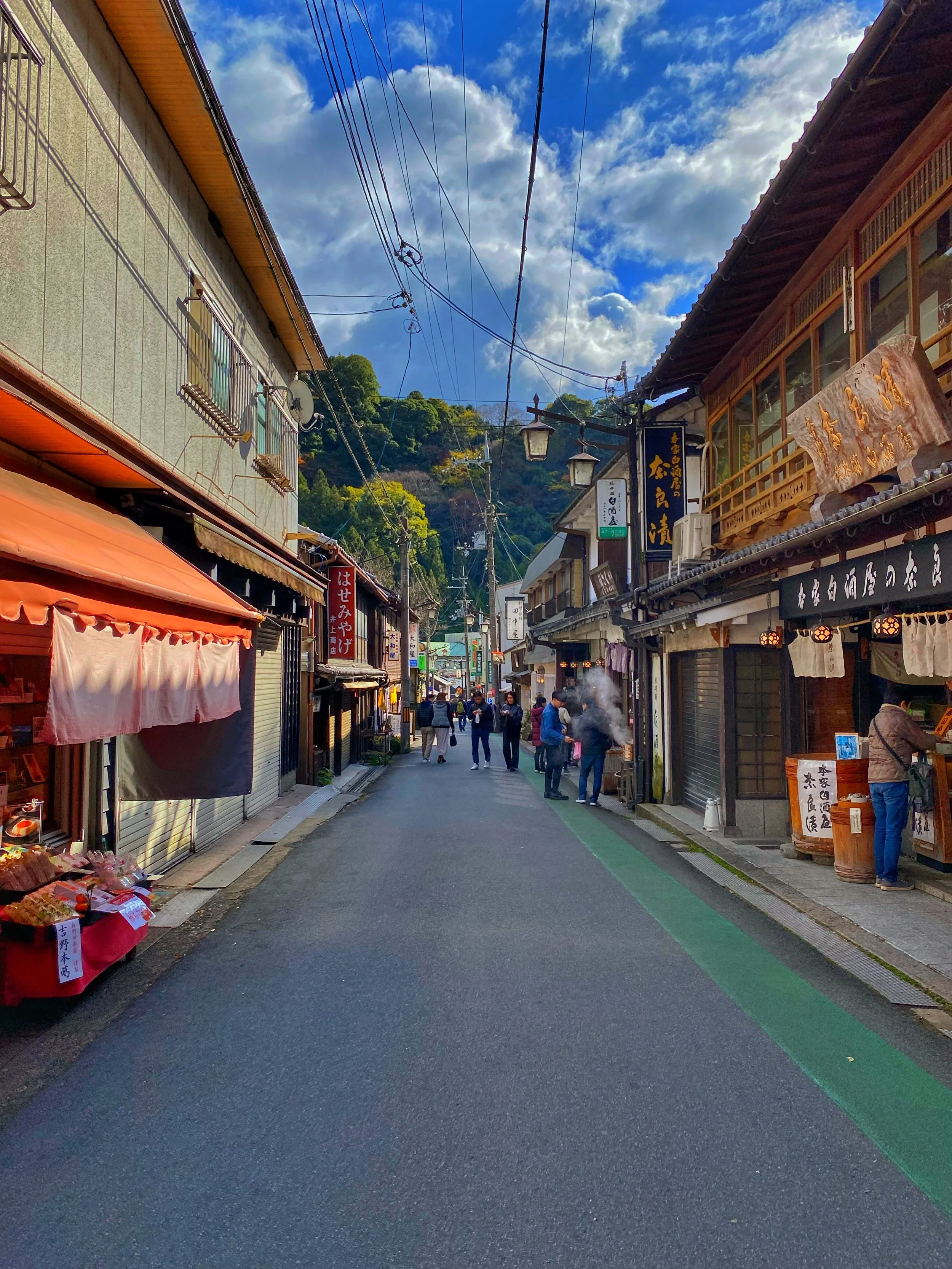
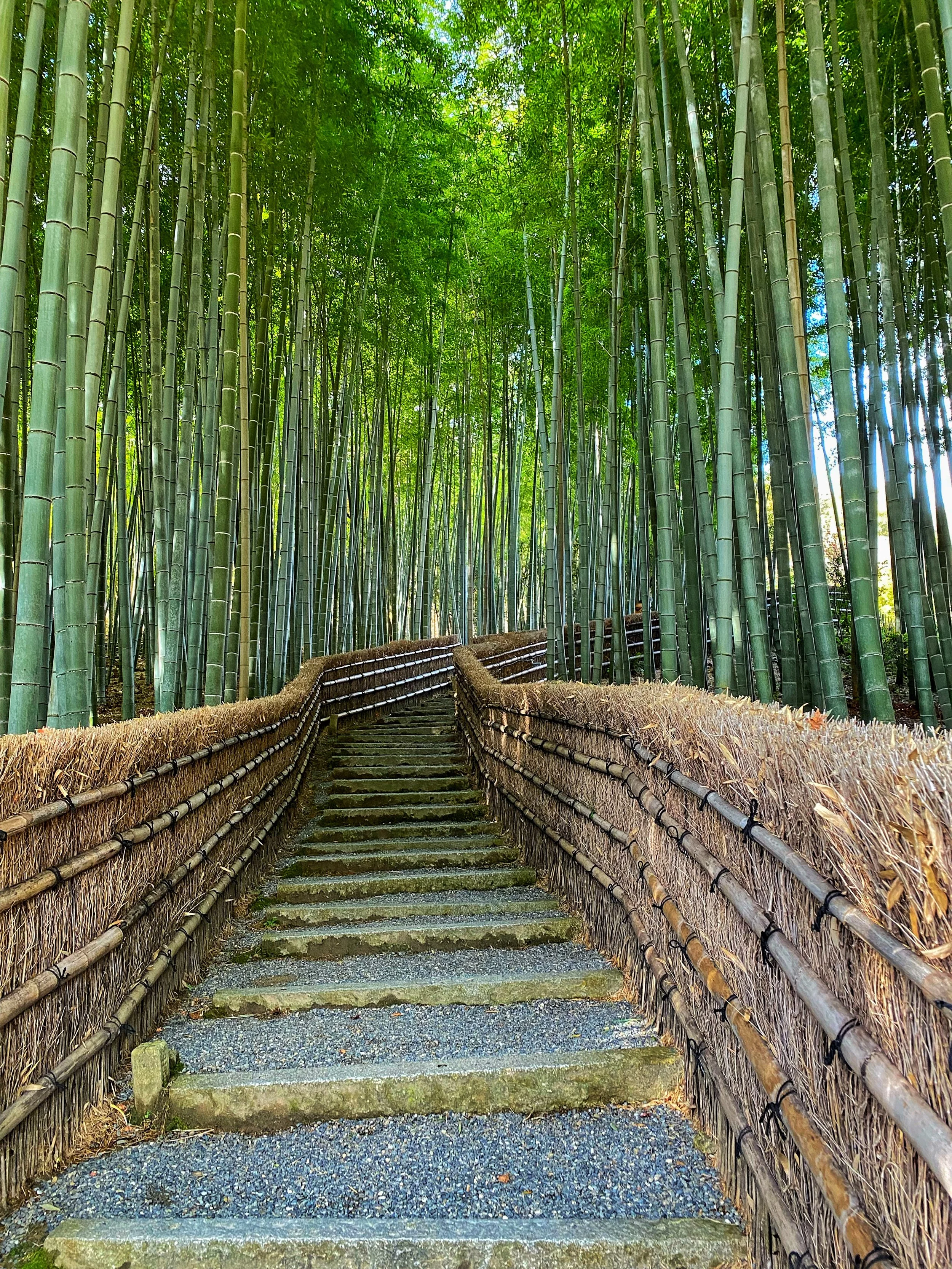
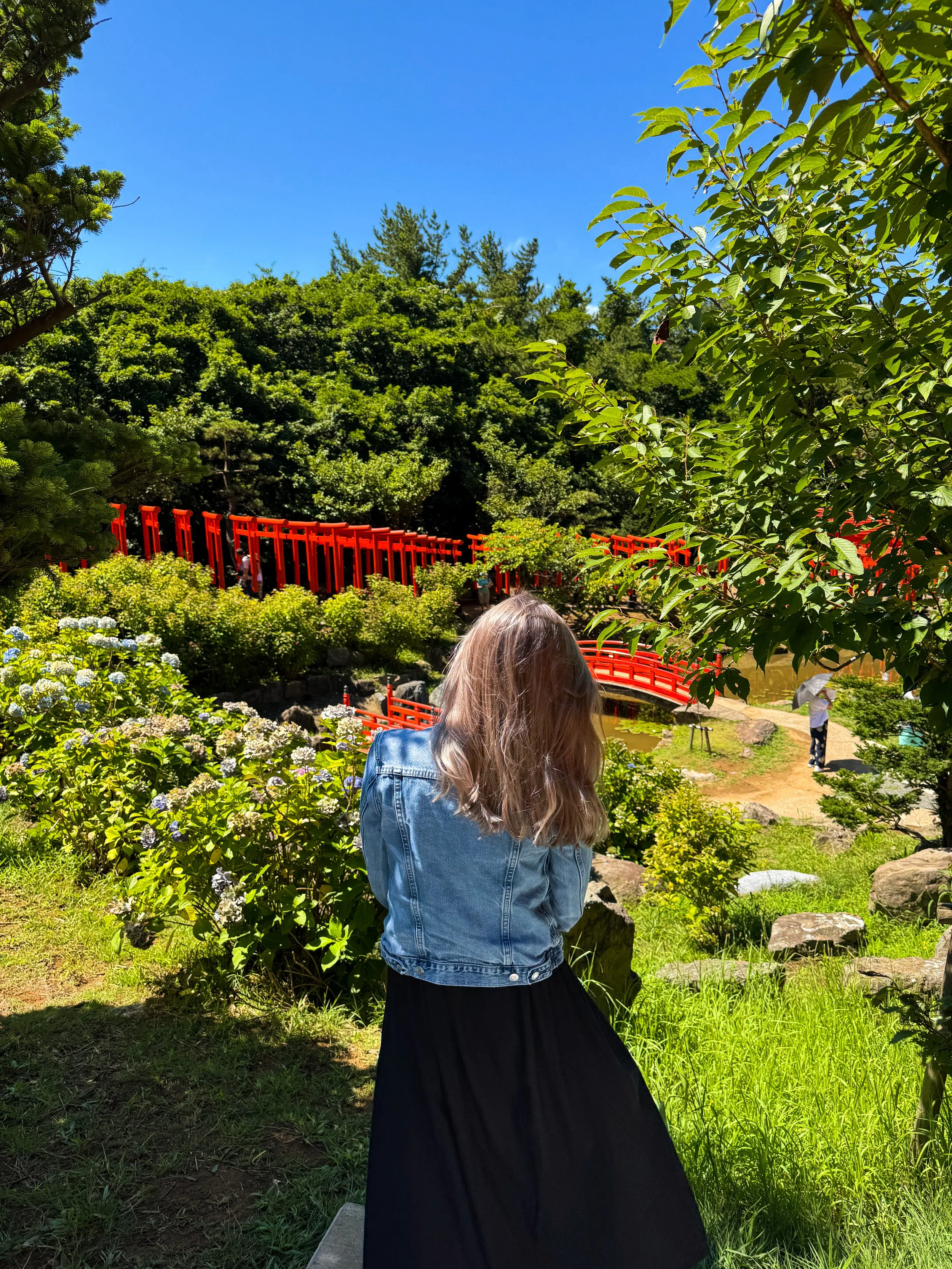
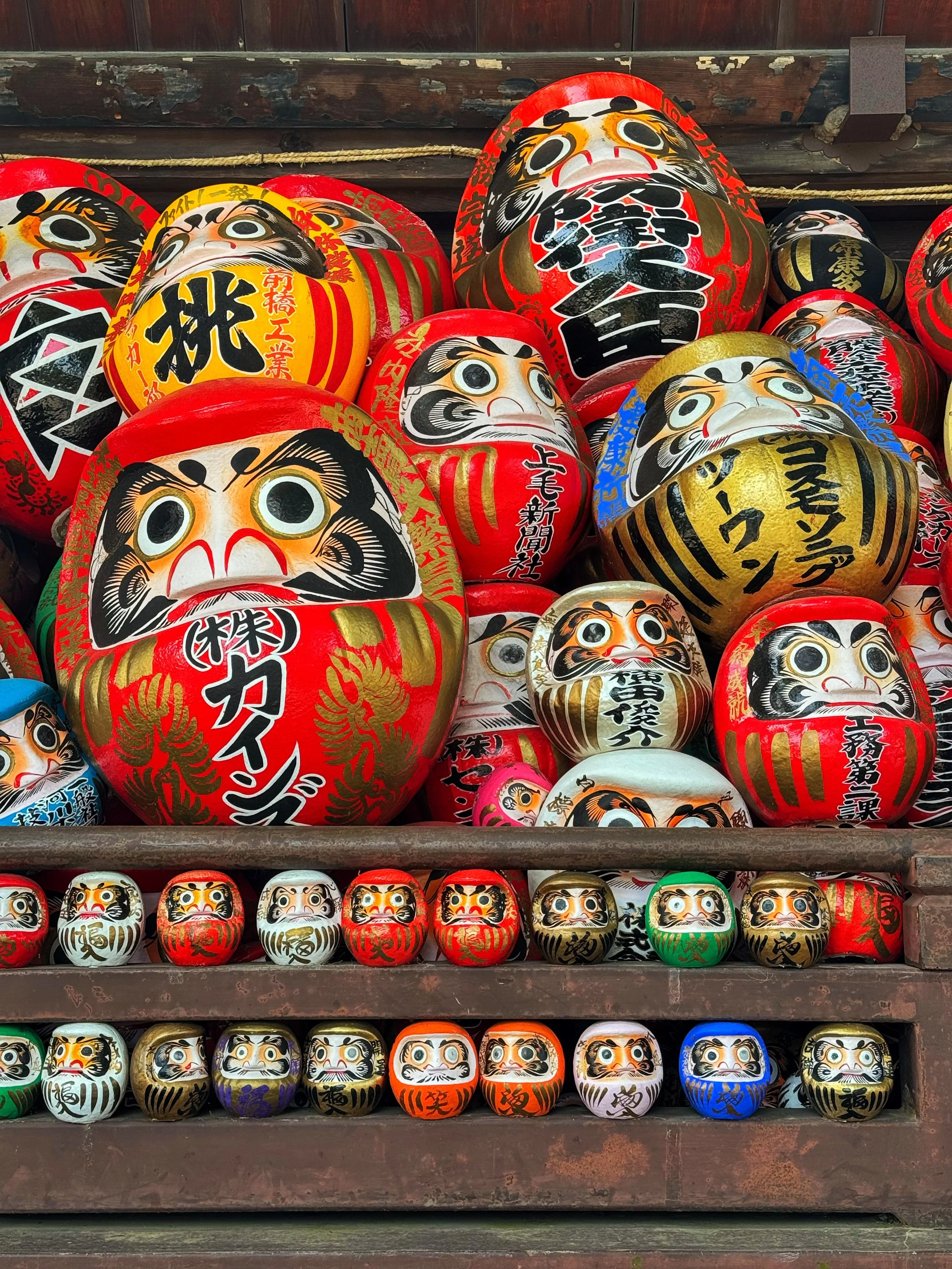
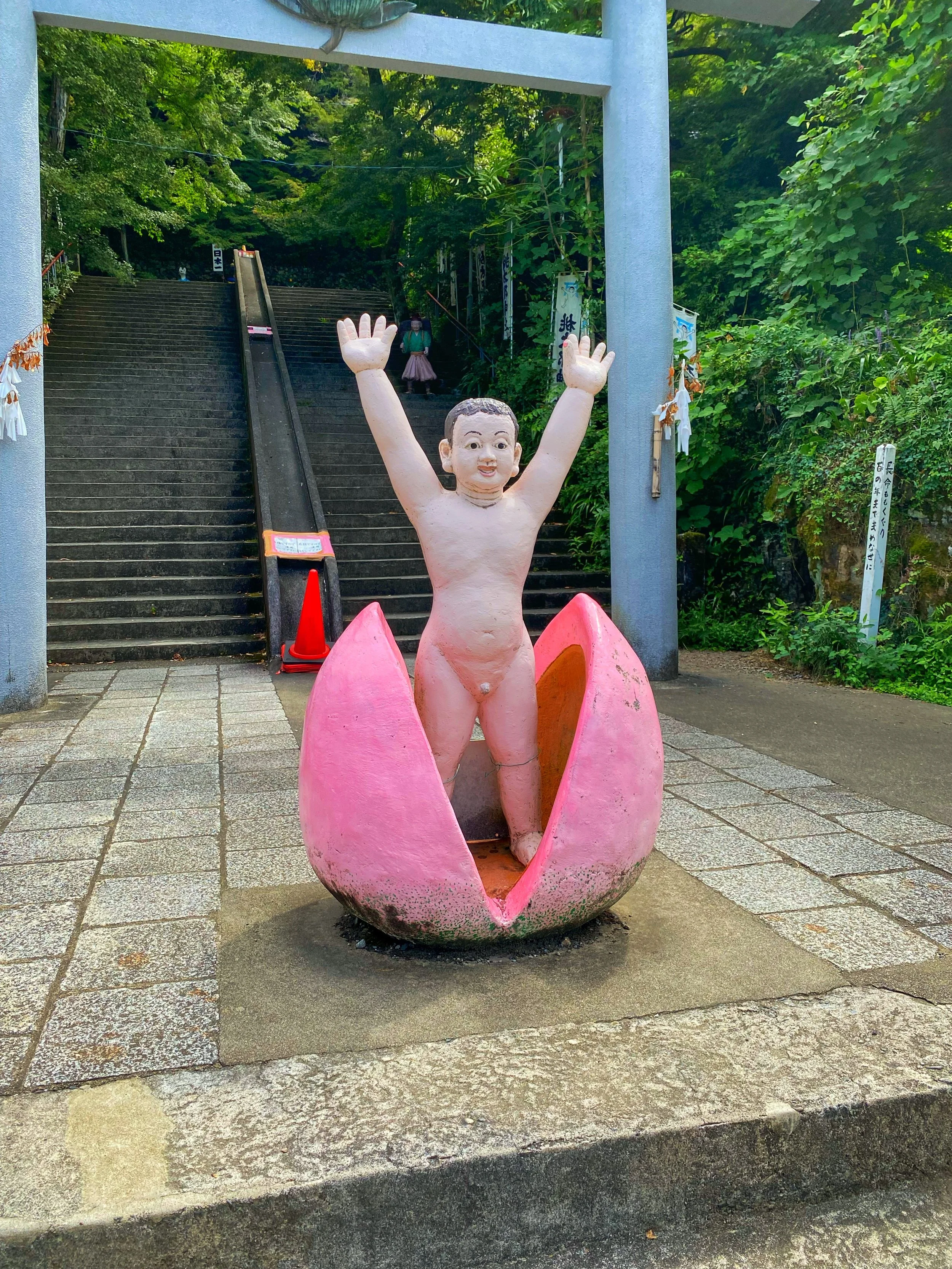
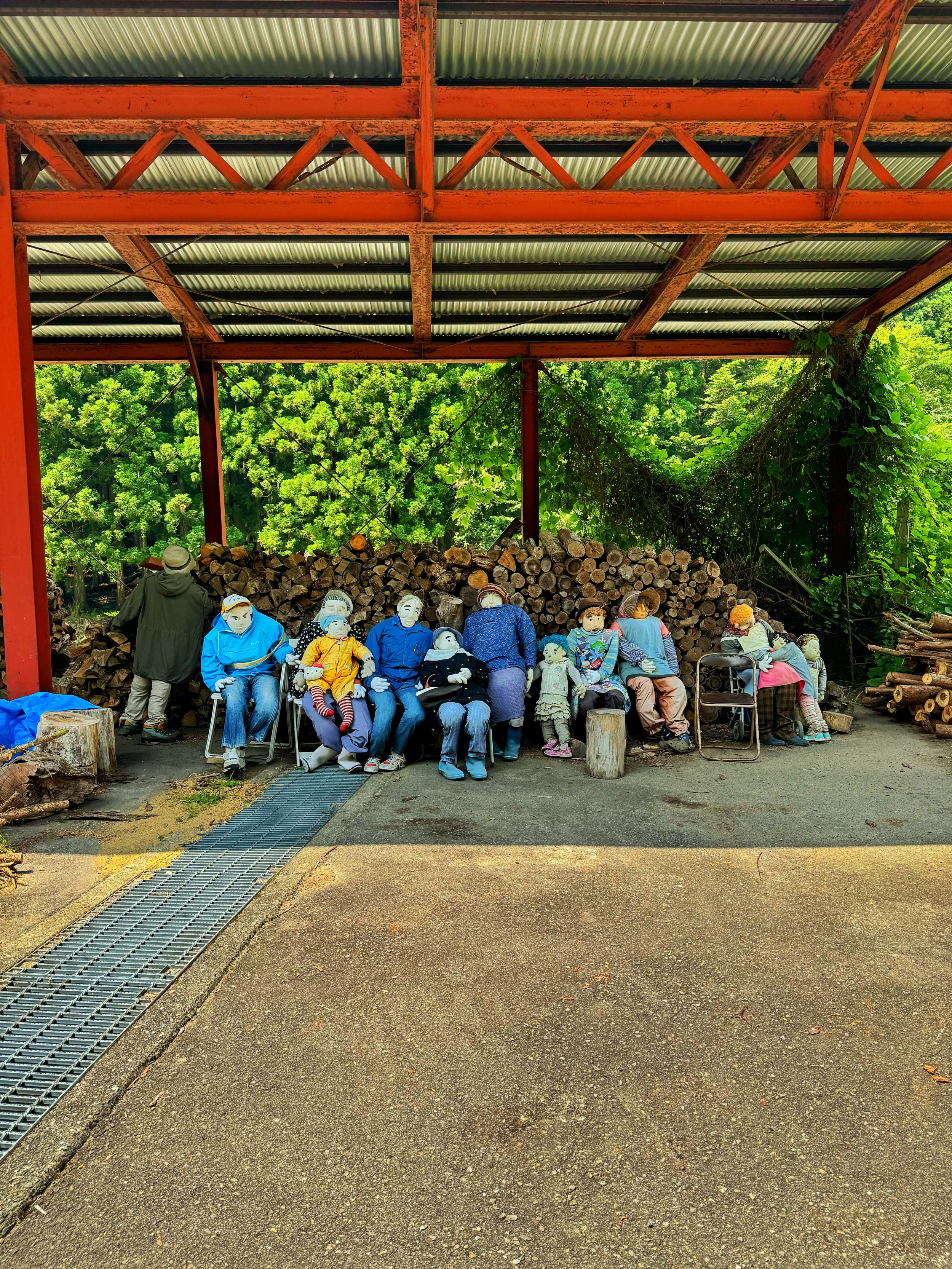
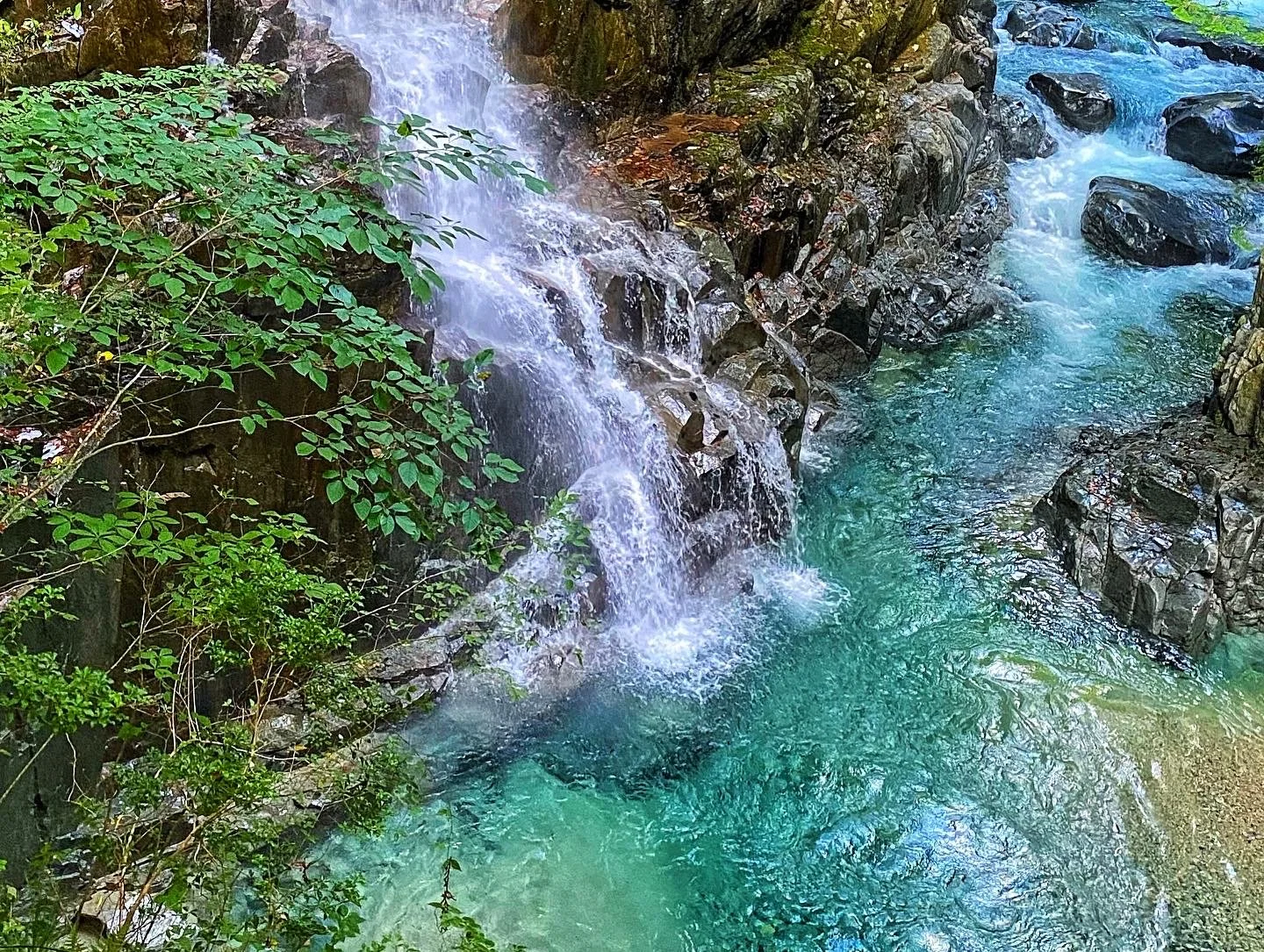
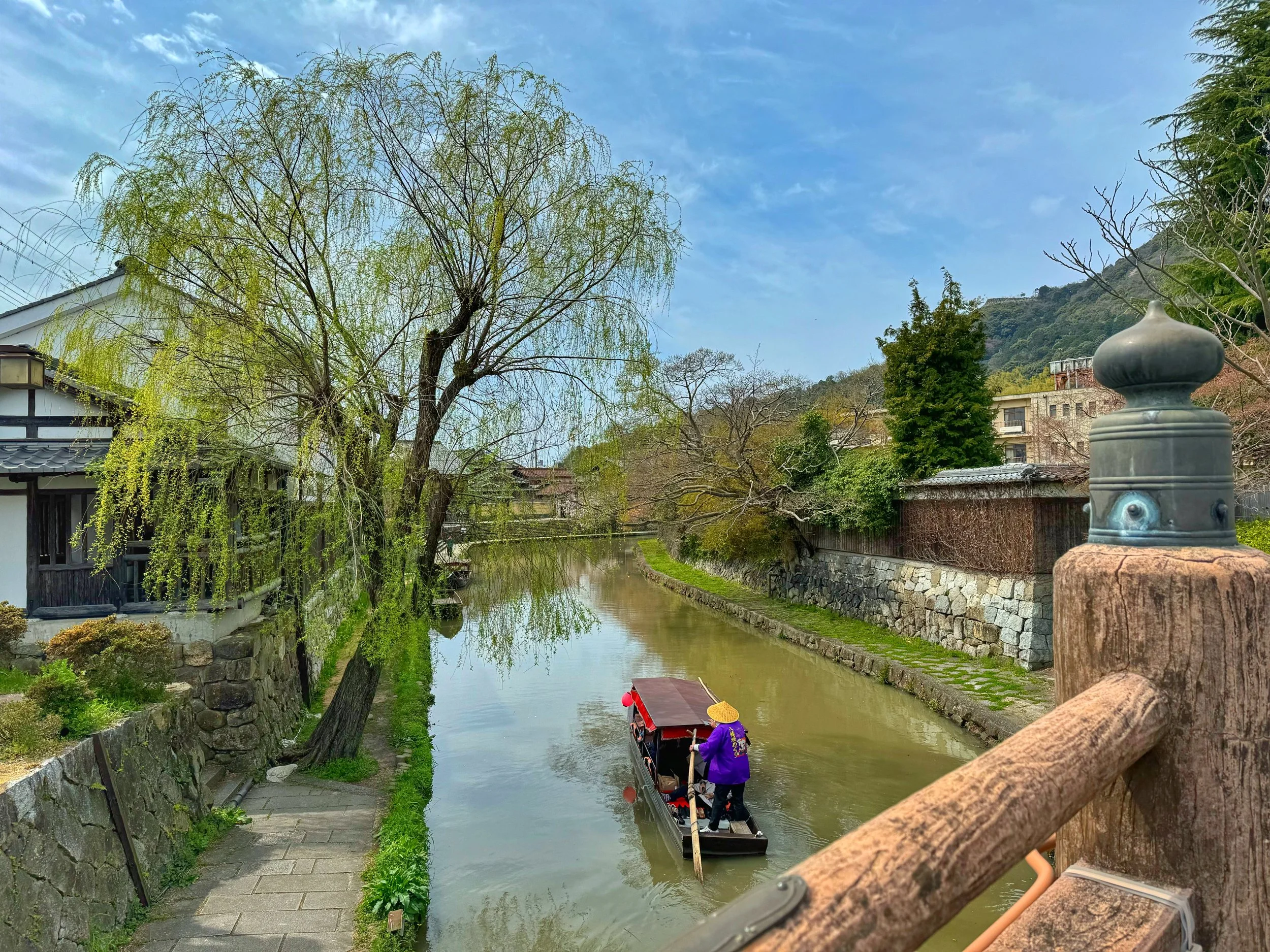
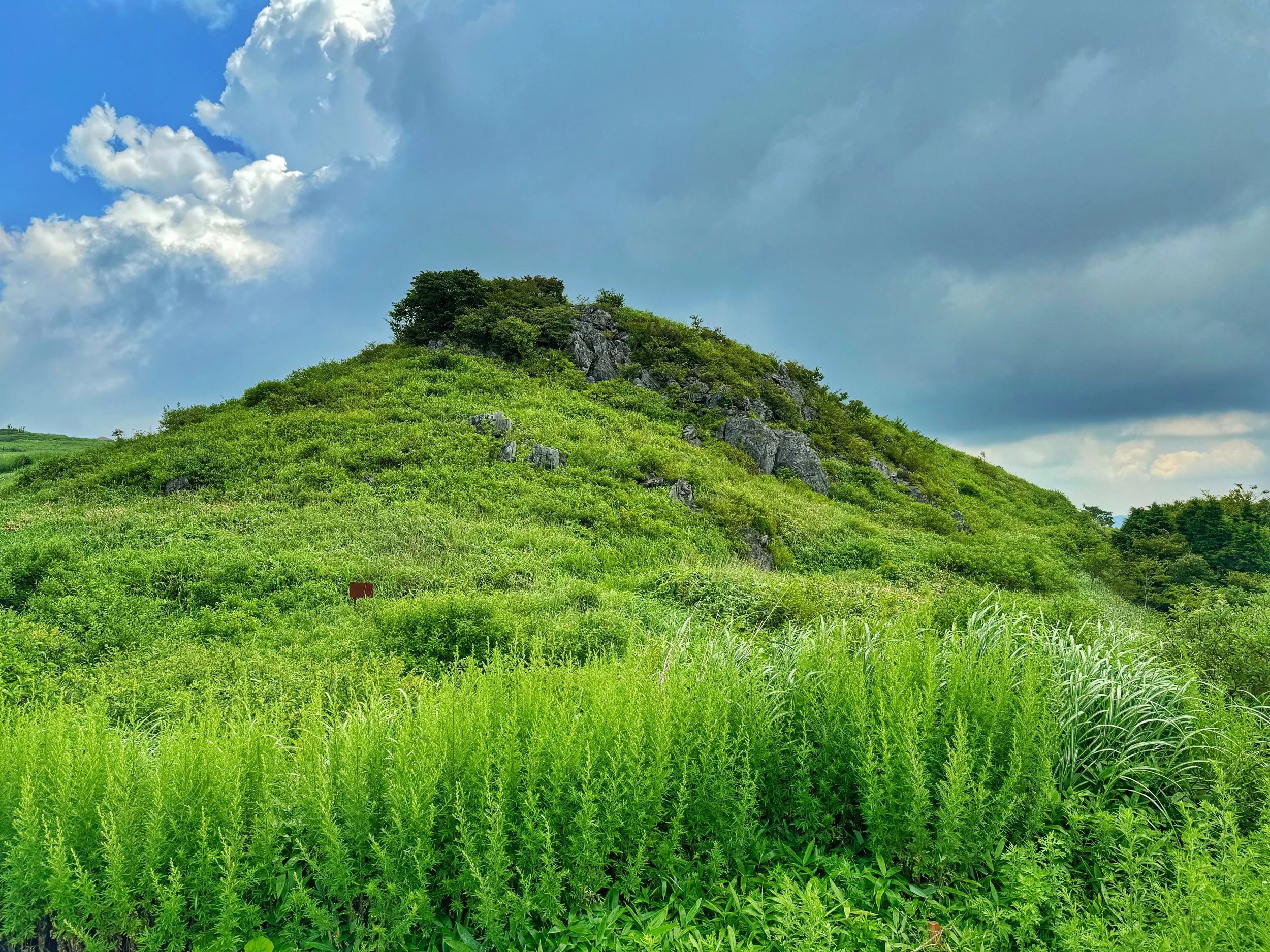
The Golden Route (Tokyo, Kyoto, and Osaka) is popular for good reason, but some of the most memorable experiences in Japan happen in smaller cities and overlooked neighborhoods. Many of my favorite moments weren’t in famous spots, but in local coffee shops, bars, and lesser-visited sights. While it might take more effort to get to some of these places, it is usually worth it. Think about renting a car or adding some extra travel to your trip to fully enjoy some of the areas of Japan that many tourists skip. If you are hesitant to visit rural areas, check out my guide on traveling those areas confidently.

9. Pack lightly or use one of Japan’s luggage forwarding services.
Navigating large stations, crowded trains, or going up all the stairs (Japan is one big stair party) is far easier and much less exhausting with minimal luggage. Japan has several luggage forwarding options that are very reliable and affordable. Usually, you need to send you luggage a day before, and it will go straight to your hotel or the airport. Some services do handle same-day shipping depending on the location. If you are traveling between cities, it also reduces the time spent looking for coin lockers on any stop. This can be a hassle even if they are easy to find at many stations.
10. Carry cash when traveling in Japan.
While cashless options are common in major cities, many small businesses and rural areas still require cash. On a recent trip to Kyushu, I encountered places that were cash-only and others that were cashless-only. Carrying cash gives you flexibility, especially outside of city centers. If you are hoping to get beautiful souvenirs in the countryside or try local restaurants, having cash will keep you from having to skip some of those experiences.
11. Respect quiet moments and shared spaces.
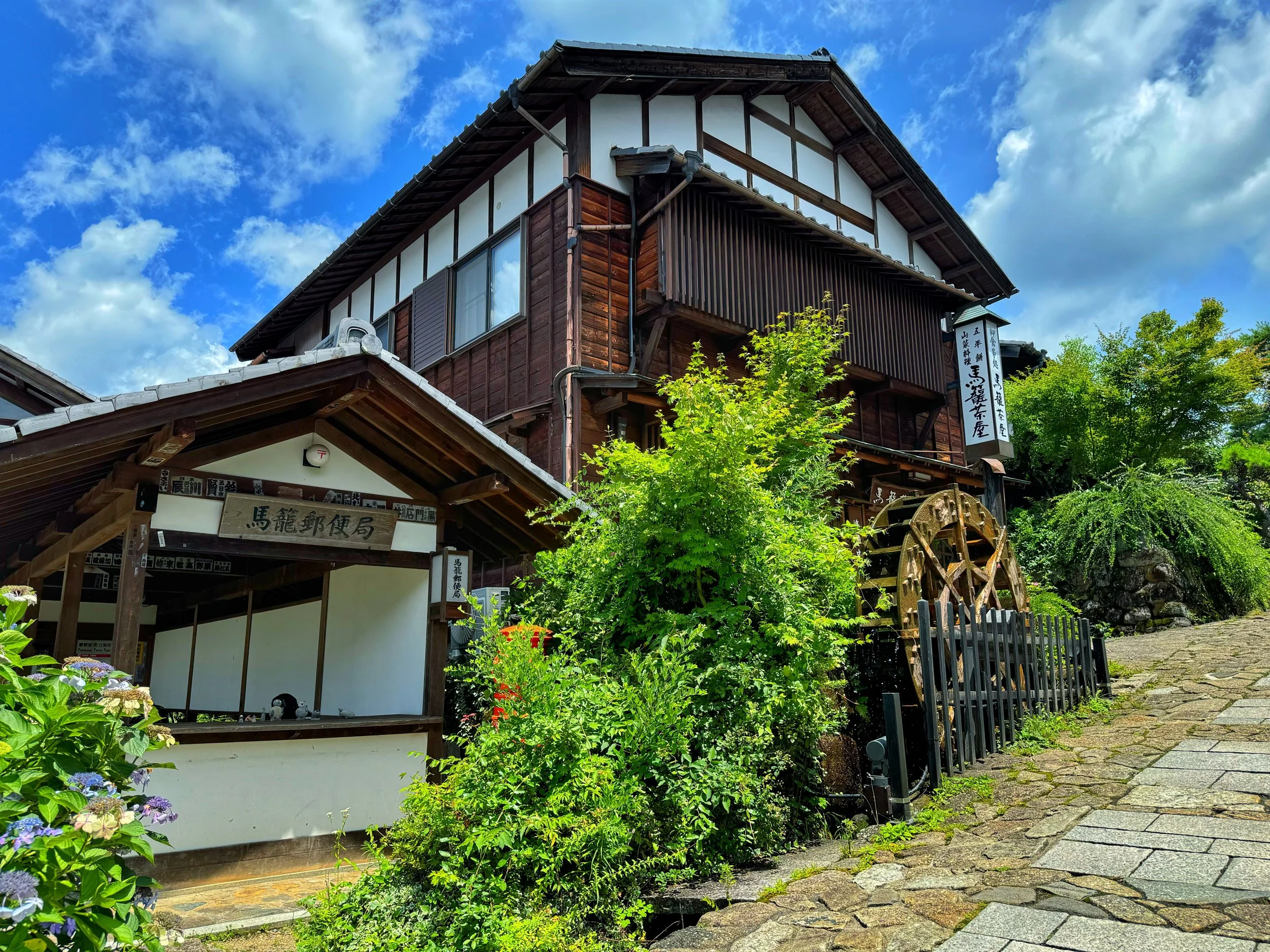
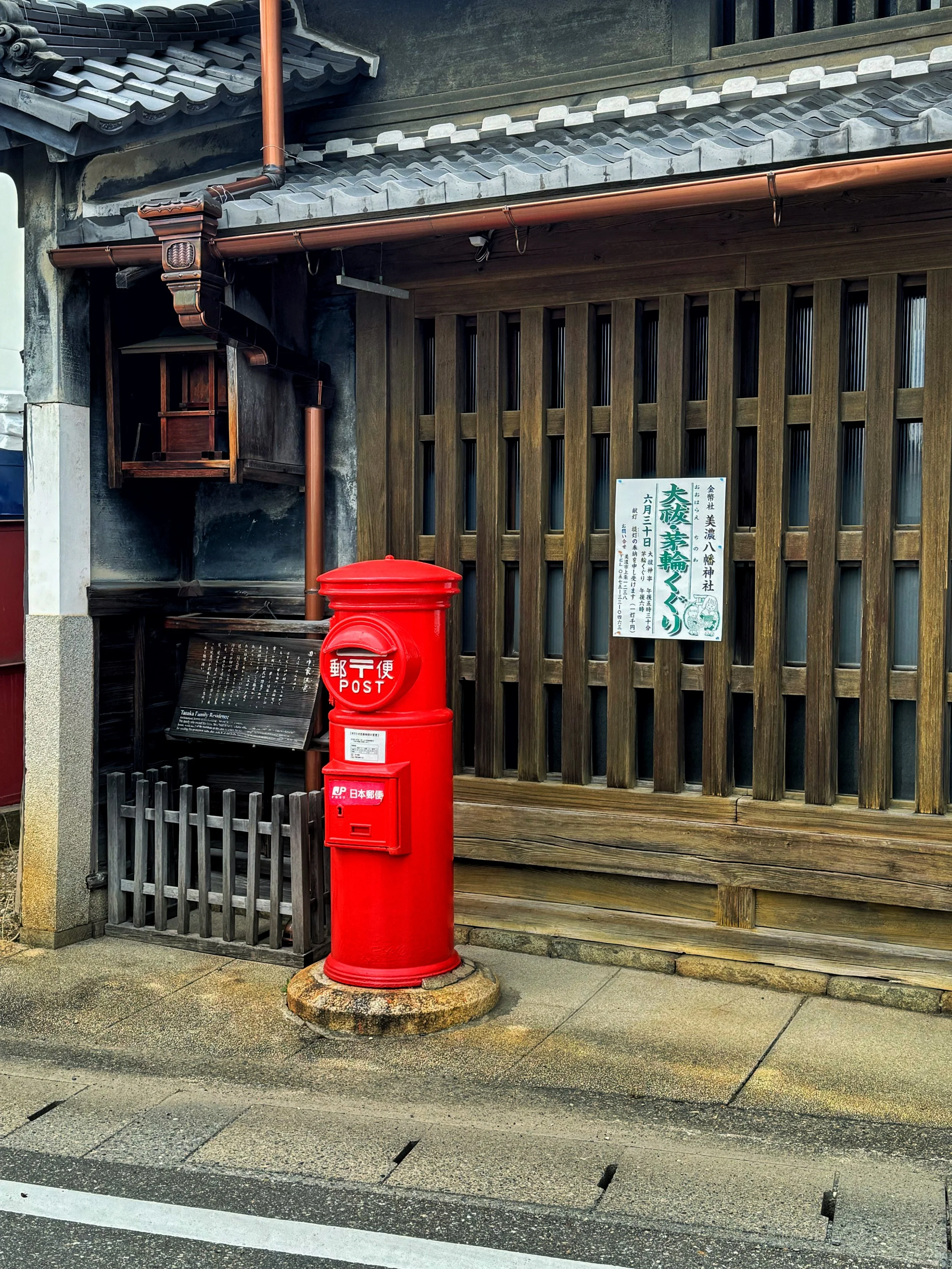
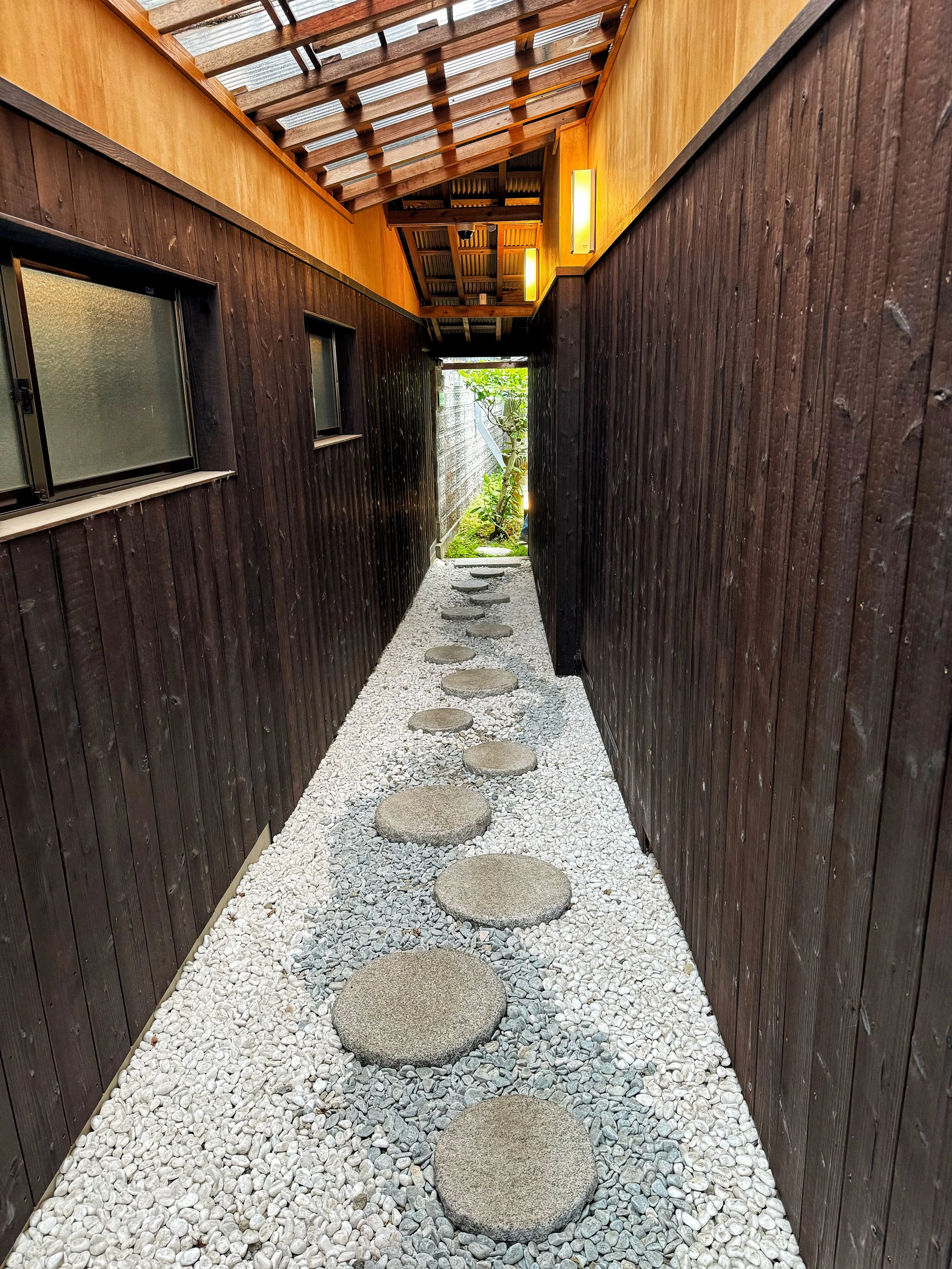
Japan, as a whole, places a high value on consideration for others. Be mindful of noise on trains, at religious sites, and in shared spaces. When in doubt, observe how locals behave and follow their lead. If there aren’t many locals, a quick search online usually gives you some information as well. Always be respectful and just adhere to local traditions. Many of the sights you might choose to visit are also places of worship or meditation. Keep that in mind as you navigate around.
12. Expect things to take longer than you think.
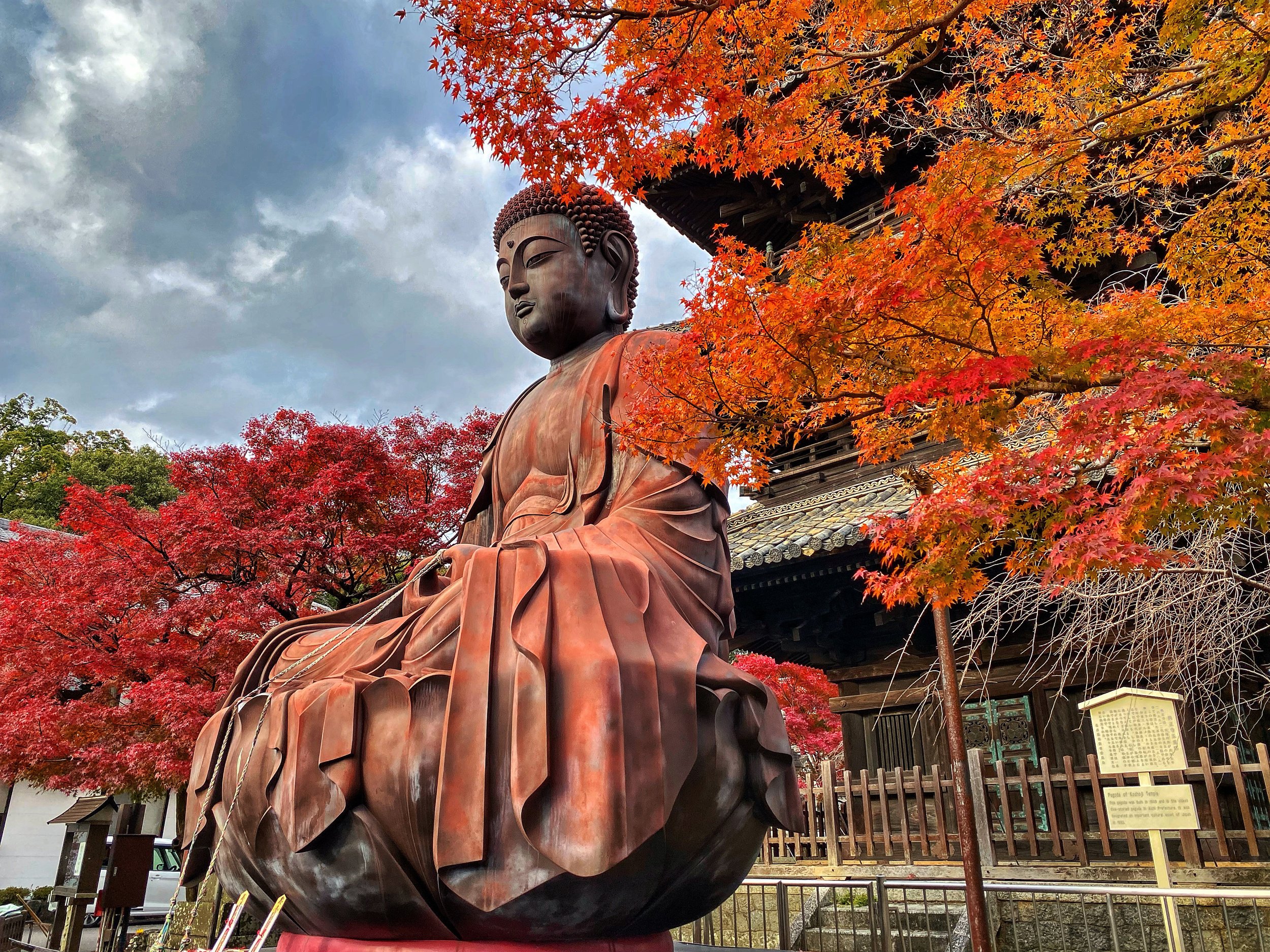
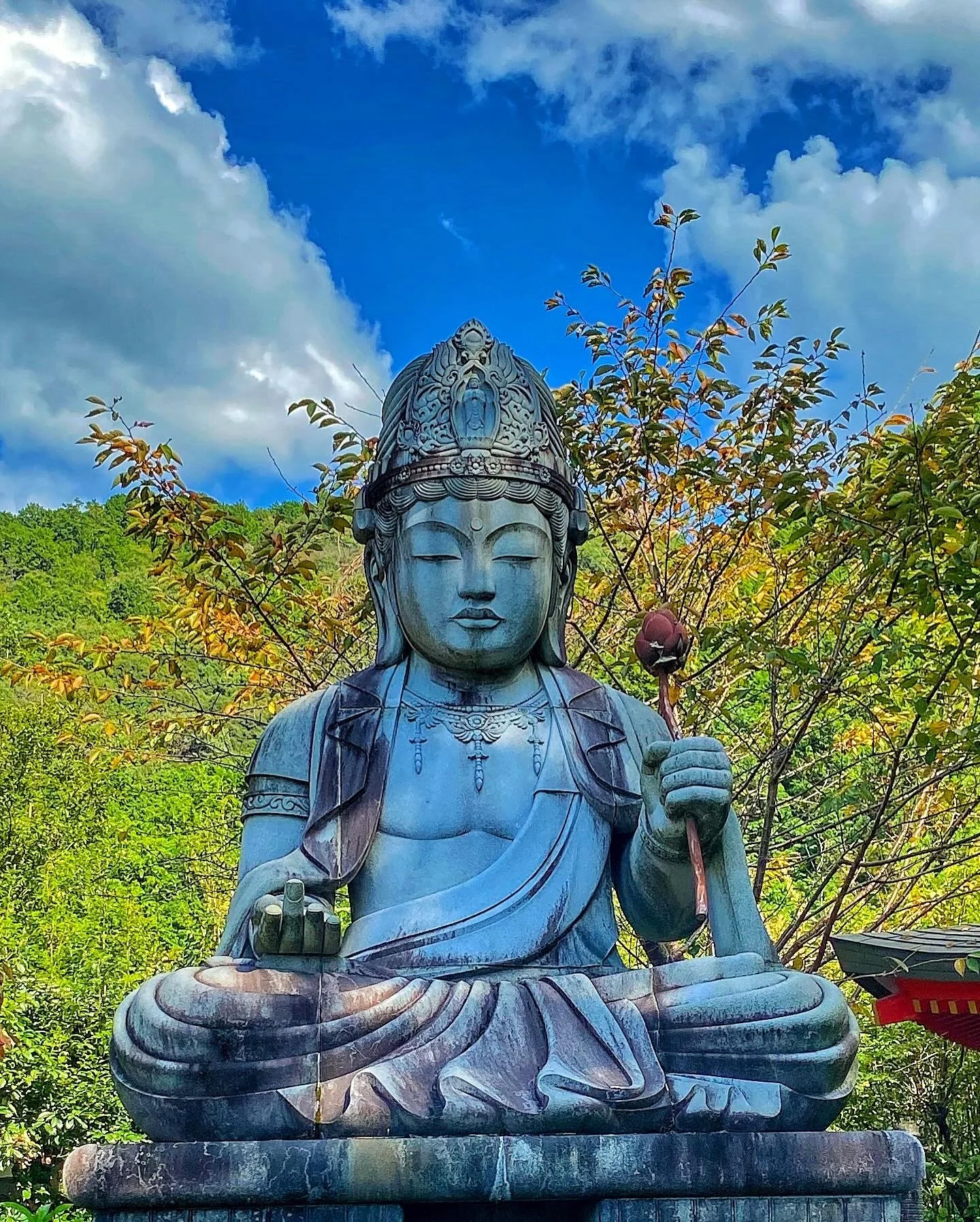
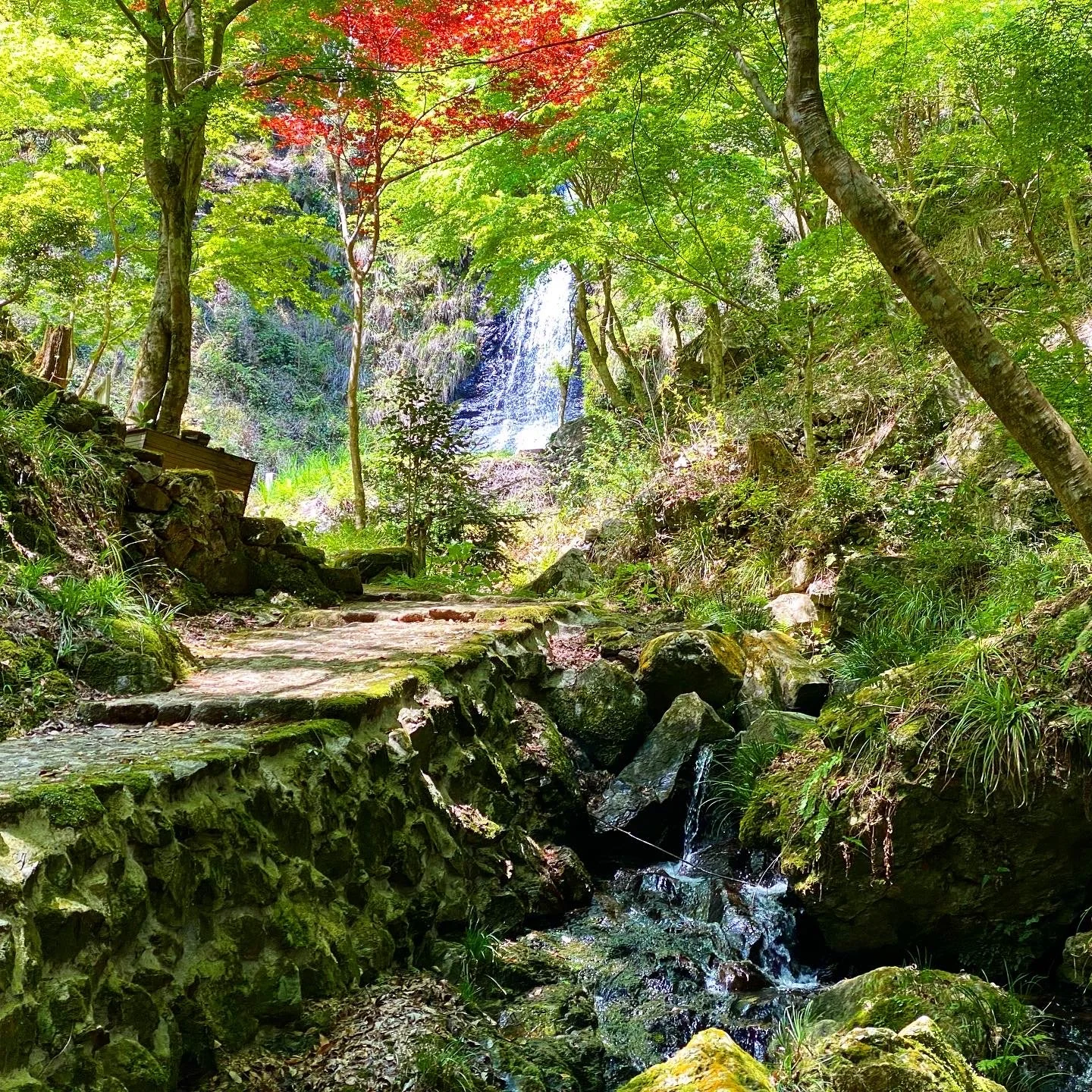
If you have ever navigated Shinjuku Station, you know that finding the right exit can feel like a classic video game that keeps resetting. Even short trips can take longer than expected. Always build a buffer time into your itinerary. It reduces stress and improves your overall experience. The trains in Japan are often on time. Nevertheless, there are some times delays. Furthermore, smartphone maps might not give you the best guidance at times or might not keep you updated on the local bus or train schedules. Always give yourself time for travel and to deal with any potential problems that might arise.
Final Thoughts
Traveling in Japan is often described as easy and convenient. While it is in many ways, much of that comes from thoughtful planning and slowing down. Being realistic about your time, choosing convenience, and staying open to unfamiliar things can completely change how you experience Japan. Visiting Japan doesn’t require you to rush through some checklist of places to visit or Instagram photos to capture. It beckons you to explore mindfully, notice the details, and engage more deeply with the culture. Long after your trip is over, the way you felt and the memories you create stay with you much longer than ticking off sights on a list.
What questions or travel tips do you have about visiting Japan?
