
Off the Golden Route: 10 Destinations to Visit in Japan
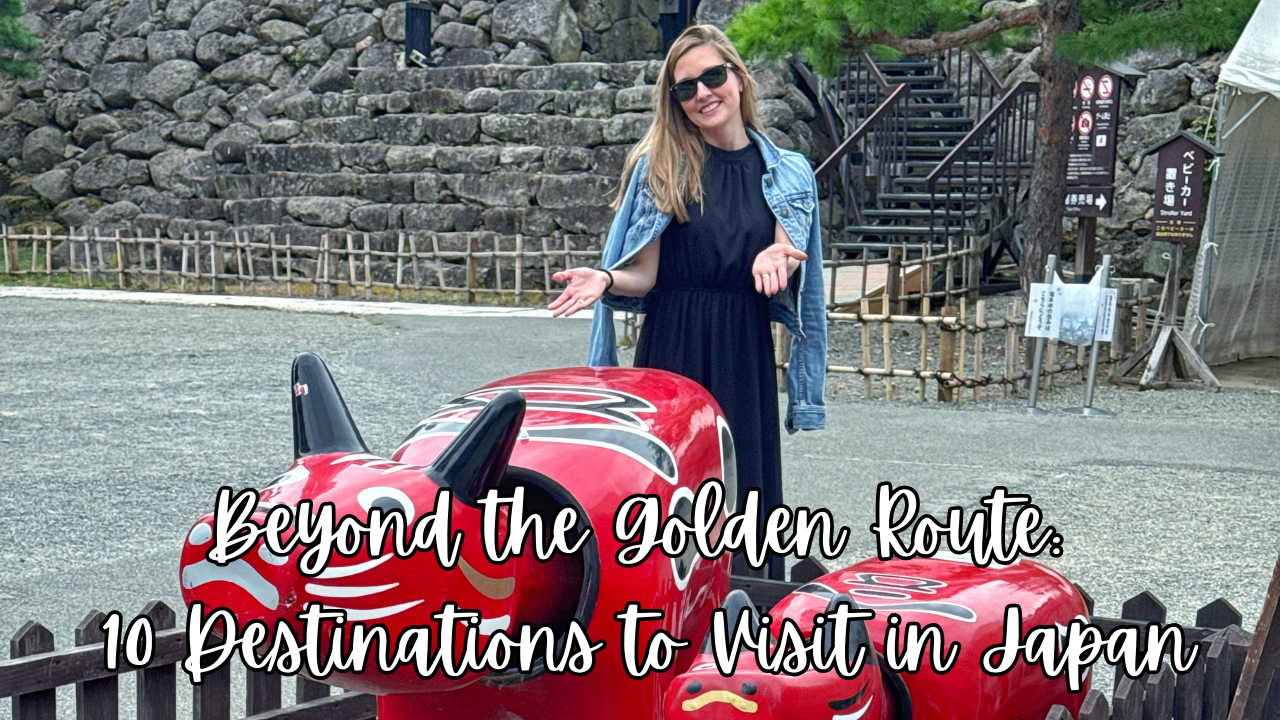
This week begins the last year in this decade of life for me. I have spent most of the last decade living, working, and traveling throughout Japan. As I have traveled, I have experienced so many wonderful places. Some impressed me visually, others left an emotional impact, and a few completely caught me off guard.
Rather than listing the usual destinations you’ll find online, I wanted to start this year of my life by sharing places that tend to fly under the radar of many people. These are spots that you may not know much about or ones that you might be uncertain if they are worth adding to your itinerary. These ten places are in no particular order, but all had an impact on me as I traveled through different regions of Japan.
Nagoro Village, Tokushima Prefecture
Shikoku Karst, Ehime and Kochi Prefectures
Nagasaki, Nagasaki Prefecture
Aizuwakamatsu, Fukushima Prefecture
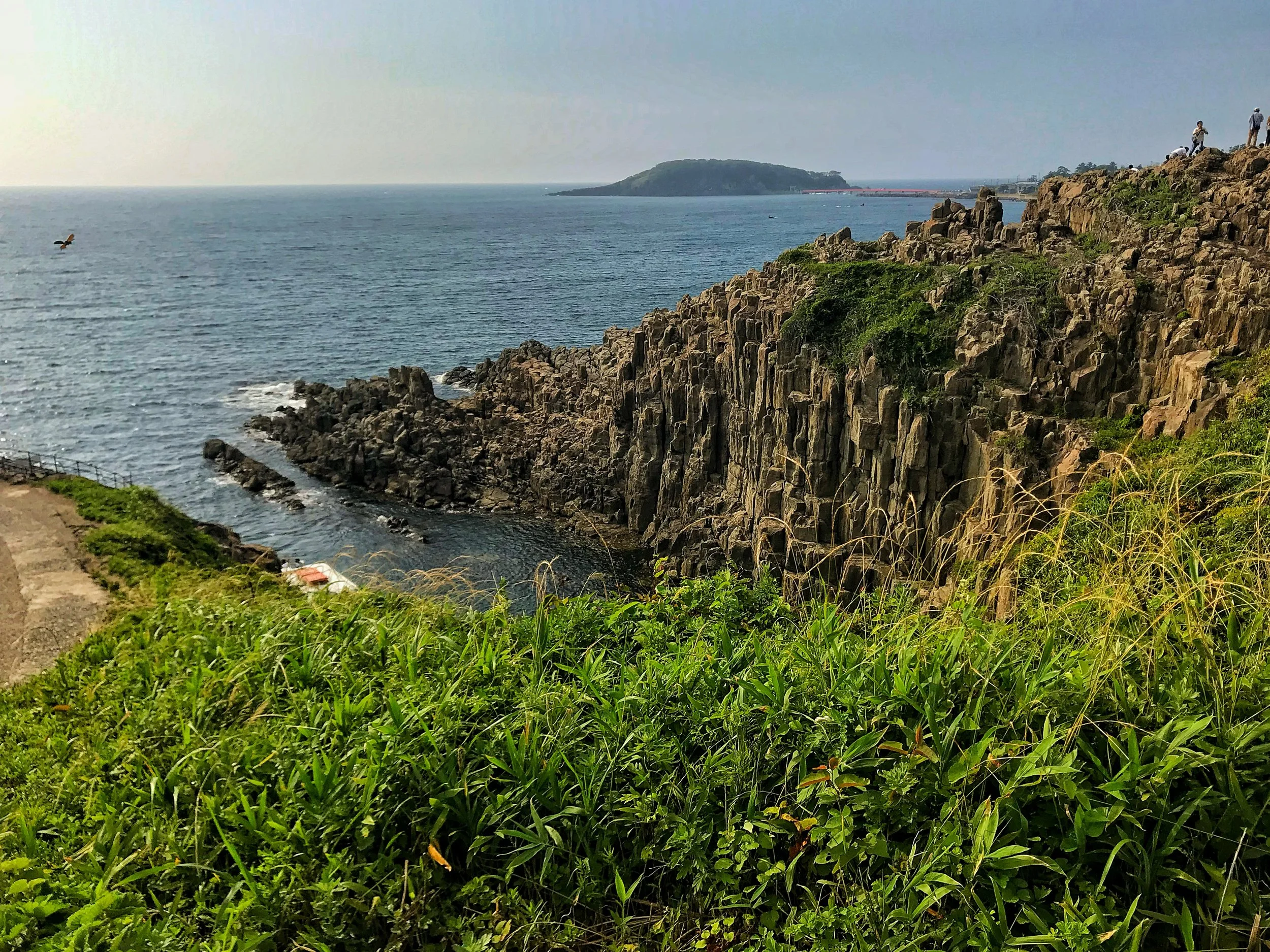
Fukui Prefecture
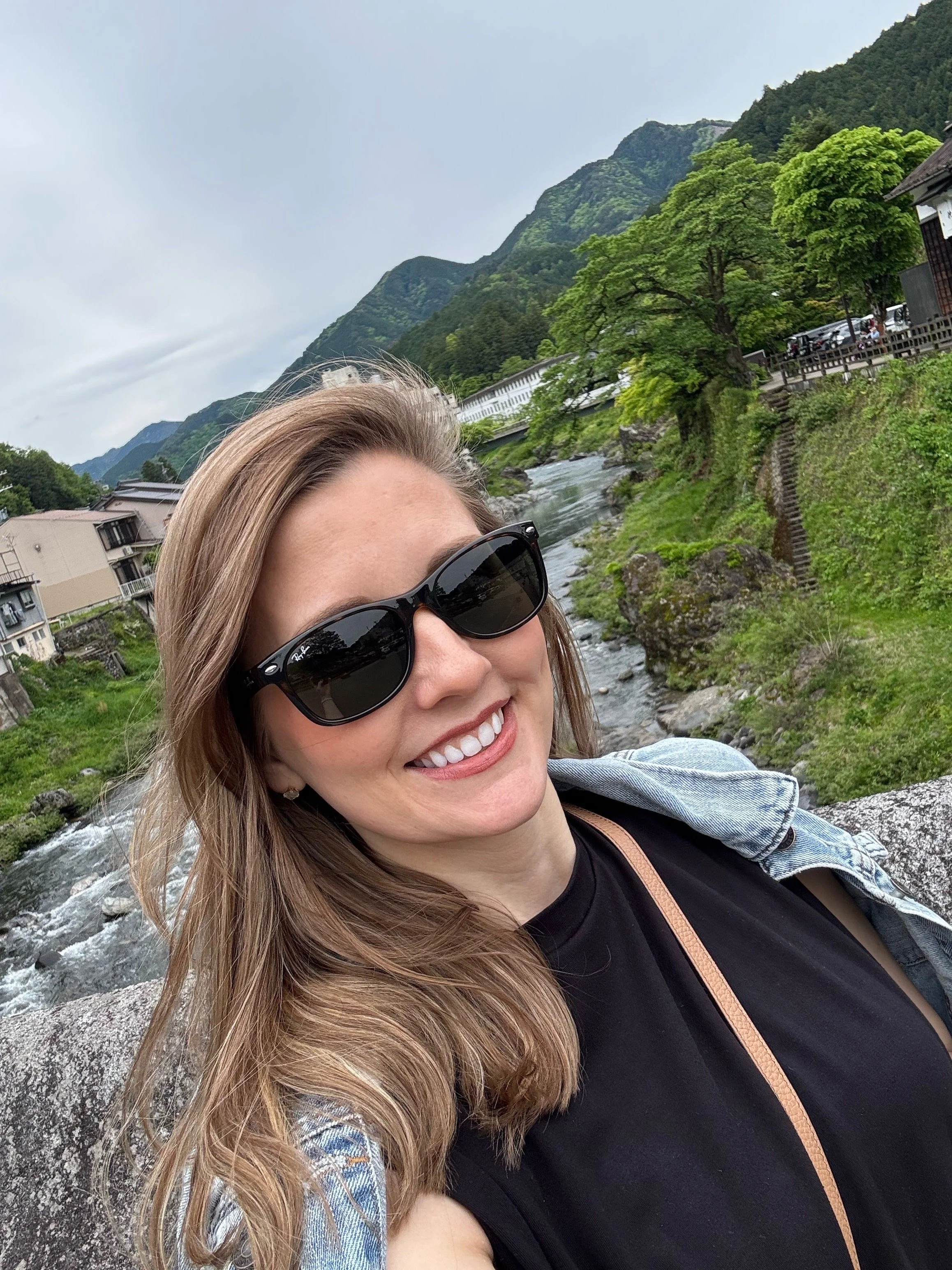
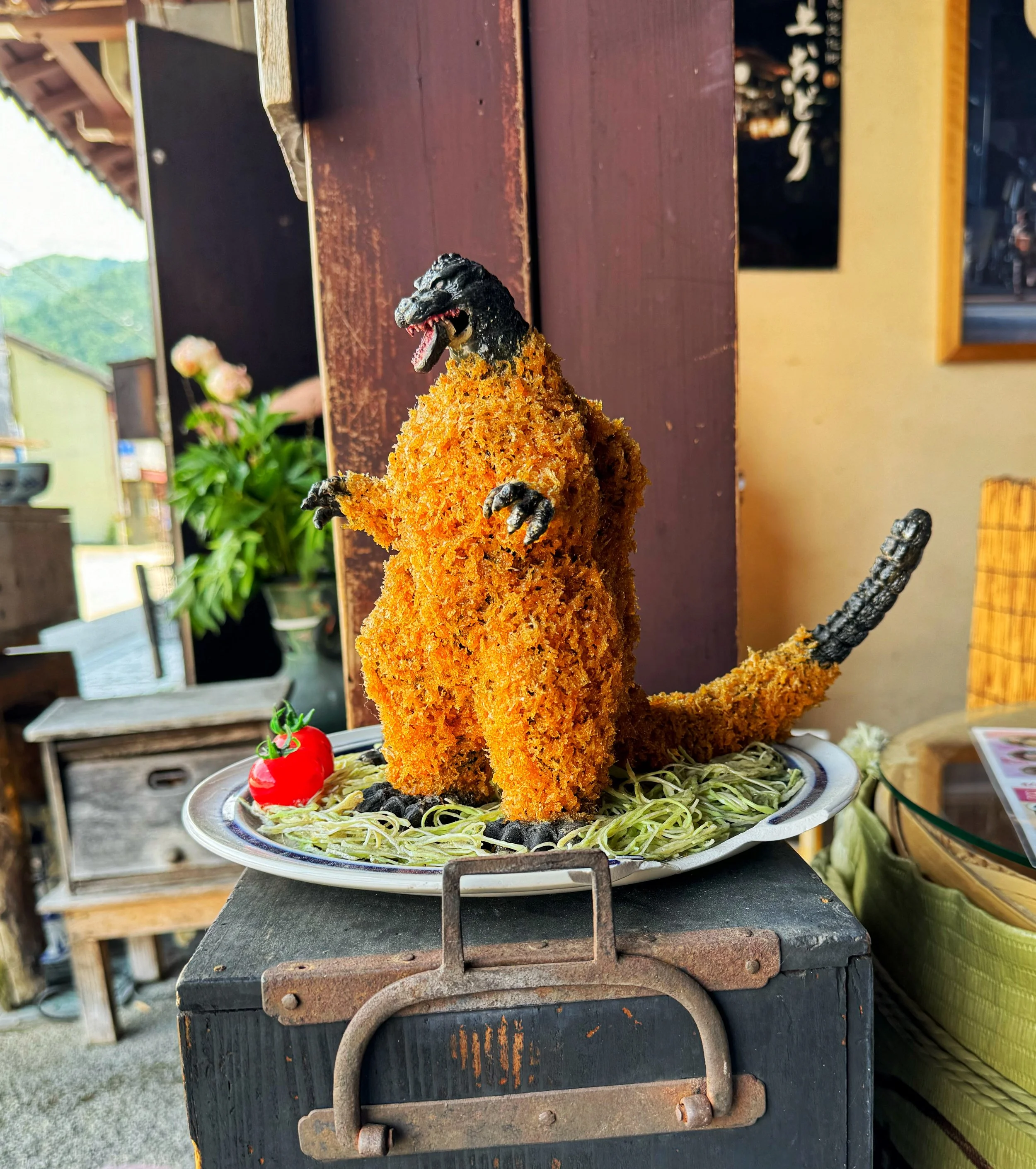
Gujo-Hachiman, Gifu Prefecture
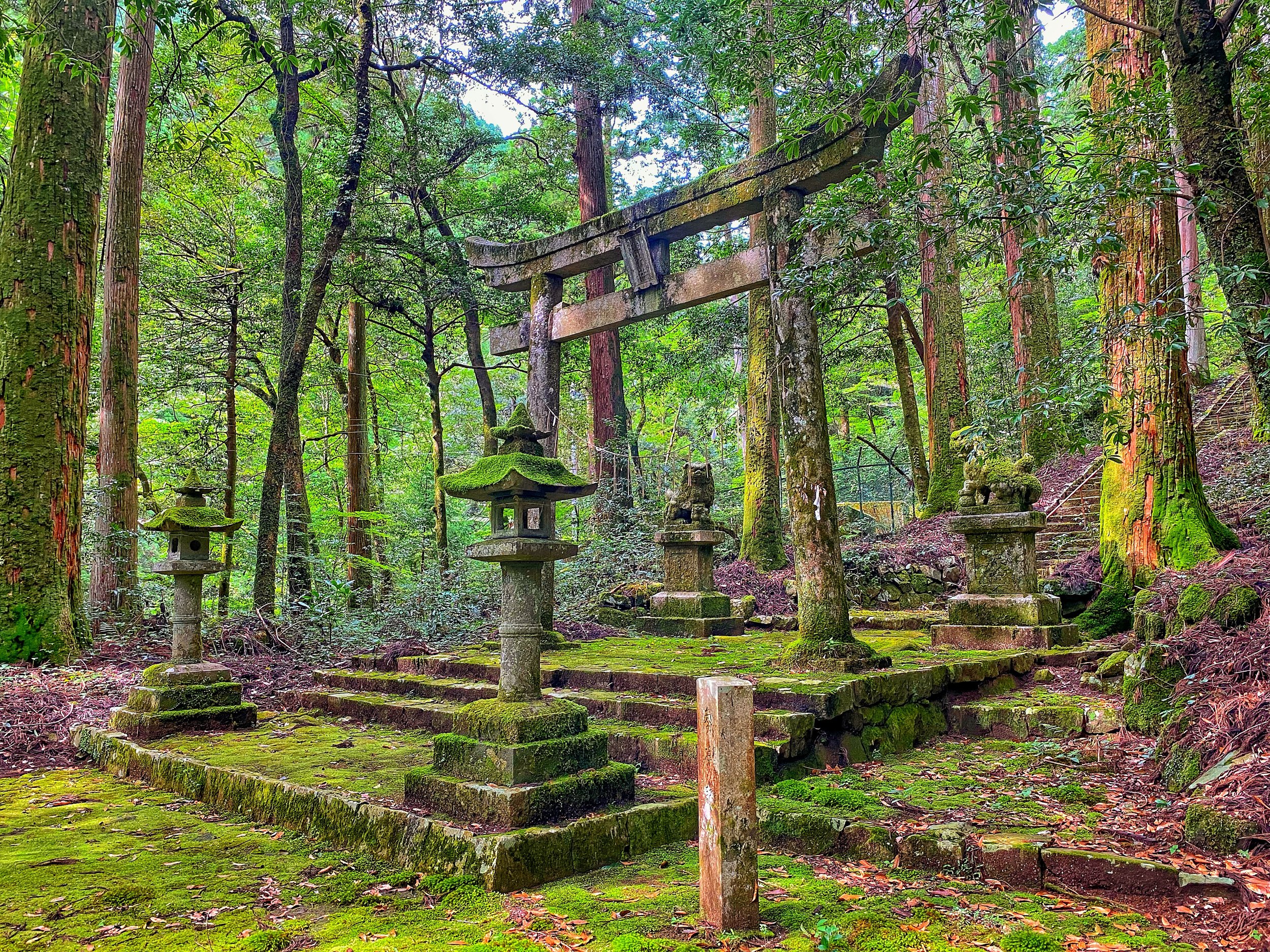
Taki Shrine, Gifu Prefecture
Morioka, Iwate Prefecture
Hida-Furukawa, Gifu Prefecture
Uda and Asuka, Nara Prefecture
Nagoro Village, Tokushima Prefecture
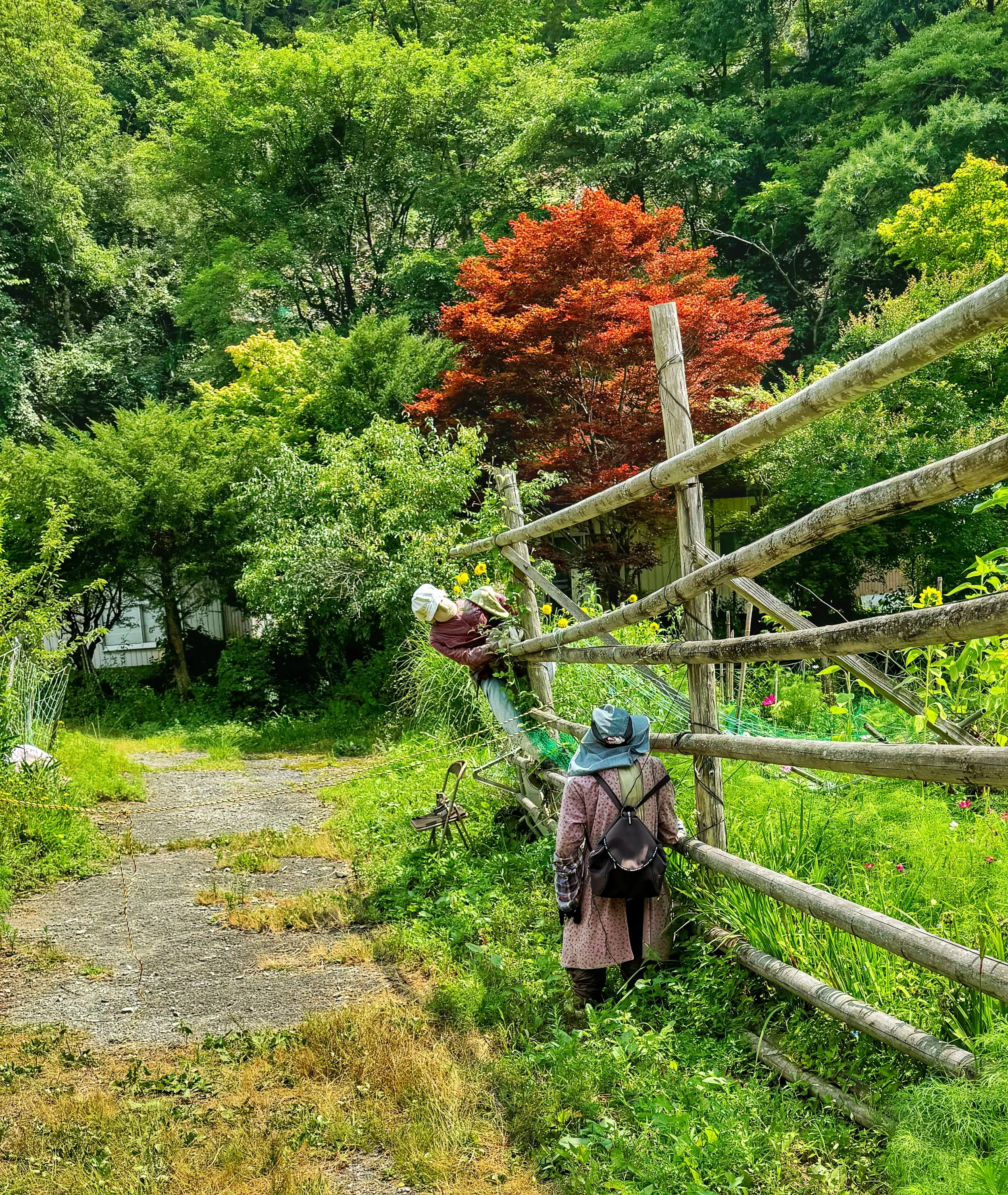
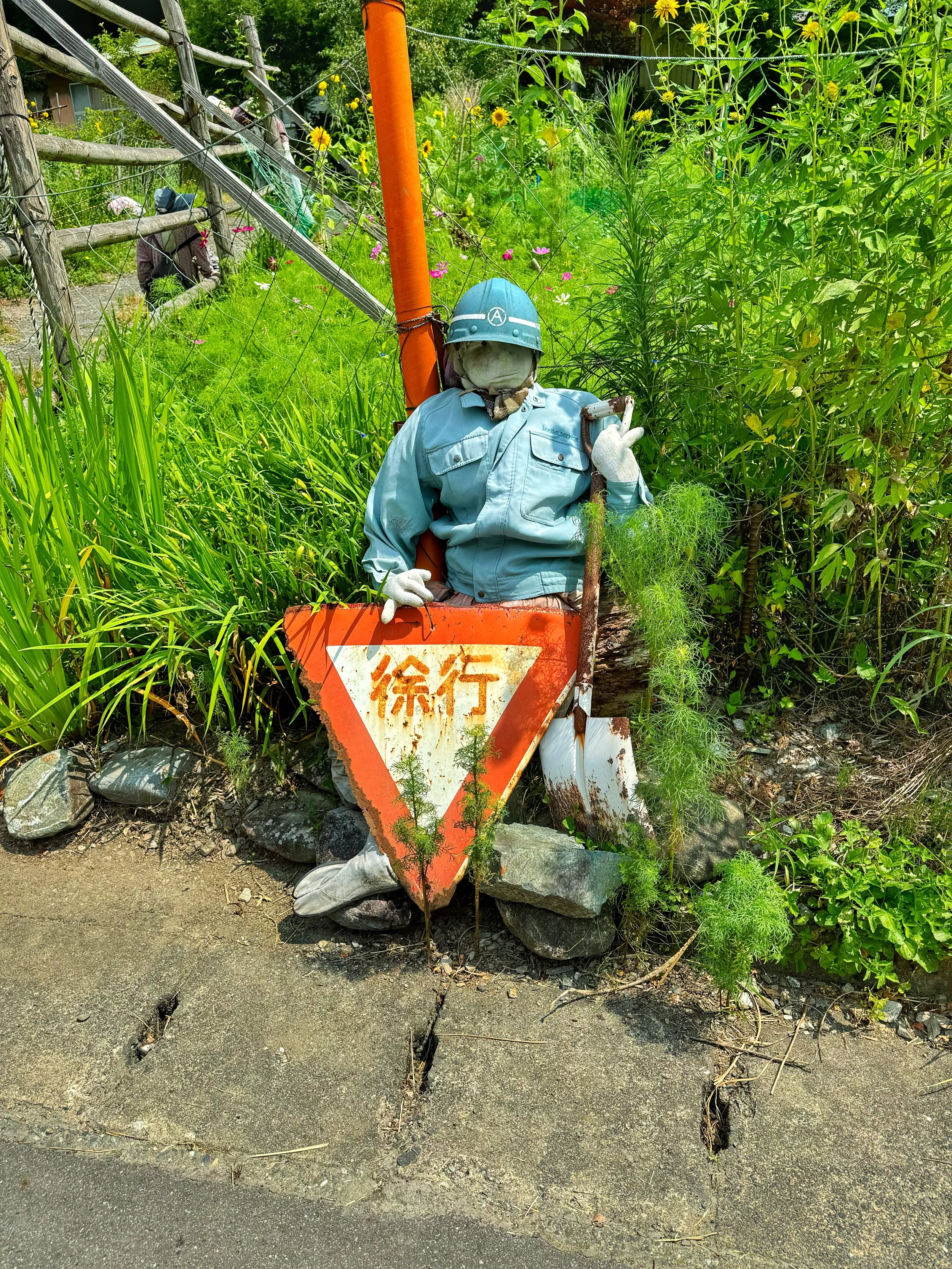
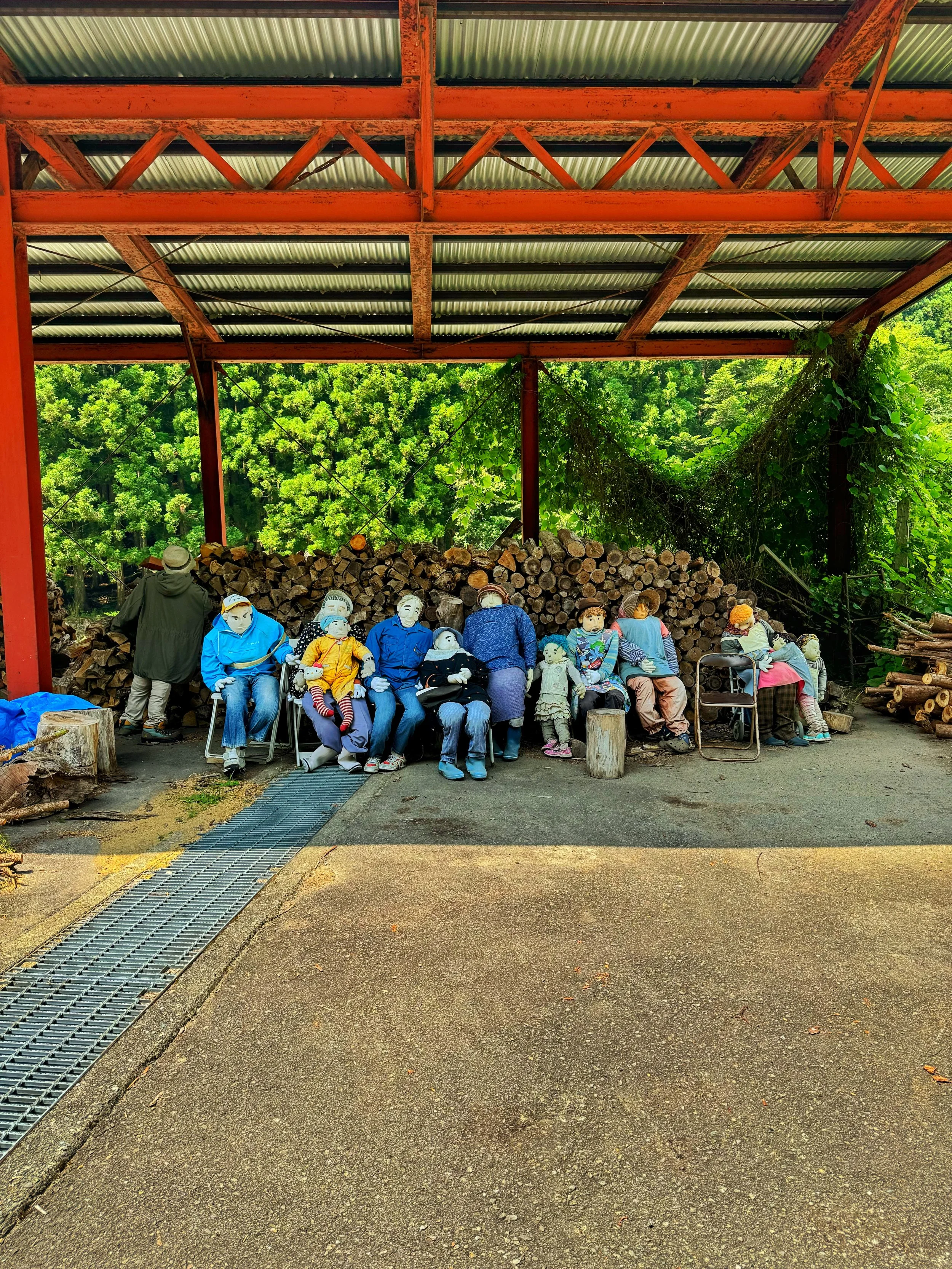
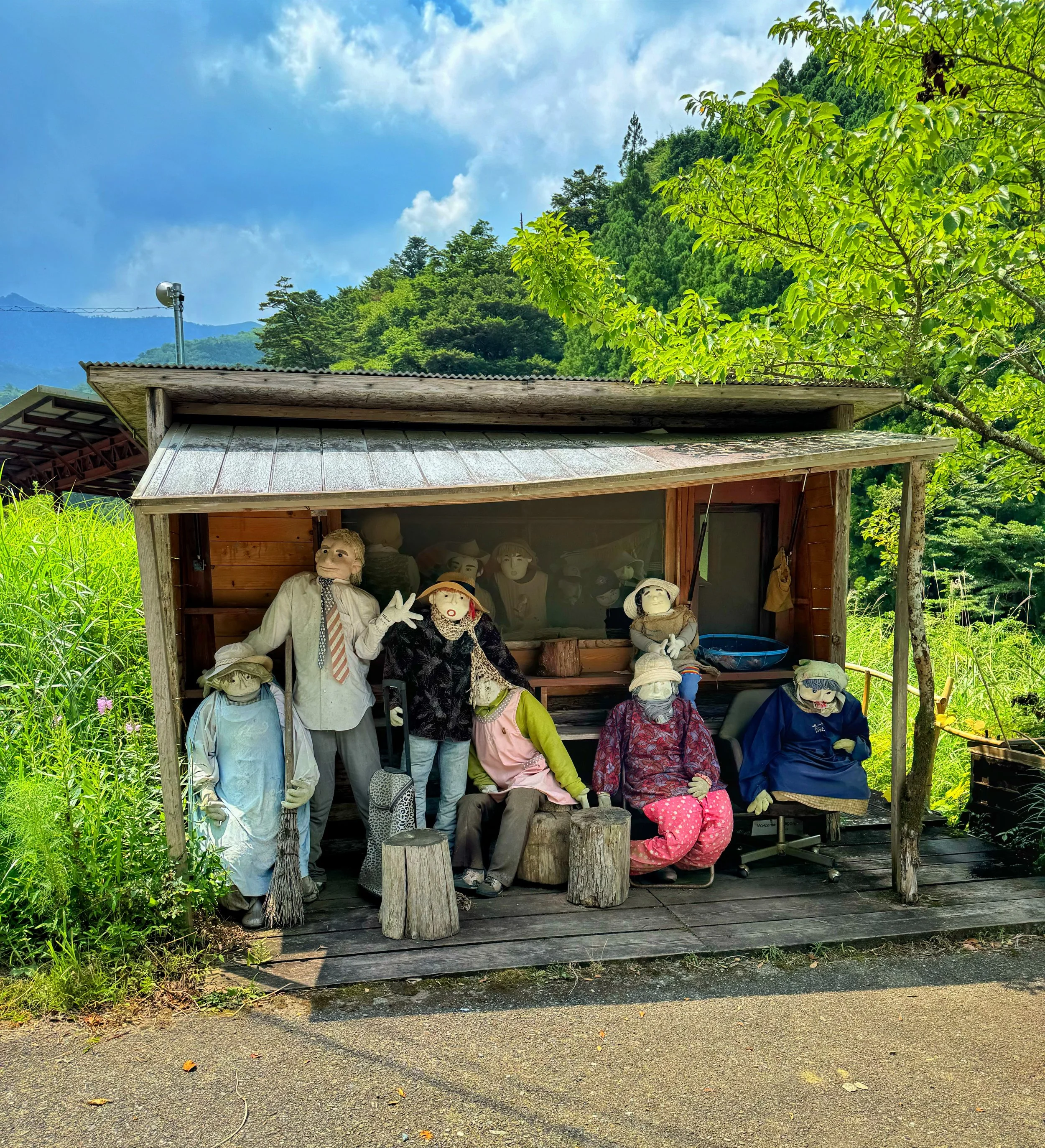
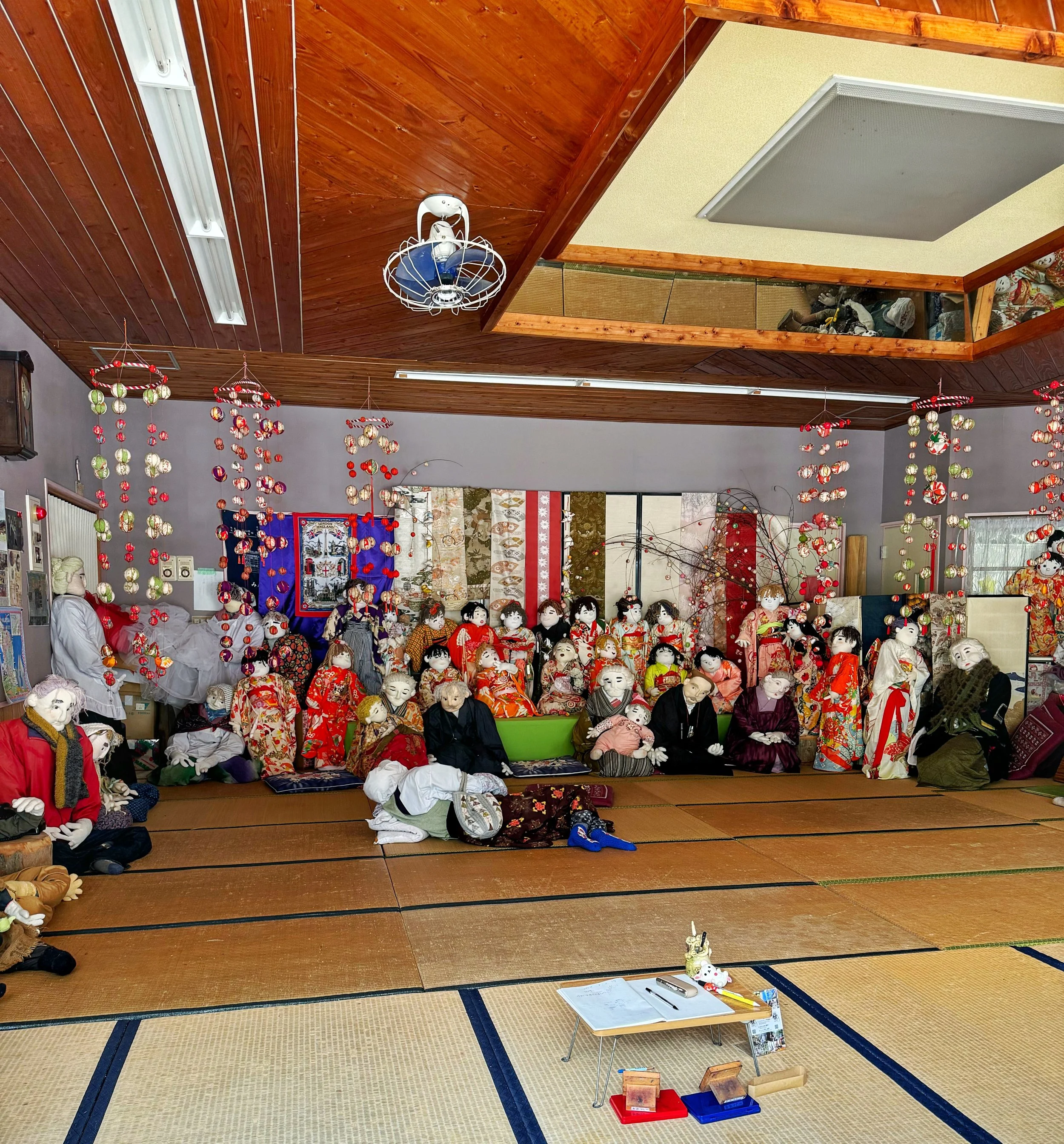
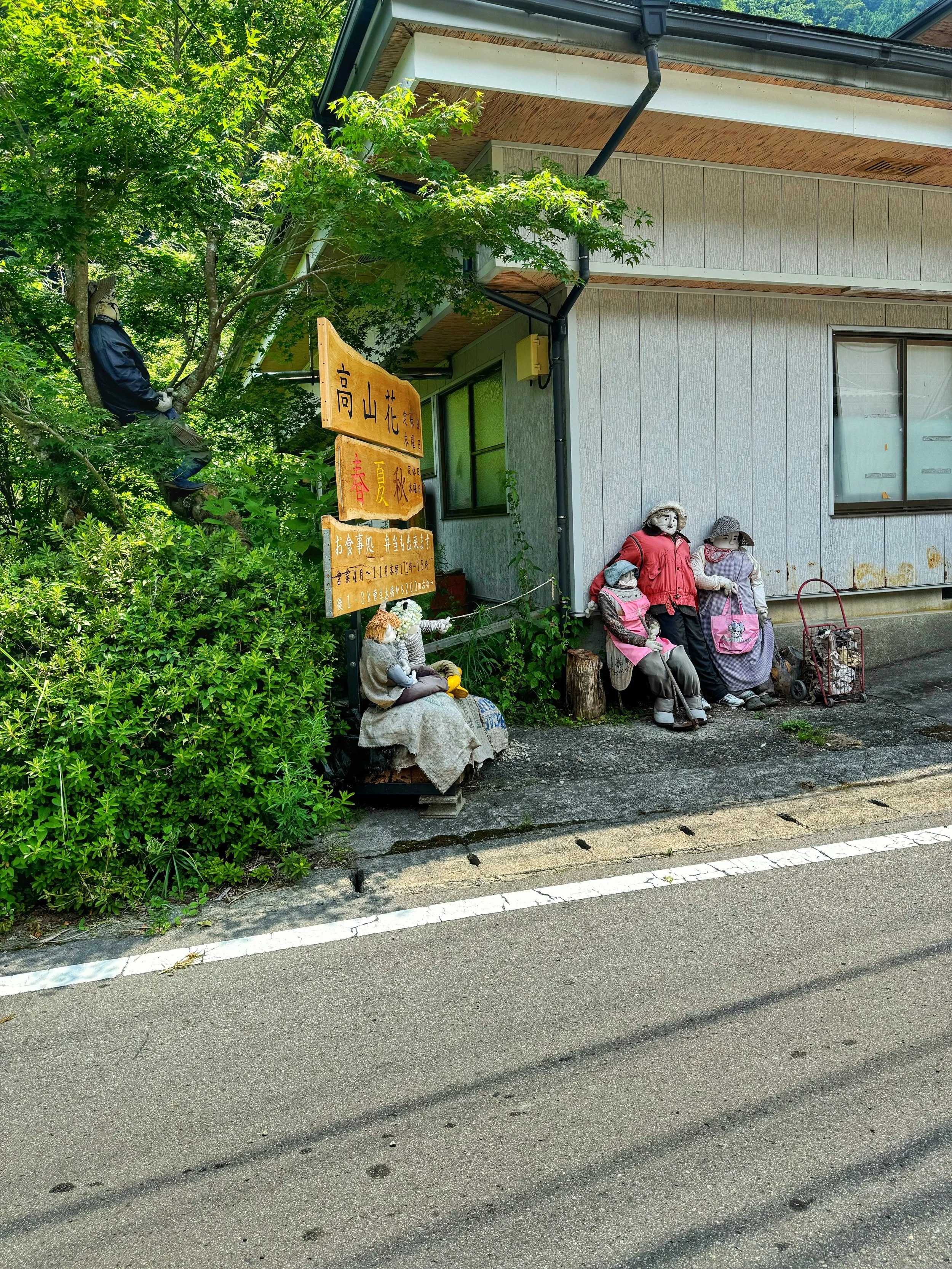
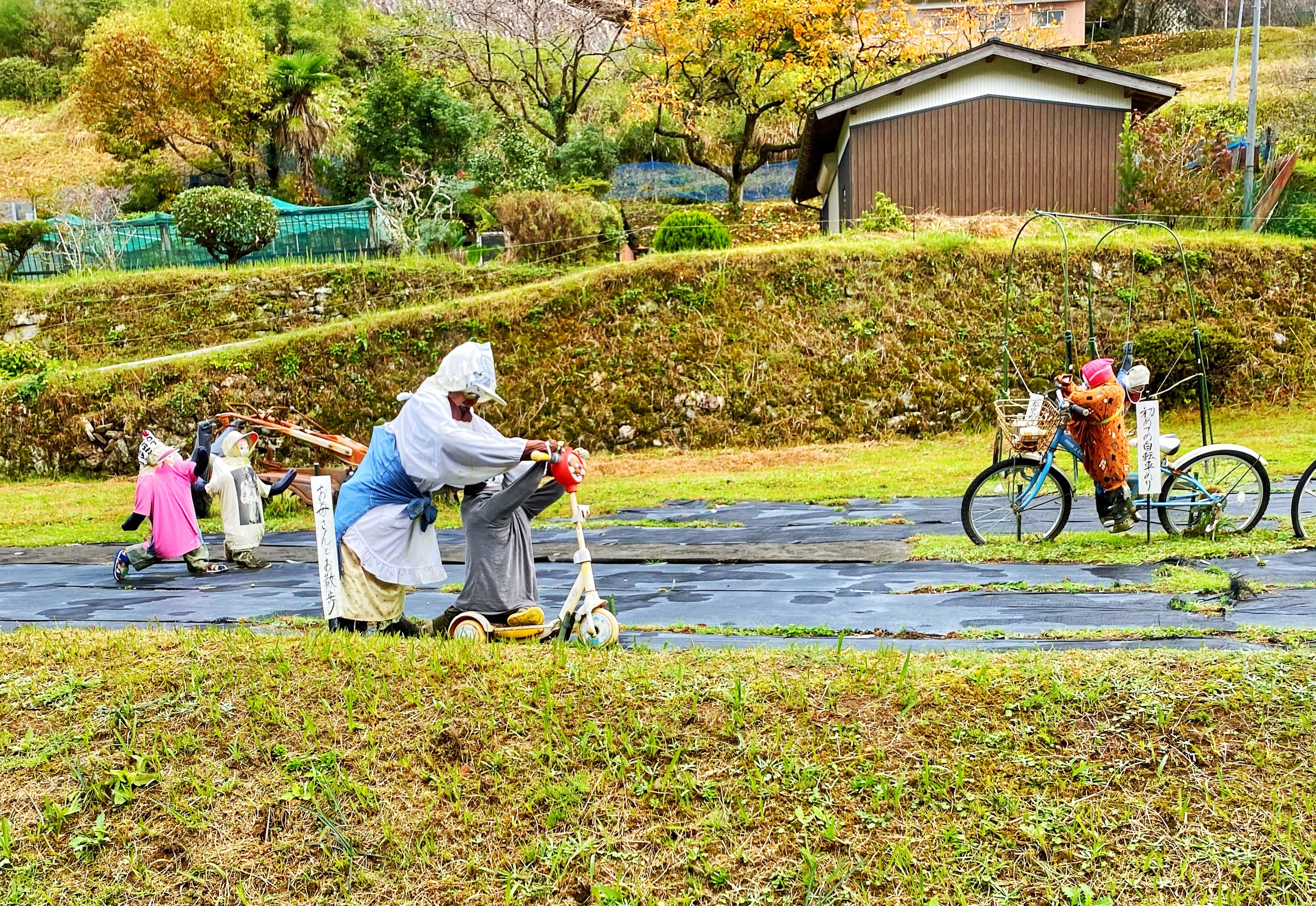
This village is home to more scarecrows, or kakashi, than residents. It is located deep in the mountains of Tokushima Prefecture in the Iya Valley. The 350 scarecrows scattered around the village outnumber the 30 or so villagers that still live there. The atmosphere is quiet and strange but also familiar and weirdly intimate. It’s eerie at times but also reflects the tale of many small villages in Japan.
Ayano Tsukimi began creating the scarecrows to represent villagers who had moved away or passed on. Each figure is placed where a person once spent their time. They are found anywhere from classrooms and bus stops to fields and workshops. Walking through the village feels like stepping through the town’s memories while also confronting the reality that many rural towns across Japan are slowly disappearing.
Shikoku Karst, Ehime and Kochi Prefectures
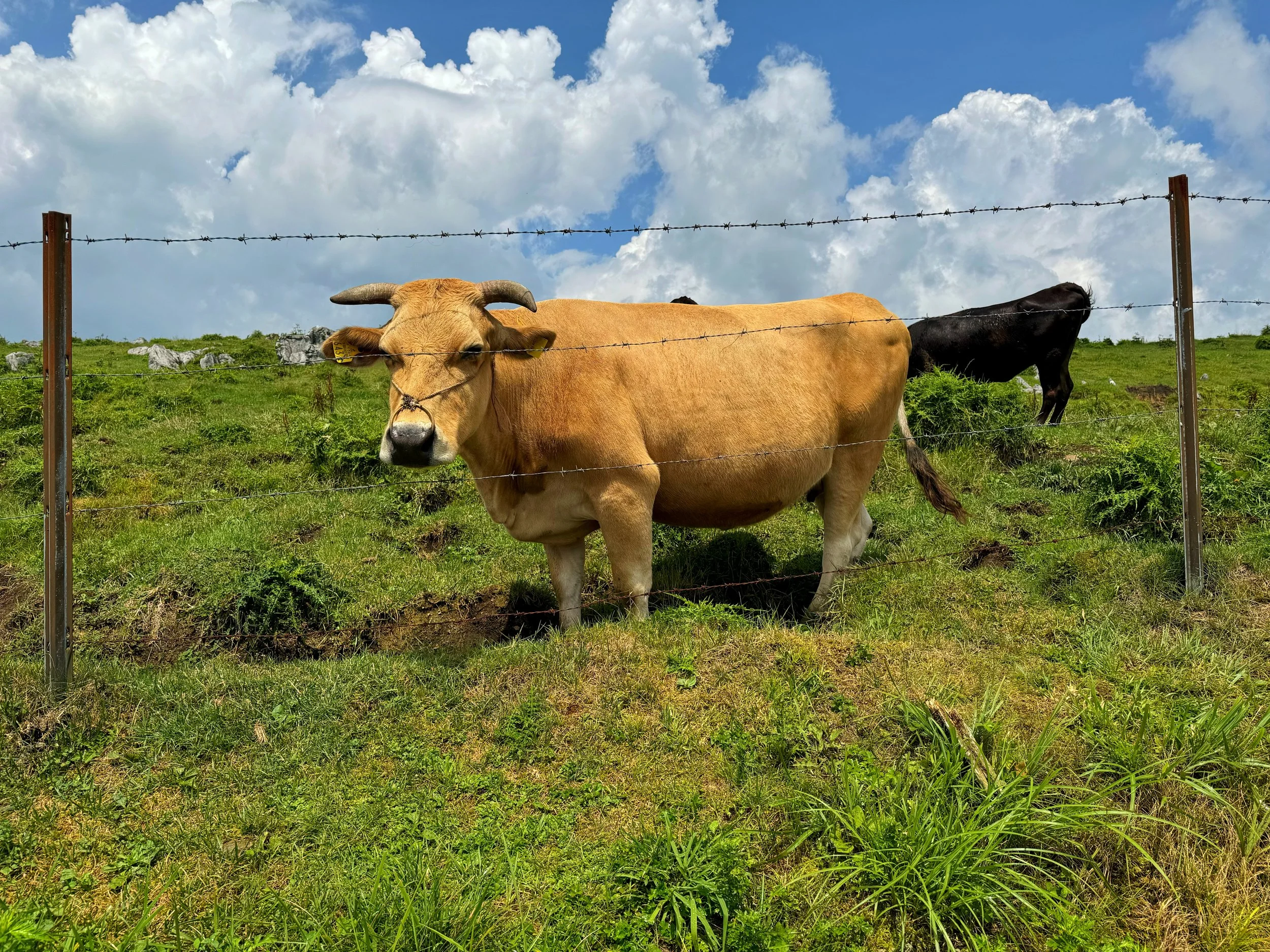
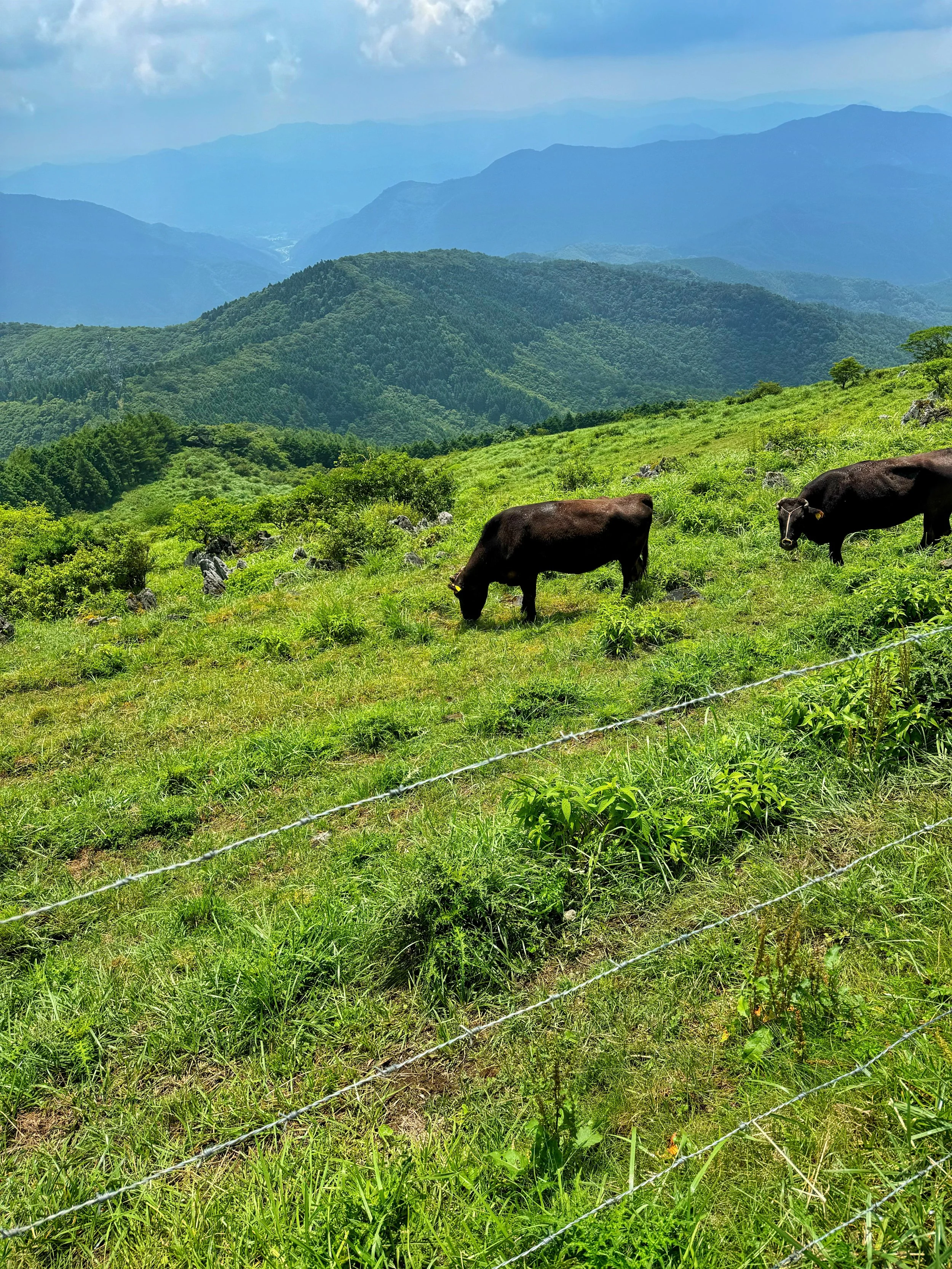
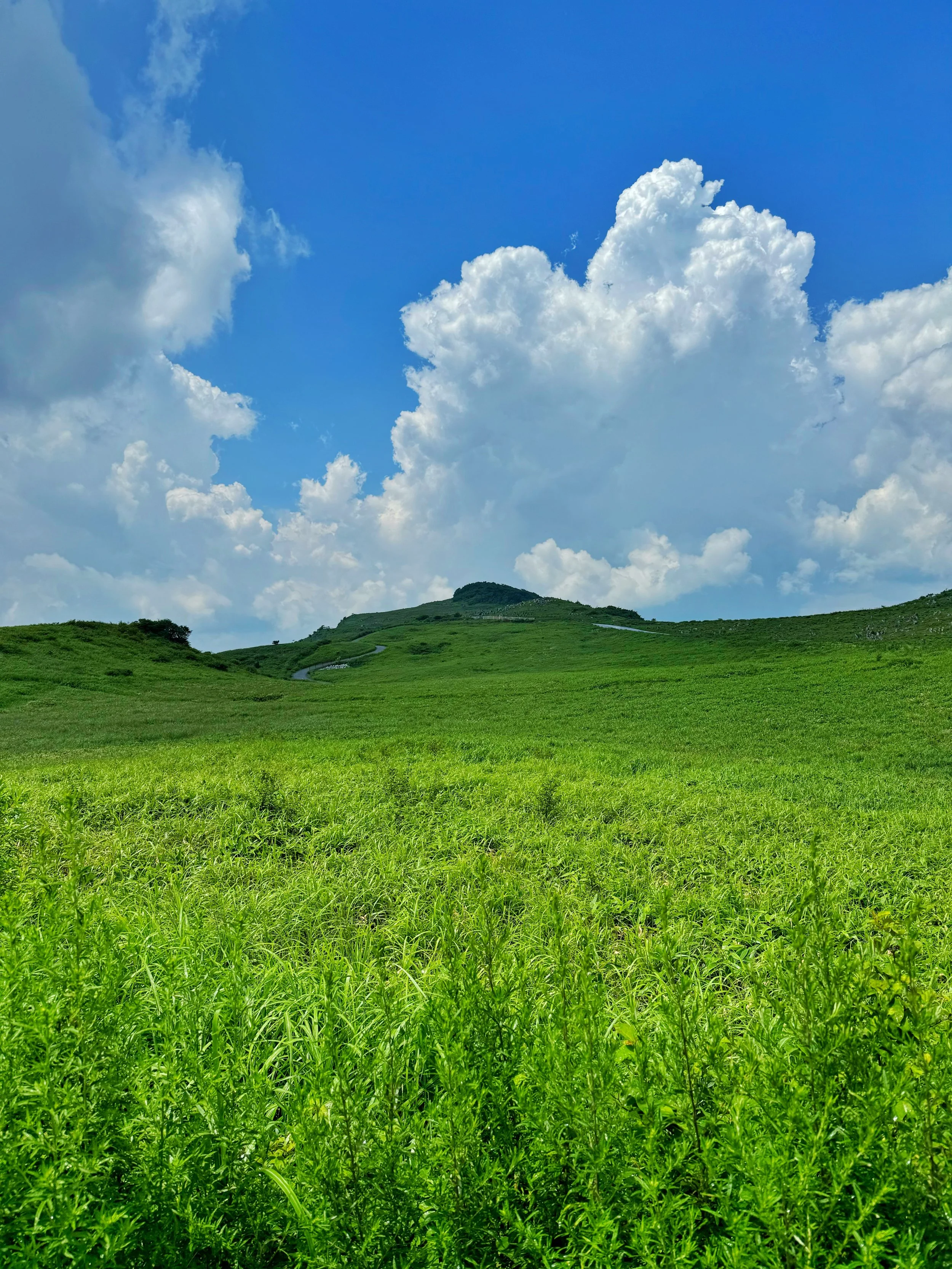
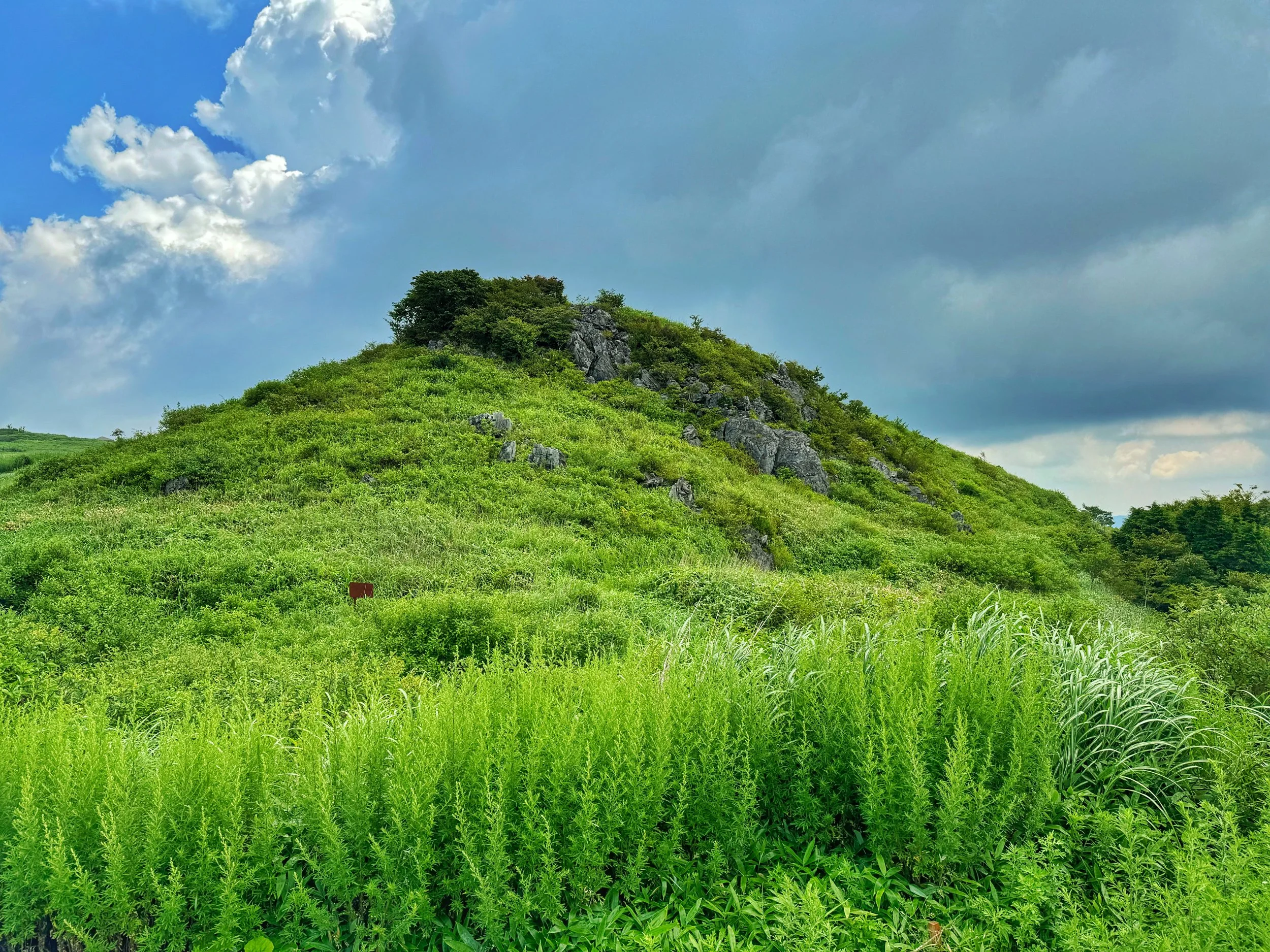
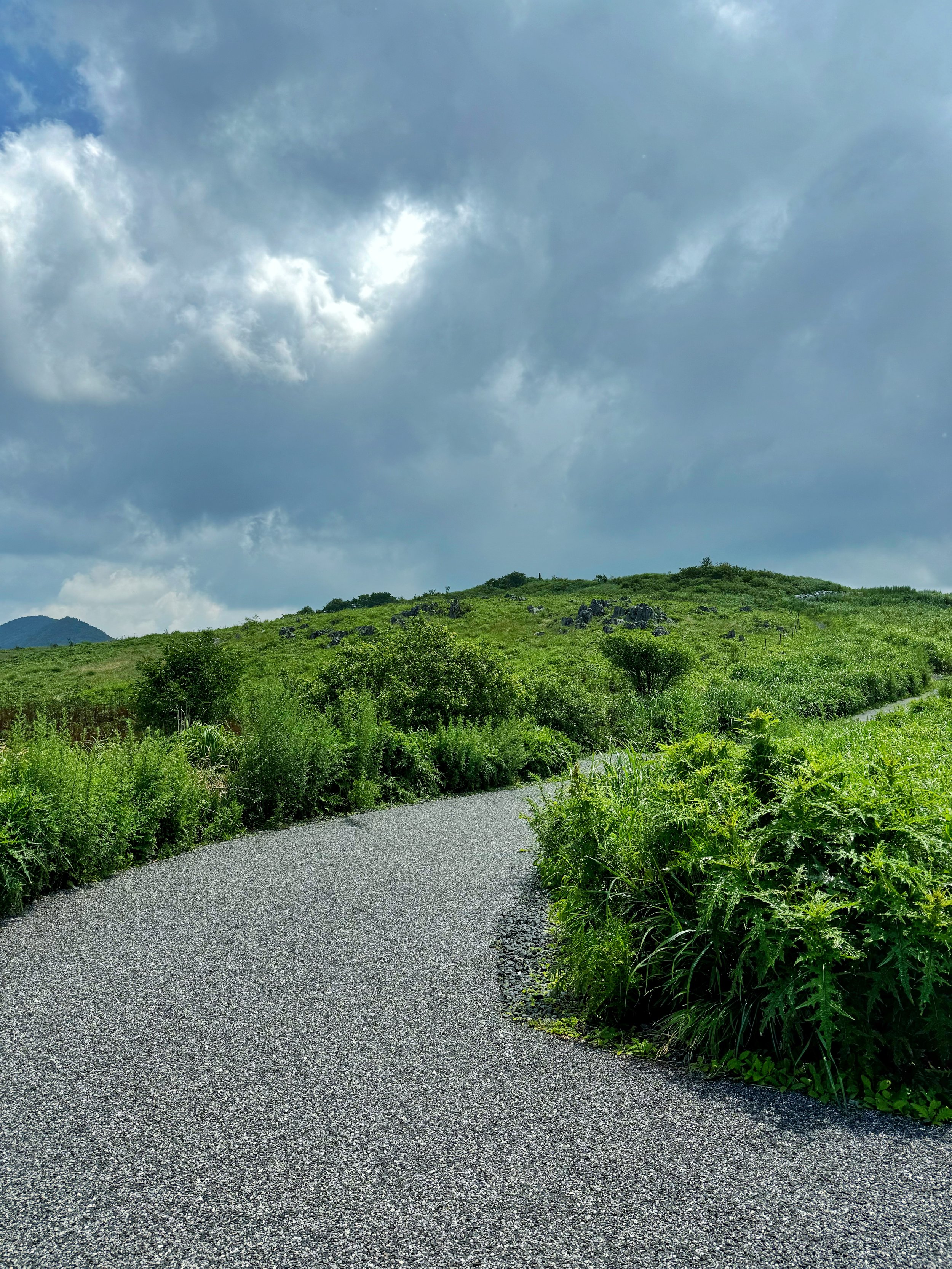
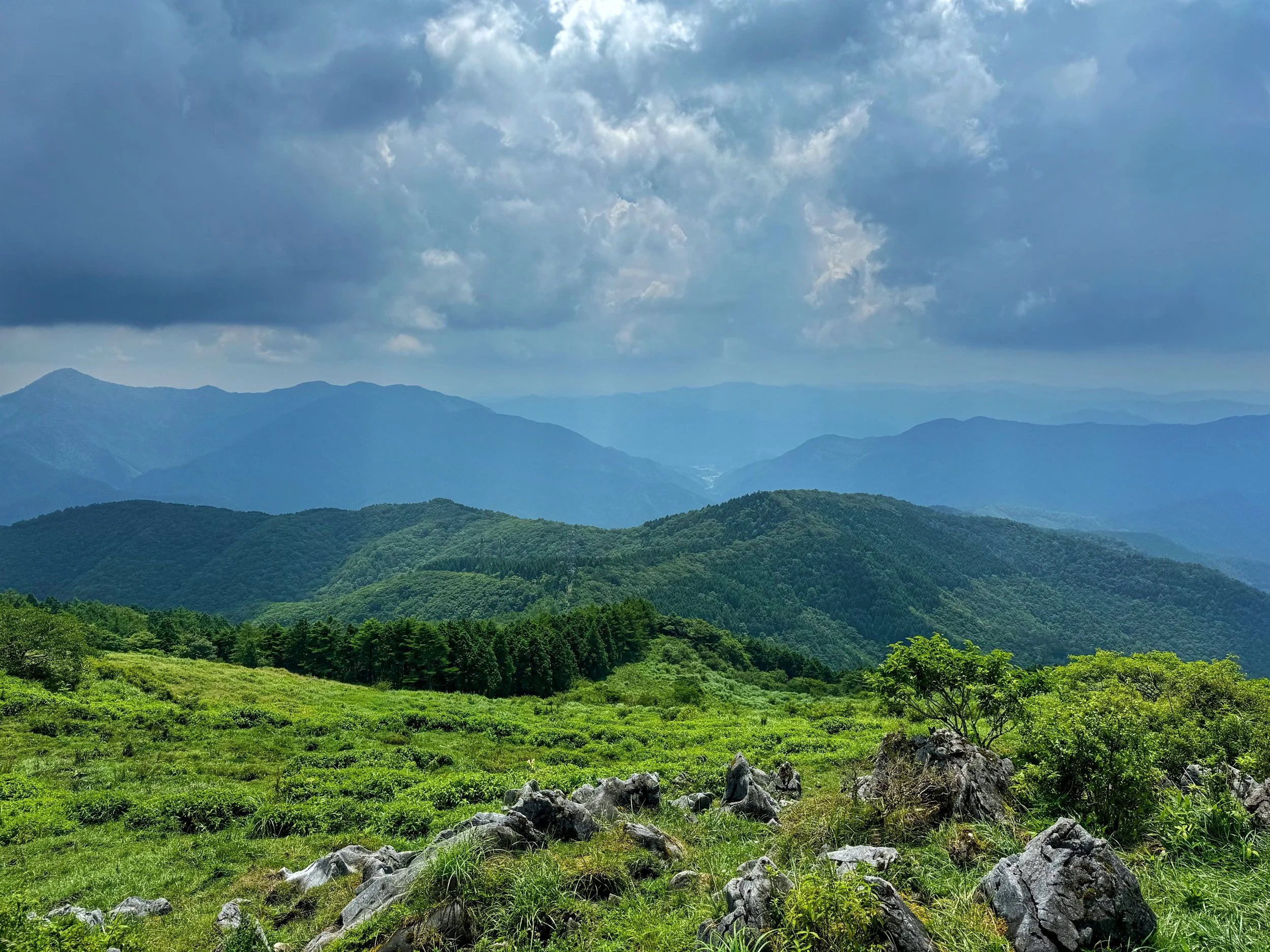
The Shikoku Karst is one of Japan’s three major karst landscapes and stretches over 25 kilometers along the border of Ehime and Kochi prefectures. It sits at an elevation of 1,400 meters above sea level and feels incredibly open and vast. The rolling green hills, limestone formations, and views make it a hidden gem that’s perfect for nature lovers and anyone seeking a quiet escape.
Cows can be found grazing around the area which adds to the uniqueness of the experience. Despite its beauty, Shikoku Karst remains overlooked by international travelers even though the surrounding regions offer rich history and delicious foods. It’s most easily accessible with a car which might deter some travelers.
Nagasaki, Nagasaki Prefecture
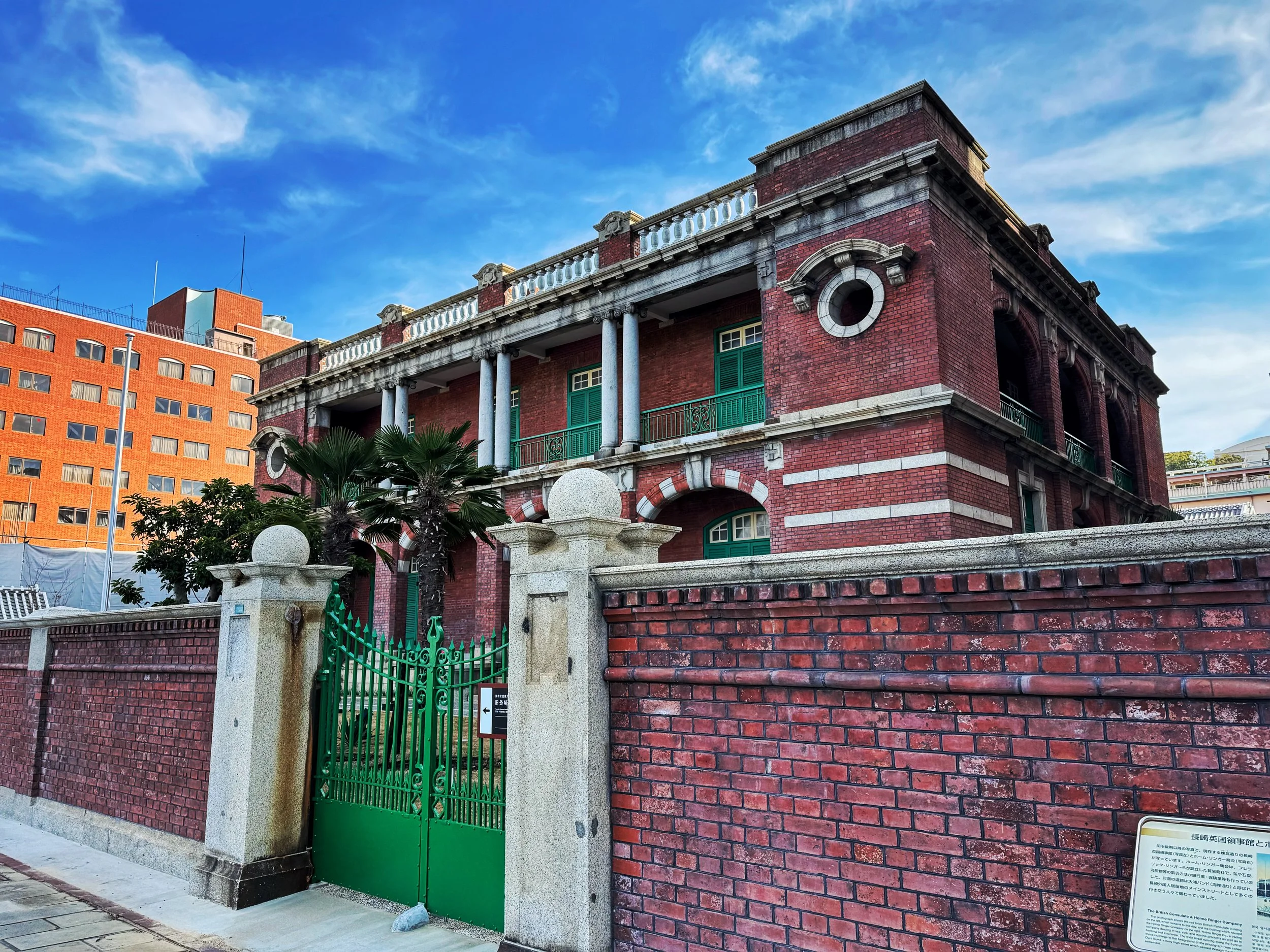
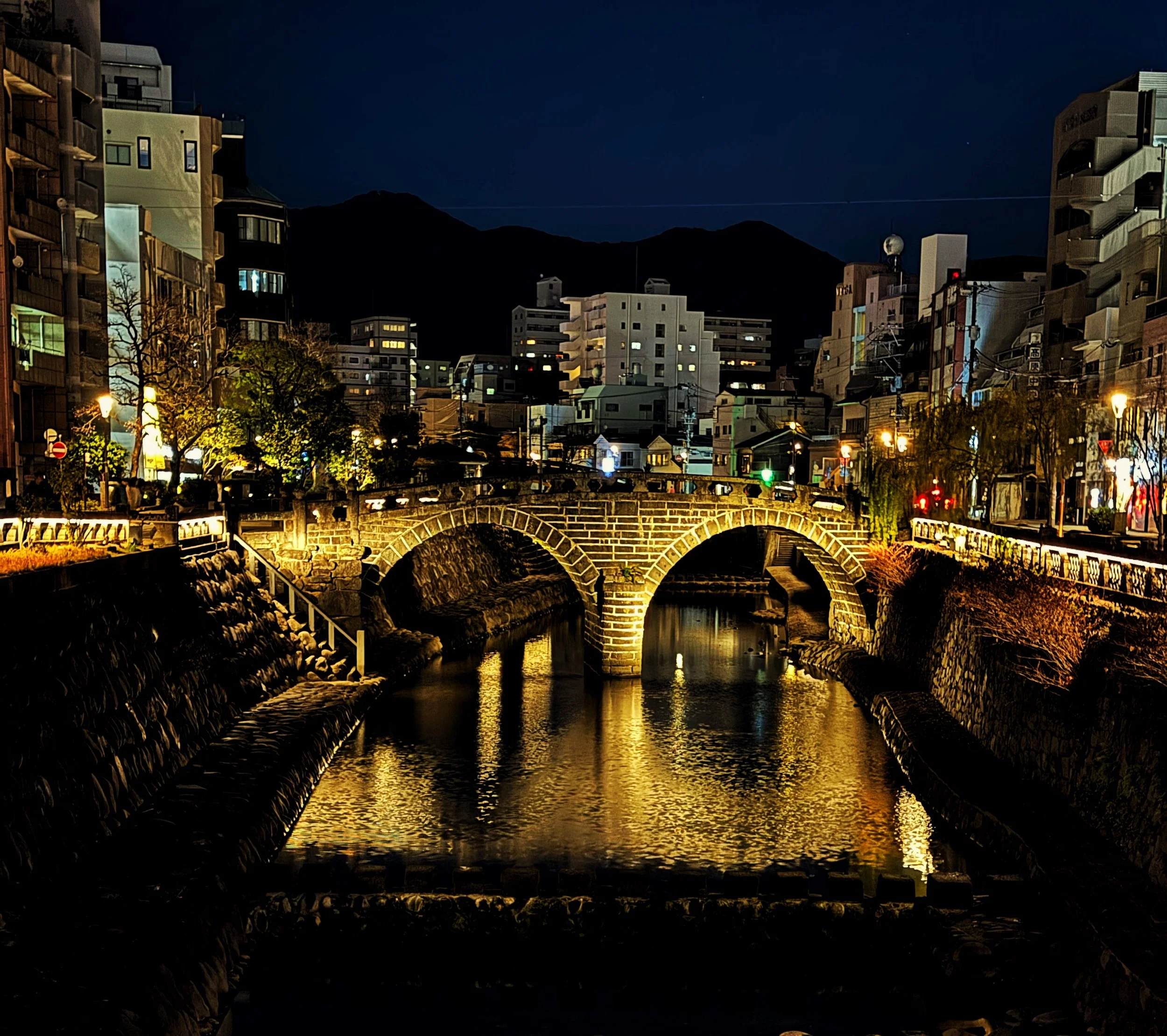
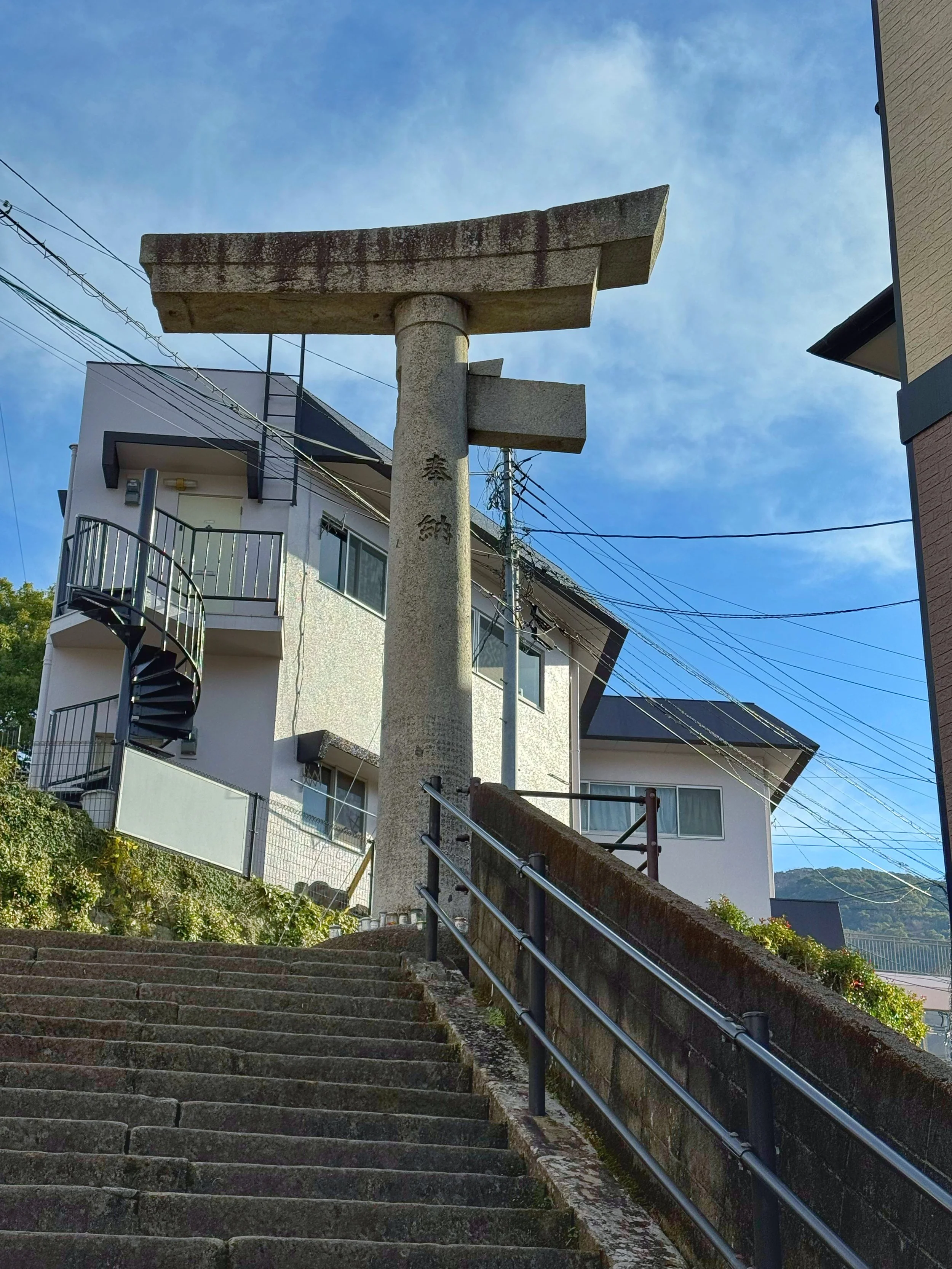
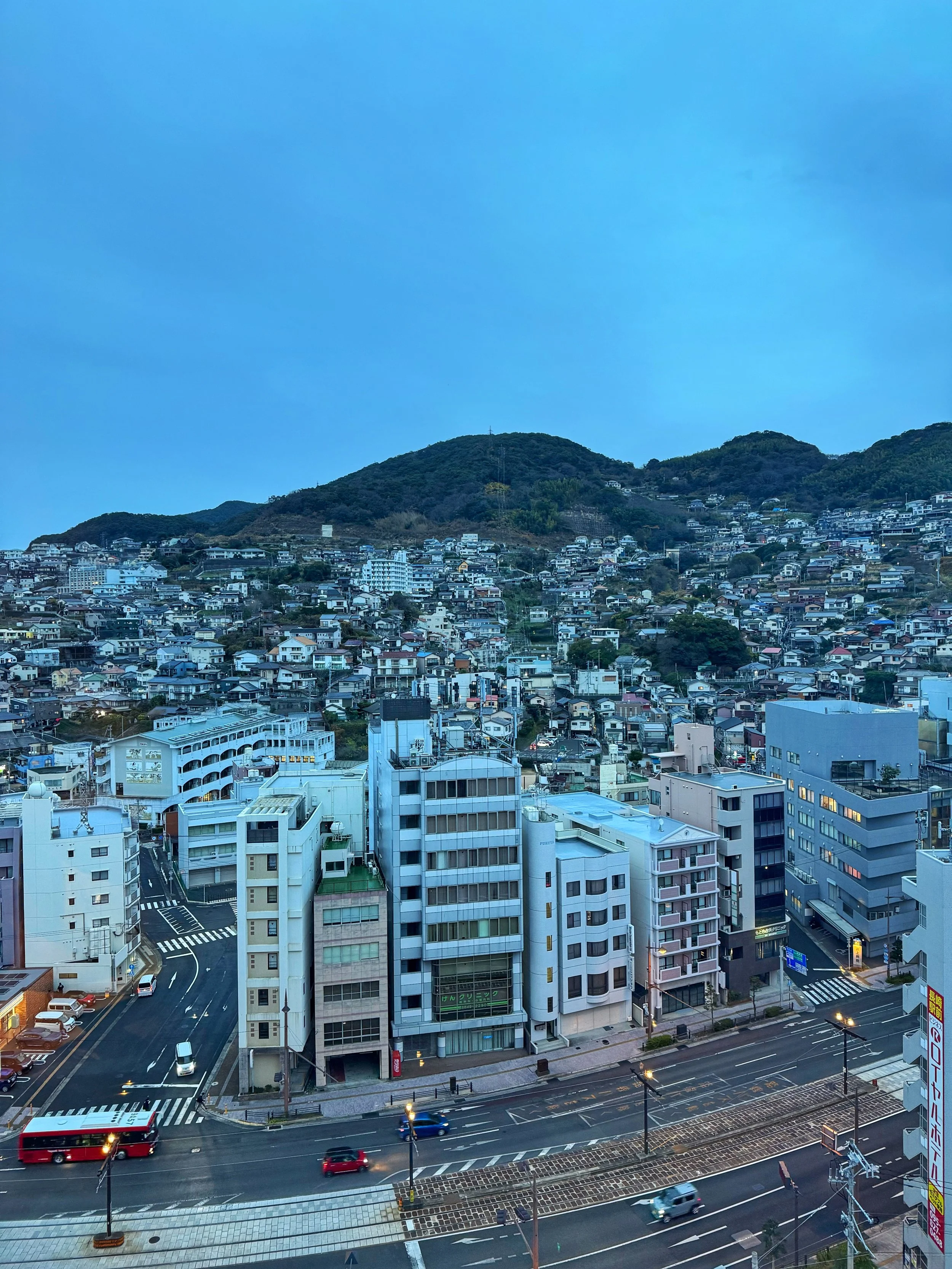
Nagasaki had been on my list for years, and once I finally visited, I knew it wouldn’t be the only time. The people were incredibly welcoming, and the city was easy to explore. The streetcars made the travel even more exciting. The European architecture in the Dutch Slope and other areas were reminiscent of the long history that Nagasaki has had with international relations. In a more somber tone, you can visit the Peace Museum to learn more about what the city went through during and after WWII. I think these thought-provoking sights are important to include in trips like this.
Aside from history, Nagasaki has a delicious food culture. While Fukuoka is often highlighted as the unofficial food capital of Kyushu, I found Nagasaki to be just as full of delicious foods. I met several kind people and made new friends stopping in places around Nagasaki. Exploring cities this way has been one of the best ways for me to understand local culture and everyday life in Japan.
Aizuwakamatsu, Fukushima Prefecture
My mentor in graduate school researched the Aizu domain and how it connected to Japanese immigration to the US. I remember first learning about this area when talking to him about his research and book. Visiting Aizuwakamatsu years later while actually living in Japan felt like a full circle moment.
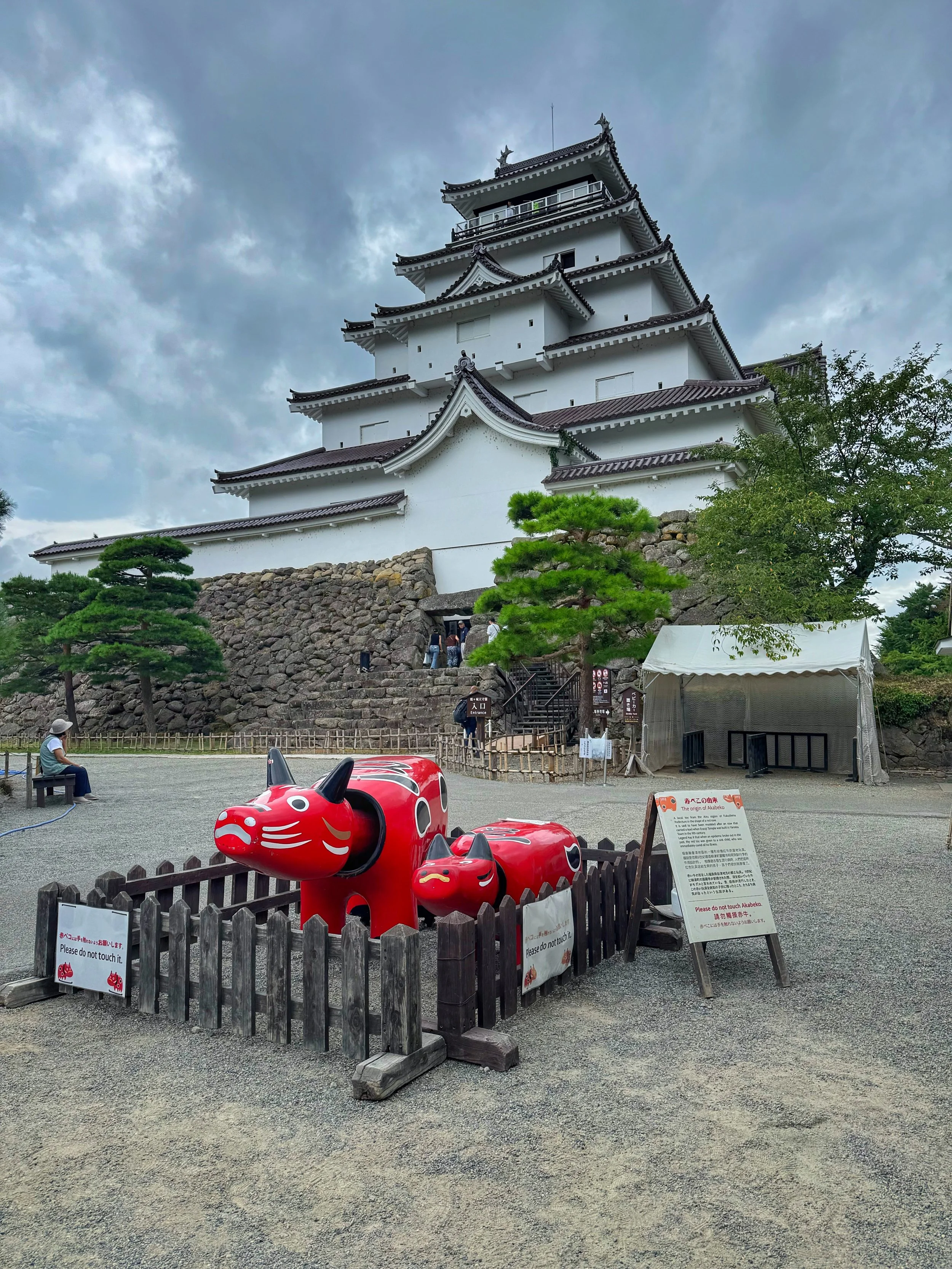
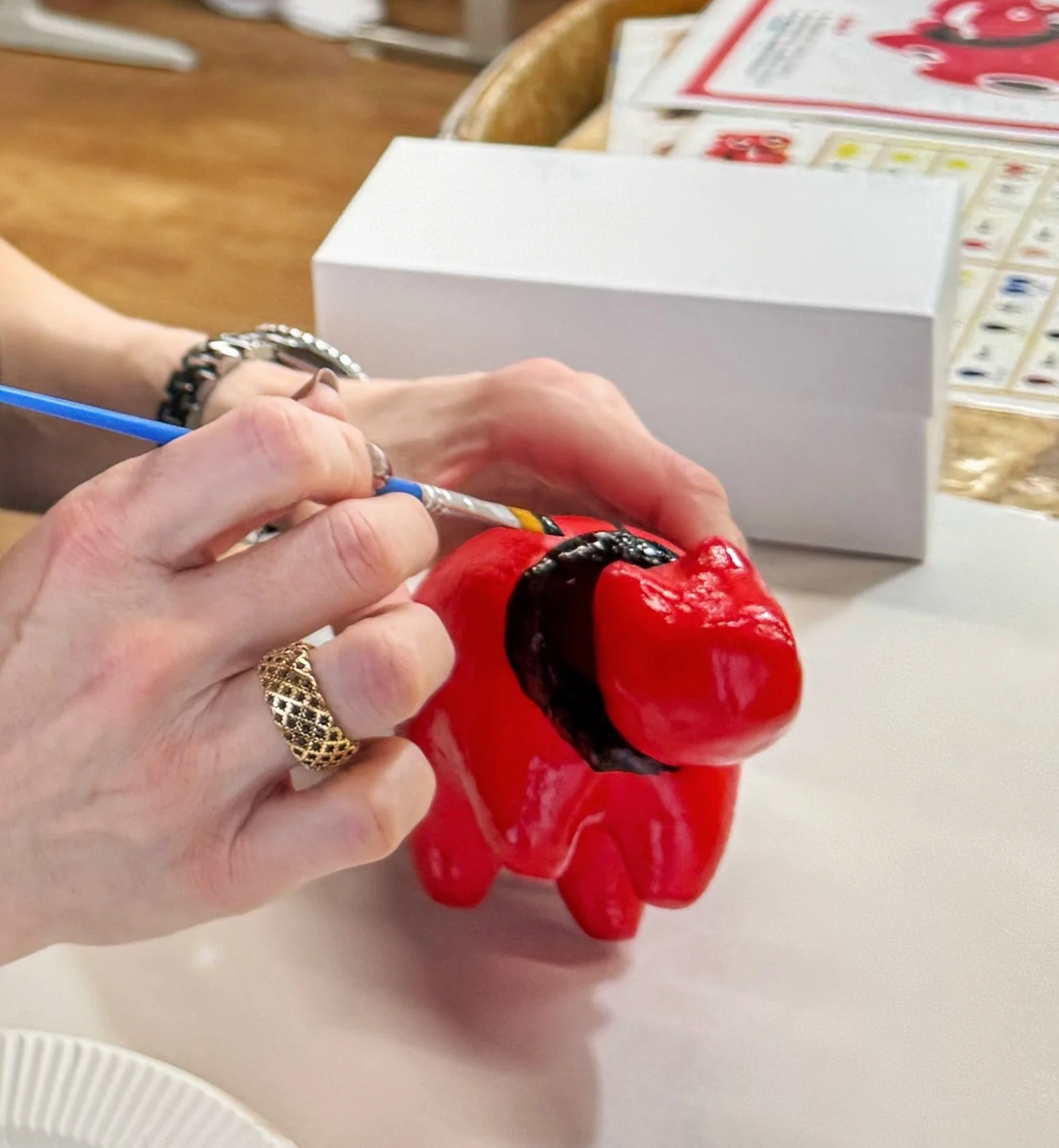
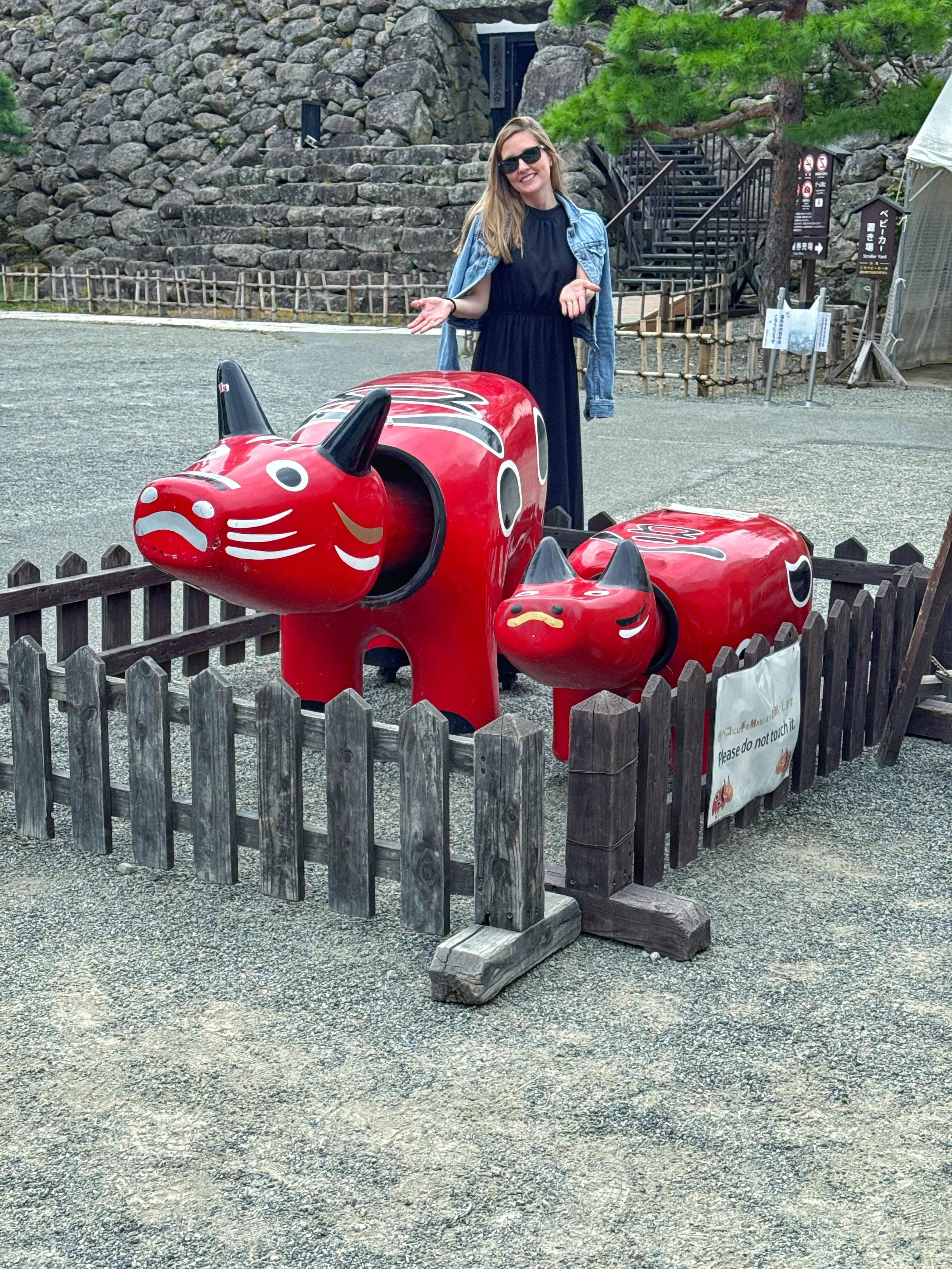
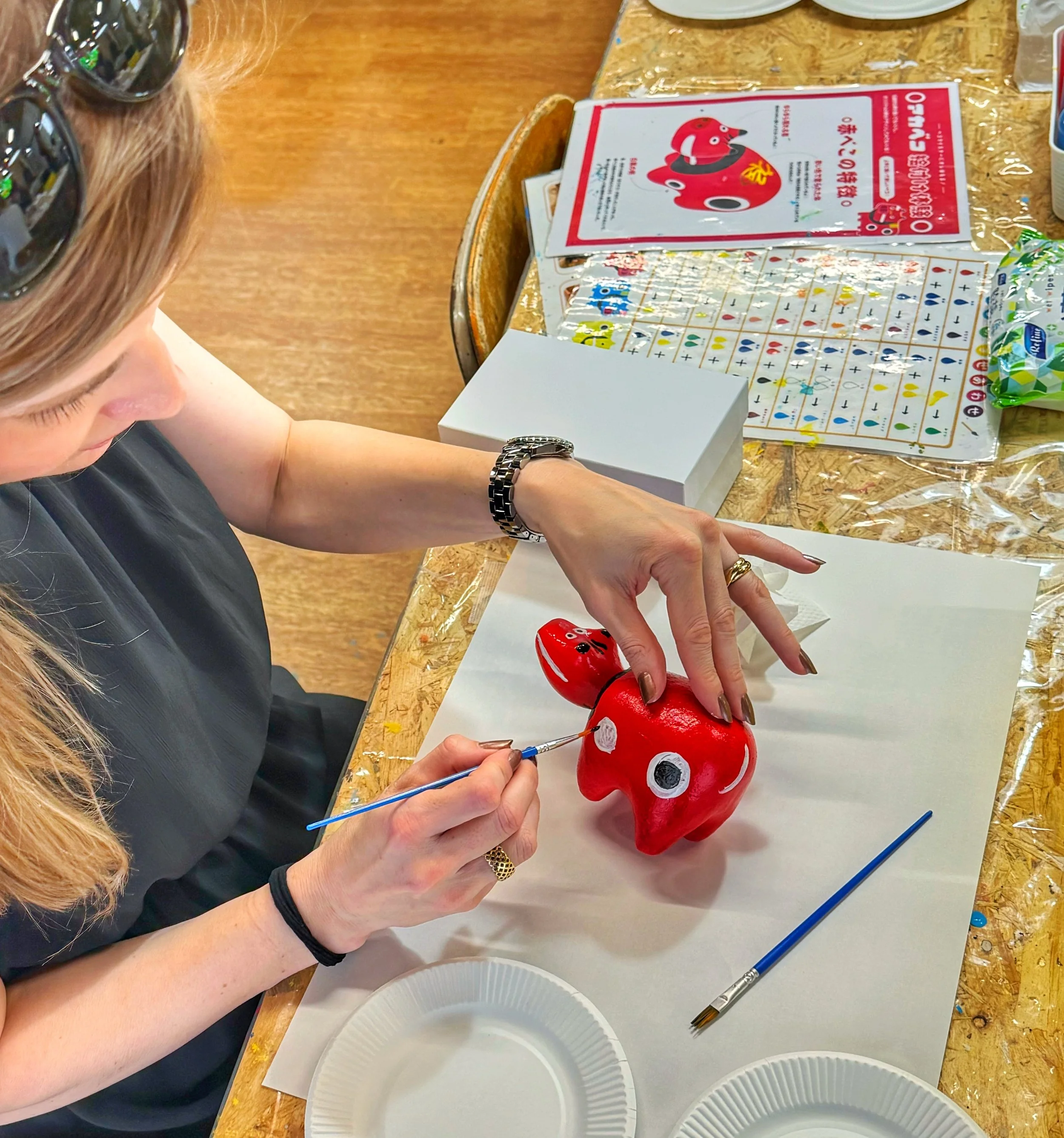
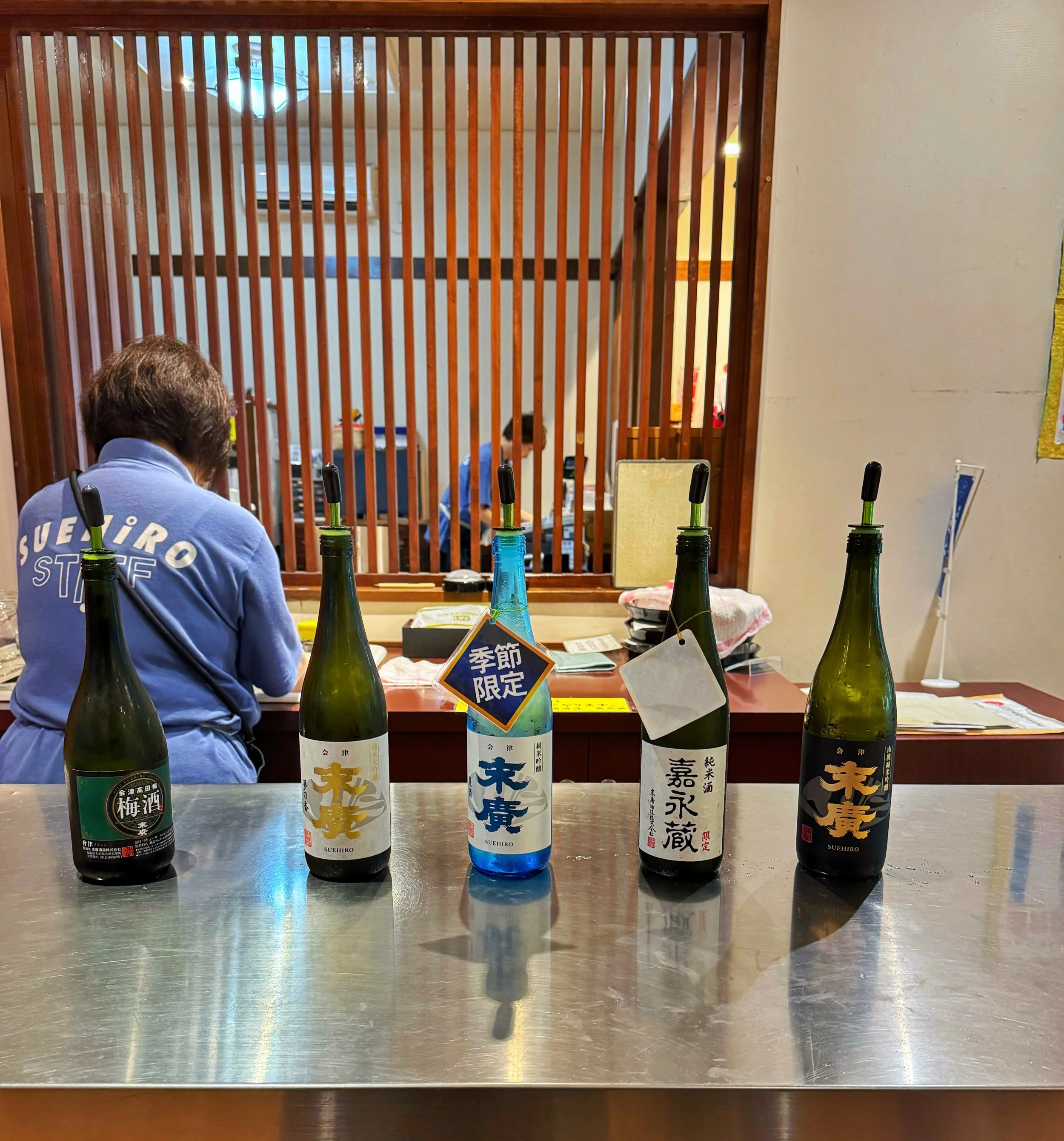
Being able to explore places that I previously only knew through academic work gives these areas a deeper meaning to me. Beyond its history, Aizuwakamatsu offers hands-on ways to connect with local culture through sake breweries, craft shops, and traditional workshops. Painting an Akabeko in a workshop was a way for me to learn more about the craft and bring home the perfect souvenir.
Fukui Prefecture
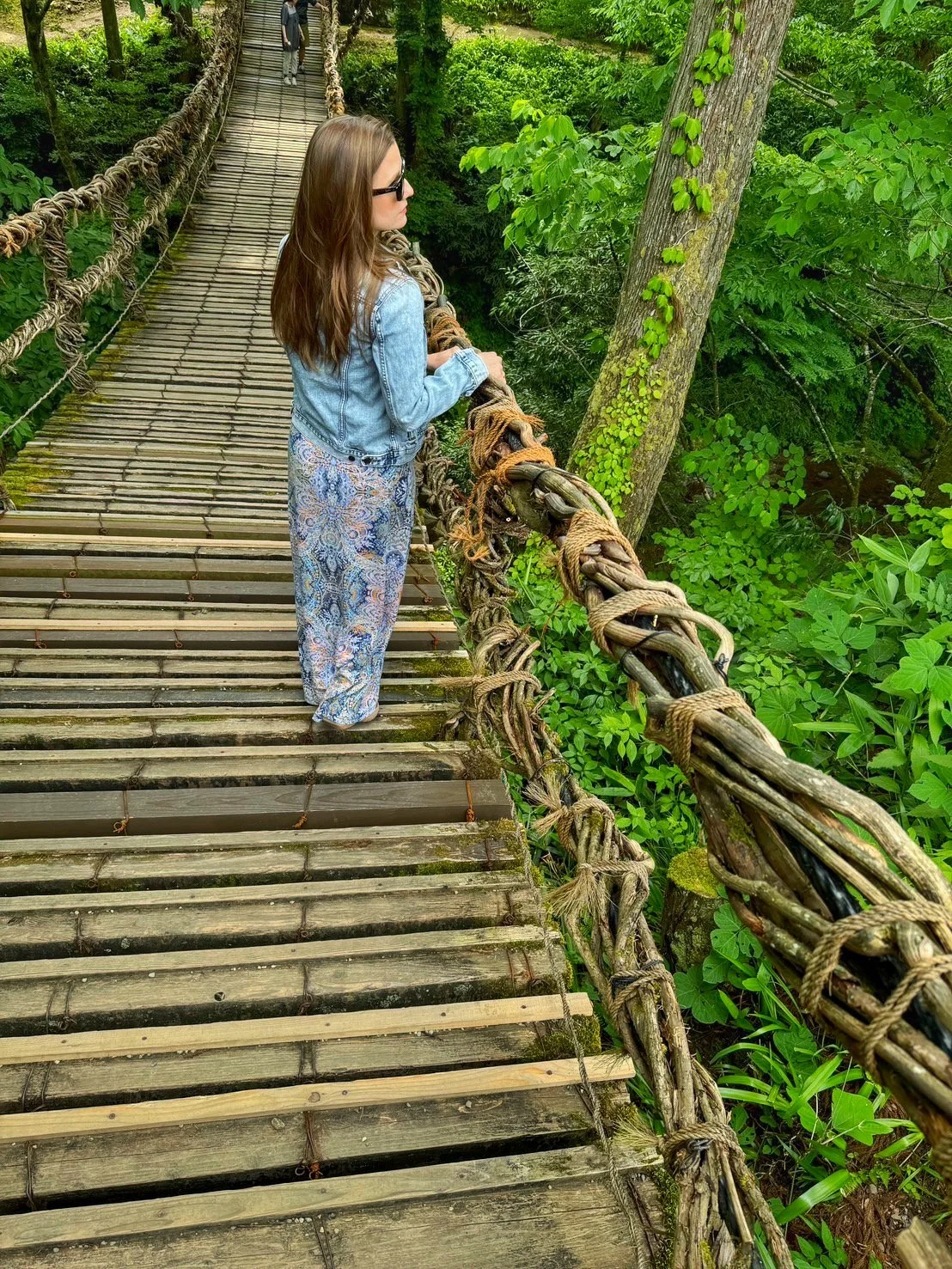
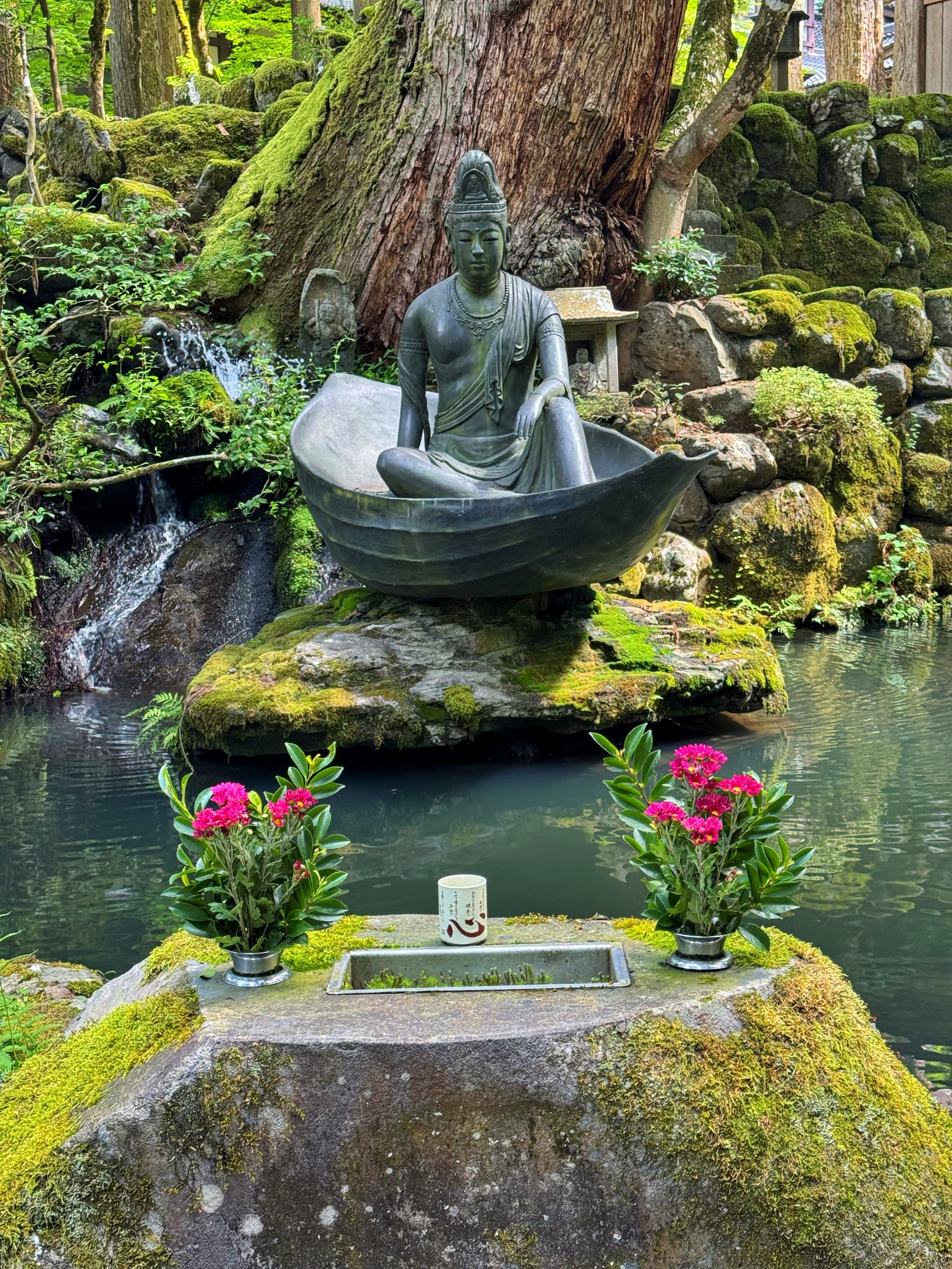
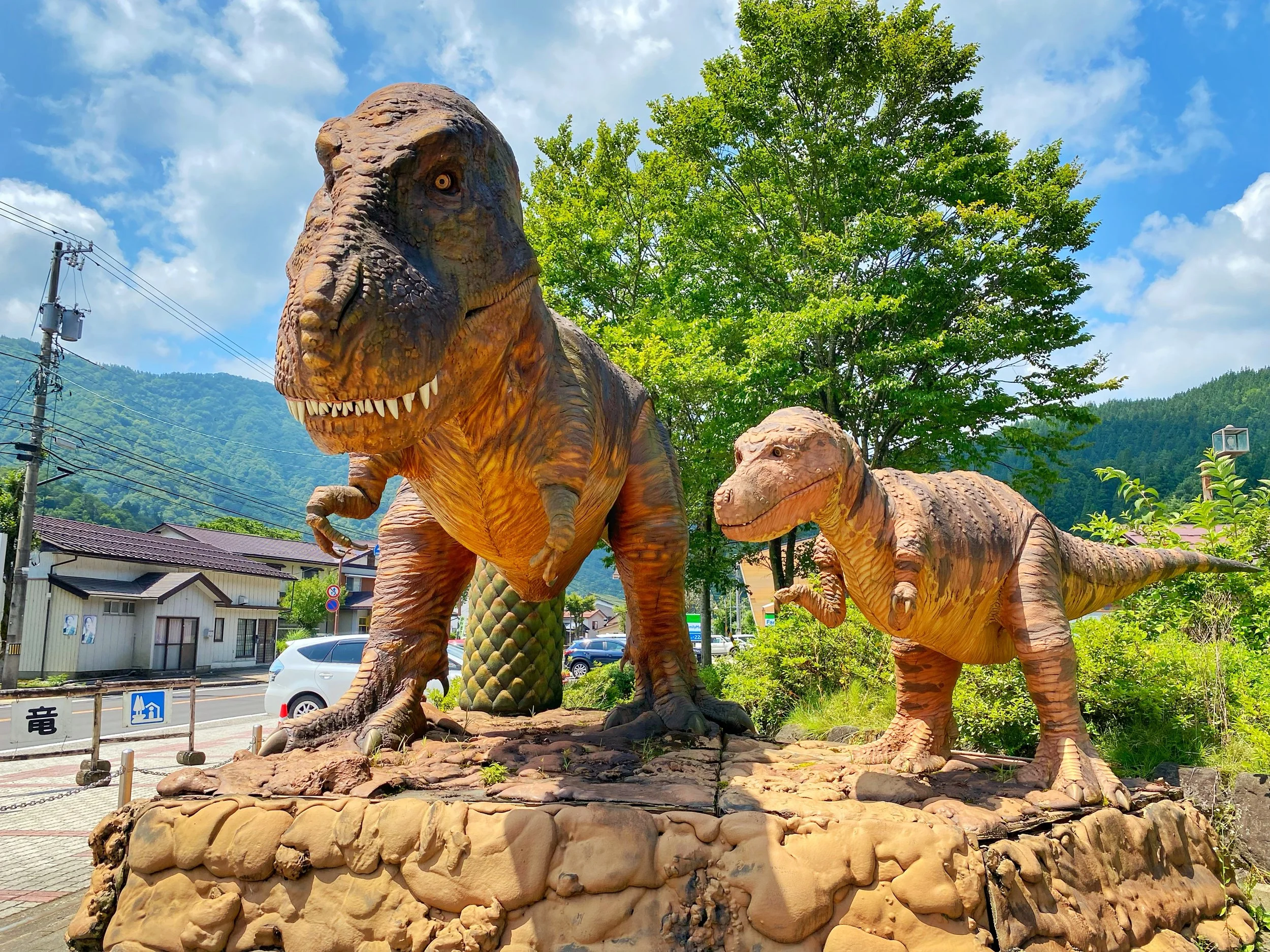
Narrowing down to one city in Fukui Prefecture is hard for me because many parts of the prefecture are overlooked by tourists. While it is becoming more popular on social media, some people are still unsure if it deserves to be added to their itinerary. You can experience everything from dramatic coastlines and quiet mossy temples to traditional crafts and regional foods. Plus, Fukui is home to one of the largest paleontological sites and dinosaur museums in Japan.
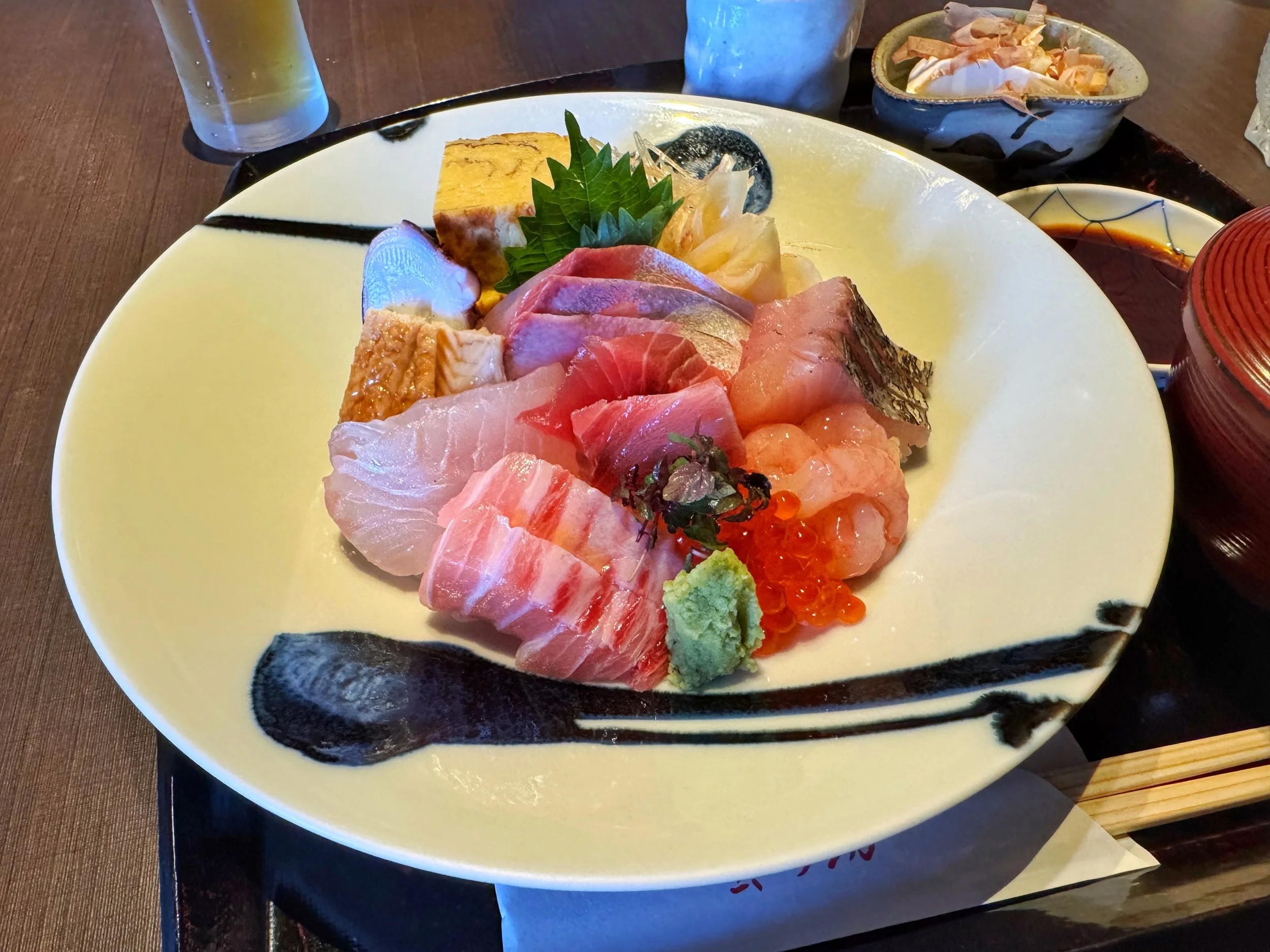
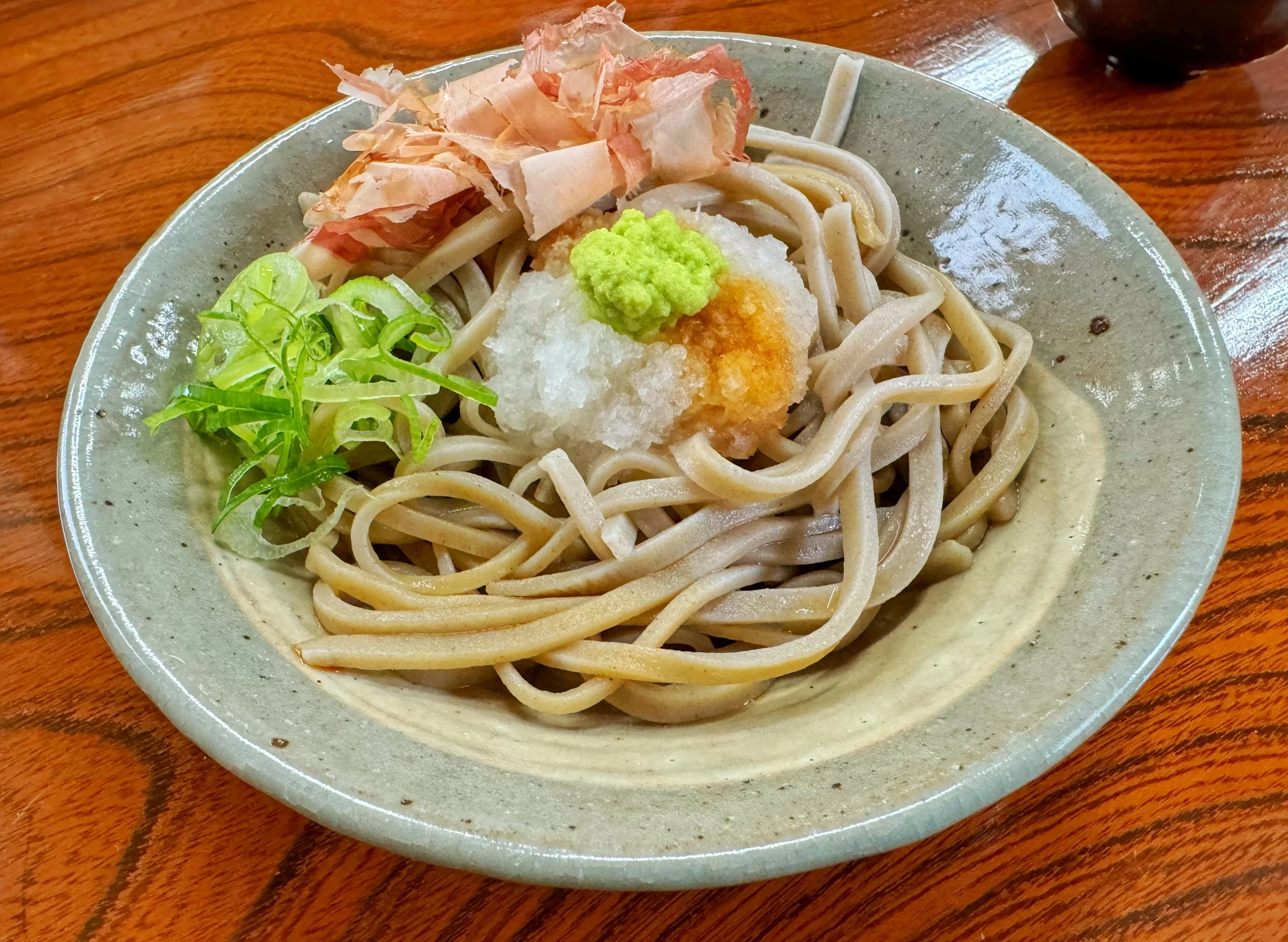
If you are visiting in winter, be sure to check out one of the famous Echizen crab restaurants. At other times, try fresh seafood or Fukui soba (served with spicy grated daikon). Outside of food, you can check out traditional crafts like paper and knife making in the Echizen area.
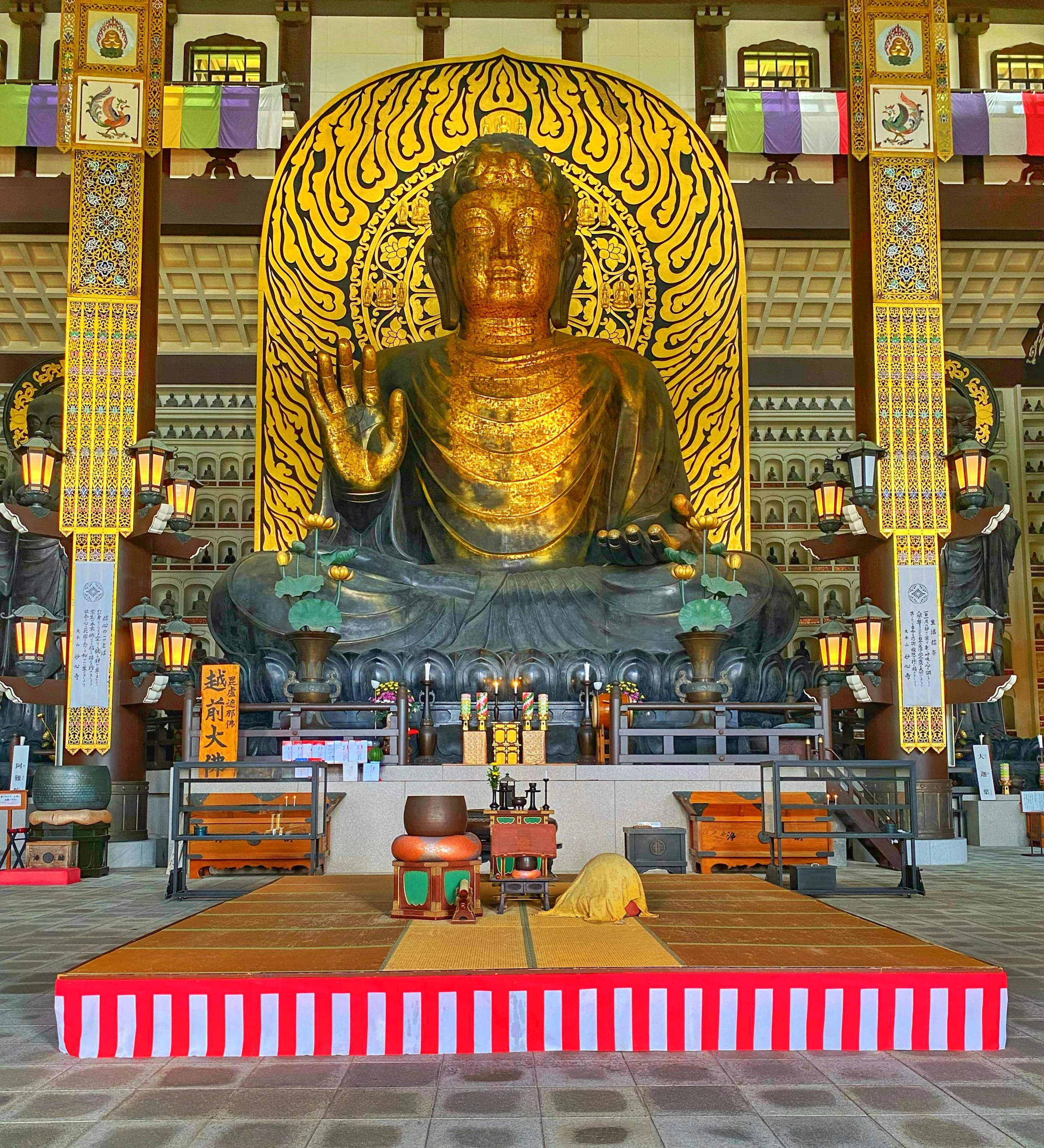
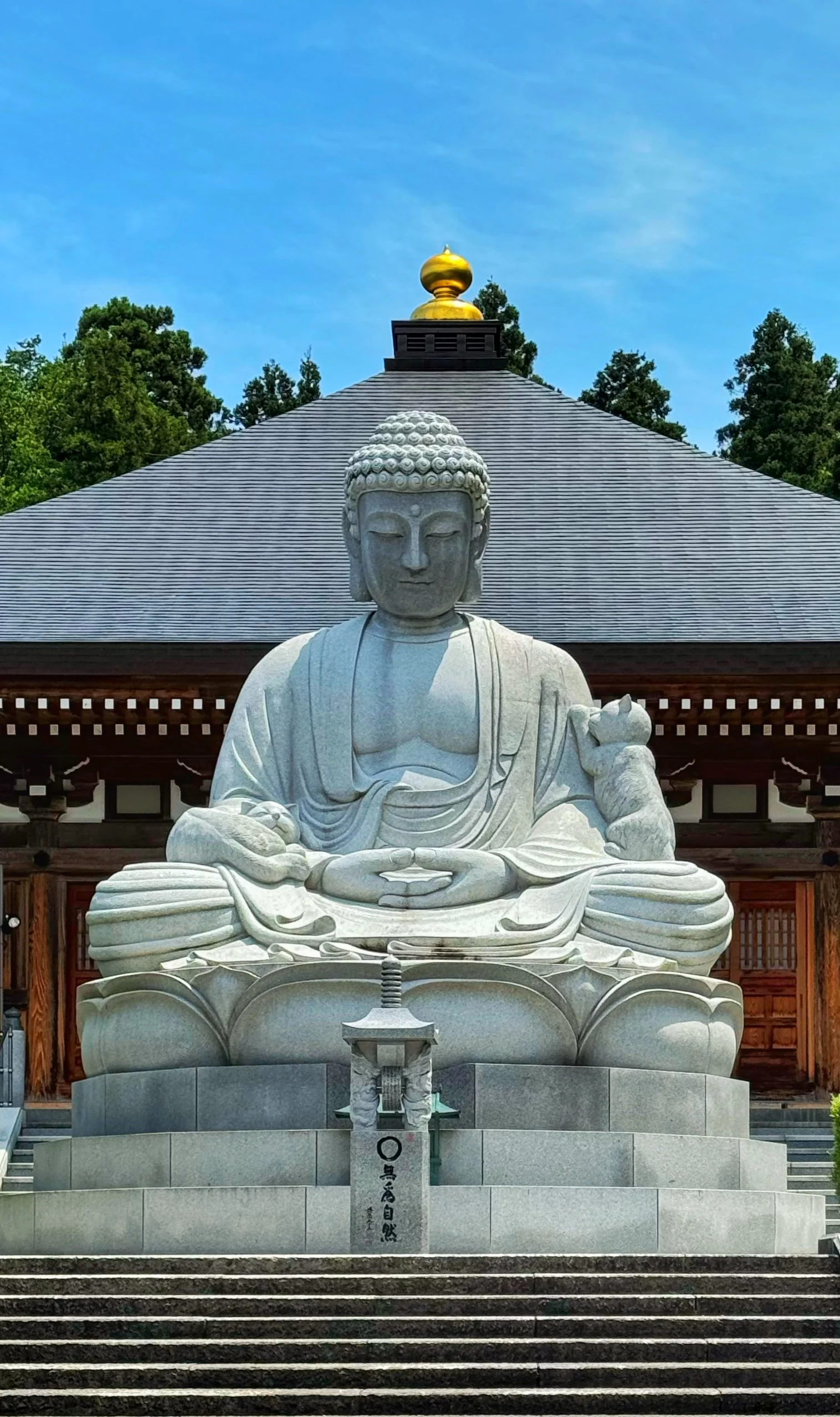
In Katsuyama, you can visit the Echizen Buddha. Although it isn’t as old as other Buddha statues in Japan, it is magnificent and awe-inspiring to see.
Gujo Hachiman, Gifu Prefecture
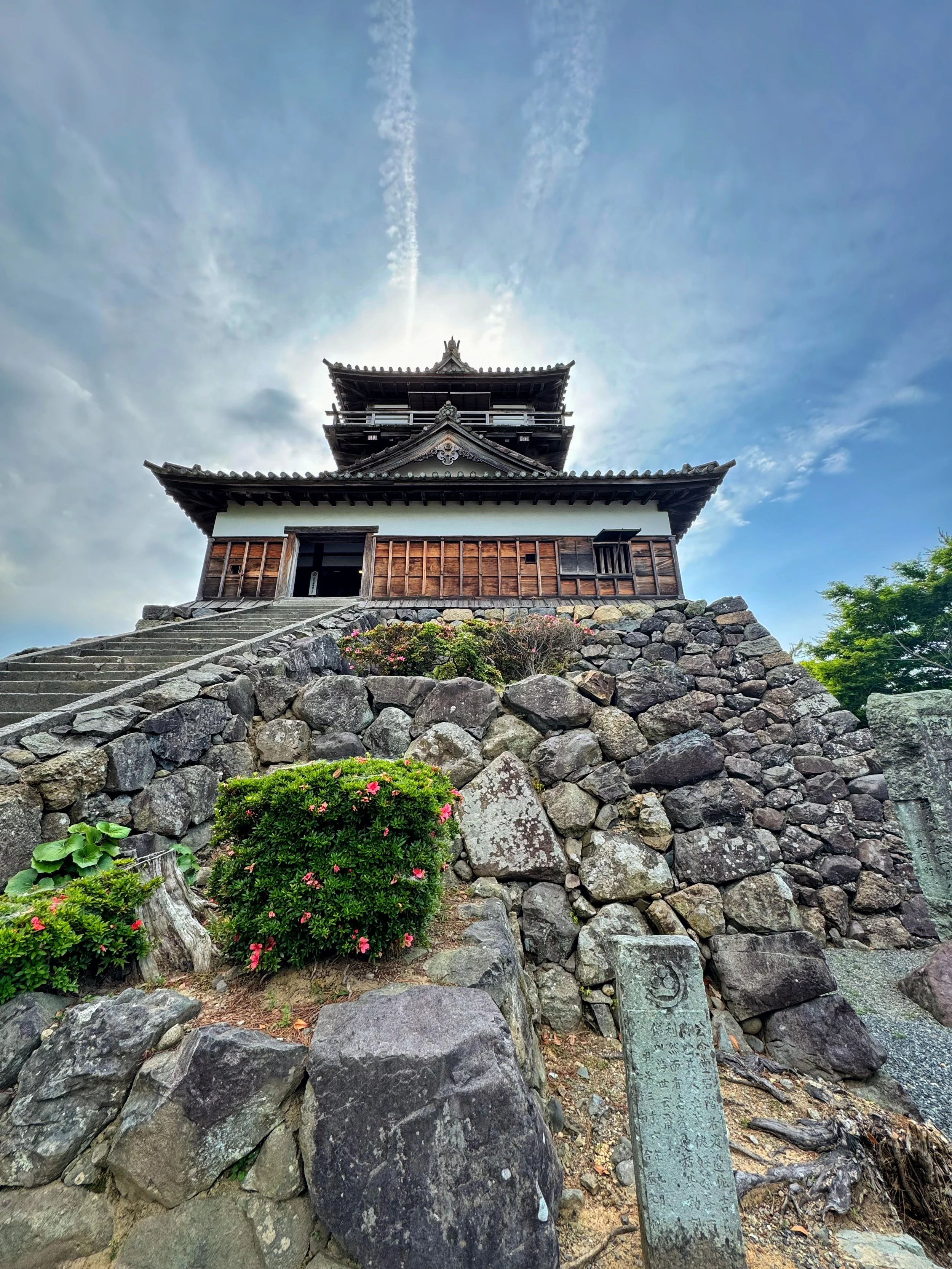
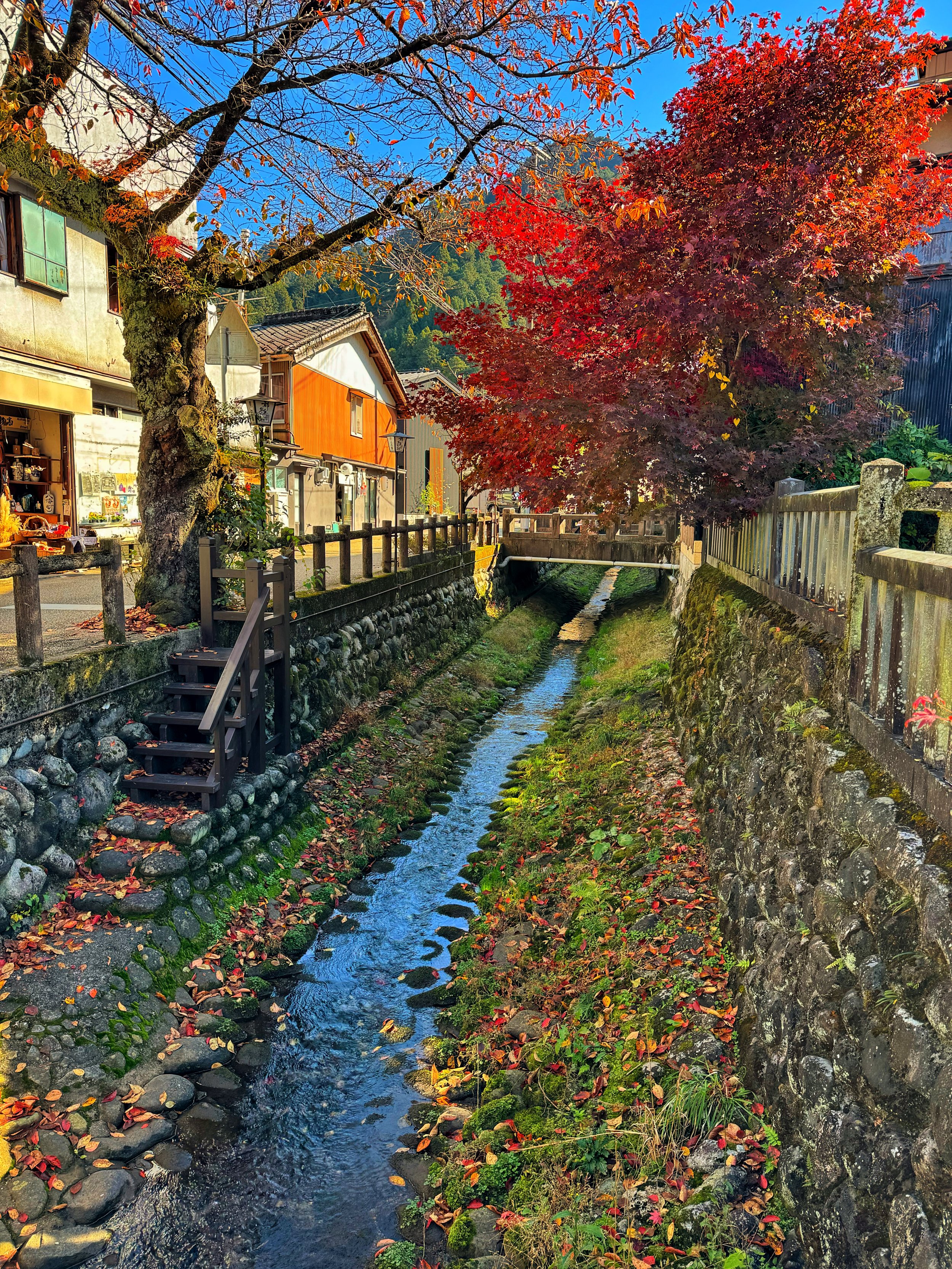
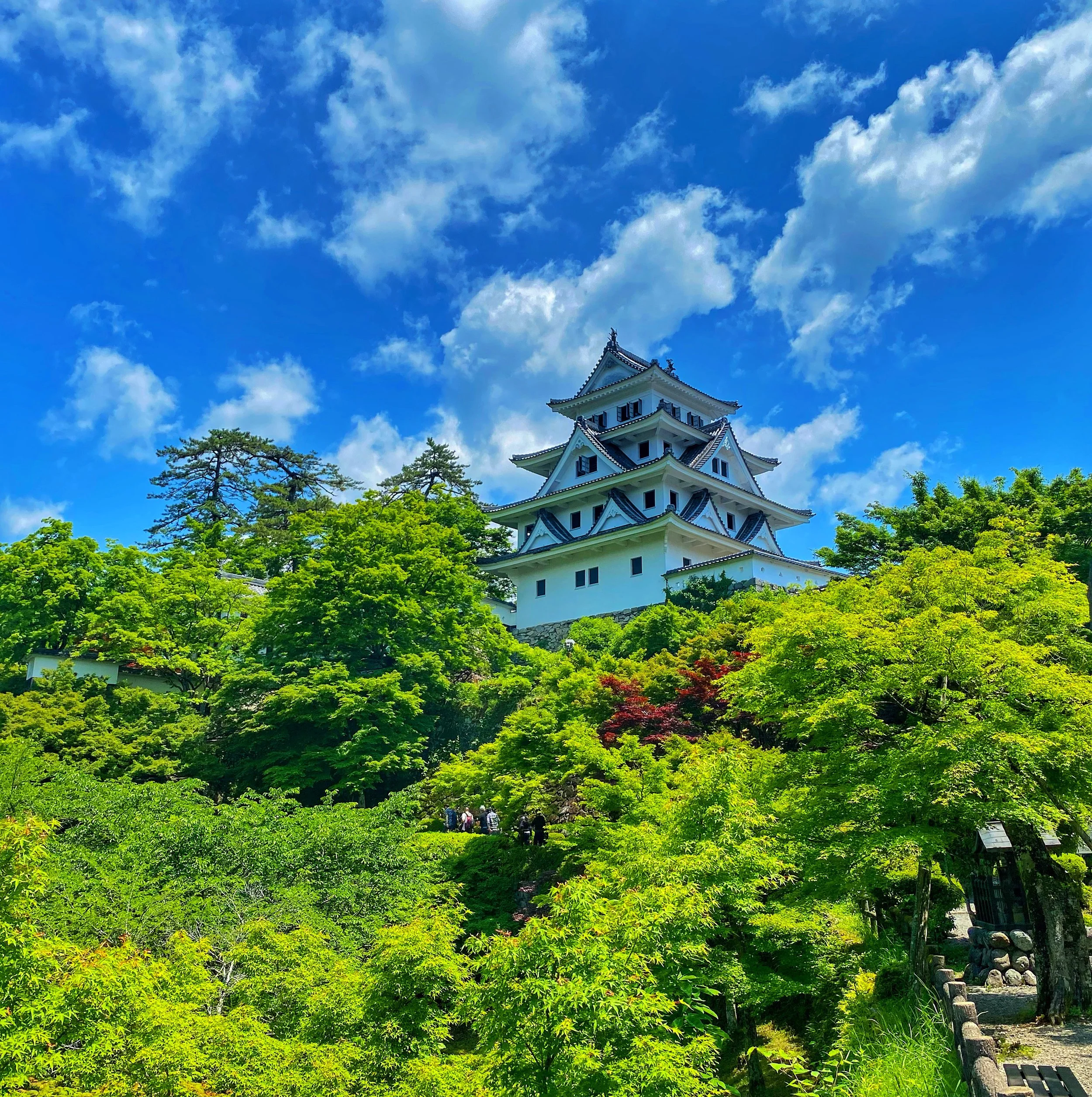
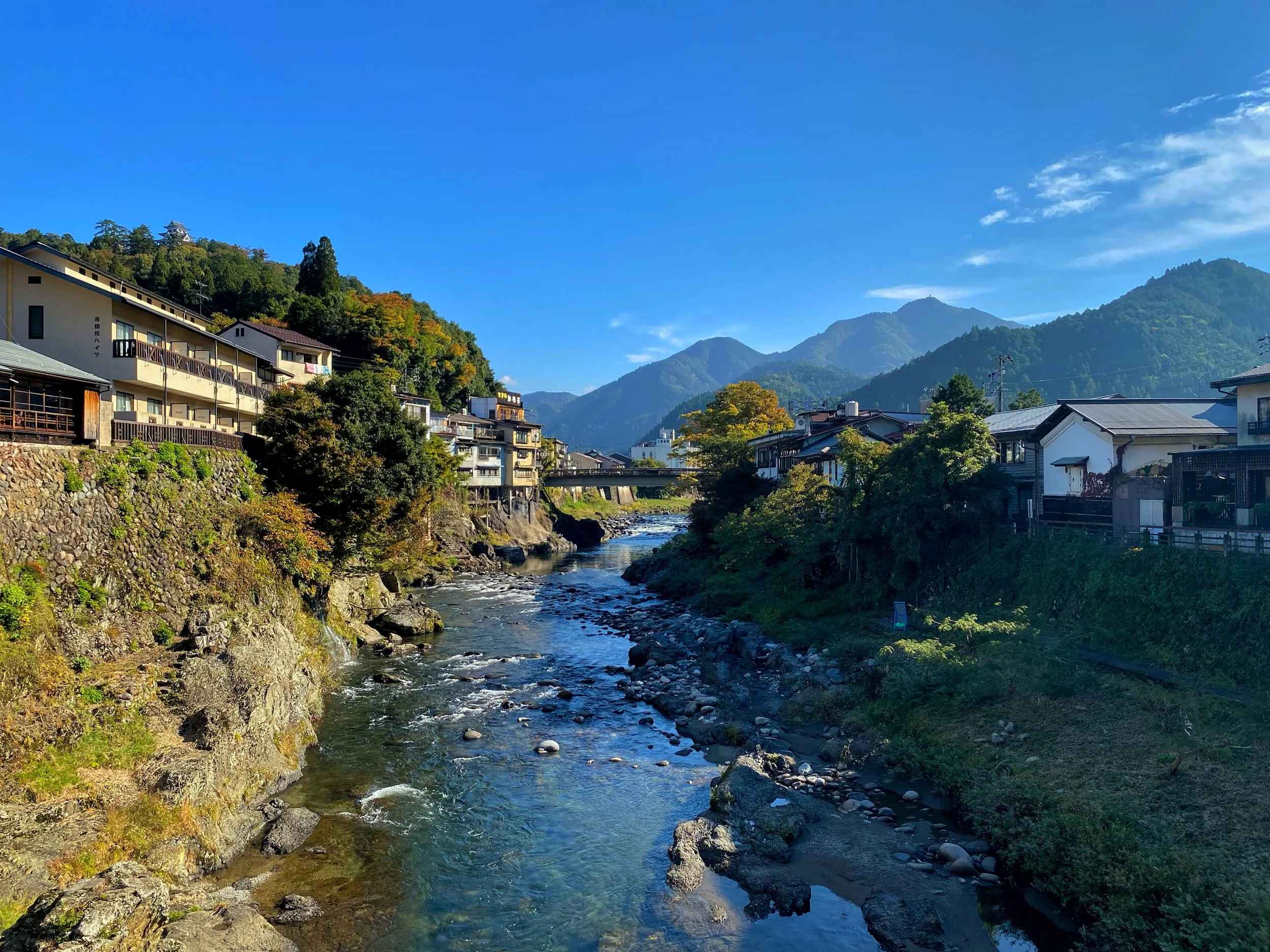
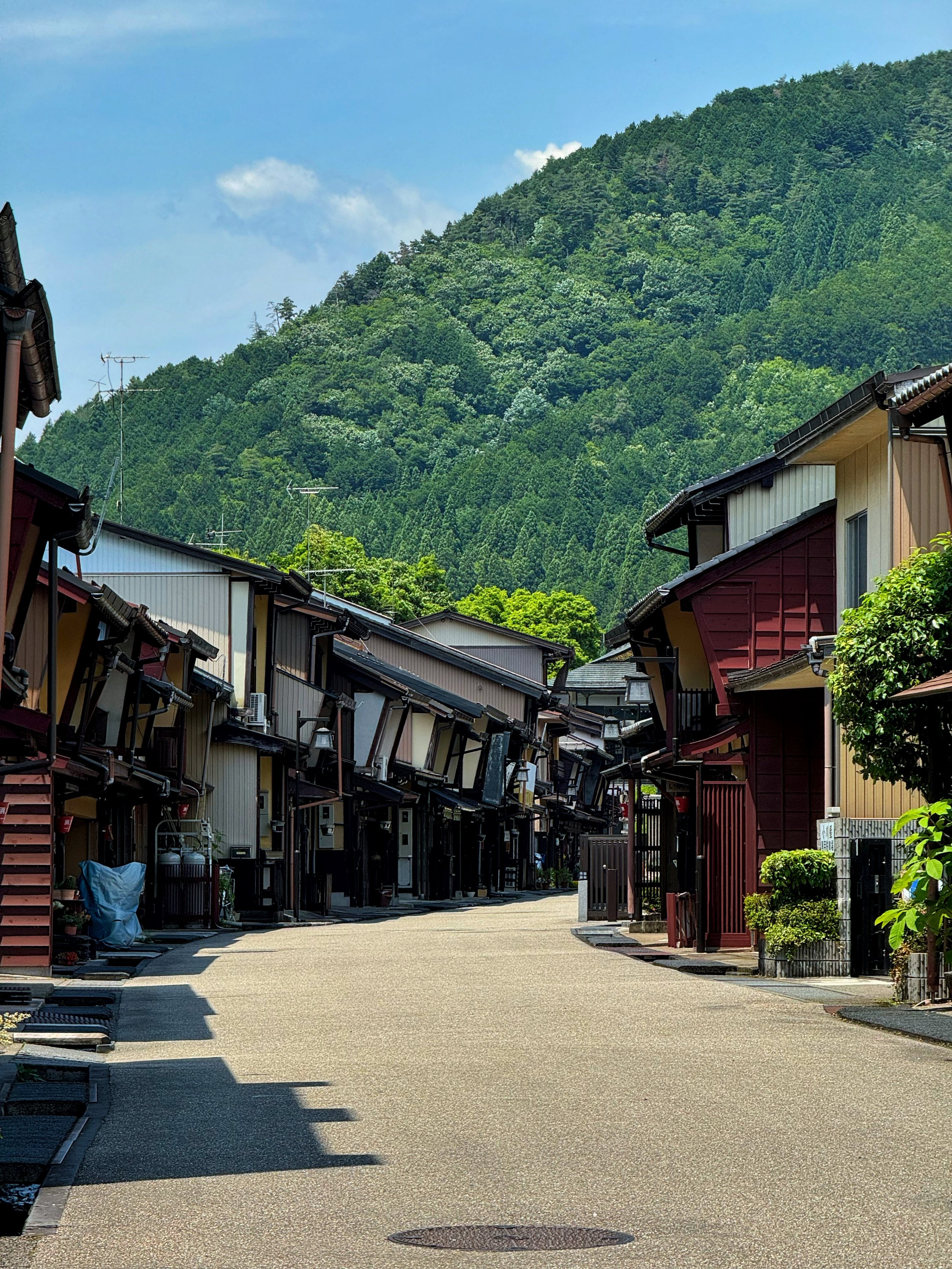
Gujo Hachiman offers something for nearly everyone, including food, history, crafts, and nature. The riverside shops, traditional streets, and castle views give the town its charm, but the surrounding nature makes it beautiful in any season.
The town is also known as the center for plastic food replica production. The plastic food made here can be seen outside restaurants all over Japan, and workshops are available to make your own. In August, Gujo hosts the Gujo Odori, one of Japan’s most famous Bon dance festivals.
While Gujo isn’t as famous as other towns, it is worth a visit. I always enjoy strolling around the town and soaking in the views. Gujo is where I go to relax and escape the summer heat and crowds.
Taki Shrine, Gifu Prefecture
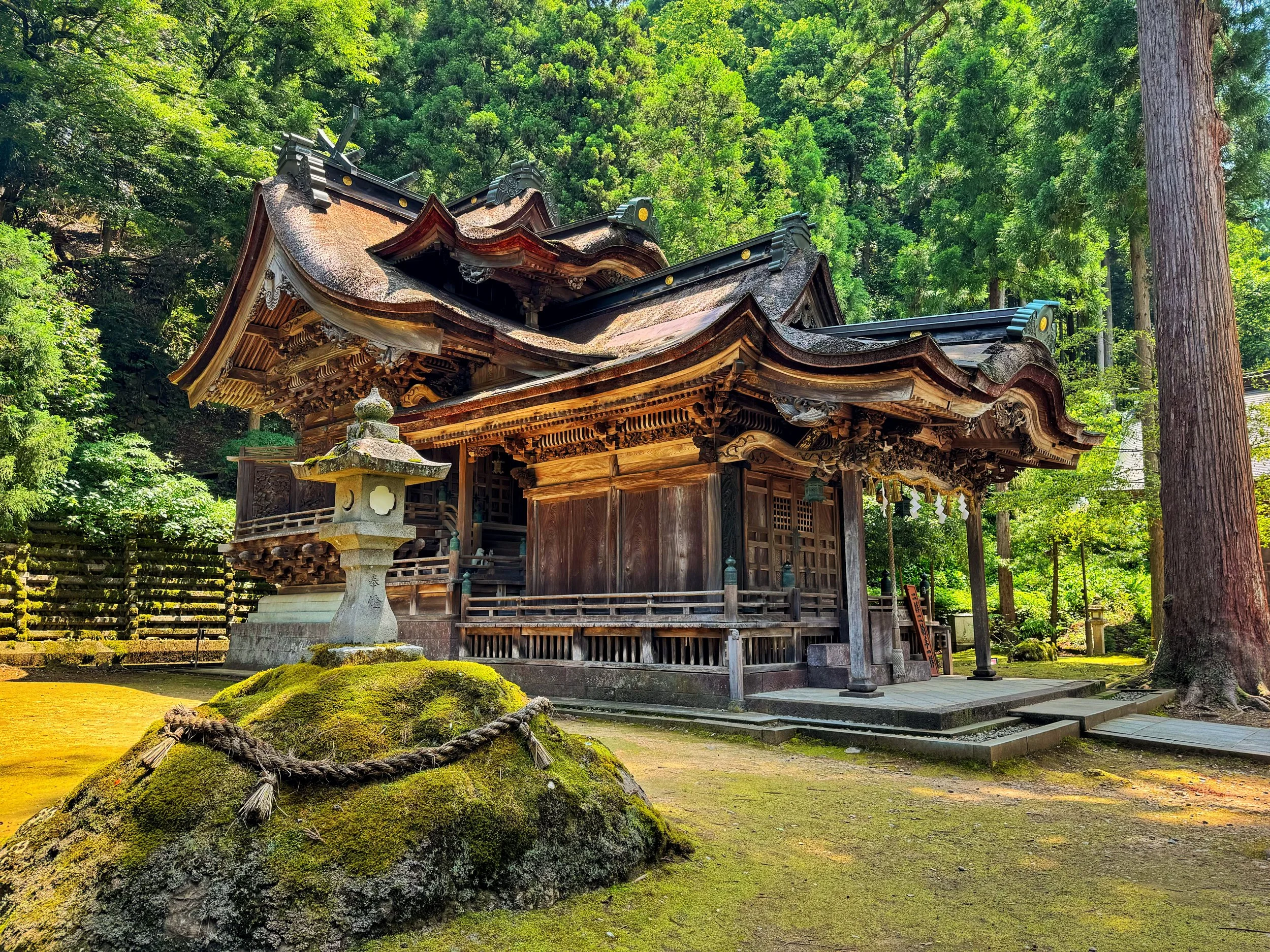
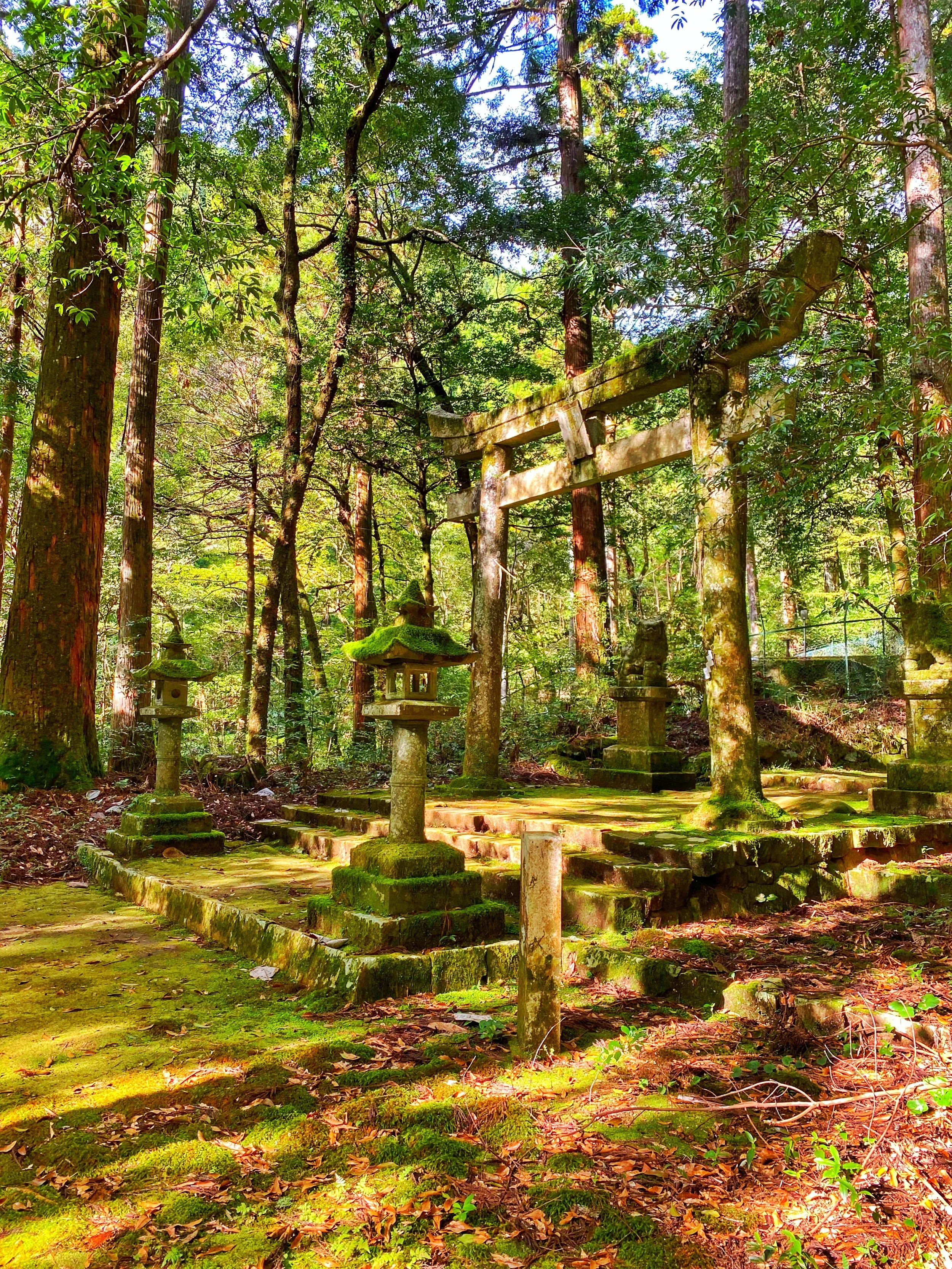
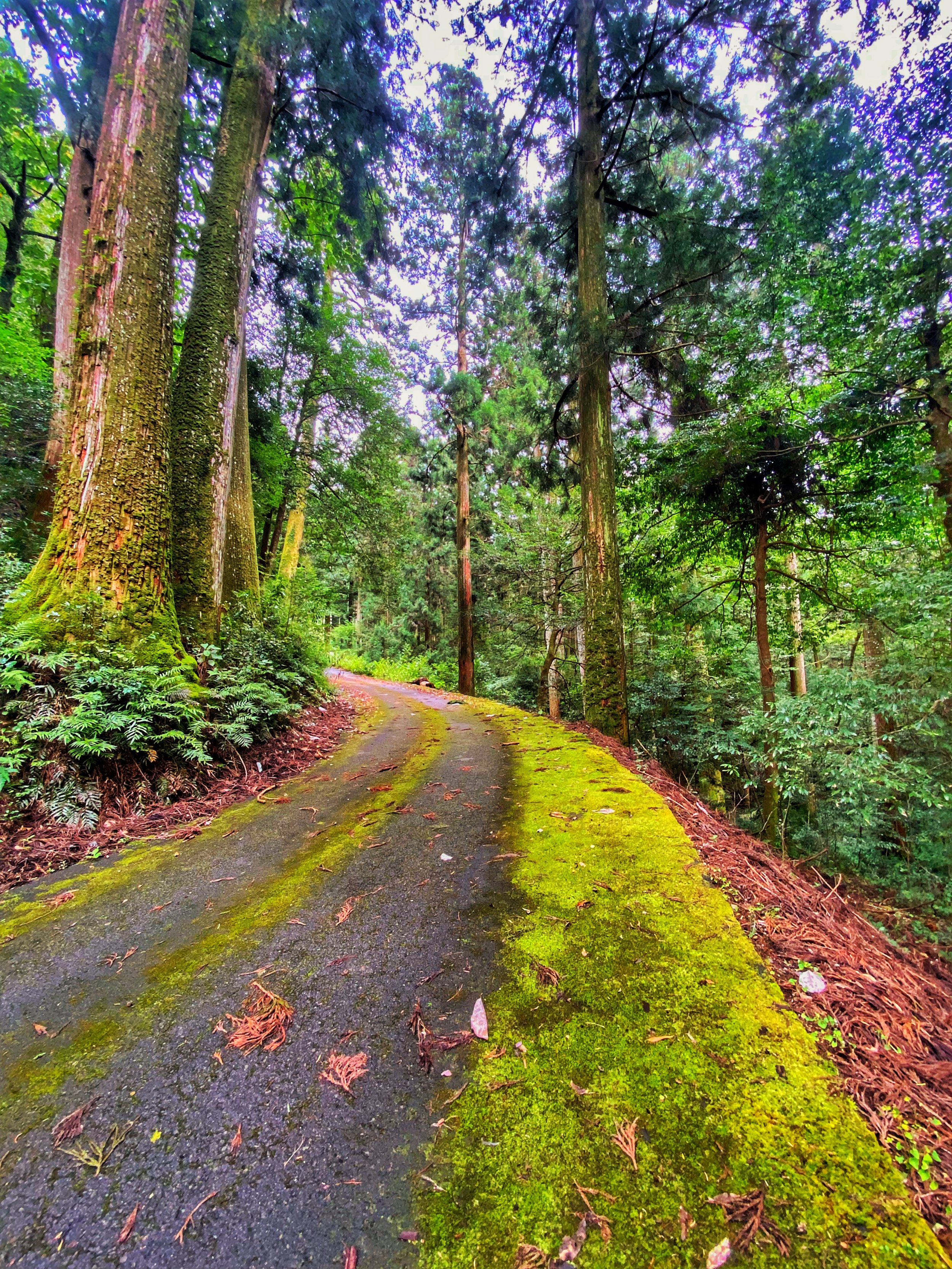
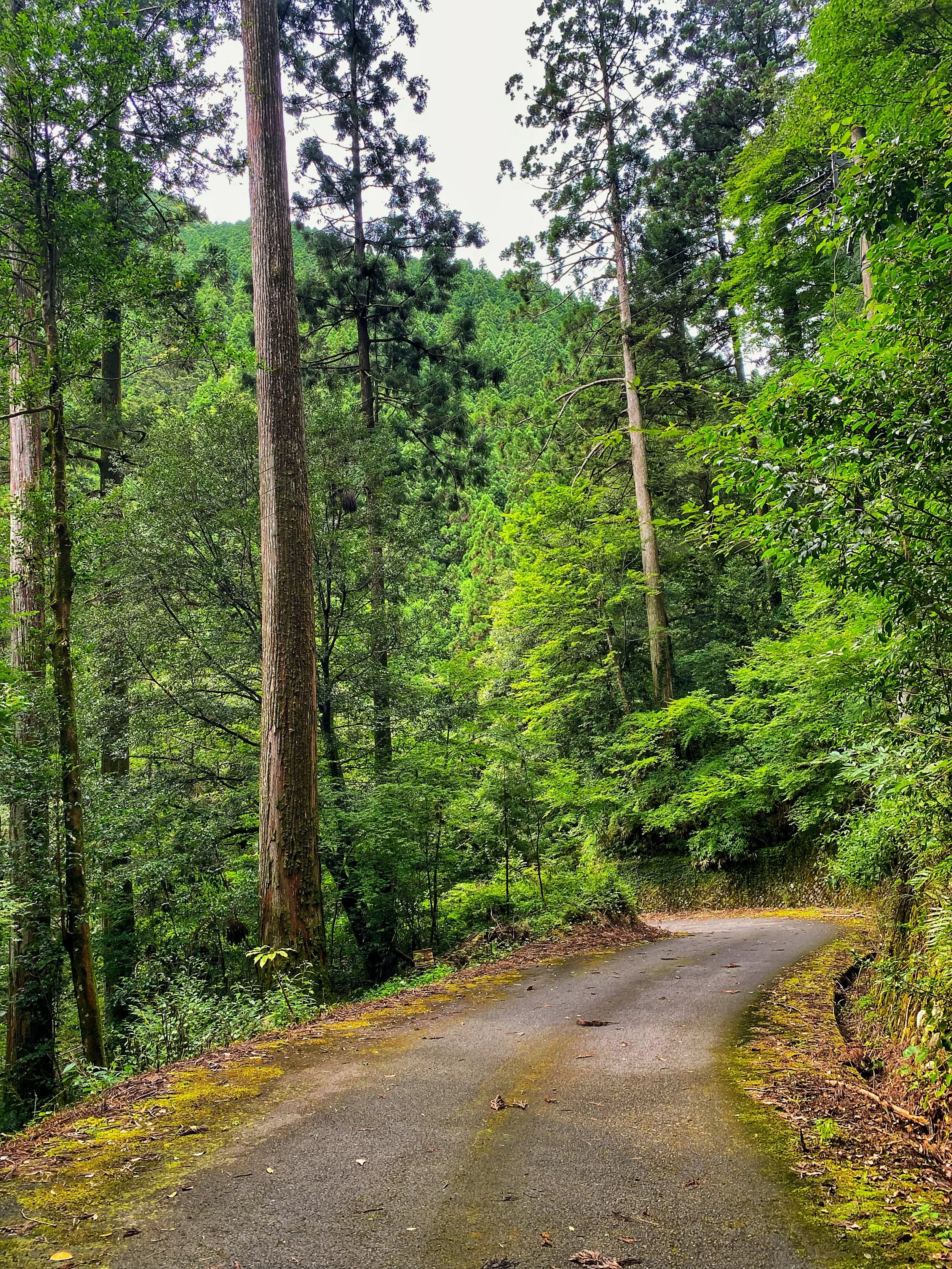
While I enjoy visiting shrines and learning about history, I am not always mesmerized by them. Taki Shrine was one of the exceptions. It might be one of the most memorable places I have visited in Japan. I have returned to the area many times, and the atmosphere has never lost its impact on me. Reaching the shrine requires effort, but the journey makes it even more meaningful.
It is surrounded by a dense forest and feels magical with all the moss covering the area. If you are a fan of Japanese anime or folklore, Taki Shrine is a place that might feel even more magical to you.
Morioka, Iwate Prefecture
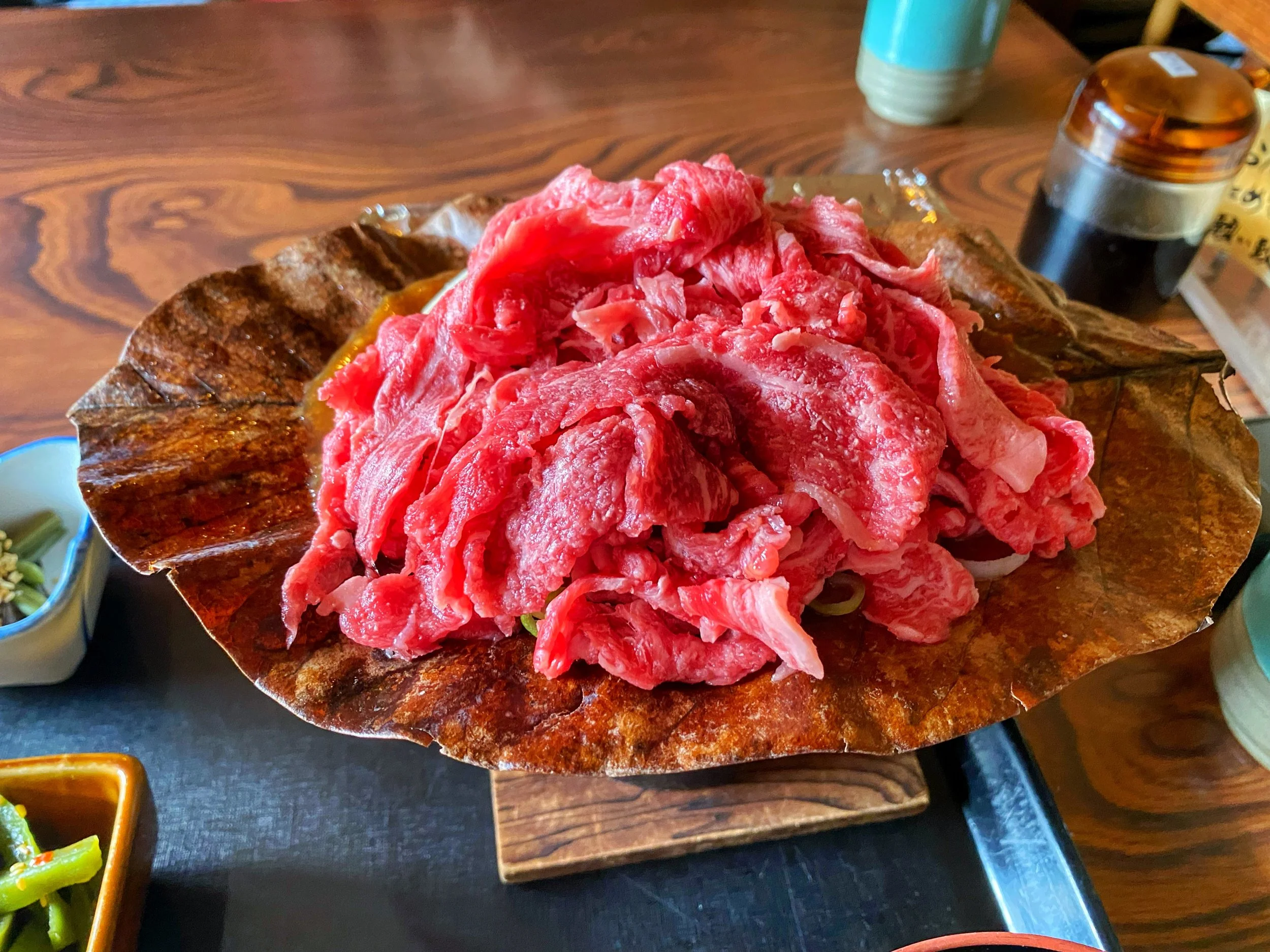
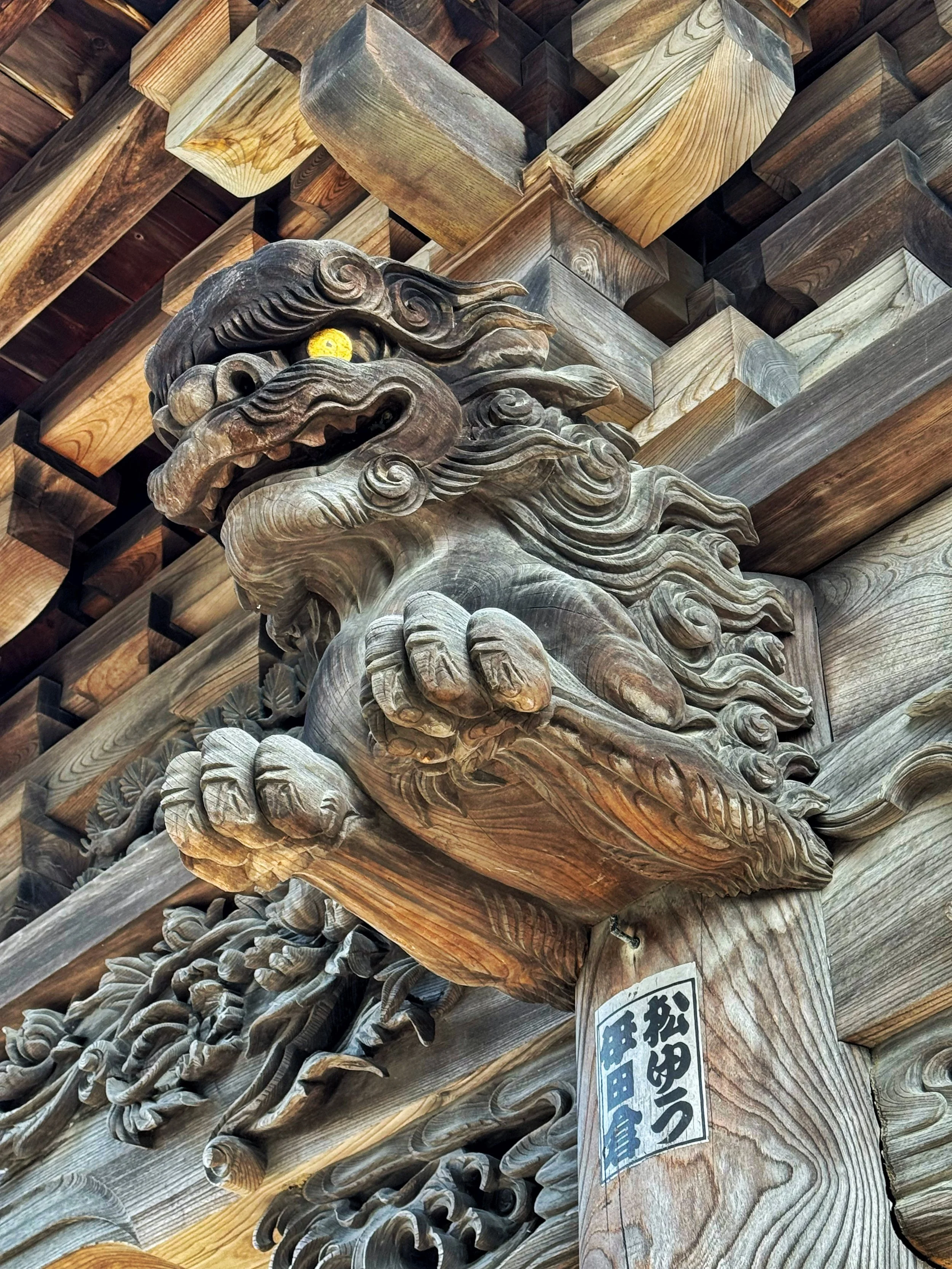
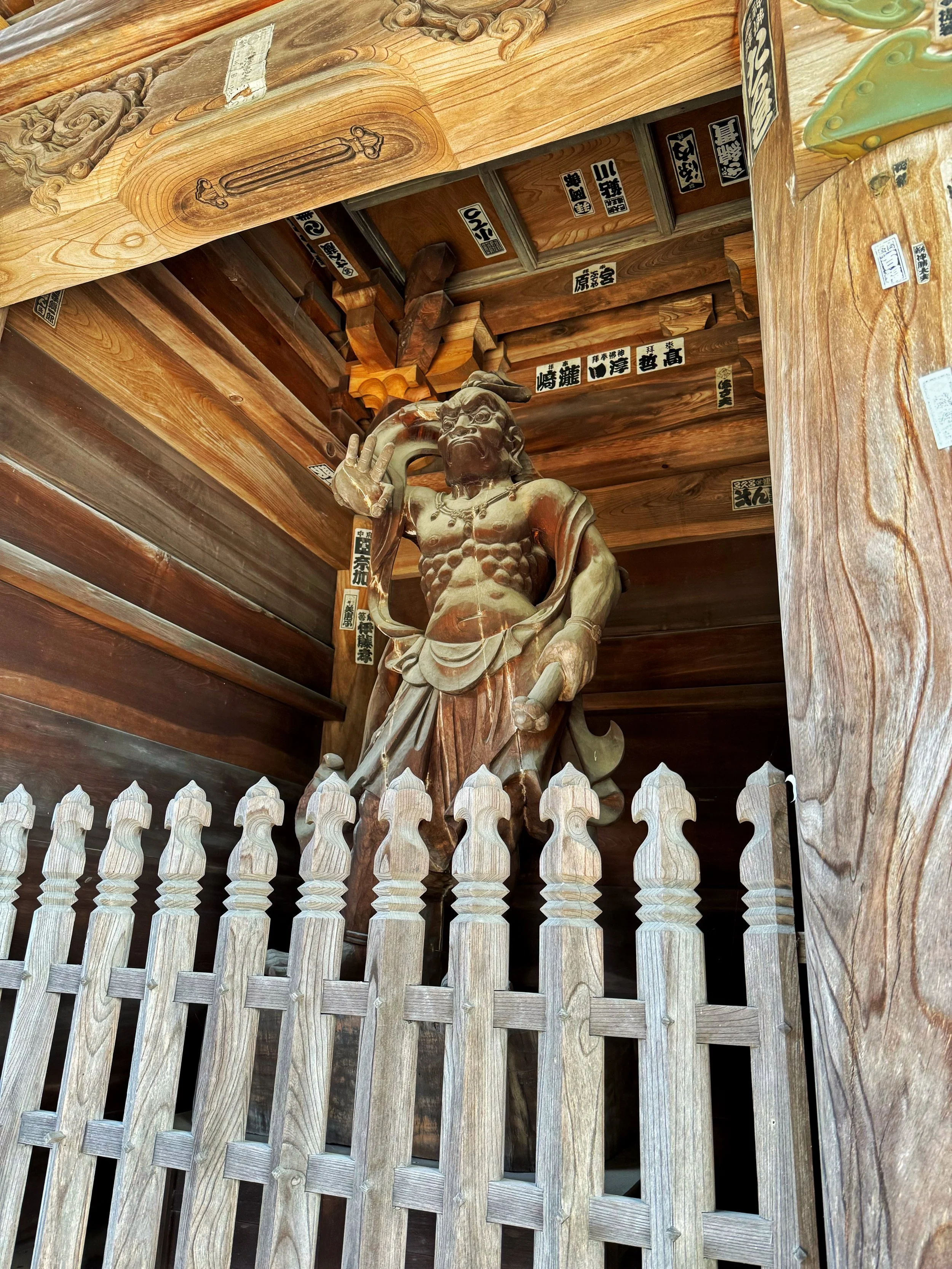
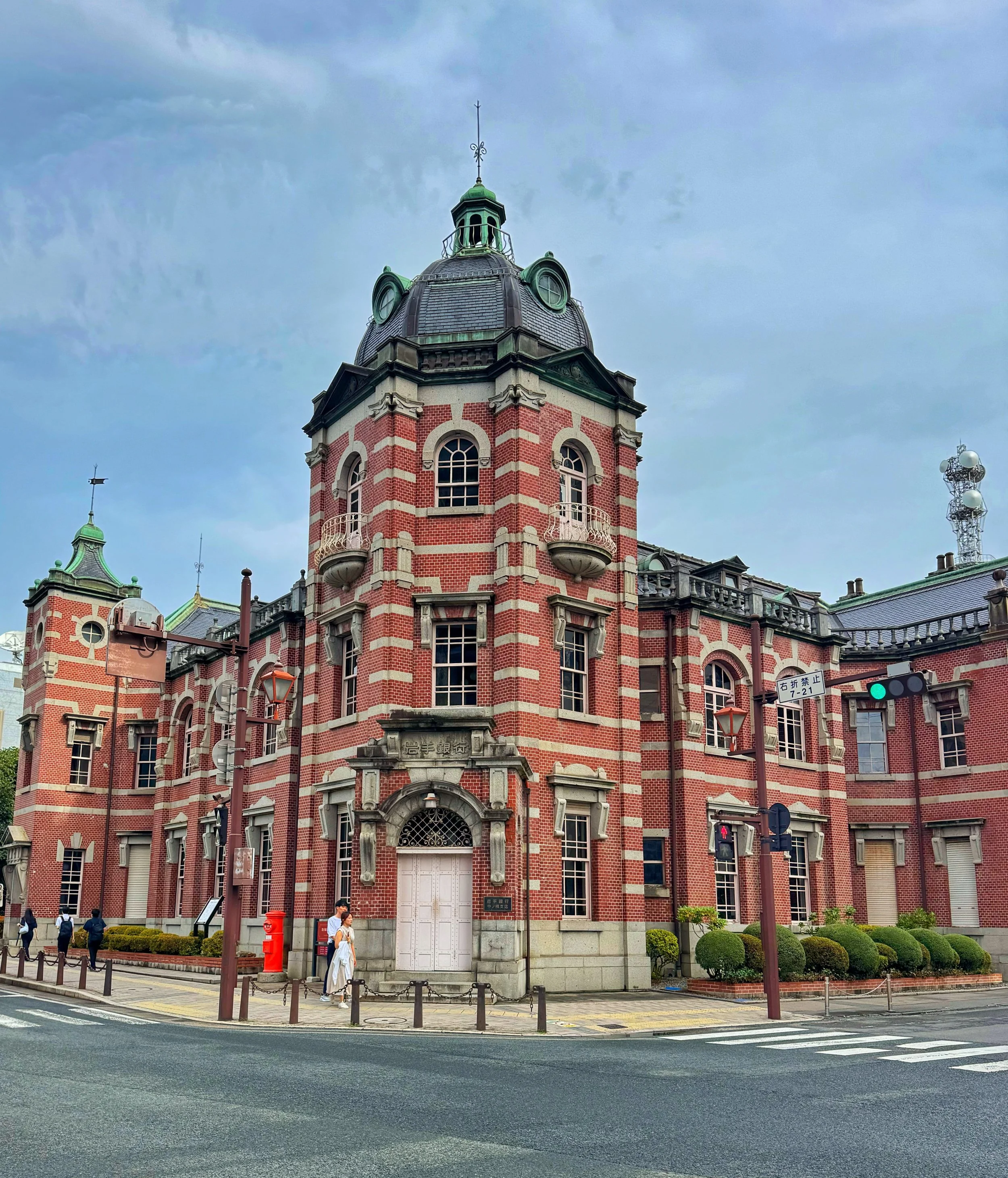
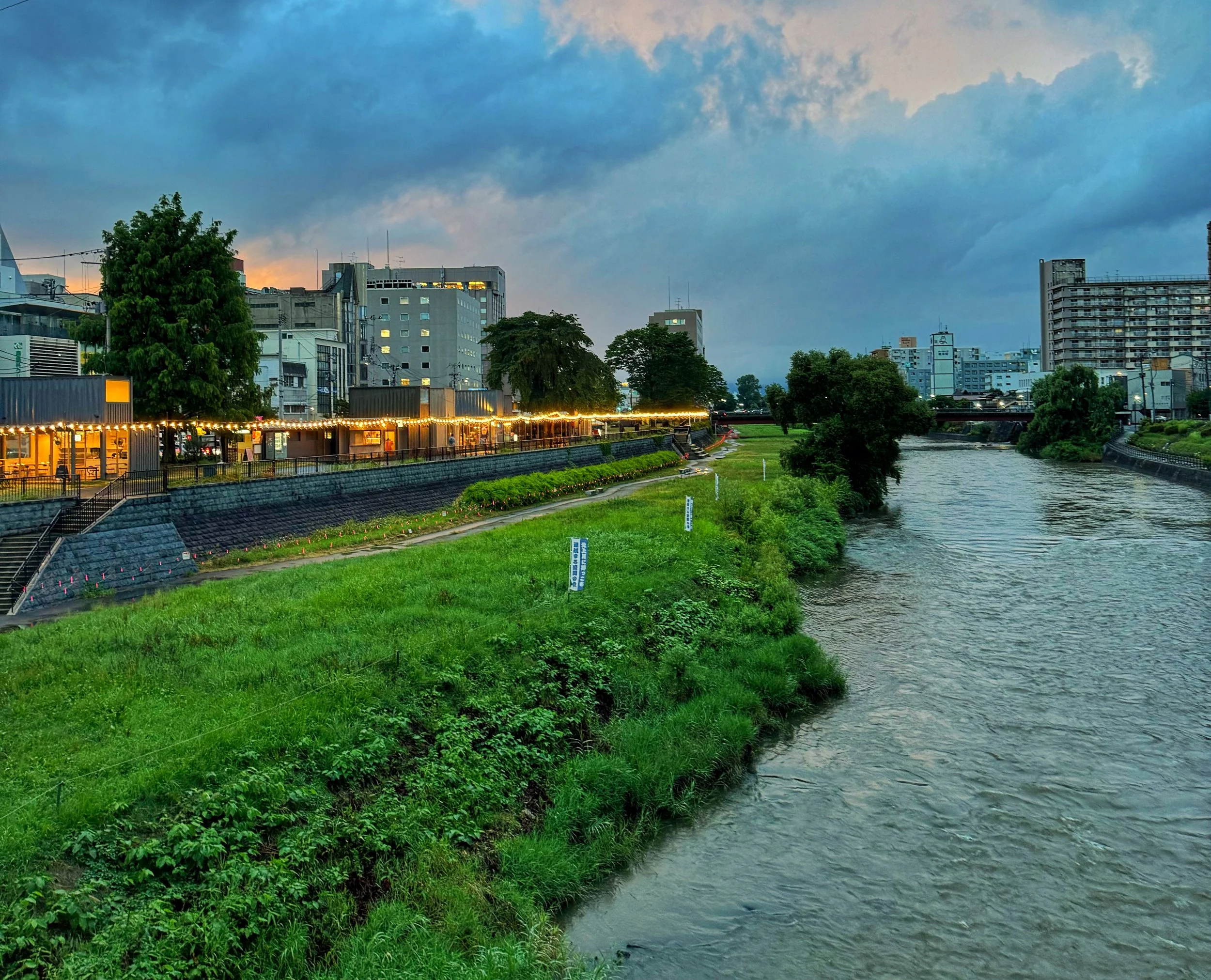
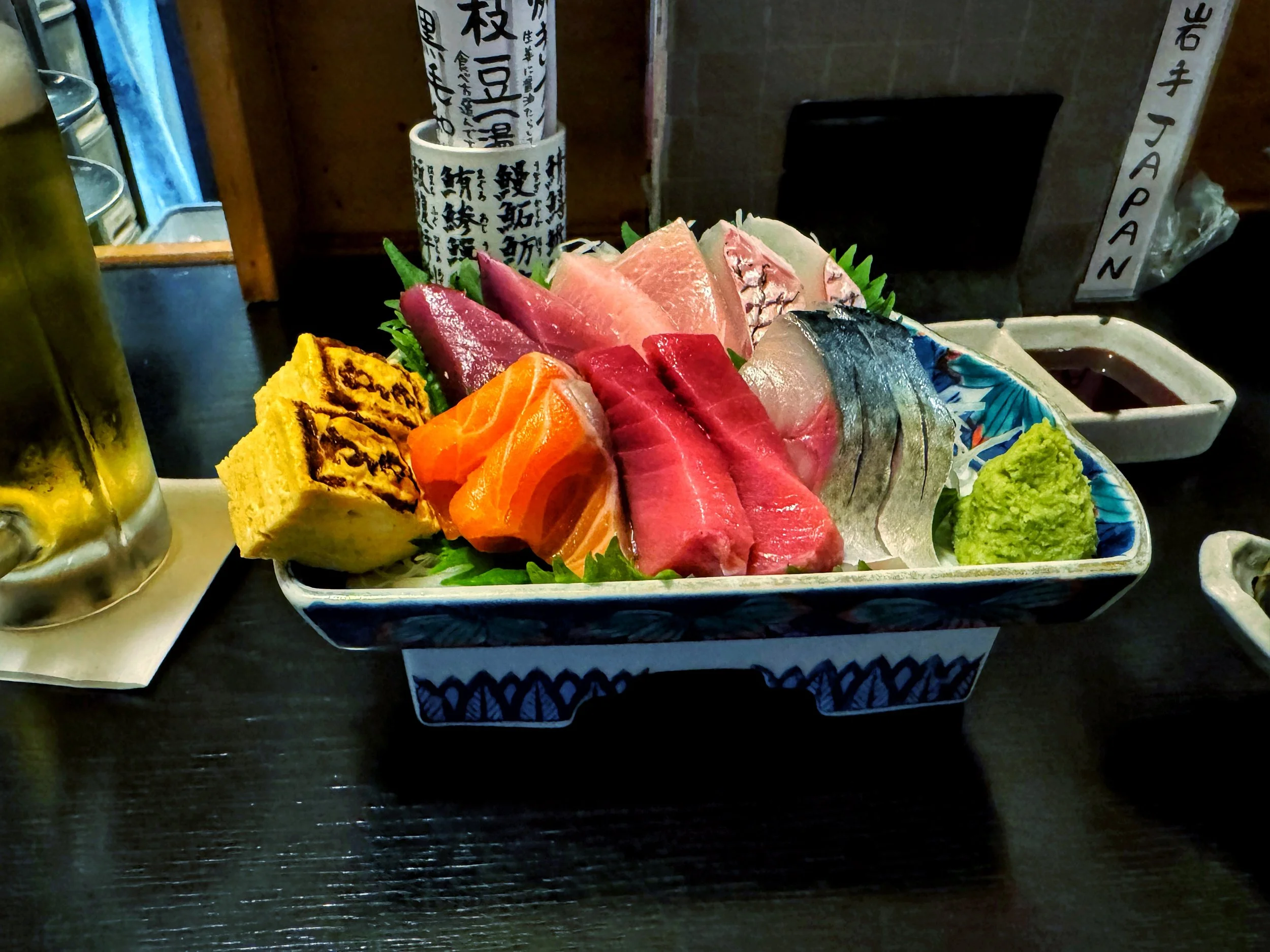
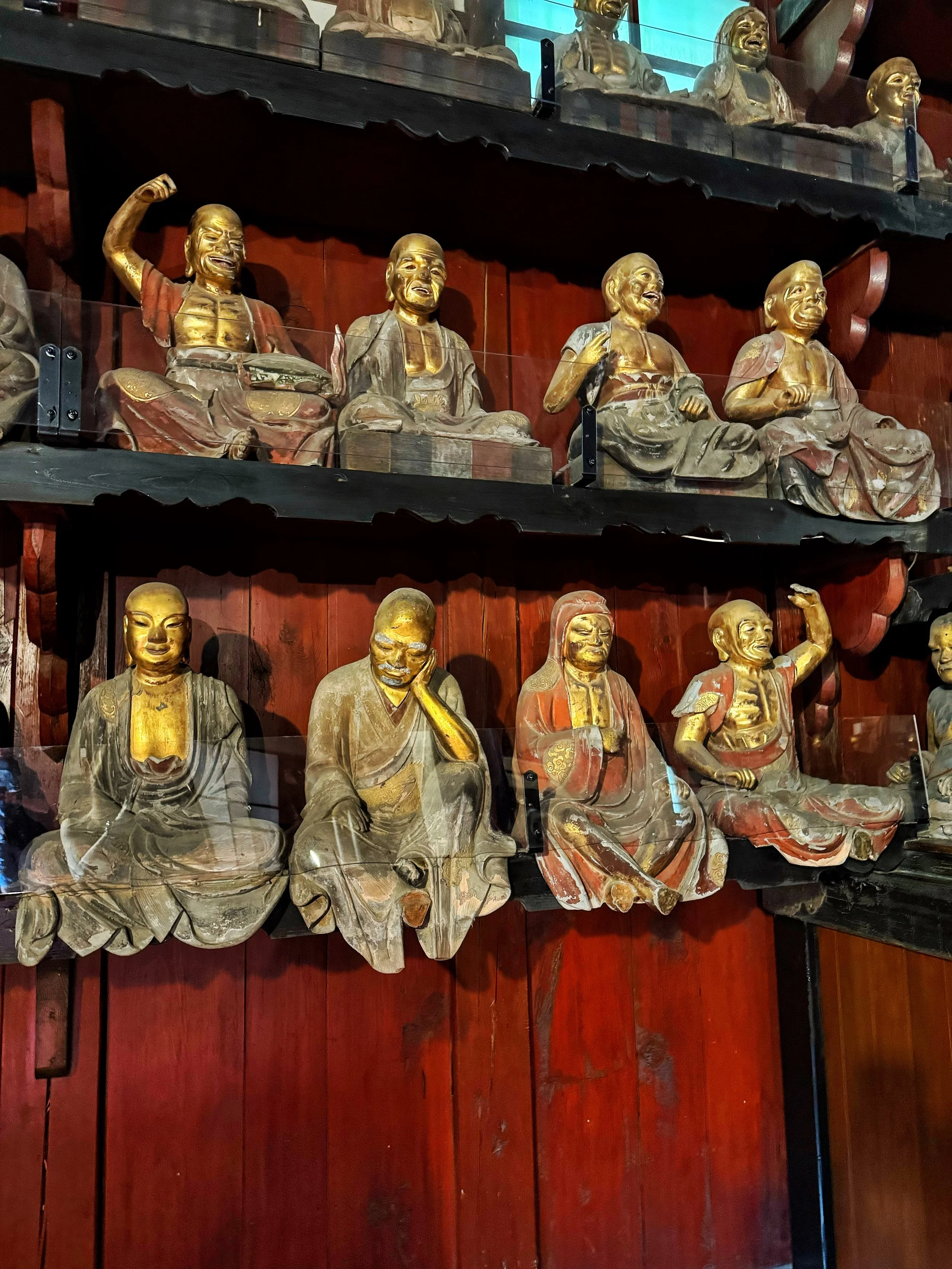
Morioka was meant to be a brief overnight stop between Sendai and Aomori on my Tohoku area road trip, but it quickly became one of the highlights of my travel. The experience of visiting an izakaya reminded me of earlier days exploring less-visited cities in Japan, or even in the city where I live. The staff were surprised to see travelers but were incredibly welcoming. The seafood was some of the best I have had in Japan. Beyond the food, the city is filled with small places that reward those who take the time to explore the area slowly. One of my favorites was Hoon-ji, a temple famous for its Rakan-do Hall.
Hida-Furukawa, Gifu Prefecture
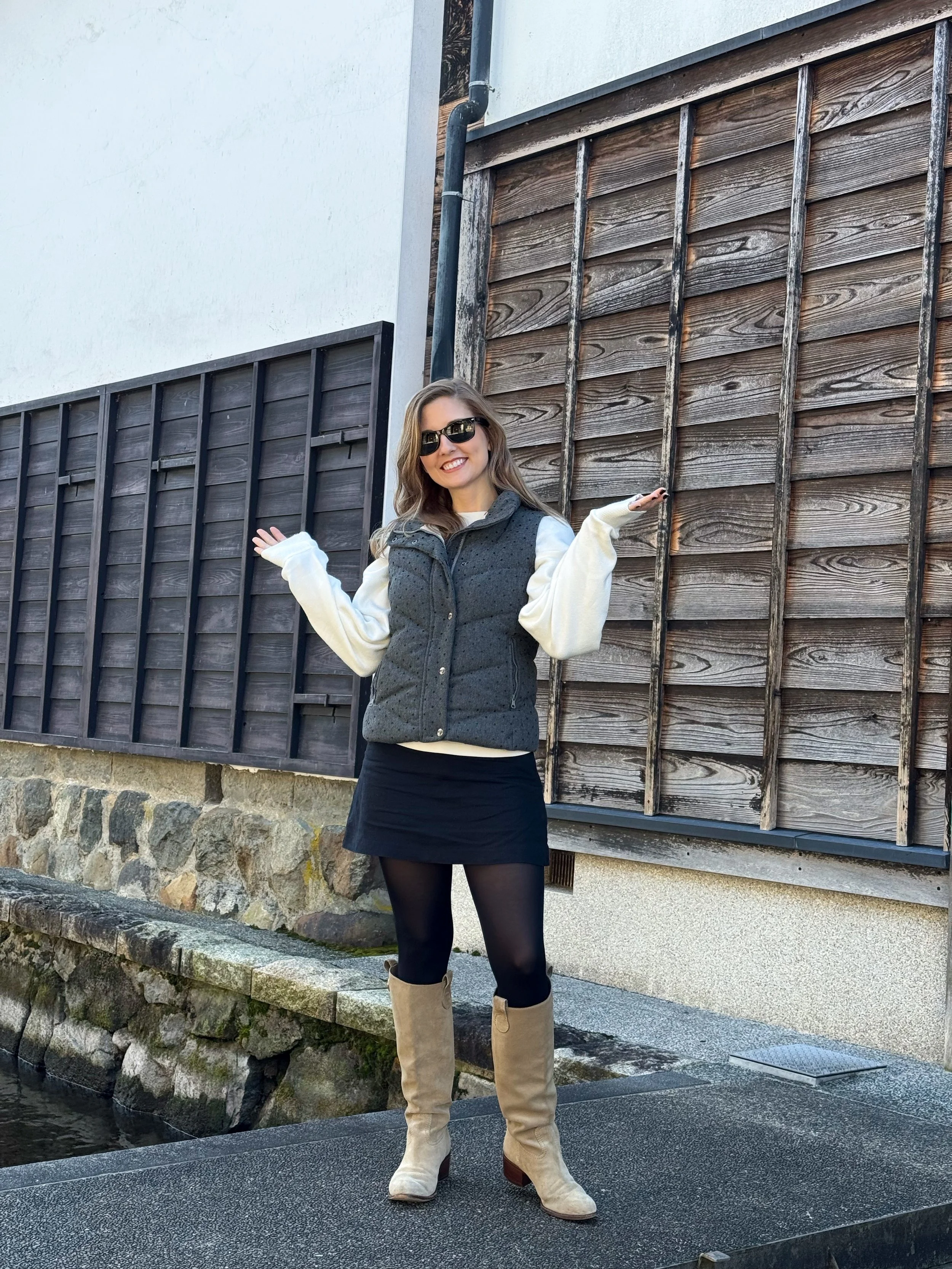
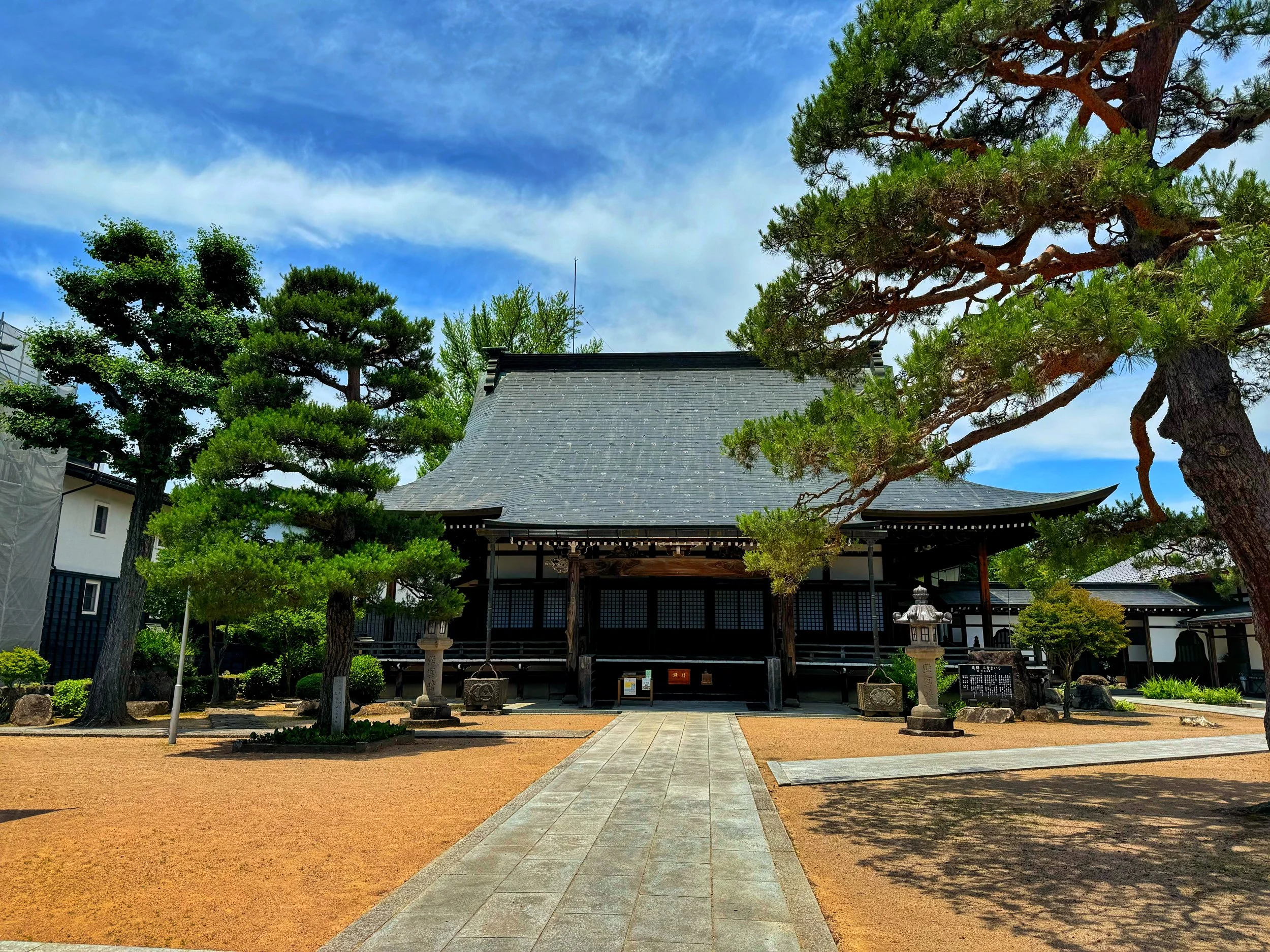
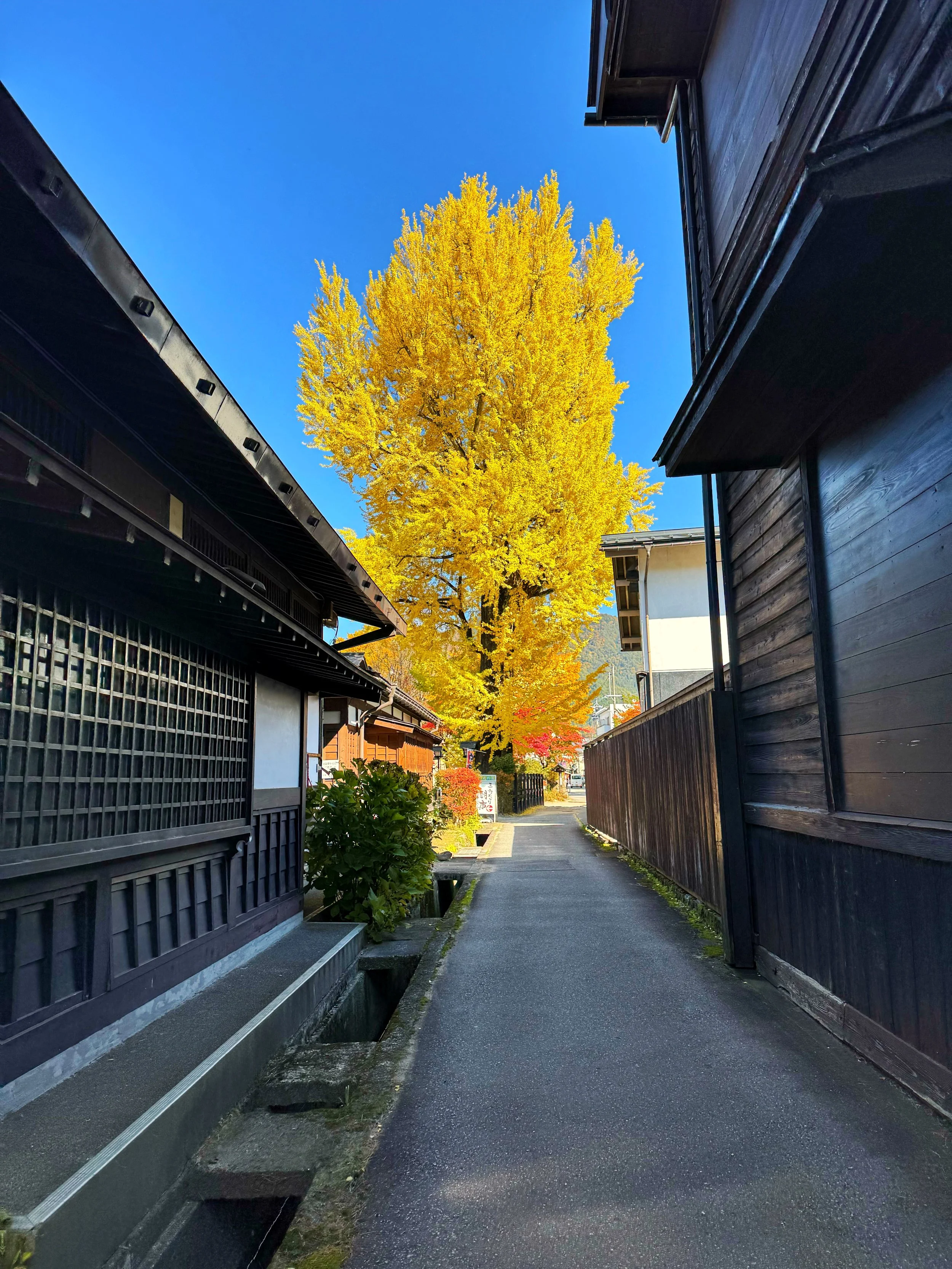
Hida-Furukawa is a small town is located about 20 to 30 minutes north of Takayama. It offers a quieter alternative as Takayama is becoming an increasingly popular destination these days. Takayama remains a beautiful place to visit, but pairing it with less crowded towns creates a more balanced experience that allows you to really enjoy all the charms of Hida.
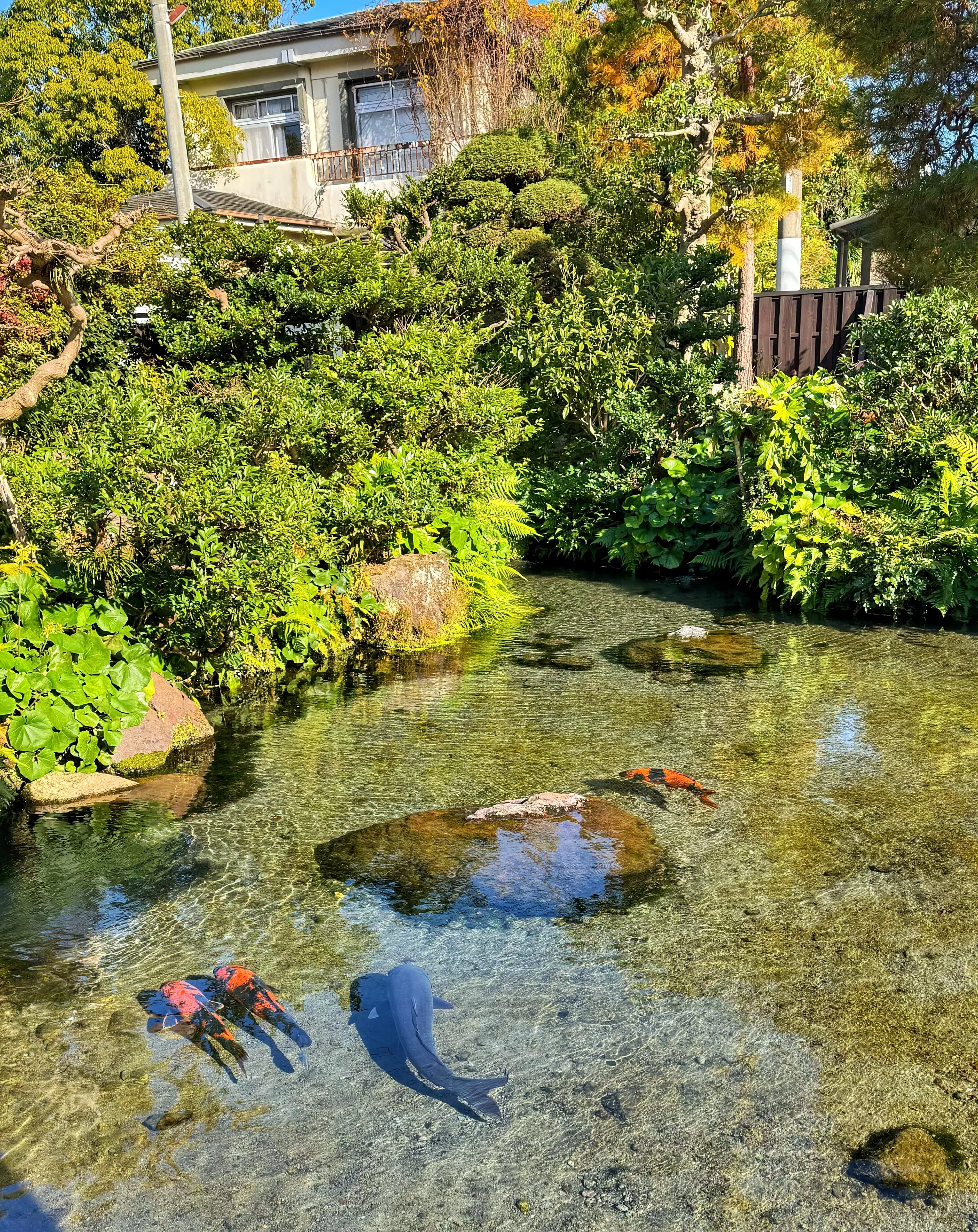
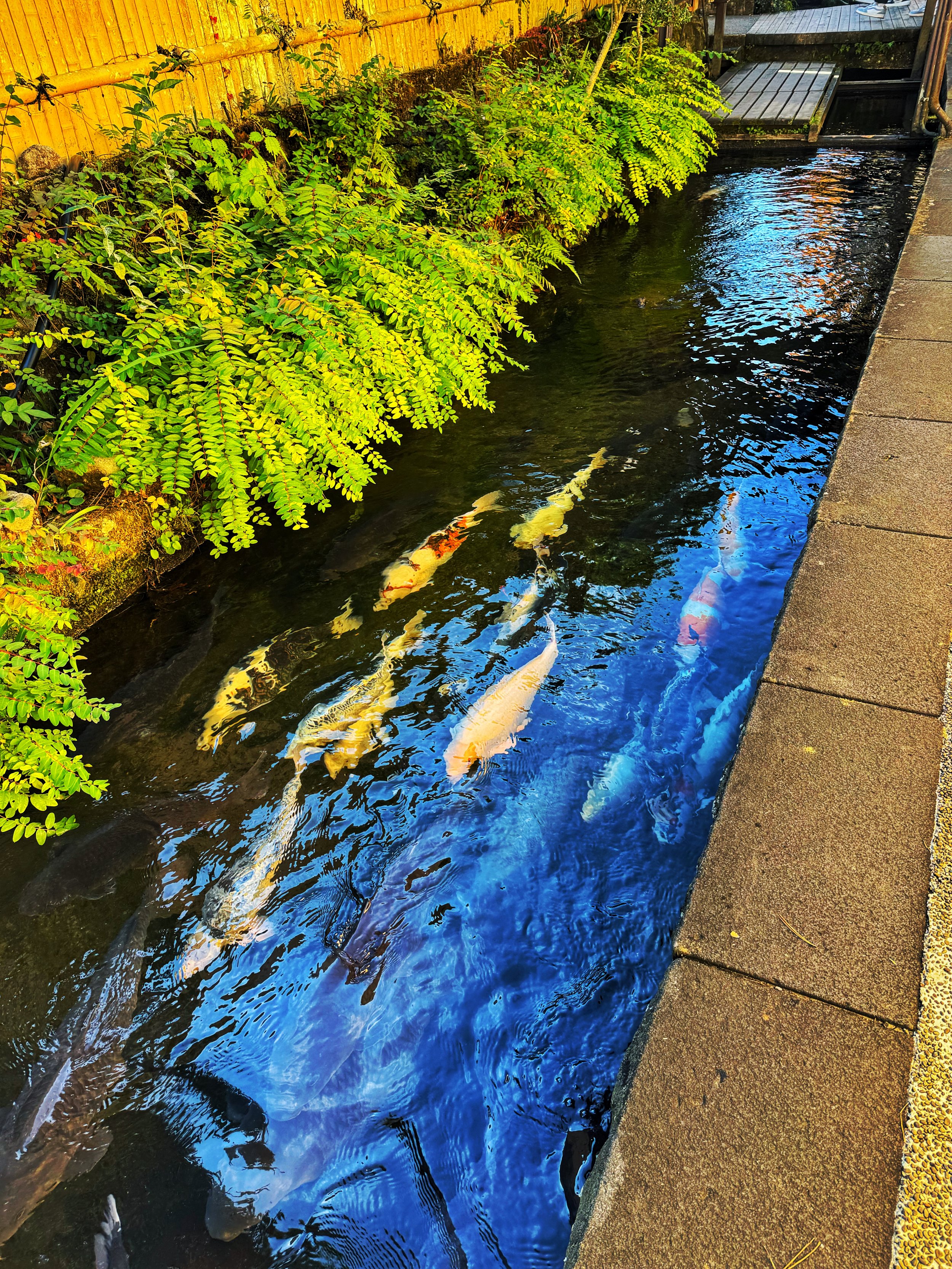
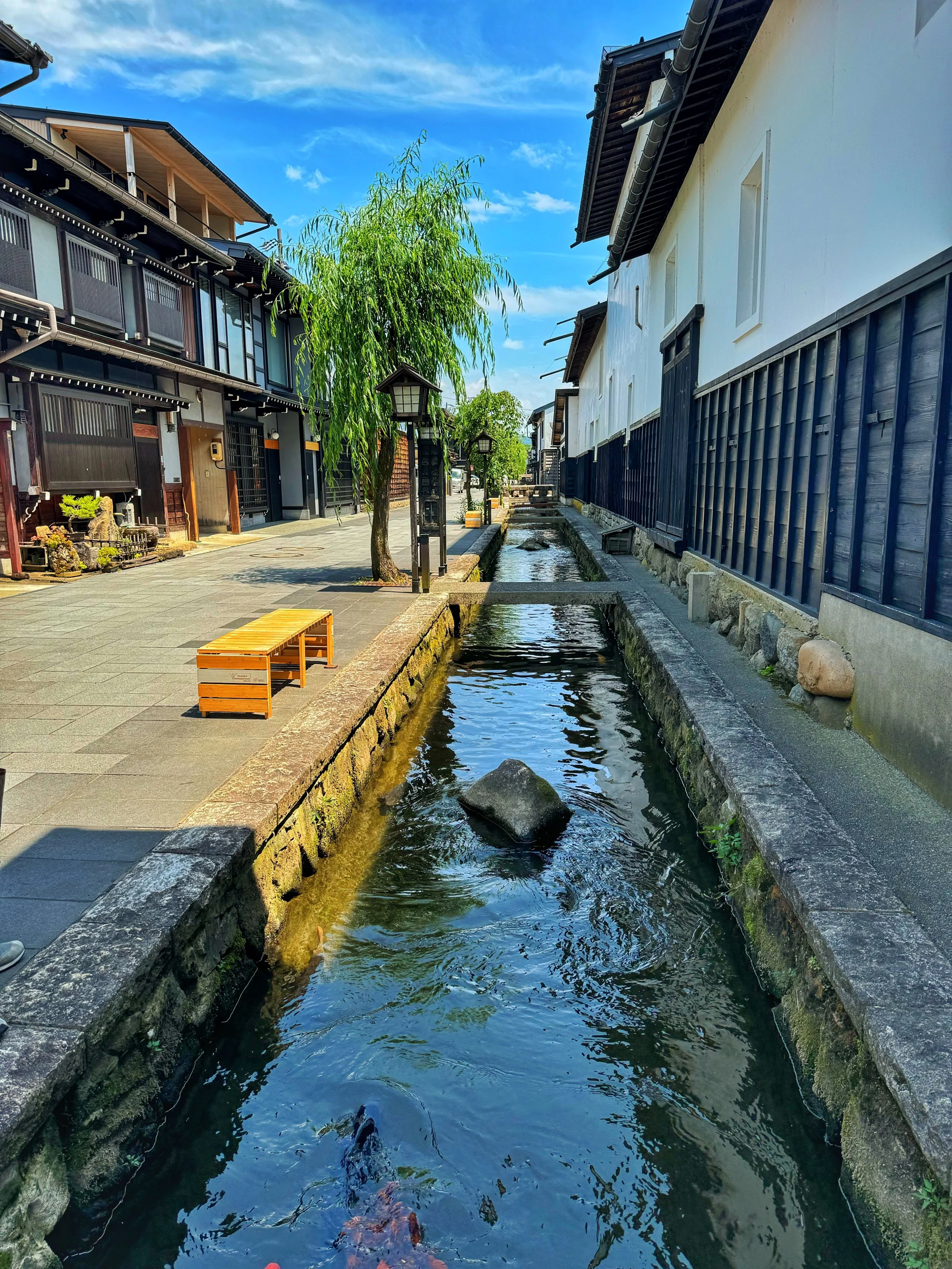
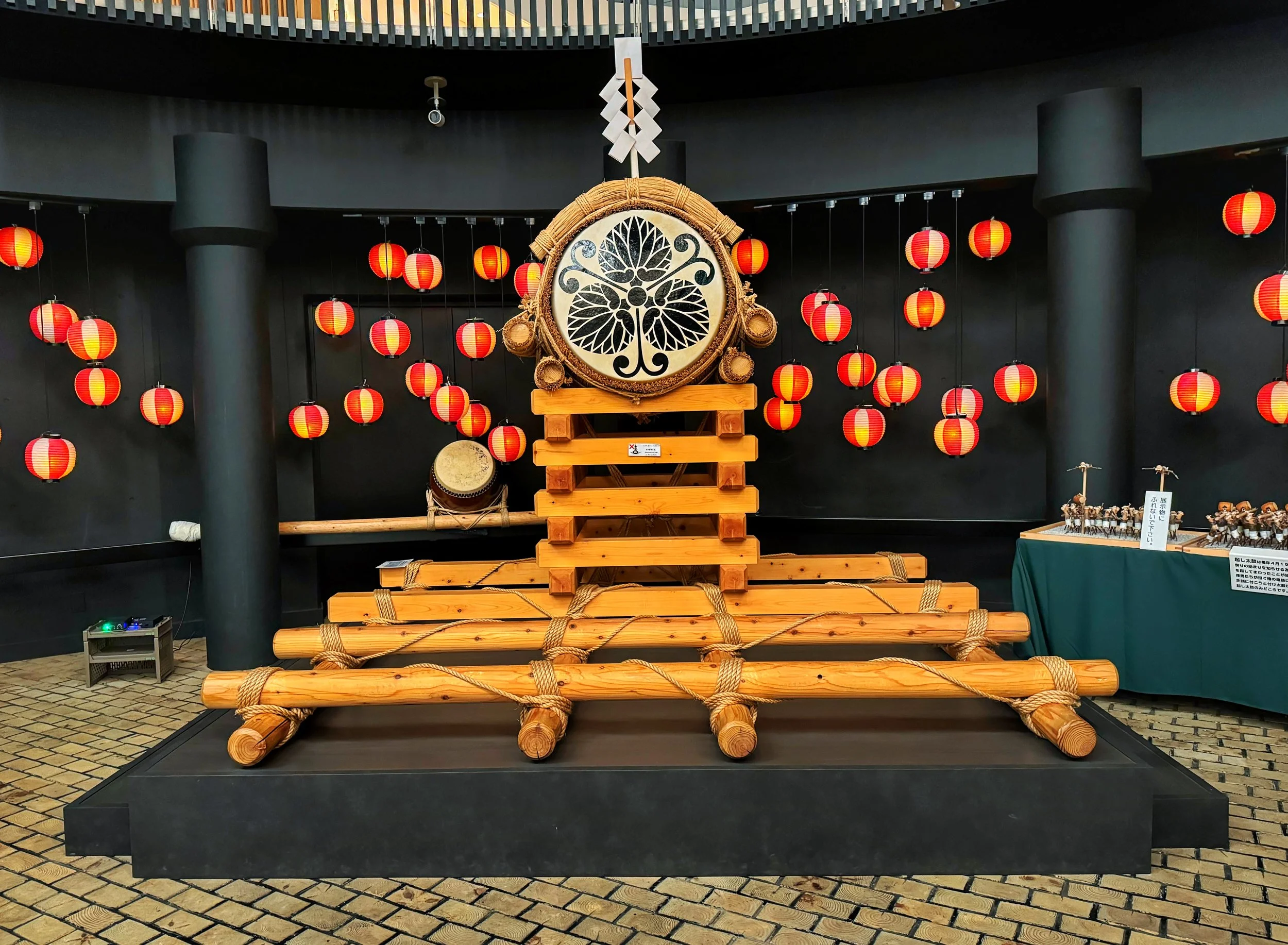
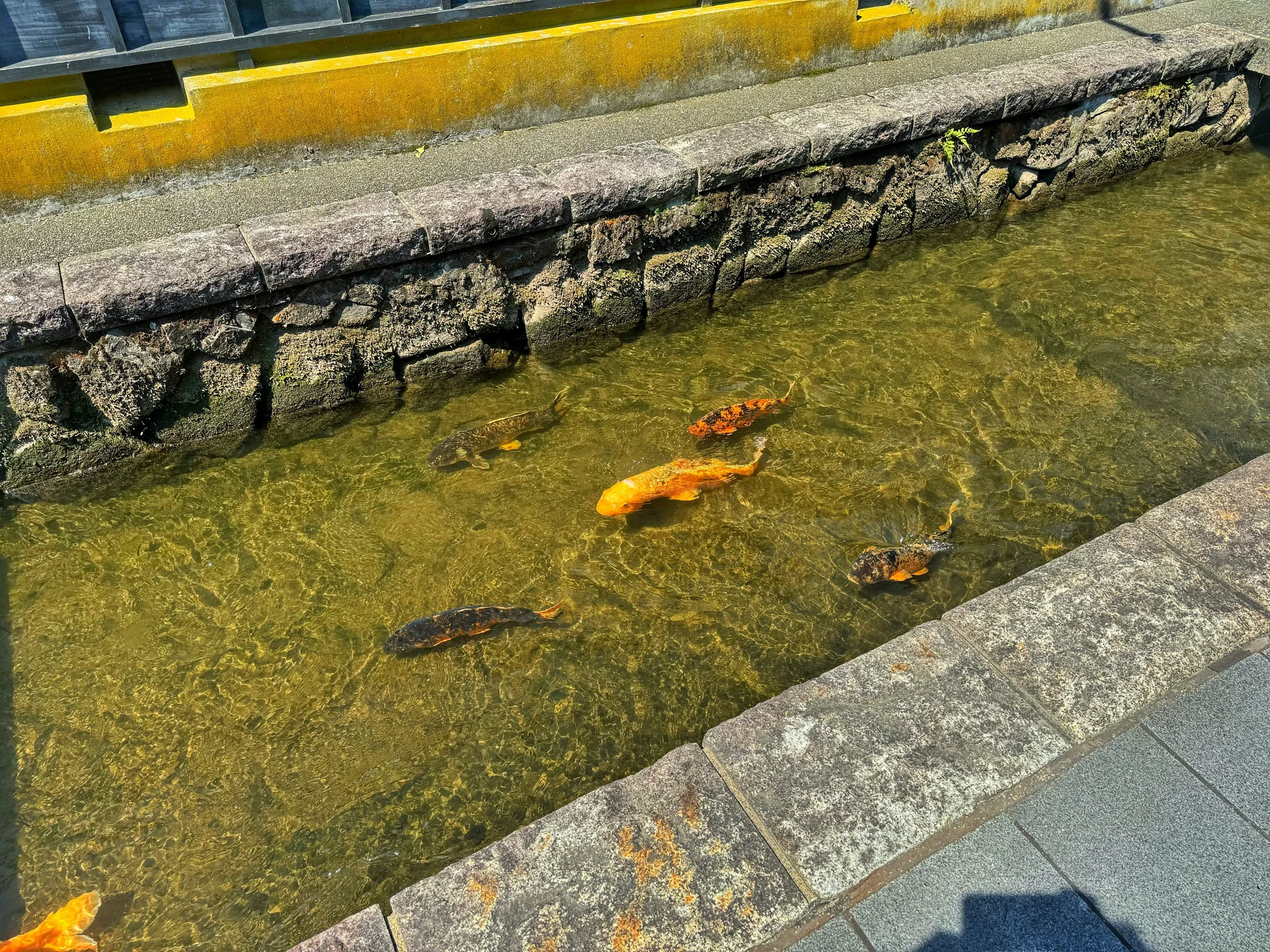
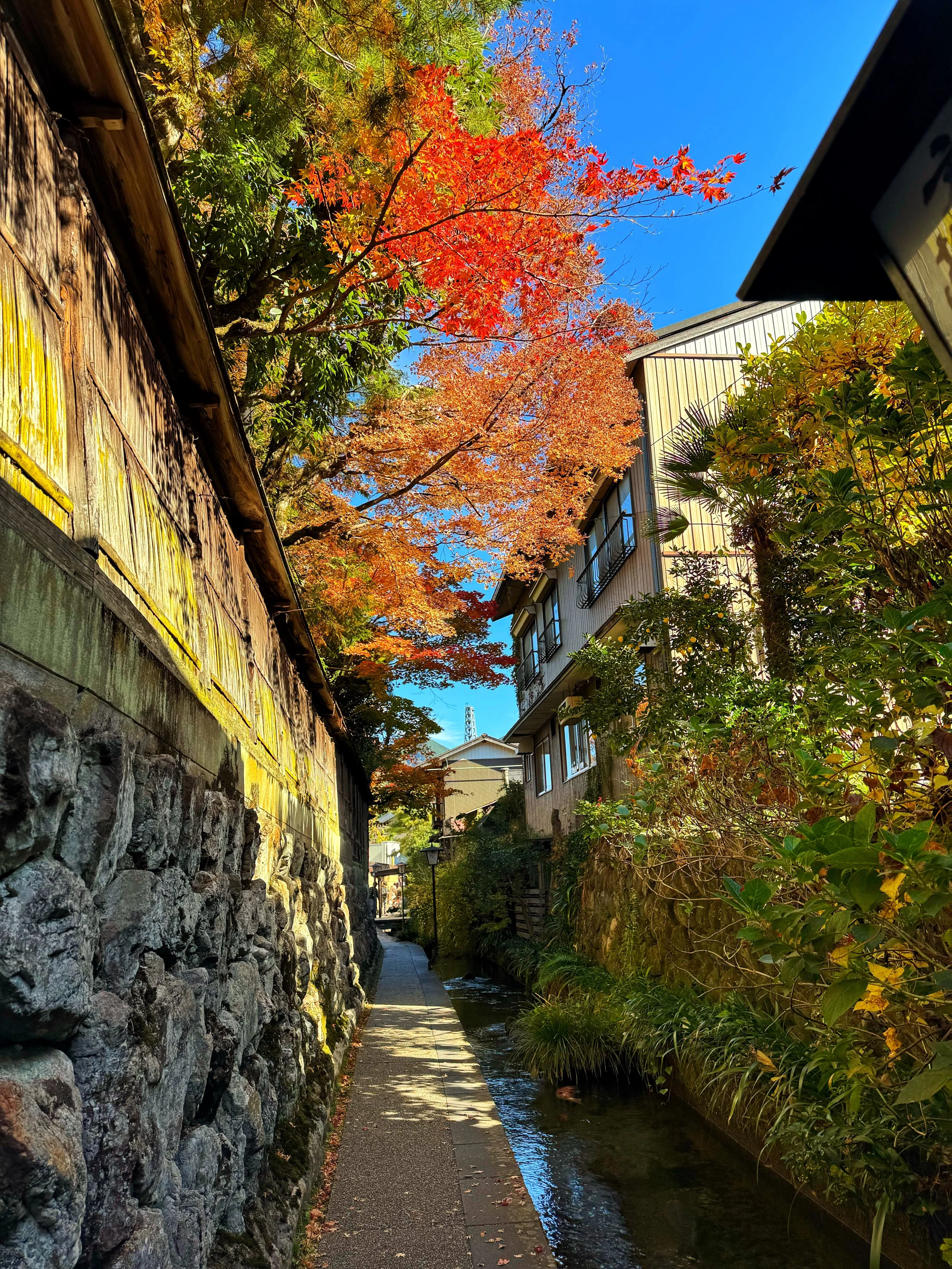
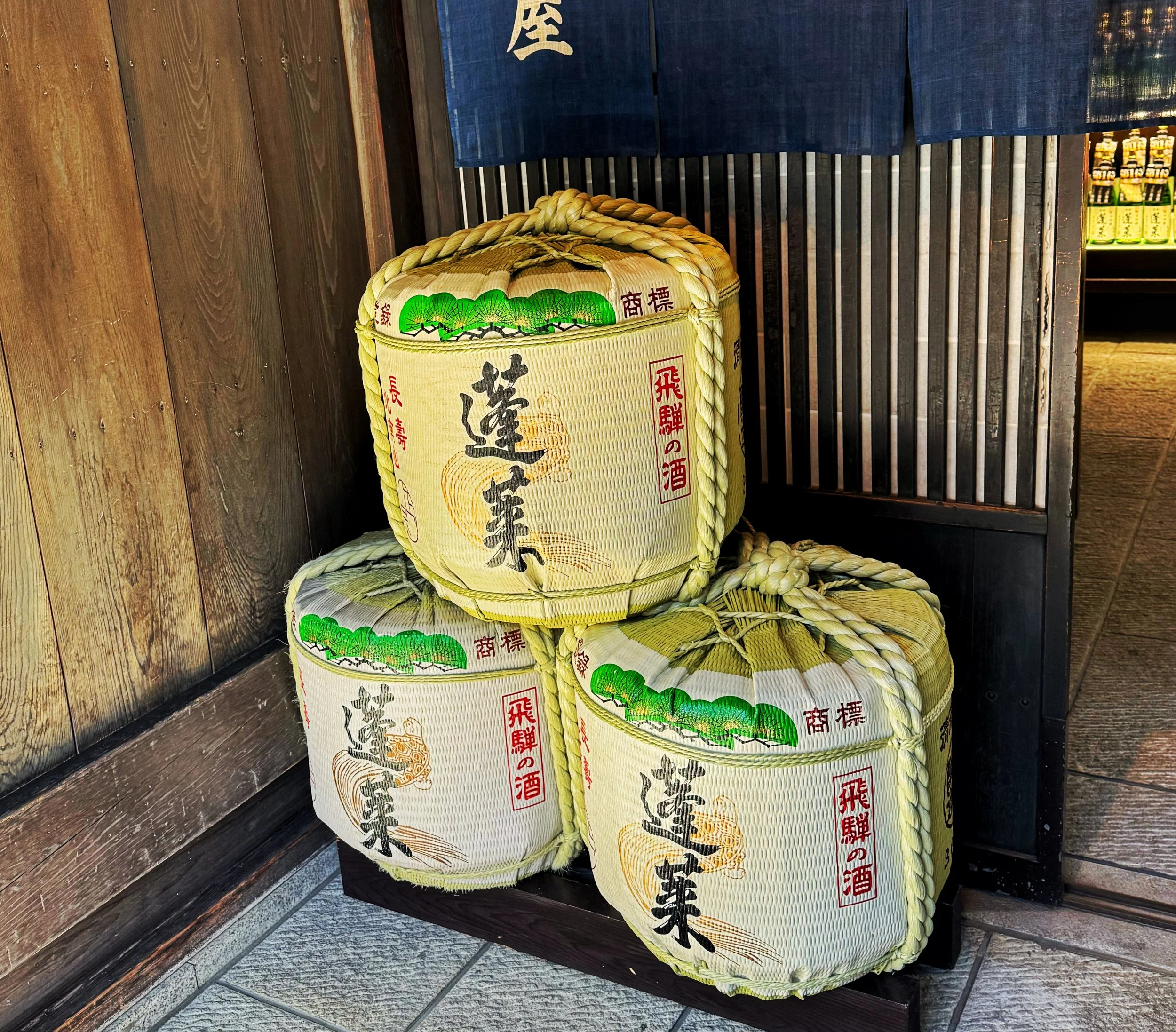
Hida-Furukawa is known for its spring festival, sake breweries, and koi-filled canals. Walking along the canals and watching the koi feels almost surreal. Even outside of festival season, the Festival Museum offers insight into the local traditions and history. This is a place where you can really slow down and talk to local people about what life is really like.
Uda and Asuka, Nara Prefecture
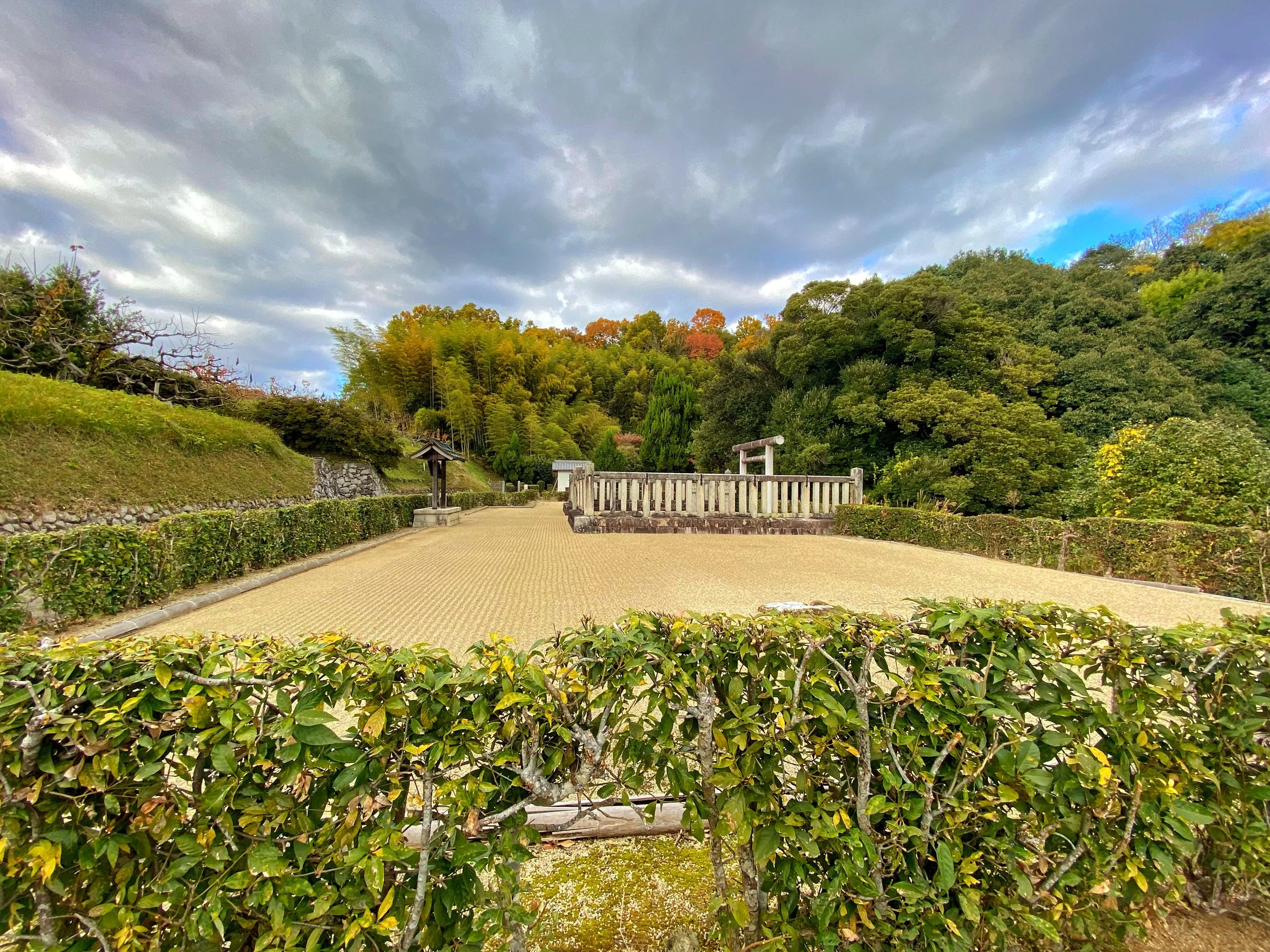
Asuka is one of the most historically significant areas in Japan, yet it remains relatively quiet. Many people haven’t even heard of the area. This was the seat of Japan’s first emperors and a key area in the introduction of Buddhism. Cycling through the countryside during spring or early autumn is one of the best ways to experience the area.
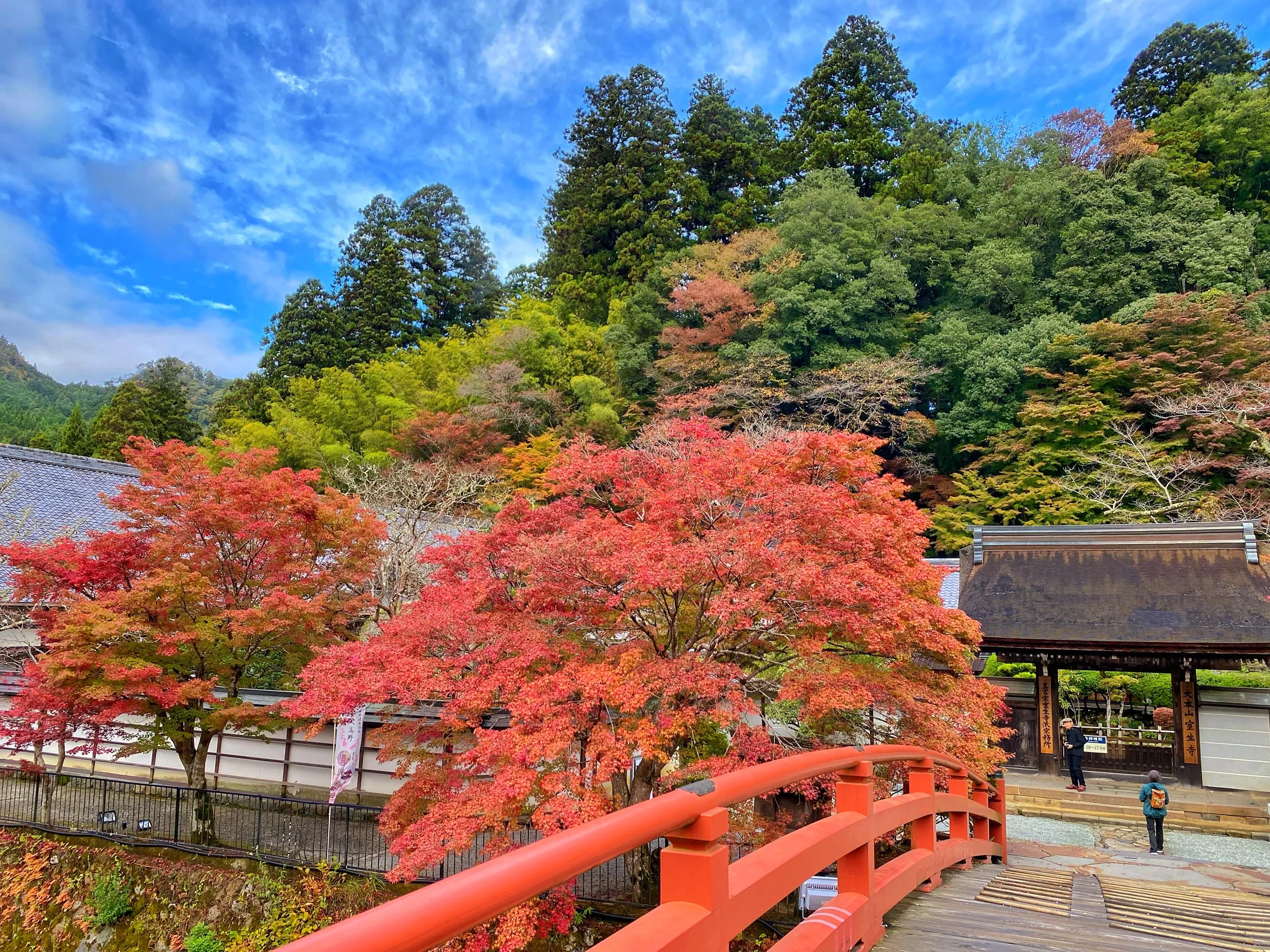
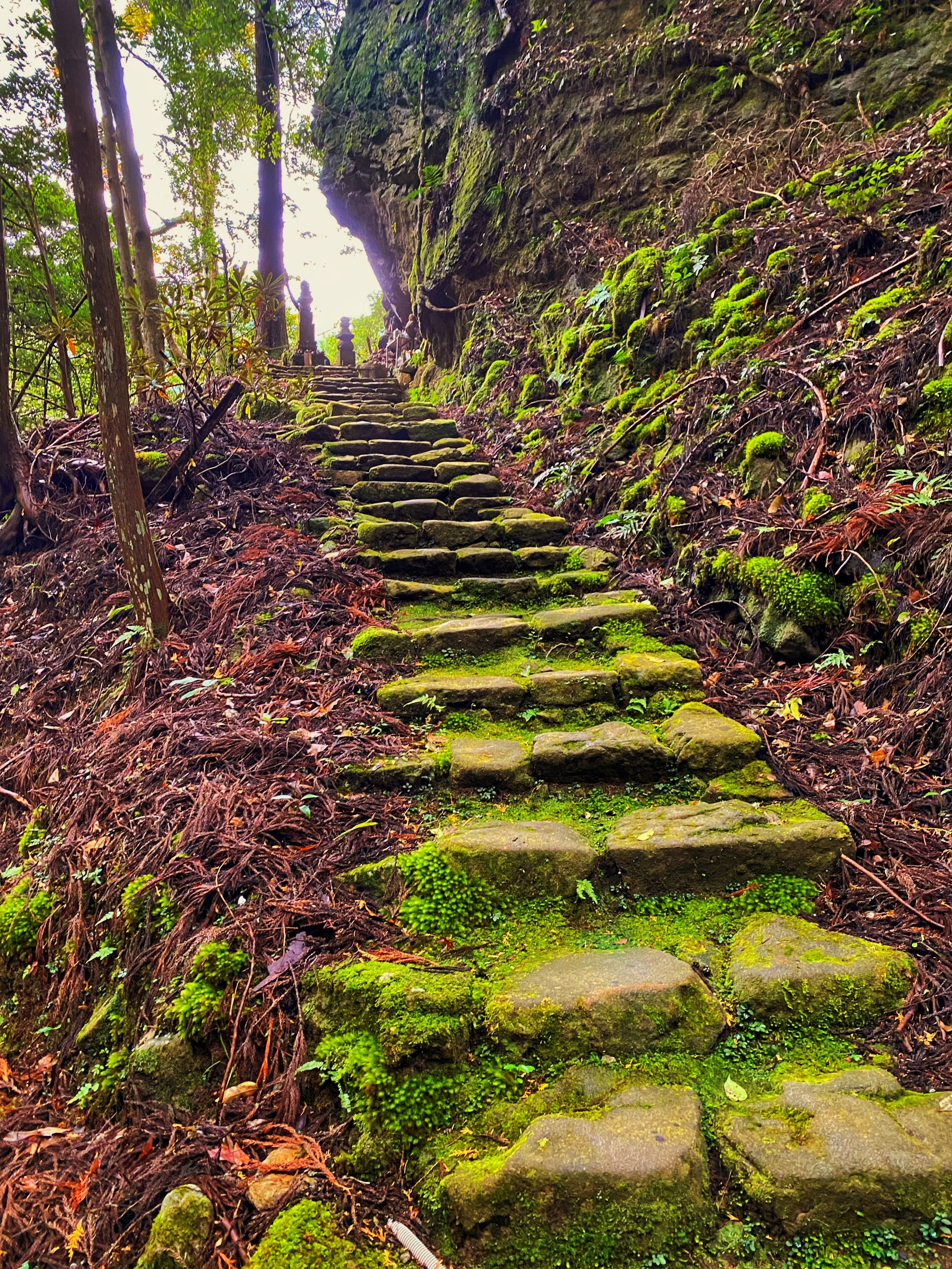
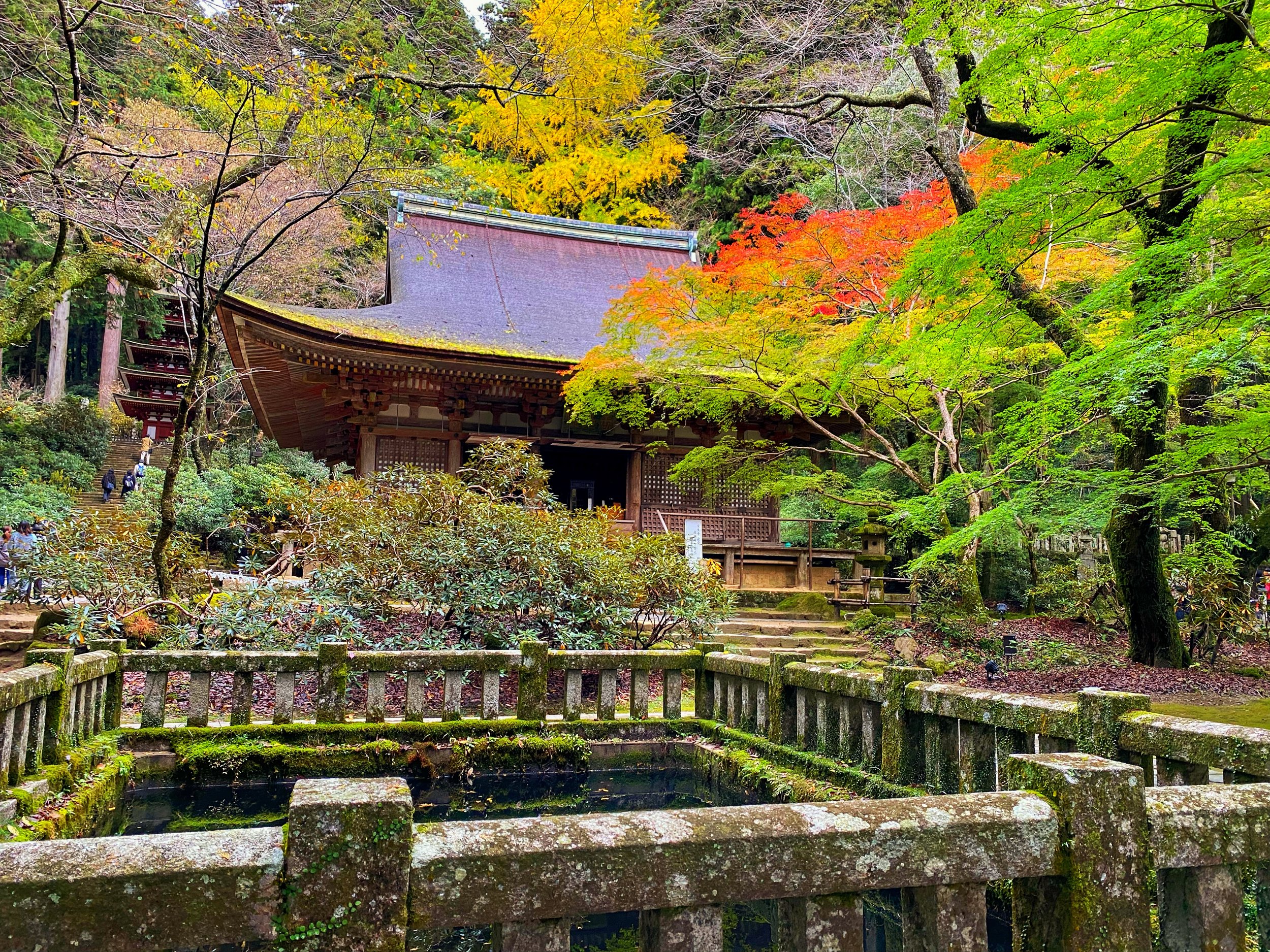
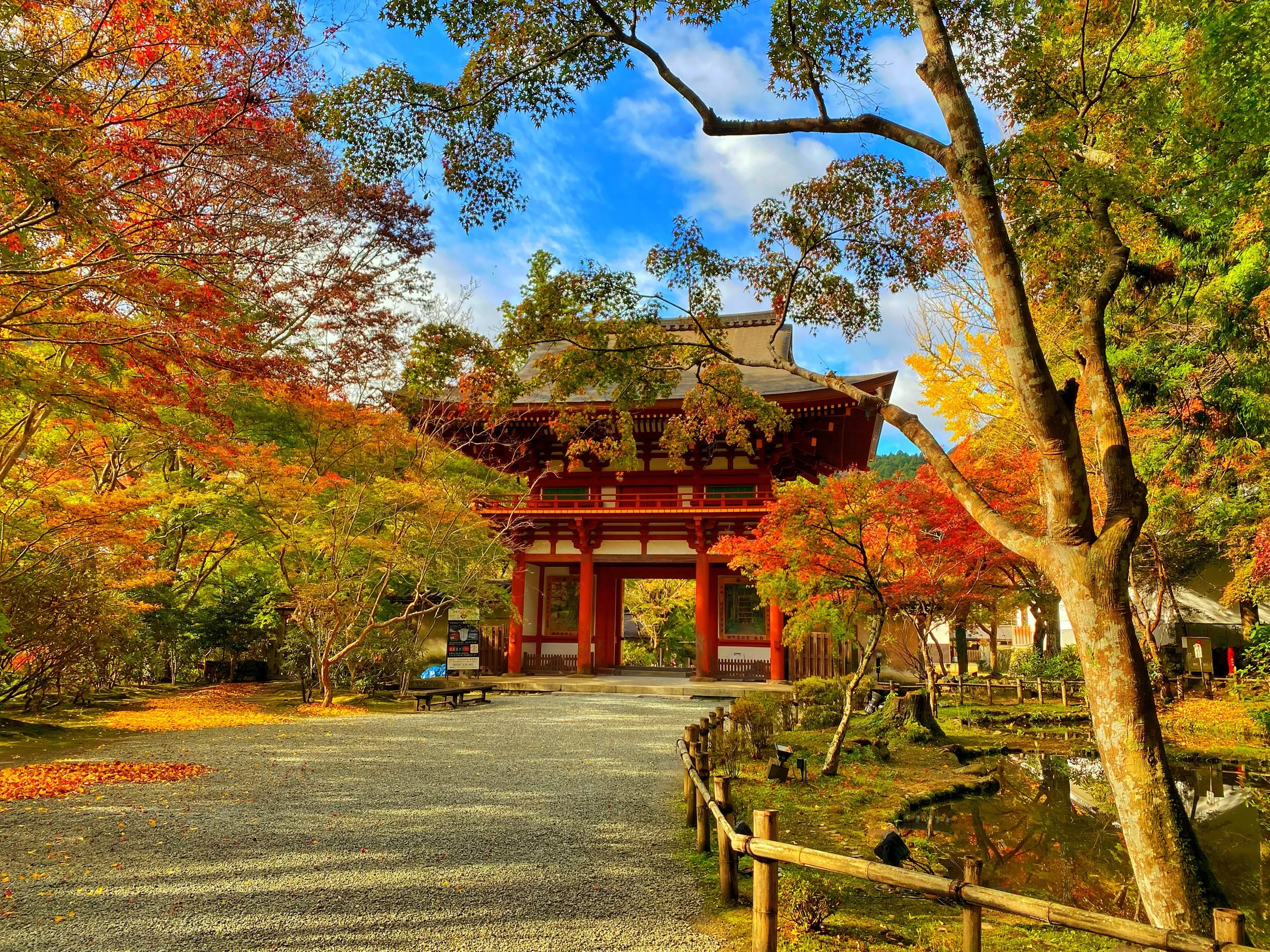
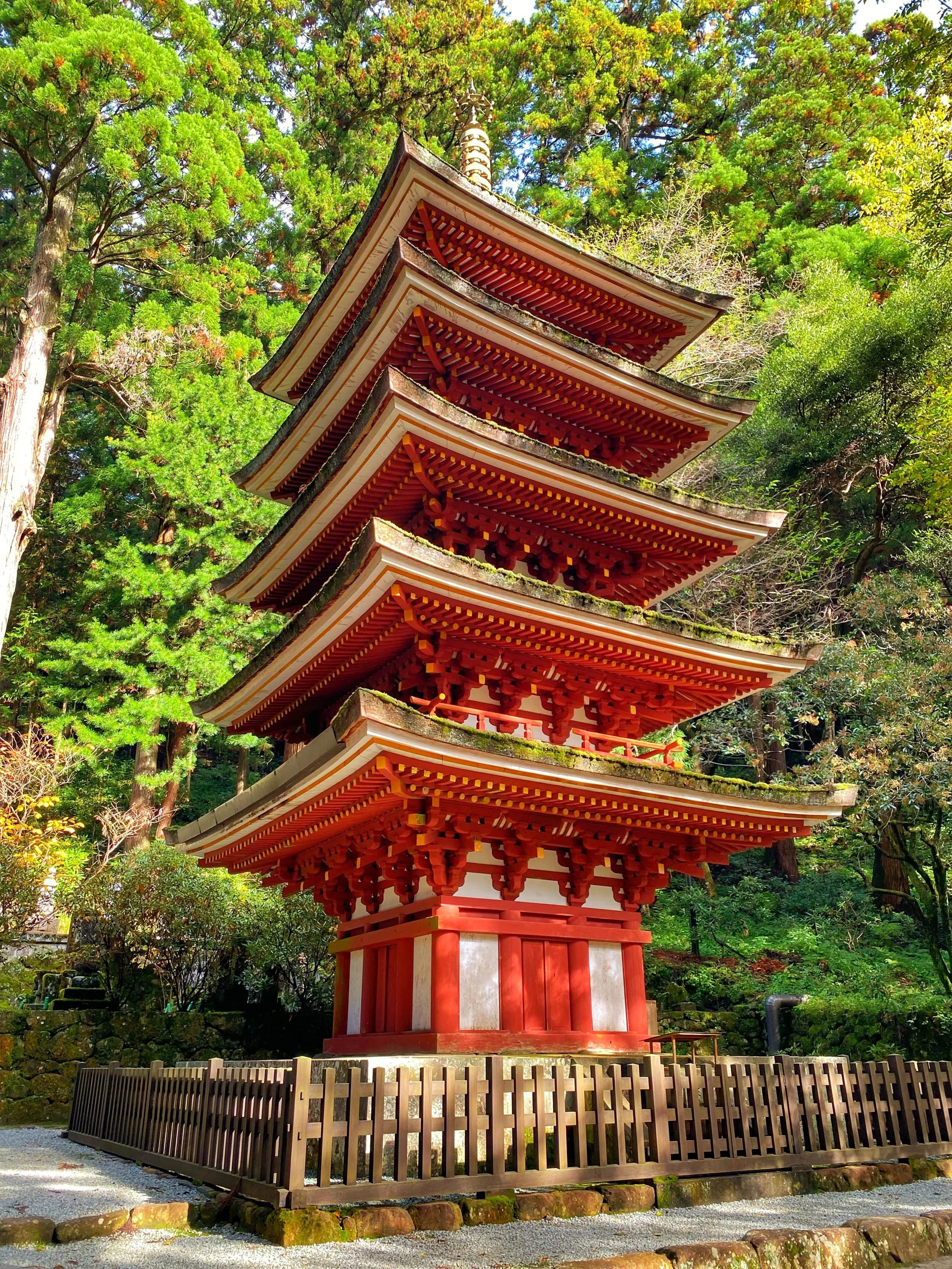
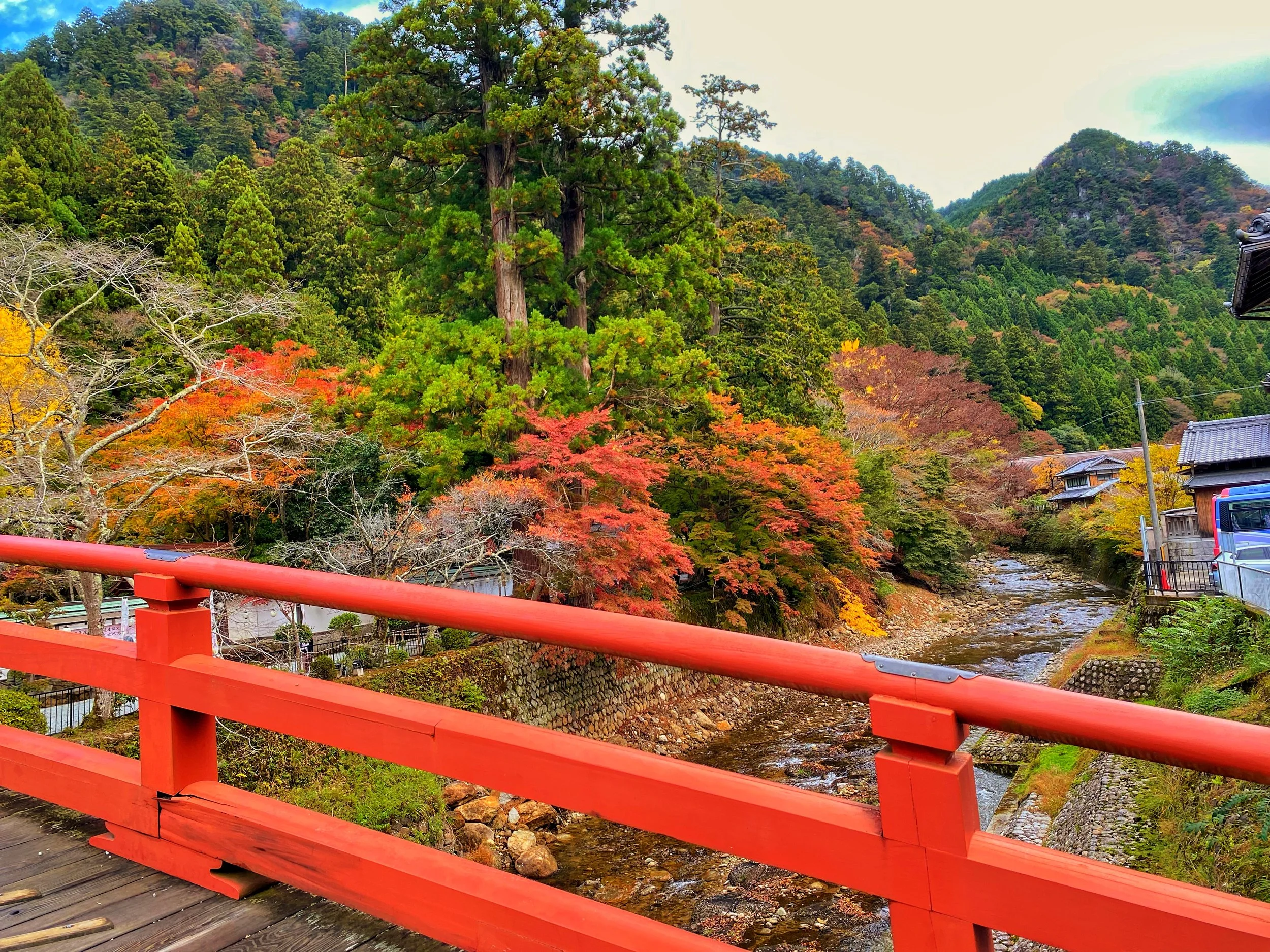
Nearby, Muro-ji in the Uda region offers a completely different atmosphere. Known as the women’s Koya-san, it was historically open to both men and women. The climb to the top is demanding, but the area is beautiful along the way. Exploring the old towns of Uda and Asuka allows you to learn even more about the history of Nara outside of the famous areas.
Final Thoughts
Some of these places are slowly gaining attention, but they remain far less visited than Japan’s major destinations. The next time you plan a trip, consider adding one or two less-visited areas to your itinerary. Those quiet moments can often become the most memorable ones when traveling in Japan. Let me know which places you want to visit or tell me about your favorite experiences off the Golden Route.
