
Lost in Transition: Life in Japan
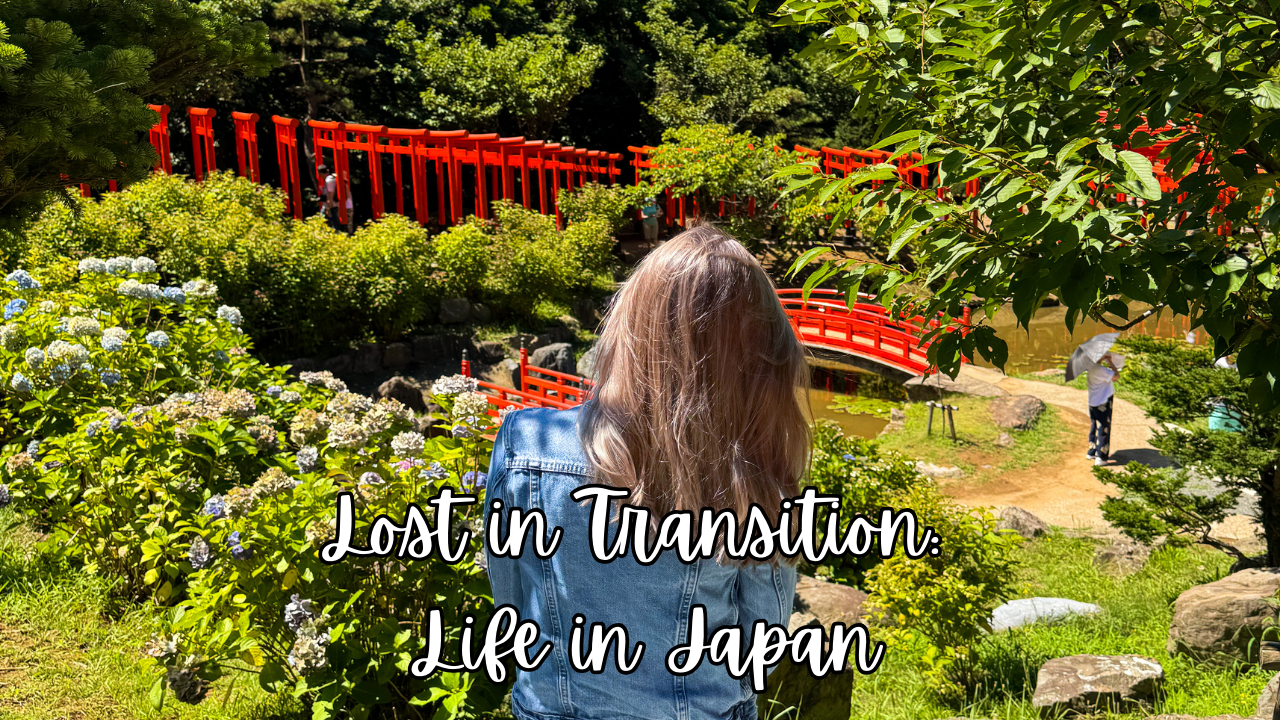
I’ve just entered the final year of my thirties, and looking back, the last nine years feel like a beautiful contradiction. I feel as though I am not doing enough but also doing far too much at once. My career, personal goals, and the way I see myself are all heading in directions that bring me genuine happiness, but they also push me far beyond what had felt safe or familiar.
Reflecting on this time, I see clear areas of growth but others that felt like failures at the time. However, with the perspective I have now, those times I “failed” no longer feel like actual failures. They were simply necessary times for change and development. Most of the last decade has unfolded in Japan. I entered my thirties in 2017 while at a conference in Italy. I was completely unaware that I would be boarding a plane back to Japan very soon.
When I left Japan in 2016 after three years, I was not sure where life would take me. Living in Japan long-term has shaped my understanding of myself, my work, and the way I relate to others. Here are ten lessons I learned while living in and traveling around Japan.


1. Comfort is not the same as happiness.
Routine has always felt safe to me, but it has also felt quietly suffocating. For a long time, I believed that a comfortable life without disruptions would provide the perfect environment for me to flourish.
I still believe that financial and emotional stability are important for growth. However, I feel my best when my daily routine and career require me to think and challenge me. Navigating a career and life in a second language has provided the exact kind of significant shift I needed. Additionally, working in a culture that is completely different from your own means that you must think creatively to fully accomplish certain tasks. Sometimes even the simplest interactions require great effort.
2. Carrying visibility with grace in Japan.
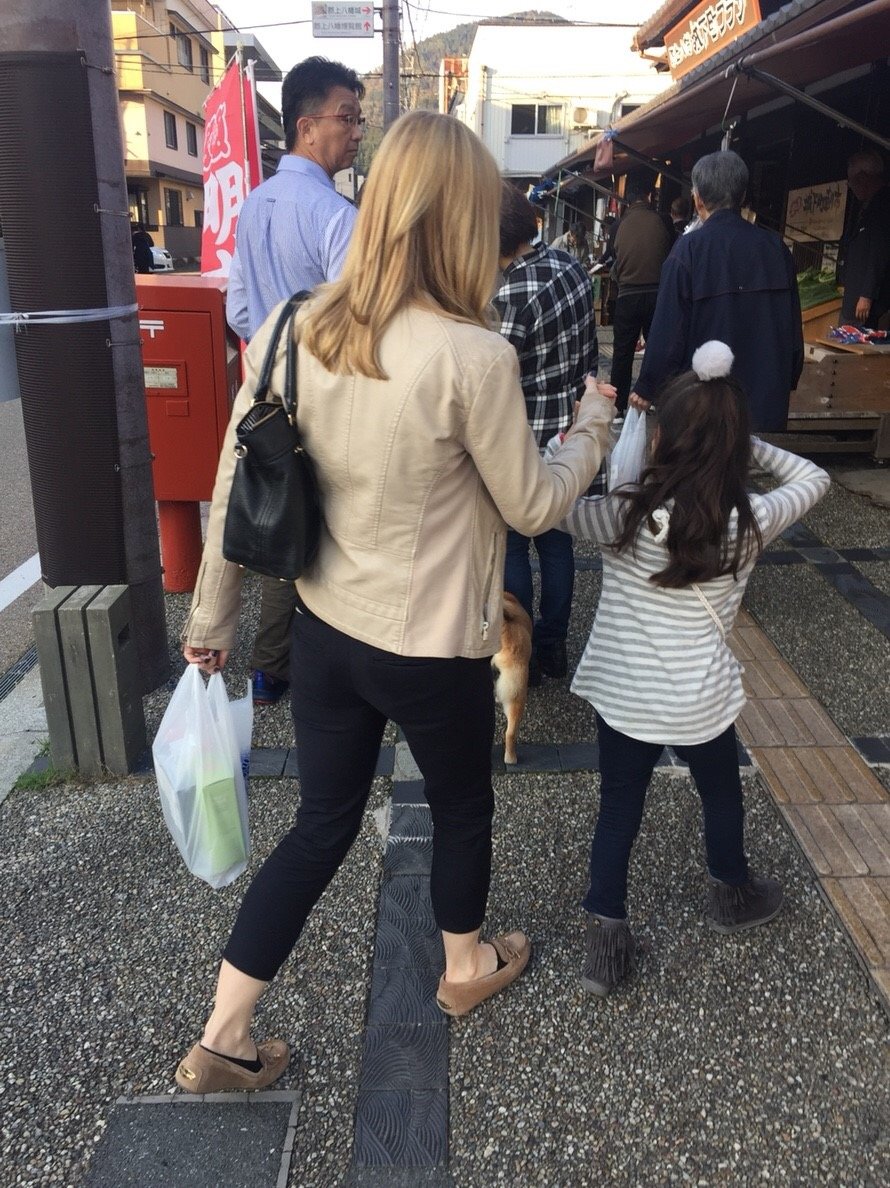
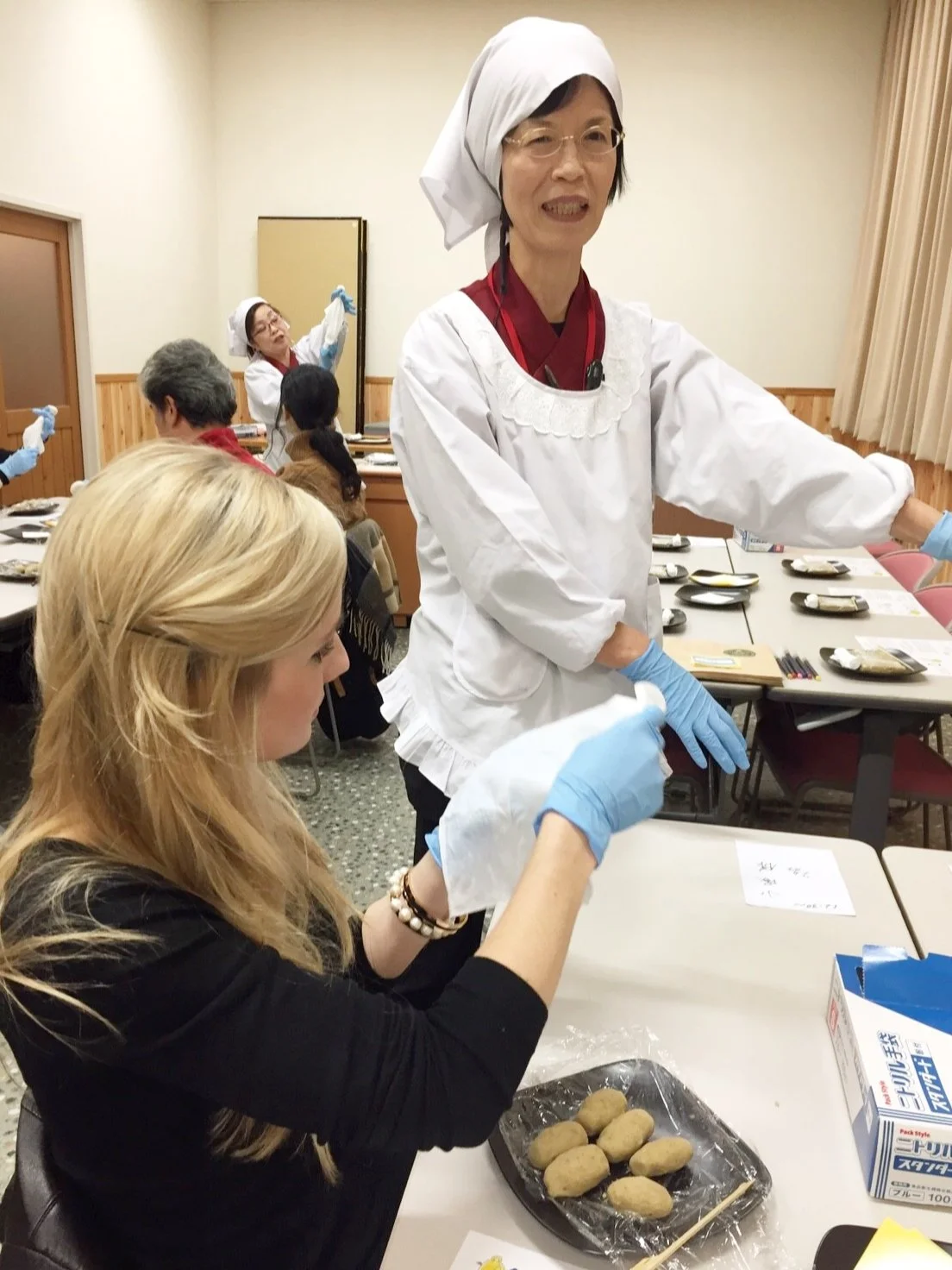
I have never enjoyed being the center of attention. Even though I have done public speaking throughout most of my adult life, it never becomes comfortable. I learned to adapt and mask my discomfort or nerves. In Japan, especially in rural areas, I am highly visible. Light hair, light eyes, and fair skin make anonymity nearly impossible. In the United States and even Europe, I could move through most spaces unnoticed unless I needed to be noticed for work. In Japan, the stares and attention were initially overwhelming.
I eventually realized that most of this stems from simple curiosity. Rather than being stressed, I chose to become softer and more approachable. I’m introverted by nature, but I started initiating conversations. While my neighbors were initially hesitant when I moved in, they now welcome me. I don’t claim to represent every foreigner here or share the same interactions, but I began to understand how to live visibly without resentment or stress.
3. Listening more than I speak.
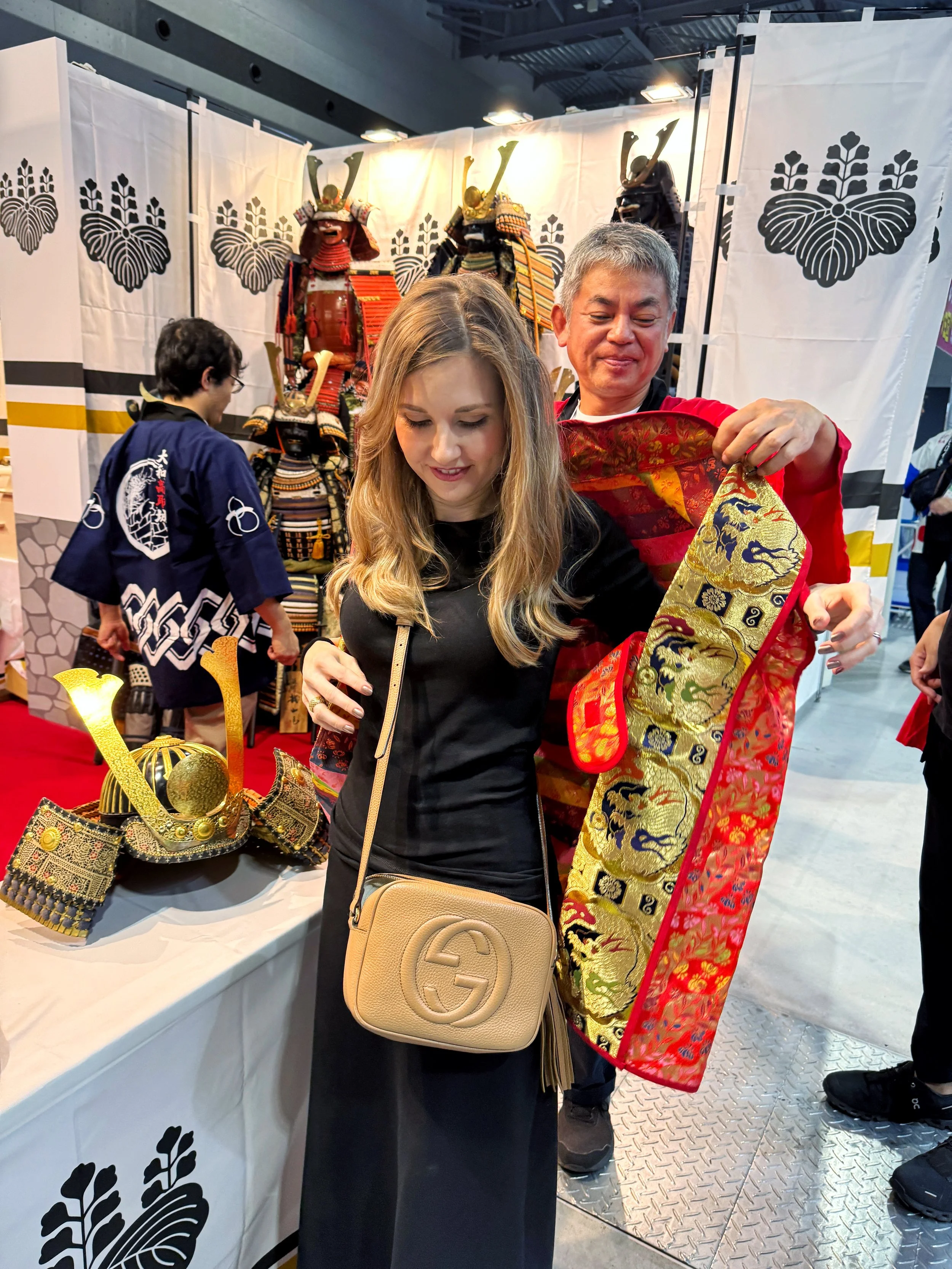
Listening has always mattered more to me than speaking. It helps me make people feel seen, learn how to navigate situations, and read how to communicate with others. Living in Japan forced me to live according to that belief even more.
When I first moved here, I often lacked the vocabulary and skills to fully express my feelings accurately. Even now, there are times when nuance escapes me. This forced me to become more observant of what people said (or did not say) and ask better questions. Now when I travel, I find myself listening to the history and local needs rather than imposing my own ideas. It also helps me to think of solutions that help local communities and travelers alike. Listening allows me to develop a deeper understanding that shapes how I travel, work, and connect with others here.
4. Embracing failure.
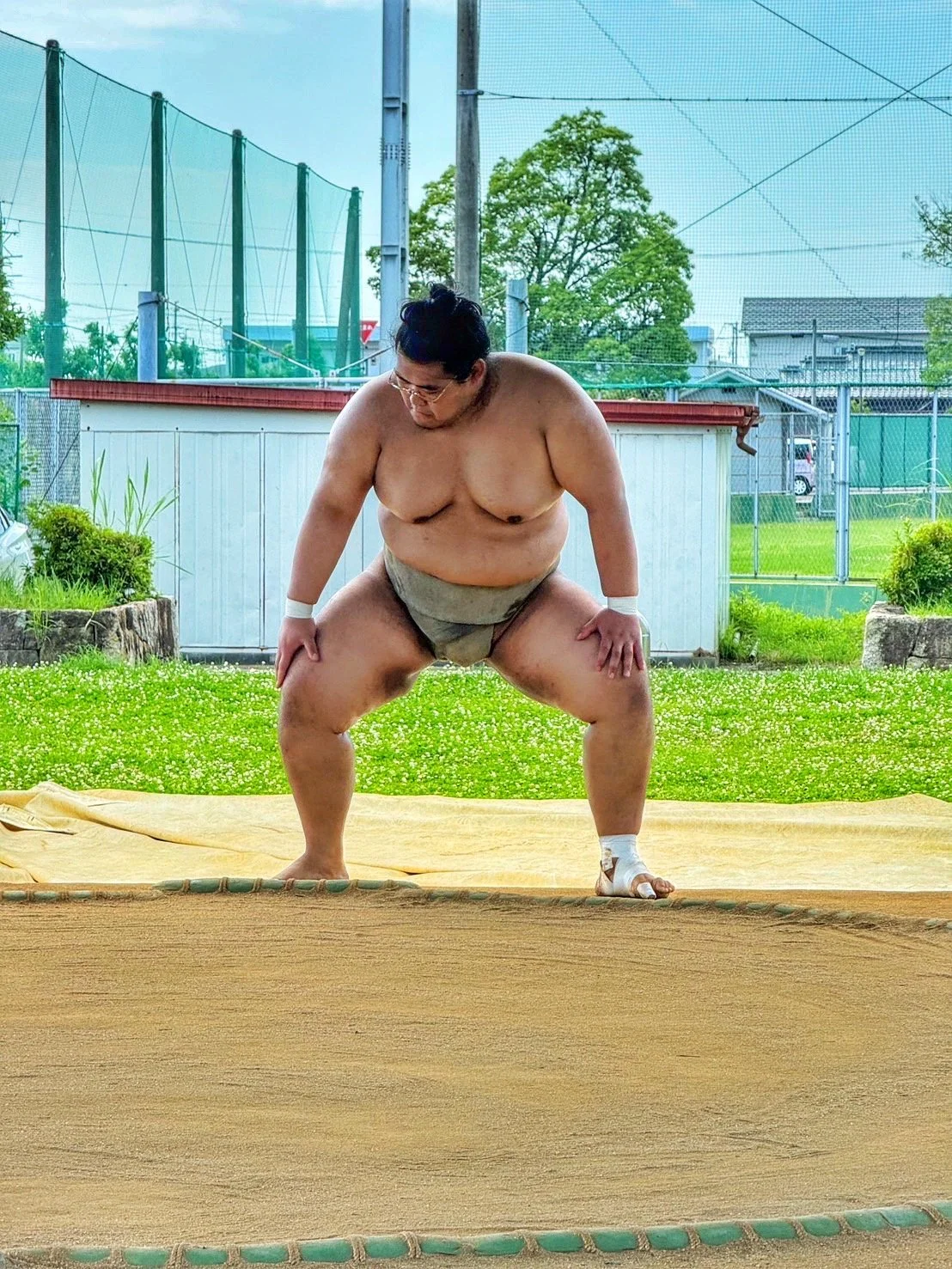
I am the type of person who will overanalyze a mistake for days. Living in a country where I do not know every rule means that some mistakes are inevitable. Some are cultural, and others are personal or professional.
I used to feel a paralyzing sense of shame when I messed up or said the wrong thing, but I now understand that most failures pass quietly. There is rarely an audience, and even when there is, most of the people in my life do not expect me to be perfect. Failure does not need to be dramatic to be instructive. Living here has taught me how to learn from mistakes without dwelling on them.
5. Traveling in Japan for experiences and not a checklist.
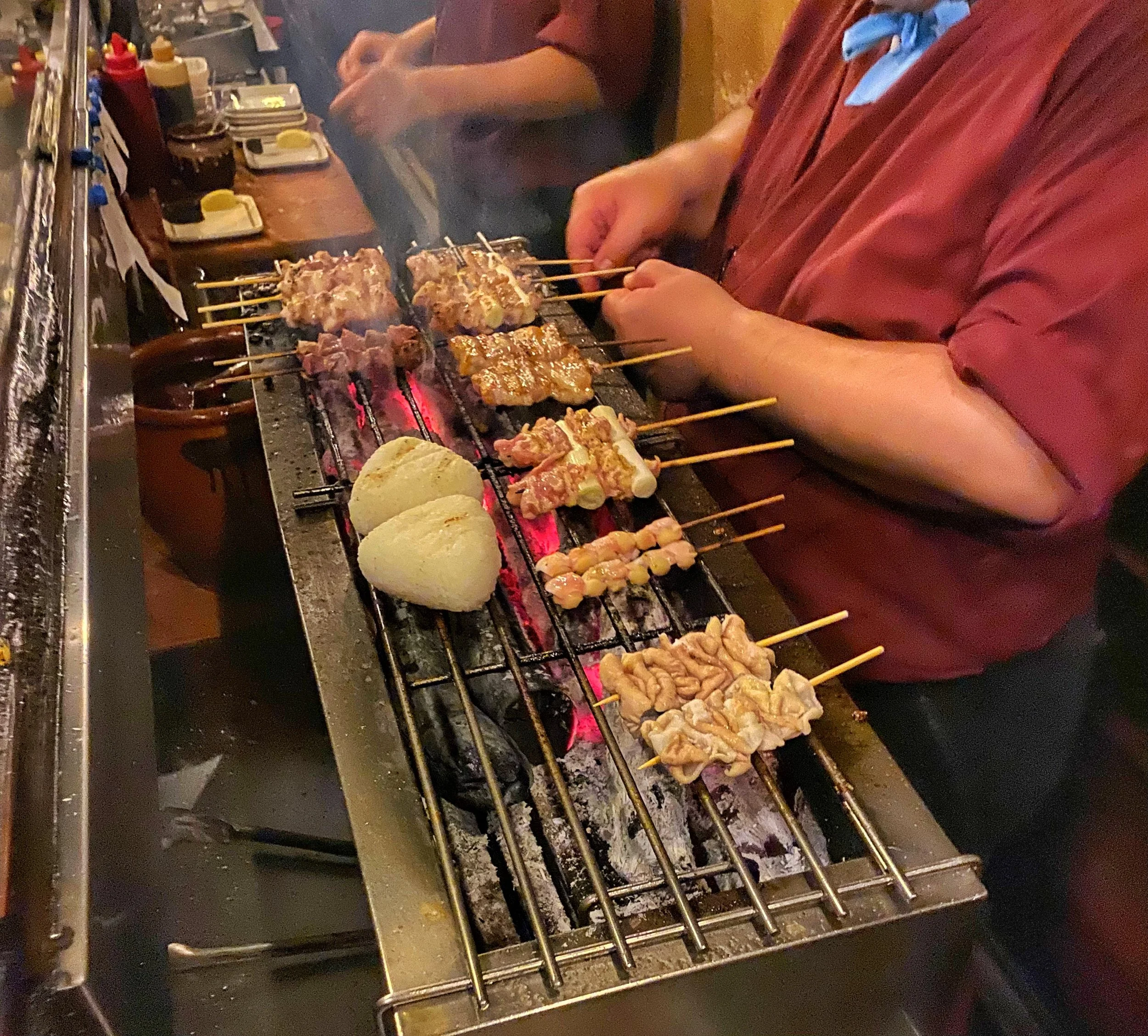
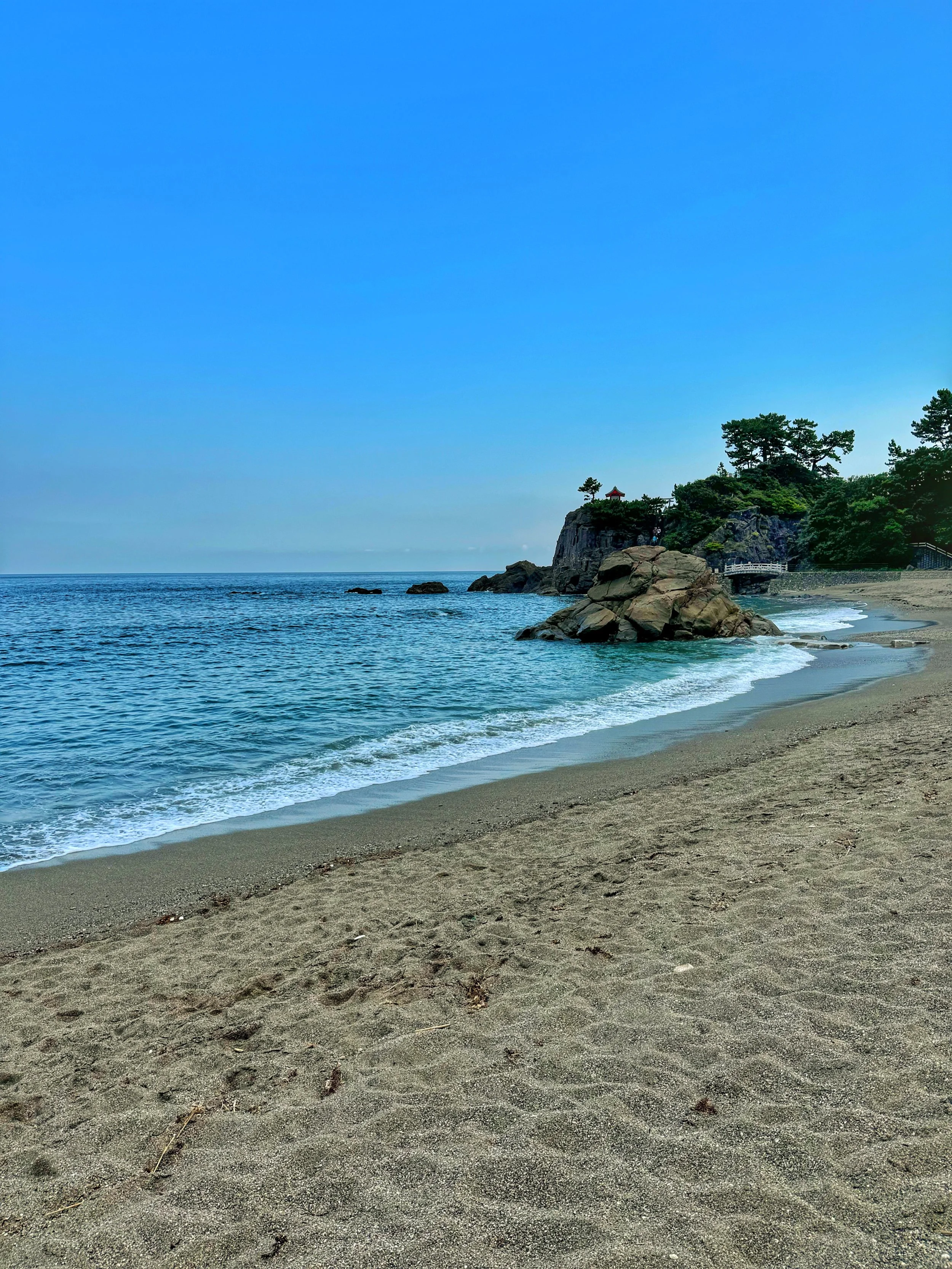
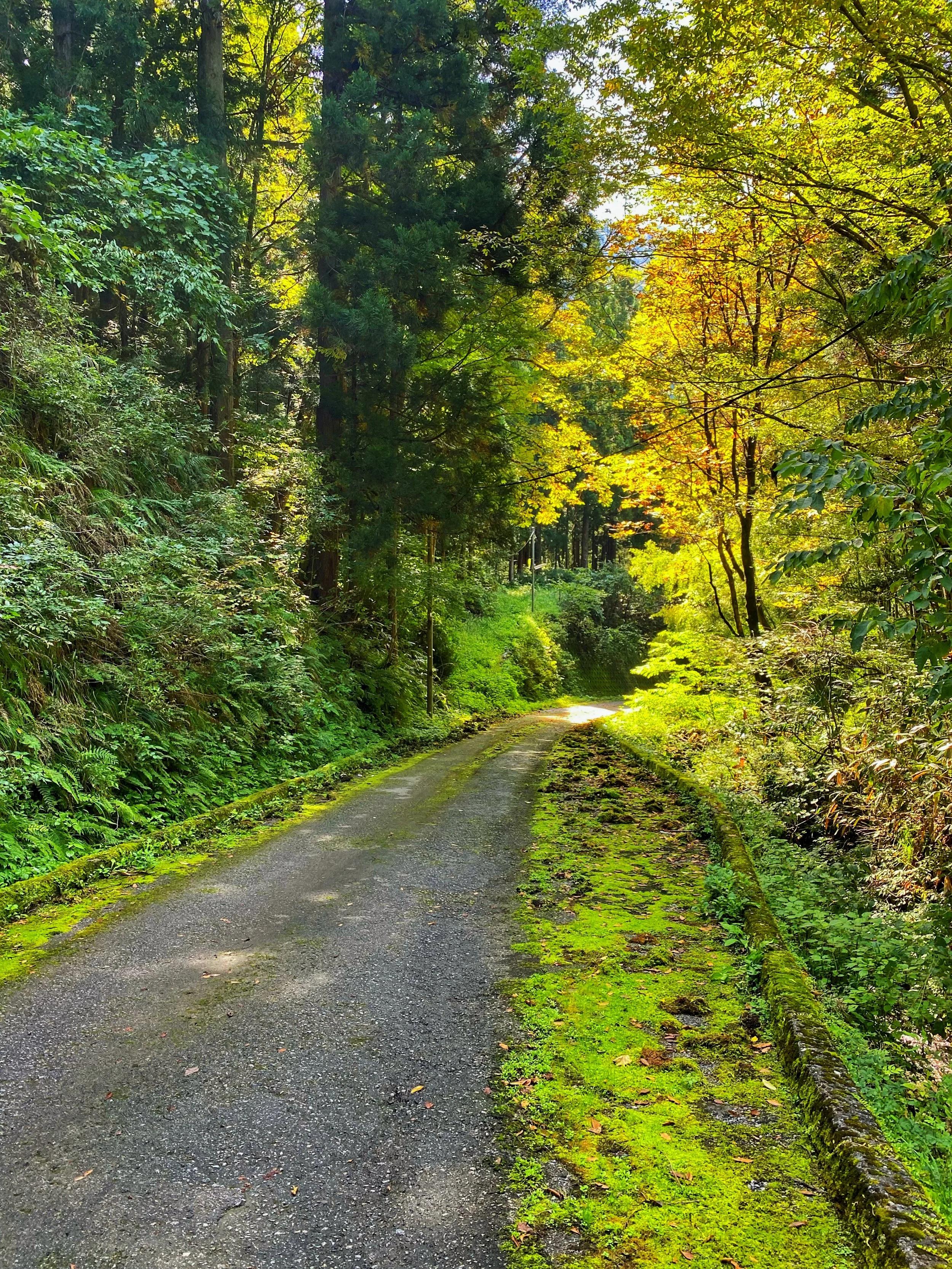
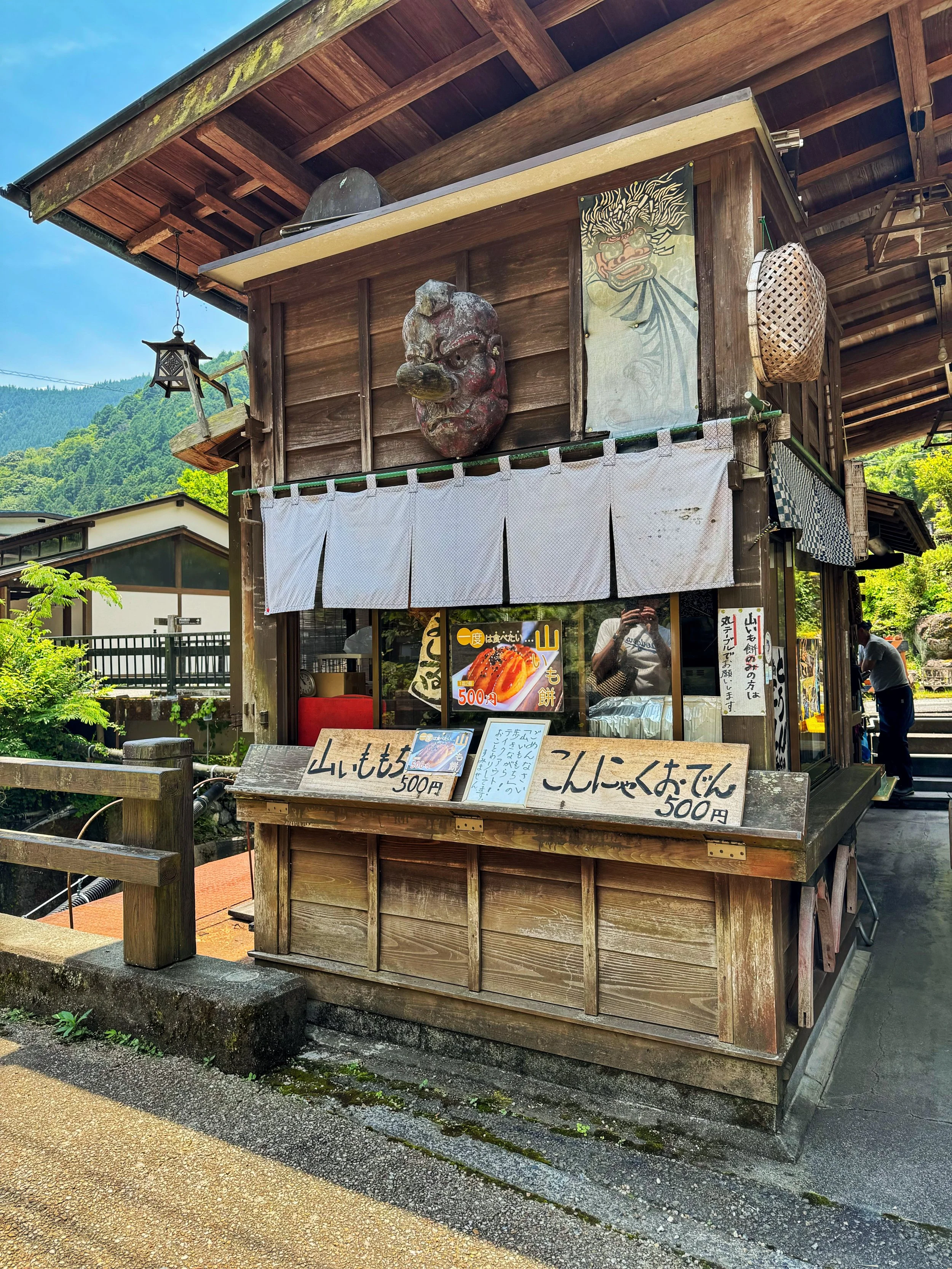
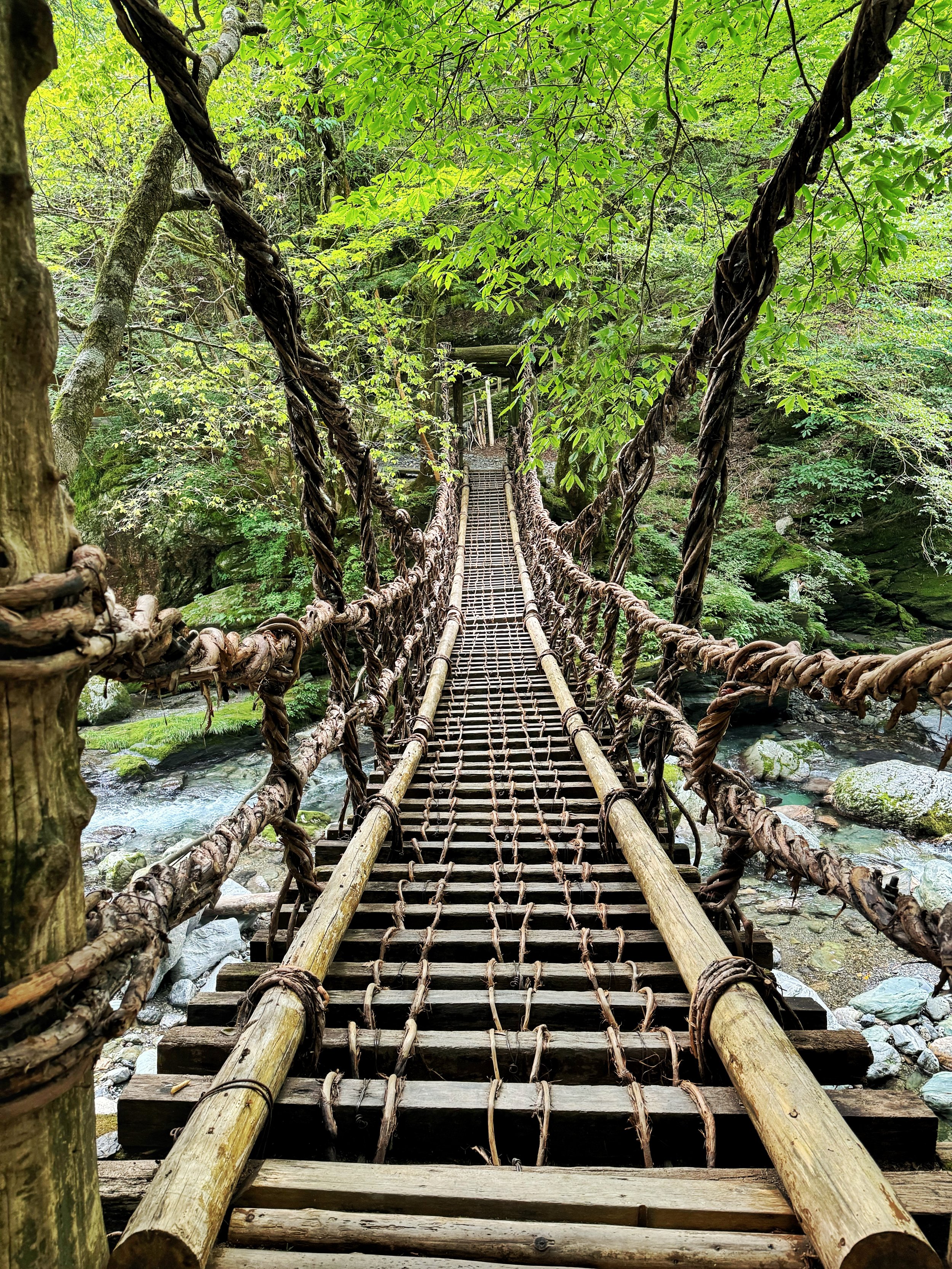
Traveling in Japan has taught me that valuing the experiences substantially more than a checklist is vital to happiness. The Instagram age has turned travel into a series of identical photos at the same popular location. Overcrowding of certain areas is creating problems for locals. I still visit popular destinations sometimes or recommend them to others. However, I am far more interested in looking for different angles, stories, or streets that some might skip for the perfect Instagram highlight.
Traveling mindfully has taught me that I will remember the moments I had far longer than if I took a photo of only the popular locations. Travel is never about just checking something off a list. It is about growth, understanding, and experience.
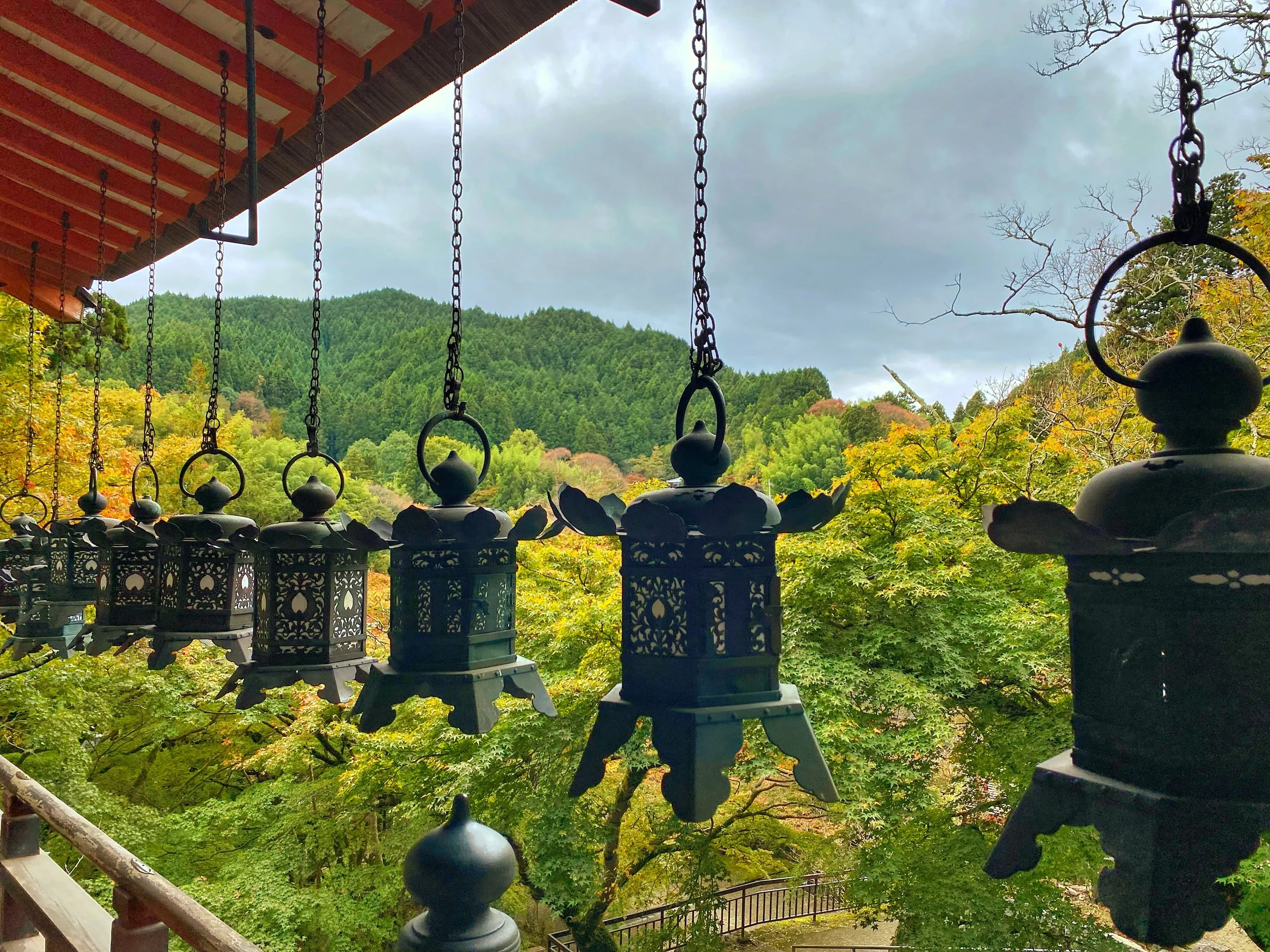
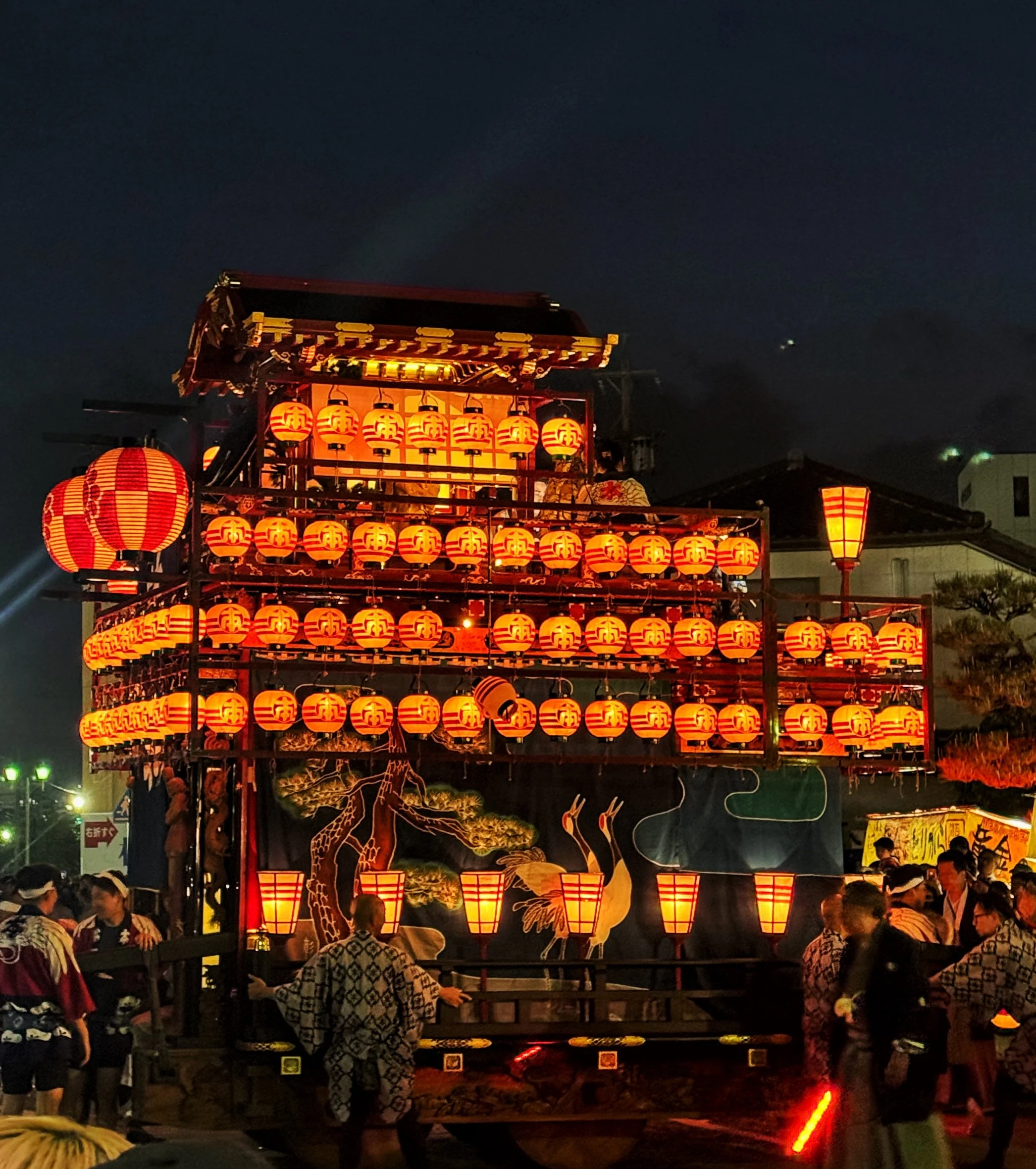
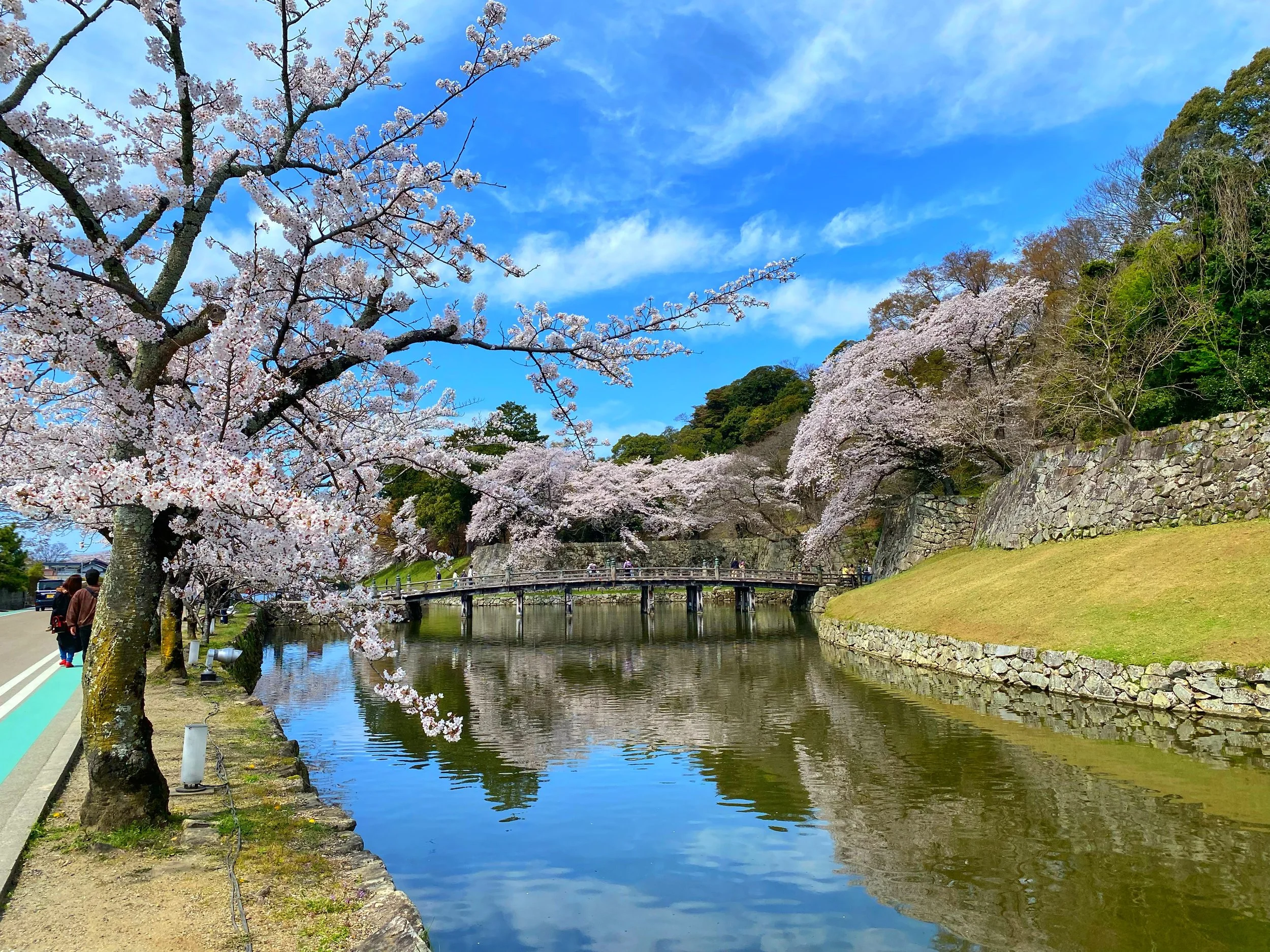
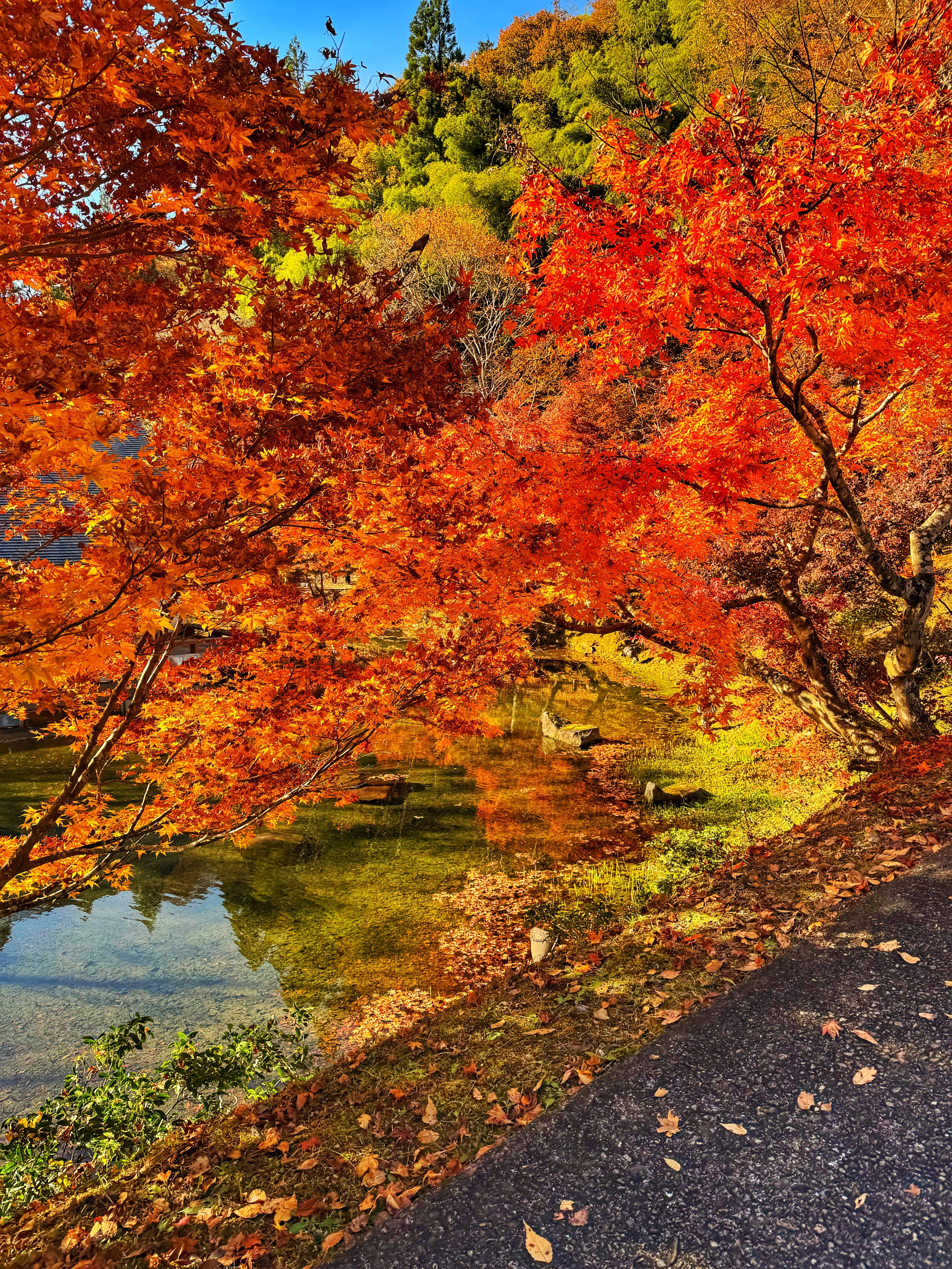
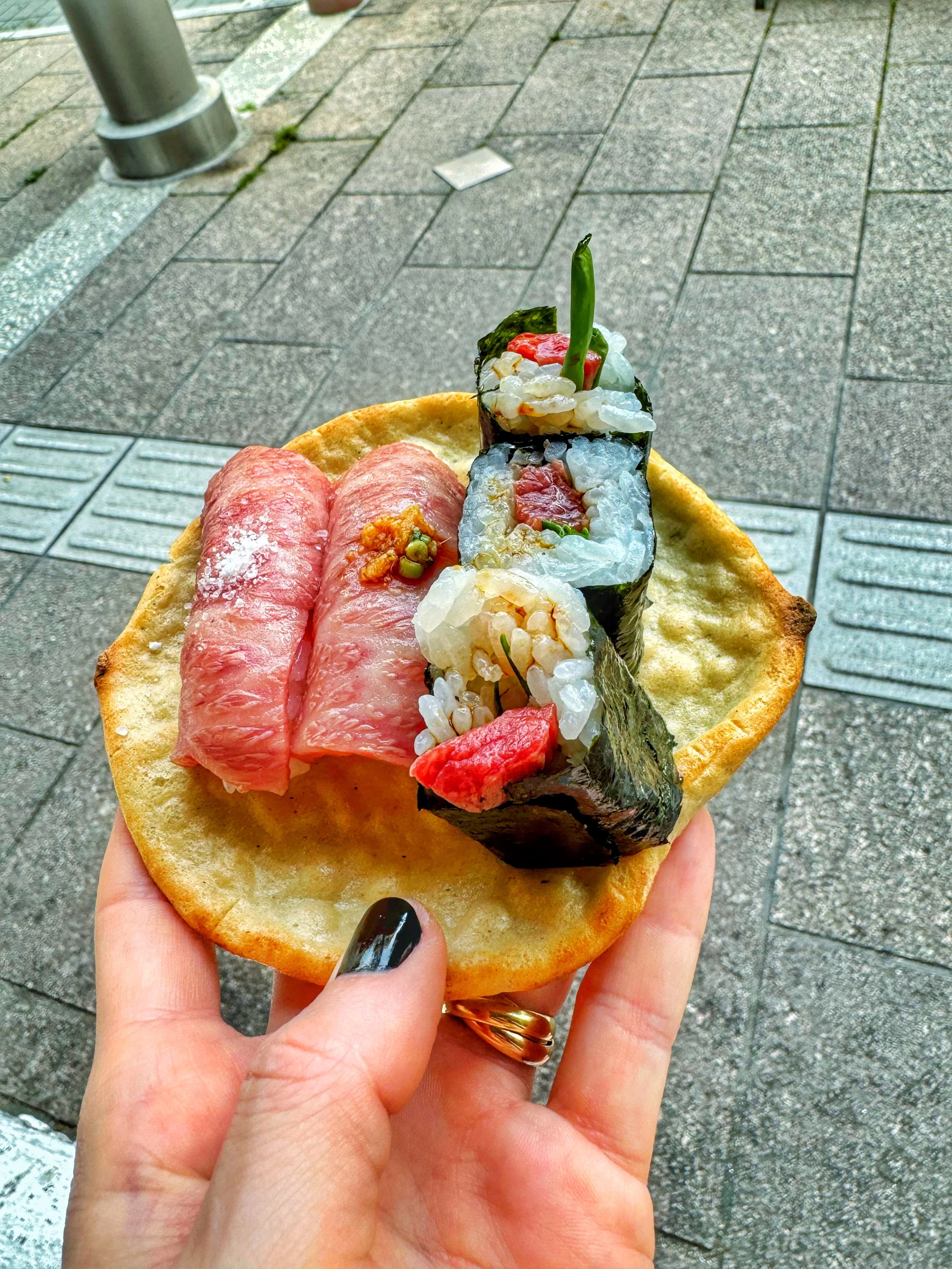
6. Being changed by places that are not popular destinations.
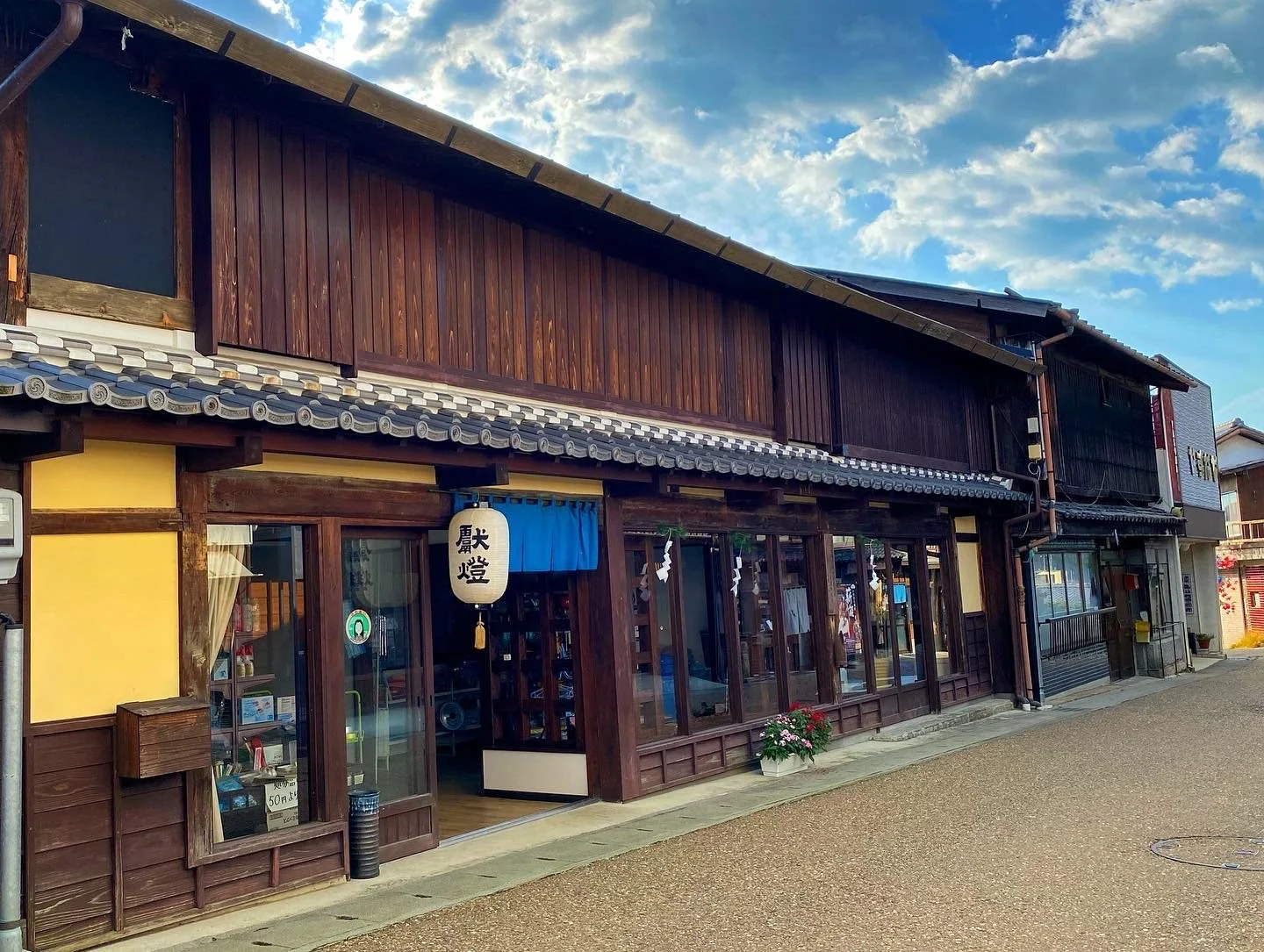
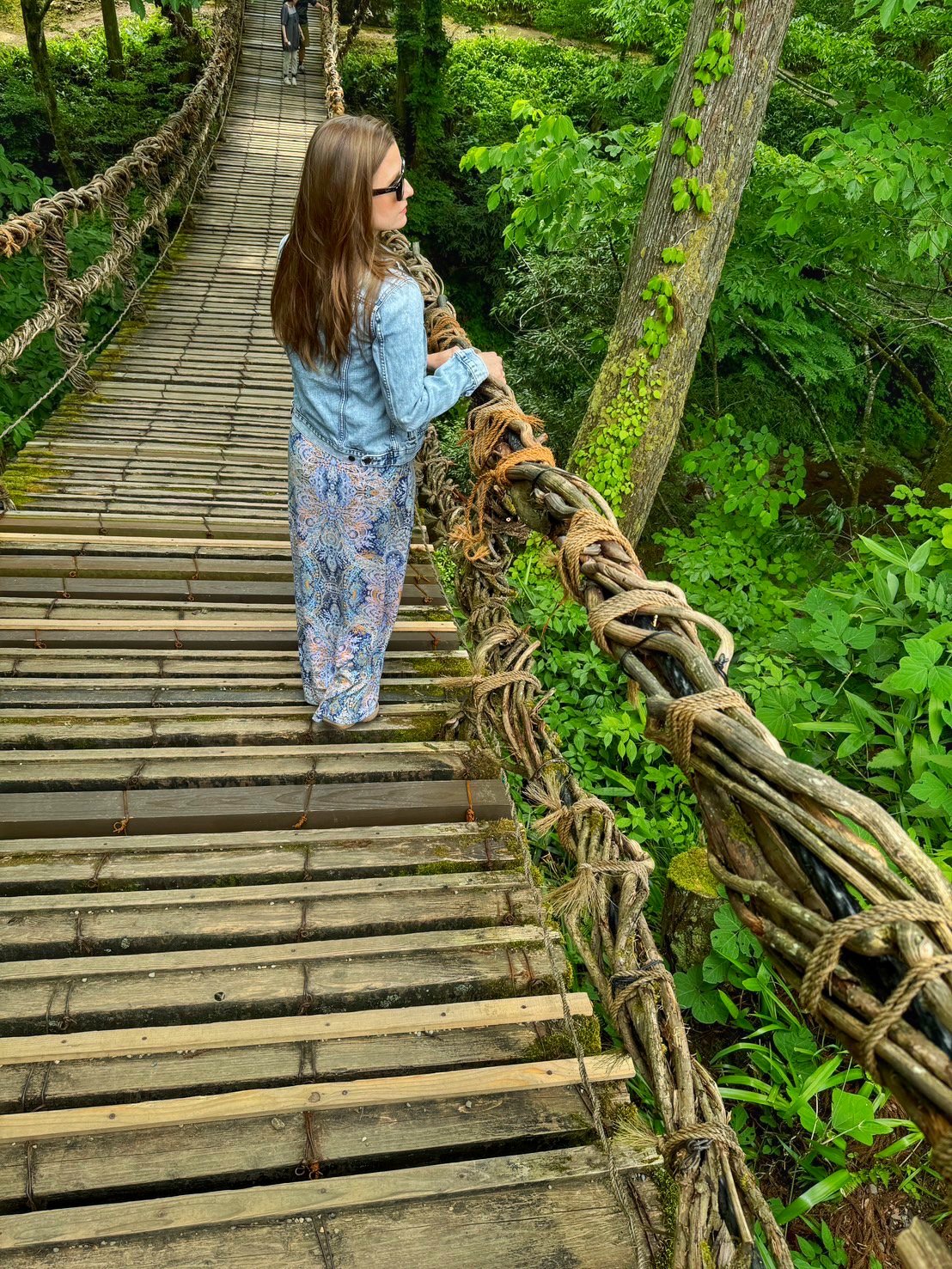
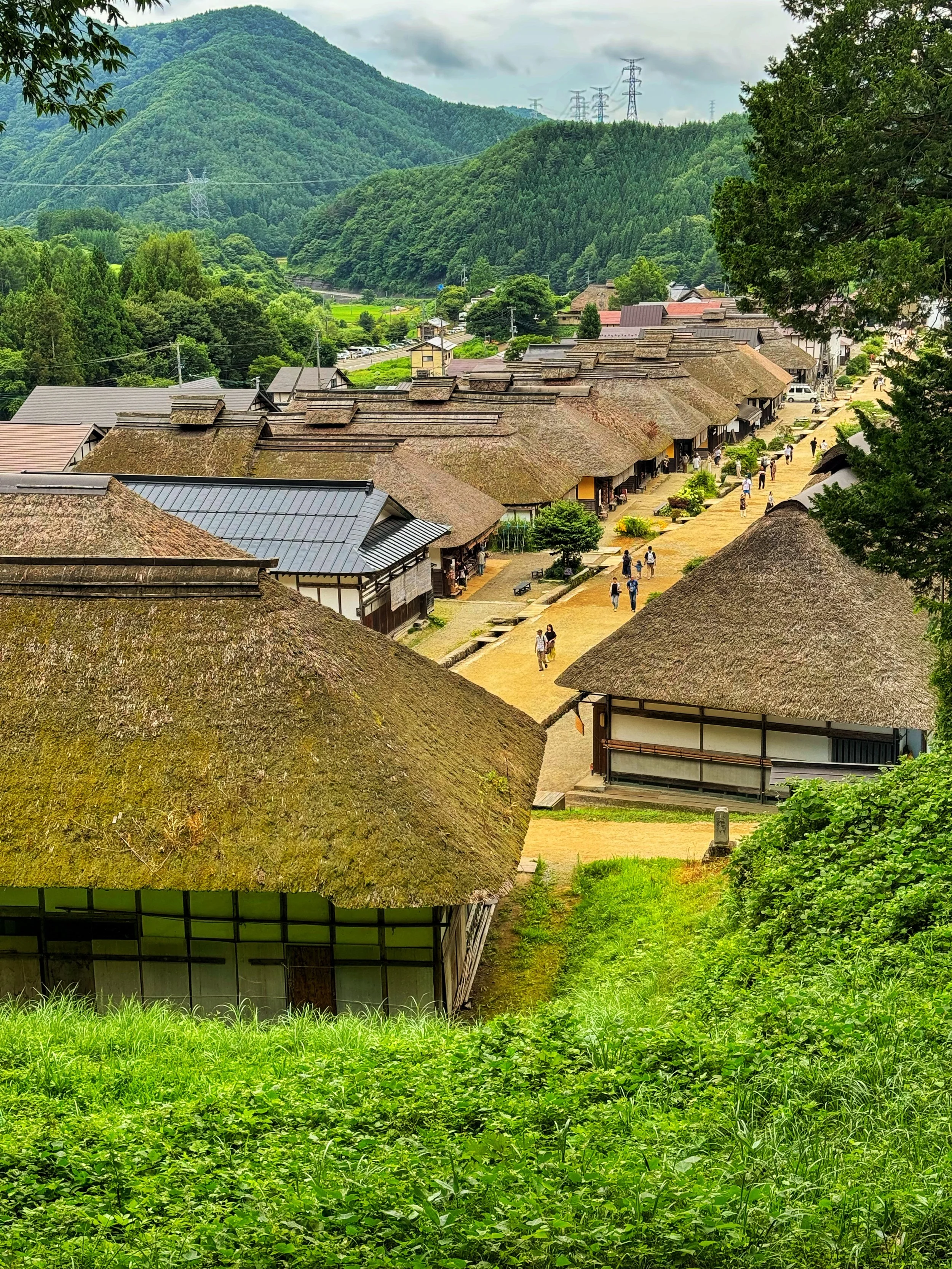
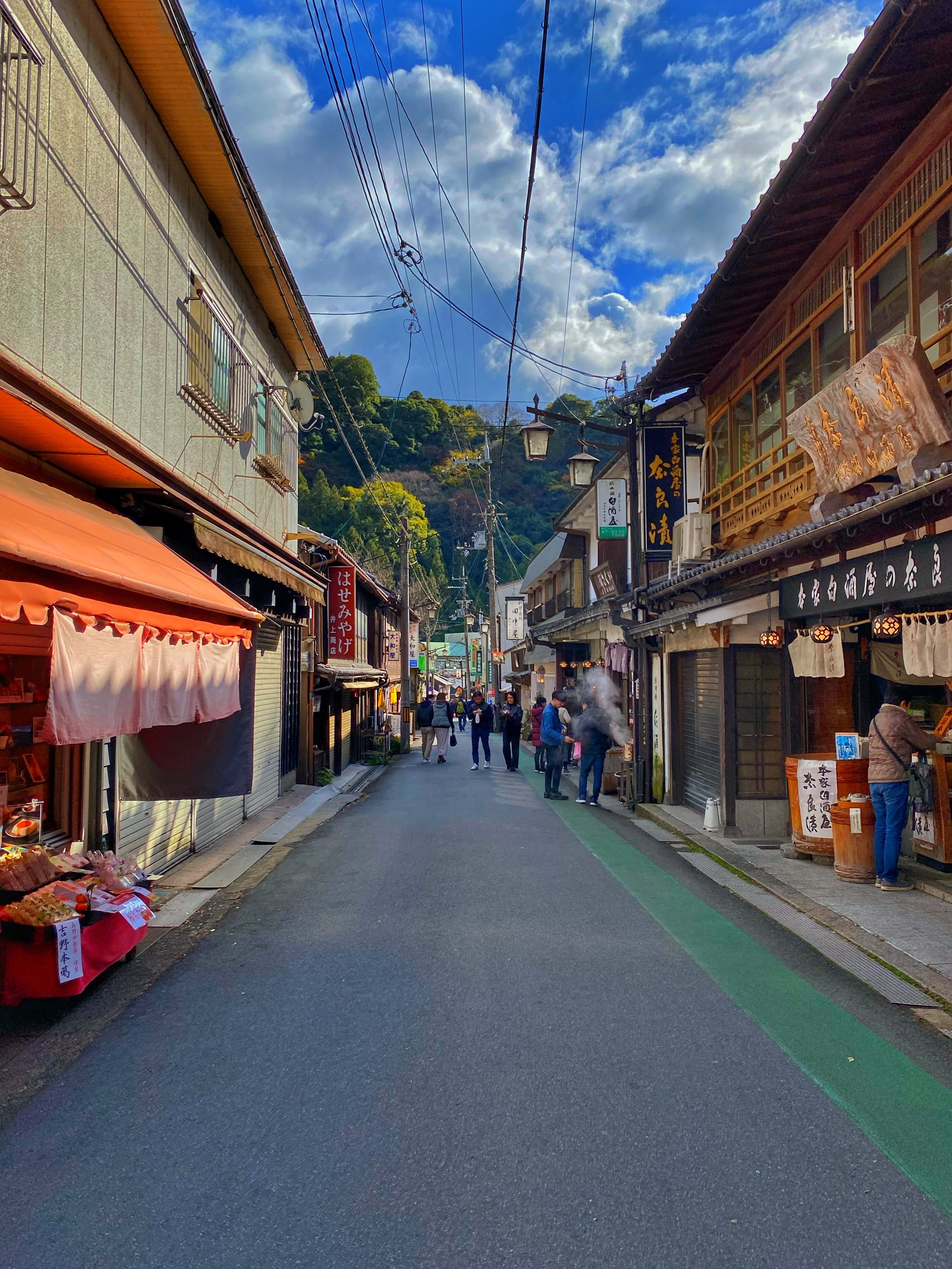
The first time I visited a city that was not a popular tourist destination, I was surprised by how much I discovered. There is something special about a place that exists primarily for locals and does not lose its identity catering to tourism.
I used to love the grittiness of Nishiki Market in Kyoto, but many original shops have since disappeared or shifted to meet the demands of tourism instead of preserving their original purpose. While I understand the economic necessity of this change, it also highlights how easily local culture can be diluted.
Many cities cannot be completely reshaped for tourism without losing pieces of their local community and culture. Most of these places still welcome visitors and genuinely want to share their history and crafts. Yet, there must be a balance between accommodating tourists and fundamentally altering daily life.
In these areas, I managed to develop real connections and friendships and even had moments where I was too engaged to stop for photos. These interactions taught me that you can connect deeply with others and learn about cultures despite language barriers if you lead with curiosity and grace.
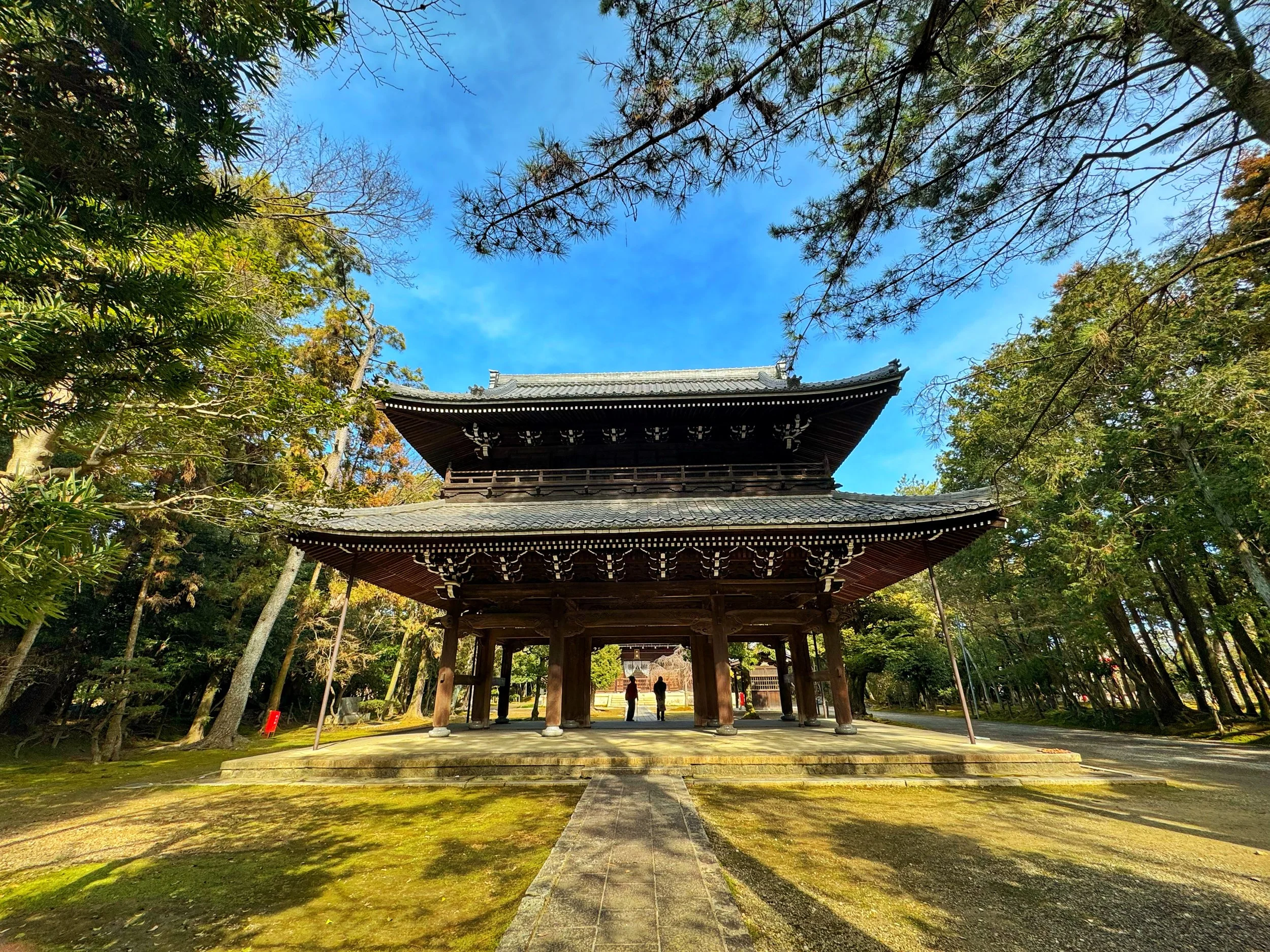
7. Belonging does not always mean full integration.
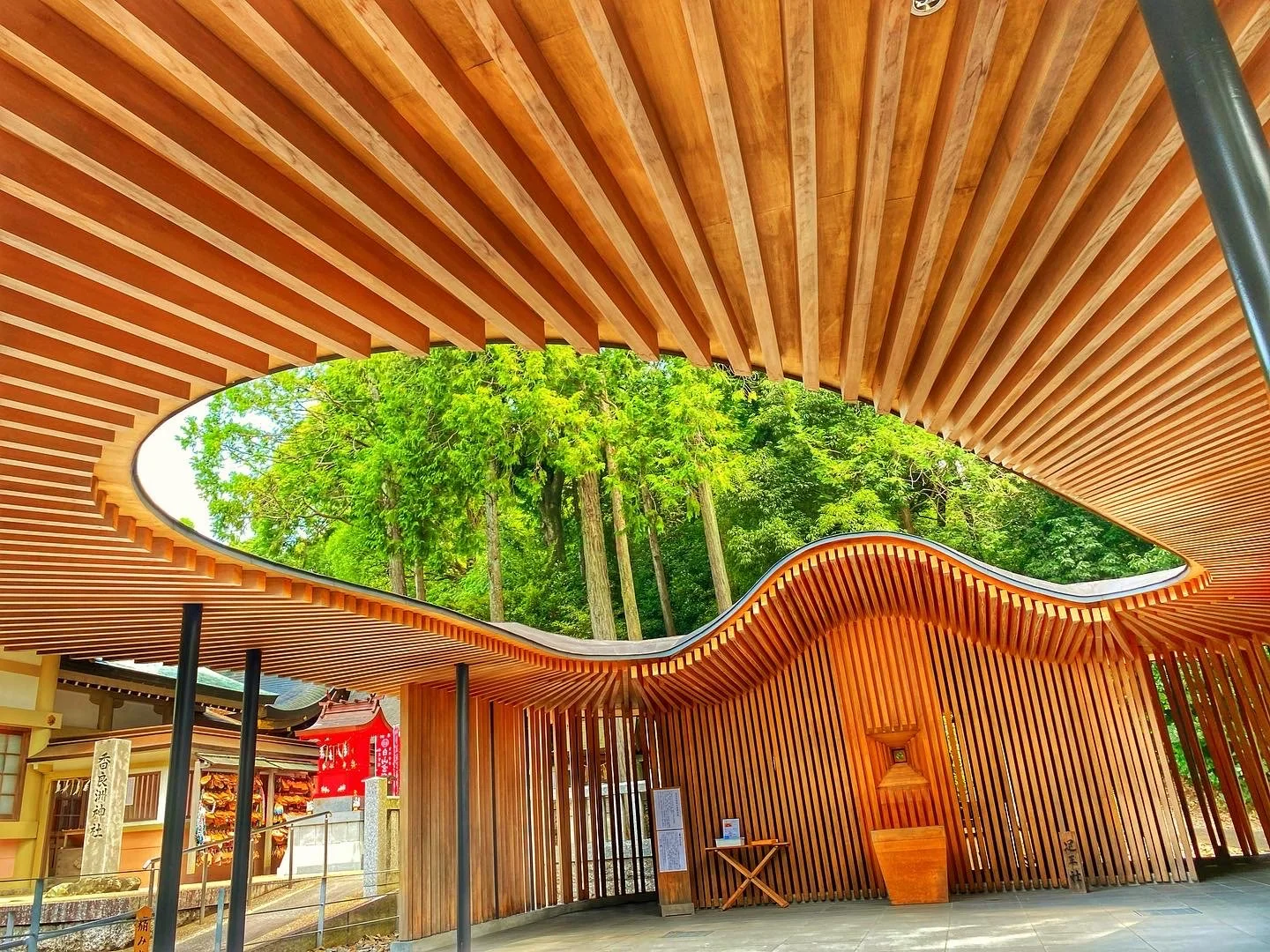
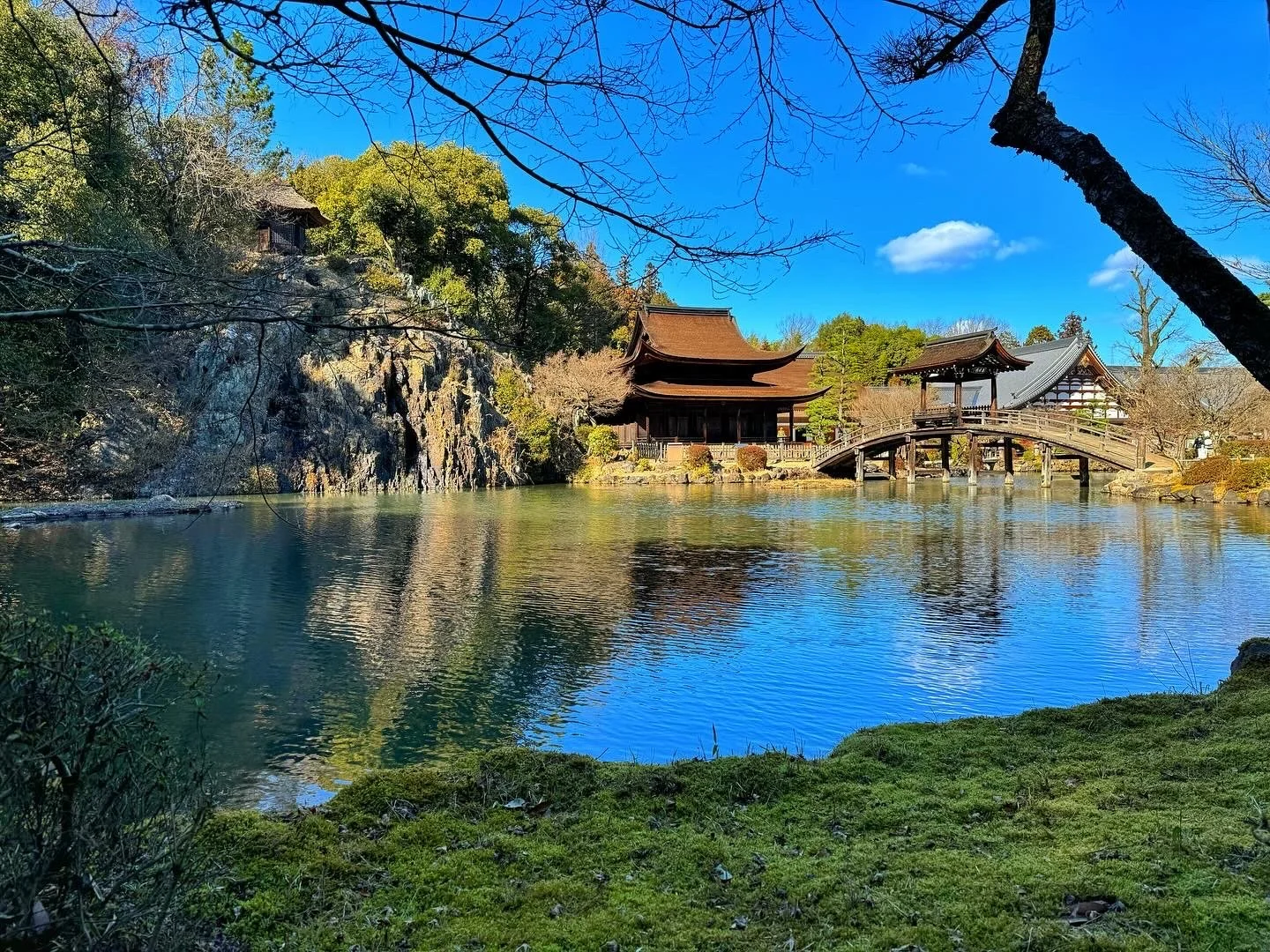
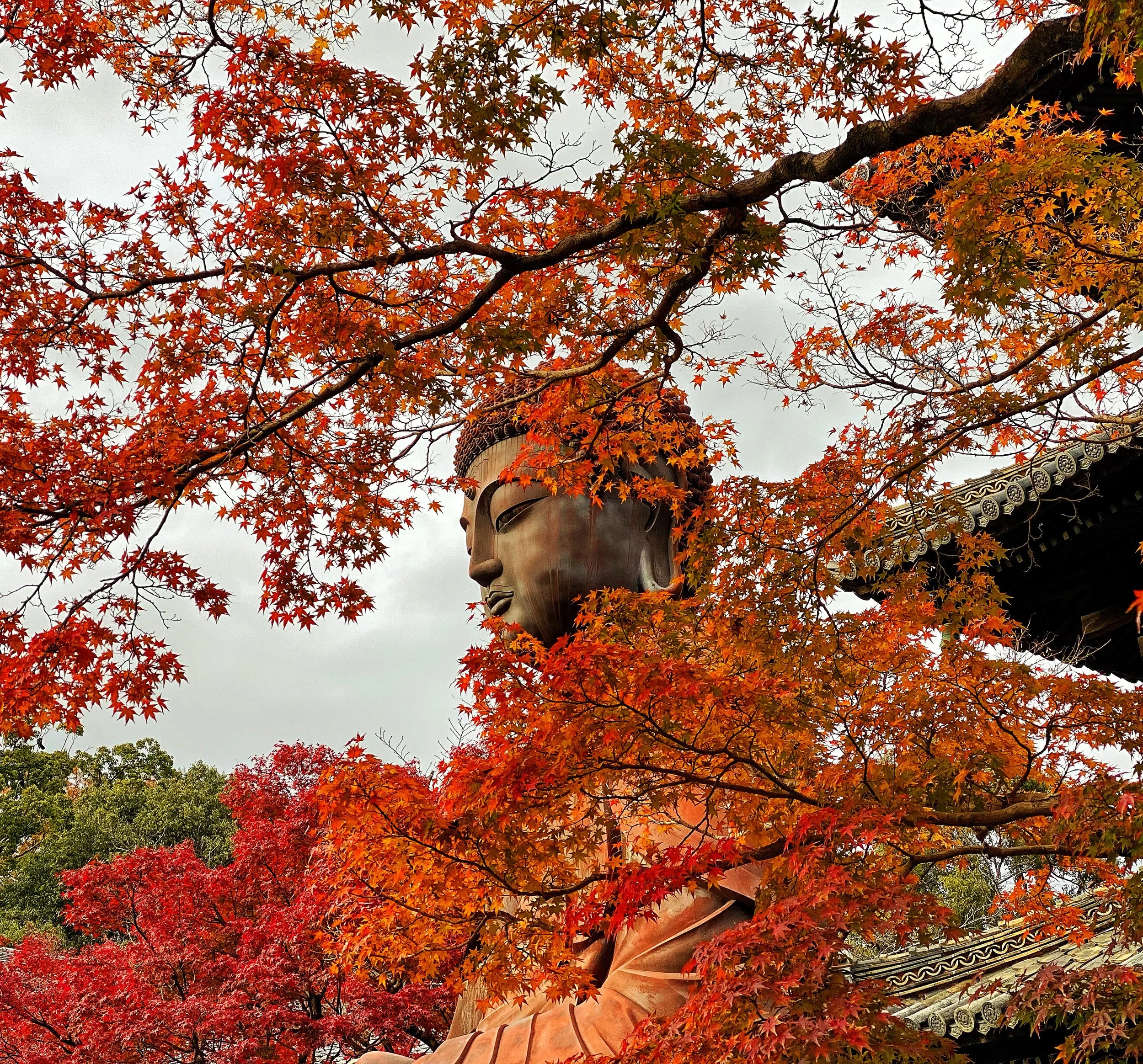
Respecting the cultural norms and rules in Japan matters deeply to me. I follow the rules and try to live considerately without losing my sense of self. However, I eventually accepted that I will always stand out. I have been the token foreigner in professional settings, and I understand that I must balance my own quirks with societal expectations.
Belonging and having a sense of place do not always mean or require full integration. I found a beautiful middle ground. I try to exist in Japanese society in a way that is respectful and follows the rules while still allowing my own identity and opinions to also exist.
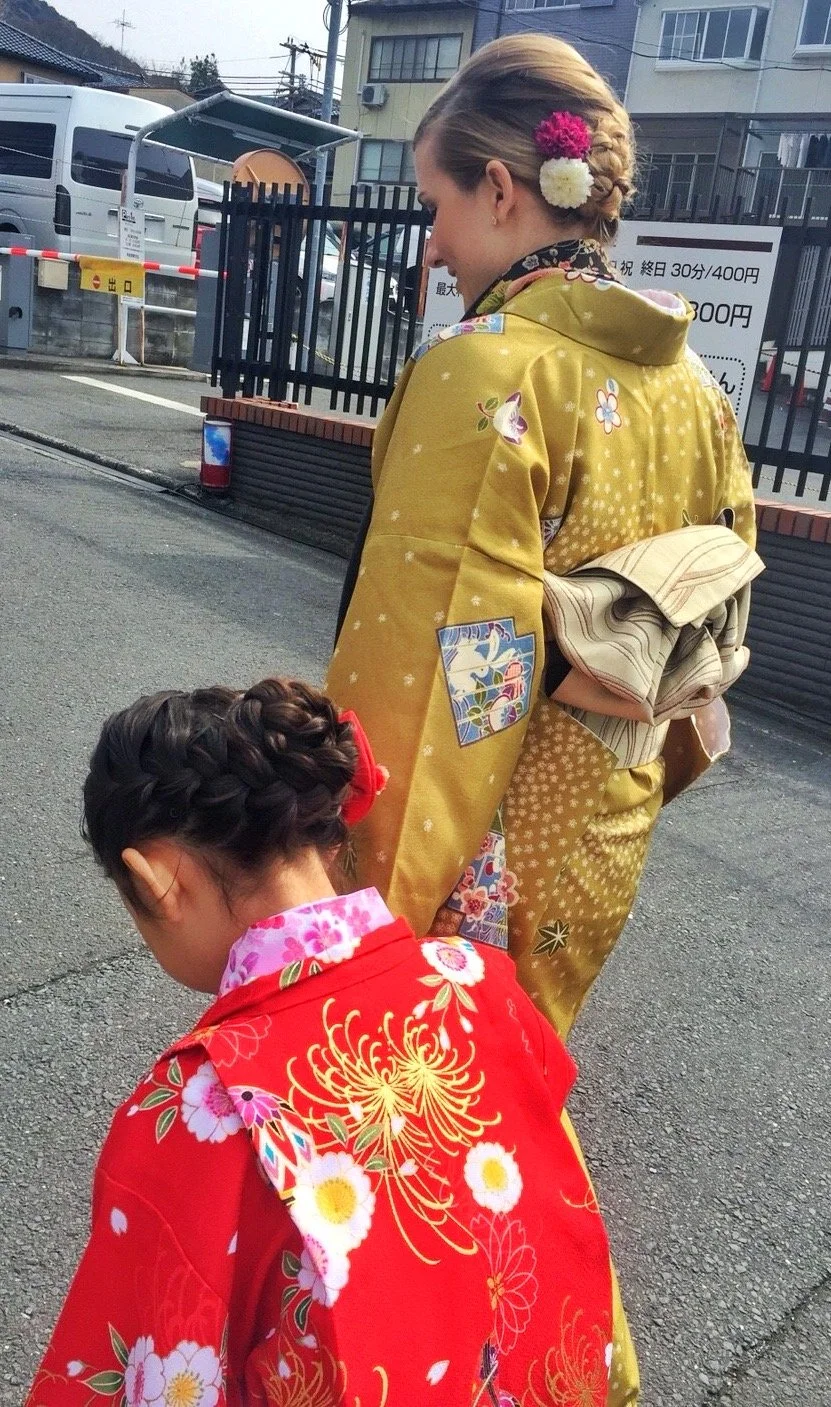


8. Redefining success while living abroad.
This was by far my hardest lesson. I once believed success was defined by job titles and career goals associated with a specific path. Life here forced me to confront how much of my identity was tied to my career.
I have been fortunate enough to get two “dream jobs” in my life, but in both, something was missing for me. Stepping back and trying something new at this stage in life was scary, especially while wondering what would happen if I failed at something new. Redefining success to be more than just a title or a career goal is something that required me to shift my mindset. While my career is still tied up in who I am, it no longer defines success for me.
9. What staying in one place taught me that moving never did.
Before returning to Japan in 2017, I rarely stayed in one area for more than a couple of years. I moved often and usually alone. Even if I did not change jobs or schools, I moved. Those years taught me about being independent and enjoying my time, but staying in this area of Japan has taught me something different.
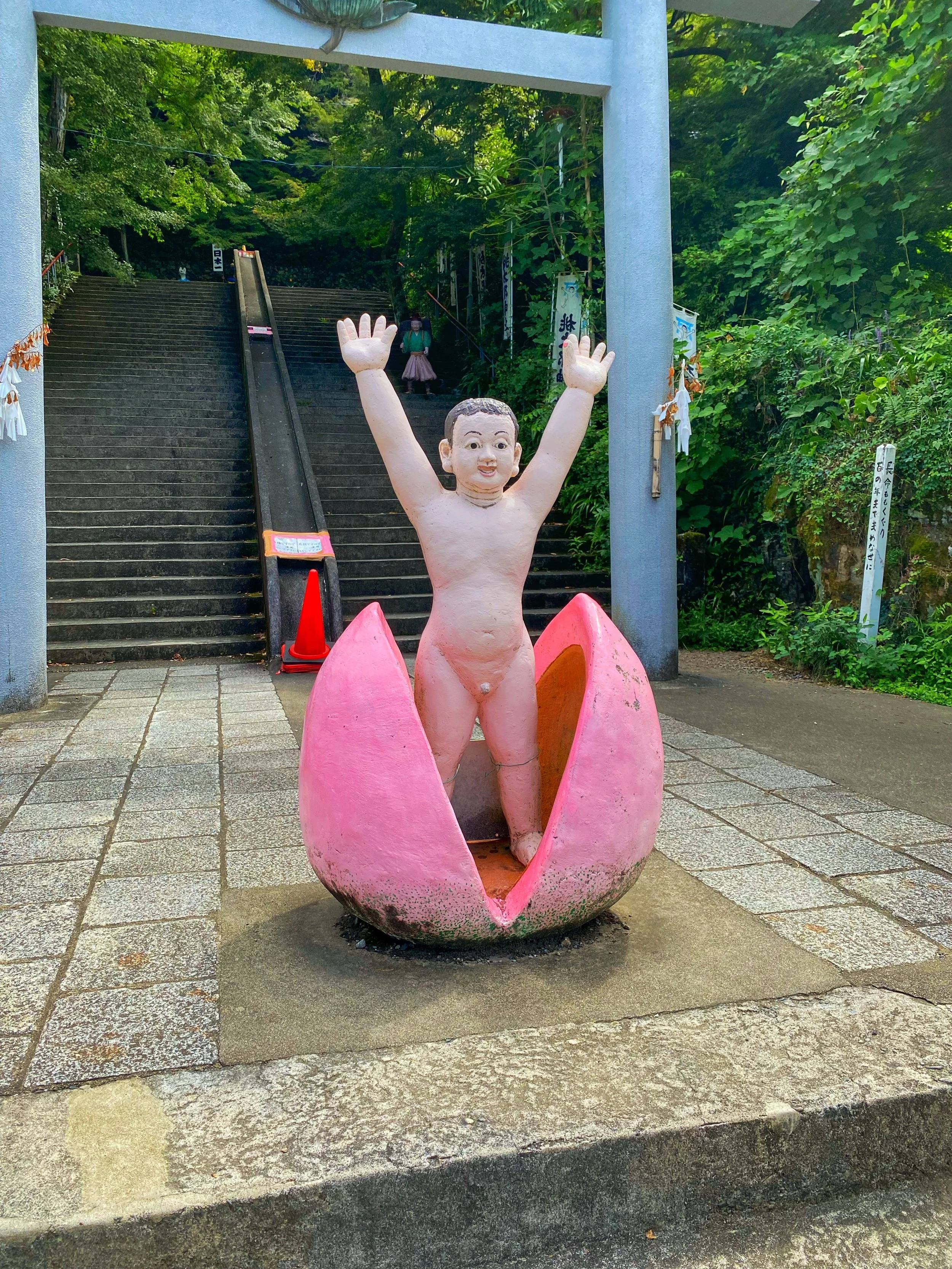
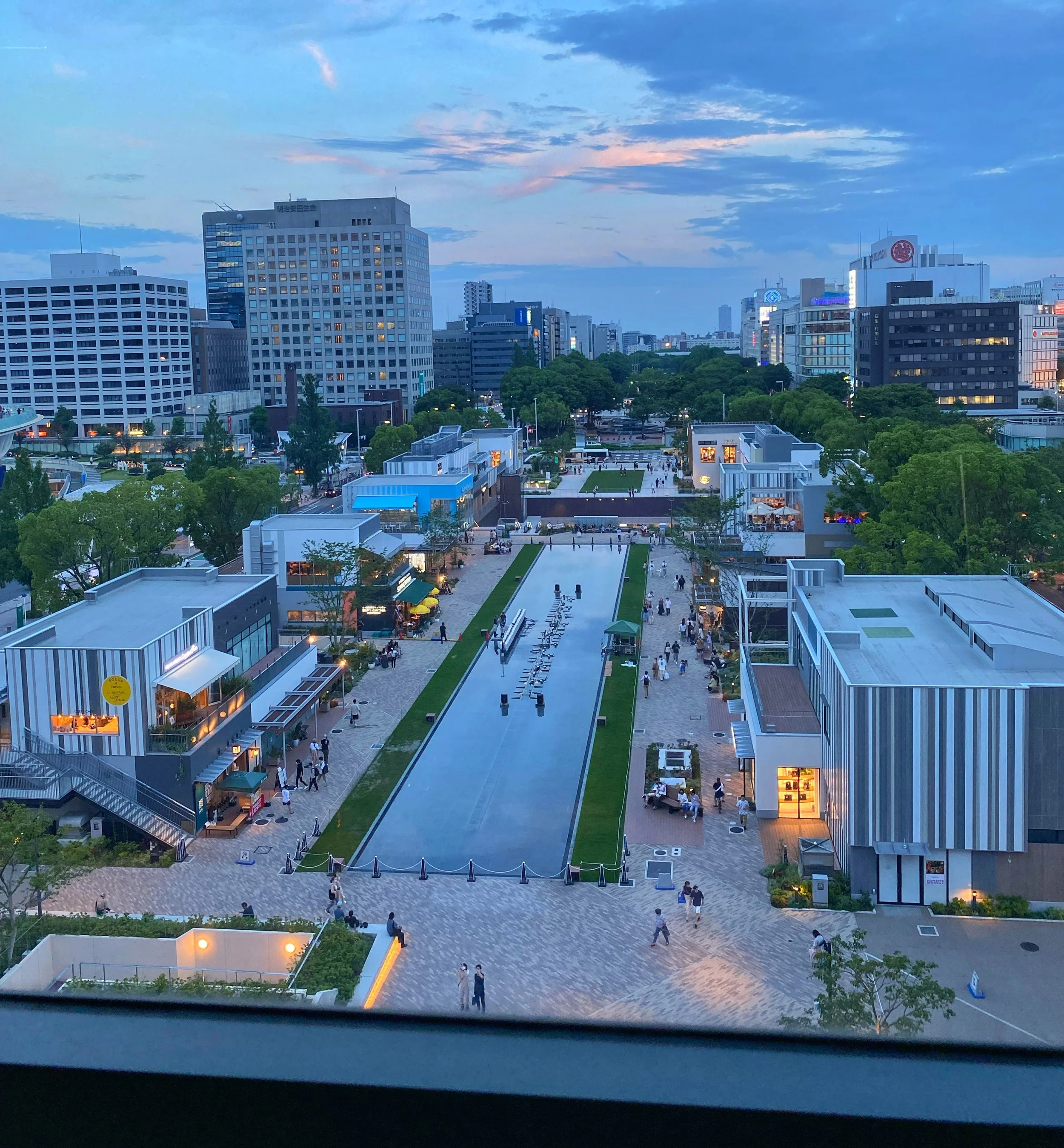
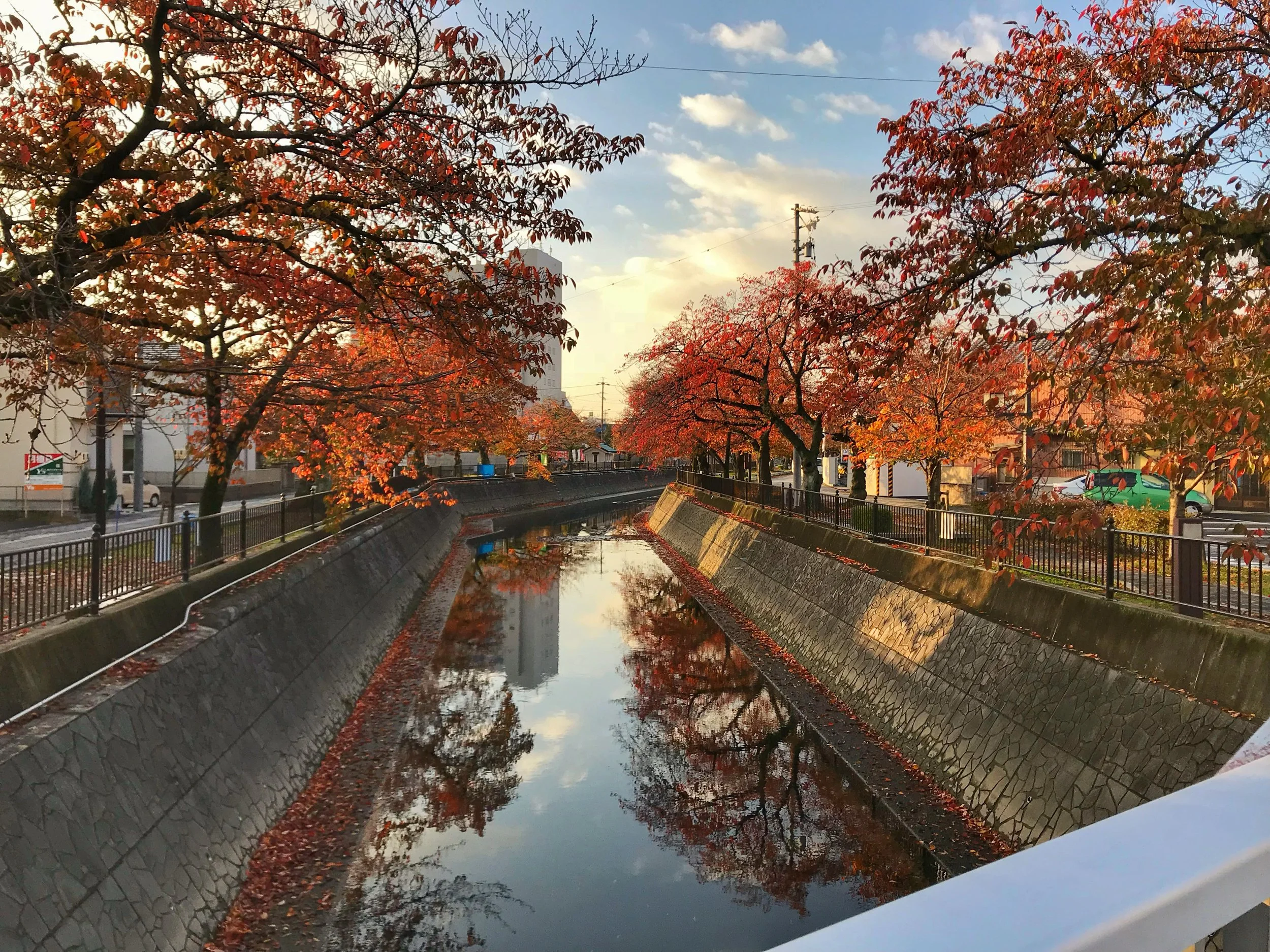
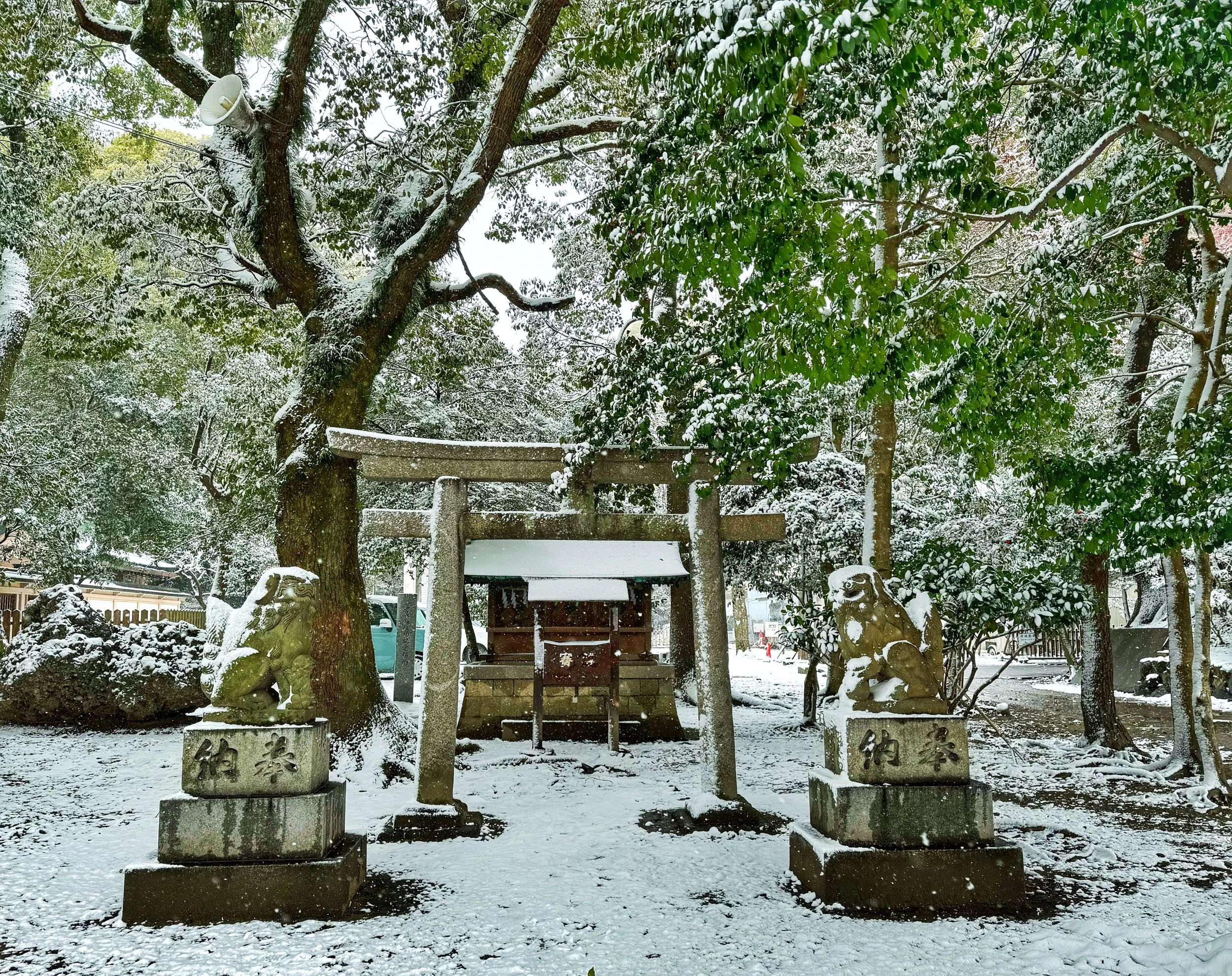
Roots do not limit growth. Choosing the right place and community of people can deepen it in ways that constant movement does not. I do not have any plans to leave Japan, but one day, I may move to another area or a bigger city for a change of scenery. For now, living in central Japan makes it easy for me to travel all over the country.
10. Learning to live with uncertainty.
I have struggled my whole life with a need for a plan or to have the answers. Life in Japan has challenged that instinct and forced me to be patient. From the immigration procedures to the nuances of daily life, I realized there is no need to worry about things before they happen. There are processes that I cannot control, outcomes I cannot predict, and systems that are slow or unclear.
Not having all the answers used to be a constant source of stress. Now it just feels like a space to build the future rather than worry. Whether it is navigating immigration requirements, career shifts, or personal change, time does not stop. We can only choose how to spend our time by worrying, adapting, or growing.
Final Thoughts
As I move into the final year of this decade, I do not feel the urgency to define everything as clearly as I once did. Being here has made me realize that growth is not always linear, and clarity can come once you accept uncertainty. Sometimes taking a leap to try something new will change your life for the better. I always tell young women and girls that we only regret the chances we do not take or the things we do not try. Many of the lessons I carry were not learned suddenly but were learned through difficulty, struggle, and change over time.
I do not know what this year or the next decade will bring. What I do know is that I trust myself more than I did ten years ago. I trust my instincts and my ability to adapt. That is enough for me to know that the next decade will be beautiful.
If you have any questions about life in Japan, leave me a comment or send me a message. Also, feel free to share any lessons you have learned traveling or living abroad too!
