
When many Americans think about World War II, their minds might first go to the European theater, Pearl Harbor, or the atomic bombings of Hiroshima and Nagasaki. For many of us who grew up in the United States, particularly those of us who grew up in the 1980s and 1990s, much of what we learned about the war was presented through an American perspective. America was on the good side, the enemies were on the wrong side, and Japan’s unconditional surrender brought the war in the Pacific to an end. The soldiers who returned home helped usher in a baby boom, and the postwar economy entered a period of significant growth. The impression was that the defeat of the Axis powers had made the world safe from tyranny again.
As a child growing up, I largely accepted this version of history without really questioning it. The idea that countries could simply be divided into the good guys and bad guys seemed fairly straightforward. Japan was no longer a military enemy, although its economic rise during the 1970s and 1980s sometimes led to a different kind of rivalry with the United States.
When I began studying history more seriously, I learned that the past was rarely as straightforward as I had once believed. Every country has its own historical narratives that are shaped by experiences, politics, culture, and the people telling the stories. Even when the underlying facts are established, the way events are presented can vary depending on what is emphasized and what is left out. Understanding history requires us to look beyond a single narrative and consider evidence from different sources.
This has become particularly important to me as I research Japanese history. Studying history in the USA and then living in a country that experienced World War II from a very different position introduced me to ideas and firsthand accounts I had rarely considered growing up. That does not mean accepting everything presented from a Japanese perspective any more than accepting everything I learned from an American one. Both can contain patriotism, omissions, and interpretations. However, I think there is value in understanding how different people experienced the same events and how those experiences continue to shape the way countries remember their past.
War is ultimately about people. It is about the people who die, those who survive, those who lose loved ones, and the people who are forced to live through situations that no one should have to endure. Its consequences do not necessarily end when the fighting does, especially in areas where battles took place. The effects can remain visible for generations.
As the number of surviving World War II witnesses dwindles, preserving their firsthand accounts becomes increasingly important. Museums and memorials cannot give us a complete picture of the past, but they can offer glimpses into the lives of those who lived through it. They show us what people experienced, what they believed, what they feared, and how those events are remembered today through personal belongings, photographs, and more.
Japan has many places where visitors can learn about the war, and they each tell a different part of the story. Some explore civilian suffering while others focus on the soldiers. Others are for remembering those who lost their lives or documenting the destruction caused by war. Rather than approaching these places with the expectation of finding a single, definitive account, it is more valuable to visit with an open mind and a willingness to question what we think we know. These are five places in Japan that I recommend to anyone interested in World War II and how its history is remembered today.
Hiroshima Peace Memorial Park and Museum
Out of all the places on this list, this is probably the most well-known and most visited. The museum can become particularly crowded during the summer, especially around August 6, the anniversary of the atomic bombing. If you plan to visit during this period, check the official website for opening hours, ticketing processes, and any access restrictions associated with the annual Peace Memorial Ceremony.
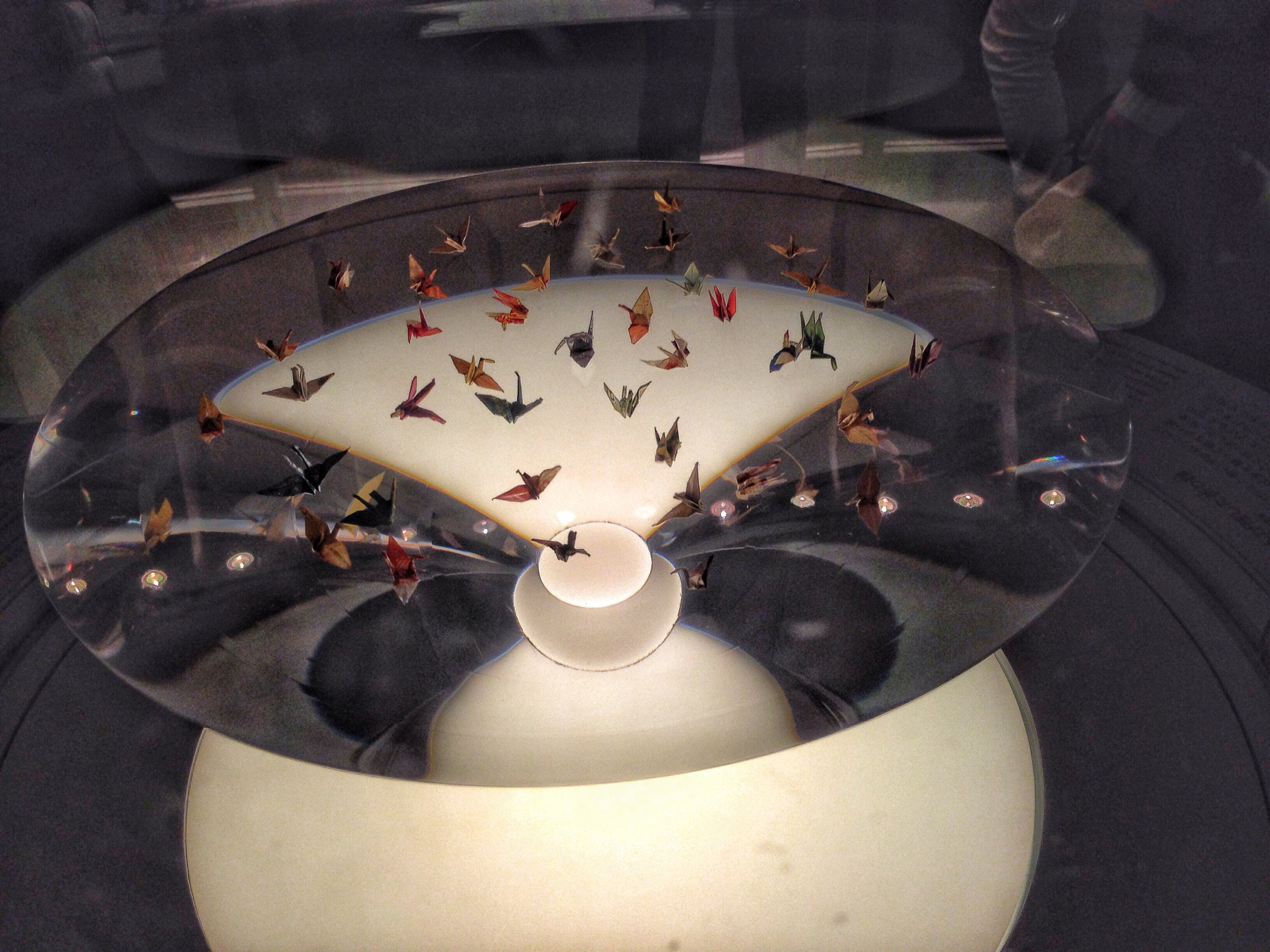
I will never forget how moved I was on my first visit to the museum. As a historian, I have always tried to recognize my own biases and approach historical research with an open mind. Yet, this visit was different. I was overcome with emotion as I read the accounts of people affected by the bombing and its aftermath. During my visit, the museum had a special exhibition about mothers and children. Listening to recordings of mothers describing their searches for their children, including some of their final moments together, was heartbreaking. The accounts of families who later lost loved ones to cancer and other illnesses associated with radiation exposure were equally difficult to hear.
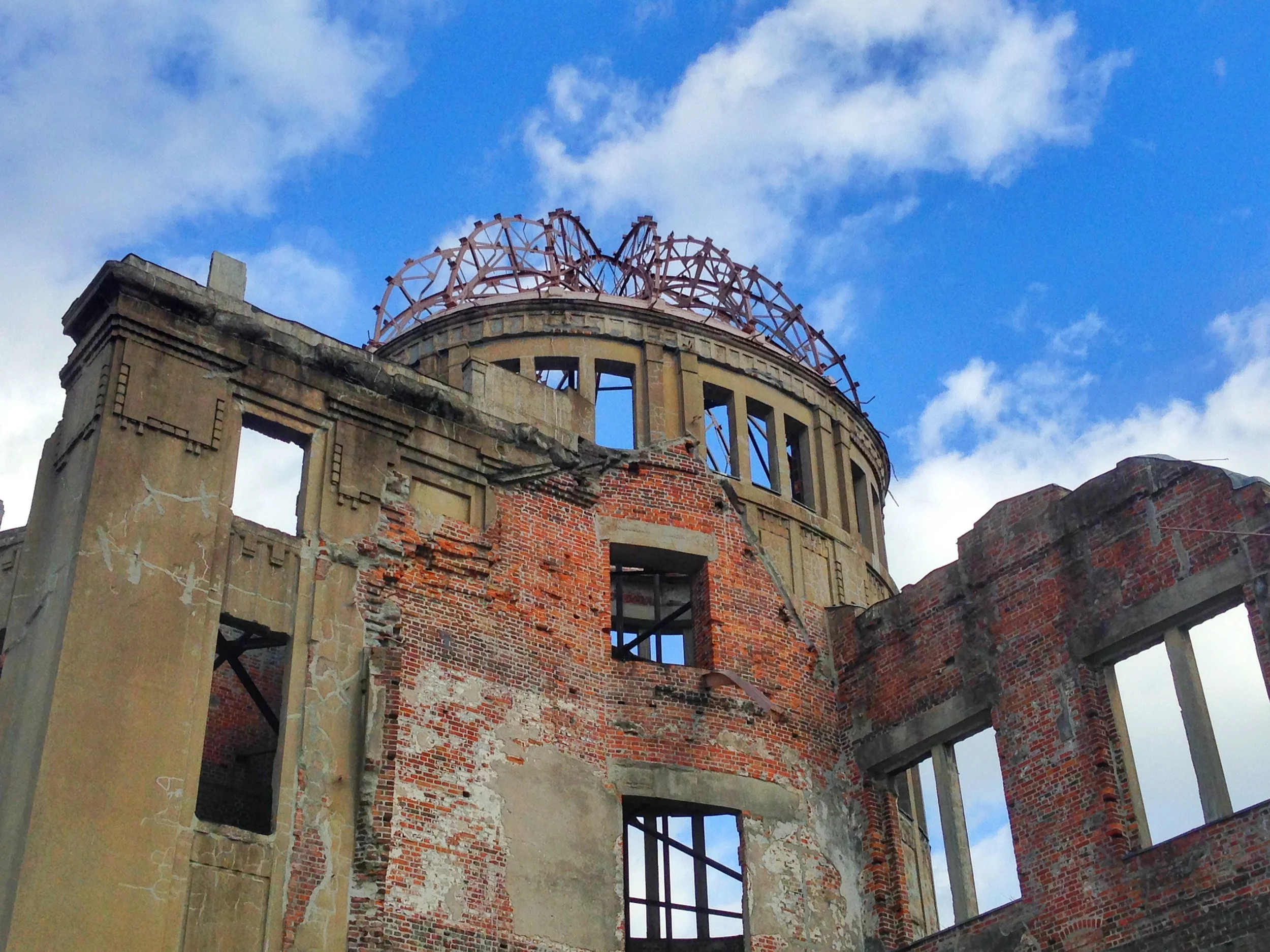
Within walking distance of the Peace Park, you can also visit the hypocenter marker and the Atomic Bomb Dome. The marker identifies the location beneath the bomb’s detonation point, while the preserved Dome stands as a physical reminder of the destruction caused by the bombing. The surrounding city shows how Hiroshima has rebuilt, and everyday life has continued in the decades since the war.
Visiting the museum and Peace Park made me reflect on how my own understanding of World War II had changed over the years. It further reinforced the importance of peace and remembering the civilian experiences of war. We must consider the long-term consequences that survivors and their families must endure long after a war is over. War does not just impact the “bad guys” that are identified. It impacts the innocent people just as much and sometimes more.
Nagasaki Peace Park and Atomic Bomb Museum
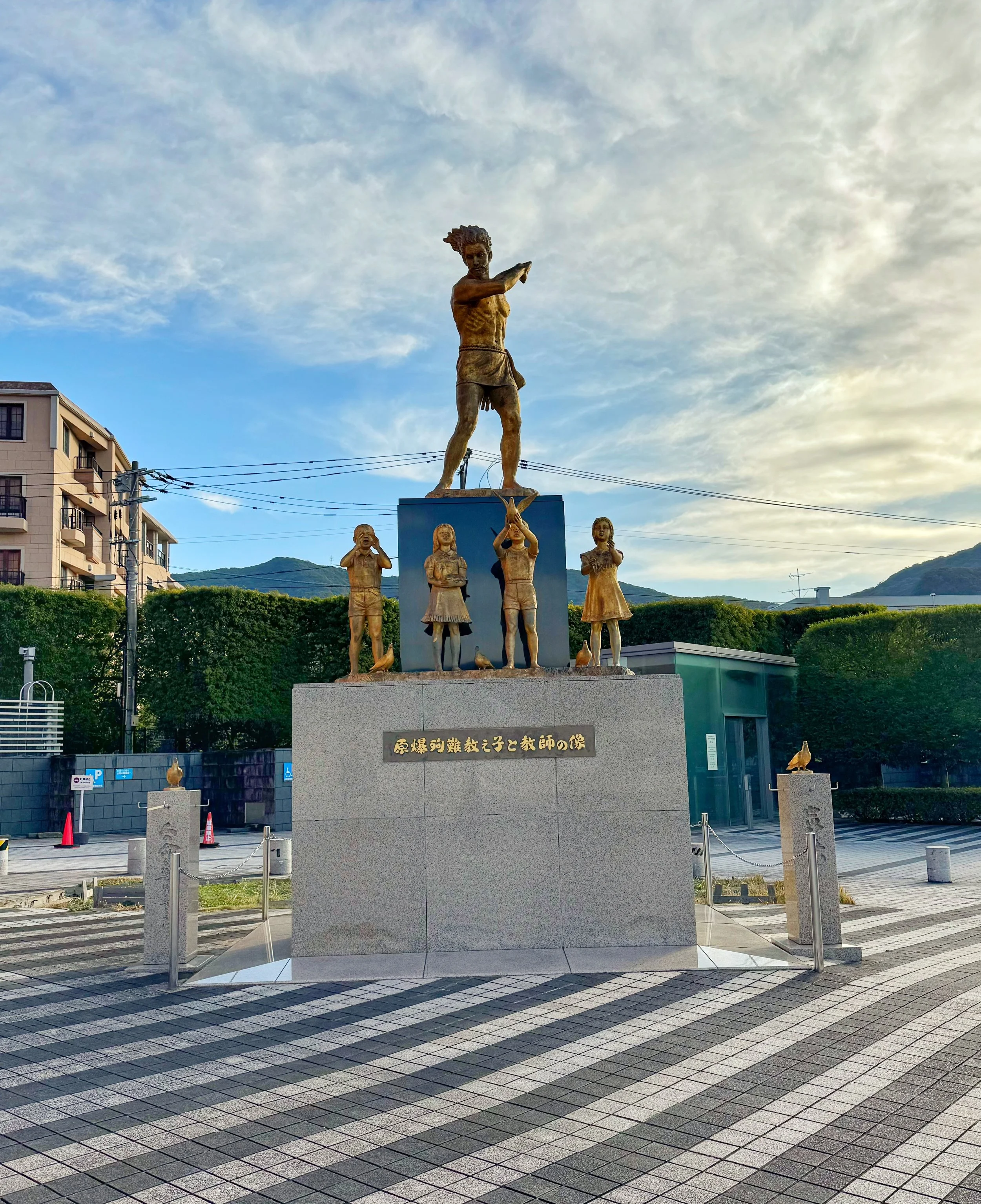
Nagasaki offers another perspective on the atomic bombings with its own history, memorials, and accounts of the people who lived through the destruction. During my visit, I found the area much quieter than Hiroshima. However, visitor numbers vary by season. The atmosphere gave me time to read the exhibits and reflect on the individual accounts described throughout the museum.
The exhibits explore the events surrounding the bombing on August 9, 1945, the destruction of the city, and the consequences for survivors. Like Hiroshima, Nagasaki encourages visitors to consider not only the immediate devastation but also the physical and emotional effects that continued long afterward.
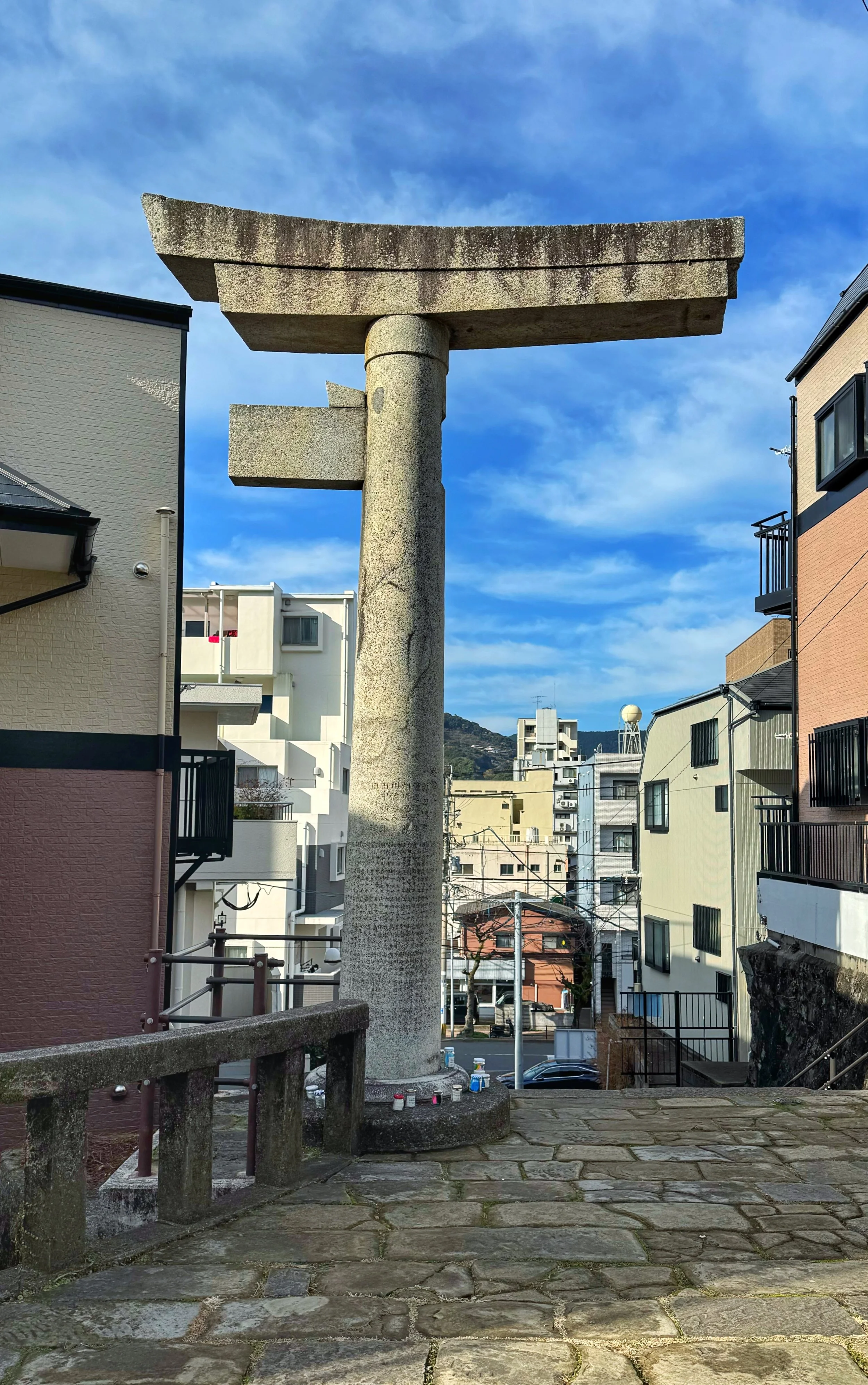
One of the most striking reminders of the bombing can be found outside of the museum area at Sanno Shrine. There, a one-legged torii gate stands as a remnant of the destruction caused by the atomic bomb. The atomic blast brought down one pillar of the second torii gate at Sanno Shrine and left the other standing. The surviving pillar remains a visible reminder of the destruction. What makes this site particularly powerful is its setting. The gate stands within an ordinary landscape of homes, schools, and businesses. It has a way of connecting the present to an event that changed the city forever. Visiting places like Nagasaki illustrates how the passage of time can transform a landscape without erasing the history.
Chiran Peace Museum for Kamikaze Pilots
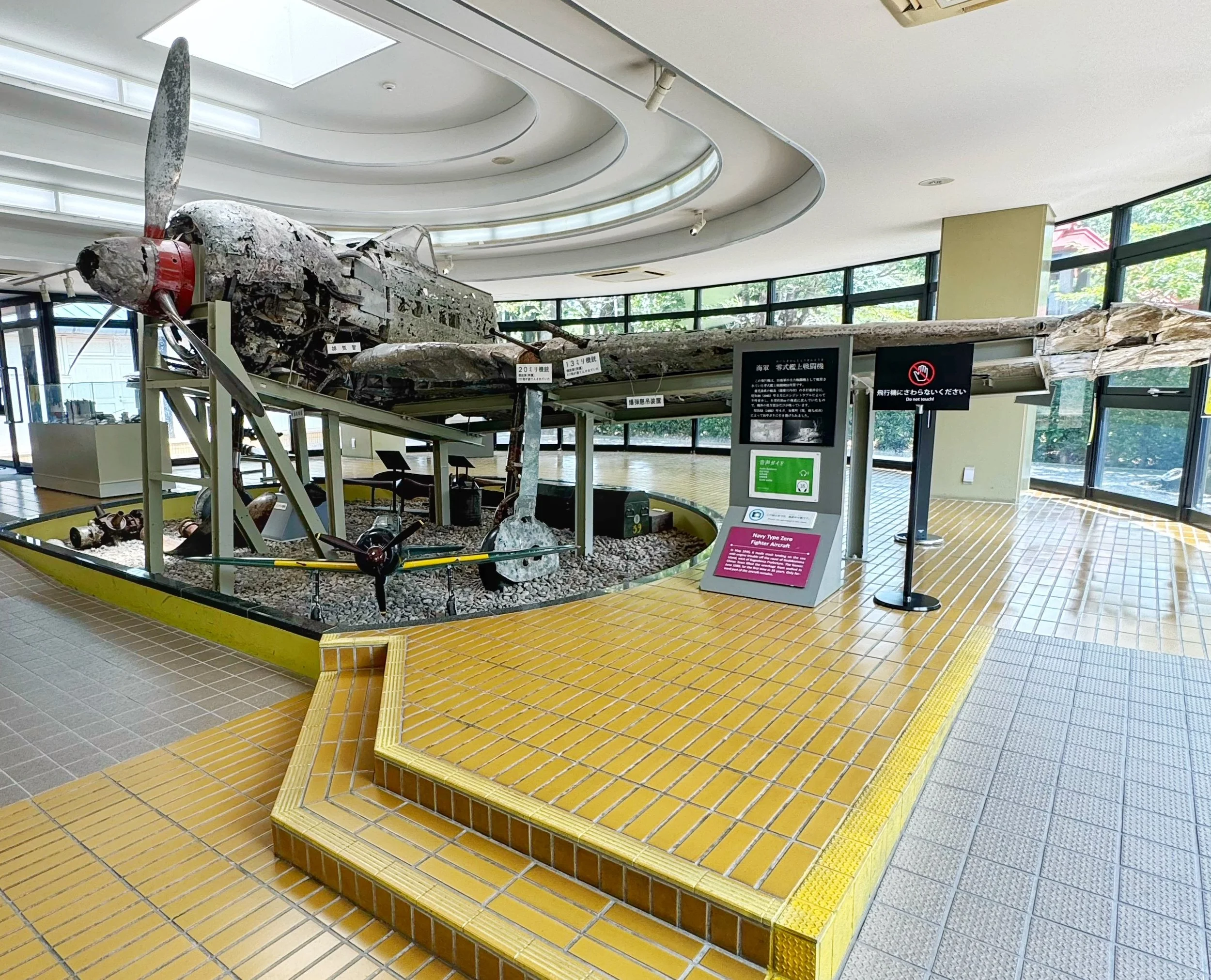
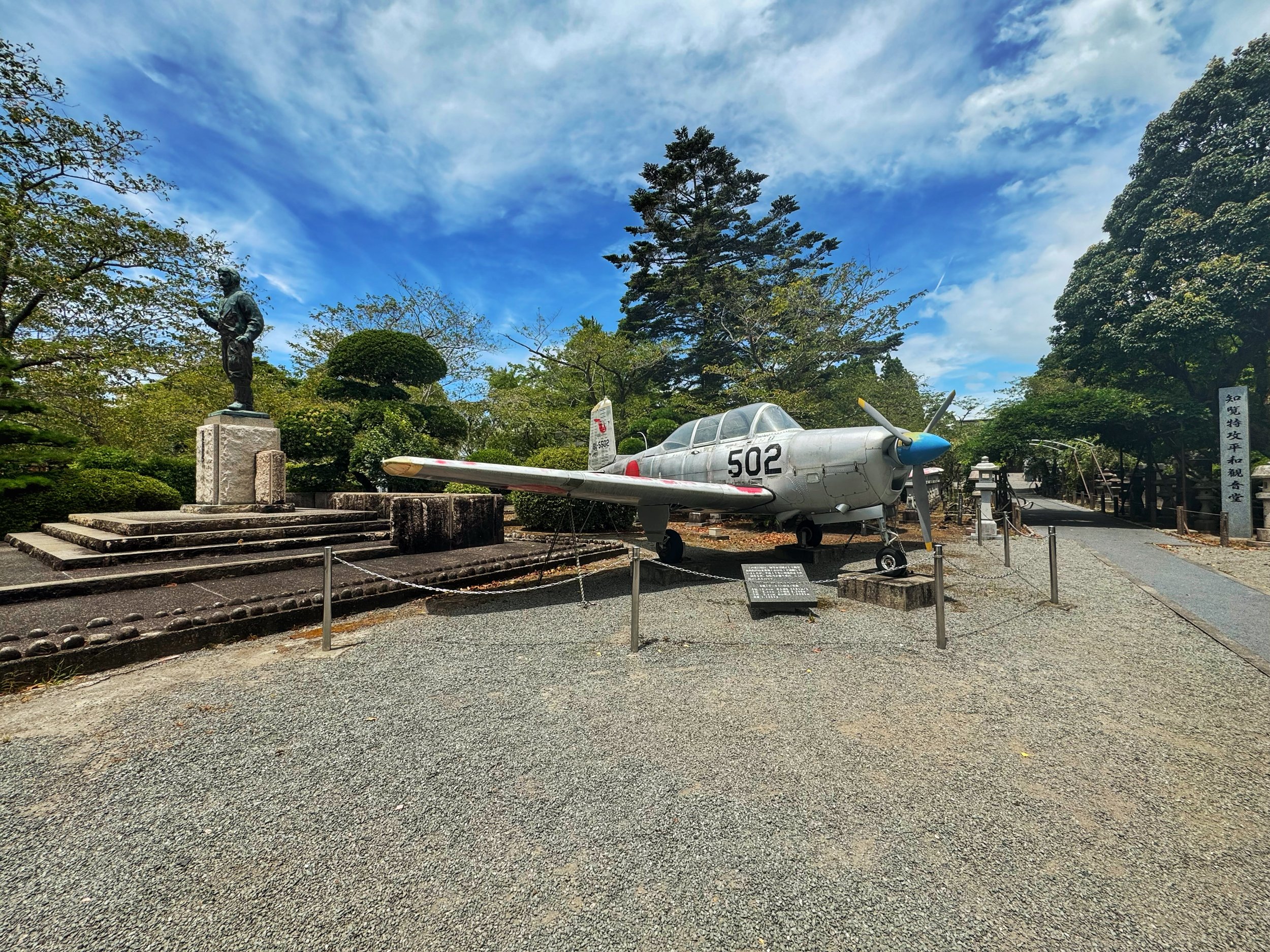
Out of all the places on this list, the Chiran Peace Museum for Kamikaze Pilots was one of the most difficult to visit emotionally. Located in Minamikyushu in Kagoshima Prefecture, the museum commemorates the young men who departed from Chiran Air Base on special-attack missions during the final stages of the war.
During the Battle of Okinawa, 1,036 kamikaze pilots died, including 439 who departed from Chiran. Reading their letters, seeing their pictures, and looking at their personal artifacts makes it difficult to think of them simply as soldiers or statistics in a history book. They were individuals with families, relationships, hopes, and futures that would never come to pass.
Some of the young men associated with Japan’s wartime aviation programs had entered military training as teenagers. The experiences of those known as shonen hikohei (少年飛行兵), or young Army aviation trainees, form part of the broader history of wartime recruitment and military service. Their stories also raise difficult questions about duty, coercion, patriotism, and the circumstances in which young people went to their deaths in war. Looking at the pictures of these young men, many of whom were only around 18 to 20 years old, really makes you consider how war impacts everyone.
The museum is intended not only to preserve the memory of these pilots but also to encourage reflection on war and peace. Visitors may come away with different questions about their experiences and the decisions made during the final months of the war. For me, the personal letters and photographs make the individual lives behind these military missions particularly difficult to ignore.
Yushukan Museum at Yasukuni Shrine
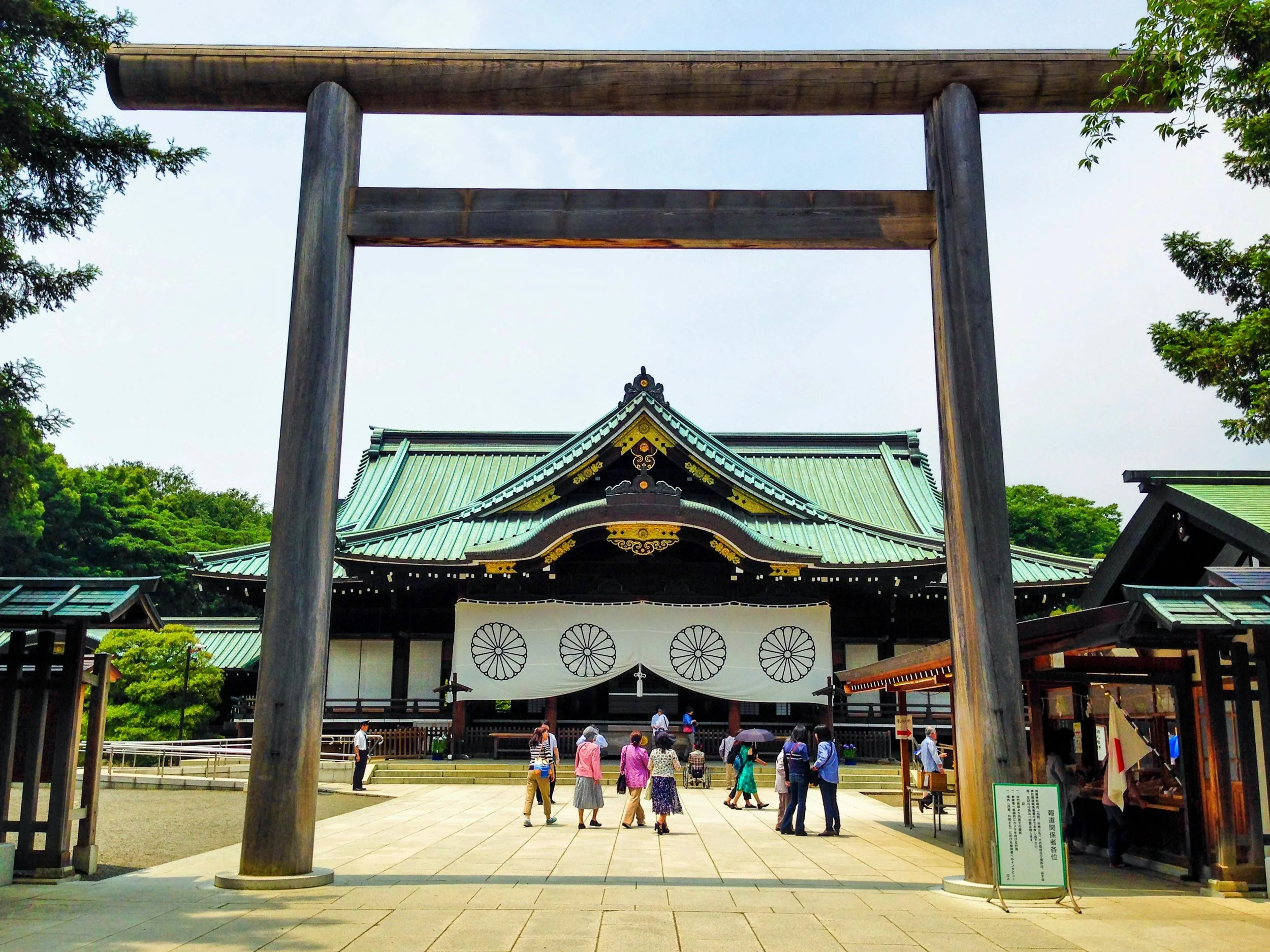
Yasukuni Shrine is one of Japan’s most controversial historical sites, but many travelers who recognize its name may be less familiar with the Yushukan Museum located on its grounds. The shrine commemorates people who died in service to Japan, primarily military personnel and others associated with war efforts. Its enshrinement of some of those who died in World War II, especially 14 Class-A war criminals, and its approach to Japan’s wartime history have made it a source of considerable controversy. This is particularly controversial in relation to visits by Japanese political leaders. Those enshrined at Yasukuni Shrine died in conflicts spanning different periods of Japanese history, although its World War II associations remain a central source of controversy.
While the other museums on this list focus largely on World War II, the Yushukan Museum provides a look into various wars or conflicts in Japanese history. The museum houses personal artifacts, military equipment, vehicles, and various historical documents. It also explores developments and changes in modern Japan, including the Meiji period. Visiting the museum offers insight into the historical interpretation presented by Yasukuni Shrine and the way military service, sacrifice, and national history are commemorated in that context. Its interpretation of Japan’s military history has also drawn criticism for the way it presents the country’s wartime actions and the suffering that occurred in other parts of Asia. This is an important distinction when considering the places on this list. Each institution has a particular purpose, and the stories it emphasizes often reflect the purpose. Understanding the Yushukan means considering both what its exhibits present and the broader historical debates around the shrine.
If you decide to visit, I recommend reading about Yasukuni Shrine and Yushukan beforehand. It is worth understanding the historical and political context so you can make an informed decision about whether the site is one that you want to include on your itinerary. Remember, if you do go, it is a museum on the grounds of a shrine. Even if you do not agree with some of the messages, you should be respectful.
Aichi-Nagoya War Memorial Museum
The Aichi-Nagoya War Memorial Museum provides a more localized perspective on the war. While the collection at this museum is not as extensive as others, it offers an opportunity to learn about the war through materials donated by residents, local groups, and businesses. Aichi Prefecture was an important center of Japanese manufacturing and industry, including aircraft and other military-related production. Nagoya and the surrounding region were extensively bombed during the war. Devastating incendiary raids destroyed large parts of the city. The museum helps visitors connect these larger historical events to the people and communities of Aichi. Rather than focusing exclusively on national military history, its collection offers glimpses into how the war affected everyday life in the region.
Having lived in Japan for so long, I have had opportunities to hear firsthand accounts from people who were children during the war. These conversations have given me a different understanding of how historical events are remembered within families and local communities. Visiting this museum brought some of those stories to mind and helped me connect them with tangible objects from the war.
For travelers interested in Japanese history, local museums are worth seeking out. They may not have the scale or international recognition of larger institutions, but they can offer a closer look at how national and global events affected individual communities.
Final Thoughts
As a historian, I have always believed that it is important to approach research with an open mind and a willingness to question my own assumptions. Yet, as a person, it can sometimes be difficult not to feel something based on what you see or research. My research has focused in part on Japanese immigration and the experience of Japanese people living throughout the Americas, including during World War II. Through that work, I have come to understand how much of our understanding of the past can be shaped by where we come from, what we have been taught, and whose experiences we take the time to examine.
Visiting these museums has reminded me that learning the events of a war in a textbook is different from hearing the accounts of people who lived through them. A deeper understanding means considering how people experienced those events, how the events have been remembered, and what may be missing from the accounts we encounter. No single museum or history book can tell the entire story of a war, and the institutions on this list approach the subject from different perspectives. That is precisely why they are worth visiting.
If you are traveling in Japan and are interested in military history, I hope you will consider visiting some of these places. You may encounter accounts that challenge what you learned growing up, introduce you to viewpoints you had never considered, or give you a better understanding of how the war affected the people who lived through it. These are not easy places to visit, but they remind us of the human cost of war and the lives affected on all sides.
History is not only about the events we remember or study. Moreover, it is about the people whose lives were changed by them, the ideas that are passed down through generations, and the questions we continue to ask about the past. Taking time to visit these places is one of the best ways to make sure the stories are not forgotten.
If you have visited any of these museums, I would love to hear your thoughts. Was there a particular exhibit, personal account, or artifact that stayed with you long after your visit?
